Games
Bright Ideas for Using Tap Lights in the Classroom

If you’re searching for bright ideas for using tap lights in the classroom, you’re in the right place! Keep your learning spirit alive with our curated list of bright ideas for using tap lights in the classroom, like a push-up lights game, a tap light wall installation, a classroom setup, and an amazing tap light sensory bottle idea.
Bright Ideas for Using Tap Lights in the Classroom
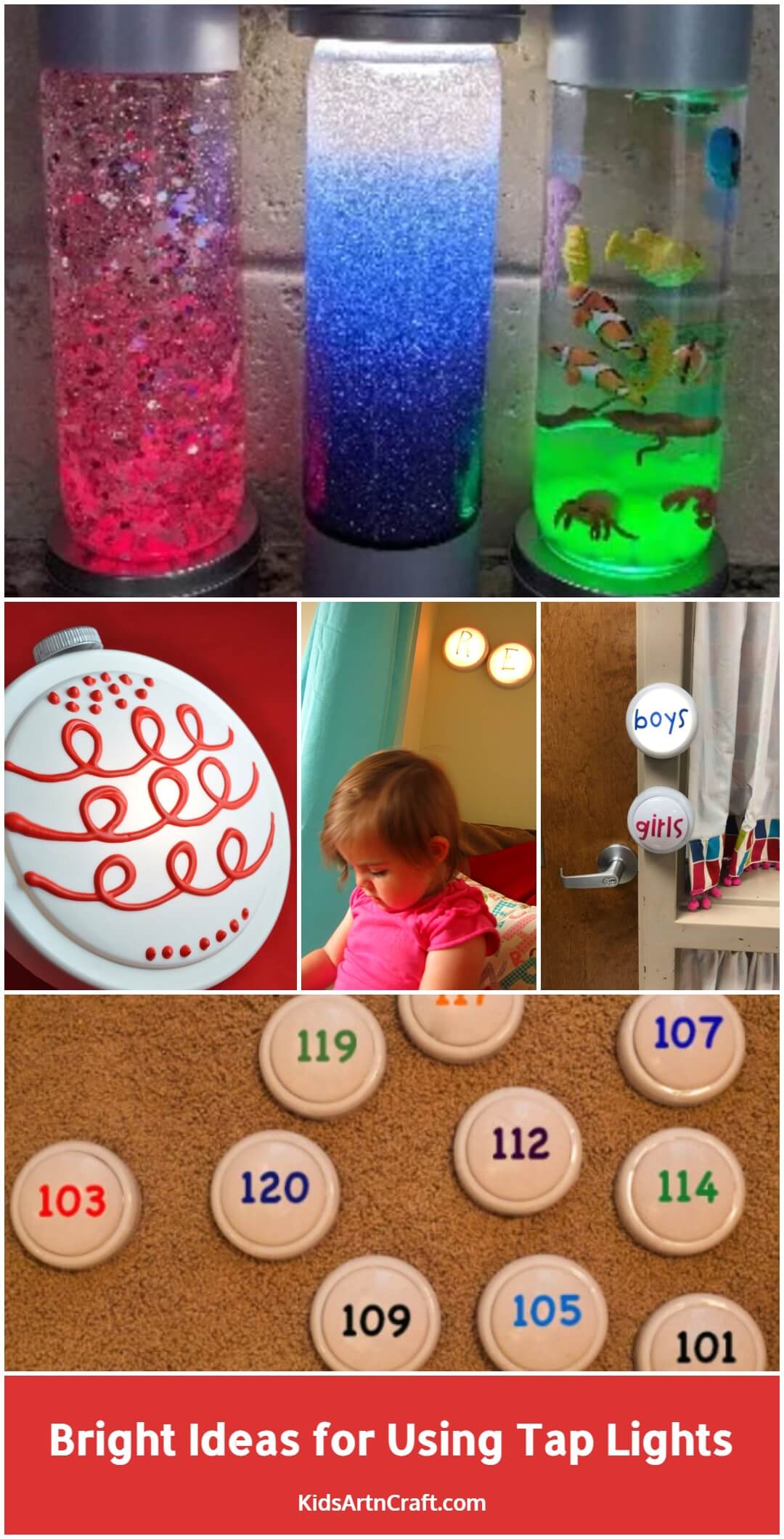

Read More: Foam Craft Ideas for Kids to Make at Home
Push Light Capital and Lowercase Letter Matching Craft

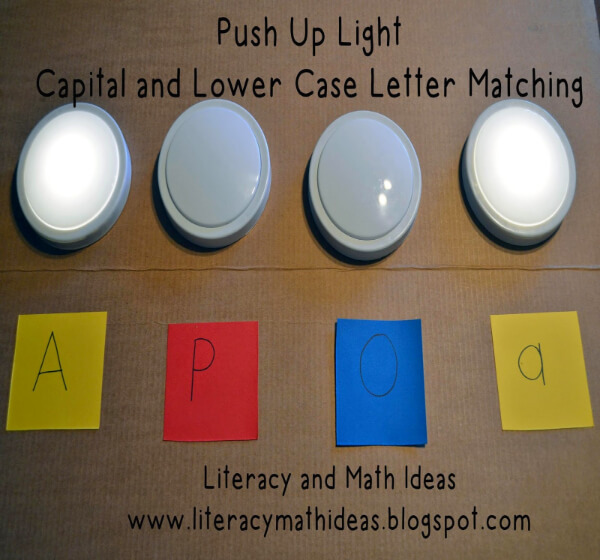
Image Source/Tutorial: Literacy Math Ideas
Materials Required:
Push lights, Cardboard sheet, Colored paper squares, Marker pen, Glue or double-sided tape
Procedure:
Attach push lights to a cardboard board and place letter cards below each light. Write matching uppercase and lowercase letters and let children press the correct light to find the match.
Push Light Picture and Beginning Sound Matching Game

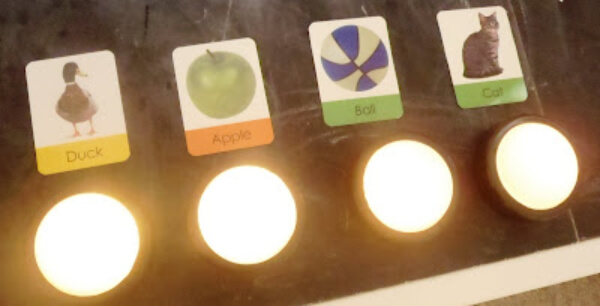
Image Source/Tutorial: A Little Learning For Two
Materials Required:
Push lights, Picture flashcards, Cardboard, Tape or glue, Marker
Procedure:
Fix picture cards above the push lights and label them with beginning sounds. Children identify the picture and press the matching light for the correct letter sound.
Light-Up Number Recognition Learning Board

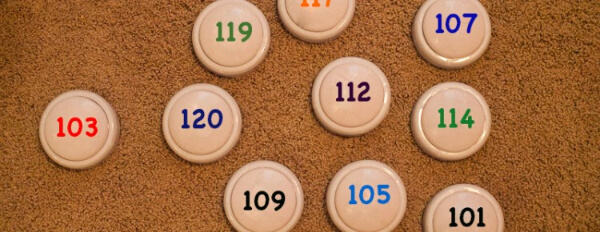
Materials Required:
Push lights, number stickers or labels, corkboard or cardboard, and marker pens
Procedure:
Write different numbers on each push light and arrange them on the board. Call out a number and have children press the matching light.
Illuminated Alphabet Wall Learning Display

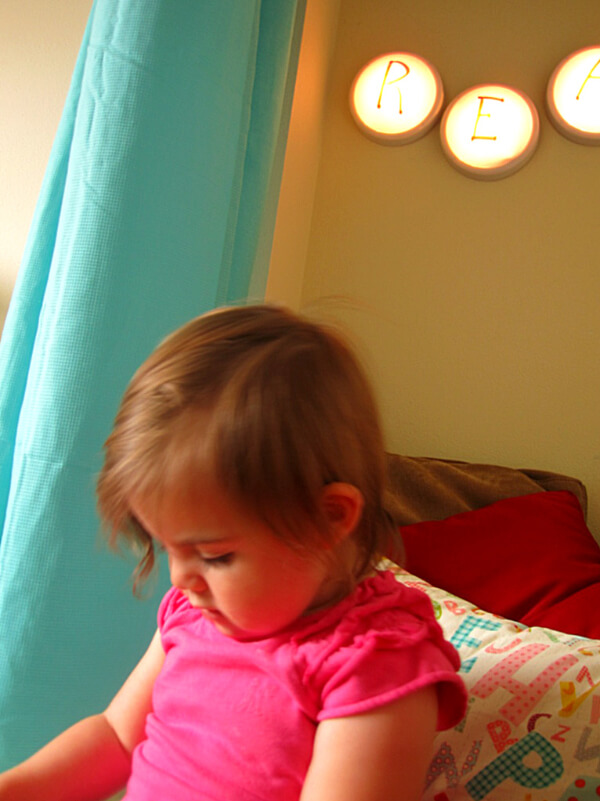
Image Source/Tutorial: No Time For Flash Cards
Materials Required:
Push lights, Alphabet labels, Wall adhesive strips, and Marker pens
Procedure:
Attach push lights to a wall and label each light with a letter. Use the display for letter recognition, spelling, and reading activities.
Push Light Classroom Voice Level Chart

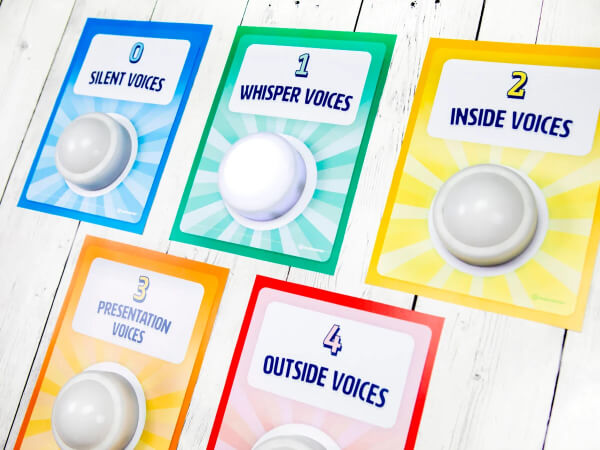
Image Source/Tutorial: Teach Starter
Materials Required:
Push lights. Printable voice level cards, Laminating sheets (optional), Glue or tape
Procedure:
Place a push light on each voice-level card and display them in the classroom. Turn on the appropriate light to remind students of the expected voice level.
Read More: Wall Hanging Christmas Tree Ideas with Lighting
Interactive Push Light Counting Wall

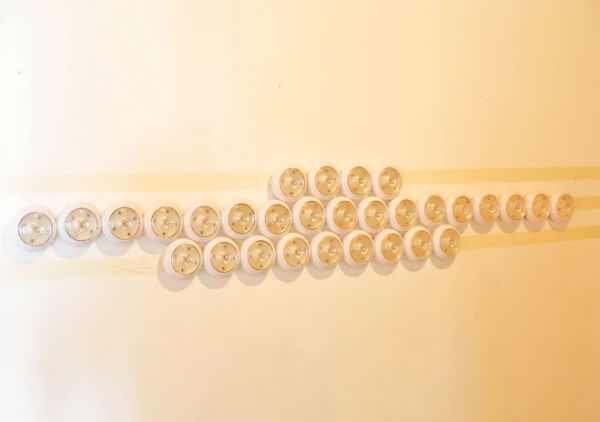
Image Source/Tutorial: Crafted In Carhartt
Materials Required:
Multiple push lights, Wall or board Number labels, and Adhesive strips
Procedure:
Arrange push lights in a straight line and label them with numbers. Children count, skip-count, or solve simple math problems using the lights.
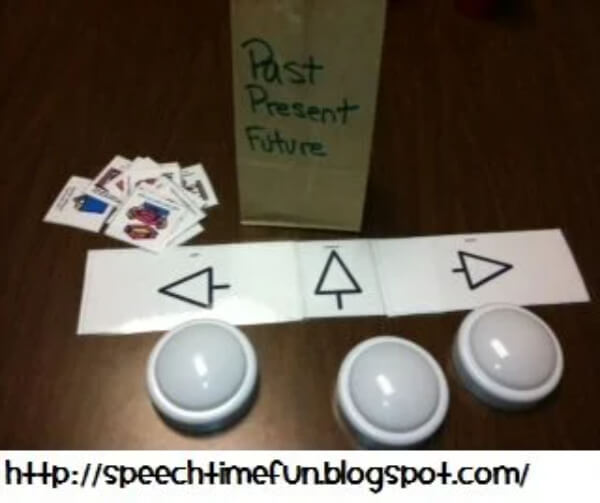
Push Light Past Present Future Sorting Board

Materials Required:
Push lights, Picture cards, Cardboard strip, Marker pen, and Glue
Procedure:
Create sections labeled Past, Present, and Future above the lights. Children sort picture cards and press the light that matches the correct time category.
Light-Up Prewriting and Tracing Practice Board

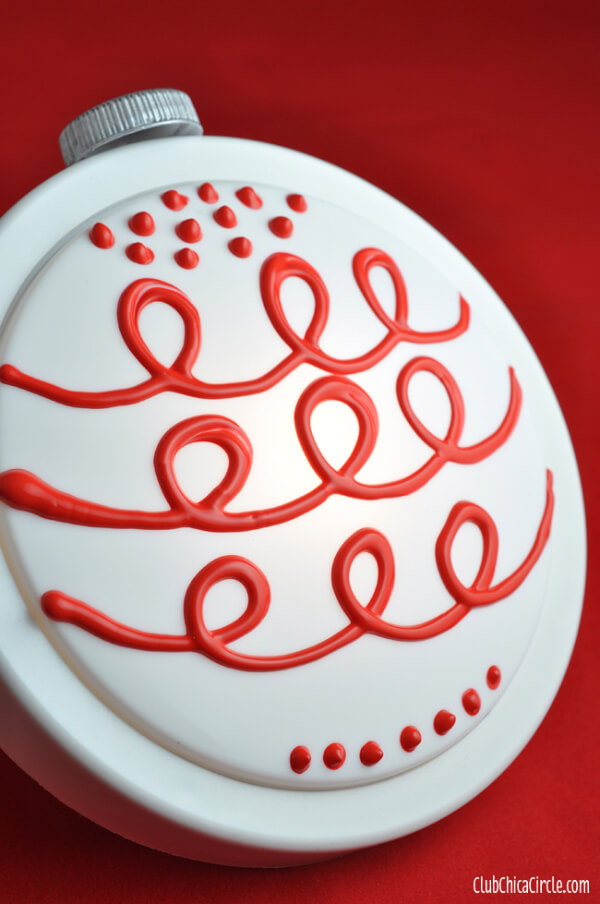
Image Source/Tutorial: Club Chica Circle
Materials Required:
Push light, Puffy paint, or hot glue, Marker, and a white plastic lid or surface
Procedure:
Draw tracing patterns using puffy paint or raised glue lines on the light cover. Allow children to trace the patterns with their fingers for fine motor practice.
Push Light Boys and Girls Door Sign Craft

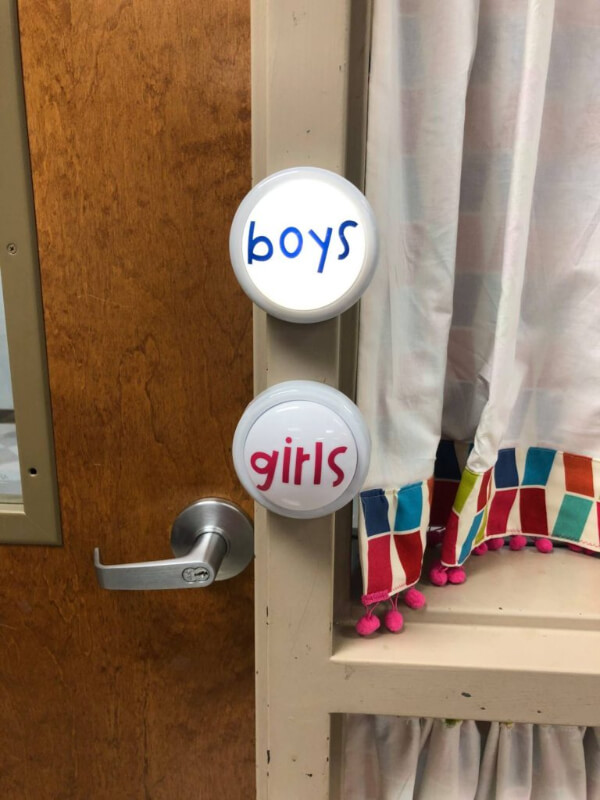
Image Source/Tutorial: Keeping Up With Mrs. Harris
Materials Required:
Push lights, Permanent markers, Adhesive strips,and Labels
Procedure:
Write “Boys” and “Girls” on separate push lights. Mount them near the classroom area or learning center for easy identification.
Glowing Solar System Push Light Craft

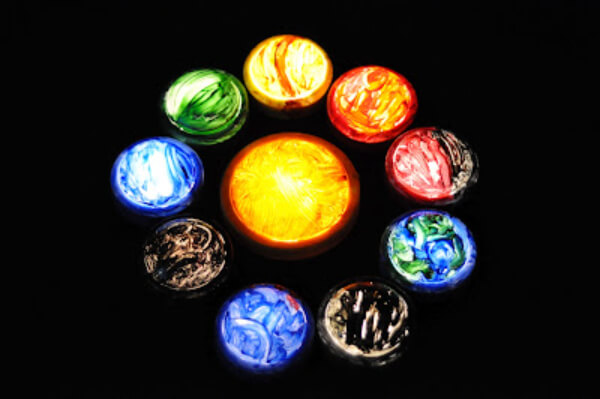
Image Source/Tutorial: Play At Home Mom LLC
Materials Required:
Push lights, Acrylic paints, Paintbrushes, a black display board, and Glue
Procedure:
Paint each push light to resemble a planet and the Sun. Arrange them in solar system order on a blackboard and switch on the lights for a glowing effect.
DIY Glow-in-the-Dark Sensory Bottles for Kids

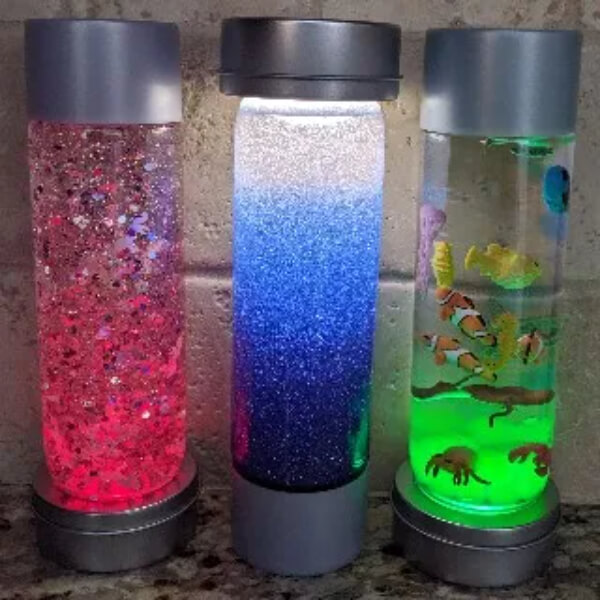
Image Source/Tutorial: Tea In The Wild
Materials Required:
Clear plastic bottles with lids, Water, Glitter (various colors), Glow sticks or waterproof LED lights, Mini plastic sea animals or toys, Glycerin or clear glue (optional), Food coloring, Hot glue (to seal lids)
Procedure:
Fill each bottle with water, glitter, food coloring, and small toys; add glycerin or clear glue to slow the movement of the contents. Place a glow stick or waterproof LED light inside or beneath the bottle, seal the lid securely, and shake gently to create a glowing sensory display.
Step-by-Step Bright Ideas for Using Tap Lights in the Classroom

Learn bright and creative ideas for using tap lights in the classroom with this step-by-step answer tutorial. Discover fun ways teachers can improve classroom management, interactive learning, and student engagement using simple tap lights. Perfect for educators, homeschoolers, and parents looking for creative teaching tools and activities.
Why Tap Lights Are a Smart Classroom Tool
Tap lights are more than simple LED lights—they are versatile teaching tools that make classroom routines interactive and engaging. Teachers can use them to manage noise levels, organize learning stations, support literacy and math activities, and encourage student participation. Their visual signals help children follow instructions quickly while creating a positive learning environment.
Classroom Skills Students Develop
- Follow visual instructions with greater independence.
- Improve teamwork during partner and group activities.
- Strengthen focus and classroom self-management.
- Practice early literacy and number recognition through games.
- Build confidence by participating in interactive lessons.
Teacher Tip
Assign a different purpose to each tap light using labels or colors. For example, one light can represent silent reading, another can indicate group work, while a third can signal question time. Keeping the meanings consistent helps students understand classroom expectations quickly.
Creative Classroom Ideas
- Use tap lights as station markers for different subjects.
- Turn them into quiz buzzers during review games.
- Assign one light for reading time and another for cleanup time.
- Use them to signal transitions between classroom activities.
FAQs
Q1. What are tap lights in a classroom?
Answer: Tap lights are small battery-operated lights that teachers use as visual tools for classroom management, games, and interactive learning activities.
Q2. Which grades can use tap light activities?
Answer: They work well for preschool, kindergarten, elementary classrooms, and can also be adapted for older students.
Q3. Can tap lights be used for subjects other than reading?
Answer: Yes. They are useful for math, science, language arts, classroom transitions, and team-based learning activities.
Q4. Do tap lights help classroom management?
Answer: Yes. Visual signals help students understand routines, reduce distractions, and respond more quickly to teacher instructions.
Q5. Are tap lights suitable for group activities?
Answer: Absolutely. They can be used for learning stations, classroom competitions, review games, and collaborative projects.
Q6. Why do teachers like using tap lights?
Answer: They are affordable, easy to operate, reusable, and make classroom activities more engaging without requiring complicated technology.
Tap lights bring creativity and organization into the classroom, helping teachers create engaging learning experiences while encouraging participation, teamwork, and independent learning in a fun and interactive way. Encourage hands-on learning through these delightful pomegranate craft ideas for kids. Follow our Telegram, YouTube & Facebook for more creative fun.
Reviewed By Rachit Gupta
More Articles from Kids’ Art & Craft
- Washi Tape Ideas for Parents & Teachers
- Winter Craft Ideas for the Classroom
- Teacher’s Day Craft Ideas for Kids
- Summer Craft Ideas for Kids
- SpaceCraft Ideas for Kids