Alphabet
Activities to Make Reading Enjoyable

If you’re searching for activities to make reading enjoyable for kids to do at home, you’re in the right place! Keep your learning spirit alive with our curated list of punch cards, rhyming activities, alphabet playdough, reading book hunts, reading trees bulletin board, how to teach kids to read using phonics, and a DIY reading nook.
Activities To Make Reading Enjoyable
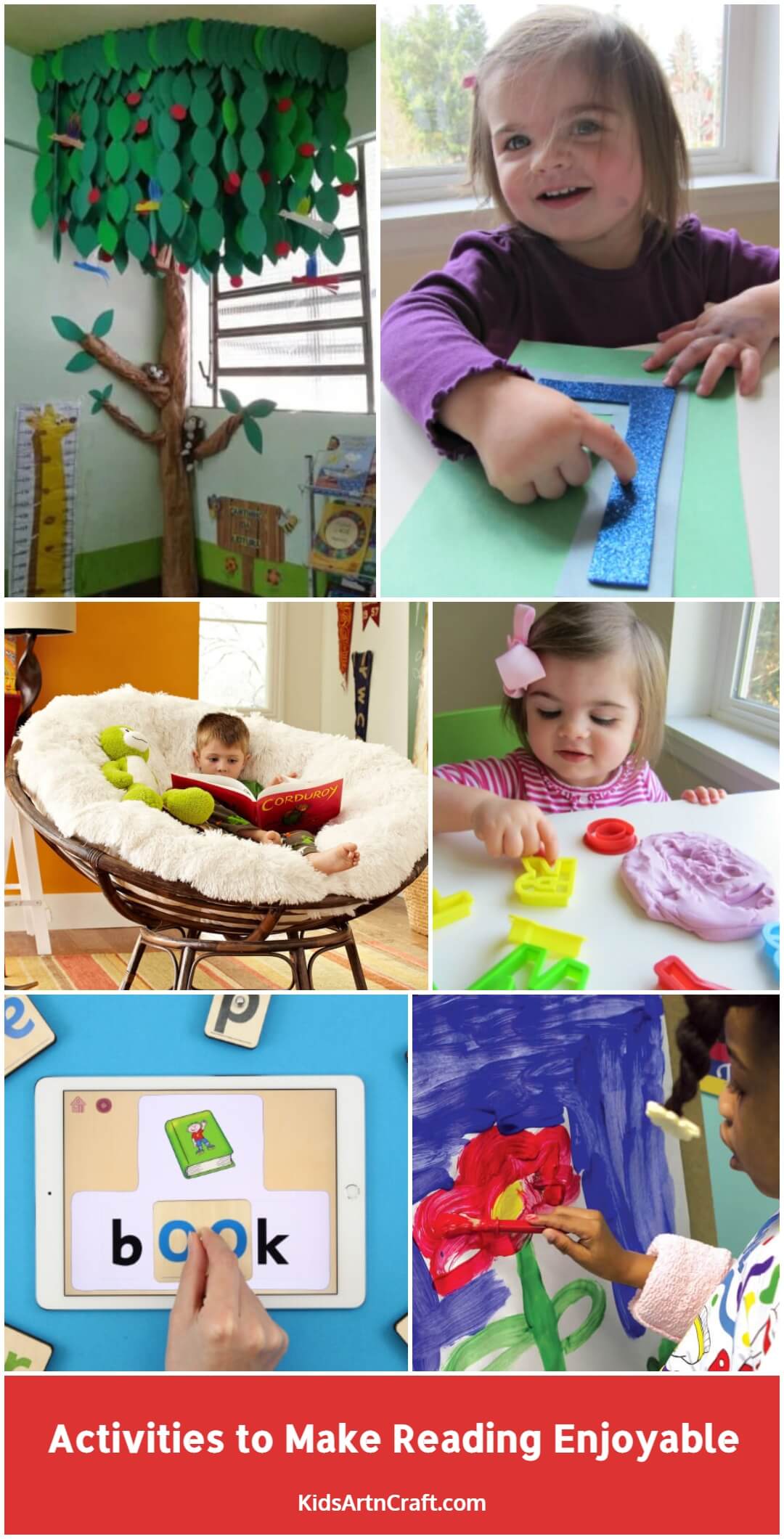

Read More: DIY Creative Reading Corner Ideas for Kids
Super Star Punch Card Reward Craft

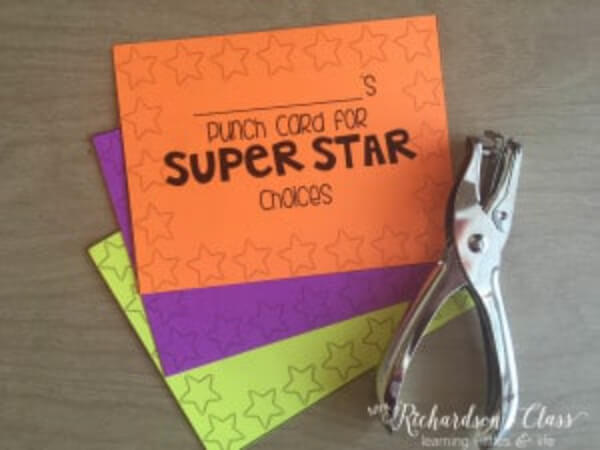
Image Source/Tutorial: Mrs. Richard Son’s Class
Materials Required:
Colored cardstock, marker or printed labels, hole punch, scissors
Procedure:
Cut colored cardstock into small cards and write or print the reward message on each one. Use a hole punch to mark completed good choices as children earn rewards.
Classroom Book Recommendation Display Board

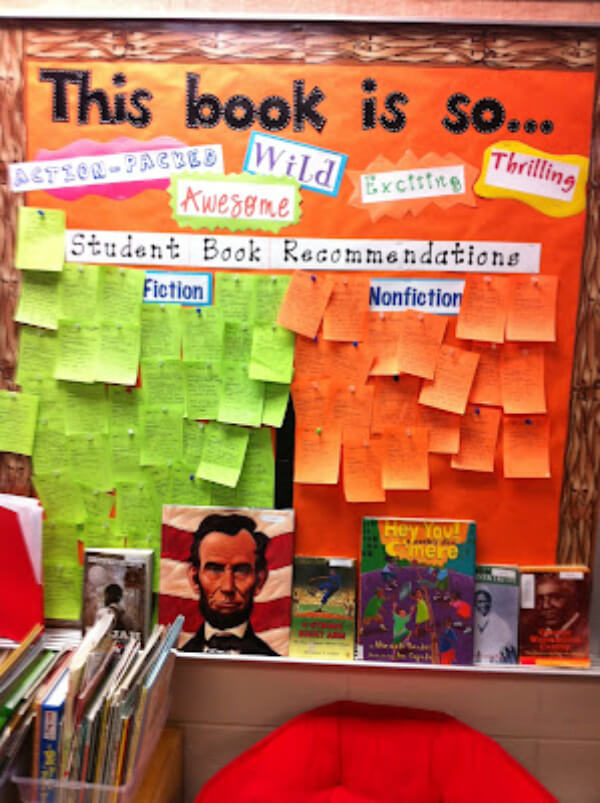
Image Source/Tutorial: Teaching-With-A-Smile
Materials Required:
Bulletin board paper, sticky notes, markers, title cutouts, push pins, or tape
Procedure:
Cover the board with bright paper and add headings for fiction and nonfiction sections. Let students write book suggestions on sticky notes and place them under the correct category.
Classroom Shout Out Awards Bucket

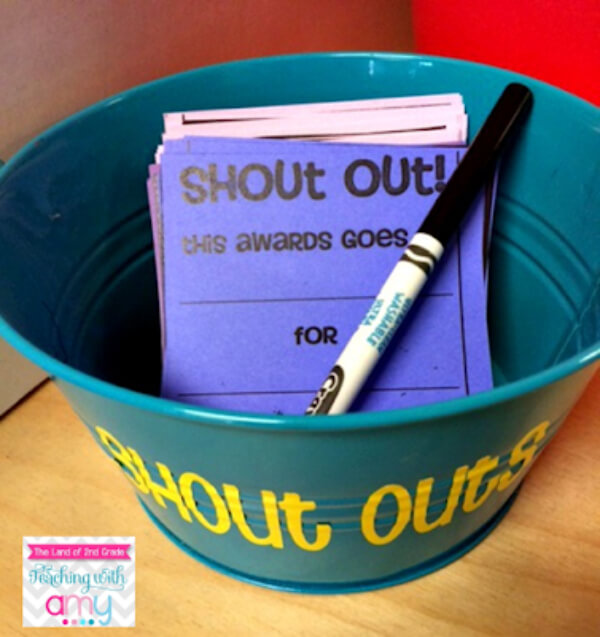
Materials Required:
Metal or plastic bucket, award cards, marker, adhesive letters, or paint
Procedure:
Decorate the bucket with the words “Shout Outs” and prepare small award cards for positive notes. Keep the cards and marker inside so encouraging messages can be added anytime.
Large Paper Tree Wall Display

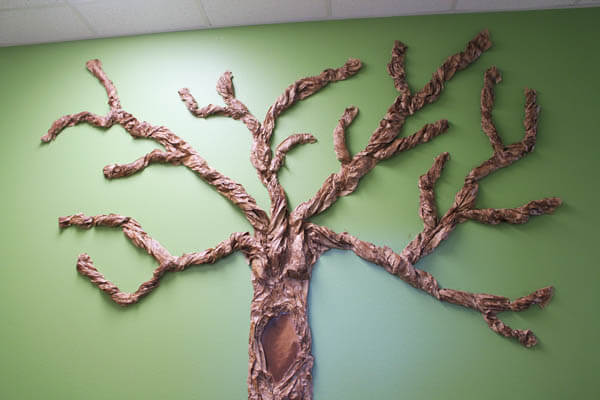
Image Source/Tutorial: Always Expect Moore
Materials Required:
Brown kraft paper or tissue paper, glue, scissors, and wall tape
Procedure:
Twist and shape brown paper into a tree trunk and branches, then attach them to the wall. Add leaves, labels, or student work later to match your classroom theme.
Rhyming Words Rubber Band Matching Activity

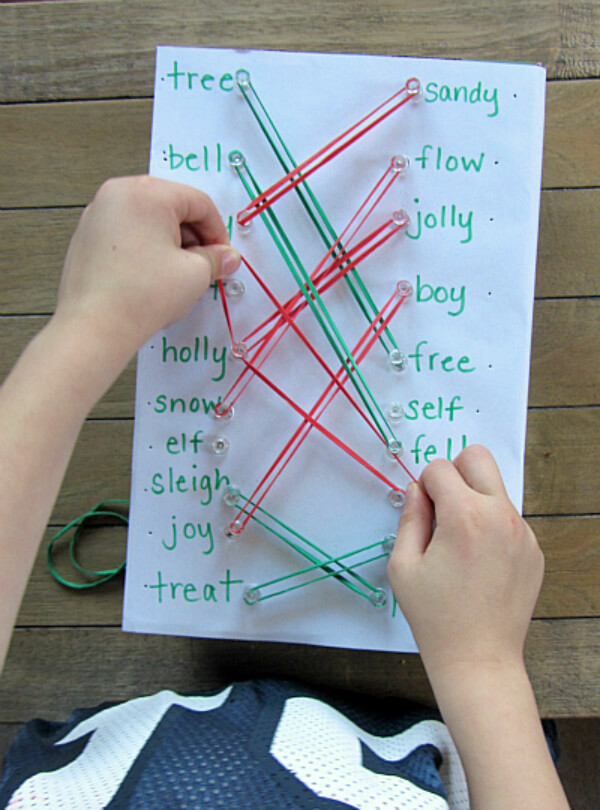
Image Source/Tutorial: No Time For Flash Cards
Materials Required:
Cardboard or foam board, paper, marker, push pins, rubber bands
Procedure:
Write rhyming words in two columns on the board and secure pins beside each word. Children stretch rubber bands between matching rhyming pairs to connect the words.
Read More: Guided Reading Anchor Charts for Kids
Playdough Alphabet Learning Activity

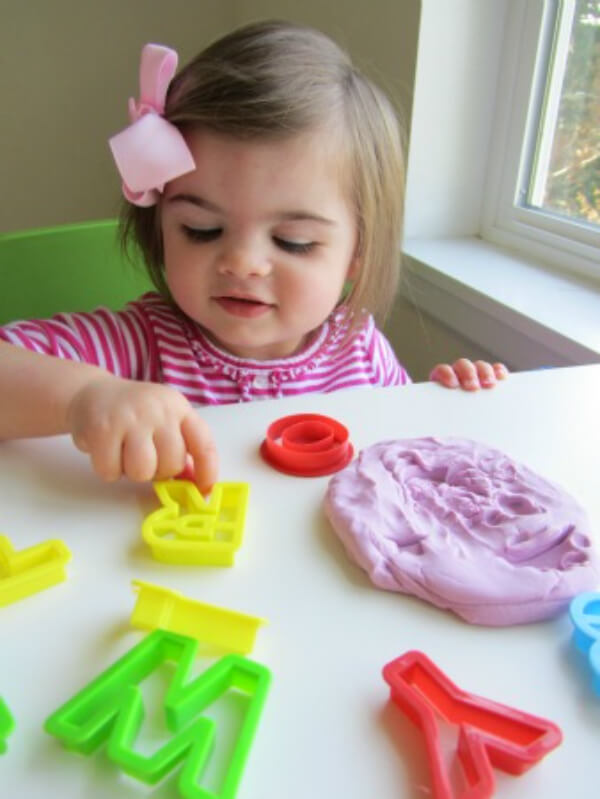
Image Source/Tutorial: No Time For Flash Cards
Materials Required:
Playdough, alphabet cutters, table mat, or tray
Procedure:
Place soft playdough on the table and give children alphabet cutters to press into it. Encourage them to name each letter and make different letter shapes while playing.
DIY Reading Pillow for Kids

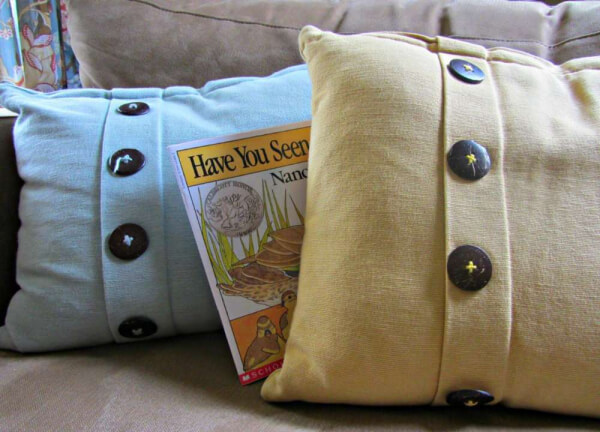
Materials Required:
Fabric, pillow stuffing or ready pillow, wide fabric strip, large buttons, needle, thread, scissors
Procedure:
Sew or attach a fabric strip across the pillow front, leaving space to hold a book. Add large buttons as decoration and to create a charming reading-themed look.
Paper Punch Fine Motor Craft Activity


Image Source/Tutorial: No Time For Flash Cards
Materials Required:
Paper squares or cards, child-safe hole punch or stamp punch, table workspace
Procedure:
Give each child a small piece of paper and show how to press the punch tool carefully. Let them create punched patterns while improving grip strength and coordination.
Glitter Letter Recognition Craft

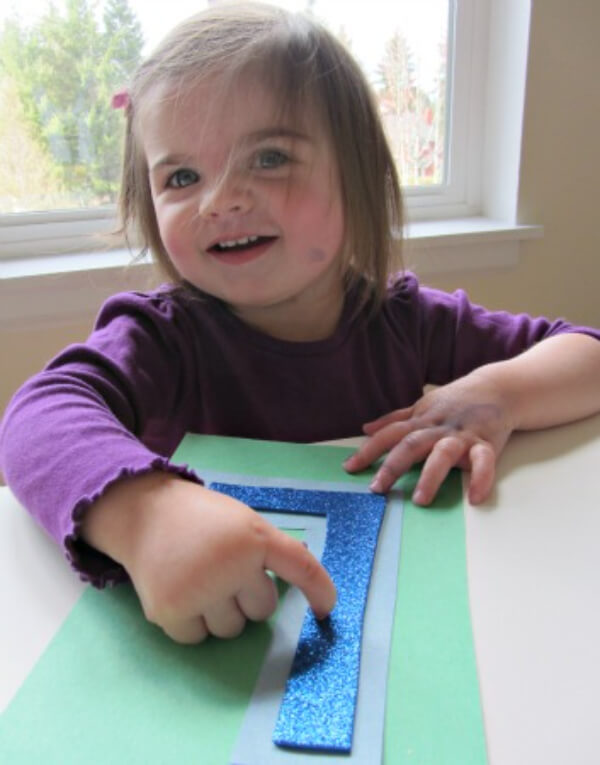
Image Source/Tutorial: No Time For Flash Cards
Materials Required:
Colored paper, glitter foam sheet or glitter paper, scissors, glue
Procedure:
Cut a large letter shape from glitter foam and glue it onto a contrasting sheet of paper. Ask the child to trace and name the letter while decorating the page.
Read More: Reading Fluency Activities for Kids
Kids Flower Painting Craft
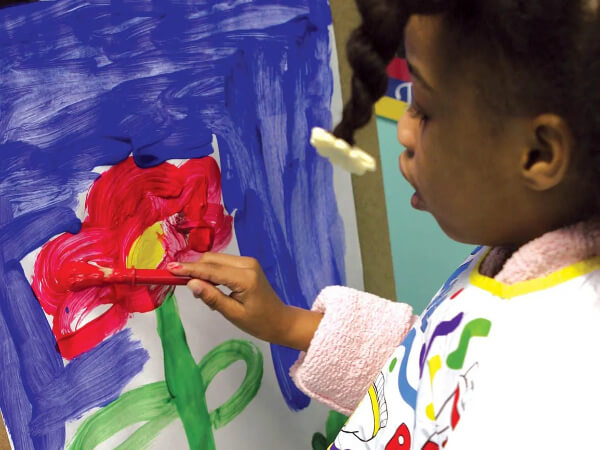
Image Source/Tutorial: Bright Horizons
Materials Required:
Paint, paintbrushes, a large paper sheet, an apron or old shirt, a water cup
Procedure:
Draw or paint a simple flower outline on paper and provide bright paints for coloring it in. Let children fill the petals, stem, and background using broad brush strokes.
DIY Classroom Tree Reading Corner Decor

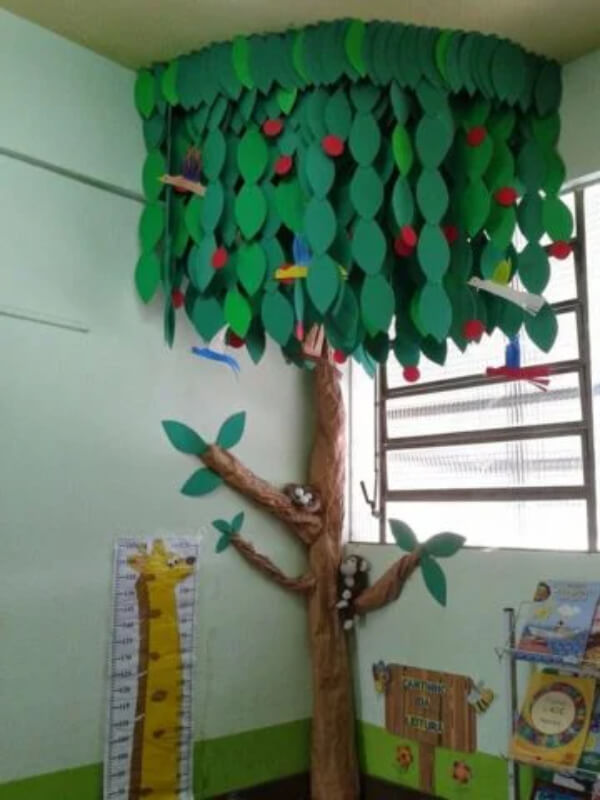
Image Source/Tutorial: Fractus Learning
Materials Required:
Brown craft paper, green chart paper, red paper circles, scissors, glue, string, tape, and colorful paper birds
Procedure:
Create the tree trunk and branches with brown paper and attach them to the wall and the corner. Hang many green paper leaves from the ceiling, then add red paper fruits and birds for decoration.
Interactive Word Building Learning Activity

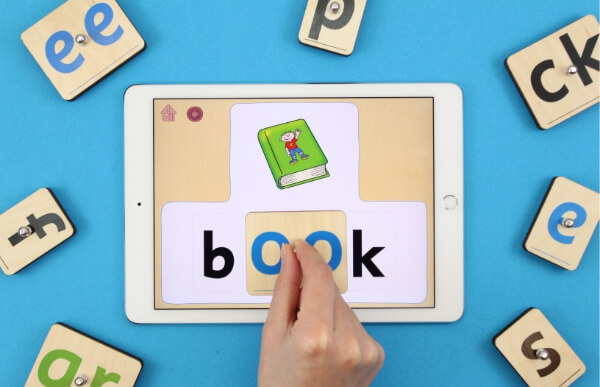
Image Source/Tutorial: Bilingual Kidspot
Materials Required:
Tablet or printed word cards, letter tiles, picture cards, flat workspace
Procedure:
Show a picture and let children choose the correct letters to complete the word. Encourage them to sound out each letter and read the finished word aloud.
Independent Reading Practice for Kids

Image Source/Tutorial: All About Learning Press
Materials Required:
Age-appropriate storybook, quiet reading space, chair, or floor mat
Procedure:
Give the child a simple book with clear text and pictures to explore independently. Let them sit comfortably and read quietly while focusing on the words and illustrations.
Cozy Reading Nook Setup for Kids

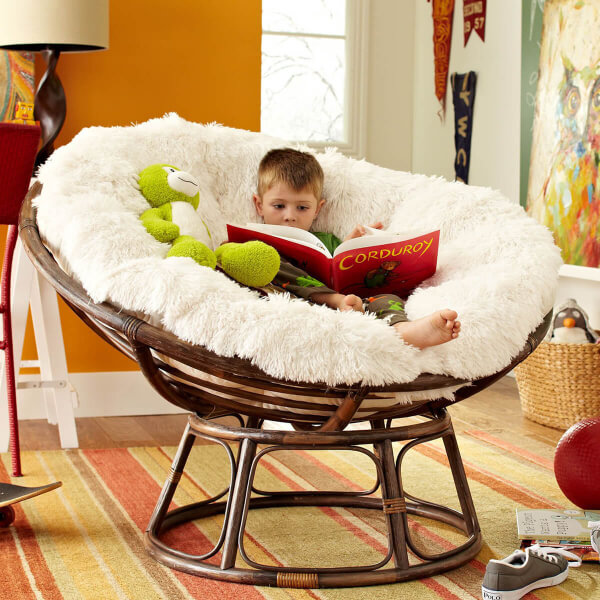
Image Source/Tutorial: Reno Hood
Materials Required:
Soft chair or bean seat, cushion, favorite books, stuffed toy, small rug
Procedure:
Set up a comfortable chair with soft cushions and place books nearby within easy reach. Add a favorite stuffed toy to make the reading corner warm, inviting, and child-friendly.
Fun Activities to Make Reading Enjoyable for Kids
Learn fun and creative activities to make reading enjoyable for kids in this step-by-step tutorial. Discover simple classroom and home ideas that motivate children to love books, improve reading skills, and stay engaged. Perfect for teachers and parents looking for easy, interactive reading activities for young learners.
Why Making Reading Enjoyable Matters for Child Development
Reading should be more than a school task—it should be a positive and enjoyable experience that helps children develop a lifelong love of learning. Research shows that children who read for pleasure are more likely to improve their vocabulary, reading comprehension, communication skills, and academic performance. Regular reading also supports creativity, critical thinking, empathy, and emotional development.
When reading activities are fun, interactive, and connected to a child’s interests, children become more motivated to read independently. Allowing children to choose books, explore different reading formats such as comics and magazines, participate in storytelling games, and discuss books with friends or family can significantly increase reading engagement and enjoyment. Educational experts also recommend creating positive reading environments through reading corners, book clubs, library visits, and shared reading experiences.
Tips for Parents and Teachers to Encourage Reading Habits
- Allow children to select books based on their interests and hobbies.
- Create a comfortable reading space with age-appropriate books.
- Read aloud regularly and discuss stories together.
- Use audiobooks to support reluctant readers.
- Organize reading challenges, book clubs, or storytelling activities.
- Visit libraries and bookstores to explore new books.
- Connect books to real-life experiences, crafts, and educational activities.
- Limit distractions during reading time and establish a daily reading routine.
Learning Benefits of Fun Reading Activities
- Improves vocabulary and language development.
- Strengthens reading comprehension skills.
- Enhances imagination and creativity.
- Develops concentration and attention span.
- Builds confidence and independent learning skills.
- Encourages critical thinking and problem-solving.
- Supports social-emotional development and empathy.
- Promotes a lifelong love of books and learning.
FAQs
Q1. What are the best reading activities for reluctant readers?
Answer: Interactive storytelling, reading games, comic books, audiobooks, scavenger hunts, and role-playing activities can make reading more enjoyable for reluctant readers.
Q2. How much reading time should children have each day?
Answer: Most educators recommend at least 15–20 minutes of daily reading for young children, while older children can benefit from 20–30 minutes or more of independent reading.
Q3. Can audiobooks help children improve reading skills?
Answer: Yes. Audiobooks can improve listening comprehension, vocabulary, pronunciation, and overall engagement with stories, especially for struggling readers.
Q4. Why is reading for pleasure important?
Answer: Reading for pleasure helps children develop stronger literacy skills, better academic performance, improved imagination, and greater confidence in learning.
Making reading enjoyable helps children strengthen literacy skills, boost creativity and confidence, and develop a lifelong love of learning. Fun activities, discussions, and books encourage enthusiastic, engaged, and successful readers. Turn learning into a personalized and enjoyable adventure with name crafts for kids. Join us on Telegram, YouTube & Facebook for fresh craft ideas, fun learning activities, and creative inspiration every day.
Reviewed by Yash Sharma
More Articles From Kids’ Art & Craft
- Reading Corner Ideas for Kids
- 20+ Learning Activities for Kids To Do At Home
- Interesting Letter Learning Activities For Preschoolers
- Learning Activities for Preschoolers
- Number Learning Activities For Kids