Classroom
Classroom Anchor Charts for Grade 2

Anchor charts are a great way to share information among students. These are visual tools that are designed according to our ideas to reinforce out-of-the-box thoughts. Anchor charts are made with the students to get the most out of the activity. Anchor charts are an important element of education, and not only second graders but all grades of students should know how to make anchor charts for themselves.
There are lots of anchors we are going to discuss in this article. Anchor charts related to growth, discipline, organizing, reading, grammar, mindset, and more are mentioned here to help students to excel in any field of life. Letting them make anchor charts and fill out the points for themselves promotes conceptual skills, develops an analytical mindset, and promotes overall development. Let’s explore them one by one. Keep your learning spirit alive with our curated list of Classroom Anchor Charts for Grade 2 like bucket filling classroom reminder, what good readers do, parts of a plant, daily goals, growth mindset, main topic, personal narrative, grammar learning, theme development, notebook version, character traits, time telling, my rights as a reader, desk organizing, plot analyser, pronouns learning, classroom promises and learning to count
Classroom Anchor Charts for Grade 2

Read More: Anchor Charts for 5th Grade
Bucket Filling Classroom Reminder

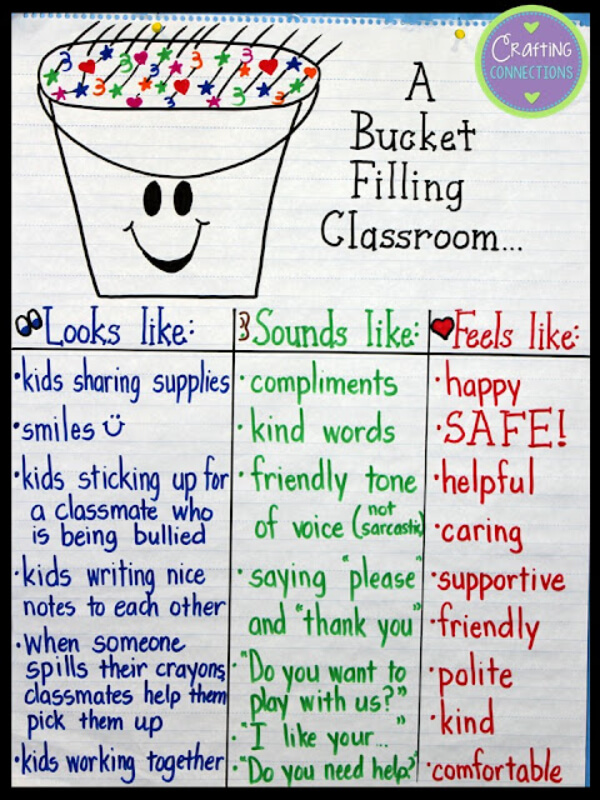
Image Source/Tutorial: Crafting-Connections
The chart speaks about the actions that fill the bucket and the actions that drain the bucket. I assume you have heard about ‘bucket filling’ and ‘bucket dripping’ activities. This chart will remind students the whole year to put on the right actions, thoughts, and emotions for another person and eliminate negative, mean, and rude thoughts. Create the chart and put it up on the classroom wall.
“WHAT Good Readers Do” Anchor Chart

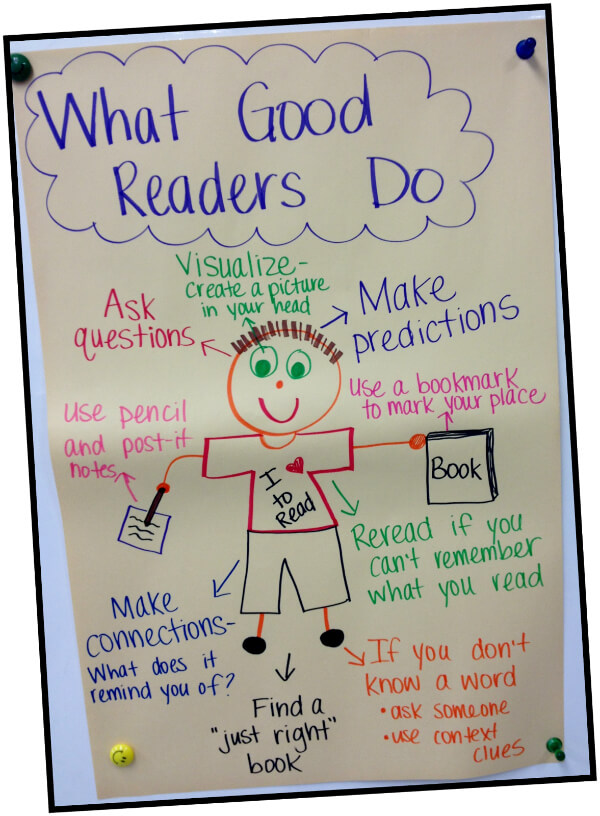
Image Source/Tutorial: Ms Third Grade
This chart will remind students about why reading is important and what good readers do. Take a look at the above picture; it says that a good reader works hard to become a better reader. Make out this chart by engaging with the students and making the best out of it.
Parts of a Plant Anchor Chart
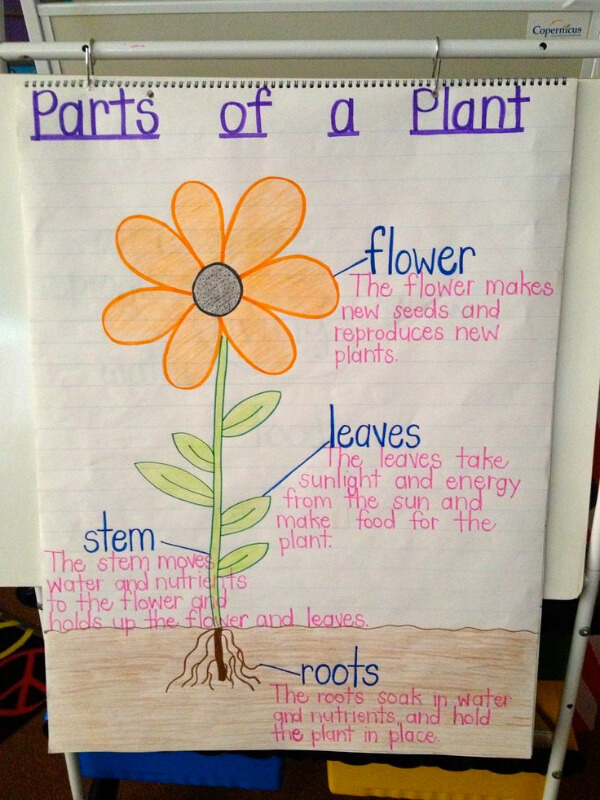
Do this one, make the chart, and put it up in the classroom so that kids might never forget what the parts of a plant are. They should remember the purpose of each plant so that when they plant a tree, they know when to water and how to care for it. Just put it up, and it will be the topic of discussion for them.
Daily Goals Anchor Chart

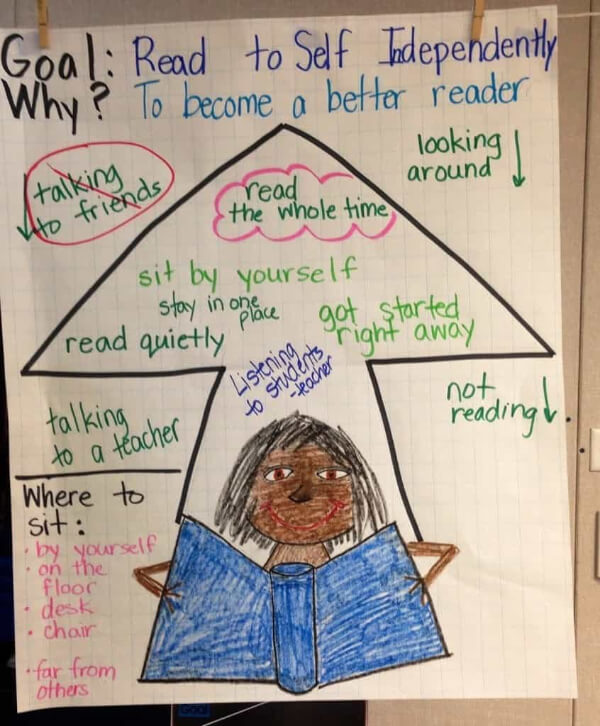
Image Source/Tutorial: What I Have Learned Teaching
Make anchor charts that set daily goals for students so that they know the important tasks for the day. This one talks about reading independently and highlights important points to achieve that. These types of charts will lead a child towards becoming a better reader, listener, and learner.
Growth Mindset Anchor Chart

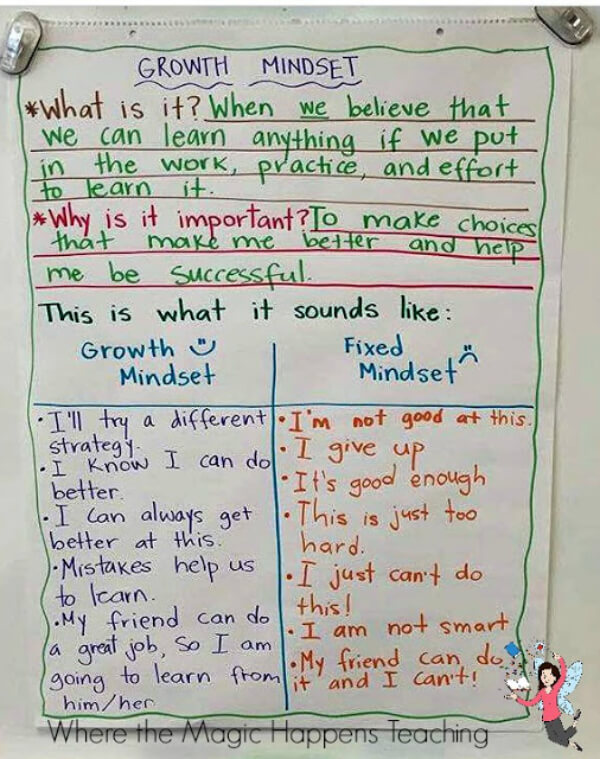
Image Source/Tutorial: Where The Magic Happens Teaching
Where the mindset is correct, there the growth begins. The anchor chart will help second graders to put up a mindset to never give up, to keep trying, to give all, to get up and try again, and all positive thoughts that will make them better and hard-working people with strong character.
Read More: Anchor Charts for Grade 3
Main Topic Anchor Chart
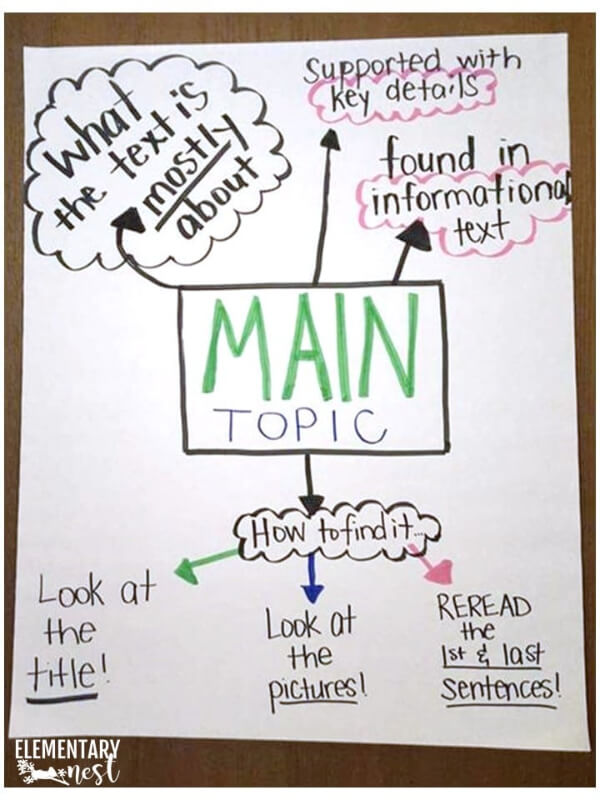
Image Source/Tutorial: Elementary Nest
This anchor chart idea teaches how to find any important information behind any data. The chart revolves around the idea of the main topic and ways to recognize it. If kids look at this and try to understand what it means, they will surely learn how to find it.
Personal Narrative anchor chart

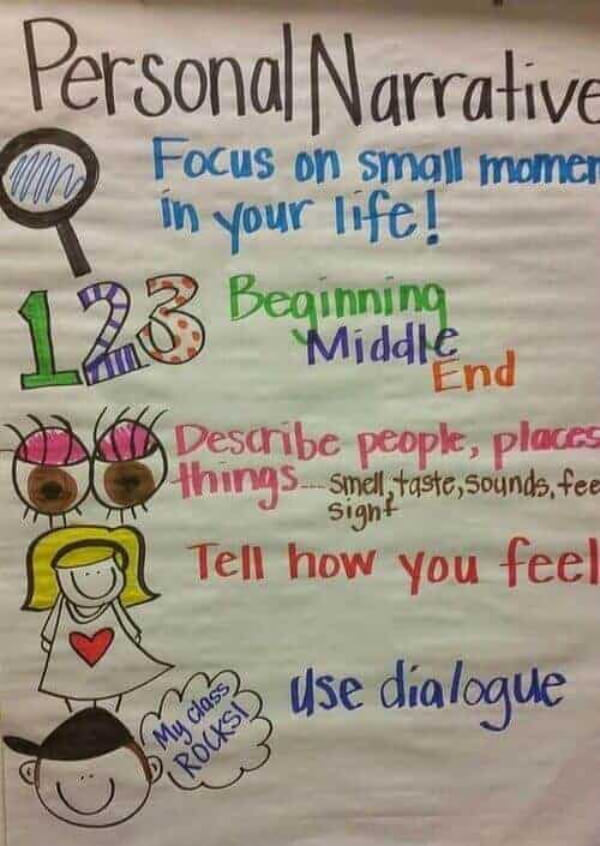
There are times when kids find it difficult to narrate an incident they experienced or things they desire. This anchor chart speaks about all the important points that a child should consider while writing a narration. It teaches everything from start to end to create the perfect narration. Discuss with the students once, and they will learn faster.
Grammar Learning Anchor Charts
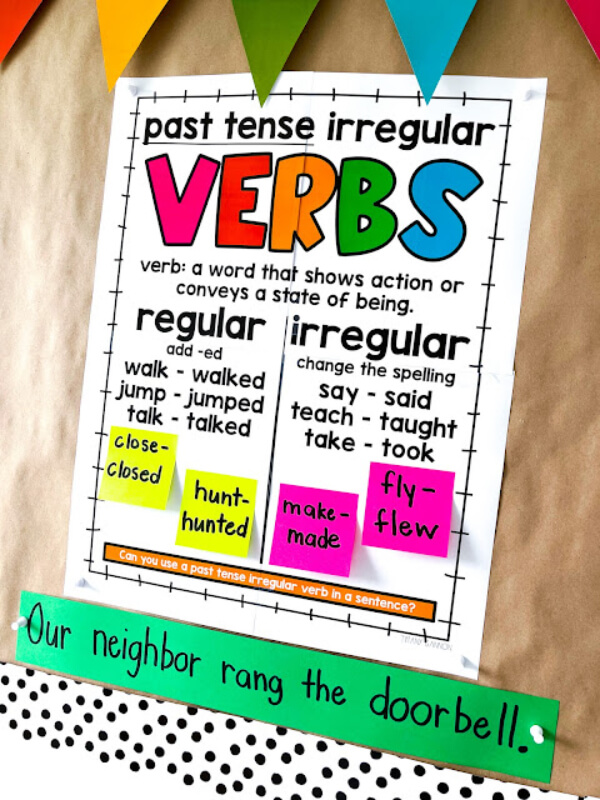
Image Source/Tutorial: The Lemonadest And Teacher
Grammar anchor charts will teach second-graders core language standards. The idea is good when students are studying language standards. Like when they are starting to study verbs – how to use them and form a sentence – this anchor chart will come in handy.
Theme Development Anchor Chart

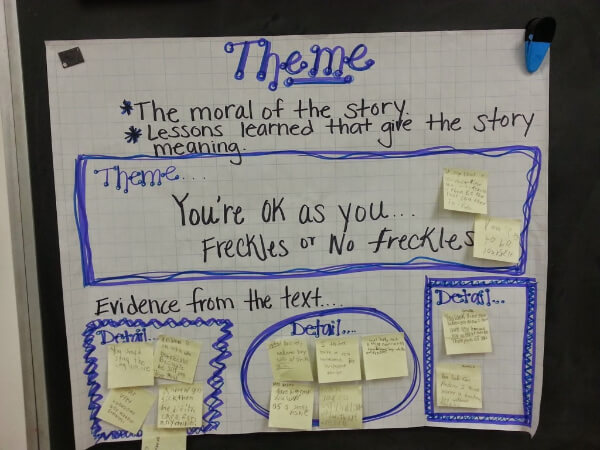
Image Source/Tutorial: The Applicious Teacher
This chart is useful when students are studying a new topic, such as a story-like text. The theme can be highlighted by group work, and details can be written on a sticky note. This chart will make them attentive to the main topic of the text that they are currently reading, facilitating better understanding and learning.
Notebook Version Anchor Charts

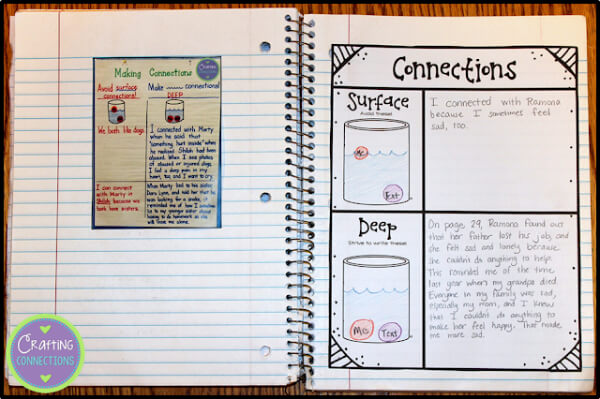
Image Source/Tutorial: Upper Elementary Snapshots
At times when you run out of space on the wall, where can you put anchor charts? Well, not a big deal, you can make smaller anchor charts, or get smaller versions printed and stick them to students’ notebooks. They will have easy access to their own personal version of anchor charts.
Read More: Anchor Charts for Grade 1
Character Traits Anchor Charts

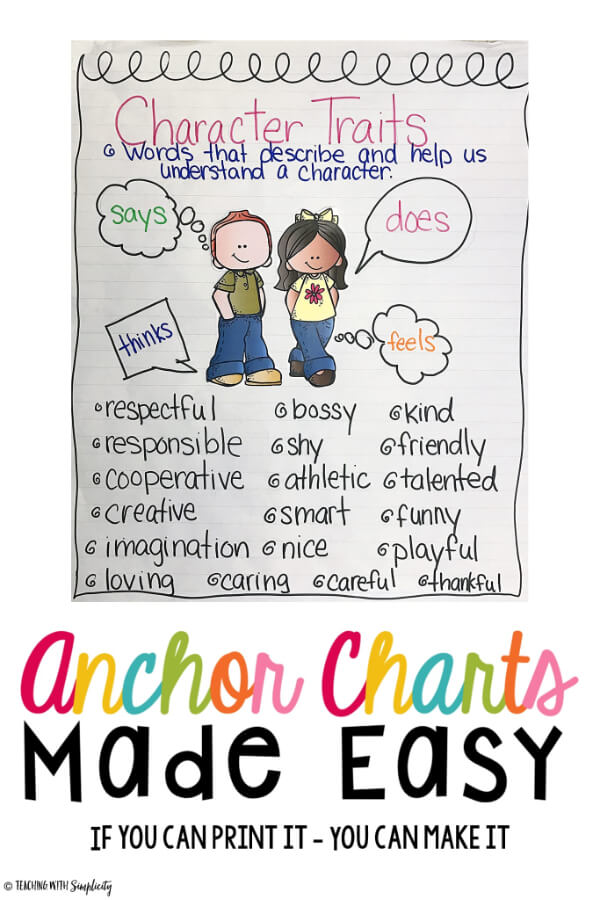
Image Source/Tutorial: Teaching With Simplicity
When students are learning about new characters from texts, this anchor chart is very helpful in making them remember the features and qualities of the characters. By making them sketch out character trait anchor charts for themselves, we can make the activity even more helpful. Help them add the words and stick them in their notebooks.
Time Telling Anchor Chart

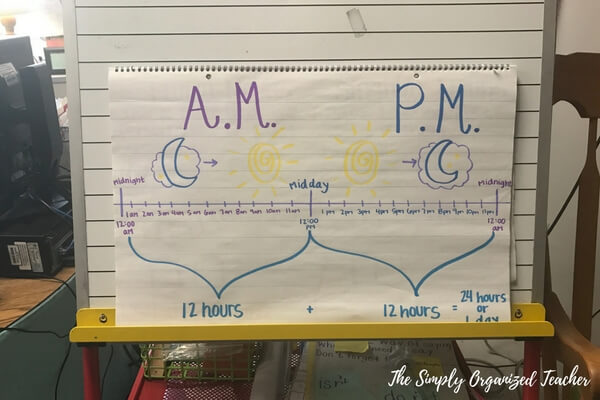
Image Source/Tutorial: The Simply Organized Teacher
A.M does not always mean day, and P.M does not always mean night. This chart exactly tells the difference between A.M or Ante Meridiem, and P.M or Post Meridiem. The chart highlights what time of day it is A.M and what time it is P.M. This chart will help students clear their confusion about time, and it will be better if everyone makes it for themselves.
My Rights as a Reader

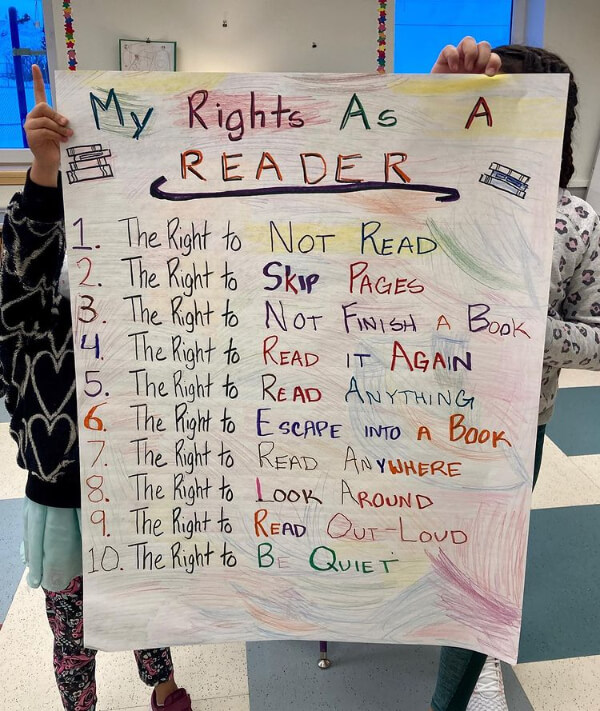
Image Source/Tutorial: Teach Starter
As a reader, students should know what their reader rights are. This chart will help kids understand their reading rights, allowing them to explore the ways they could read. Making a large chart and putting it up in the class will make them look at it every day and remember their rights while reading.
Desk Organizing Anchor Chart

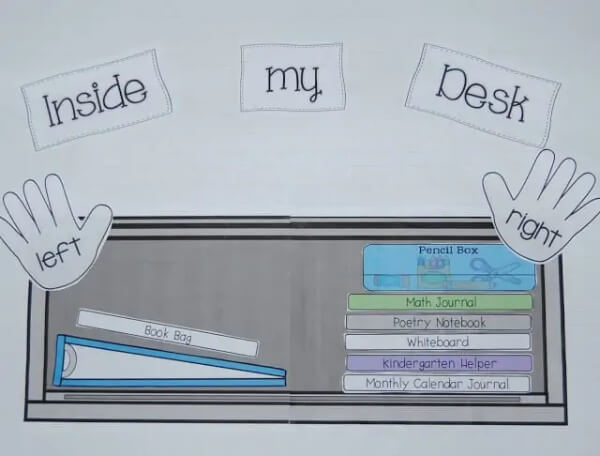
Image Source/Tutorial: Mr. Swills Kindergarten
What it feels like when every morning, students are confused about their belongings and are not able to find them. This chart teaches them how to arrange their belongings under the desk in an organized manner. The chart specifically
Plot Analyser Anchor Chart

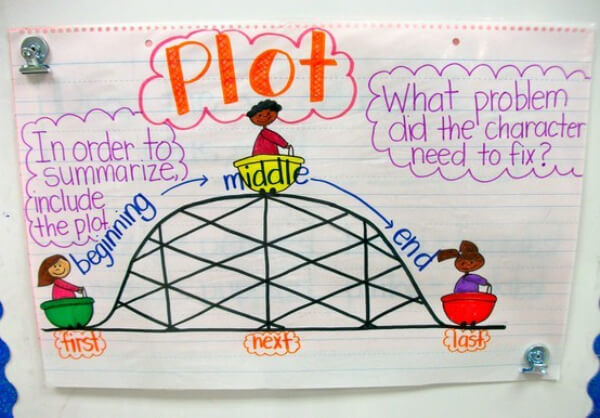
Image Source/Tutorial: The Classroom Creative
This chart will help kids remember the plot of a story they read about. This chart will give them a good grasp of the definition of the plot, as it indicates the beginning, middle, and ending. Through a roller coaster, kids will learn fast and will remember it for a long time. Have them draw this chart and learn.
Read More: Cause-and-Effect Anchor Charts for Classroom
Pronouns Learning Anchor Charts
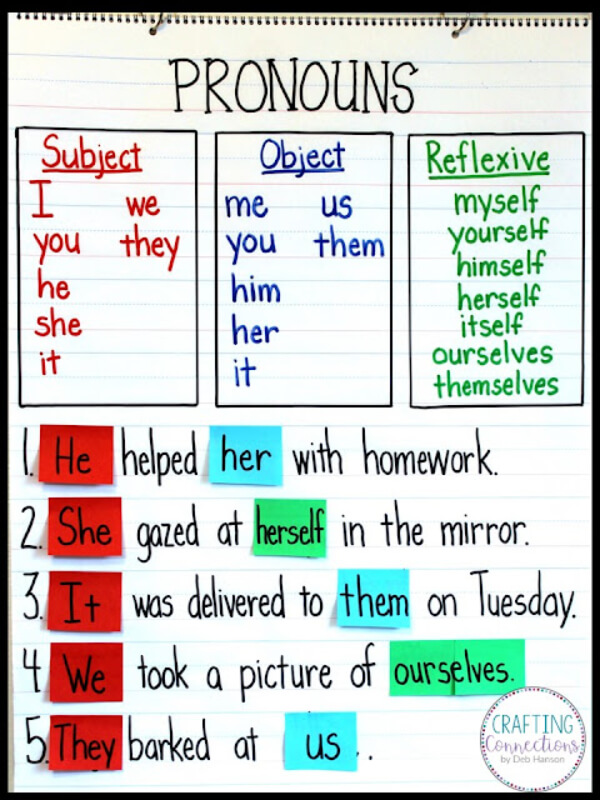
Image Source/Tutorial: Crafting-Connections
This chart is helpful for lower elementary grade students who are going to study pronouns. This chart highlights three boxes that contain pronouns; every child should be allowed to fill in a pronoun in any box. Then, using sticky notes, they should fill in the correct word in the blank spaces of each sentence. They will learn what pronouns are and how to use them. Learning pronouns will be so fun.
Classroom Promises Anchor Chart
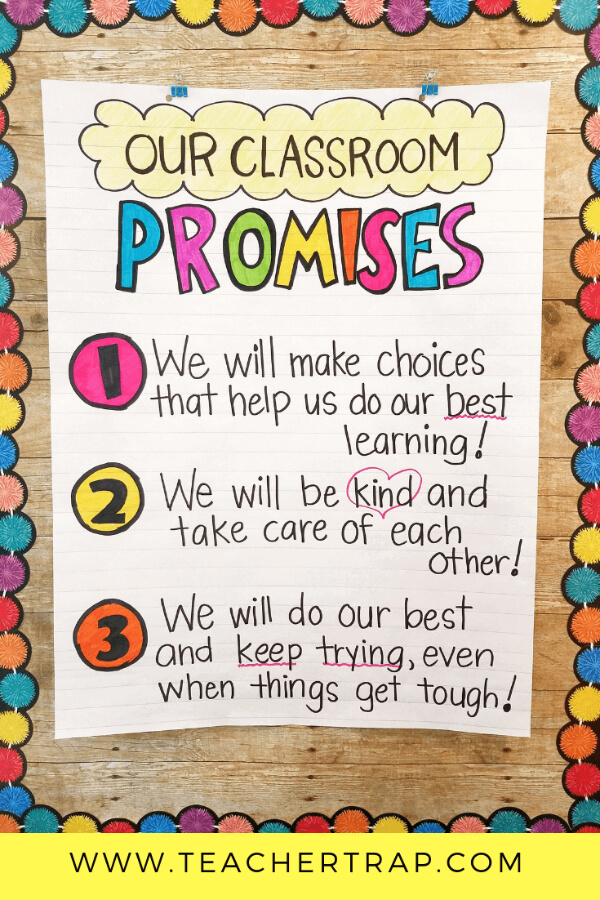
Image Source/Tutorial: Teacher Trap
This chart includes all the promises students would make to follow before the beginning of the year. These are not rules but shared agreements by all the students of the class. This chart will remind them of the foundation of their classroom and how they want their classroom to be throughout the year. The points should be noted by brainstorming ideas.
Learning to Count Anchor Chart

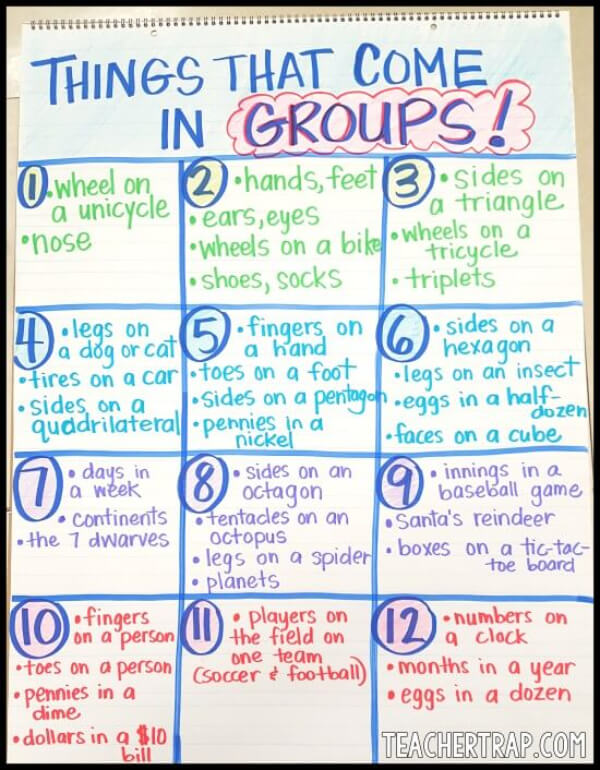
Image Source/Tutorial: Teacher Trap
This chart teaches students how to count and multiply. Students will write about the things that count up to that number in the inbox of the corresponding
number. Like if the number is 7, then the answer should be continents, weeks, wonders of the world, etc. Students can brainstorm ideas and come up with their answers.
Classroom Anchor Charts for Grade 2 | Easy DIY Teaching Ideas & Tips

Learn how to create effective classroom anchor charts for Grade 2 with this easy step-by-step tutorial. Discover creative teaching ideas, visual learning strategies, and classroom management tips. Anchor charts help reinforce concepts, improve student engagement, and provide lasting visual support for reading, writing, and math skills.
Classroom Anchor Charts for Grade 2
Classroom anchor charts are colorful visual learning tools that help Grade 2 students understand important concepts in reading, writing, math, science, and classroom routines. They serve as quick reference guides that reinforce daily lessons, encourage independent learning, and make complex topics easier to remember. Bright illustrations, simple language, and student-friendly examples make anchor charts engaging for young learners.
Whether displayed on classroom walls or created together with students, anchor charts support active participation and long-term learning. They are valuable resources for teachers who want to build confidence, improve comprehension, and create an organized learning environment.
Benefits of Anchor Charts for Grade 2 Students
- Reinforce key concepts taught during lessons.
- Support independent learning and problem-solving.
- Improve memory through visual learning.
- Encourage classroom participation and discussion.
- Help students organize information clearly.
- Create a positive and engaging learning environment.
Popular Anchor Chart Ideas
Teachers can create a variety of anchor charts to support different subjects and classroom skills throughout the school year.
- Reading comprehension strategies.
- Grammar and parts of speech.
- Addition, subtraction, and place value.
- Time, money, and measurement.
- Science vocabulary and life cycles.
- Classroom rules, goals, and growth mindset.
Tips for Creating Effective Anchor Charts
Keep each chart simple, colorful, and easy to read from anywhere in the classroom. Use large headings, short bullet points, and meaningful illustrations to highlight important ideas. Whenever possible, create anchor charts with students so they actively participate in building their understanding and are more likely to use the charts as learning references.
FAQs
Q1. What are classroom anchor charts?
Answer: Anchor charts are visual teaching tools that summarize important concepts, strategies, or classroom expectations for students to reference throughout a lesson or school year.
Q2. Why are anchor charts helpful for Grade 2 students?
Answer: They make learning more visual, improve understanding, reinforce lessons, and encourage children to solve problems independently.
Q3. Which subjects can use anchor charts?
Answer: Anchor charts are useful for reading, writing, math, science, social studies, grammar, classroom management, and many other subjects.
Q4. Should students help create anchor charts?
Answer: Yes. Creating charts together increases student engagement, strengthens understanding, and helps children remember the information more effectively.
Q5. How can teachers make anchor charts more effective?
Answer: Use simple language, colorful visuals, clear headings, and update the charts regularly to match current lessons and learning goals.
Classroom anchor charts for Grade 2 make learning more interactive, organized, and memorable. By presenting important concepts in a clear visual format, they help students build confidence, strengthen understanding, and develop independent learning habits that support success throughout the school year. Inspire young minds with creative projects that are fun to make. Follow us on Telegram, YouTube & Facebook.
Reviewed By Yash Sharma
More Articles from Kids’ Art & Craft
- Earth Day Anchor Charts for School
- Figurative Language Anchor Charts for Kids
- Guided Reading Anchor Charts for Kids
- Reading Fluency Anchor Charts
- Recycled Tin Crafts Ideas For Kids