Kids Activities
Reading Fluency Anchor Charts

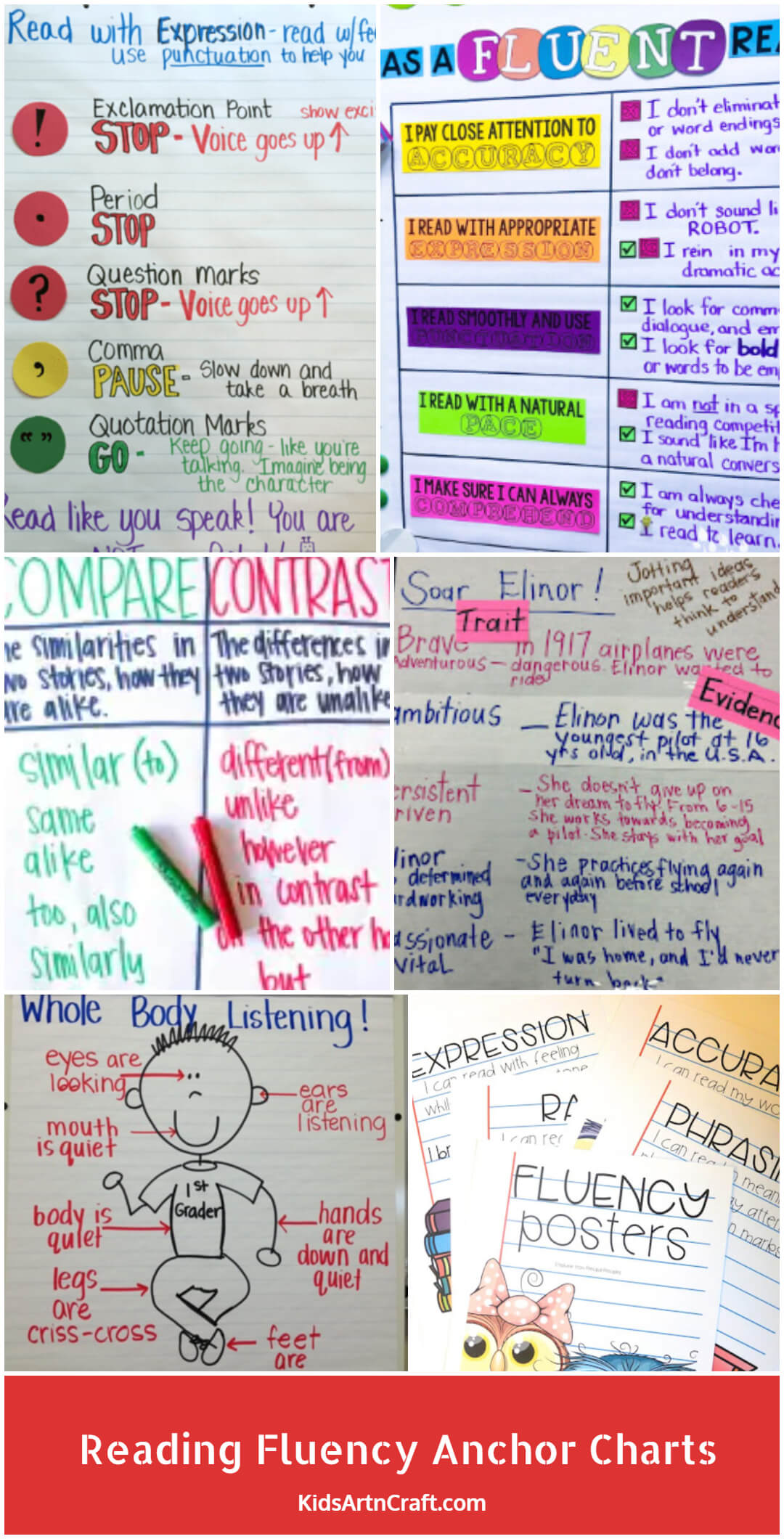
If you’re searching for Reading Fluency Anchor Charts for kids, you’re in the right place! Keep your learning spirit alive with our curated list of increasing fluency, checking fluency, fluency phrases, Spanish fluency, anchor chart tips, and body listening anchor chart.
Reading Fluency Anchor Charts

Read More: Figurative Language Anchor Charts for Kids
Reading Fluency Poster for Kids

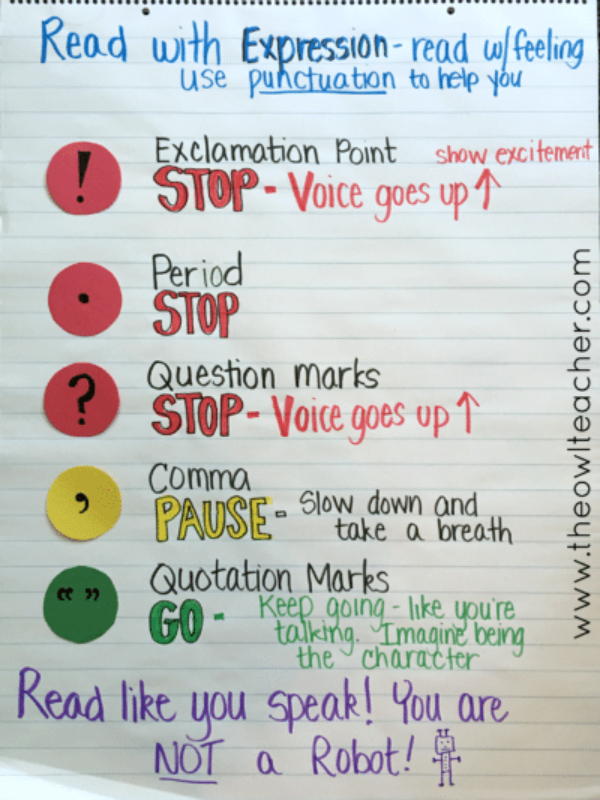
Image Source/Tutorial: The Owl Teacher
Help children improve reading fluency using punctuation cues and expressive reading. This engaging classroom anchor chart builds confidence, accuracy, expression, and comprehension through fun visual reminders.
Character Traits Evidence Anchor Chart

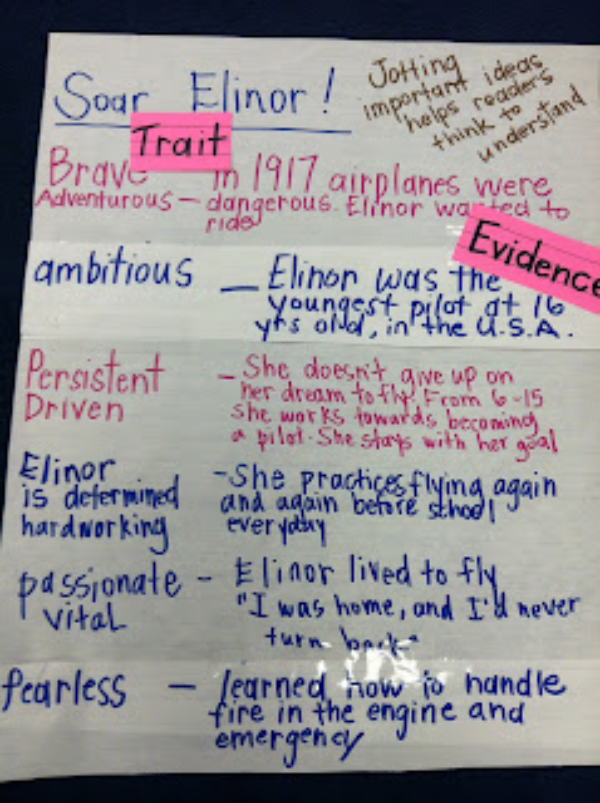
Image Source/Tutorial: Inspired To Read
Teach character analysis with this engaging reading comprehension activity. Students identify character traits, collect text evidence, and strengthen critical thinking, vocabulary, and reading comprehension skills.
Reading Fluency Phrase Strips Activity for Early Readers

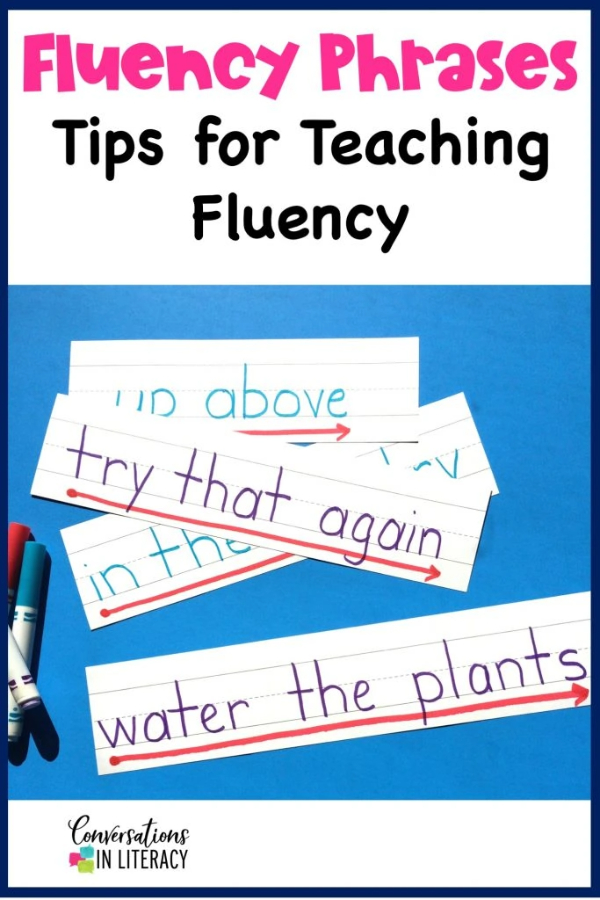
Boost oral reading fluency using colorful phrase strips. Students practice repeated reading, improve phrasing, increase confidence, and develop smooth, accurate, expressive reading skills.
Compare and Contrast Reading Strategy Anchor Chart
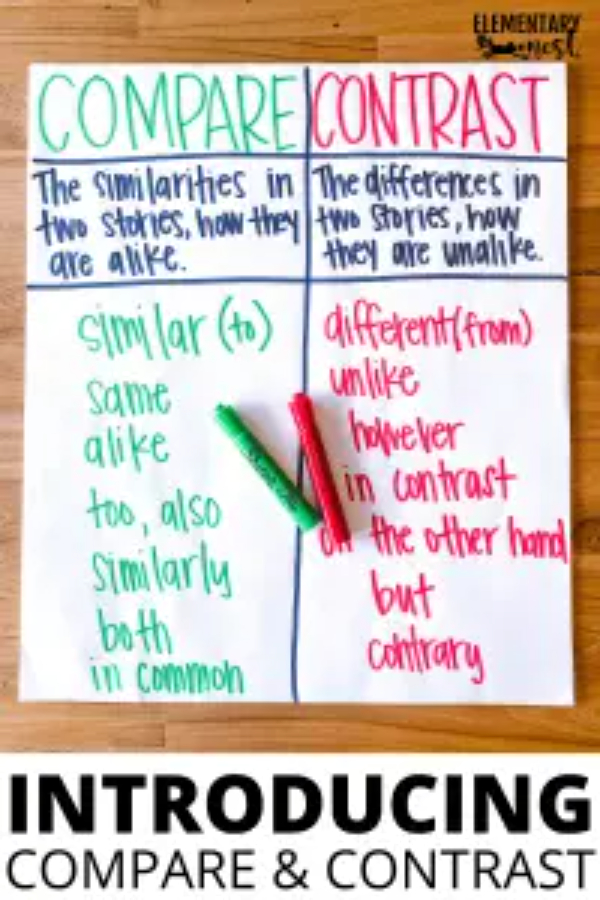
Image Source/Tutorial: Elementary Nest
Introduce compare and contrast skills through this colorful literacy anchor chart. Students learn comparison vocabulary, organize ideas, strengthen reading comprehension, and improve writing skills.
Fluent Reader Classroom Poster for Kids

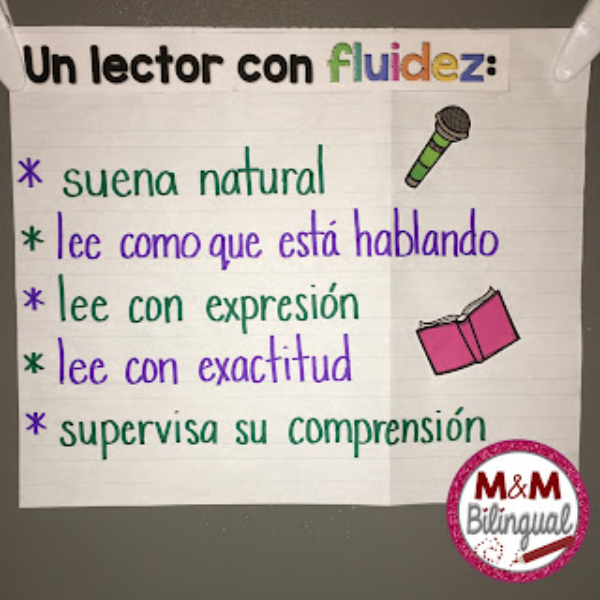
Image Source/Tutorial: M M Bilingual
Encourage fluent reading by teaching expression, accuracy, natural pacing, and comprehension. This classroom poster supports bilingual literacy development and daily reading practice.
Reading Fluency Assessment Rubric Poster for Elementary Students

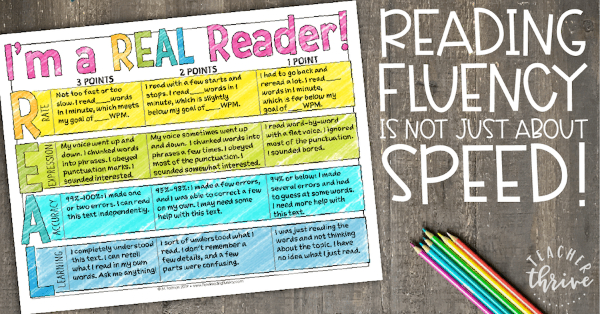
Image Source/Tutorial: Teacher Thrive
Assess reading fluency using an easy classroom rubric. Students evaluate reading rate, accuracy, expression, and comprehension while setting meaningful literacy improvement goals.
Fluent Reader Bulletin Board Display for Classroom

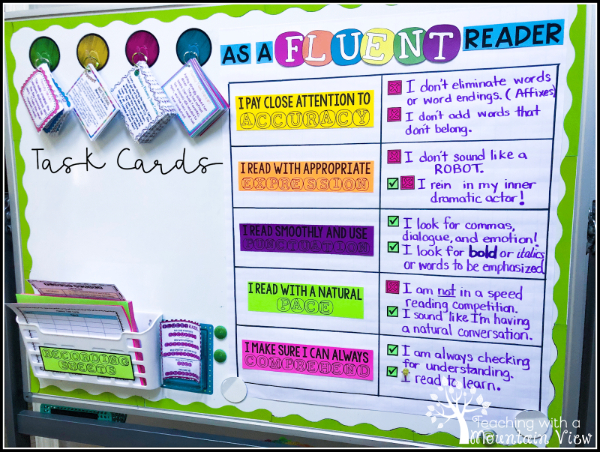
Create an engaging literacy bulletin board promoting fluent reading. Students practice accuracy, expression, pacing, punctuation, and comprehension through daily visual reminders and interactive task cards.
Expression, Accuracy, Rate, and Phrasing
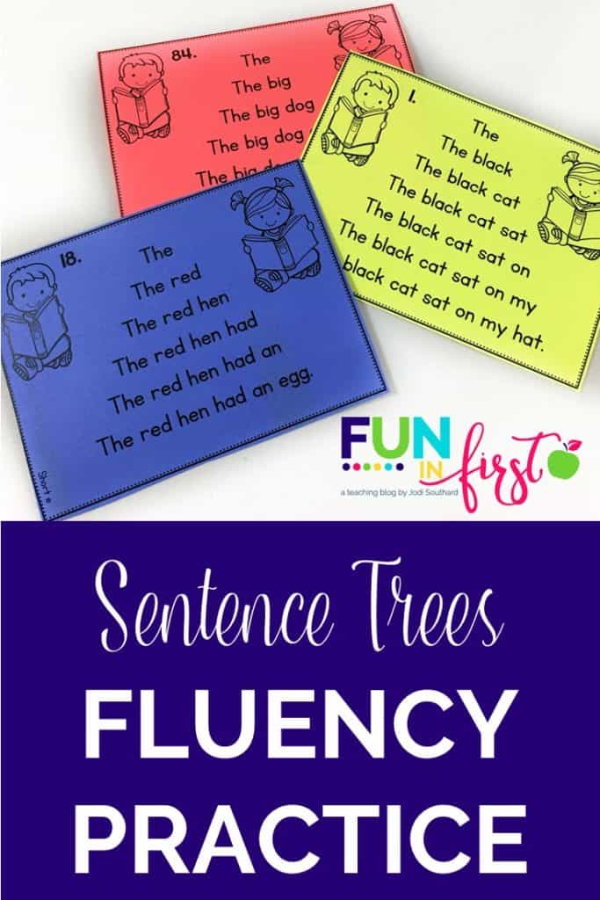
Image Source/Tutorial: Fun In First
Decorate your literacy classroom with reading fluency posters. Teach expression, phrasing, rate, and accuracy while encouraging confident readers through colorful educational visual displays.
Reading Fluency Self-Assessment Worksheet for Students

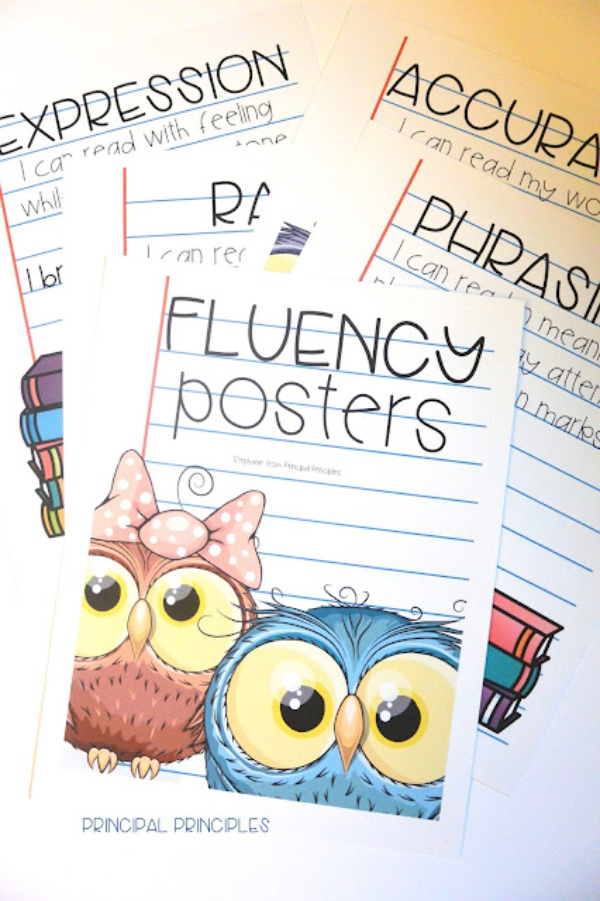
Image Source/Tutorial: Principal Principles
Encourage independent learning with this reading fluency self-assessment worksheet. Students reflect on reading skills, identify improvement areas, and build confidence through regular literacy practice.
Reading Fluency Posters for Classroom

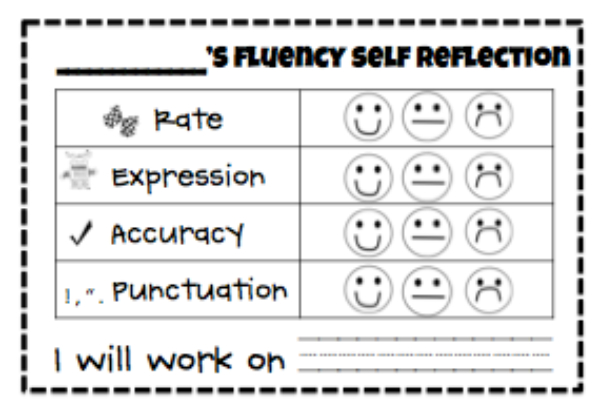
Image Source/Tutorial: What The Teacher Wants Blog
Support reading fluency with engaging classroom posters teaching expression, accuracy, phrasing, and reading rate. Perfect for literacy centers, guided reading, phonics lessons, and elementary reading instruction every day.
Classroom Reading & Listening Skills Activity
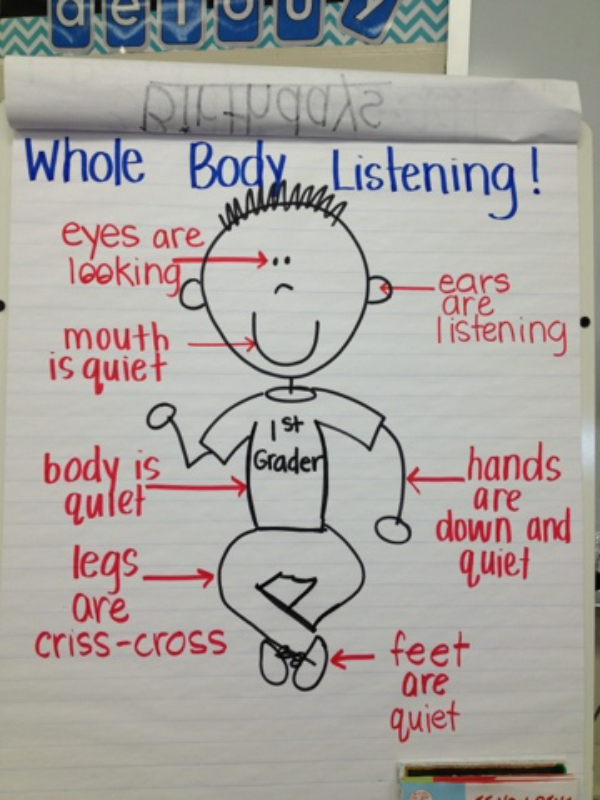
Image Source/Tutorial: The Primary Buzz
Promote active listening and classroom behavior with this Whole Body Listening anchor chart. Students practice focus, reading readiness, communication, and comprehension using engaging visual reminders for daily literacy lessons.
Reading Classroom Bulletin Board Ideas
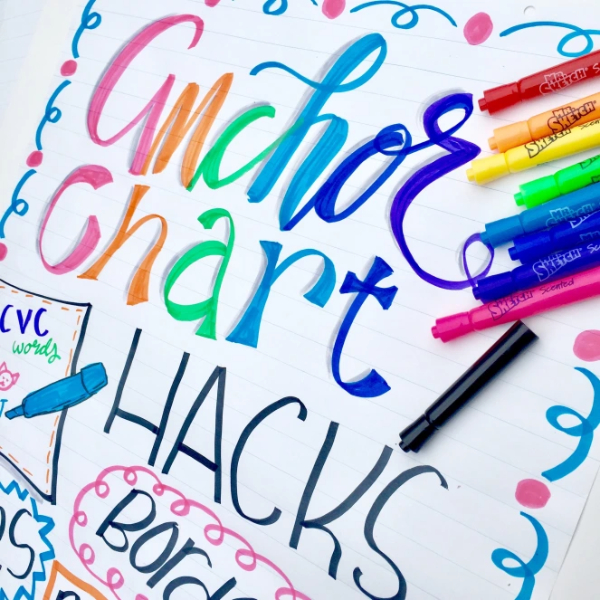
Image Source/Tutorial: The Happy Teacher’s Palette
Create eye-catching classroom anchor chart headers using colorful lettering. Perfect for reading activities, literacy centers, bulletin boards, phonics lessons, vocabulary walls, and elementary classroom organization.
Reading Fluency Anchor Charts Step-by-Step Tutorial

Learn how to understand Reading Fluency Anchor Charts in this step-by-step tutorial. This easy guide explains reading fluency strategies, expression, pace, and accuracy for kids. Perfect for students and teachers, it helps improve reading skills, comprehension, and confidence using simple anchor chart techniques and classroom-friendly examples.
Make Reading Easier with Fluency Anchor Charts
Reading fluency anchor charts are valuable classroom resources that help children become confident, expressive readers. These visual charts remind students of important reading strategies such as accuracy, pace, expression, and punctuation. They are ideal for literacy centers, guided reading groups, homeschool lessons, and daily classroom instruction.
Creative Ways to Use Fluency Anchor Charts
- Display charts near the classroom reading corner.
- Refer to them during guided reading sessions.
- Practice reading with different voice expressions.
- Highlight punctuation clues using colorful markers.
- Create student-friendly mini charts for reading folders.
- Review one fluency skill each week.
Reading Skills Children Can Strengthen
- Read smoothly without unnecessary pauses.
- Recognize punctuation and read with expression.
- Improve pronunciation and word recognition.
- Build confidence while reading aloud.
- Increase comprehension through fluent reading.
Classroom Practice Ideas
Pair anchor charts with engaging reading activities to help students apply new skills.
- Practice echo reading with the teacher.
- Read with a partner to improve fluency.
- Perform short reader’s theater scripts.
- Complete repeated reading activities.
- Retell stories after reading aloud.
FAQs
Q1. What are reading fluency anchor charts?
Answer: Reading fluency anchor charts are visual classroom posters that teach students how to read accurately, smoothly, and with expression.
Q2. Who can use these anchor charts?
Answer: They are suitable for kindergarten, elementary students, teachers, reading specialists, parents, and homeschool educators.
Q3. Why are fluency anchor charts important?
Answer: They provide clear reading reminders that help students improve fluency, confidence, comprehension, and overall literacy skills.
Q4. Where should fluency charts be displayed?
Answer: They work best in reading corners, literacy centers, classrooms, libraries, and homeschool learning spaces where children can easily refer to them.
Q5. How often should teachers use fluency anchor charts?
Answer: Teachers can use them during daily reading lessons, guided reading groups, independent practice, and reading intervention sessions.
Reading fluency anchor charts make literacy instruction more engaging and effective. These visual resources help children build confidence, strengthen reading skills, and develop lifelong habits that support successful reading and learning. From creativity to learning, these pomegranate craft ideas offer endless fun for children. Follow our Telegram, YouTube & Facebook for regular creative updates.
Reviewed By Rachit Gupta
More Articles from Kids’ Art & Craft
- Anchor Charts for 5th Grade
- Anchor Charts for Grade 1
- Anchor Charts for Grade 3
- Cause-and-Effect Anchor Charts for Classroom
- Earth Day Anchor Charts for School