Kids Activities
Science Project Ideas for 3rd Grade

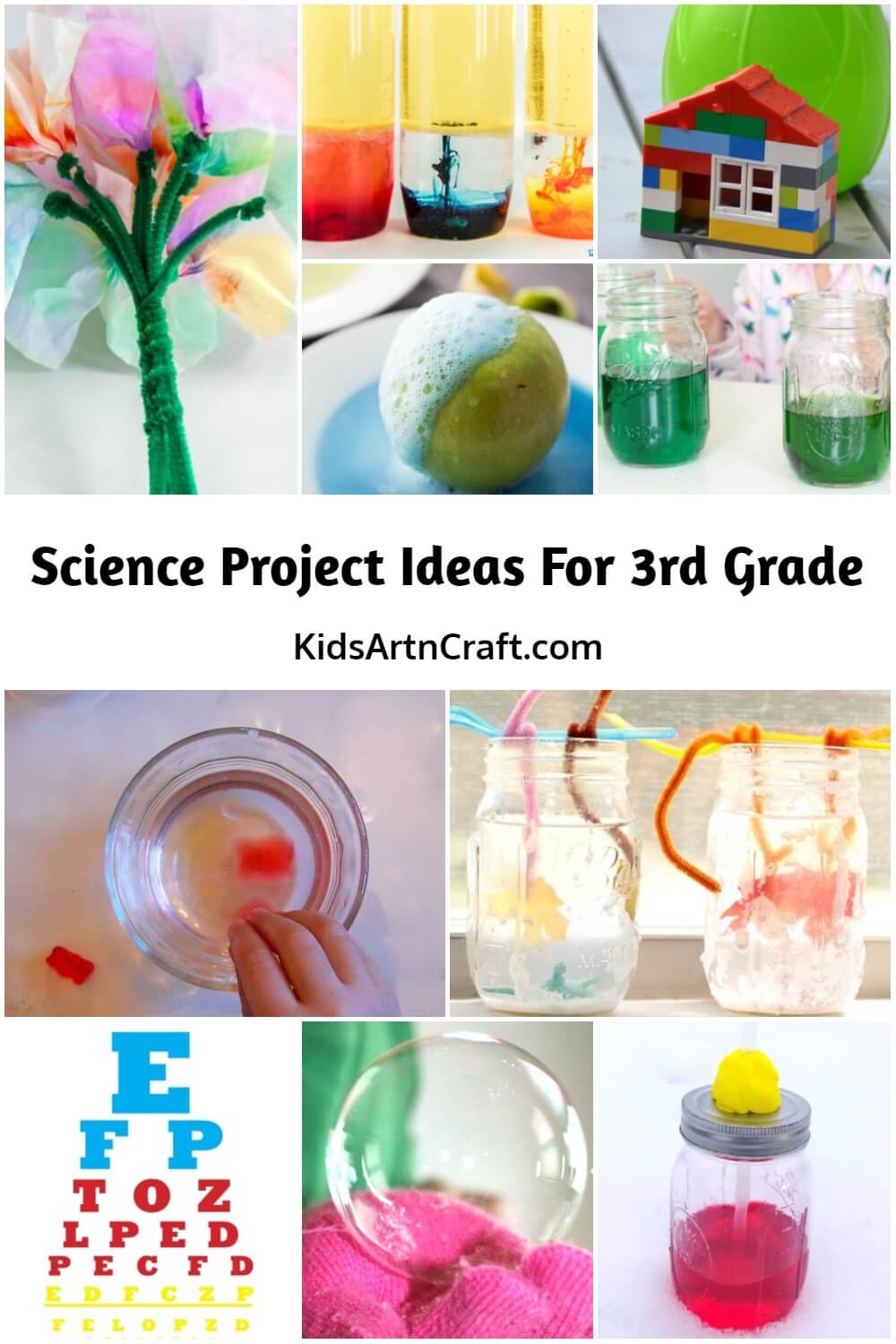
If you’re searching for Science Project Ideas for 3rd Grade to do at home, you’re in the right place! Keep your learning spirit alive with our curated list of Slime chemistry ideas, ice-berg science projects, salt crystal leaves science experiments, light, sound, and heat activities, DIY parachute craft, Lego waterproofing experiment, crayon rock cycle experiment, and erupting an apple volcano, etc.
Science Project Ideas For 3rd Grade

Read More: 24 Easy Day of the Dead DIY Crafts Project for Kids
How To Make Slime Chemistry Ideas For Grade 3

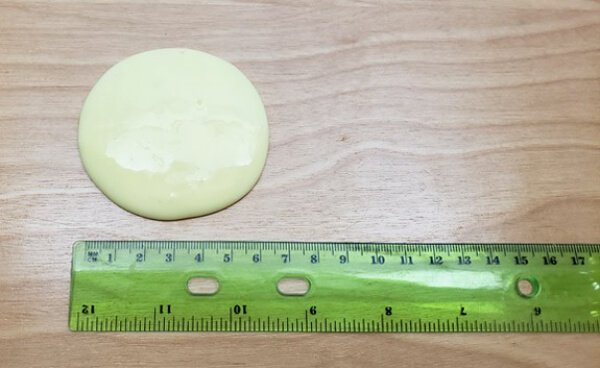
Image Source/Tutorial: Science Buddies
Who doesn’t love to play with slime? But have you ever wondered how it can be so flexible, stretchy, and smooth? Slime is a polymer, which is a long chain of molecules. Learn the chemistry concept of polymers and crosslinking through this method of making slime at home. By combining simple ingredients like glue and borax, students can explore concepts like states of matter, chemical reactions, and polymers. This hands-on activity is both educational and entertaining! Experiment with your children and enjoy the educational benefits of making slime!
How To Make Ice-Berg-Science Projects At Home

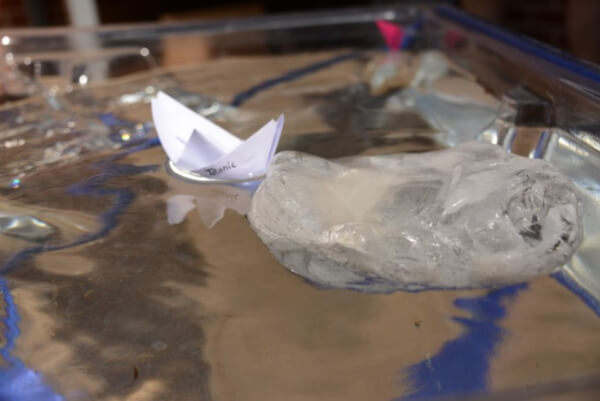
Image Source/Tutorial: Science Sparks
Massive chunks of frozen water that have calved from glaciers are known as icebergs. This project is a great way to learn more about the properties of ice and water and explore the science behind the formation of icebergs and the effect of global warming. Once you get a frozen iceberg by freezing water in a balloon, place it in a container, and you’ll notice that most of its part is underwater because water expands when it turns into ice, making it less dense than the water that surrounds it, allowing it to float on the surface.
Salt Crystal Leaves Science Experiment For Kids

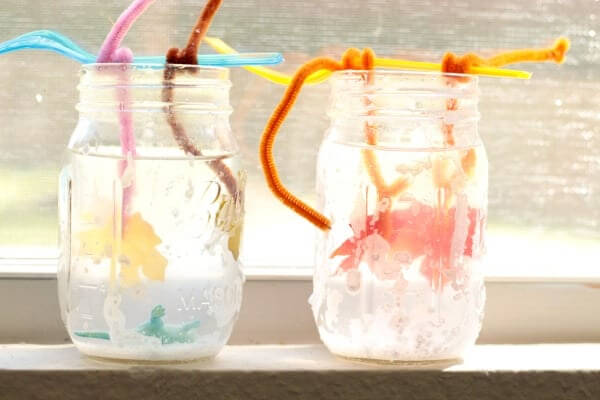
Understand the iconic bond with leaves coated with dazzling salt crystals. The Salt Crystal Leaves Science Experiment is a fun and easy project for kids to do that teaches them about the properties of crystals. Through this experiment, kids can learn about how different substances can form crystals and the different properties of salt crystals. All you need are Pipe cleaners, Mason jars, Salt, Plastic forks, and Fabric leaves. It is a fun and simple experiment that will spark their curiosity and imagination.
Light, Sound, And Heat Activities For Kindergarten

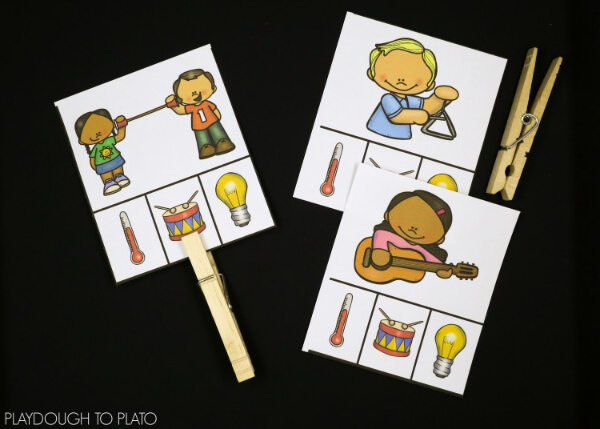
Image Source/Tutorial: The Stem Laboratory
Light, Sound, and Heat are all basic science concepts of science. Through these activities, you can help kids learn about the physical properties of them. You can make flip books, clip cards, and posters, and the possibilities are endless. From exploring shadows to learning about the properties of sound and heat, these activities are great for fostering a deeper understanding of the physical world. These activities are for kindergarteners to make science wizards.
DIY Parachute Craft Ideas For Kids


Image Source/Tutorial: Education
This experiment is to explore whether altering the size of the parachute will influence how quickly an object descends. For this experiment, all you need are Handkerchiefs, string, wishing weights, and other basic supplies. It’s a great way to learn about air resistance and the power of gravity. Plus, it’s fun and easy to do! It is an educational and fun way for kids to learn about physics and the science of flight. With just a few everyday items, kids can make their parachutes and watch how they float through the air.
Read More: Easy Winter Crafts for Kids – Art Projects
Lego Waterproofing Experiment For 3rd Grade
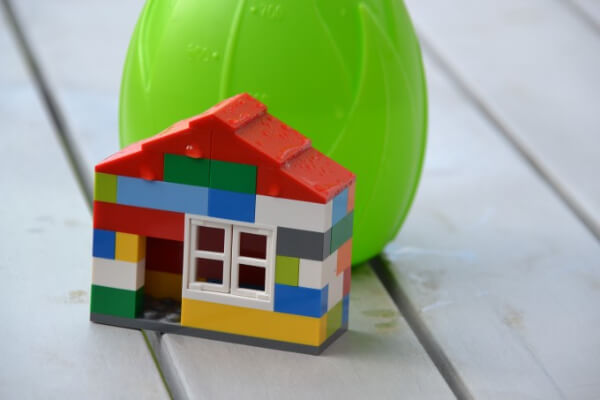
Image Source/Tutorial: Science Sparks
What is a waterproof roof? Why is it important? How can one make a waterproof roof? What materials are required to make it? Answer all these questions for the kiddos through this experiment. Through this experiment, kids will be able to explore the concept of waterproofing and its importance in everyday life. They will also learn the principles of science through hands-on experimentation and observation. All you need is a Lego house, roof materials, and a water sprayer. Students can learn about daily problem-solving, material science, and buoyancy with this experiment.
Marble Race Science Activities For 3rd Class

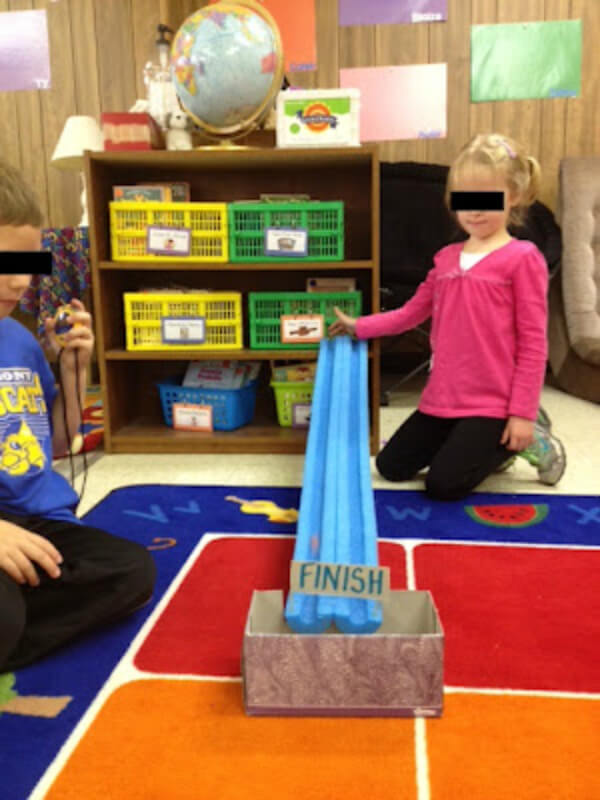
Did your kids know that objects speed up when traveling down an inclined plane that is at a higher angle? If you don’t explain this concept with a marble race track. Place the marble track at different angles and tell them to use a stopwatch to record the time it takes for the marble to roll down the track at different angles. It is a fun and educational activity as it teaches the concepts of gravity, force, and motion. They will also learn how to work together to build marble runs and how to troubleshoot when something goes wrong. Cultivate the kids’ interest in science with this race!
Sun Print with Color & Sunlight Project For Kids

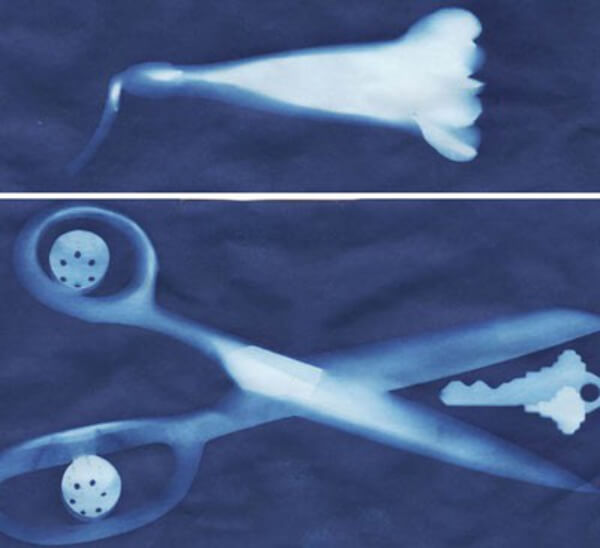
Image Source/Tutorial: Science Buddies
Have you ever heard about the concept of Sun Prints, like handprints or fingerprints? If not, let us tell you that sun printing is a technique that uses the sun’s ultraviolet rays to expose a special light-sensitive paper. It requires a special paper known as sun print paper. Through this activity, kids will learn about concepts such as Berlin green, water-soluble, light filter, light-sensitive chemicals, and many other concepts of chemistry. It’s a great way to teach them how colors can be revealed when exposed to sunlight. Investigate the impact that different hues of light have on the luminosity of a sun-print image through this experiment.
Ice & Salt Experiment Ideas for Kids

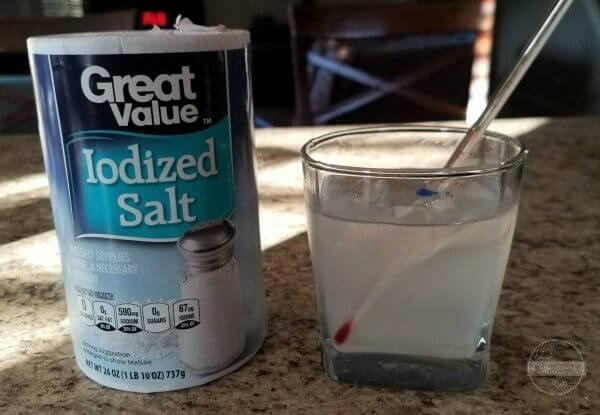
Image Source/Tutorial: 123 Home School
Explore the world of chemistry by learning concepts such as temperature, freezing, melting, and sublimation. This experiment helps children to learn about the properties of matter and the effects of temperature and pressure on different substances. All you require are Water, 2 Glasses, Salt, a Thermometer, and Ice Cubes to perform this experiment. This experiment can be tailored to their age and skill level for a fun and educational experience. Learn about the physical and chemical changes that occur when salt and ice are combined with this experiment.
Crayon Rock Cycle Experiment For 3rd Grade

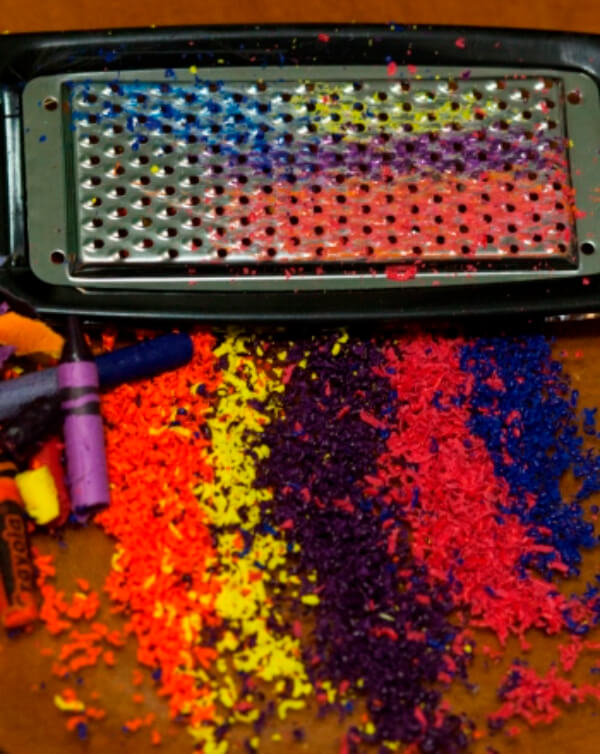
Image Source/Tutorial: Education
Have you noticed how some rocks are rounded and smooth, whilst others are shattered into small pieces? There are three types of rocks: igneous rock, sedimentary rock, and metamorphic rock. These keep changing in ascending order and back to the first. This process is known as the Rock Cycle. Through a hands-on activity, kids will gain a better understanding of how rocks are formed, eroded, and recycled on the Earth’s surface. With the help of a few crayons, some wax paper, a double broiler, and other supplies, kids will have a visual representation of the rock cycle and the changes it brings. Try this activity at home to teach them about the Rock Cycle!
Read More: 24 DIY Creative Washi Tape Projects for Kids
DIY Lava Lamp Experiment For Kids
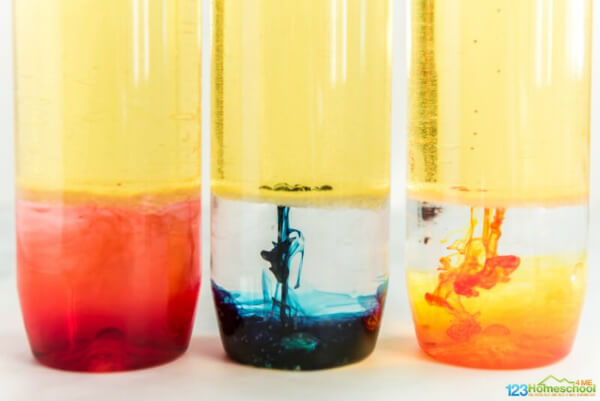
Image Source/Tutorial: 123 Homeschool4 Me
Make a memorable and interesting experience with kids while making this DIY Lava Lamp. It is a teaching tool for teachers and parents to make kiddos learn about the basic concepts of science and chemistry. With Oil, Water, containers, Food Coloring, and Alka-Seltzer tablets, kids can make a lava lamp that is sure to wow. Kids will love watching as the colorful liquid moves and swirls around the bottle. Chemistry concepts such as molecules, density, and others can be learned by kids. Little ones will be awestruck and astonished by this exciting science experiment!
Erupting An Apple Volcano For Kindergarten Science

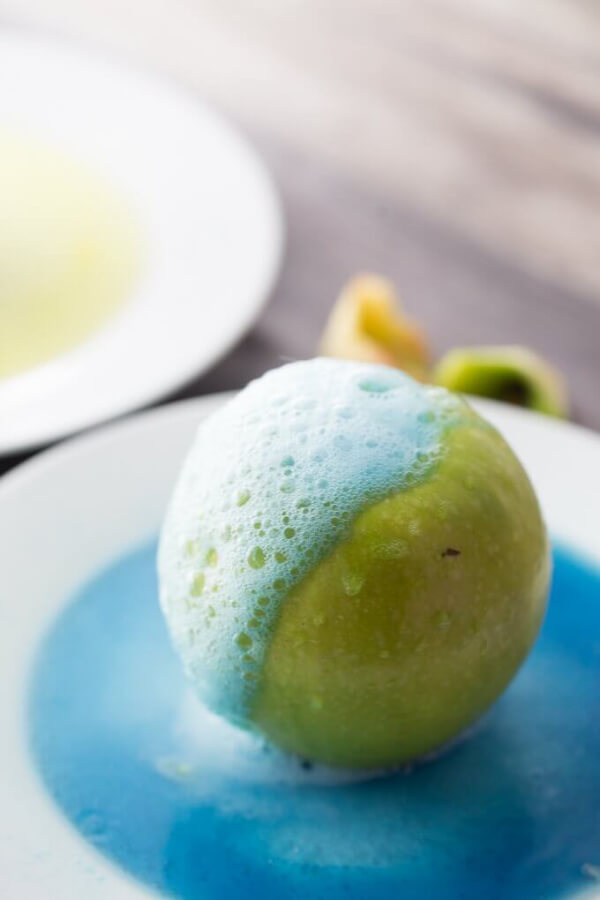
Image Source/Tutorial: Little Bins For Little Hands
Ever imagined an apple eruption? What made an apple erupt? This activity will help you to get the answers to these questions. To make an apple erupt, cut a hole in its top, put some spoons of baking soda in it, add dish soap, and finally pour vinegar in it to see the widened eyes of kids. Little ones will be fascinated by the exciting bubbling reaction! Explain to them the concept that bubbles are created due to the mixture of an acid (vinegar) and a base (baking soda), producing carbon dioxide. With this science experiment, kids can easily learn the concepts of volcanoes and science in a fun and interactive way!
DIY Weathervane Craft Idea For Kids

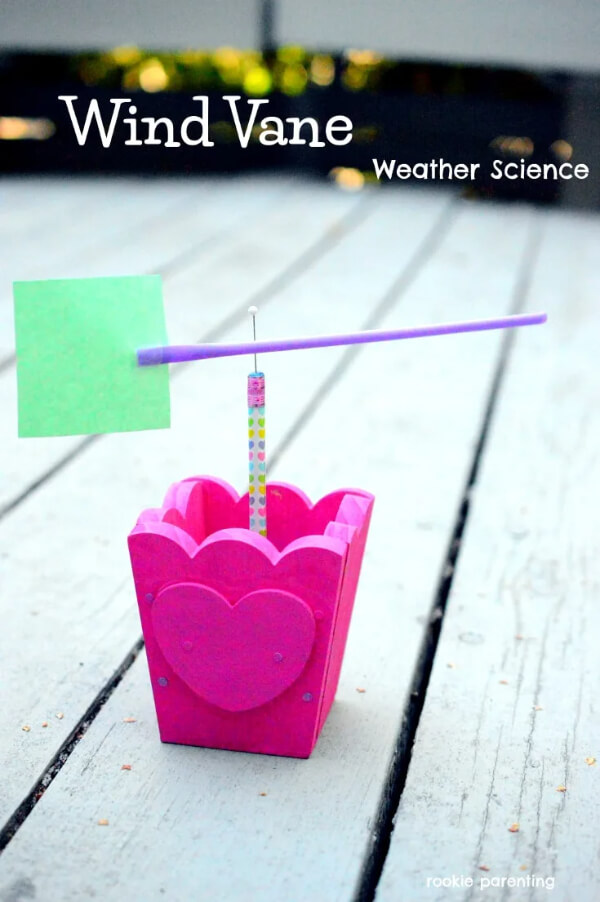
Image Source/Tutorial: Rookie Parenting
Do your kiddos have a curiosity about where the wind is coming from? Then, create a weathervane with them. It is a device used to show the direction of the wind. It’s a fun and creative way to introduce the concept of wind direction and spark their curiosity about the weather. All you need is a pencil with a rubber head, square cardboard, scissors, a pin, and other basic supplies to predict the weather.
DIY Simple Mason Jar Thermometer Craft Ideas For Kids
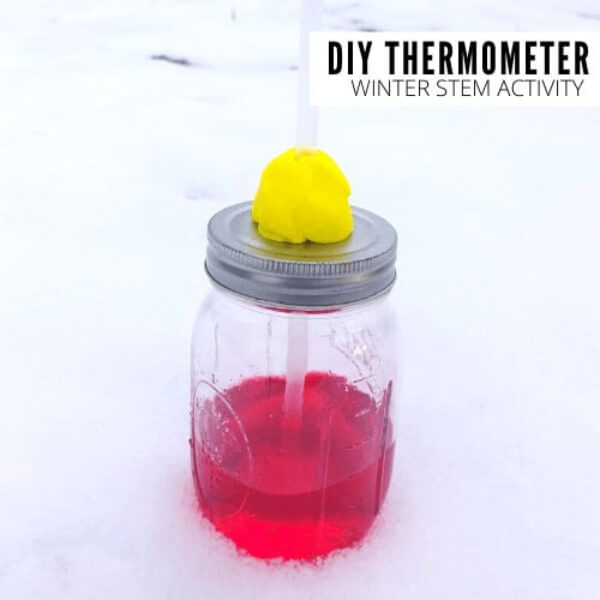
Image Source/Tutorial: Little Bins For Little Hands
Feeling that the temperature is changing, but not sure. Teach the science behind thermometers and temperature by making a homemade thermometer using a mason jar, alcohol, a straw, water, clay, and other basic supplies. The thermometer is a device used to measure temperature. Kids can learn about temperature and how it affects their daily lives with this activity. As alcohol has a low freezing point, it expands and changes its level as its temperature increases. You can’t measure the actual and accurate temperature with this homemade thermometer, but you can see the change in the level of the temperature. Have Fun while Learning!
Bouncing Bubbles – Science Experiment for Kids
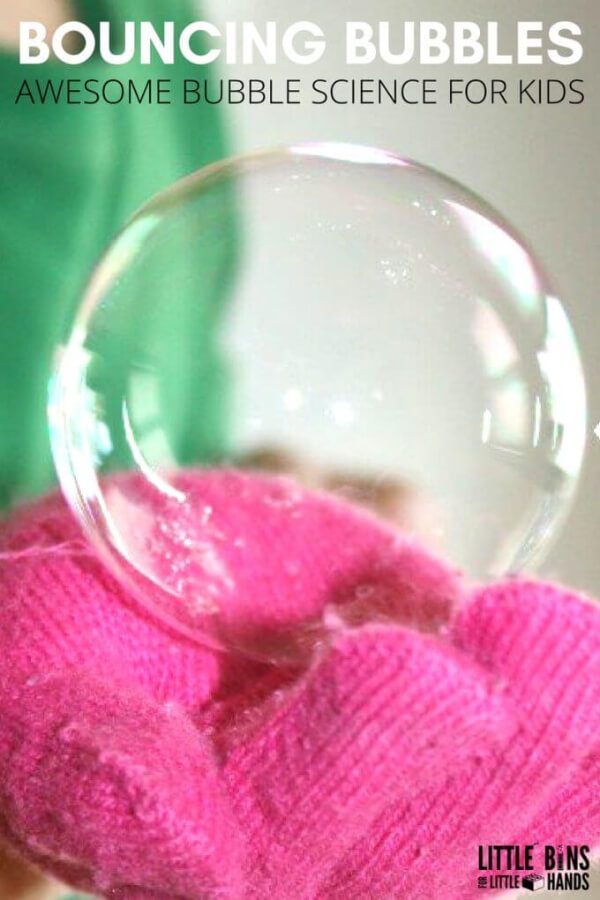
Image Source/Tutorial: Little Bins For Little Hands
Round bubbles are cute, but they get popped easily. But what if you make a bouncy bubble? Sounds cool! Right? This activity will help you to make bouncy bubbles at home using water, corn syrup, and dish soap. This experiment is a great way for children to explore the properties of bubbles and learn the science behind them. Kids can create their own bubble solution and experience the fascinating effects of surface tension through this experiment. Watch your bouncy bubbles fly!
Read More: 25+ Easy and Creative Plastic Spoon Projects
Momentum Experiment For Kids

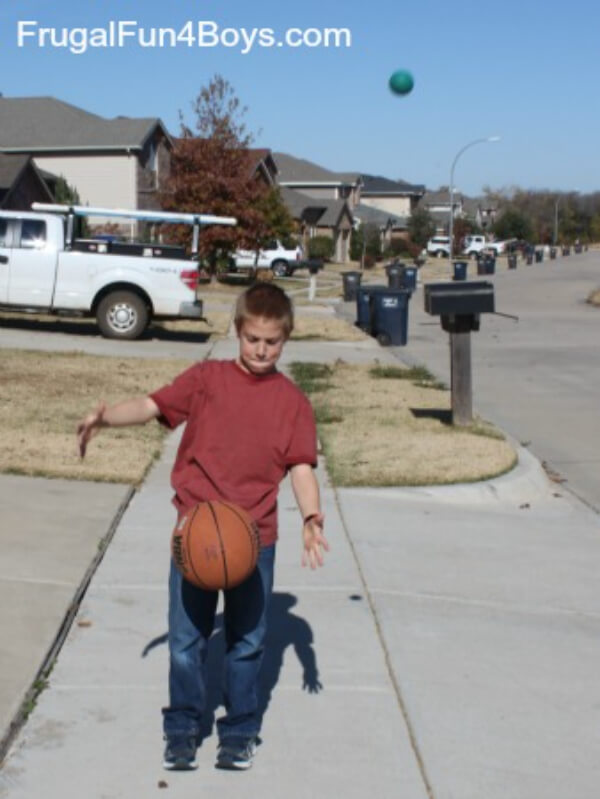
Image Source/Tutorial: Frugal Fun4 Boys
Let us first explain what momentum is! So, Momentum is the product of an object’s mass and its velocity. It is a measure of an object’s resistance to changes in its motion. It can be explained with a simple experiment of two different balls that will transfer their energy or momentum. To give a boost of energy, take a light ball and place it on top of a basketball, and drop them together. The basketball will reach the ground first, and as it rebounds, it will pass its momentum to the small ball. Since the small ball has much less mass than the basketball, it will jump up with much more speed! With this activity, introduce kids to the concepts of motion and the laws of physics.
Beautiful Chromatography Flowers Science Project For Kids

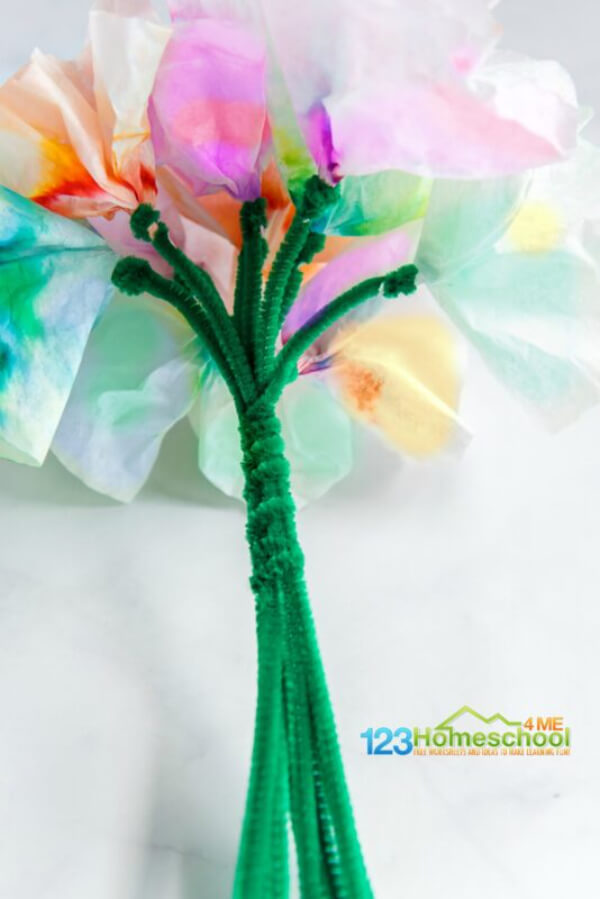
Image Source/Tutorial: 123Home School4 Me
Chromatography is a technique used to separate mixtures into their individual components. Using paper chromatography, we can break down the molecules that combine to form a single color that our eyes recognize. As a result, the water carries the individual pigments away from each other, causing us to be able to observe the different colors that were initially blended. This activity is an excellent way to introduce your child to science and encourage their natural curiosity. All you need for this craft are coffee filters, water, washable markers, small syringes, etc., for this craft and experiment. By the end of this project, kids will have created beautiful chromatography flowers that they can proudly show off.
Growing Bear Gummies Science Experiment For 4th Grade

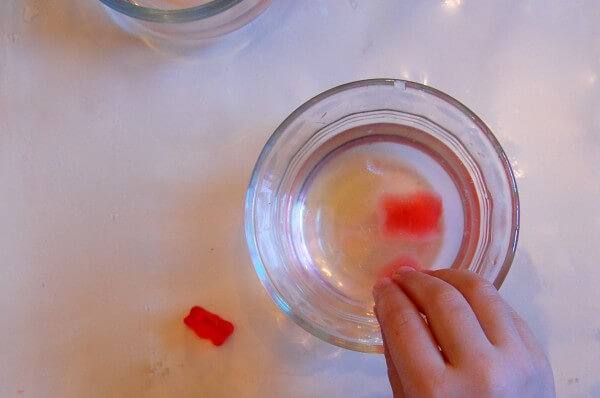
Image Source/Tutorial: Growing Gummies
Gummy bears are loved by almost all kids, but do you know that you can teach them basic science concepts using gummy bears? You need to put gummy bears in a bowl of water for hours, one day, and more. Observe and record the changes you find in their properties. It is a simple yet effective way of teaching them about how water molecules move from areas of high concentration to areas of low concentration. The students will be able to observe how the gummy bears grow bigger as the water molecules fill them up. The science behind it is that gummy bears are made from water, sugar, and gelatin, much like a sponge. The gelatin helps prevent the bears from disintegrating when submerged in water. Interactively explore the science!
Kindergarten Science Experiment With Sunscreen
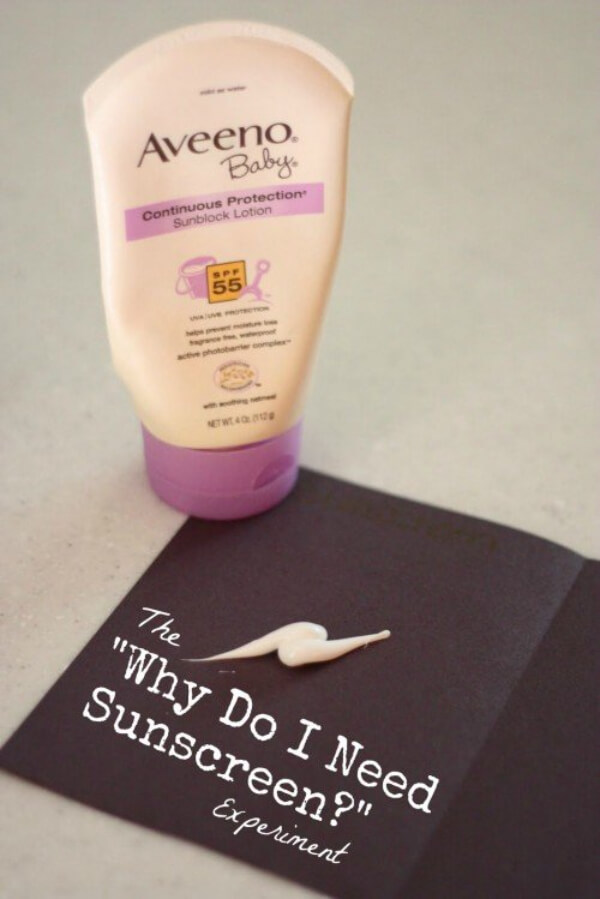
Image Source/Tutorial: Sunscreen Science
This experiment aims to understand why we need sunscreen and how it protects our skin from the harmful rays of the sun. Take a black piece of paper and sunscreen, and fold the paper in half. Apply sunscreen on one side. Then, put the paper in direct sunlight. You’ll see the difference in the areas of the paper. The sunscreen side is dark, but the other is faded. This is how sunscreen works on our skin. Thus, this experiment shows why sunscreen is so important and how it helps protect our skin from damage. It’s an experiment that everyone should try to understand the importance of sunscreen in our lives.
How Color Affects Eyesight Science Project For Kids
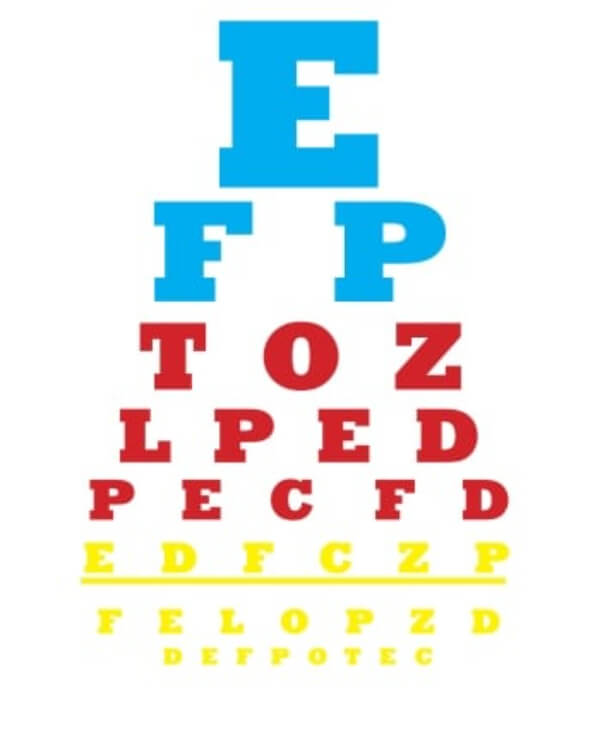
Image Source/Tutorial: Education
Do you know that color affects eyesight through readability and visual comfort? Different colors affect different individuals. Through this hands-on experiment, kids will explore the effects of color on the visual system and gain a better understanding of how light and color work together. To perform this experiment, take a colored eyesight chart and try to read at a distance. You will find difficulty in reading yellow text as it contrasts with the white background. The experiment will involve testing how different colors impact our ability to accurately identify letters. The results of this experiment can help us better understand how color affects our vision.
Read More: 30+ Easy Frog Crafts for Preschoolers to Make – Green Projects
Water Xylophone Sound – Mason Jar Craft Ideas For Kids

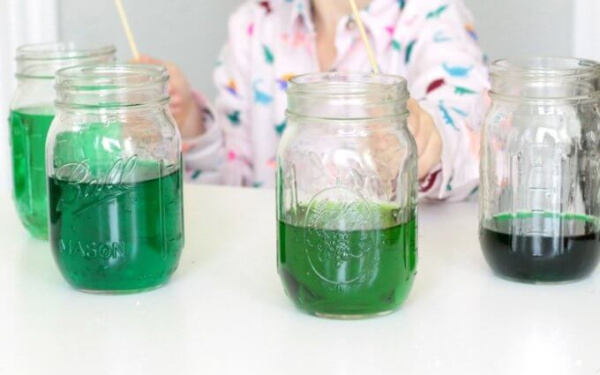
Image Source/Tutorial: Little Bins For Little Hands
Foster the music and love of science with a single experiment of a water xylophone. Not only will they have a lot of fun making their own musical instrument, but they will also learn about the science of sound waves. You only require some mason jars, some food coloring, water, and something like chopsticks or a butter knife to set up. When you tapped the different empty jars and glasses, they all produced the same sound. However, when you added varying quantities of water, you noticed a change in the sound. It’s interesting how the more water you put in, the lower the pitch, or vice versa. This is due to sound waves, which are vibrations, traveling through the water medium.
Blood Candy Experiment For 1st Grade

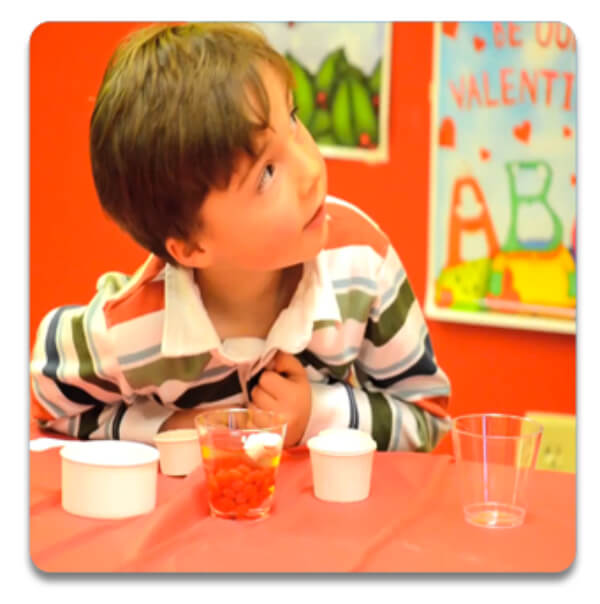
Image Source/Tutorial: Blood Molecules
Blood is made up of mainly four components. Teach your kids about blood, its components, and its types using a simple and easy experiment at home. This activity involves making blood candy, which requires red candy hots, marshmallows, corn syrup, food coloring, sprinkles, and basic kitchen supplies. This blood candy experiment is an engaging and educational way to introduce first graders to the science of anatomy and physiology. It provides a fun and interactive way to explore the human body and encourages a positive learning environment.
Step-by-Step Tutorial: Science Project Ideas for 3rd Grade Kids

In this step-by-step tutorial, discover easy and creative science project ideas for 3rd-grade students. Learn simple DIY experiments using household items that explain science concepts clearly. Perfect for school science fairs, this guide helps kids build curiosity, improve observation skills, and complete impressive projects with confidence and fun.
Why Science Projects Are Important for 3rd Grade Students
Science projects help third-grade students explore the world through observation, experimentation, and discovery. Hands-on activities encourage children to ask questions, test ideas, and understand scientific concepts in a fun and meaningful way. These projects also build curiosity, confidence, and a lifelong interest in STEM learning.
Skills Children Develop Through Science Projects
- Builds observation and investigation skills.
- Encourages curiosity through hands-on exploration.
- Strengthens critical thinking and logical reasoning. Engagingly introduces the scientific method.
- Improves measuring, recording, and comparing results.
- Develops communication by explaining discoveries.
- Supports teamwork during classroom experiments.
- Boosts confidence through successful project completion.
Easy Science Project Ideas for Grade 3
- Create a mini water cycle model.
- Build a weather observation chart.
- Grow seeds under different conditions and compare results.
- Make a homemade compass using a magnet and needle.
- Test which materials float or sink in water.
- Build a simple balloon-powered car to explore motion.
Tips for a Successful Science Project
- Choose a project that matches the child’s interests.
- Ask questions before starting the experiment.
- Record observations with drawings or simple notes.
- Use safe, everyday materials whenever possible.
- Repeat experiments to compare results.
- Present findings with neat labels and colorful charts.
FAQs
Q1. What are good science projects for 3rd grade?
Answer: Simple projects such as plant growth experiments, floating and sinking tests, weather observations, magnet activities, and water cycle models are ideal for third-grade students.
Q2. How do science projects help children learn?
Answer: They encourage curiosity, improve problem-solving skills, develop observation abilities, and help children understand scientific concepts through practical experience.
Q3. Can these science projects be completed at home?
Answer: Yes. Most projects use common household materials and are easy to complete with guidance from parents or teachers.
Q4. What materials are commonly needed?
Answer: Paper cups, magnets, balloons, seeds, soil, water, rulers, measuring cups, paper, pencils, and recycled materials are useful for many projects.
Q5. Are these projects suitable for classroom science fairs?
Answer: Absolutely. They are perfect for classroom demonstrations, STEM activities, homeschool lessons, and elementary science fair presentations.
Science project ideas for 3rd grade encourage children to explore, experiment, and discover through fun hands-on activities. These engaging projects build scientific thinking, creativity, and confidence while making learning exciting every day. Encourage artistic expression through these simple pomegranate craft projects for kids. Follow our Telegram, YouTube & Facebook for regular creative updates.
Reviewed by Yash Sharma
More Articles from Kids’ Art & Craft
- 30 Disposable Cup Crafts for Kids
- Duct Tape Projects Ideas For Kids
- Family Tree For Kids Project – DIY Ideas for School Children
- Owl Craft Ideas For Kids – Art & Craft Project for Kids
- Finding Different Activities – Worksheets Preschool