DIY and Crafts
Snow Science Activities For Kids

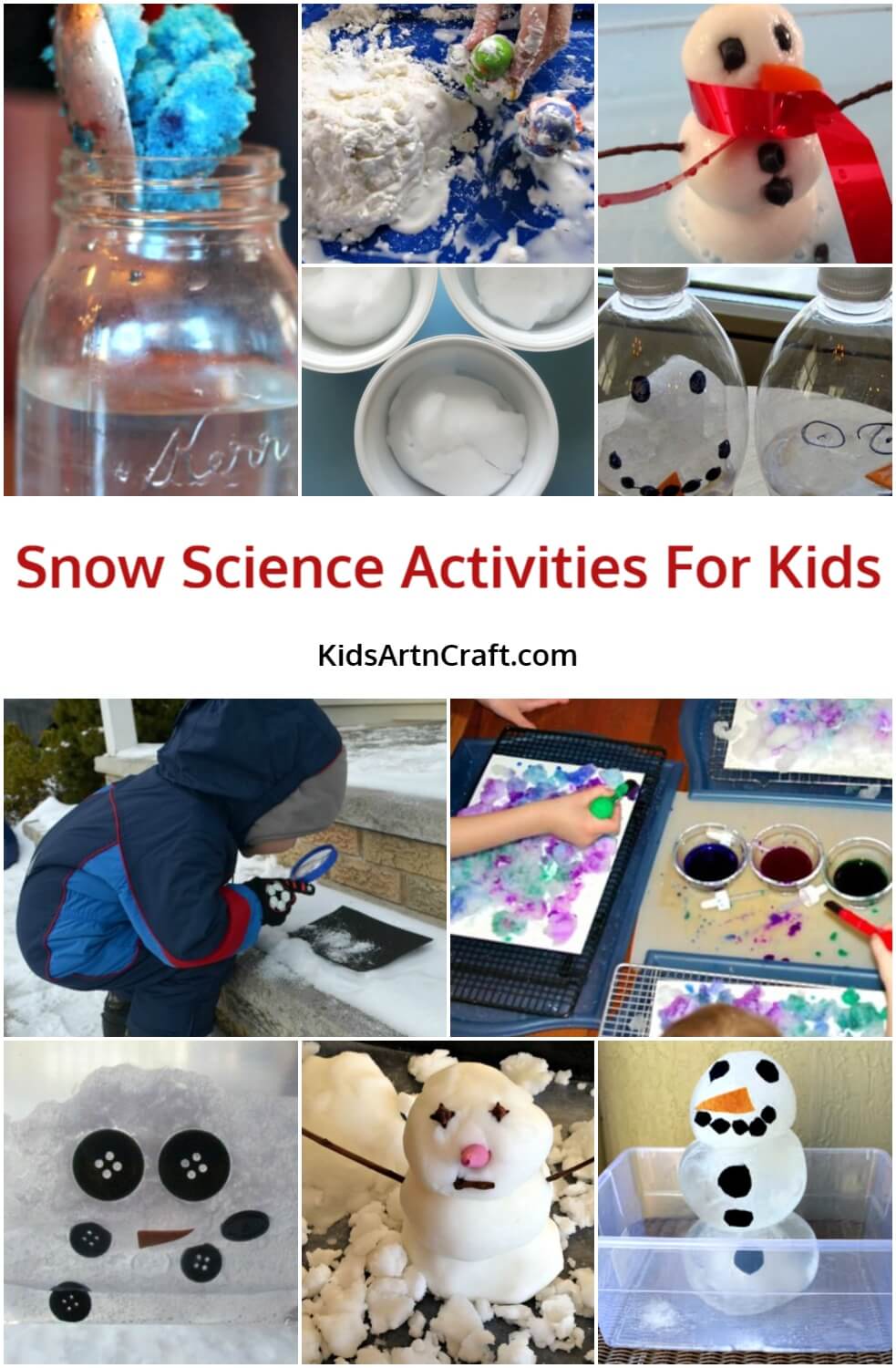
Perhaps you have snow and cold temps, or perhaps you don’t! Winter is still here, whether you’re shoveling snow or relaxing under a palm tree. Why not try some of these winter science activities for preschool and primary students when the weather becomes chilly or not so frigid? Avoid cabin fever this winter by including your children in snow science investigations.
Snow Science Activities For Kids

Playdough Snowman

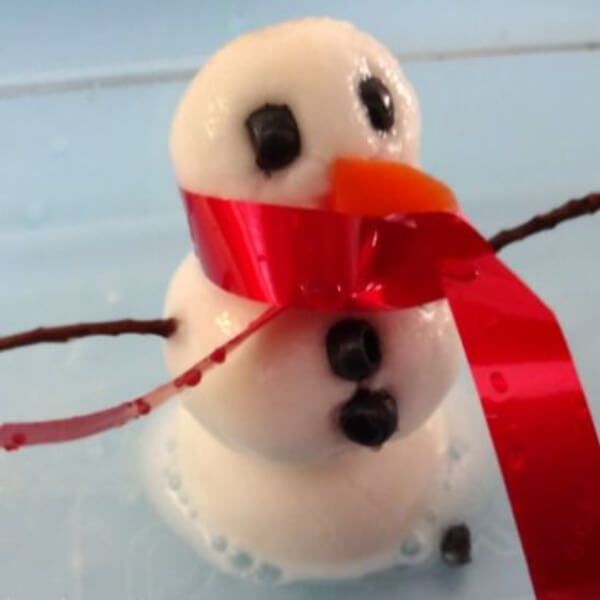
Image Source/Tutorial: Inspiration Laboratories
Because the clay contains baking soda, let’s see if we can generate a fizzy reaction by adding vinegar to the dough.
Using a discarded spice container, sprinkle vinegar on top of the snowman. There was some bubbling and fizzing, but it was not overpowering. The snowman took a long time to “melt.”
After 2 or 3 containers of vinegar have been filled, use a spoon to pour the vinegar on the dough and mix it up.
Snowman in a Bottle
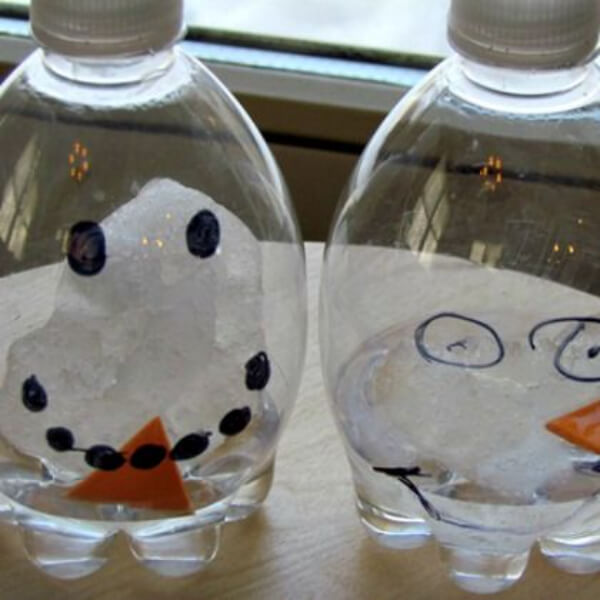
Image Source/Tutorial: Teach Preschool
The melting snowman in a bottle is a basic scientific experiment. The snowman in a bottle is an enticing approach to introduce concepts such as cold, warm, snow, snowman, melt, solid, liquid, and time, since science in early childhood education is all about growing vocabulary and experiencing new processes.
Melting Snow
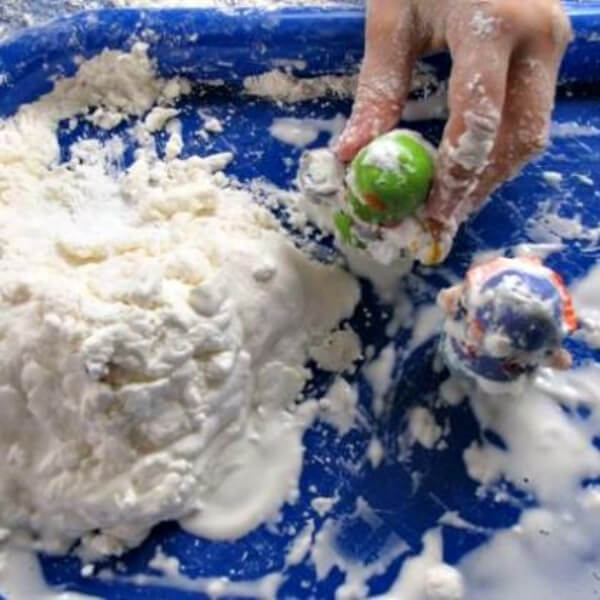
Snow may be explored both outside and inside your preschool classroom in a variety of ways. If you don’t want to feel chills, just bring some snow from outside, melt it a little, and then enjoy playing with it.
Snowman in a Bag
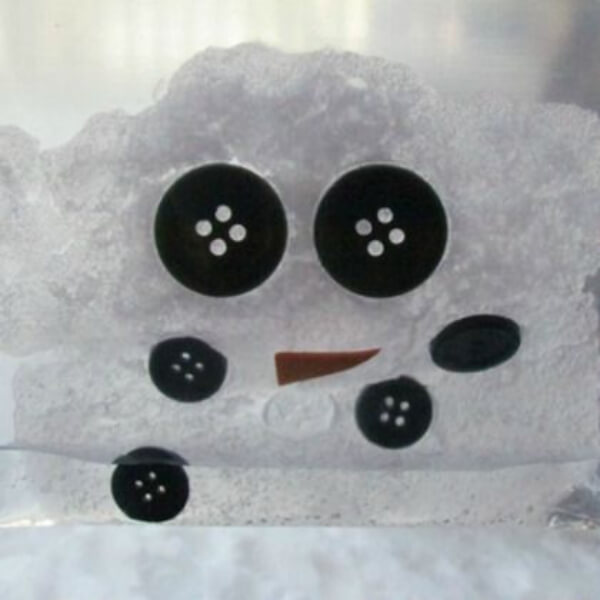
Image Source/Tutorial: Teach Preschool
If you’re looking for a simple method to include snowman science in your classroom, this is it.
This procedure is similar to making a snowman in a bottle; however, if you don’t have a bottle, all you need is a baggie, some buttons, a snowman nose, and some snow.
Melting and Non-Melting List
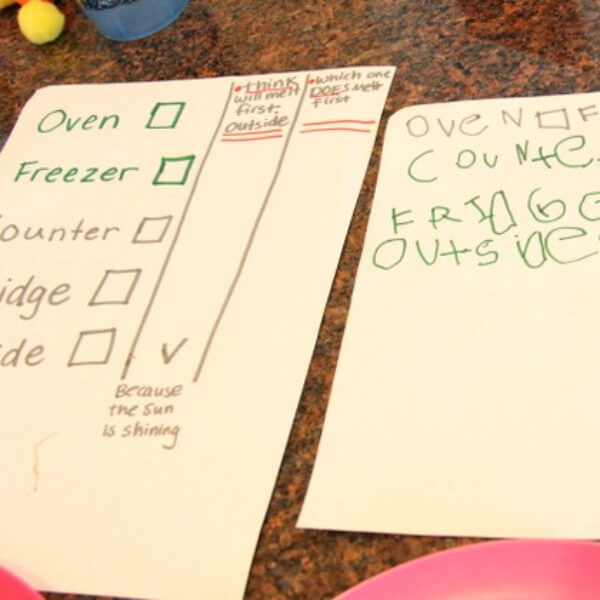
Image Source/Tutorial: Sugar Aunts
Want your kid to learn something while playing? So, here is a suggestion for you. Ask you, kid, to make a list and write all the things that came to his mind, and now ask him to make columns of the things that melt and the things that don’t melt, and then start ticking according to the thing.
Coloring Snow
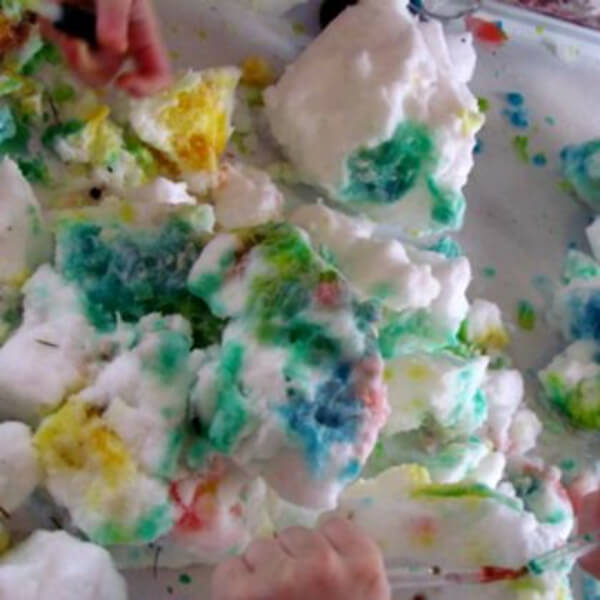
Image Source/Tutorial: Teach Preschool
Snow may be explored both outside and inside your preschool classroom in a variety of ways. Collect some snow from outside, bring it inside, and start coloring the snow!
Melting Snow Art
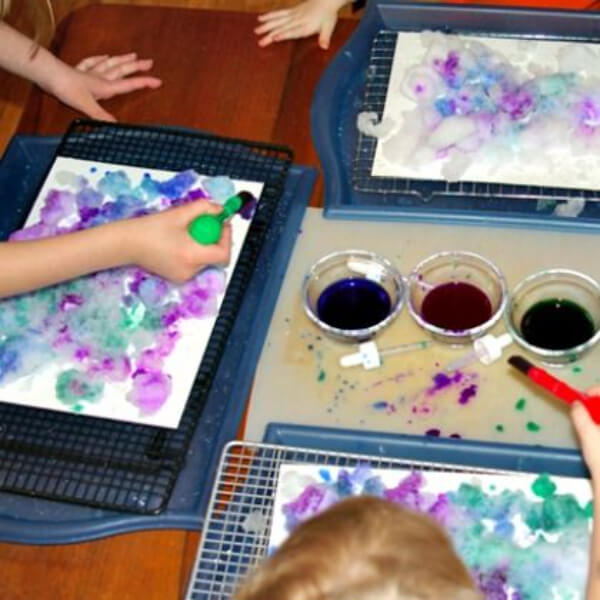
We’re making the most of the snow while it lasts before spring arrives! Make a snowman in your mind. Try something different this time, and see what happens as the painted snow melts.
Cotton Snowman
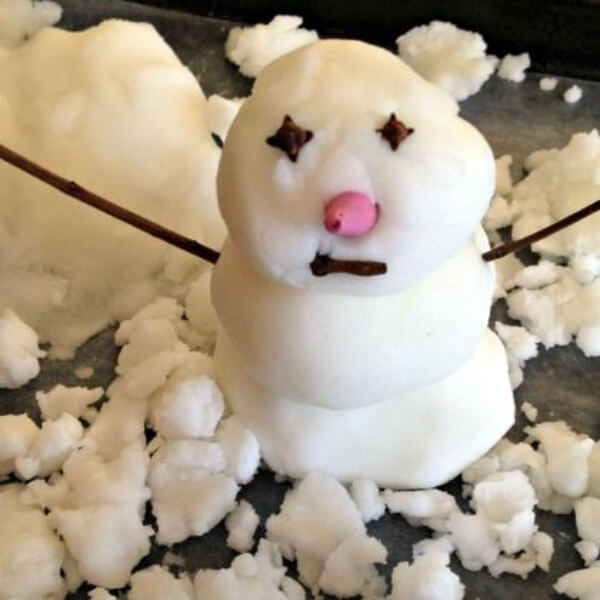
Image Source/Tutorial: Milk and Cuddles
This cotton ball snowman craft is great for preschoolers and kindergarten students because it’s simple to make and allows for personalization. So, what are you waiting for? Grab all the material and start making one.
Ice Snowman
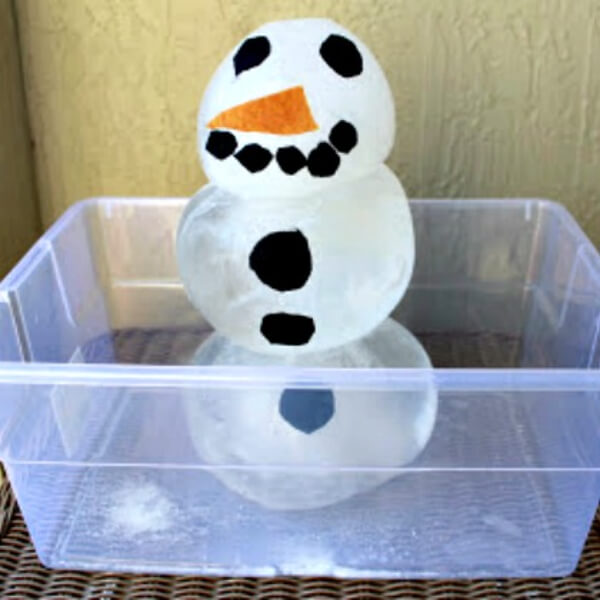
Image Source/Tutorial: Mom to 2 Posh Lil Divas
- Water-filled balloons should be frozen first (preferably overnight)
For your snowman, you’ll need one giant, one medium, and one small balloon. - Remove the balloon from the ice balls that have been frozen.
- Stack your ice to make a snowman by gluing them together with a little salt.
- We made the face and buttons out of felt.
Crystalized Snowflakes
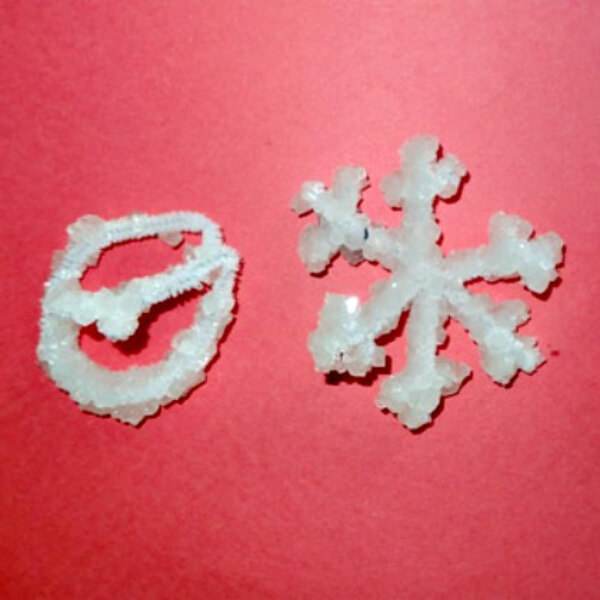
Image Source/Tutorial: Gift of Curiosity
With winter in full swing, we’re spending a lot of time indoors. Even though it doesn’t snow where we live, I’ve been attempting to imbue my children with some of the winter enchantment. These crystallized snowflakes provided a wonderful opportunity to experience the magic of snow, make a lovely craft, and witness some science in action all at once!
Snow and Water Experiment
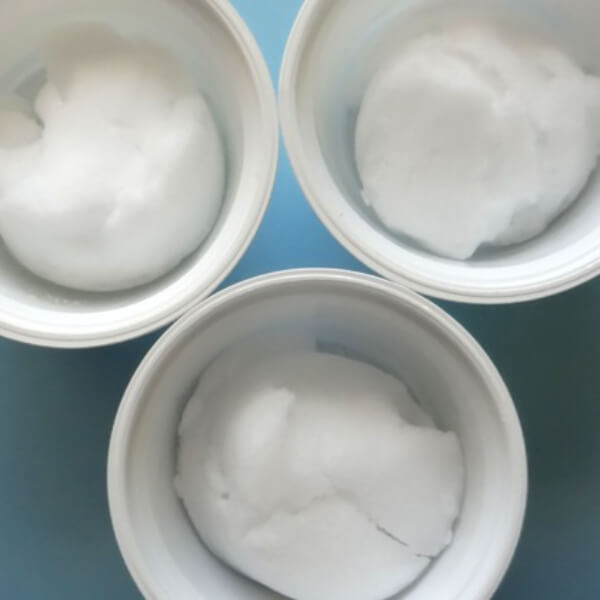
Image Source/Tutorial: Inspiration Laboratories
What happens if we saturate the snow with water? Is it going to melt? To find out, set up an experiment. You will need snow, containers, room-temperature water, and hot water.
Experimenting with Snow
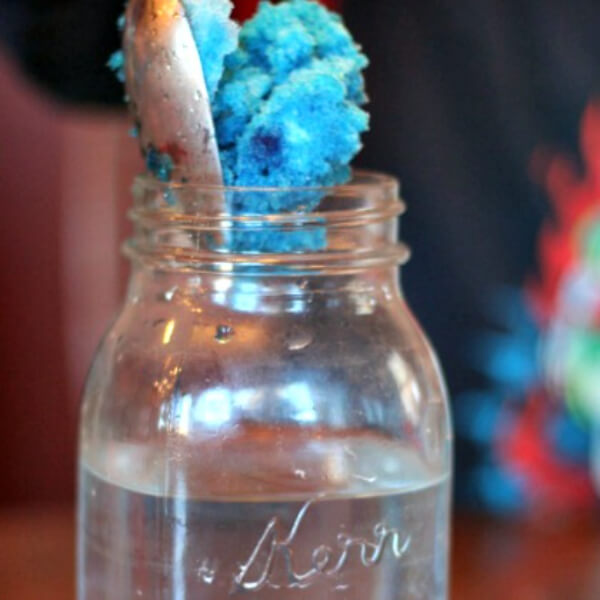
Image Source/Tutorial: Lemon Lime Adventures
This image displays the snow and water combining quite well, as the snow melts and creates a solution of two liquids mixed together. This presentation is excellent for dispelling the myth that snow vanishes.
Snowflake Investigation
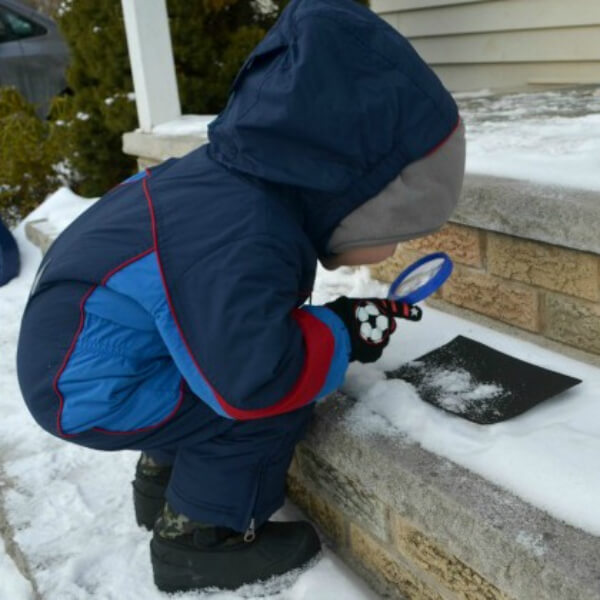
Image Source/Tutorial: Pleasantest Thing
- Bring a dark surface to put the snow on. Snow looks best when paired with dark colors.
- Just a smidgeon of snow is added.
- Make sure you’re using a sturdy magnifying glass.
- Keep an eye out for areas where snow has fallen onto trees.
Step‑by‑Step Snow Science Activities Tutorial for Kids | Fun Winter STEM Experiments

Explore snow science with this fun step‑by‑step tutorial for kids! Learn cool winter STEM experiments like snow volcanoes, frozen bubbles, melting reactions, and more exciting snow science activities that make learning hands‑on and fun. Perfect for parents, teachers, and young scientists looking for educational snow day experiments and outdoor learning ideas.
Educational Benefits of Snow Science Experiments
Winter science projects help children develop curiosity and problem-solving skills through hands-on exploration.
Key Benefits Include:
- Encourages scientific thinking and observation
- Helps children understand weather and seasons
- Improves sensory exploration through touch and temperature
- Supports fine motor development
- Builds creativity and curiosity
- Introduces STEM concepts in a fun way
Interactive snow experiments also help children learn through real-world experiences and active participation.
Easy Supplies Needed for Snow Science Activities
Most snow experiments can be created using simple household materials and basic craft supplies.
Common Winter Science Supplies
- Snow or fake snow
- Ice cubes
- Food coloring
- Baking soda
- Vinegar
- Salt
- Water
- Cups and bowls
- Measuring spoons
- Magnifying glasses
- Spray bottles
- Pipettes or droppers
These affordable materials make snow science activities easy for parents, teachers, and homeschool educators to organize.
Fun Snow Science Activities for Kids
Children can explore many exciting winter-themed science experiments through playful learning.
Popular Snow Science Ideas
- Melting snow experiments
- Snow volcano reactions
- Snowflake observation activities
- Fake snow sensory bins
- Snowstorm in a jar
- Salt and ice experiments
- Frozen bubble science
- DIY thermometers
- Snow sink-or-float tests
- Color mixing with snow
These winter STEM activities help preschoolers and elementary school children learn about chemistry, temperature, and physical changes through creative exploration.
Tips for Doing Snow Science Activities With Kids
To make winter science experiments safe and enjoyable:
- Always supervise younger children during experiments
- Use child-safe materials and non-toxic ingredients
- Dress children warmly for outdoor snow activities
- Cover workspaces during messy experiments
- Encourage kids to make predictions before testing
- Ask open-ended questions to build curiosity
Why Snow Science Activities Are Exciting for Kids
Snow science activities are a fun way to combine winter play with hands-on STEM learning. Kids love experimenting with snow, ice, freezing temperatures, and colorful winter reactions because these activities feel magical while teaching important science concepts. From melting snow experiments to snow volcanoes and fake snow sensory play, winter science projects help children explore chemistry, weather, temperature, states of matter, and sensory learning engagingly.
FAQs About Snow Science Activities for Kids
Q1. What do kids learn from snow science activities?
Answer: Children learn about weather, freezing and melting, chemical reactions, temperature changes, and sensory science through hands-on winter experiments.
Q2. What are the easiest snow science experiments for preschoolers?
Answer: Fake snow play, melting ice activities, snow painting, and snow volcano experiments are easy and fun for preschool children.
Q3. Can snow science activities be done indoors?
Answer: Yes, many winter science projects like fake snow, snowstorms in jars, and ice melting experiments can be safely done indoors.
Q4. What materials are needed for snow experiments?
Answer: Basic materials include snow or ice, food coloring, baking soda, vinegar, salt, cups, water, and simple household supplies.
Q5. Are snow science activities good for STEM learning?
Answer: Absolutely! Snow experiments introduce children to science, technology, engineering, and math concepts through creative hands-on learning.
Snow science activities for kids are a wonderful way to turn winter fun into exciting educational experiences. From melting snow and icy reactions to sensory experiments and weather exploration, these hands-on projects help children develop curiosity, creativity, and important STEM skills. Winter science activities make learning interactive, memorable, and enjoyable for kids of all ages.
Let little imaginations grow with fun crafts and learning adventures every day! Join our family on Telegram, YouTube & Facebook
Thank you and have a nice day!
Reviewed by Yash Sharma
Read More:
- Easy Paper Snowman Crafts for Kids
- Easy Snowman Crafts for Kids to Make with Parents
- Free Printable Snowman Coloring Pages For Kids
- How to Make Easy Paper Snowflakes – Step-by-Step Tutorials
- Snow Crafts And Activities For Winter