Kids Activities
Anchor Charts for 5th Grade

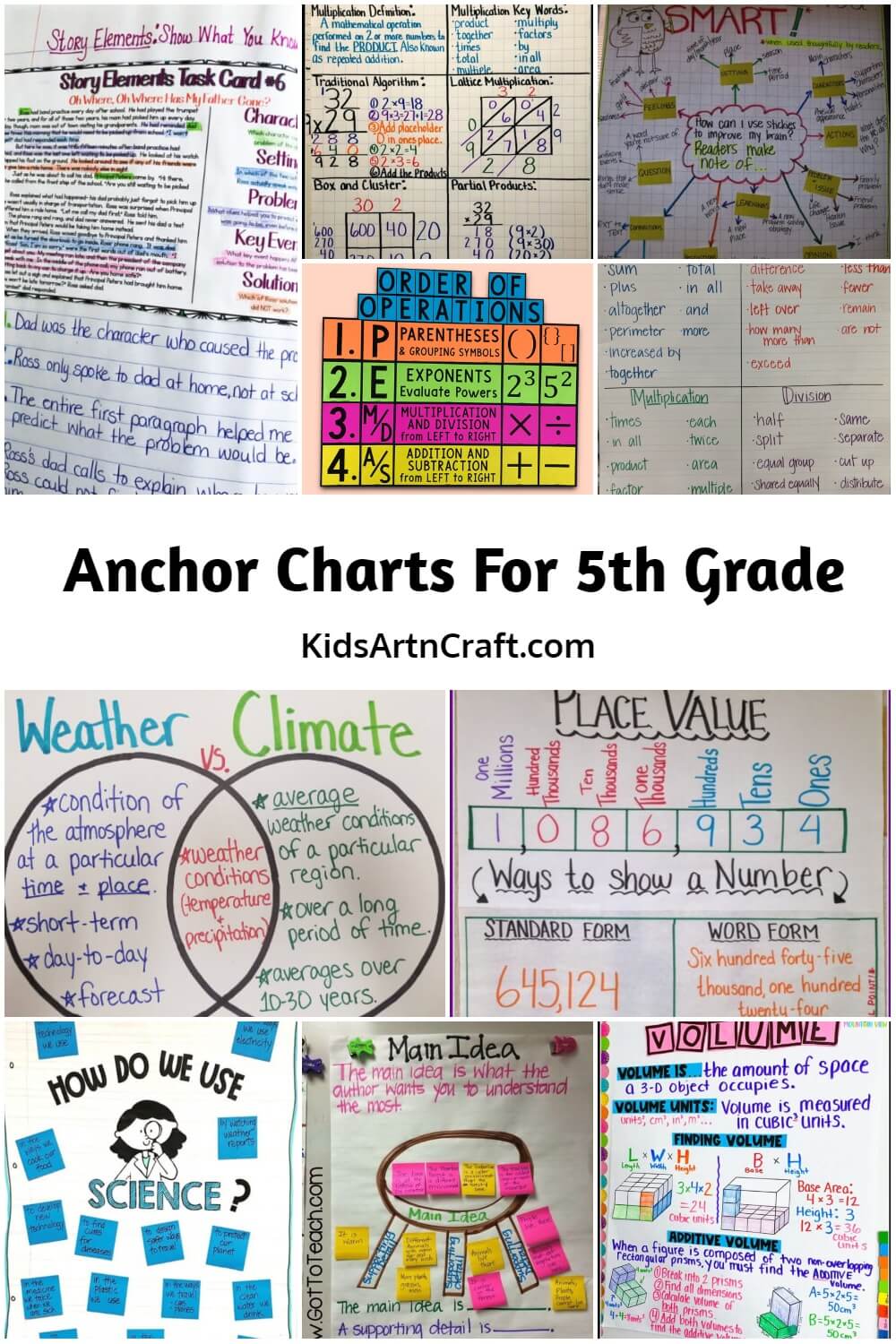
If you’re searching for creative anchor charts for 5th grade, you’re in the right place! Keep your learning spirit alive with our curated list of anchor charts for 5th grade, like value math anchor, multi-digit multiplication, volume chart, order of operations, fractions anchor, math keywords, English anchor, story elements, reading anchor, science anchor, and weather vs climate Venn diagram.
Anchor Charts For 5th Grade

Read More: Free Printable Coloring Pages for Kids of All Ages
Place Value Anchor Chart for Elementary Students

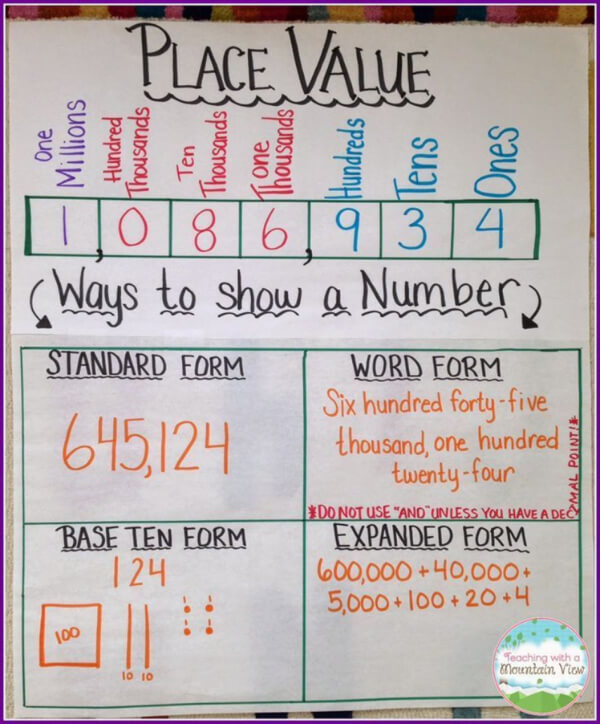
Image Source/Tutorial: Miss Mac’s Classroom
This place-value anchor chart helps students understand number positions from ones to millions through visual learning. Perfect for math classrooms, homeschooling, and worksheets, it improves number sense, expanded-form, and word-form skills.
Multi-Digit Multiplication Anchor Chart

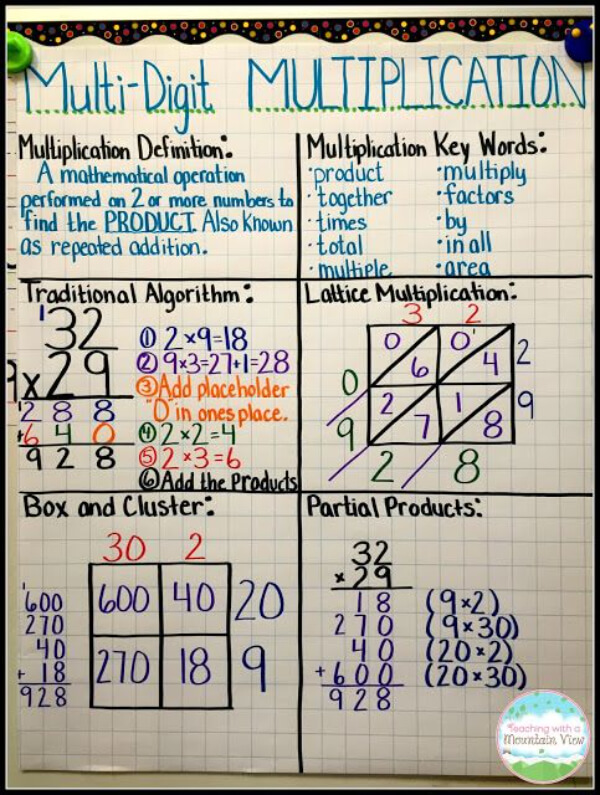
Image Source/Tutorial: Cobb Learning
This multi-digit multiplication anchor chart simplifies complex math concepts using visual strategies like the lattice method, partial products, and the traditional algorithm. Ideal for classroom walls, it boosts problem-solving skills and student understanding.
Volume Formula Anchor Chart for Kids

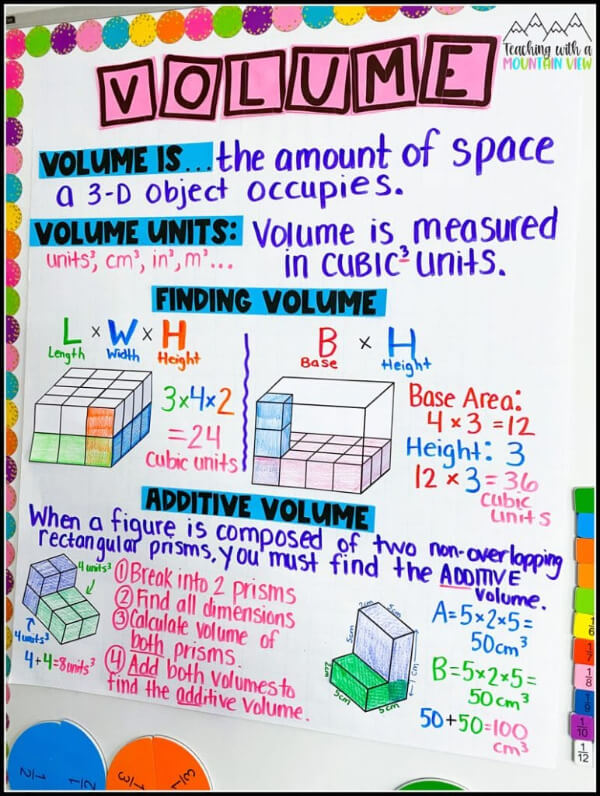
This volume anchor chart explains cubic units, formulas, and real-life examples for calculating volume. It’s perfect for visual learners in elementary and middle school math. Helps students understand 3D shapes, measurements, and problem-solving techniques, steps for classroom teaching and learning.
Order of Operations PEMDAS Chart

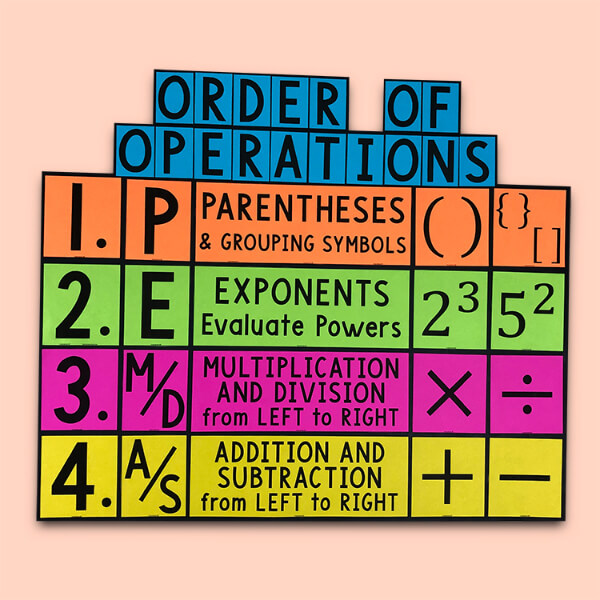
Image Source/Tutorial: My Math Resources
This order of operations chart teaches PEMDAS rules in a fun and colorful way. Perfect for math classrooms, it helps students solve equations correctly by following the steps.
Read More: Clay Footprint DIY Baby Keepsake
Fractions Anchor Chart for Beginners
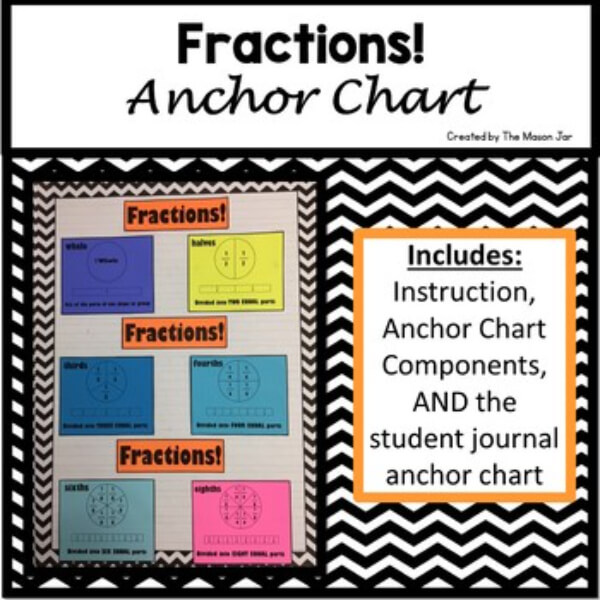
Image Source/Tutorial: Teachers Pay Teachers
This fractions anchor chart introduces basic concepts like halves, thirds, and fourths using simple visuals. Ideal for early learners, it builds foundational math skills and helps students understand parts of a whole.
Math Key Words Anchor Chart

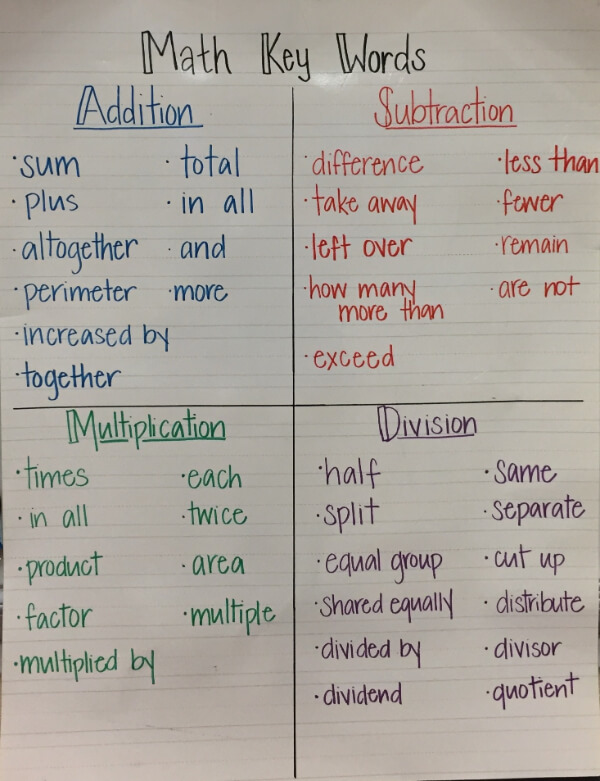
Image Source/Tutorial: Cobb Learning
This math key words anchor chart helps students identify operation clues in word problems. Featuring addition, subtraction, multiplication, and division keywords, it improves comprehension and problem-solving skills.
Main Idea and Supporting Details Chart

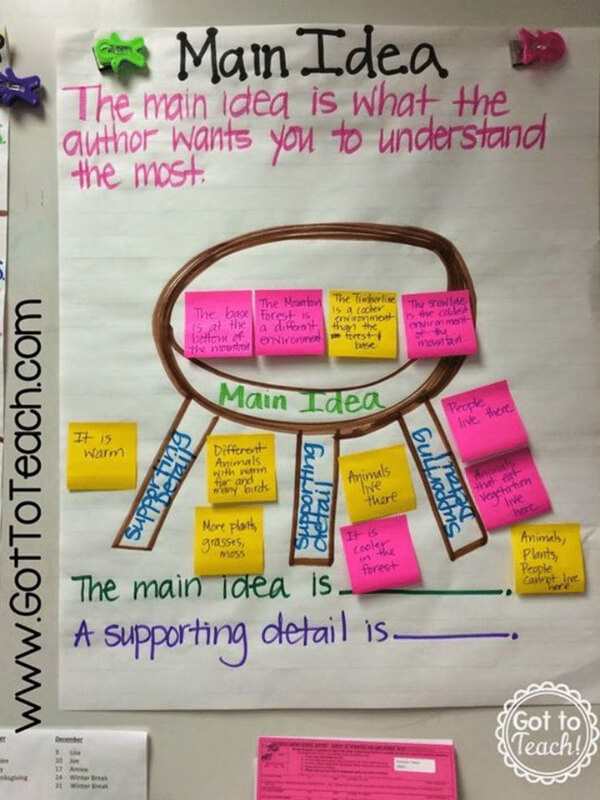
This main idea anchor chart teaches students how to identify central ideas and supporting details in reading comprehension. Perfect for literacy lessons, it enhances critical thinking and reading skills.
Story Elements Reading Anchor Chart
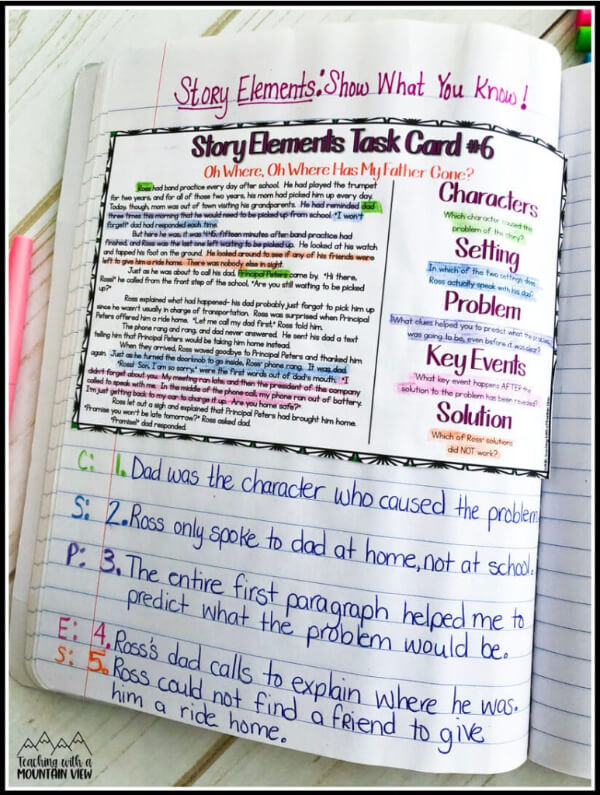
Image Source/Tutorial: Teaching With A Mountain View.
This story elements anchor chart helps students understand key components like characters, setting, problem, and solution. Perfect for reading comprehension lessons, it builds storytelling and analytical skills
Read More: 17 Easy Valentine’s Day Crafts for Kids
Interactive Post-It Learning Strategy Chart
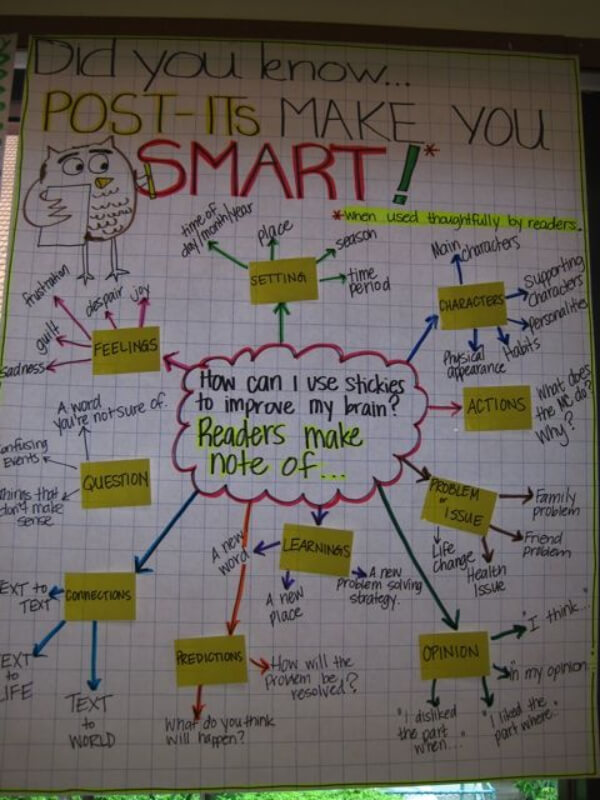
Image Source/Tutorial: Elain The Middle
This interactive anchor chart teaches students how to use sticky notes for active reading and comprehension. It improves engagement, critical thinking, and note-taking skills. It encourages students to connect ideas, ask questions, and summarize effectively using visual strategies.
How We Use Science Anchor Chart

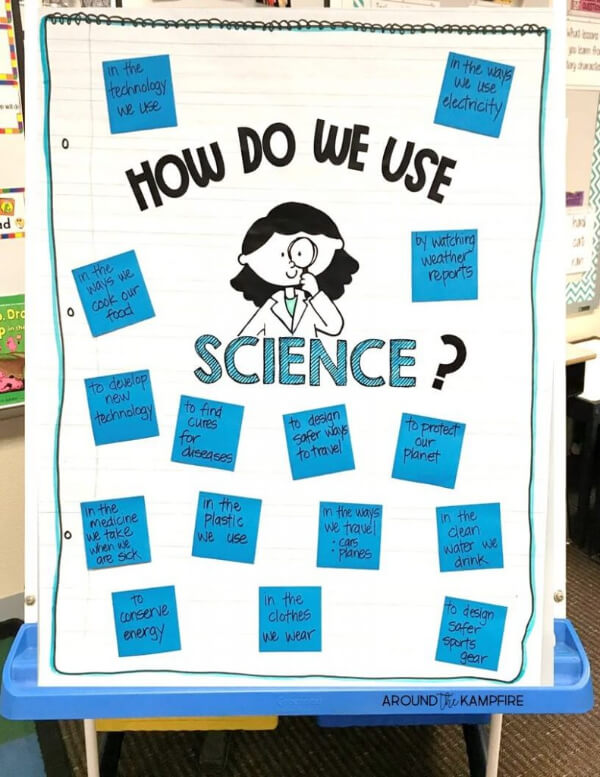
Image Source/Tutorial: Around The Kampfire
This science anchor chart highlights real-life applications of science in everyday life. It helps students understand the importance of science in technology, health, the environment, and daily activities.
Weather vs Climate Comparison Chart

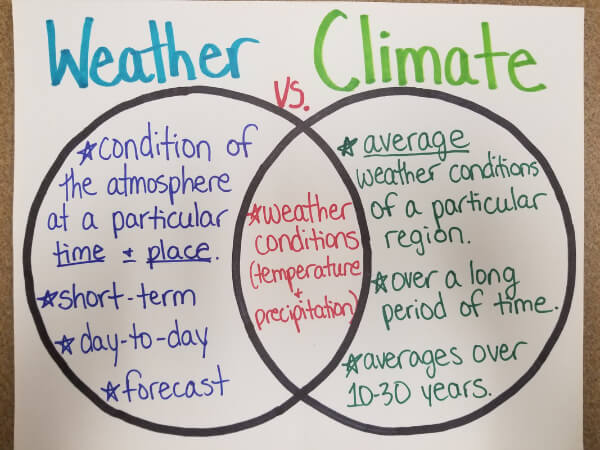
Image Source/Tutorial: Mrs. Martin 47
This weather vs climate anchor chart explains differences using a simple Venn diagram. It helps students understand short-term weather and long-term climate patterns. Ideal for science classrooms, it enhances knowledge of environmental studies and geography with clear visuals and easy-to-understand explanations.
5th Grade Anchor Charts Step-by-Step Tutorial | Classroom Visual Learning Ideas for Kids

Learn how to create effective 5th-grade anchor charts in this step-by-step tutorial. Discover creative ideas for math, reading, writing, and science charts that improve student understanding. Anchor charts are powerful visual tools that help reinforce key concepts, boost engagement, and support independent learning in the classroom.
Tips for Creating Effective Anchor Charts
Creating engaging anchor charts does not require professional drawing skills. The most effective charts are simple, colorful, and easy for students to read from a distance.
Here are some useful tips for making classroom anchor charts:
- Use large headings and bold keywords
- Add visuals, symbols, and diagrams
- Keep information short and organized
- Use different colors for highlighting concepts
- Involve students while creating the chart
- Display charts at eye level in the classroom
- Focus on one concept per chart
Collaborative anchor chart creation also helps students better understand lessons because they actively participate in organizing information.
Best Subjects for 5th Grade Anchor Charts
Anchor charts can be used across multiple classroom subjects. Some of the most popular categories include:
Math Anchor Charts
- Fractions and decimals
- Multi-digit multiplication
- Place value
- Geometry formulas
- Volume and measurement
- Order of operations
Reading & Writing Anchor Charts
- Story elements
- Main idea and supporting details
- Cause and effect
- Context clues
- Writing structure
- Grammar rules
Science Anchor Charts
- Weather vs climate
- Food chains
- Plant life cycles
- Scientific method
- States of matter
Classroom Management Charts
- Classroom expectations
- Growth mindset
- Daily routines
- Reading goals
- Discussion rules
These classroom visuals make lessons more interactive and easier for students to understand.
Benefits of Using Anchor Charts in the Classroom
Anchor charts support different learning styles and help students stay engaged during lessons. They are especially useful for visual learners who understand concepts better through diagrams and color coding.
Some key benefits include:
- Improves student understanding
- Encourages independent learning
- Reinforces classroom lessons
- Helps with revision and review
- Makes difficult concepts easier
- Increases classroom participation
- Supports memory retention
Many teachers also use mini anchor charts inside notebooks so students can revise topics anytime.
Materials Needed for DIY Anchor Charts
Teachers and parents can create beautiful anchor charts using affordable classroom materials such as:
- Chart paper
- Colored markers
- Sticky notes
- Washi tape
- Printable visuals
- Sketch pens
- Construction paper
- Laminating sheets
- Glue sticks and scissors
Why Anchor Charts Are Important for 5th Grade Students
Anchor charts are powerful classroom tools that help students understand and remember important concepts through visuals, keywords, and examples. In 5th grade, students begin learning more advanced topics in math, science, reading comprehension, and writing. Anchor charts provide a quick visual reference that supports independent learning and boosts classroom confidence.
Teachers often use anchor charts to simplify difficult topics like fractions, decimal operations, story elements, text structures, and scientific processes. Visual learning tools can also improve memory retention and classroom participation.
Frequently Asked Questions (FAQs)
Q1. What is an anchor chart?
Answer: An anchor chart is a visual teaching tool that displays important concepts, strategies, vocabulary, or classroom rules to support student learning.
Q2. Why are anchor charts useful in 5th grade?
Answer: 5th-grade students learn complex topics in math, science, and reading. Anchor charts simplify these concepts using visuals and easy-to-understand explanations.
Q3. Which subjects use anchor charts the most?
Answer: Math, reading, writing, science, and classroom management are the most common subjects where anchor charts are used.
Q4. Can students help make anchor charts?
Answer: Yes! Student participation improves understanding, creativity, and classroom engagement during lessons.
Q5. What makes a good anchor chart?
Answer: A good anchor chart is colorful, organized, easy to read, and focused on one main topic with visuals and keywords.
Anchor charts are an excellent way to make classroom learning more visual, interactive, and memorable for 5th-grade students. Whether used for math, reading, science, or classroom routines, these charts help students build confidence and improve understanding through creative visual learning. Teachers and parents can easily create customized anchor charts to support everyday learning activities at school or at home.
A world of fun crafts, playful learning, and creative moments for kids awaits daily! Join us on Telegram, YouTube & Facebook.
Reviewed by Yash Sharma
More Articles from Kids’ Art & Craft
- 4th Birthday Party Theme Ideas
- Funny Food Decoration Ideas for Kids
- How to Make a Santa Claus Picture Craft
- Scrap Ribbon Christmas Tree Craft Tutorial
- 65+ Christmas Crafts for Kids that Anyone Can Make