DIY and Crafts
Animal Habitat Projects for Kids

We are here with animal habitat projects for kids to make at home. Kids can play and learn math skills! Keep the learning spirit of your kids alive with our curated list of animal habitat projects to learn about, like biomes, sorting animal habitats, printables, land, air, water, drawing, ocean animals, the Sahara desert, icy water, rainforest, pond water, and bug house.
Animals are an important part of nature. Kids love to watch animal-based cartoon series and movies. Movies like “The Jungle Book” and “The Lion King” are some of the favorite movies of small kids. Children love to keep animals as their pets, but it is important to make them understand how animals survive and how the natural cycle works. Animal habitat projects can help to make children understand this cycle and structure more clearly and deeply.
Through these activities, students can learn a lot about a wide variety of habitats, from the deep blue sea to the habitats of the highest mountains. These activities are the best method to keep your children engaged with some knowledgeable stuff. The activities are very time-consuming and don’t require any expensive materials to perform the activity.
Most children found it difficult to sit in one place and listen to the topics. Learning through activities also improves the kinesthetic skills of students and helps to develop fine and gross motor skills in children. Here are some of the very amazing Animal habitat activities that help your child to explore the wildlife more closely. These activities can be easily performed at home and are suitable for the primary kids. Small children can easily perform these activities under the guidance of their parents and teachers.
So give your child a new learning experience by adopting a whole new and interesting method of teaching, through which they learn and have fun at the same time.
Animal Habitat Projects for Kids
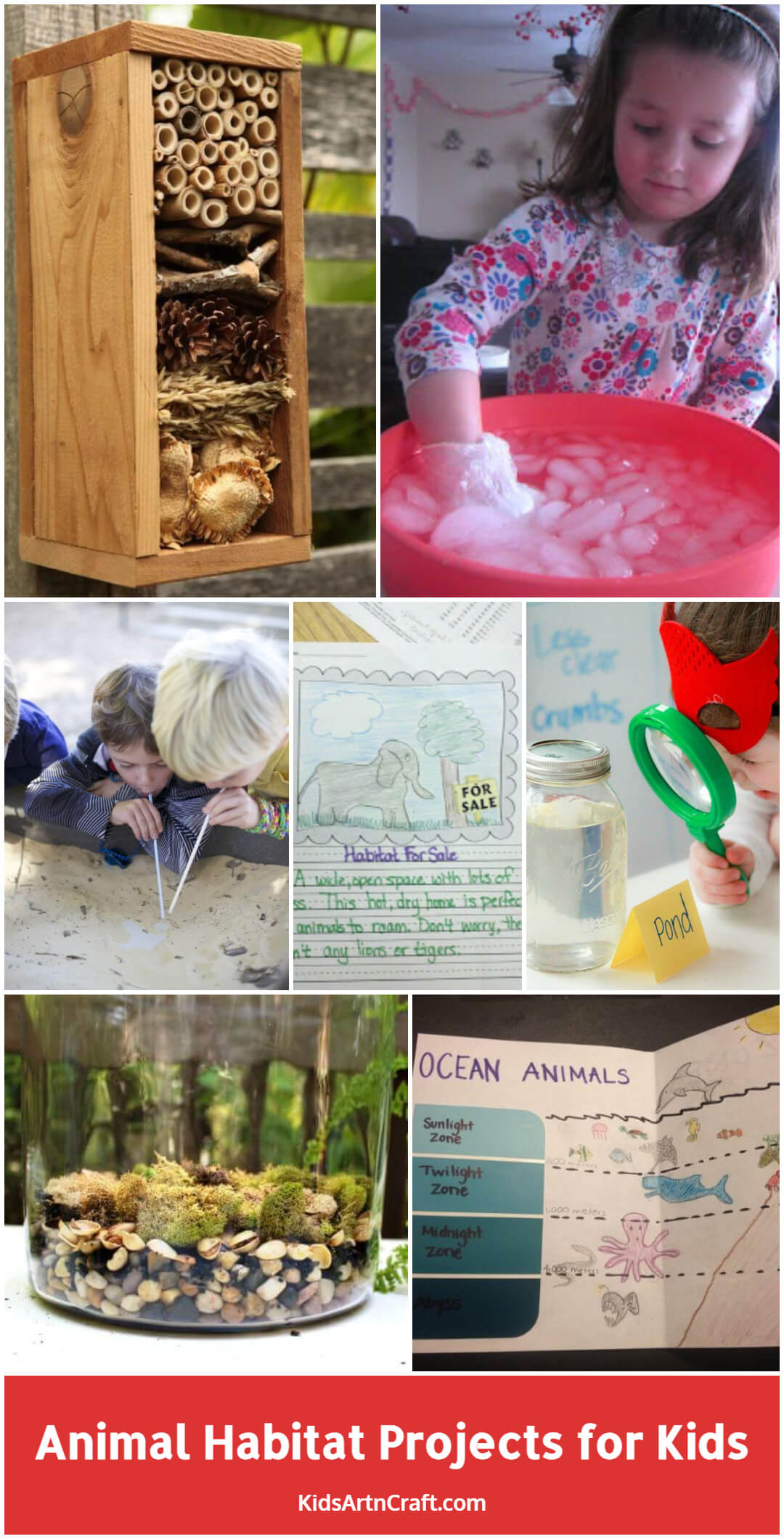

Read More: Easy Animal Craft Ideas & Activities for Kids
Marine Animals Chart Craft

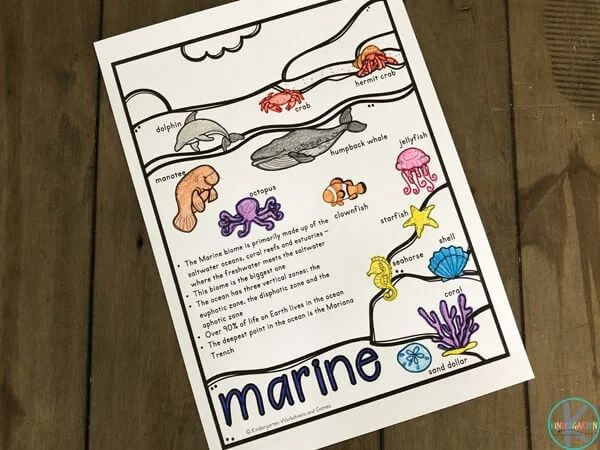
A colorful learning chart to identify different marine animals. Image Source/Tutorial: Kindergarten Worksheets And Games
Materials Required:
White chart paper, pencil, sketch pens, crayons, or color pencils
Procedure:
Draw and label different marine animals on the chart. Color each animal neatly to complete the learning sheet.
Animal Habitat Sorting Activity

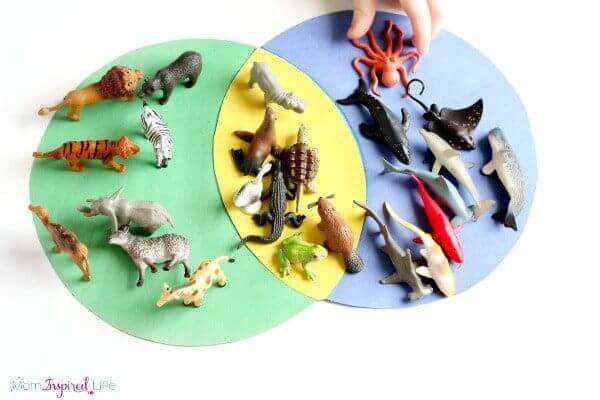
A hands-on activity to help kids understand animal habitats. Image Source/Tutorial: Fun Learning For Kids
Materials Required:
Toy animals, colored paper circles, and glue
Procedure:
Place colored paper circles for different habitats. Sort and place toy animals into the correct habitat group.
Grassland Habitat Model
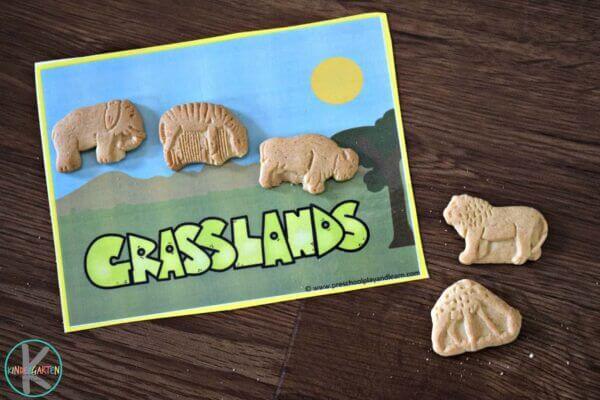
A simple grassland habitat craft using animal cutouts. Image Source/Tutorial: Kindergarten Worksheets And Games
Materials Required:
Cardboard, animal cutouts or clay shapes, glue, and colors
Procedure:
Create a grassland background on cardboard. Place animal shapes on it to show the grassland habitat.
Air, Land, and Water Habitat Chart

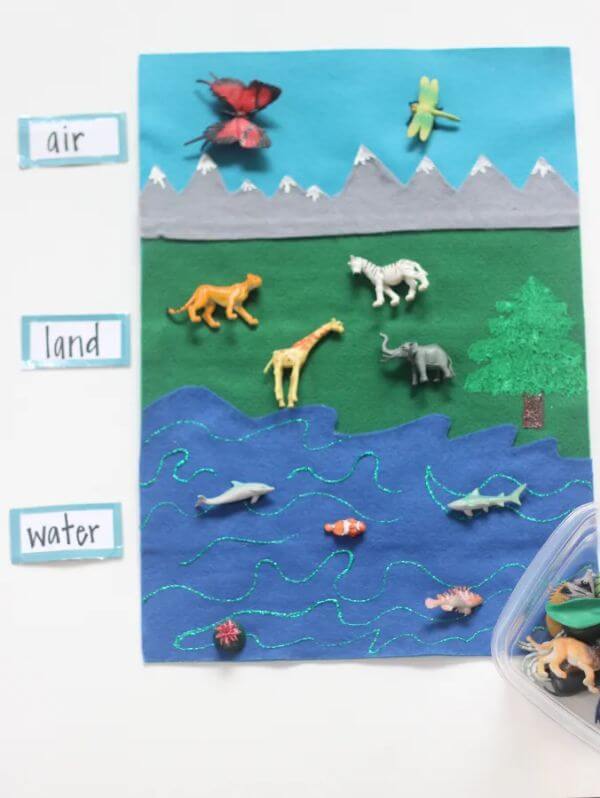
A visual chart showing animals living in the air, land, and water. Image Source/Tutorial: Slinky And Moose
Materials Required:
Chart paper, toy animals, glue, colored paper, marker
Procedure:
Divide the chart into air, land, and water sections. Paste animals in the correct section and label them.
Habitat for Sale Drawing Activity

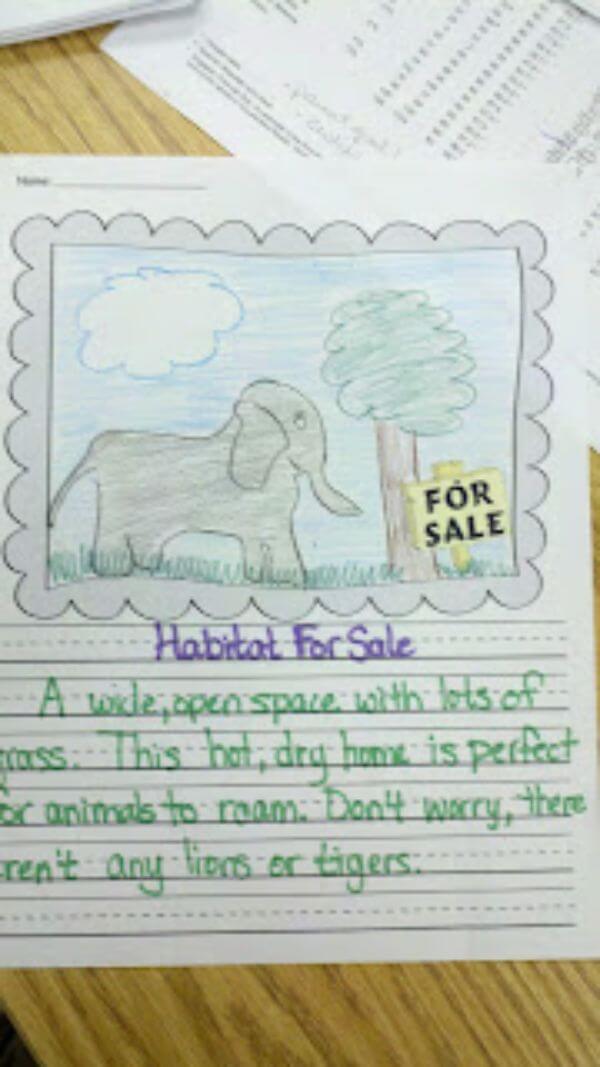
A creative worksheet encouraging kids to design animal habitats. Image Source/Tutorial: Teacher By The Beach
Materials Required:
Worksheet paper, pencil, eraser, crayons
Procedure:
Draw an animal and its natural habitat. Color the picture and write a short description below.
Read More: Simple Animal Drawings for Kids – Ant, Crab, Flamingo & More
Ocean Zones Learning Foldable
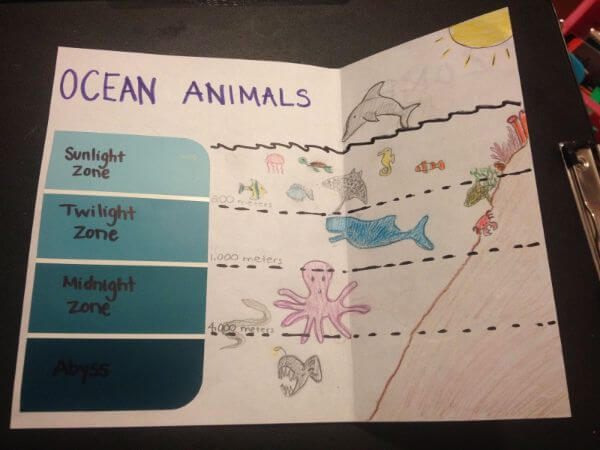
A detailed project explaining ocean depth zones and animals. Image Source/Tutorial: Env Education
Materials Required:
Notebook or chart paper, pencil, colors, ruler
Procedure:
Divide the page into ocean depth zones. Draw and color animals found in each zone.
Ocean Zones Sensory Jar Craft

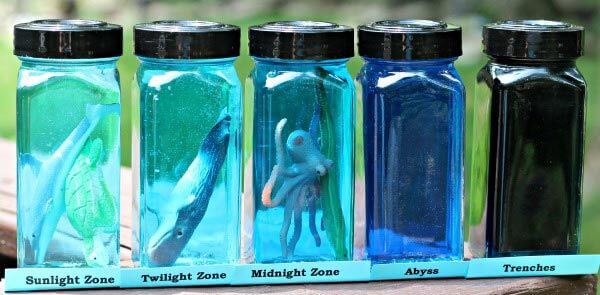
Materials Required:
Clear jars, water, food coloring, small sea toys, labels
Procedure:
Fill jars with colored water to represent ocean zones. Add sea toys and label each jar correctly.
Straw Water Blowing Activity

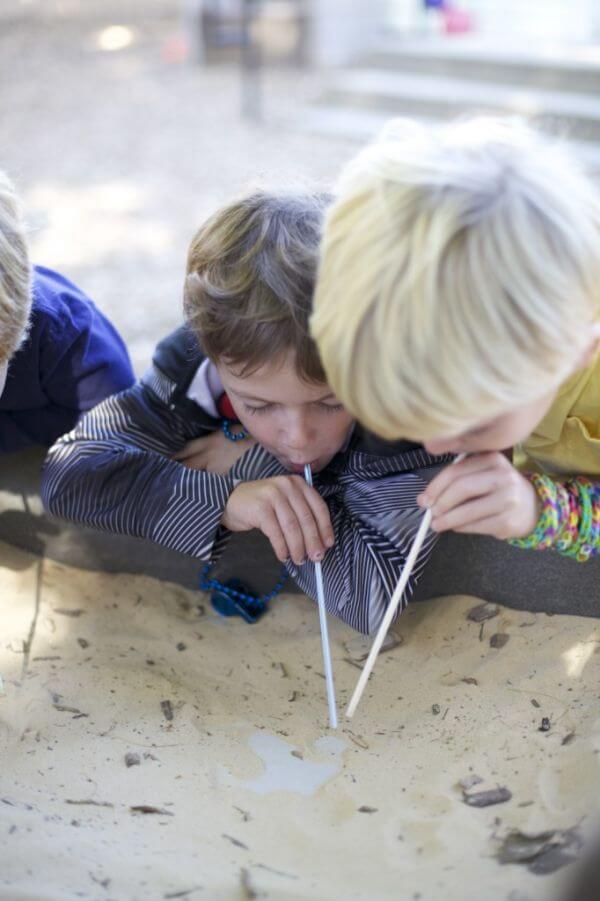
A fun outdoor science activity that helps kids explore air and movement. Image Source/Tutorial: Creative Tots
Materials Required:
Straws, water, and a flat outdoor surface
Procedure:
Pour a small amount of water on the ground. Blow through straws to move the water and observe how air pushes it.
Ice Water Sensory Activity

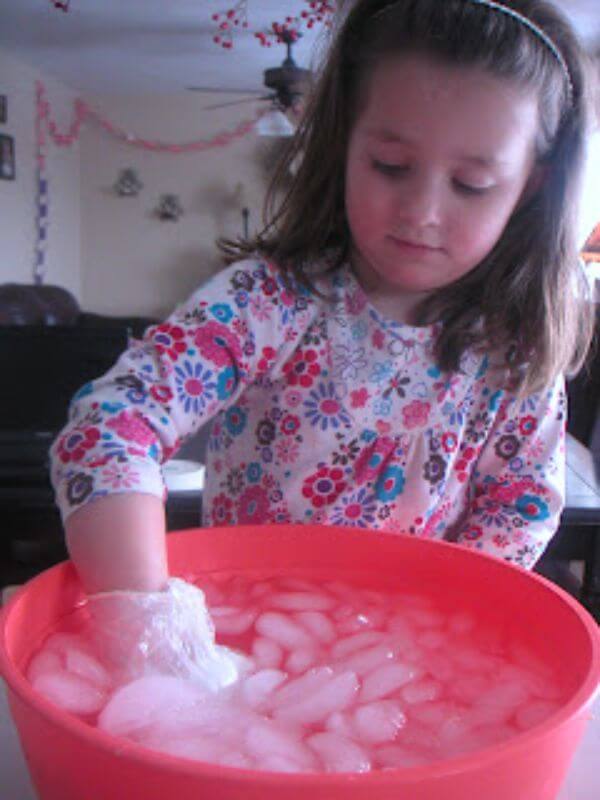
A simple sensory activity to explore cold temperatures. Image Source/Tutorial: Discover And Learn
Materials Required:
Bowl, water, ice cubes
Procedure:
Fill a bowl with water and add ice cubes. Let children touch and feel the ice to explore temperature changes.
Mini Terrarium in a Jar

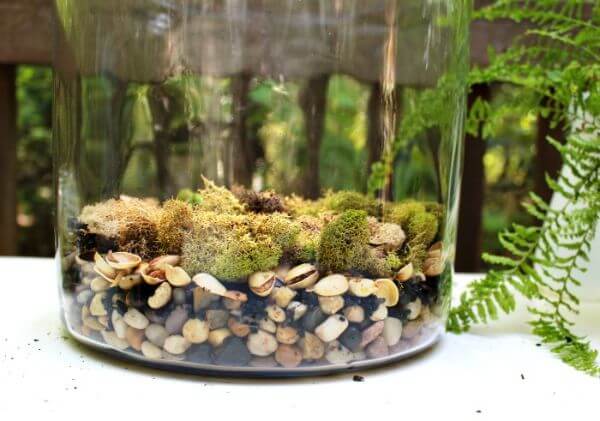
A nature craft that teaches kids about plants and ecosystems. Image Source/Tutorial: Natural Beach Living.
Materials Required:
Glass jar, pebbles, soil, moss or small plants, spoon
Procedure:
Layer stones, soil, and moss inside the jar. Lightly water and place the jar in indirect sunlight.
Read More: Easy Sea Animal Coloring Pages for Kids
Pond Observation Jar Activity

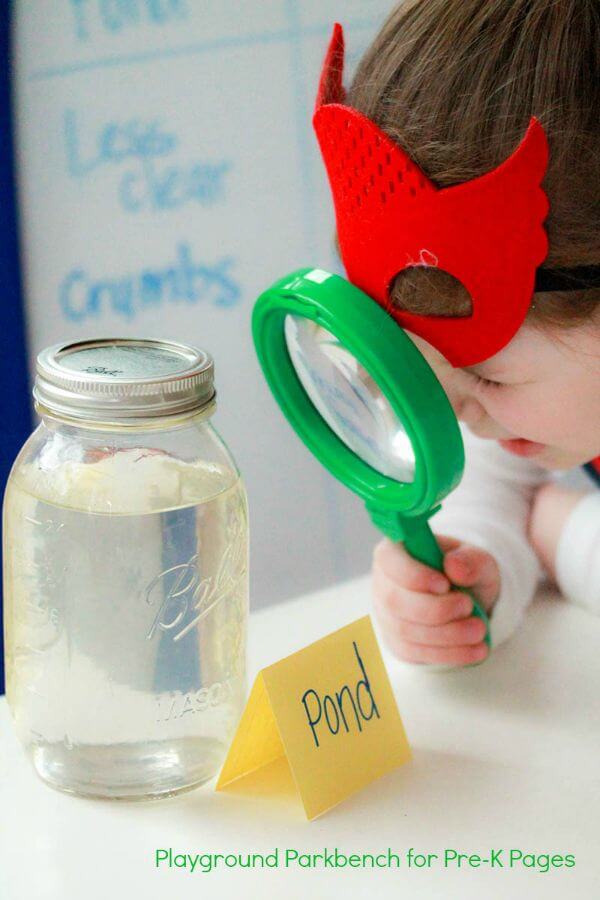
A science exploration activity to observe pond water closely. Image Source/Tutorial: Pre-K Pages
Materials Required:
Clear jar, pond water, magnifying glass, label card
Procedure:
Fill a jar with pond water and label it. Use a magnifying glass to observe tiny organisms inside.
DIY Insect Hotel
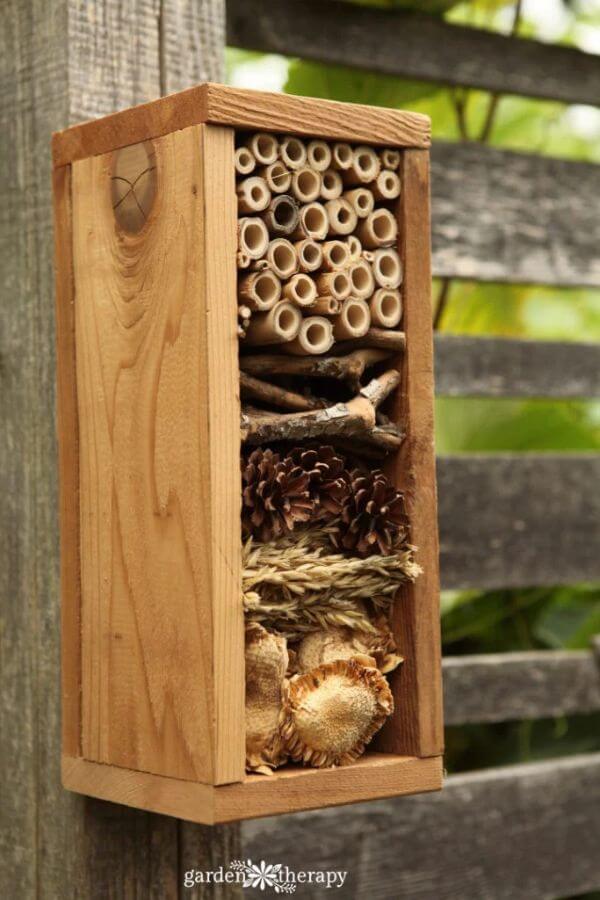
A nature craft that provides shelter for helpful insects. Image Source/Tutorial: Garden Therapy
Materials Required:
Wooden box, bamboo sticks, twigs, pinecones, straw
Procedure:
Fill the box tightly with natural materials. Hang the insect hotel outdoors in a quiet garden area.
Animal Habitat Projects for Kids Step-by-Step Tutorial | Easy DIY Science & Craft Ideas

Learn fun animal habitat projects for kids in this step-by-step tutorial. Create simple DIY models like rainforest, desert, and ocean habitats using basic materials. These engaging activities help children understand where animals live, boost creativity, and build science knowledge through hands-on learning and interactive classroom or home projects.
Educational Benefits of Animal Habitat Activities
Encourages STEM Learning
Animal habitat projects combine science, engineering, creativity, and problem-solving through fun hands-on activities. Kids learn about ecosystems, food chains, and environmental balance while building models and crafts.
Improves Creativity and Imagination
Children can design forests, oceans, deserts, ponds, and jungle scenes using art supplies, recycled materials, and natural objects.
Builds Research and Observation Skills
Habitat projects encourage children to explore how animals find food, water, shelter, and protection in different environments.
Enhances Fine Motor Skills
Cutting, coloring, painting, folding, and assembling habitat models improve hand coordination and motor development.
Promotes Environmental Awareness
Learning about wildlife habitats helps children understand the importance of protecting nature, forests, oceans, and endangered animals.
Fun Animal Habitat Project Ideas for Kids
Here are some exciting habitat-themed activities children will love:
Rainforest Habitat Diorama
Kids can create rainforest scenes using paper trees, vines, toy animals, and green craft materials.
Ocean Animal Habitat Project
Children can make underwater habitats with fish, turtles, coral reefs, and blue paper backgrounds.
Arctic Habitat Craft
Use cotton balls, white paint, and polar animal cutouts to create snowy polar environments.
Desert Animal Habitat Model
Kids can design desert landscapes with sand, cacti, camels, and reptiles.
Pond Ecosystem Project
Create pond habitats with frogs, lily pads, insects, fish, and water plants.
Forest Habitat Shoebox Craft
A shoebox can be turned into a forest habitat with trees, leaves, birds, and woodland animals.
Best Materials for Animal Habitat Projects
Parents and teachers can use simple craft materials for habitat activities:
- Shoeboxes or cardboard
- Construction paper
- Crayons and markers
- Paint and brushes
- Glue sticks
- Cotton balls
- Clay or Play-Doh
- Toy animals
- Recycled craft materials
- Natural objects like leaves, sticks, and stones
Using textured and colorful materials makes habitat projects more realistic and engaging for children.
Tips for Creating Animal Habitat Projects
- Choose one habitat at a time for easy learning.
- Encourage children to research the animals living in that habitat.
- Add food, water, shelter, and plants to make habitats realistic.
- Use recycled materials for eco-friendly crafting.
- Combine projects with storytelling and science lessons.
Hands-on learning activities help children better understand ecosystems and wildlife survival.
Animal Habitats Kids Can Learn About
Habitat projects can introduce children to many different ecosystems, including:
- Rainforests
- Oceans
- Deserts
- Arctic regions
- Grasslands
- Wetlands
- Forests
- Mountains
- Savannas
These geography and science topics make learning more interactive and memorable for young learners.
Frequently Asked Questions (FAQs)
Q1. What are animal habitat projects?
Answer: Animal habitat projects are creative activities where children build models or crafts showing where animals live and survive.
Q2. Why are habitat projects important for kids?
Answer: Habitat projects improve creativity, science knowledge, environmental awareness, and problem-solving skills.
Q3. What is the easiest habitat project for preschoolers?
Answer: Simple shoebox habitats, pond crafts, and ocean collages are easy and fun for younger children.
Q4. What materials can be used for habitat crafts?
Answer: Paper, cardboard, cotton balls, clay, paint, recycled materials, and toy animals are commonly used for habitat projects.
Animal habitat projects are a creative and educational way to teach children about ecosystems, wildlife, and environmental science. These hands-on activities help kids improve imagination, STEM learning, artistic skills, and nature awareness while enjoying fun screen-free playtime. Whether at home, in classrooms, or during science fairs, habitat projects provide meaningful learning experiences for young explorers.
More Articles From Kids’ Art & Craft
- Fun Activities: Old CD Animal Crafts for Kids
- How to Make Easy Paper Animal Crafts For Kids
- Pom Pom Animal Crafts for Kids
- Animal Coloring Printables for Kids
- Cute Animals – Easy to Make Drawings for Kids