Kids Activities
Cause-and-Effect Anchor Charts for Classroom


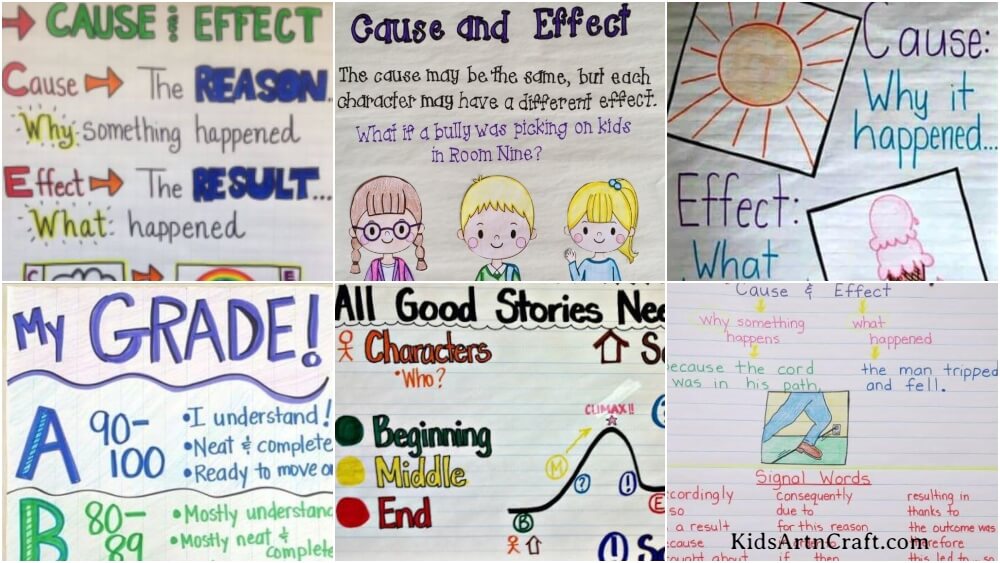
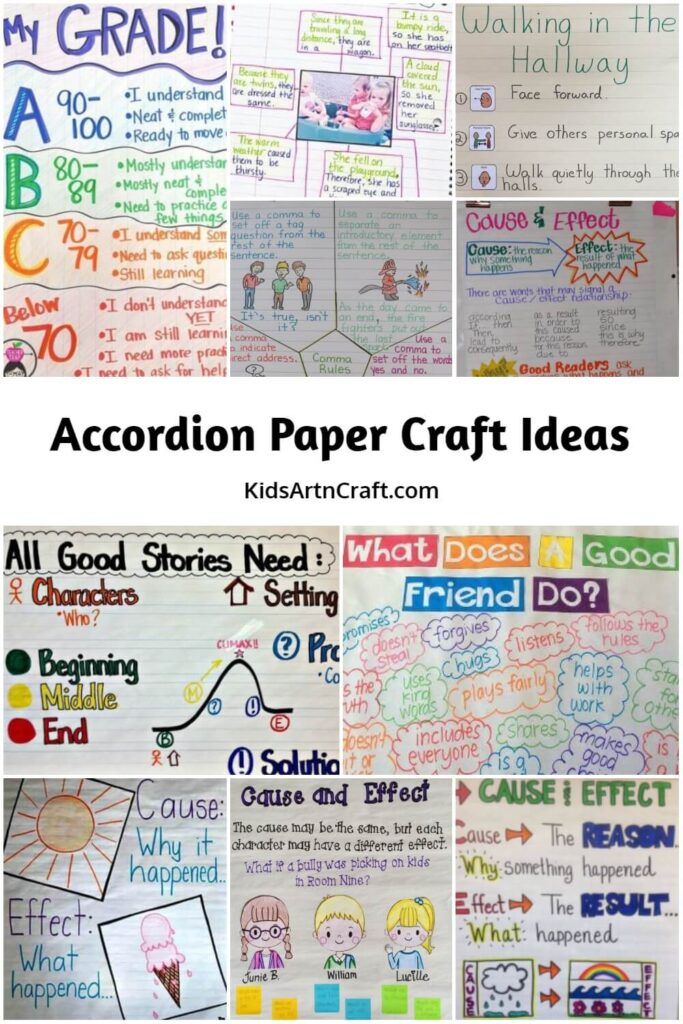
If you’re searching for cause-and-effect anchor charts for the classroom, you’re in the right place! Keep your learning spirit alive with our curated list of cause-and-effect anchor charts for classrooms like fifth-grade reading and writing, cause and effect own anchor chart, fifth grade upper elementary, simple anchor chart, freebie idea for kids, teaching activity idea for the classroom, snowy day, Halloween onomatopoeia, students to learn comma rules, social-emotional learning idea, third-grade classroom expectations, peaceful classroom activity, easy reading anchor chart, teaching with Haley O’Connor, walking in the hallway and lesson planning.
Cause-and-Effect Anchor Charts For Classroom
Read More: 20+ DIY Ideas for Decorating Your Classroom
Cause and Effect Anchor Chart Activity
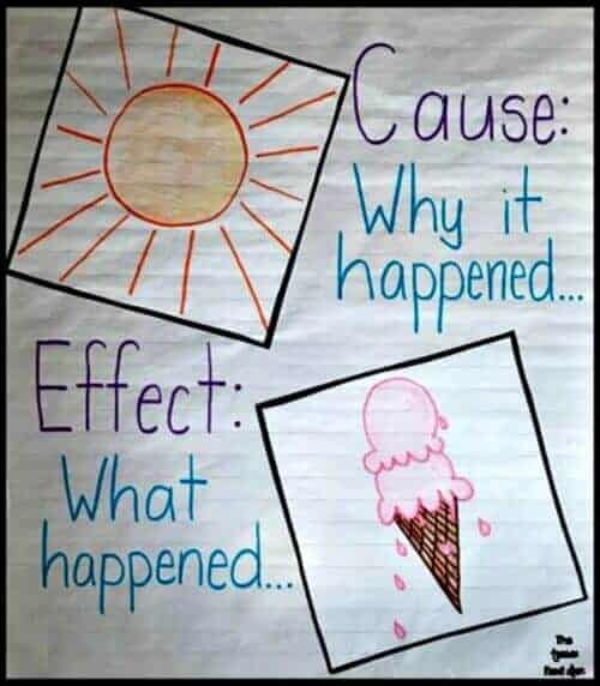
Image Source/Tutorial: We Are Teachers
Create a colorful cause-and-effect anchor chart using markers, chart paper, and drawings. This engaging reading comprehension activity helps elementary students understand sequencing, reasoning, and critical thinking skills.
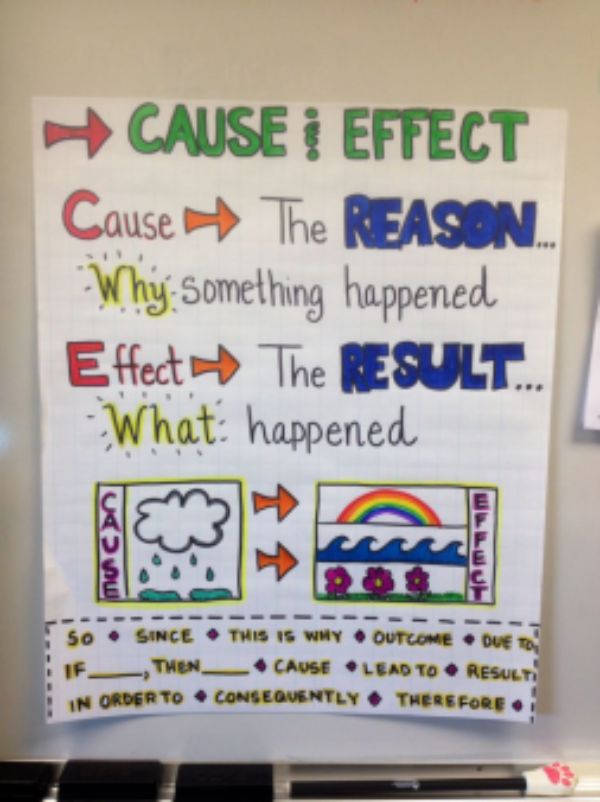
Cause and Effect Signal Words Poster
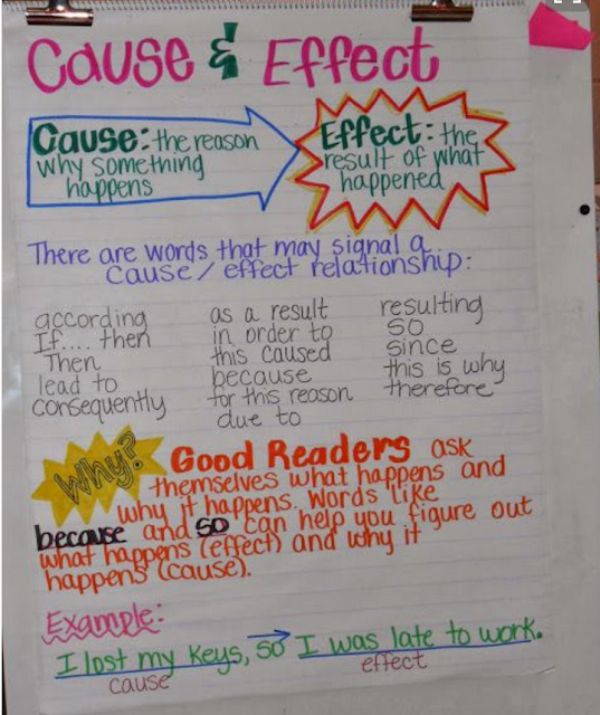
Image Source/Tutorial: Krz Marzickm
Design a cause-and-effect classroom poster using chart paper, markers, and examples. This literacy activity teaches signal words, reading comprehension, and writing skills for elementary school students.
Cause and Effect Reading Comprehension Chart
Make a cause-and-effect learning chart using paper, markers, and visual examples. This interactive reading strategy activity improves comprehension, vocabulary, and critical thinking for young learners.
Making Inferences: Cause and Effect Activity
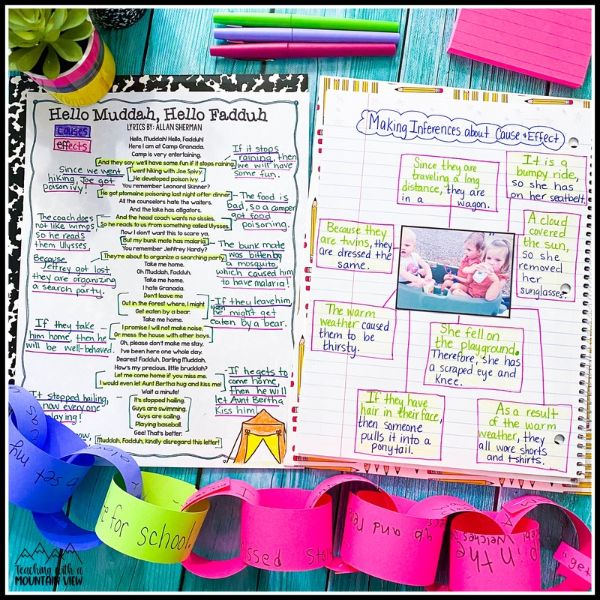
Image Source/Tutorial: Teaching With A Mountain View
Create cause-and-effect inference notebooks using worksheets, sticky notes, and markers. This hands-on literacy center activity strengthens reading comprehension, inference skills, and critical thinking for elementary students.
Cause and Effect Classroom Anchor Chart
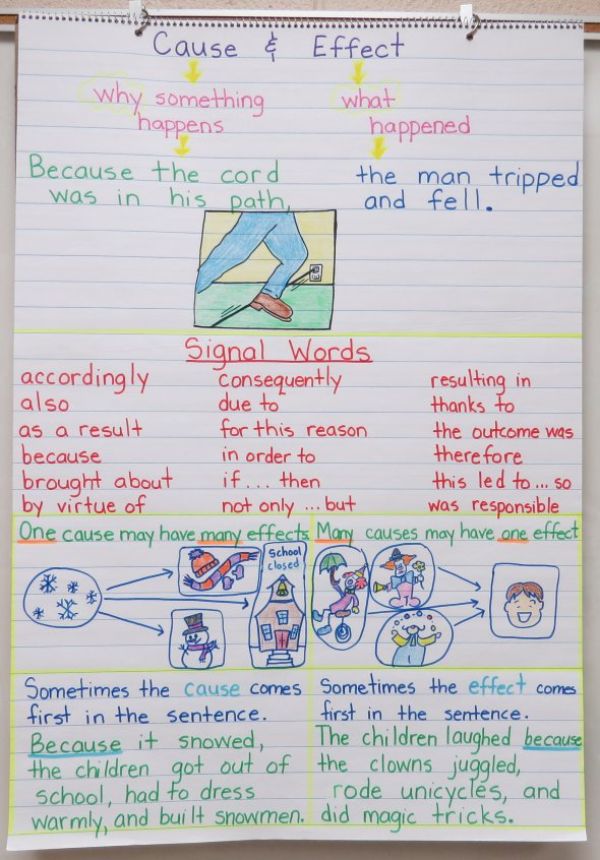
Image Source/Tutorial: Book Units Teacher
Build a cause-and-effect anchor chart using chart paper, markers, and illustrations. This educational reading activity teaches sequencing, comprehension strategies, and writing connections for elementary classroom learning.
Read More: Christmas Classroom Door Decoration Ideas for Preschool
Character Reactions Cause and Effect Activity
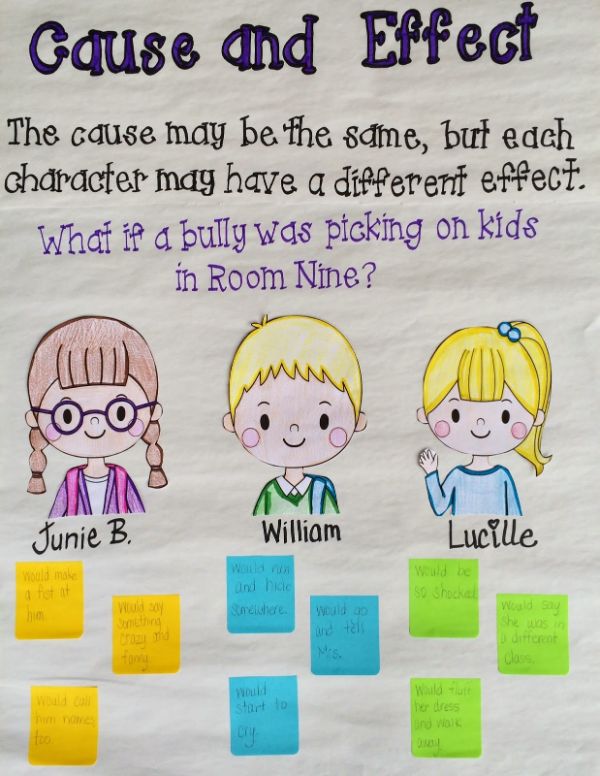
Image Source/Tutorial: 2nd Grade Nicker Doodles
Create a character cause-and-effect activity using sticky notes, posters, and story prompts. This reading comprehension lesson helps students analyze character responses and story events creatively.
Alexander Cause and Effect Reading Activity
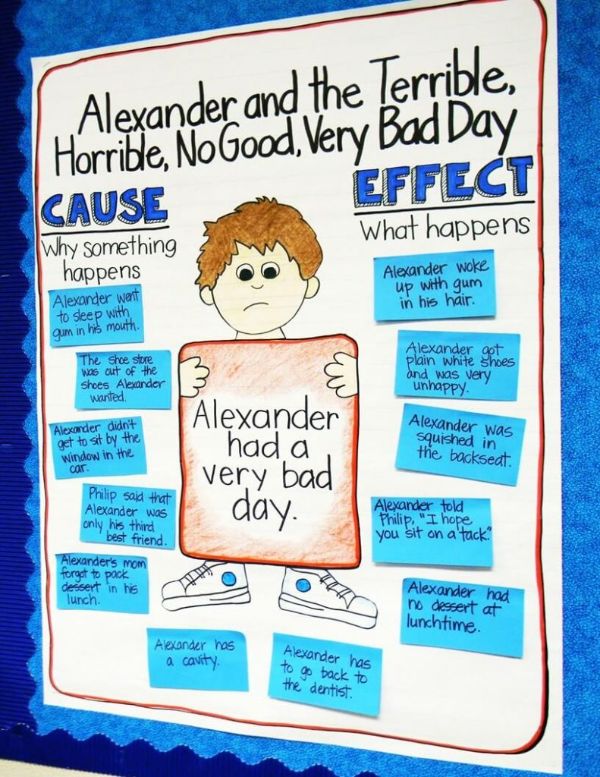
Design a book-based cause-and-effect activity using sticky notes, storybooks, and anchor charts. This interactive literacy lesson improves comprehension, sequencing, and critical thinking skills for elementary students.
Cause and Effect Sorting Cards Activity
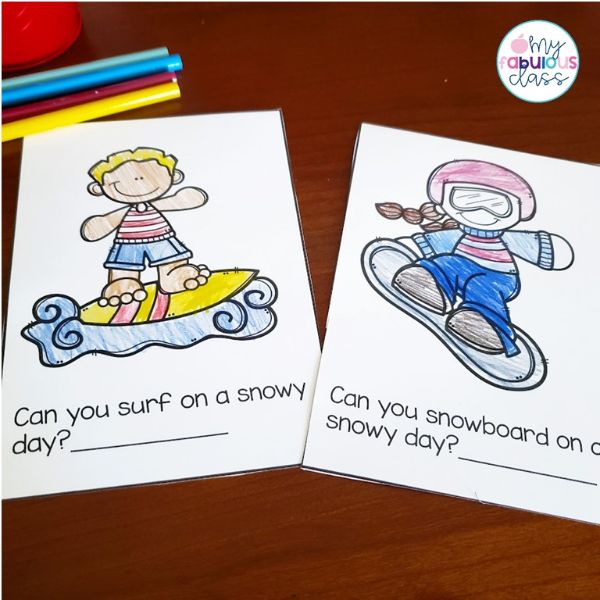
Image Source/Tutorial: My Fabulous Class
Make printable cause and effect sorting cards using worksheets, crayons, and scissors. This hands-on literacy activity develops reasoning, reading comprehension, and matching skills for kindergarten and elementary students.
Story Elements Anchor Chart
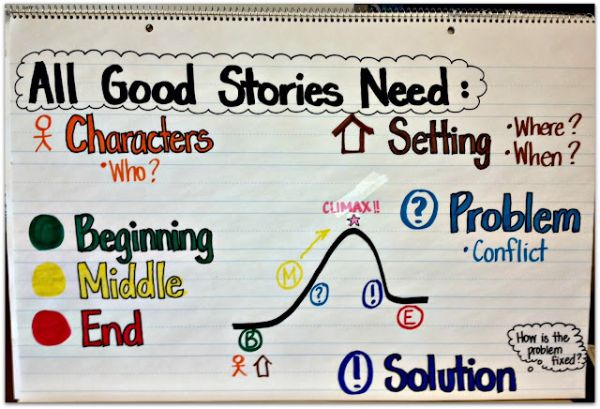
Image Source/Tutorial: 3rd Grade Thoughts
Create a story elements anchor chart using markers, chart paper, and illustrations. This engaging reading activity teaches plot structure, characters, setting, and story comprehension for elementary learners.
Comma Rules Grammar Anchor Chart
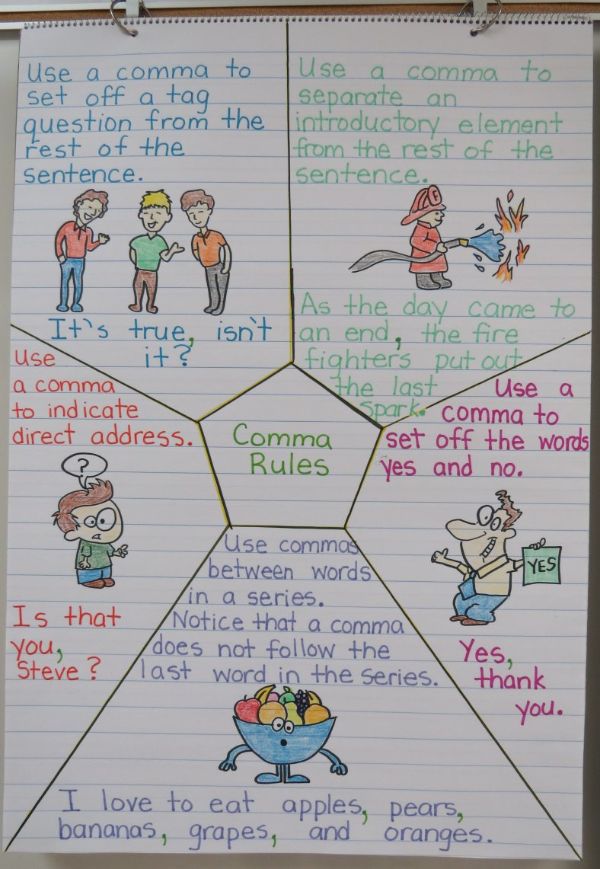
Image Source/Tutorial: Book Units Teacher
Design a comma rules anchor chart using chart paper, markers, and sentence examples. This grammar activity helps students understand punctuation, sentence structure, and writing skills in elementary classrooms.
Read More: Classroom Ideas for Grade 2 – Activities & Crafts
My Grade Classroom Expectations Chart
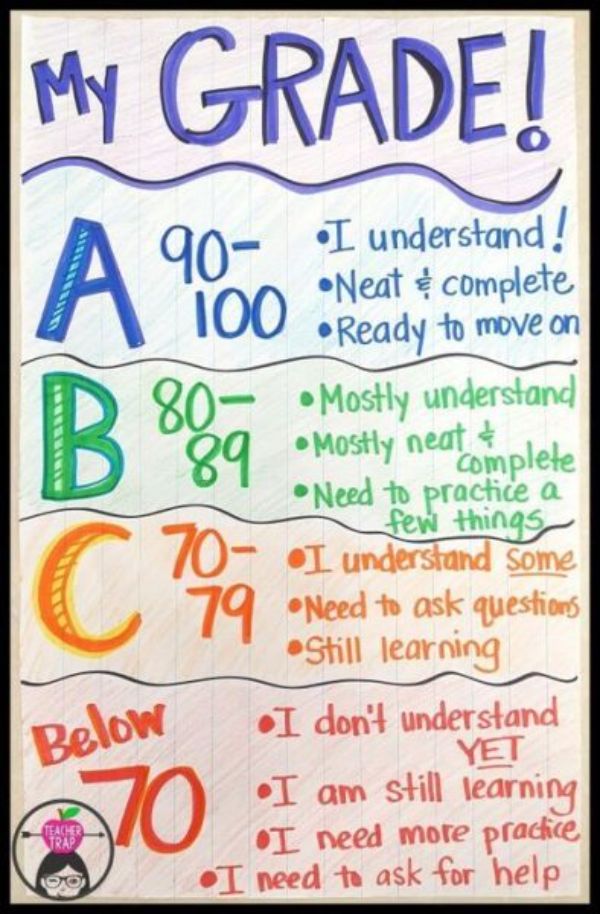
Image Source/Tutorial: School Specialty
Create a classroom grading expectations chart using chart paper, markers, and colorful lettering. This educational classroom management activity helps elementary students understand grades, learning goals, and academic success expectations.
Academic Talk vs Social Talk Poster
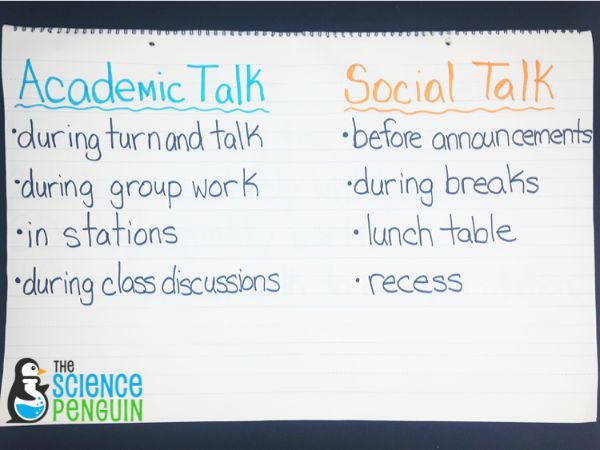
Image Source/Tutorial: The Science Penguin
Make an academic talk versus social talk anchor chart using markers and poster paper. This classroom communication activity teaches discussion skills, respectful conversations, and cooperative learning expectations for students.
Positive Feeling Words Activity Chart
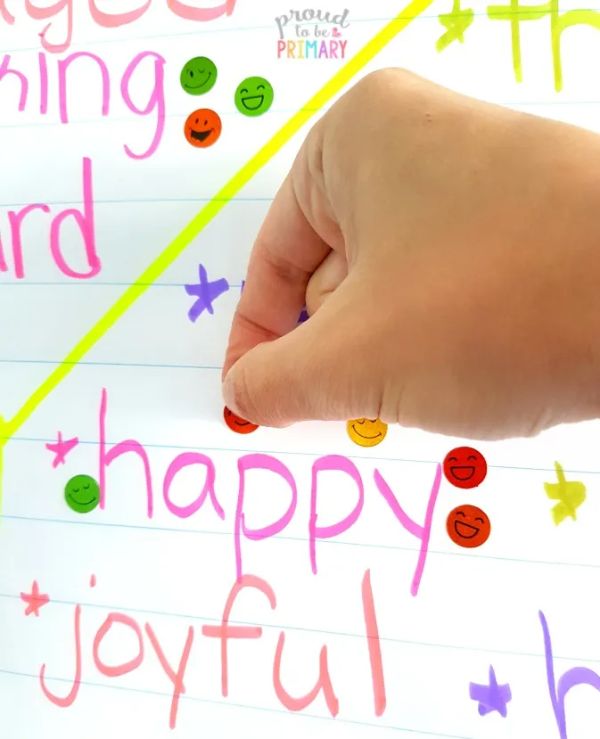
Image Source/Tutorial: Proud To Be Primary
Create a positive emotions word wall using stickers, chart paper, and markers. This social-emotional learning activity helps children build vocabulary, confidence, and emotional expression skills creatively.
Classroom Discussion Skills Poster
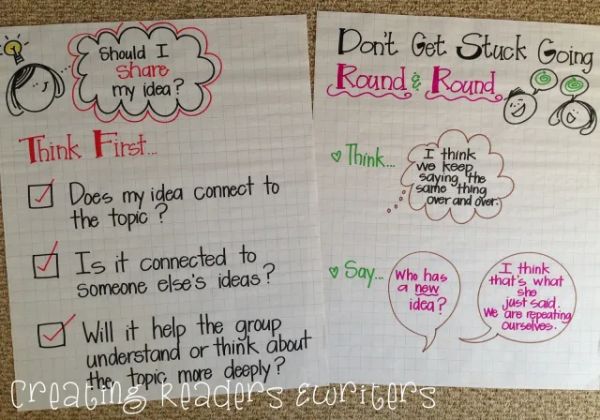
Image Source/Tutorial: An Dreak Night Teacher Author
Design classroom discussion strategy posters using chart paper, markers, and speech bubbles. This collaborative learning activity improves communication skills, group discussions, and respectful classroom participation for elementary students.
What Makes a Good Friend Poster
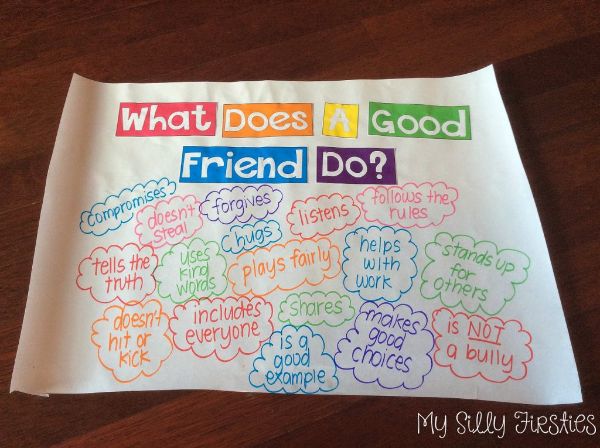
Image Source/Tutorial: Teaching With Haley
Make a friendship skills anchor chart using colorful paper, markers, and cloud cutouts. This social-emotional learning activity teaches kindness, teamwork, empathy, and positive classroom behavior for children.
Read More: Learning Activities for Preschoolers
Walking in the Hallway Rules Chart
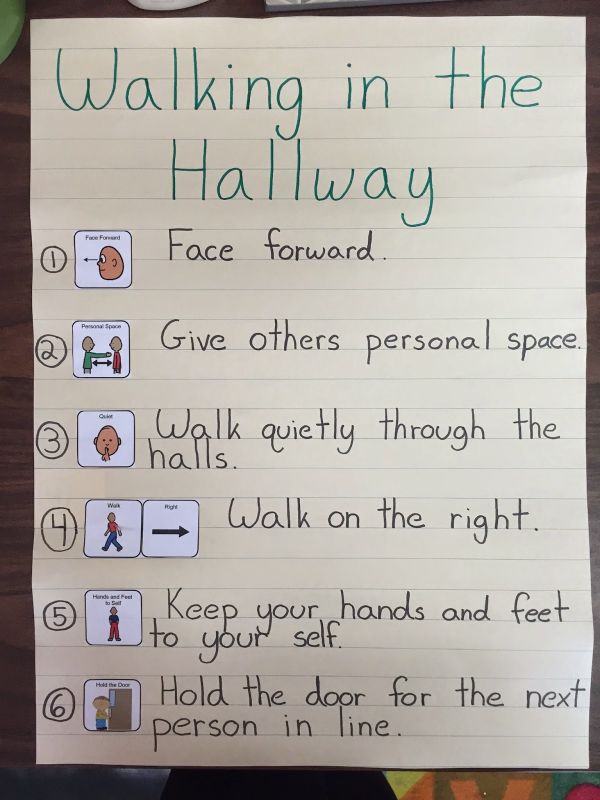
Image Source/Tutorial: The Primary Peach
Create a hallway behavior anchor chart using poster paper, markers, and rule visuals. This classroom management activity teaches safety, respect, personal space, and positive school behavior expectations.
Imagery and Five Senses Anchor Chart
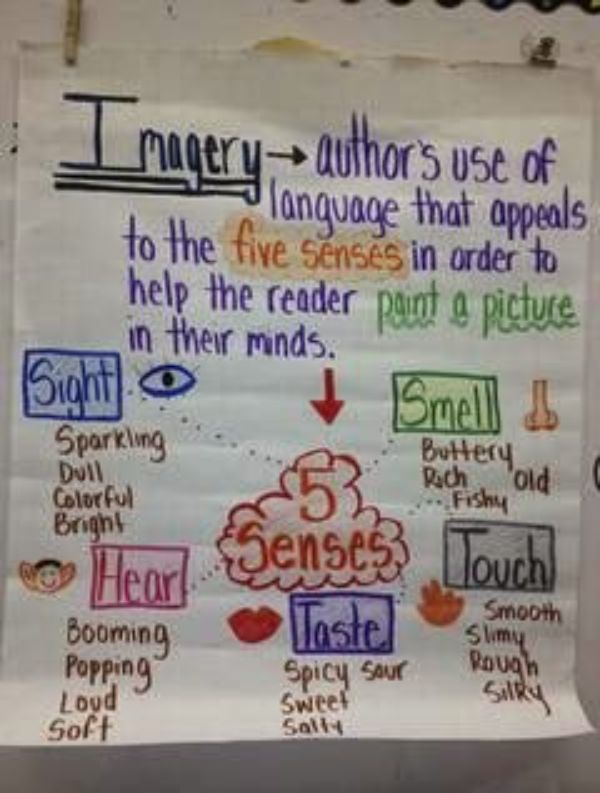
Image Source/Tutorial: Mrs. Span Glerin, The Middle
Design an imagery anchor chart using chart paper, markers, and sensory examples. This reading comprehension activity teaches descriptive writing, vocabulary development, and creative literacy skills for elementary classrooms.
Author’s Purpose PIE Anchor Chart
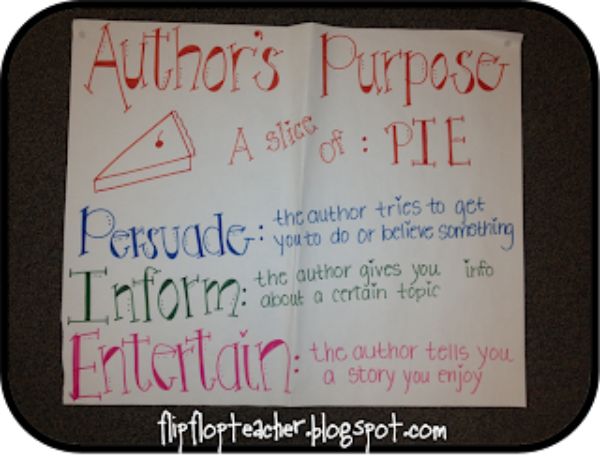
Image Source/Tutorial: Flip Flop Teacher
Create an author’s purpose PIE chart using poster paper and colorful markers. This reading comprehension activity teaches persuade, inform, and entertain concepts while improving literacy and critical thinking skills.
Cause and Effect Anchor Charts | Classroom Reading & Writing Teaching Ideas
Discover creative cause-and-effect anchor chart ideas that help students understand relationships between events. This classroom tutorial features engaging visual learning tools for reading comprehension, writing, and critical thinking. Perfect for elementary teachers, homeschoolers, and parents seeking interactive literacy resources that make learning clear, fun, and memorable.
Why Use Cause and Effect Anchor Charts in the Classroom?
Cause and effect anchor charts help students understand how one event leads to another. These visual learning tools make abstract reading concepts easier by organizing information into simple, colorful examples. Teachers can refer back to the charts during reading lessons, writing activities, and class discussions, helping children build stronger comprehension skills.
Using anchor charts consistently also encourages independent learning. Instead of asking for repeated explanations, students can look at the classroom display to recall important concepts and clue words.
Benefits of Cause and Effect Anchor Charts
Cause and effect anchor charts offer several educational benefits for elementary learners:
- Improve reading comprehension skills
- Help students identify relationships between events
- Strengthen critical thinking and reasoning
- Build academic vocabulary
- Support visual learners with colorful examples
- Encourage classroom participation
- Make nonfiction and fiction texts easier to understand
- Reinforce learning throughout the school year
Tips for Creating Effective Cause and Effect Anchor Charts
The best anchor charts are simple, engaging, and easy for students to understand.
Here are a few teaching tips:
- Use large headings that students can read from anywhere in the classroom.
- Include colorful arrows connecting causes and effects.
- Add real-life examples children already know.
- Highlight clue words such as because, since, therefore, so, and as a result.
- Invite students to contribute examples during the lesson.
- Leave space to add new examples throughout the unit.
Fun Classroom Activities Using Cause and Effect Anchor Charts
- Cause and Effect Matching Game: Students match cards containing causes with the correct effects.
- Story Detective: While reading a story together, students identify causes and effects using sticky notes.
- Picture Prompt Challenge: Show an interesting picture and ask students to predict possible causes and effects.
- Cause and Effect Chain: Students create paper chains showing how one event leads to another in sequence.
Materials Needed to Make Your Own Anchor Chart
Creating a classroom anchor chart is simple with basic supplies.
- Chart paper
- Colored markers
- Sticky notes
- Construction paper
- Scissors
- Glue stick
- Printable illustrations
- Washi tape (optional)
- Laminating sheets for long-term use
FAQs
Q1. What is a Cause and Effect Anchor Chart?
Answer: A cause and effect anchor chart is a classroom display that explains how one event (the cause) leads to another event (the effect) using definitions, examples, visuals, and signal words.
Q2. Which Grades Benefit from Cause and Effect Anchor Charts?
Answer: These charts are especially useful for students in Kindergarten through Grade 5 and can be adapted for different reading levels.
Q3. Can Students Create Their Own Anchor Charts?
Answer: Yes. Student-created anchor charts improve engagement, encourage collaboration, and help reinforce classroom learning.
Q4. What subjects use cause and Effect Besides Reading?
Answer: Cause and effect are used in reading, writing, science, social studies, and even everyday problem-solving activities.
Cause and effect anchor charts make learning meaningful by helping students connect events, improve reading comprehension, and strengthen critical thinking. These engaging visual tools support active participation and lasting classroom understanding. Make learning magical with finger puppets! Follow us on Telegram, YouTube & Facebook for daily crafts and fun-filled activities.
Reviewed by Yash Sharma
More Articles From Kids’ Art & Craft
- Weather Activities for the Classroom
- Classroom Door Decoration Ideas For Kindergarten
- Classroom Decor Paper Craft Ideas for Kids
- 1-10 Writing numbers worksheets for preschool and kindergarten
- Interesting Letter Learning Activities For Preschoolers