


DIY and Crafts
Slime Recipe Ideas For Kids


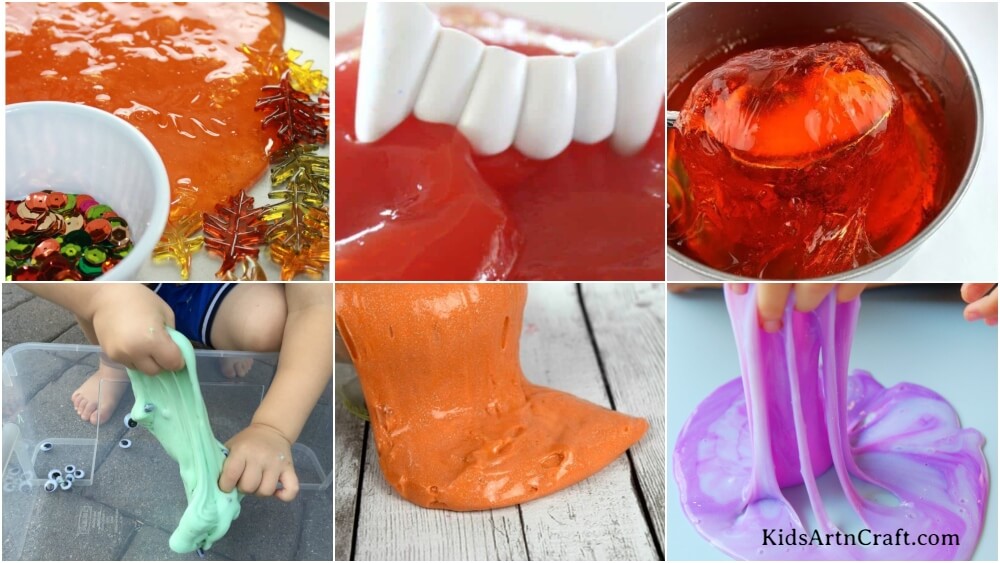
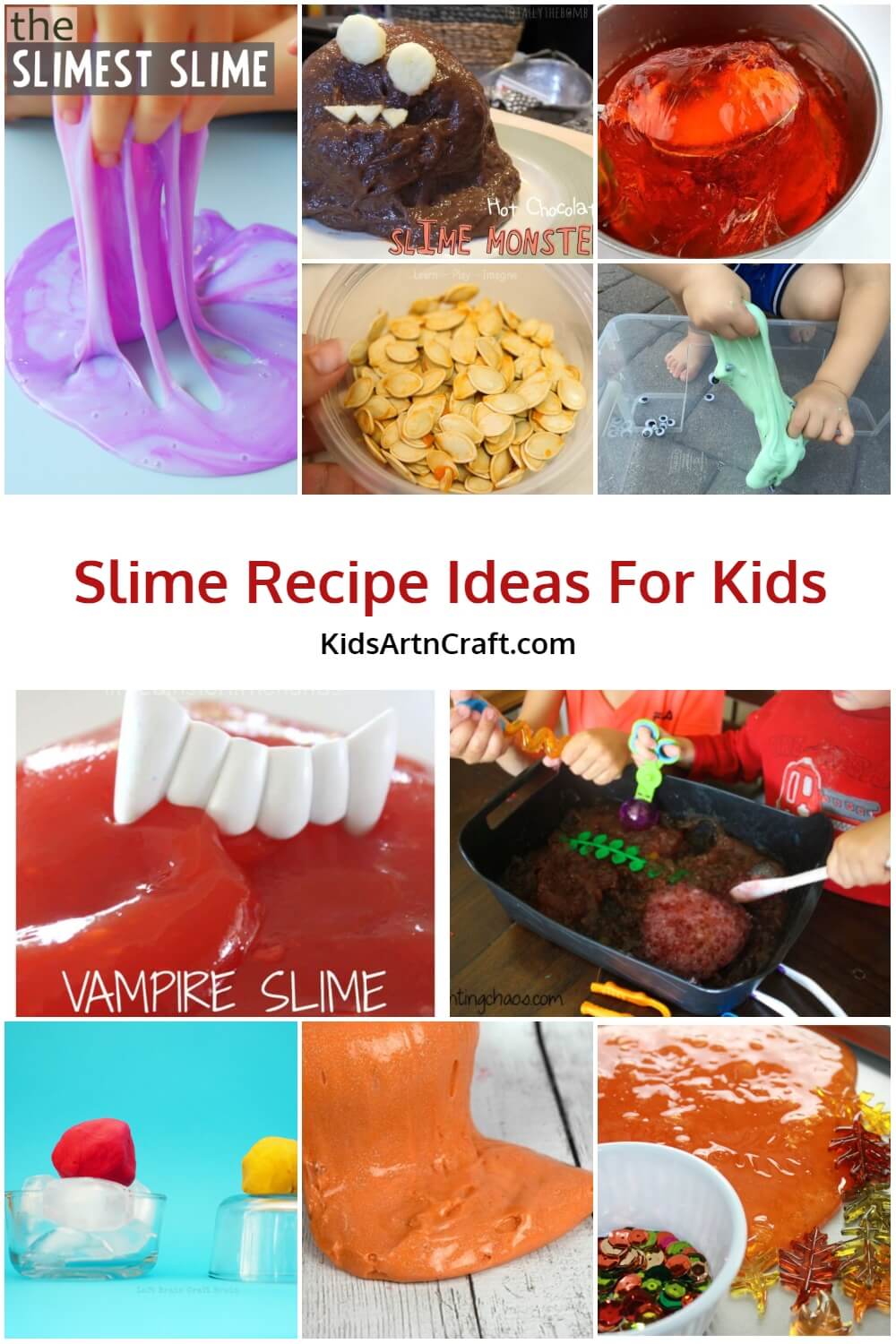
If you’re searching for slime recipe ideas for kids to do at home, you’re in the right place! Keep your learning spirit alive with our curated list of slime recipe ideas for kids, like glowing slime, color-changing slime, cocoa slime, vampire slime, fall slime, frog egg slime, gak bubbles, dark slime, DIY amber fossil, glow in the dark, Halloween slime, glitter slime, and pumpkin slime.
Slime Recipe Ideas For Kids
Read More: Interesting and Easy Paper Card Ideas for Kids
Stretchy Purple Slime Sensory Activity
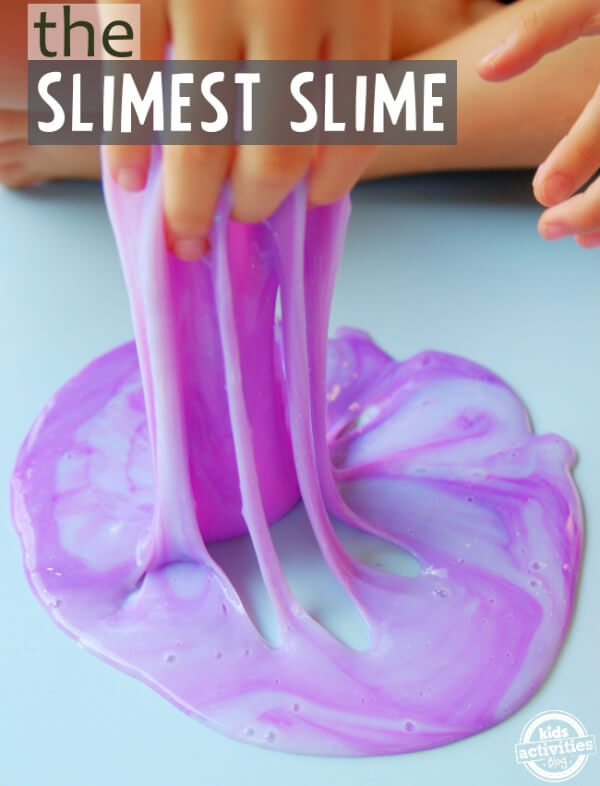
Image Source/Tutorial: Drippy, Gooey Slime
Make stretchy homemade slime using glue, liquid starch, food coloring, and glitter. This sensory play activity promotes fine motor skills, STEM learning, and creative fun for toddlers and preschool kids.
Hot and Cold Play-Dough Experiment
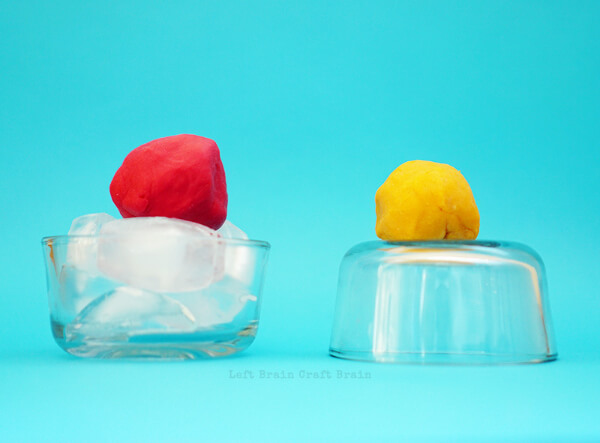
Image Source/Tutorial: Color Changing Slime
Create a hot and cold sensory experiment using Play-Doh, ice cubes, and bowls. This preschool STEM activity teaches temperature concepts, sensory exploration, and hands-on science learning for kids.
Hot Chocolate Slime Monster Craft
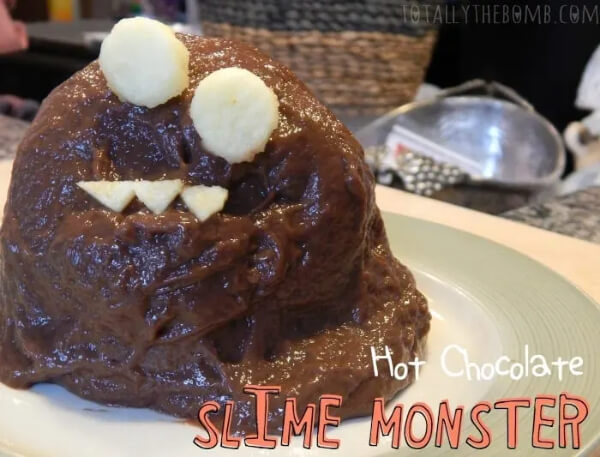
Design a Halloween slime monster using chocolate slime, marshmallows, candy eyes, and toy accessories. This spooky sensory craft encourages imaginative play, tactile learning, and creative Halloween fun for children.
Vampire Slime Science Activity
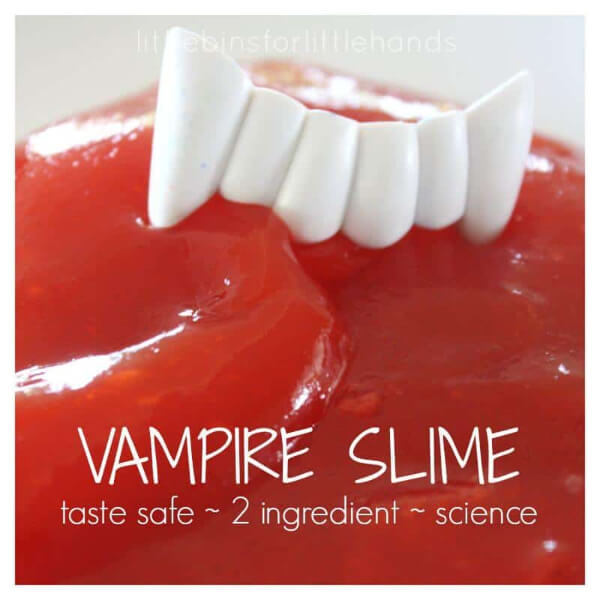
Image Source/Tutorial: Vampire Slime
Create vampire slime using glue, liquid starch, red coloring, and vampire teeth props. This Halloween sensory science craft boosts creativity, sensory exploration, and spooky imaginative play for preschool kids.
Autumn Glitter Slime Sensory Tray
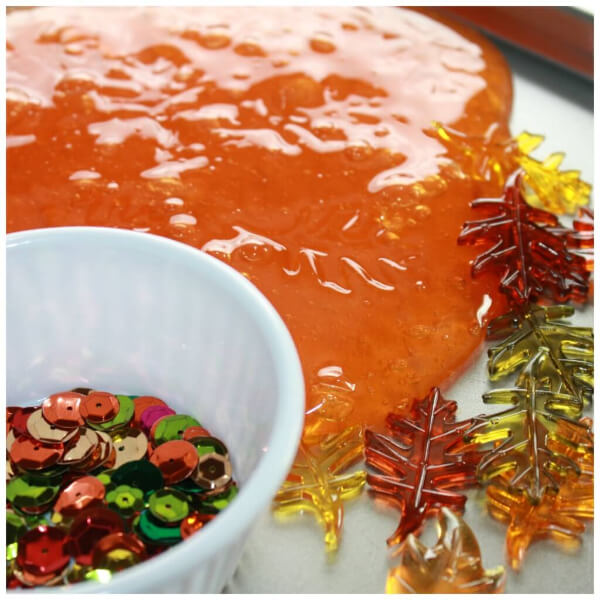
Image Source/Tutorial: Favorite Colors From Fall
Make autumn glitter slime using glue, glitter, sequins, and fall leaf confetti. This seasonal sensory play activity improves fine motor skills, creativity, and tactile learning for toddlers and preschoolers.
Read More: Jungle Safari Theme Birthday Party Ideas
Halloween Monster Sensory Slime Bin
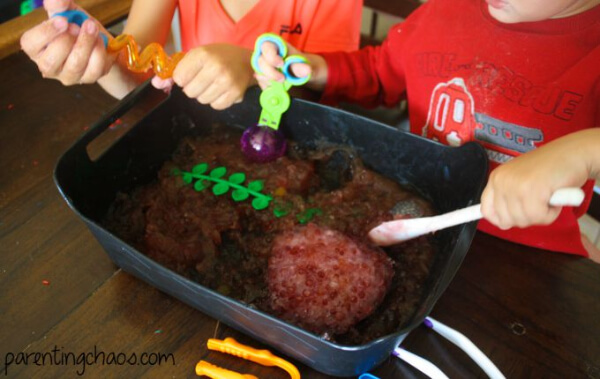
Image Source/Tutorial: Frog Egg
Create a Halloween slime sensory bin using slime, scoops, bubbles, and toy tools. This messy sensory activity supports imaginative play, fine motor development, and hands-on STEM exploration for children.
Giant Bubble Wand STEM Activity
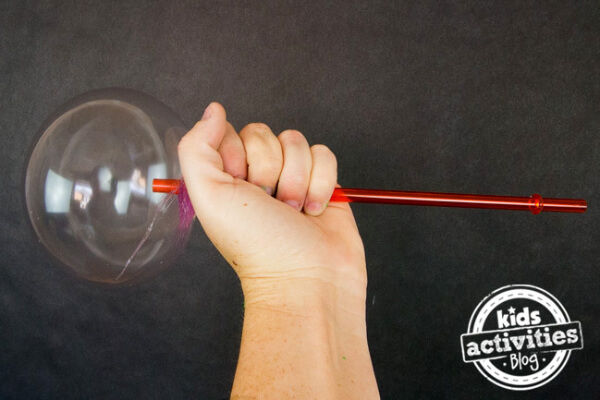
Make giant bubbles using bubble solution, straws, and wands for outdoor STEM fun. This sensory science activity encourages problem-solving, motor skills, and exciting backyard play for kids.
Glow in the Dark Paint Craft
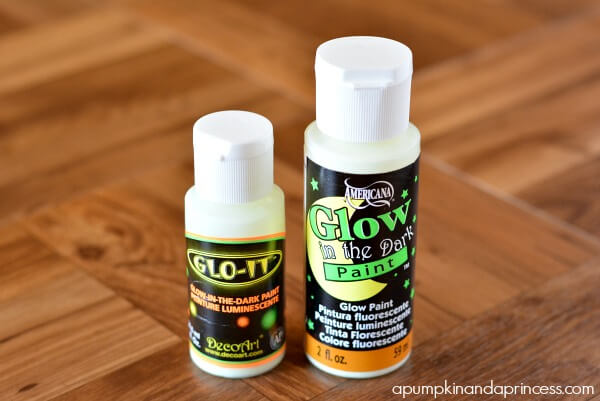
Image Source/Tutorial: Glowing Green Slime
Create glowing sensory art using glow-in-the-dark paint, brushes, and craft paper. This neon craft activity inspires creativity, sensory exploration, and fun nighttime STEM projects for kids and toddlers.
Red Jelly Sensory Science Experiment

Image Source/Tutorial: Amber slime
Make edible jelly sensory play using gelatin, water, food coloring, and spoons. This preschool science activity supports tactile learning, sensory exploration, and fun hands-on kitchen experiments for children.
Glow in the Dark Slime Activity
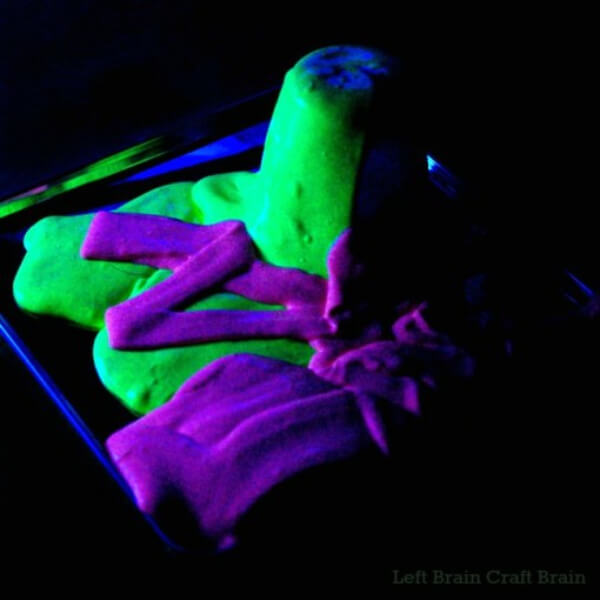
Image Source/Tutorial: Glowing Multi Colored Rainbow Slime
Create glow-in-the-dark slime using glue, neon paint, activator, and black light. This sensory STEM activity encourages creativity, tactile exploration, and exciting nighttime science fun for kids.
Read More: Funny Food Decoration Ideas for Kids
Stretchy Monster Slime Sensory Play
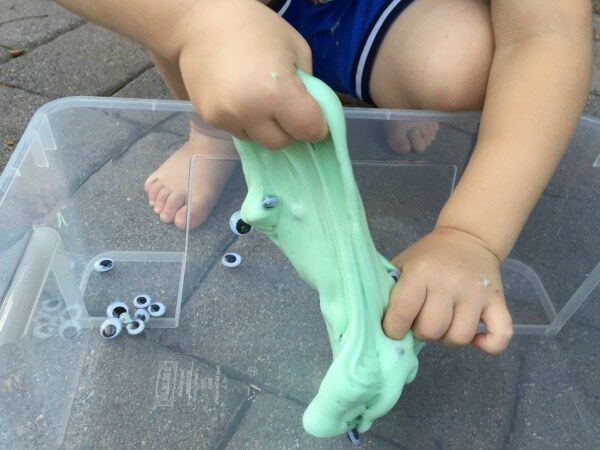
Image Source/Tutorial: Witch’s Brew Slime
Make monster slime using glue, slime activator, food coloring, and googly eyes. This fun sensory craft improves fine motor skills, creativity, and hands-on STEM learning for toddlers and preschoolers.
Pumpkin Spice Slime Activity for Kids
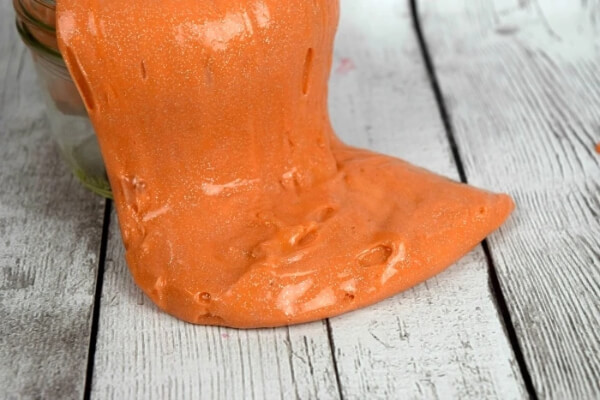
Image Source/Tutorial: Orange Glitter Slime
Create pumpkin spice slime using glue, orange coloring, glitter, and slime activator. This fall sensory activity encourages tactile exploration, creative play, and seasonal STEM learning for kids and toddlers.
Roasted Pumpkin Seed Sensory Activity
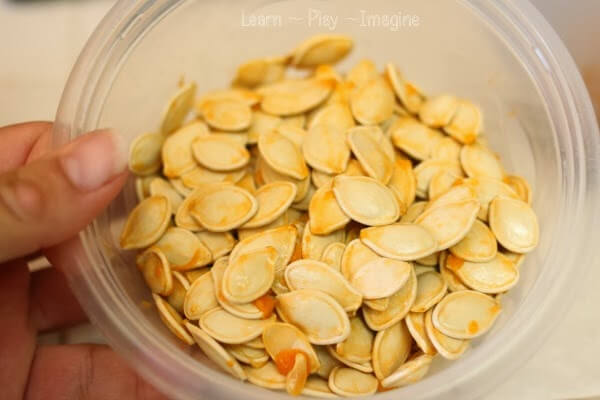
Image Source/Tutorial: Slime Made in a Pumpkin
Use roasted pumpkin seeds, scoops, bowls, and containers for a fall sensory bin activity. This autumn, sensory play supports fine motor development, counting practice, and hands-on preschool learning fun.
Step-by-Step Slime Tutorial for Kids
Learn how to make the best fluffy slime step-by-step with this easy slime tutorial for kids! This fun, beginner‑friendly slime recipe video shows each simple step, perfect for children and parents looking for creative DIY crafts at home. Follow along and make soft, stretchy slime today!
Why Slime Activities Are Great for Kids
Making slime is a fun and educational activity that combines creativity, sensory play, and simple science. As children mix ingredients and watch the slime form, they learn about textures, measurements, and basic scientific concepts. Slime also encourages imaginative play while helping kids strengthen fine motor skills through stretching, squeezing, and molding. It is a wonderful screen-free activity for home, classrooms, and parties.
Benefits of Slime Recipe Ideas for Kids
- Introduces basic science concepts through hands-on learning.
- Develops fine motor skills and hand strength.
- Encourages creativity with different colors and textures.
- Provides a relaxing sensory play experience.
- Improves focus and concentration.
- Teaches children to follow simple instructions.
- Promotes problem-solving and experimentation.
- Supports imaginative and open-ended play.
- Creates opportunities for family bonding and teamwork.
- Offers an enjoyable screen-free learning activity.
FAQs
Q1. What age is suitable for slime activities?
Answer: Slime activities are generally suitable for children aged 5 years and older with adult supervision.
Q2. What ingredients are commonly used to make slime?
Answer: Common ingredients include school glue, baking soda, contact lens solution, food coloring, and decorative mix-ins such as glitter or foam beads.
Q3. How does slime help children’s development?
Answer: Slime activities improve fine motor skills, creativity, sensory awareness, concentration, and problem-solving abilities.
Q4. How should homemade slime be stored?
Answer: Store slime in a sealed airtight container to keep it soft and fresh for longer.
Q5. Can slime be used as an educational activity?
Answer: Yes. Slime is commonly used in homes and classrooms to teach simple science concepts while encouraging hands-on learning and creativity.
Slime recipe ideas make learning exciting by combining creativity, science, and sensory play. These easy activities help children develop important skills while having fun. Whether at home or in the classroom, slime offers an engaging way to explore, experiment, and learn through play. Discover fun ways to learn with finger puppets! Stay connected on Telegram, YouTube & Facebook for creative inspiration.
Reviewed By Rachit Gupta
More Articles from Kids’ Art & Craft
- Christmas Craft Ideas to Make and Sell
- Christmas Table Centerpieces Ideas
- Wall Hanging Christmas Tree Ideas with Lighting
- DIY Simple Paper Crafts Ideas for Kids
- Easy Paper Craft Ideas for Kids