Science Experiments
Easy Edible Science Experiments For Kids

Science is one of the most interesting subjects, as it is filled with many exciting things. Kids are especially attracted to science as it involves a variety of experiments that show how things work. When it comes to explaining science to small kids, it becomes a little complex, as grabbing the attention of small kids is quite a complicated task. Edible Science experiments for kids are one of the most interesting science experiments for small kids because they involve “Food”. These experiments are enough to excite kids, as the materials used to experiment are not only used to show the experiment, but can also be eaten. These experiments are suitable for kids of every age group. The materials used to perform the experiments are easily available at home. These experiments are so easy yet amazing that you can easily tackle them with small kids. Here are some of the deliciously amazing Edible Science experiments, which not only satisfy the appetite of children but also help them to explore the wonders of science. So this summer, enjoy these delicious experiments with your toddlers and let them learn in a very interesting and delicious manner.
Edible Science Experiments For Kids
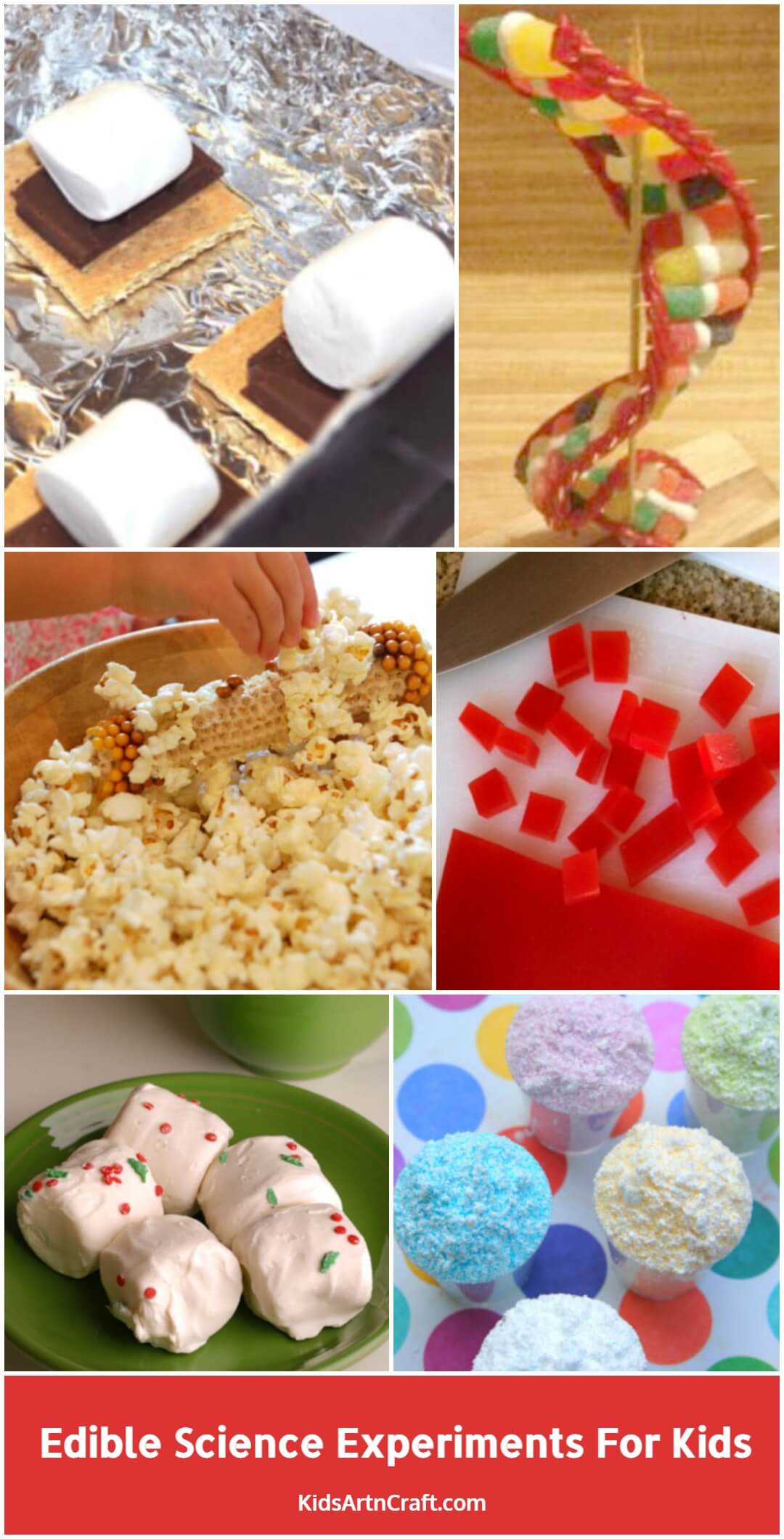

Read More: Science Experiments and Activities for 2nd Grade
Drinkable Science Experiment With Soda

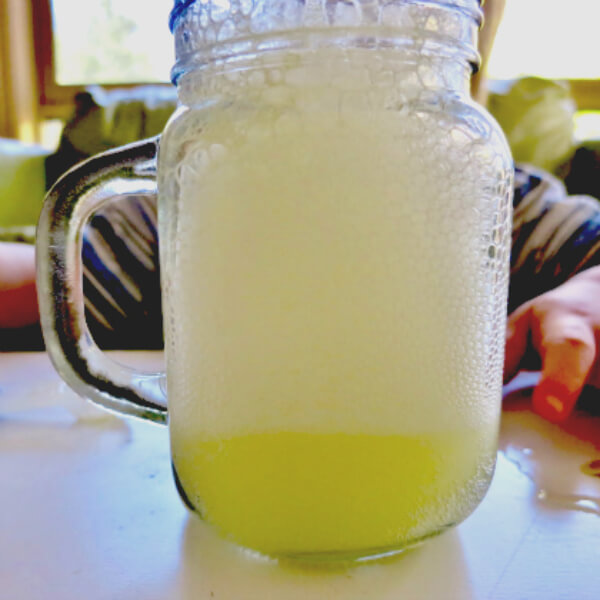
Image Source/Tutorial: Christifultz
Engage kids with this exciting baking soda and vinegar science experiment using a glass jar. Watch as the bubbling chemical reaction creates an erupting fizzy foam, teaching children about acid-base reactions through fun, hands-on STEM learning activities at home.
Solar Science Experiment With S’mores for 5th Grade
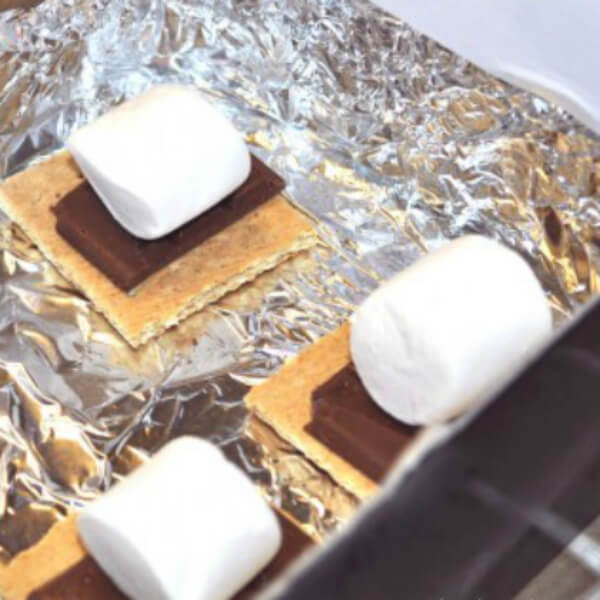
Image Source/Tutorial: Motherhood On A Dime
Explore thermal energy and heat transfer with a fun solar oven s’mores science experiment. Kids love assembling graham crackers, chocolate, and marshmallows on foil to harness sunlight, making this a delicious and educational STEM cooking activity for sunny afternoons.
Pop Rocks Science Experiments For Kids
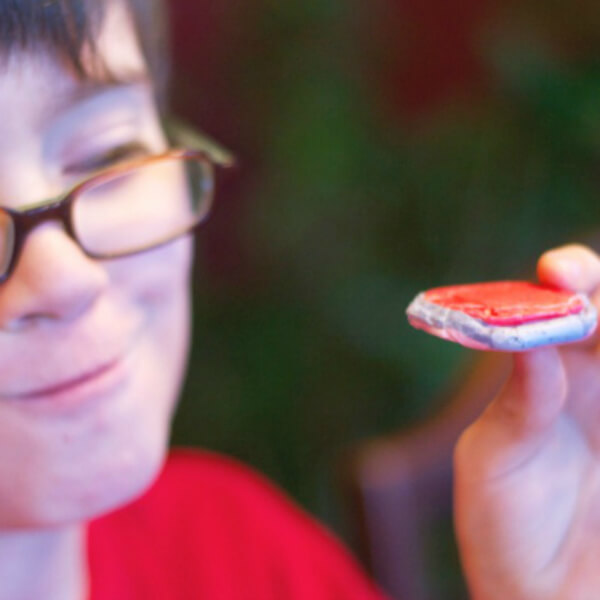
Teach children about magnetism and navigation with an easy DIY compass science project. By floating a magnetized needle, kids explore Earth’s magnetic fields, combining hands-on physics experiments with interactive learning for elementary students.
Food Experiment With Corn
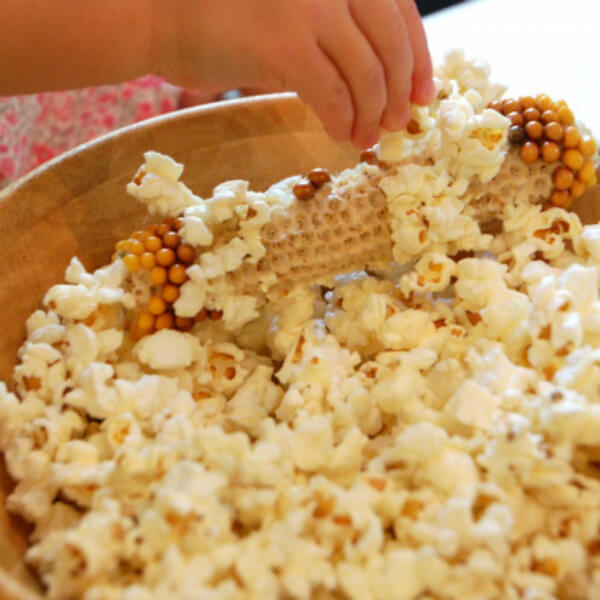
Image Source/Tutorial: Tinkerlab
Discover plant biology and thermodynamics with a fascinating popcorn kernel science investigation. Children examine seed structures and moisture content to understand why kernels pop when heated, perfect for botanical lessons and kitchen science fun.
Edible Chemistry Experiment
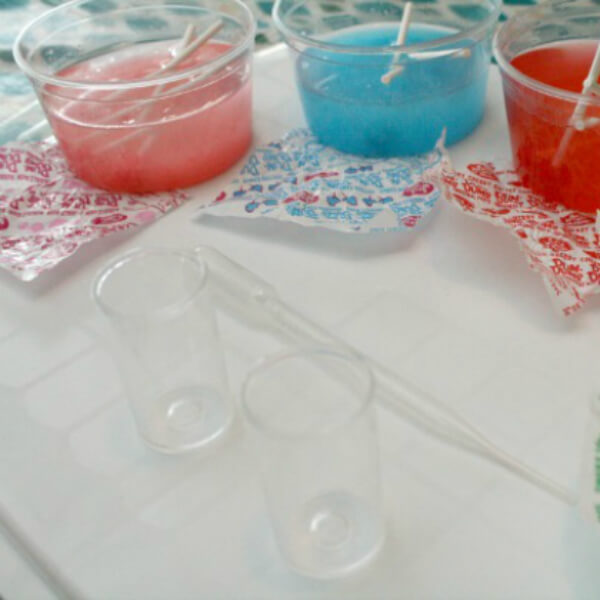
Image Source/Tutorial: Fantastic Fun And Learning
Teach fluid dynamics and color theory with an engaging liquid density and mixing science lab. Using pipettes and colored water, students explore chemical properties, volume measurement, and capillary action in this colorful elementary STEM activity.
Read More: Halloween Science Experiments for Kids
Food Experiments With Raisins
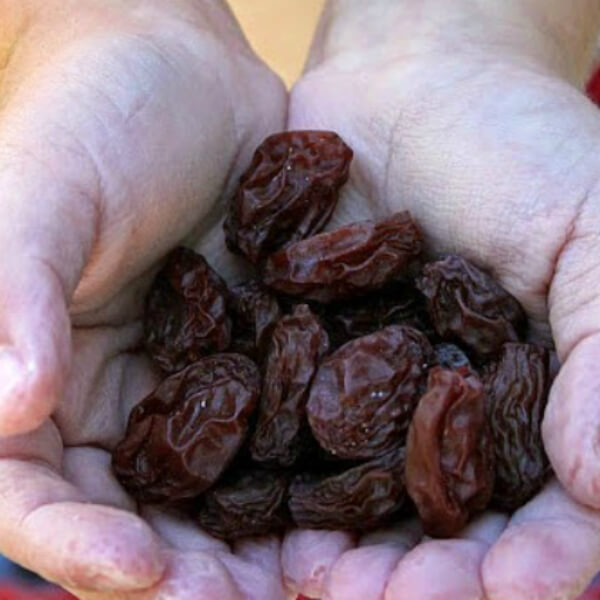
Image Source/Tutorial: Learn Play Imagine
Amaze kids with the classic dancing raisins carbonation science experiment. Drop dried fruit into carbonated soda to observe buoyancy and gas bubbles in action, creating a captivating physics lesson on density for young learners.
Marshmallow Candy Science Experiment
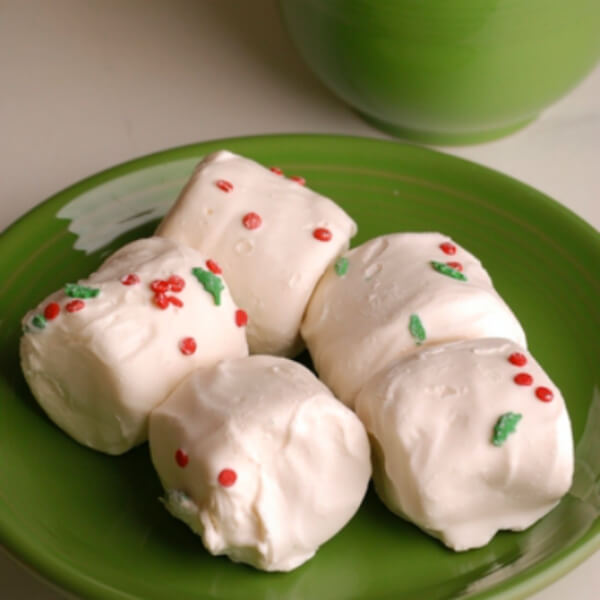
Explore states of matter with a sweet marshmallow melting science activity. Kids observe how heat alters sugary confections, combining physical science concepts with creative holiday decorating for an entertaining classroom or home STEM project.
Food Science Experiments For 8th Grade
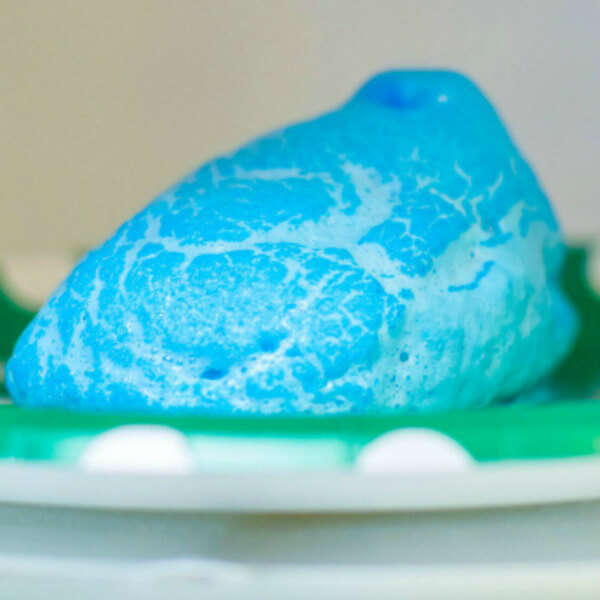
Image Source/Tutorial: Hallecake
Demonstrate gas pressure with a fun microwave marshmallow expansion experiment. Watch trapped air pockets expand as heat increases, offering children a visually stunning and educational physics lesson on states of matter.
How To Make Homemade Fruit Gummies
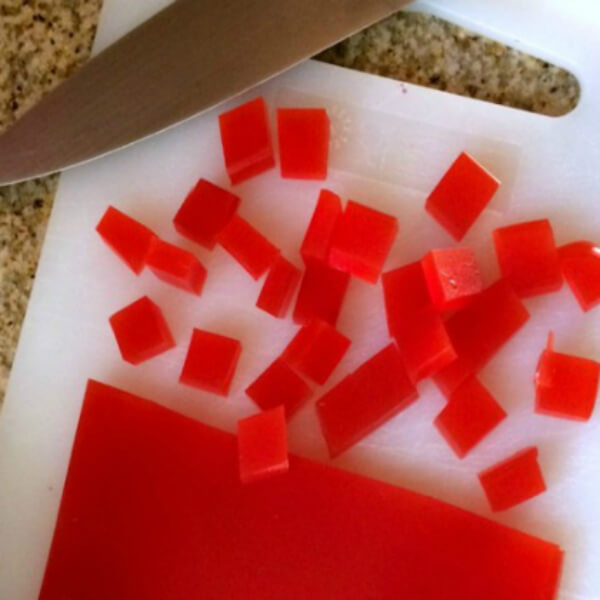
Image Source/Tutorial: Left Brain, Craft Brain
Make cell biology and diffusion rates with a hands-on gelatin surface area science lab. Students cut colored agar blocks to measure how size affects molecular transport, providing an essential visual tool for middle school biology experiments.
Homemade Butter Experiment For 6th Grade
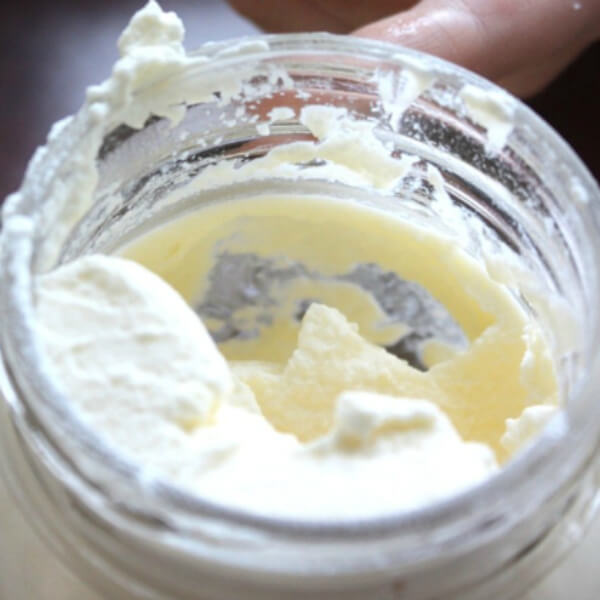
Image Source/Tutorial: Little Bins For Little Hands
Transform heavy cream into solid butter with an engaging kitchen science experiment. Kids shake a mason jar to physically separate fats from liquids, learning about emulsions and states of matter through a delicious, edible STEM activity.
Read More: Special Science Projects for Summer
Science Fair Project Ideas For Kids
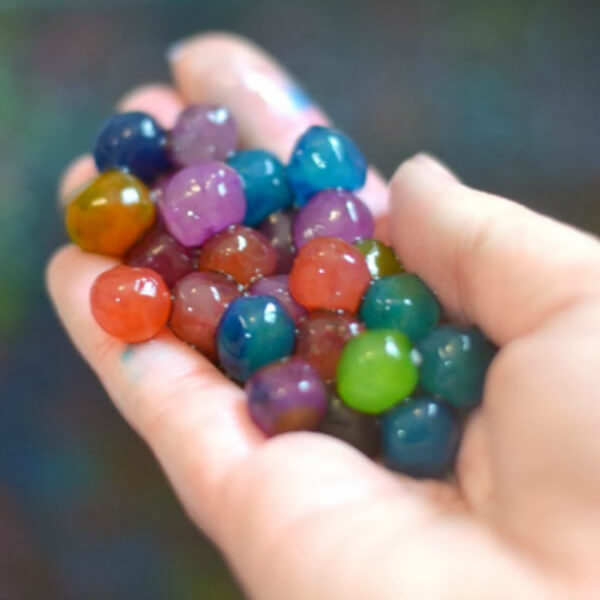
Image Source/Tutorial: Growing A Jeweled Rose
This polymer science and absorption rates with a vibrant water beads sensory activity. Kids observe superabsorbent polymers expand in water, creating a wonderful tactile learning experience that teaches chemistry concepts and molecular structures through fun play.
Sherbet Food Recipe For Kids
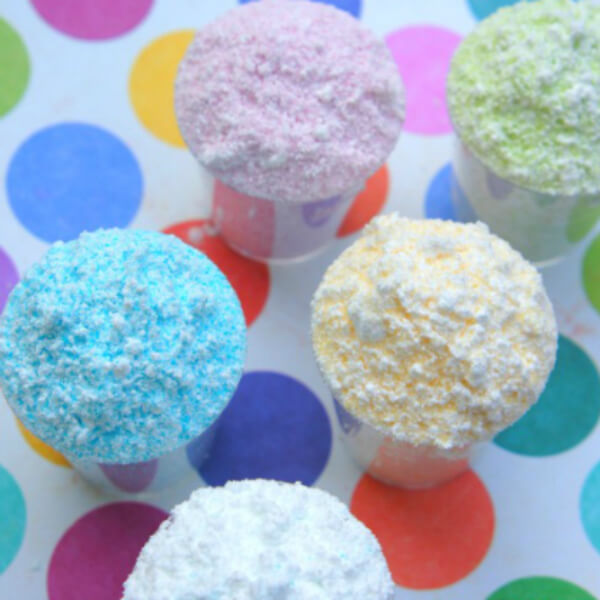
Image Source/Tutorial: Laughing Kids Learn
These chemical reactions use an exciting fizzing powder science experiment. Children combine reactive ingredients in small cups to create bubbling eruptions, making this an ideal hands-on STEM activity for teaching acid-base interactions and effervescence.
Edible Sensory Play Activity With Food
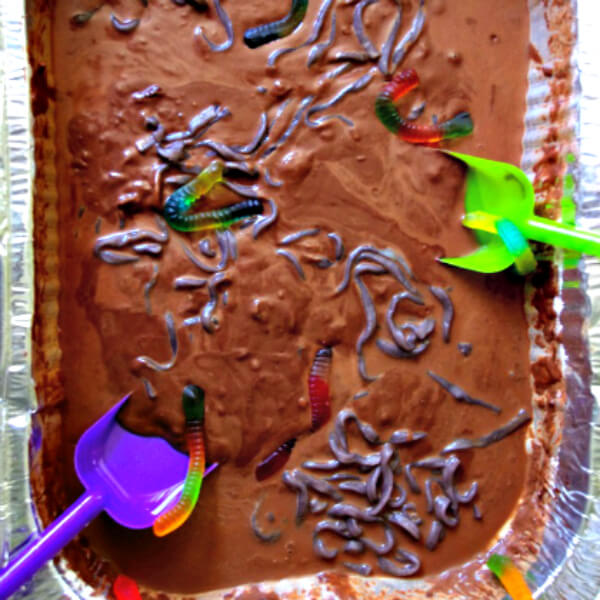
Image Source/Tutorial: Kids Activities Blog
Engage young learners with an edible chocolate mud sensory dig and excavation science activity. Kids use small plastic shovels to uncover gummy worms, combining playful sensory exploration with basic life science and geology lessons.
Creative Fair Projects Ideas
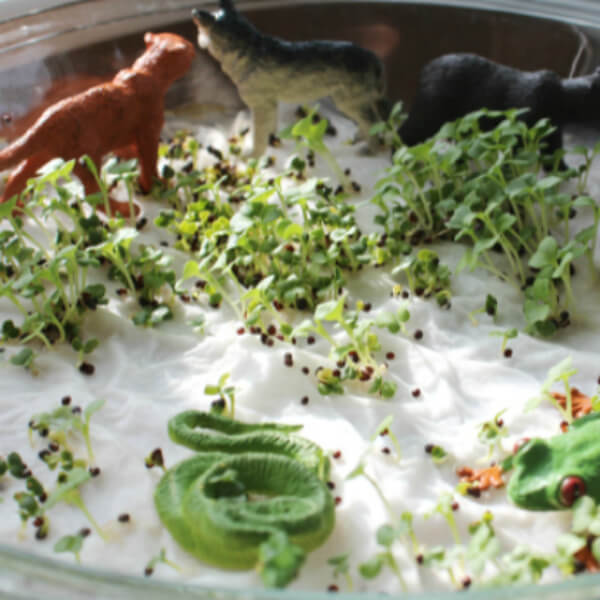
Image Source/Tutorial: Trueaimeducation
Learn plant biology with an interactive seed germination science experiment featuring plastic animals. Students watch seeds sprout on damp paper towels, exploring botany, plant growth cycles, and ecology in a creative habitat setting.
Chemistry Experiment With Plants
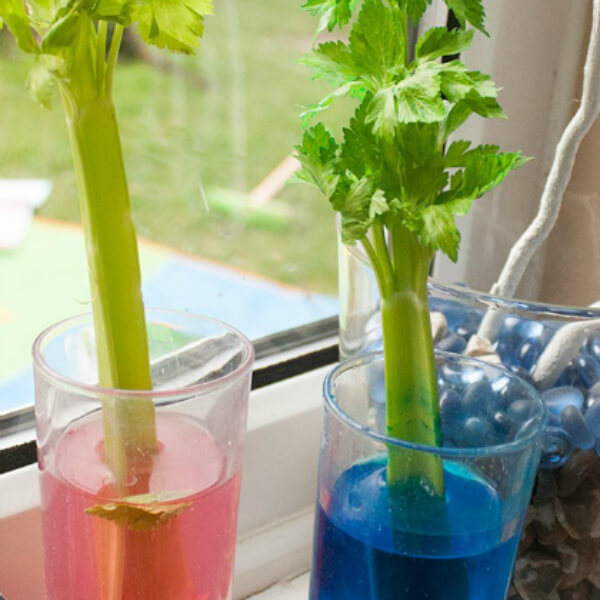
Image Source/Tutorial: Rainy Day Mum
Demonstrate plant vascular systems with a classic celery capillary action science experiment. Kids observe colored water travel up the stalks into the leaves, illustrating transpiration and water transport in plants through clear visual evidence.
Read More: Ice Science Experiments For Kids
Science Experiments With Simple Ingredients
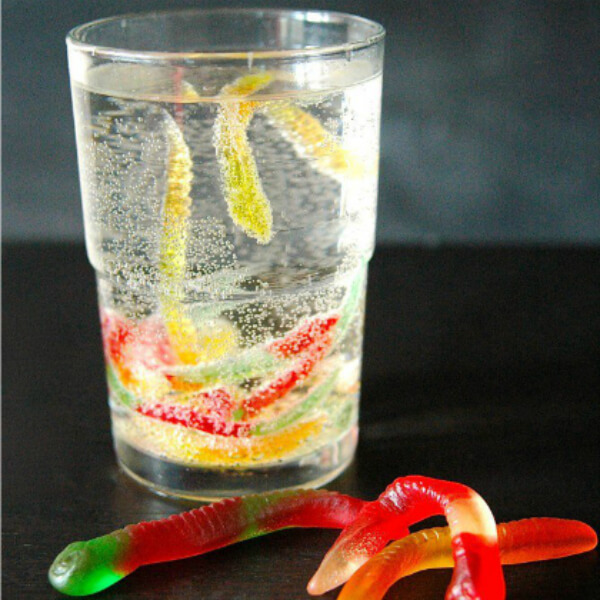
Image Source/Tutorial: Playdough to Plato
Investigate buoyancy and gas production with a fun dancing gummy worms science experiment. By dropping candy into carbonated water, children watch carbon dioxide bubbles attach and lift the worms, teaching density and chemical reactions.
Candy Science Experiment For Kids
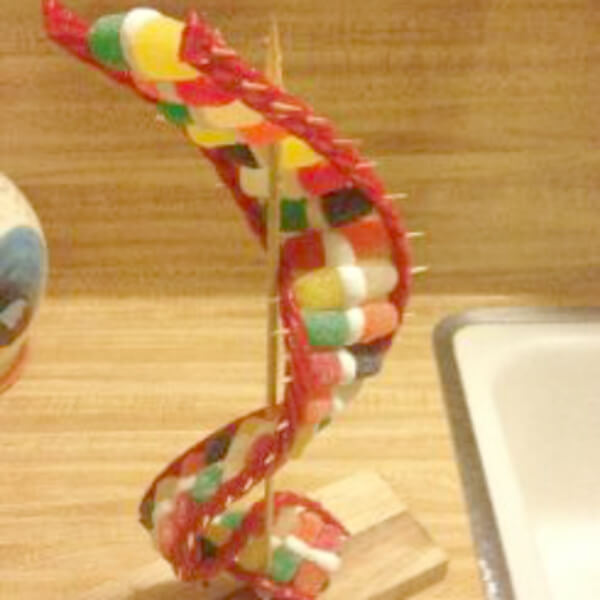
Image Source/Tutorial: Weirdsciencekids
Teach genetics and molecular biology with a delicious candy DNA model science project. Students assemble colorful gummy candies and toothpicks to build a structural double helix, combining hands-on biology learning with a creative STEM craft.
Edible Glass Science Experiment For Kids
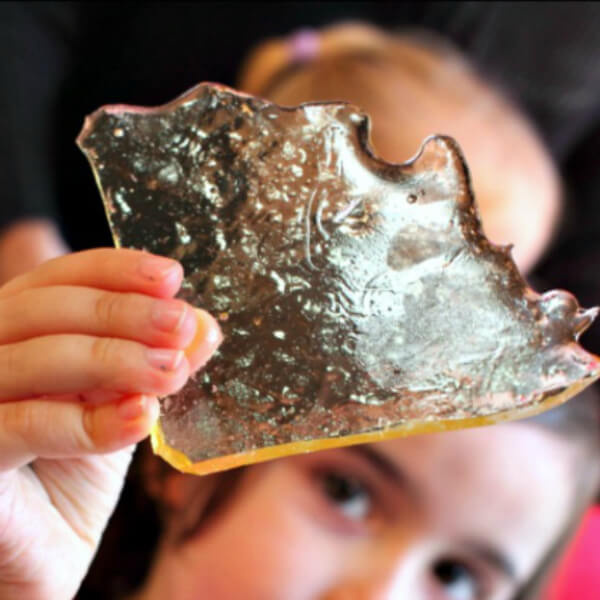
Image Source/Tutorial: Go Science Girls
Explore states of matter and crystallization with a hard candy science experiment. Kids heat and cool sugar mixtures to form glassy sheets, learning about phase changes, temperature thresholds, and molecular structures in a kitchen chemistry lesson.
Edible Science Experiment With Fruit
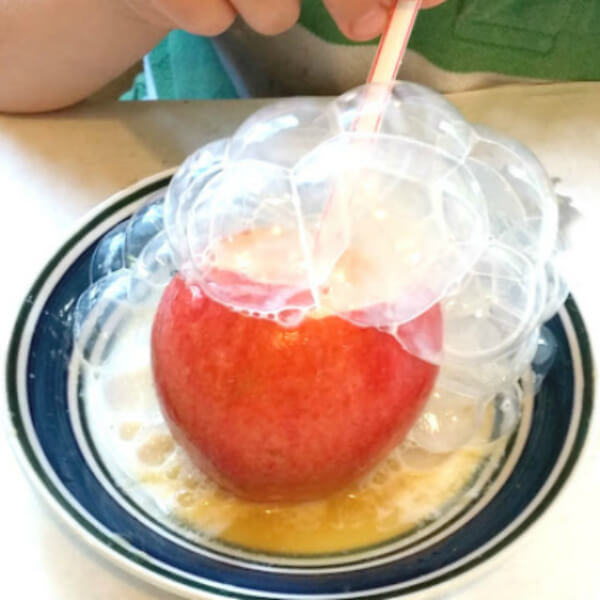
Image Source/Tutorial: Preschool Powol Packets
Create an erupting apple volcano with this engaging autumn science experiment. Children mix baking soda and vinegar inside a hollowed-out apple to trigger a fizzy chemical reaction, combining seasonal fun with interactive acid-base STEM learning.
Easy Edible Science Experiments for Kids | Fun DIY Science Tutorial
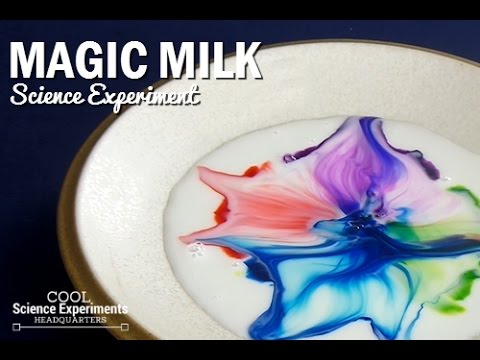
Discover fun and easy edible science experiments for kids using simple kitchen ingredients and creative STEM activities. This educational science tutorial helps children learn chemistry, reactions, and food science through exciting hands-on experiments. Perfect for preschool learning, school projects, homeschooling, parents, and teachers looking for fun science activities at home.
Explore Fun Learning with Easy Edible Science Experiments
Easy edible science experiments make learning exciting by combining food, creativity, and scientific discovery. These hands-on activities allow kids to explore simple science concepts while using common kitchen ingredients. From fizzy reactions to tasty creations, edible experiments help children understand how science works in everyday life. They are perfect for preschoolers, elementary students, classrooms, homeschooling, and family learning activities.
Benefits of Edible Science Experiments for Kids
Food-based science activities encourage curiosity and help children develop important skills while having fun with practical experiments.
- Develops observation and problem-solving skills.
- Encourages curiosity and scientific thinking.
- Improves measuring and counting skills.
- Strengthens creativity and imagination.
- Introduces basic STEM concepts through play.
- Provides an engaging hands-on learning experience.
Fun Edible Science Activities to Try
- Create colorful drink experiments using simple ingredients.
- Explore food reactions with candy and sweet treats.
- Make homemade butter while learning about changes in matter.
- Discover how fruits and vegetables can be used in science activities.
- Try simple kitchen experiments that demonstrate scientific concepts.
Science Concepts Kids Can Learn
Edible experiments help children understand interesting science topics such as chemical reactions, states of matter, density, temperature changes, and food properties. By observing changes during each activity, kids learn how scientists make predictions, test ideas, and record results.
Why Kids Love Food Science Activities
Children enjoy edible science because it turns the kitchen into a fun learning space. These activities allow them to mix, observe, create, and discover while connecting science with everyday experiences. Parents and teachers can use these experiments to make STEM learning more interactive and memorable.
Tips for Safe Edible Science Experiments
- Always have adult supervision when needed.
- Use clean ingredients and kitchen tools.
- Explain the science concept before starting.
- Encourage kids to make predictions and observations.
- Follow proper food safety practices.
FAQs
Q1. What are edible science experiments?
Answer: Edible science experiments are fun activities that use food ingredients to demonstrate scientific concepts while creating something safe to enjoy.
Q2. Are edible science experiments suitable for kids?
Answer: Yes. These activities are suitable for children of different ages with proper guidance and supervision.
Q3. Can teachers use edible science experiments in classrooms?
Answer: Absolutely! They are great for STEM lessons, science projects, classroom activities, and hands-on learning.
Q4. What materials are commonly used for edible science activities?
Answer: Common materials include fruits, candies, milk, sugar, food coloring, baking ingredients, and other simple kitchen supplies.
Easy edible science experiments make learning fun by combining creativity, discovery, and delicious activities. These hands-on STEM projects help kids explore science concepts while building curiosity and problem-solving skills. Try these exciting experiments and turn everyday ingredients into amazing learning adventures. Explore exciting activities designed for home learning, classrooms, and creative play. Follow us on Facebook, Telegram, & YouTube for simple art and craft tutorials, printable ideas, and more.
Reviewed By Rachit Gupta
More Articles from Kids’ Art & Craft
- Balloon Science Experiments for Kids
- 15 Fun Balloon Science Experiments for Kids
- 1st Grade Science Projects for School
- 10 Simple Science Experiments for 3-5 Year Olds
- 7th Grade Science Fair Projects