

Kids Activities
7th Grade Science Fair Projects


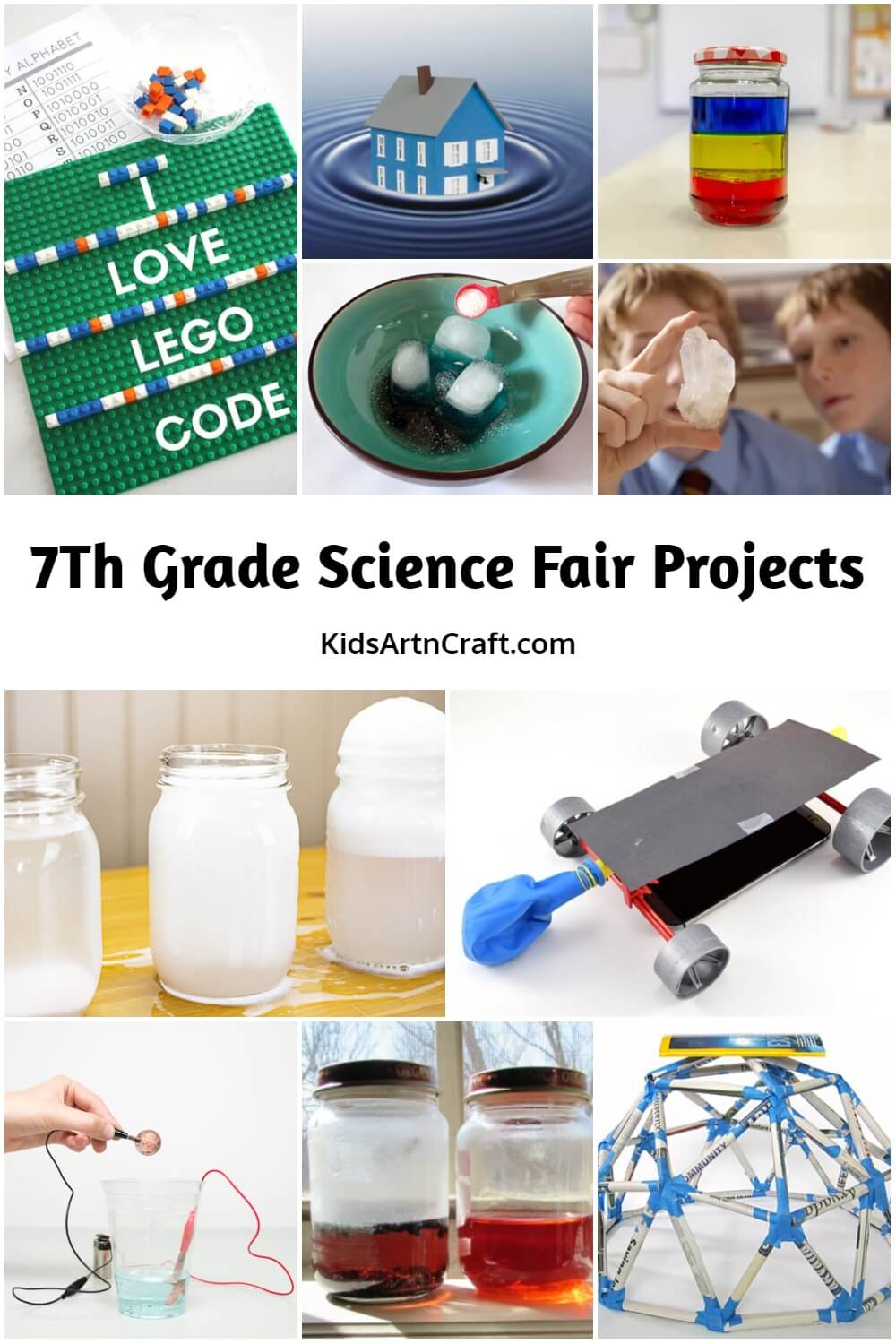
If you’re searching for 7th-grade science fair projects for kids to do at home, you’re in the right place! Keep your learning spirit alive with our curated list of 7th-grade science fair projects like Caffeine, lego coding, density column, explore stored energy food, air pressure, dome, greenhouse, water purifying, bath bomb, apple mummification, dirtiest place in the kitchen, learning with candy, award-winning balloon-powered car, flood experiment, semi-solid juice balls, extracting onion dna, copper plated coins, growing science cristal, swing water and build a helping hand.
7th Grade Science Fair Projects
Read More: 25+ Playful Puppet Crafts For Kids
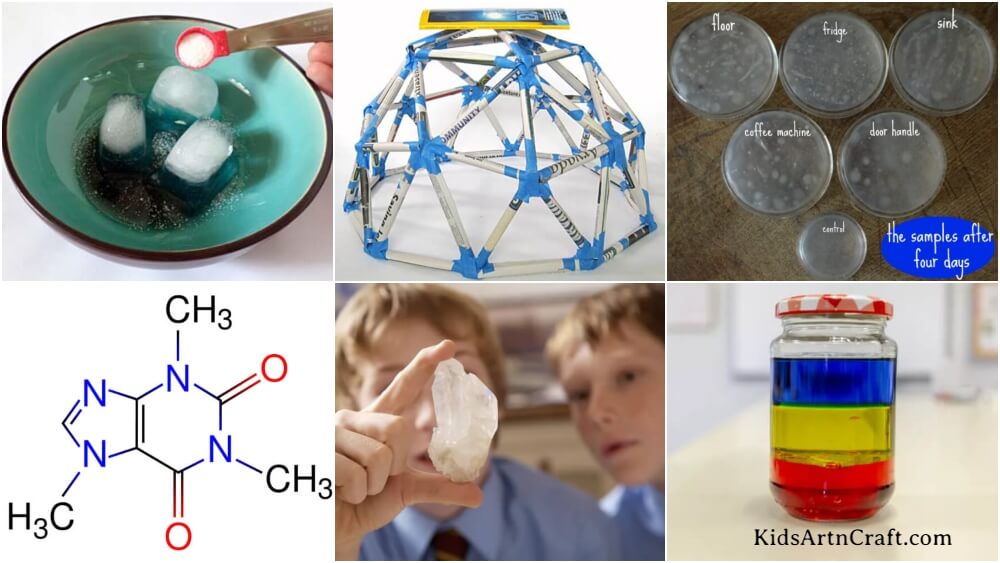
Caffeine Molecule Chemistry Activity
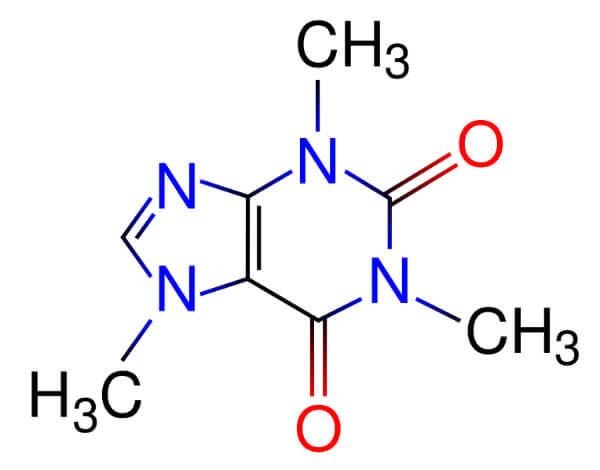
Image Source/Tutorial: Thoughtco
Explore chemistry concepts using molecule diagrams, printable worksheets, markers, and science notes. This engaging STEM activity helps kids understand chemical structures, atoms, and molecular science through interactive learning.
LEGO Binary Coding STEM Activity
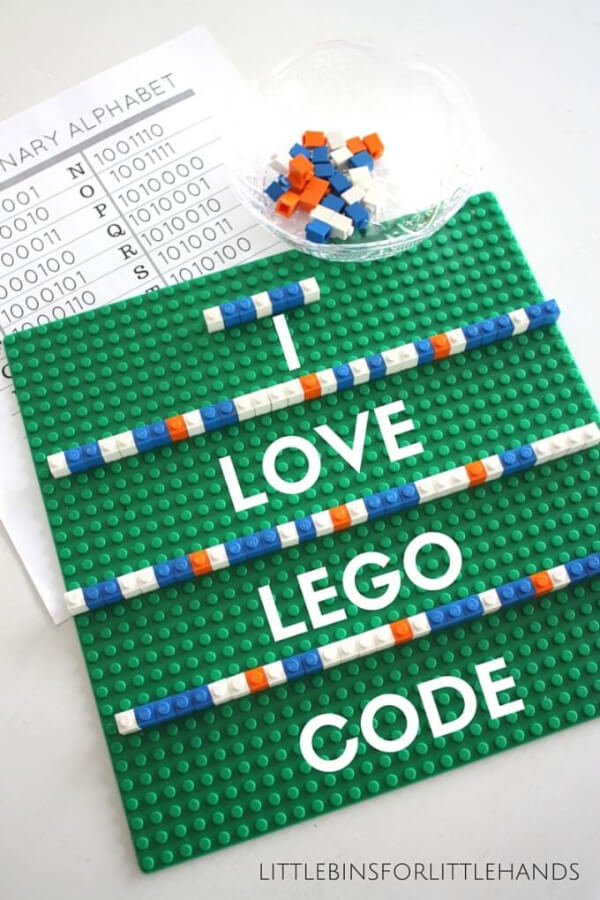
Image Source/Tutorial: Little Bins For Little Hands
Create a coding challenge using LEGO bricks, base plates, binary alphabet printables, and coding cards. This STEM activity develops problem-solving, computational thinking, and beginner programming skills through hands-on learning.
Density Layer Science Experiment
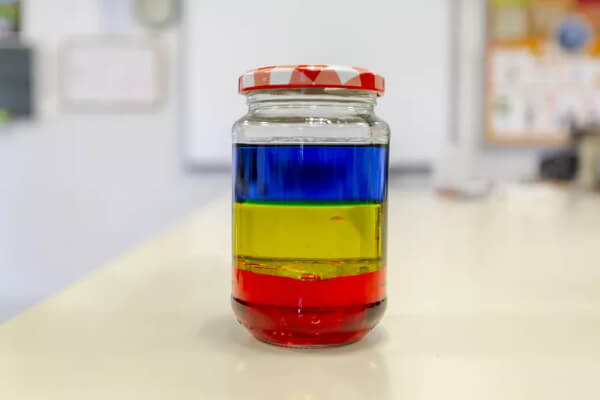
Perform a density experiment using jars, water, oil, food coloring, honey, and syrup. This hands-on STEM science activity teaches kids about liquid density, layering, and physical science concepts.
Marshmallow Fire Science Experiment
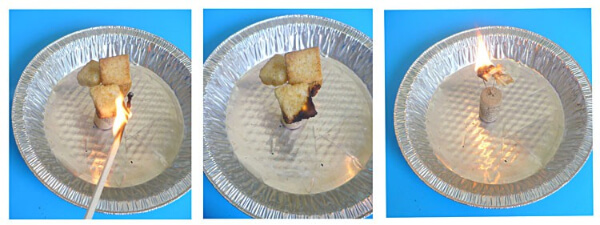
Image Source/Tutorial: Science Buddies
Conduct a science experiment using marshmallows, foil trays, candles, matches, and skewers. This engaging STEM activity introduces combustion, heat energy, and simple chemistry concepts through interactive observation.
Floating Soda Can Density Experiment
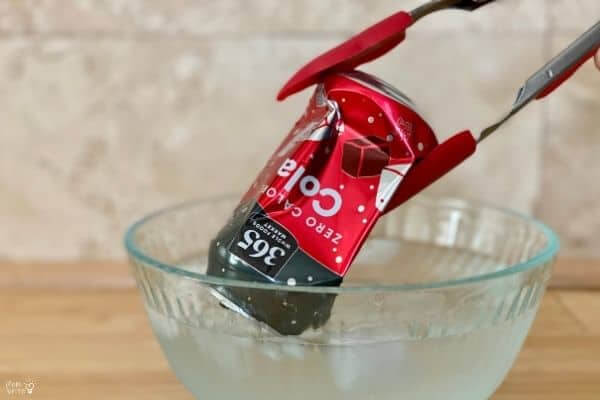
Image Source/Tutorial: Steve Spangler Science
Test buoyancy concepts using soda cans, water bowls, tongs, and different beverages. This fun STEM science experiment teaches density, floating principles, and scientific observation skills for children.
Read More: 10+ Pi Day Activities And Facts (You Need To Know)
Newspaper Dome Engineering Challenge
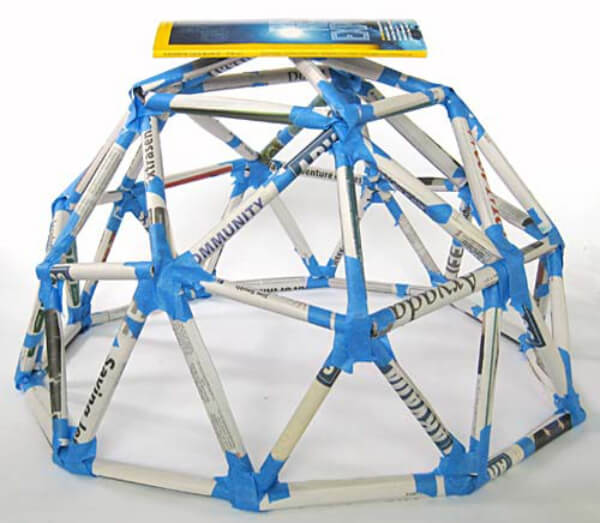
Image Source/Tutorial: Science Buddies
Build an engineering dome using newspapers, tape, scissors, and rulers. This creative STEM activity strengthens problem-solving, construction skills, geometry understanding, and hands-on engineering concepts for kids.
Rainforest Terrarium Science Project
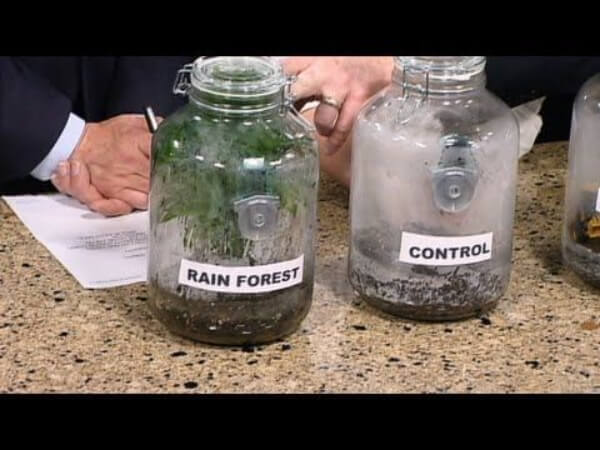
Create a mini ecosystem using jars, soil, plants, pebbles, and water. This STEM science project teaches ecosystems, environmental science, and observation skills through exciting hands-on learning activities.
Hot and Cold Water Density Experiment
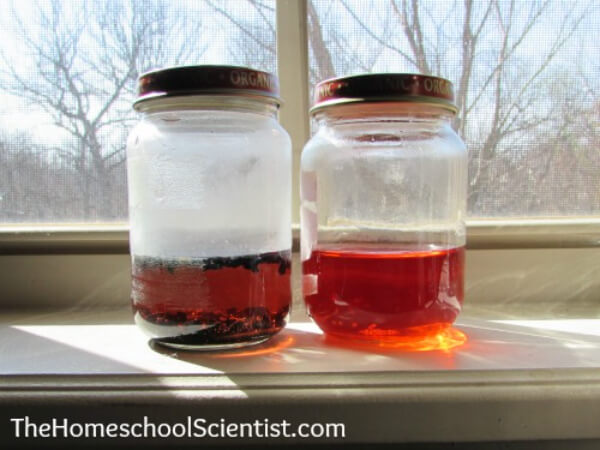
Image Source/Tutorial: The Home School Scientist
Demonstrate water density using jars, colored water, food coloring, and temperature variations. This educational STEM experiment helps children understand heat transfer, density, and basic science principles.
Cloud in a Jar Science Activity
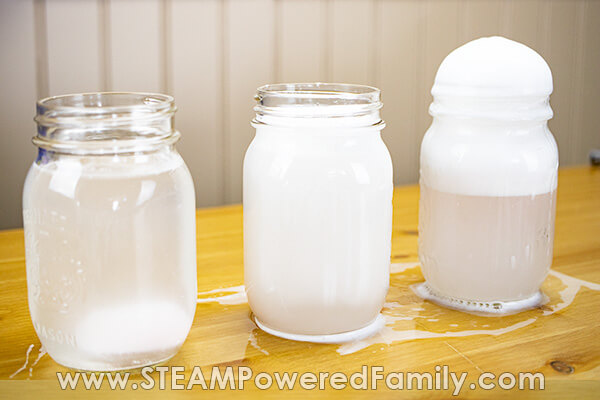
Image Source/Tutorial: Steam Powered Family
Make a cloud experiment using jars, warm water, ice, and hairspray. This weather science STEM activity teaches cloud formation, condensation, and atmospheric concepts through hands-on exploration.
Apple Mummies Preservation Experiment
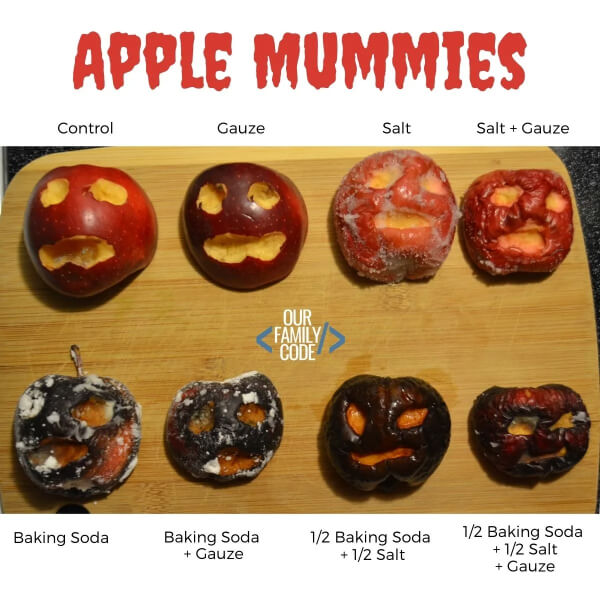
Image Source/Tutorial: Raising Arizona Kids
Create apple mummy experiments using apples, salt, baking soda, gauze, and containers. This fun STEM preservation activity teaches decomposition, ancient science concepts, and observation skills for children.
Read More: Mouse Crafts & Activities For Kids
Germ Growth Petri Dish Science Experiment
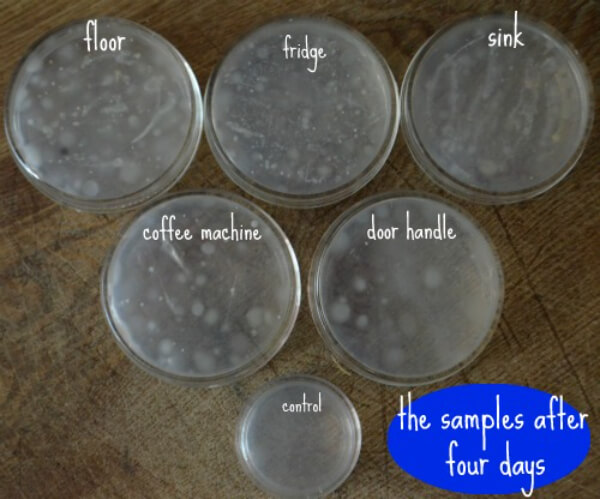
Image Source/Tutorial: Angelicscalliwags Homeschool
Explore microbiology using petri dishes, agar plates, cotton swabs, labels, and markers. This STEM science activity teaches kids about bacteria growth, germs, observation skills, and scientific investigation methods.
Ant Observation Science Activity
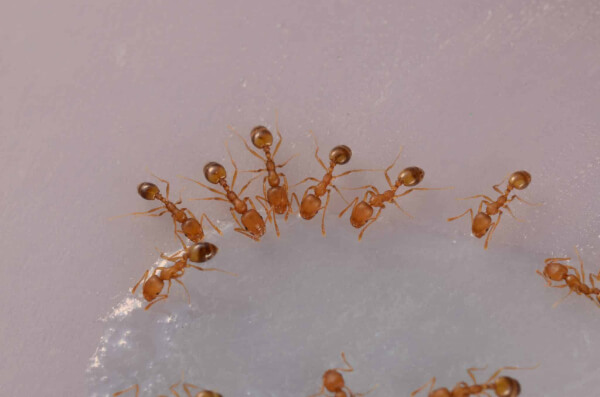
Image Source/Tutorial: Ants Alive
Study insect behavior using magnifying glasses, ant habitats, notebooks, and observation sheets. This engaging STEM nature activity helps children learn about ants, ecosystems, and animal science concepts.
Candy Classification STEM Activity
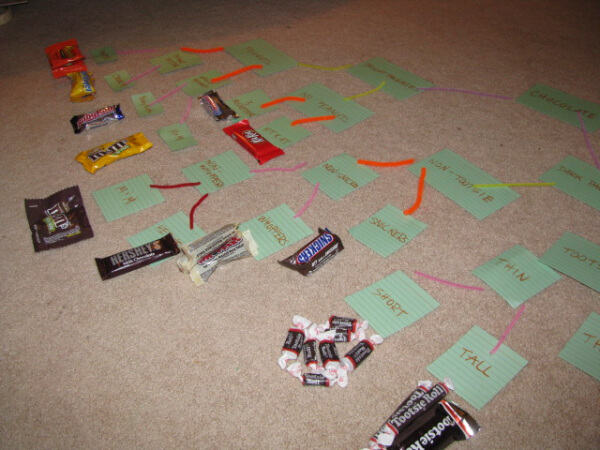
Image Source/Tutorial: Our Journey Westward
Create a sorting activity using assorted candies, index cards, markers, and labels. This hands-on STEM learning activity develops classification, critical thinking, and problem-solving skills for children.
Ice Melting Science Experiment
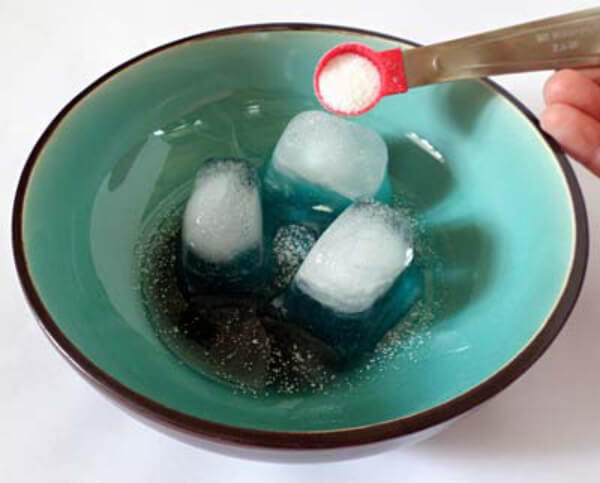
Image Source/Tutorial: Science Buddies
Conduct a melting experiment using ice cubes, salt, bowls, and measuring spoons. This easy STEM activity teaches temperature changes, melting processes, and scientific observation through fun experiments.
Balloon-Powered Car STEM Challenge
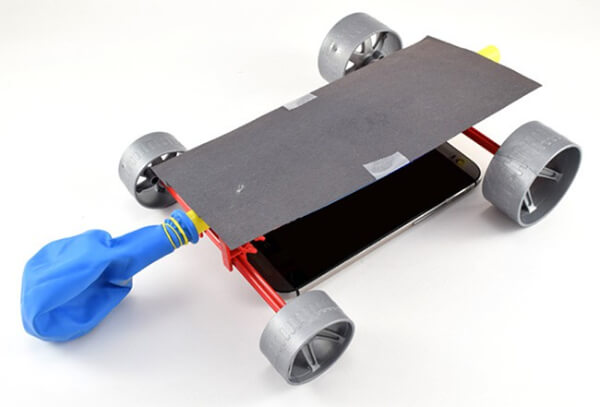
Image Source/Tutorial: Science Buddies
Build a balloon car using balloons, straws, cardboard, wheels, tape, and skewers. This exciting STEM engineering activity teaches motion, force, energy, and creative problem-solving skills.
Read More: 20+ Apple Crafts & Activities For Preschool
Flood Simulation Science Activity

Image Source/Tutorial: Sciencing
Create a flood model using containers, water, toy houses, sand, and landscape materials. This environmental STEM activity teaches weather impacts, natural disasters, and earth science learning.
Water Beads Sensory Science Activity For Kids
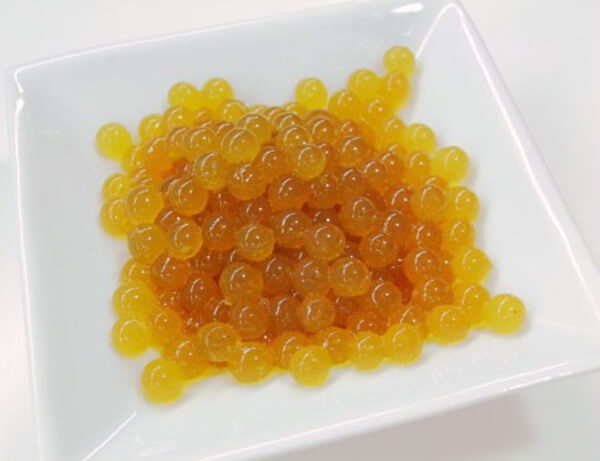
Image Source/Tutorial: Science Buddies
Make a sensory activity using water beads, containers, measuring cups, and scoops. This hands-on STEM learning experience develops sensory exploration, fine motor skills, and scientific curiosity for children.
Ice Bath Temperature Science Experiment
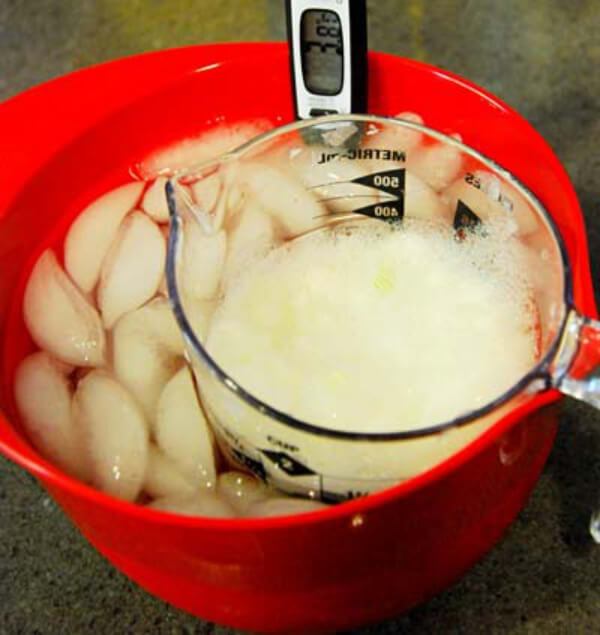
Image Source/Tutorial: Science Buddies
Investigate temperature changes using ice, water, thermometers, measuring cups, and containers. This STEM science activity teaches heat transfer, temperature concepts, and observation skills for kids.
Penny Electroplating Science Experiment
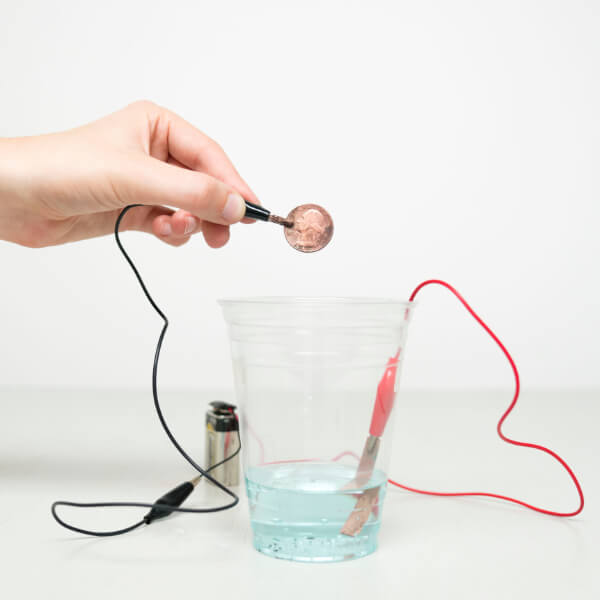
Image Source/Tutorial: Kiwico
Perform an electroplating activity using batteries, wires, pennies, metal strips, and cups. This hands-on STEM experiment teaches electricity, chemical reactions, and basic engineering concepts for students.
Crystal Growing Science Experiment
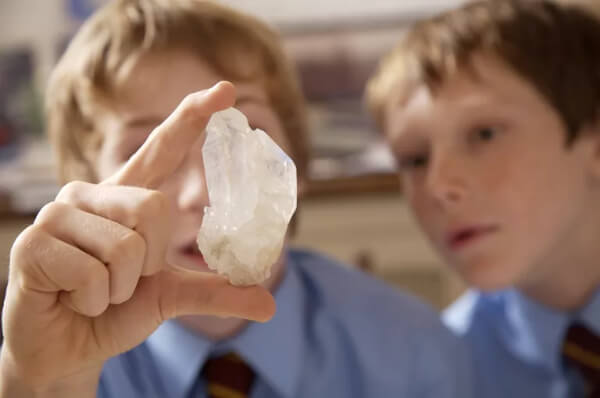
Image Source/Tutorial: Thoughtco
Grow crystals using salt, borax, jars, water, and string. This educational STEM science experiment teaches crystallization, chemistry concepts, and observation skills through exciting hands-on activities.
Read More: 30 Disposable Cup Crafts For Kids
Balance and Center of Gravity Science Activity

Image Source/Tutorial: Steve Spangler Science
Create a balance experiment using a string, wooden boards, cups, water, and tape. This engaging STEM physics activity teaches center of gravity, balance principles, and hands-on problem-solving skills.
Robotic Hand Engineering STEM Project
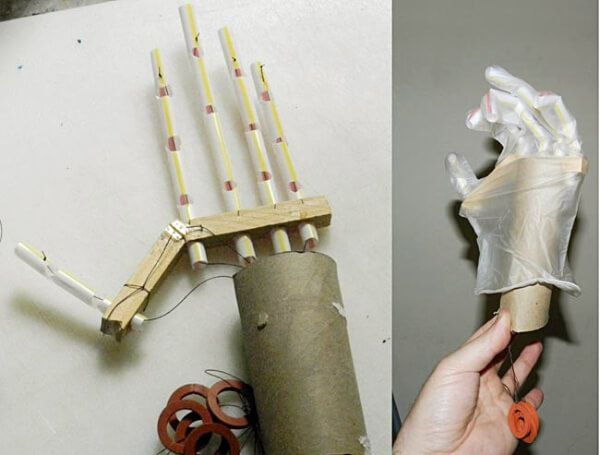
Image Source/Tutorial: Science Buddies
Build a robotic hand using straws, cardboard tubes, string, rubber bands, tape, and scissors. This exciting STEM engineering activity teaches robotics, mechanics, movement, and creative problem-solving skills.
7th Grade Science Fair Projects Step-by-Step Tutorial
Discover easy and creative 7th-grade science fair projects in this step-by-step tutorial. Learn simple experiments, working models, and winning ideas for school science exhibitions. Perfect for students looking to impress judges with innovative, fun, and educational science project ideas using basic materials and clear scientific methods explained.
Why Science Fair Projects Are Valuable for 7th Grade Students
Science fair projects encourage seventh-grade students to think like scientists by asking questions, testing ideas, and analyzing results. These hands-on investigations strengthen STEM skills while helping students apply classroom concepts to real-world situations. They also build confidence, curiosity, and independent research abilities through meaningful scientific exploration.
Skills Students Gain from Science Fair Projects
- Develops critical thinking through scientific investigation.
- Strengthens research and data collection skills.
- Encourages logical reasoning and evidence-based conclusions.
- Improves problem-solving through experimentation.
- Builds confidence in presenting scientific findings.
- Enhances observation and analytical thinking.
- Supports STEM learning with real-world applications.
- Promotes creativity by designing original experiments.
Tips for Creating a Successful Science Fair Project
- Choose a topic that genuinely interests you.
- Write a clear hypothesis before beginning the experiment.
- Change only one variable at a time for accurate results.
- Record observations carefully in a science journal.
- Create neat charts, graphs, and tables to present data.
- Practice explaining your project confidently before the presentation.
Presentation Ideas for Science Fair Displays
- Use eye-catching headings and labeled diagrams.
- Display photographs taken during the experiment.
- Include a simple step-by-step procedure section.
- Present results using colorful graphs or charts.
- Clearly explain your conclusion and what you learned.
- Keep the display organized and easy to read.
FAQs
Q1. What makes a good 7th-grade science fair project?
Answer: A good project answers a testable question, follows the scientific method, collects measurable data, and explains the results with a clear conclusion.
Q2. Which science subjects are suitable for 7th-grade projects?
Answer: Students can explore biology, chemistry, physics, environmental science, earth science, and engineering through age-appropriate experiments.
Q3. How long should a science fair project take?
Answer: Most projects take several days to a few weeks, depending on the experiment, research, observations, and data collection required.
Q4. Can these projects be completed at home?
Answer: Yes. Many science fair projects use common household materials and can be completed safely at home with adult supervision when necessary.
Q5. Why is the scientific method important?
Answer: The scientific method helps students conduct fair experiments, organize observations, analyze results, and draw reliable conclusions based on evidence.
Seventh-grade science fair projects inspire curiosity, strengthen STEM skills, and encourage independent learning. These engaging experiments help students think critically, solve real-world problems, and confidently present their scientific discoveries. Discover exciting pomegranate crafts designed to inspire imagination and creativity in kids. Follow our Facebook, Telegram & YouTube for regular creative updates.
Reviewed by Yash Sharma
More Articles from Kids’ Art & Craft
- Easy Pasta Crafts for Kids to Make at Home
- How to Make a Flying Paper Butterfly
- Paper Plate Crafts & Activities for Kids
- Playful Paint Combination Ideas for Kids
- Dark Side of Internet Addiction in Teenagers