Kids Activities
1st Grade Science Projects for School


Science is a really important subject, as it is not only related to technology but also to the very aspect of everyone’s day-to-day life. Small kids with developing minds are more curious to know about how things work. Science projects can help them to satisfy their curiosity in an interesting yet knowledgeable manner.
Science projects can help your children to explore the world of science in depth. They will be amazed by doing experiments with the day-to-day things they use. Science projects help the children to learn entertainingly, hence we can also consider it as a “LEARN WITH FUN” activity. These science projects are inexpensive, and you can easily execute them at home, and they are easy for any parent or teacher to oversee. These projects are the best way to engage, excite, and educate your toddler this summer.
1st Grade Science Projects for School
Read More: 15 Fun Balloon Science Experiments for Kids
Science has always played an important role in developing logical thinking and explaining the curiosity that one has about various things, such as “how clouds are formed?” It is not necessary to understand science and perform science experiments; one needs full-fledged labs. Science experiments can be performed anywhere, even in the comfort of your home, with household items if one is curious enough.
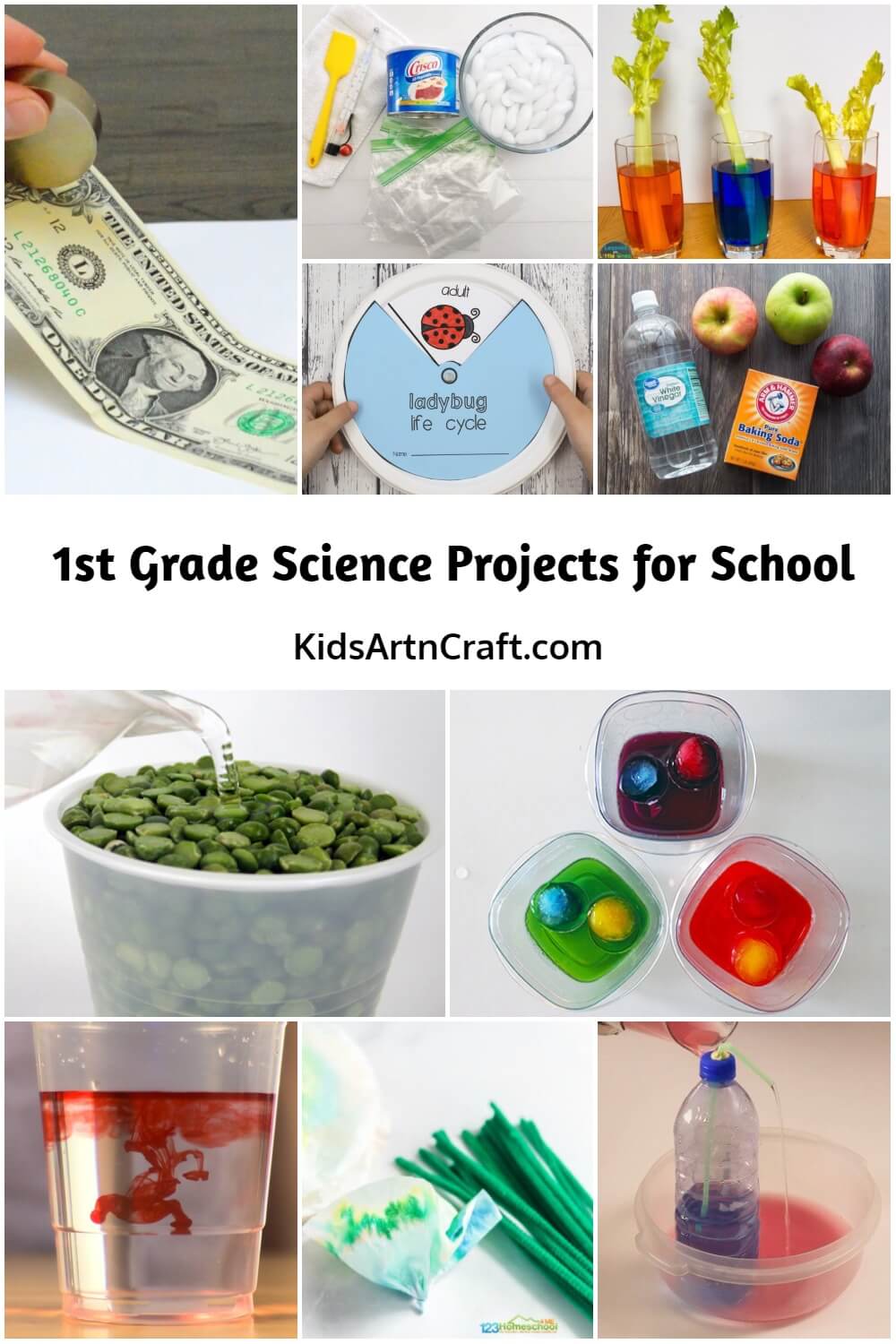
We have gathered a list of various 1st Grade Science Projects for School, which will help you in understanding the complex scientific phenomena given in your textbooks in a super-fun and easy way. The science experiments about magnetic money, paper phones, and many others can be used as your science project in school. What makes these experiments special is that they are so easy and fun to perform that even toddlers and preschoolers can perform these activities and learn something new while playing. We hope that you’ll enjoy your scientific experiments with these experiments!
Color Mixing Ice Activity for Kids
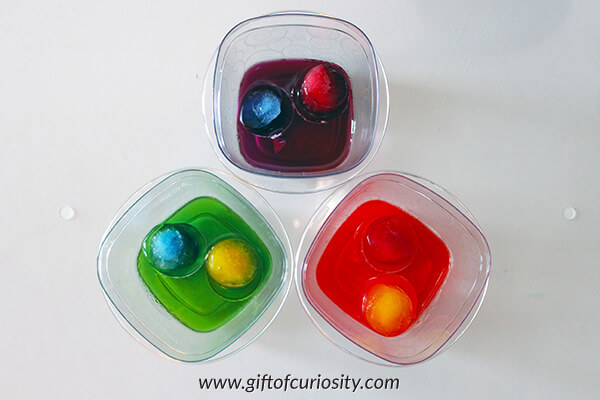
Image Source/Tutorial: Gift of Curiosity
Materials Required:
Water, food colors, ice cube tray, small bowls
Procedure:
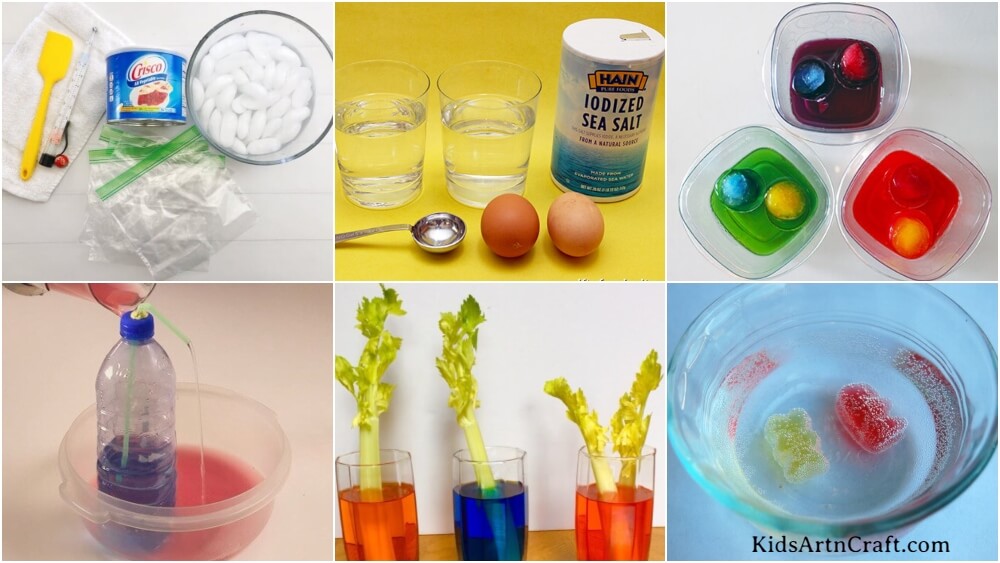
Freeze colored water into ice cubes and place them in bowls. Let them melt and observe how colors mix together.
Walking Water with Celery Experiment
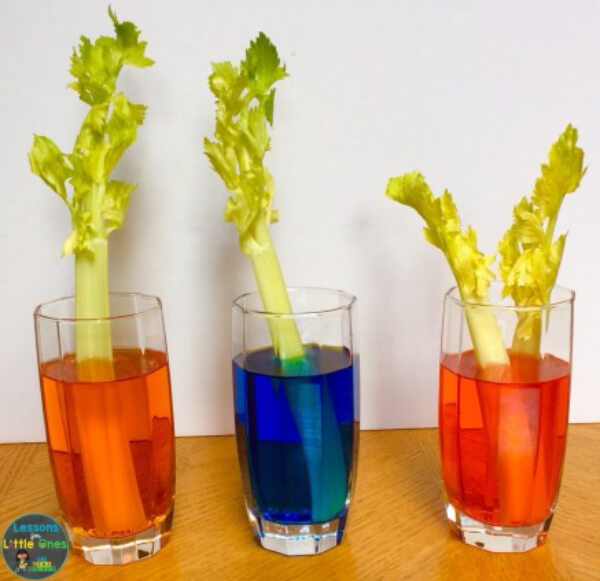
Image Source/Tutorial: Lessons 4 Little Ones
Materials Required:
Celery stalks, glasses, water, and food coloring
Procedure:
Fill glasses with colored water and place celery stalks inside. Watch as the celery absorbs the color over time.
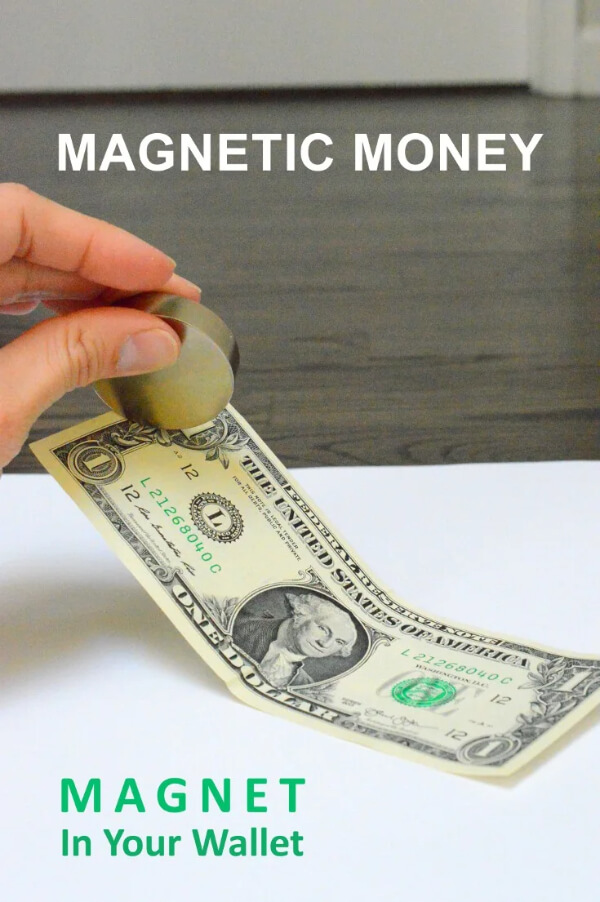
Fun Magnetic Money Science Trick
Materials Required:
Magnet, paper currency
Procedure:
Place a magnet under or near the bill and move it gently. Observe how the bill reacts due to hidden metal components.
Ice Melting and Oil Experiment
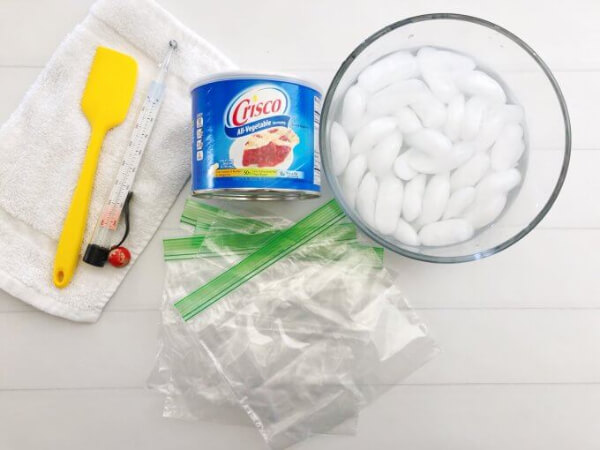
Image Source/Tutorial: Little Bins For Little Hands
Materials Required:
Ice cubes, oil (shortening), bowl, thermometer
Procedure:
Add ice to a bowl and cover with oil or shortening. Observe how insulation slows the melting process.
DIY Paper Cup Phone for Kids
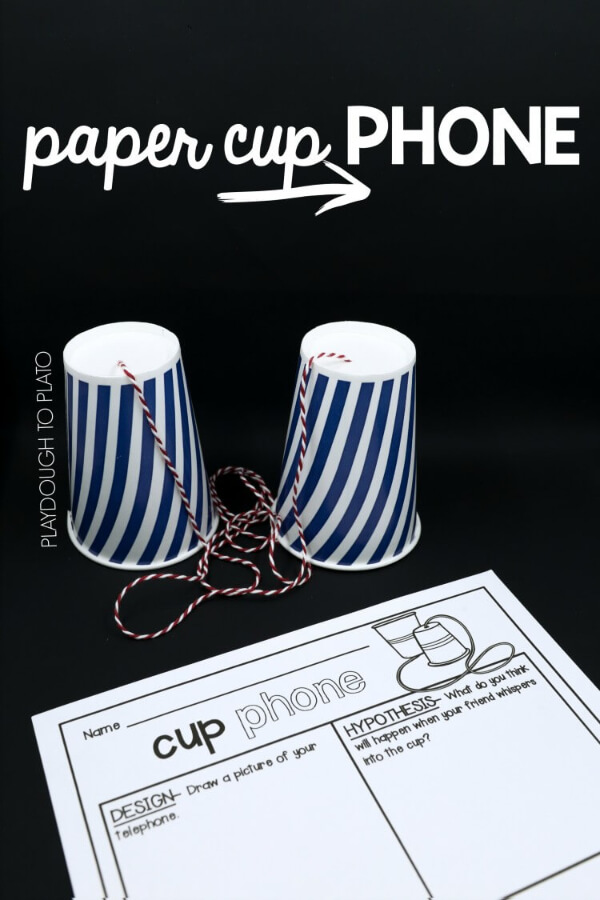
Image Source/Tutorial: The Stem Laboratory
Materials Required:
Paper cups, string, needle
Procedure:
Punch holes in the cups and tie the string between them. Speak into one cup and listen from the other.
Read More: 10 Simple Science Experiments for 3-5-Year-Olds
Simple Solar System Model Craft
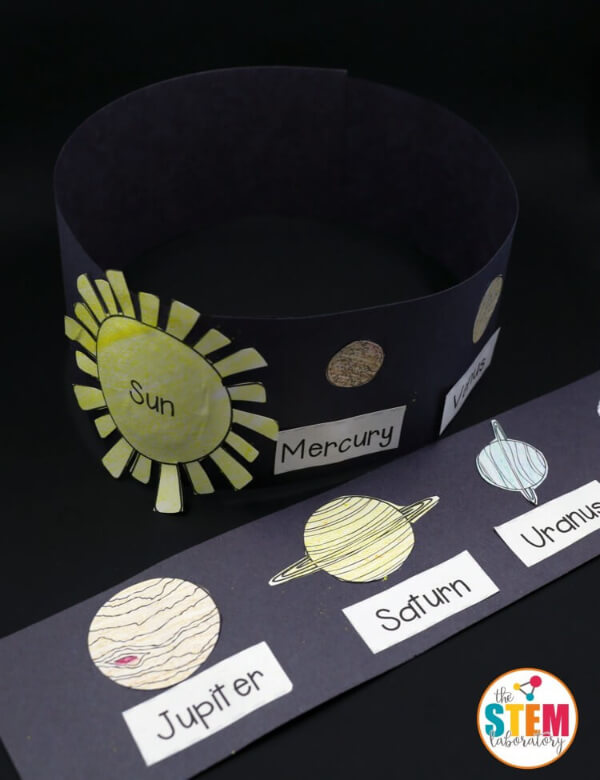
Image Source/Tutorial: The Stem Laboratory
Materials Required:
Colored paper, markers, scissors, and glue
Procedure:
Draw and cut out planets and label them. Arrange them in order on a strip or circular band.
Apple Oxidation Science Experiment
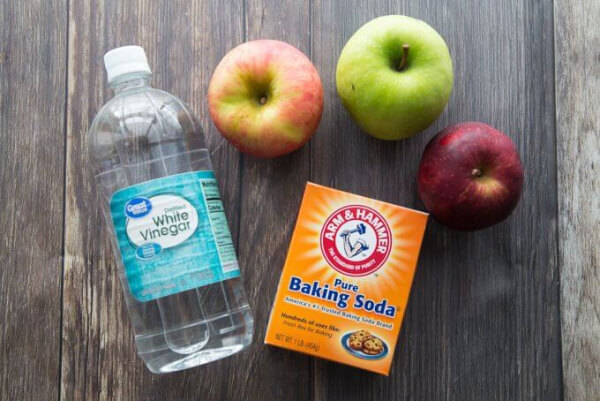
Materials Required:
Apples, vinegar, baking soda, knife
Procedure:
Cut apples and apply different substances. Observe which prevents browning the best.
Simple Rubber Band Rocket Launcher
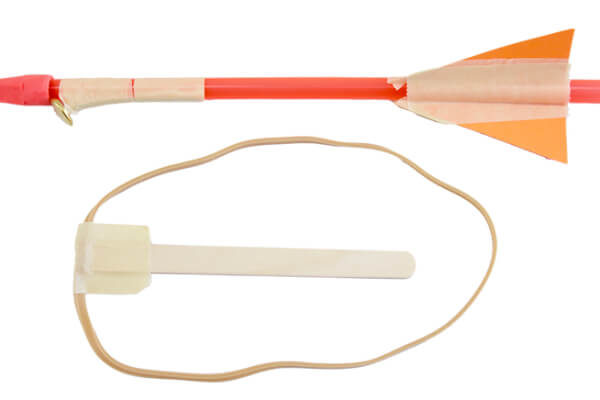
Image Source/Tutorial: Instructables
Materials Required:
Stick, rubber band, paper, tape
Procedure:
Attach a rubber band to the stick and place the paper rocket on it. Pull back and release to launch.
Ladybug Life Cycle Learning Wheel
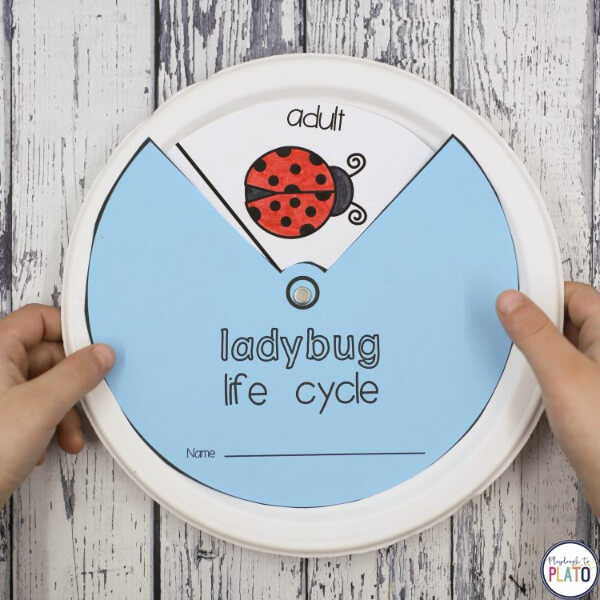
Image Source/Tutorial: The Stem Laboratory
Materials Required:
Paper plate, printed templates, brad pin, colors
Procedure:
Cut and attach life cycle stages on the plate. Use a brad pin to create a rotating wheel.
Water Fountain Bottle Science Experiment
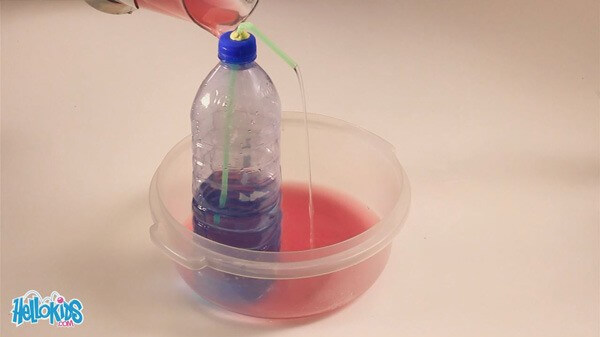
Image Source/Tutorial: Hello Kids
Materials Required:
Plastic bottle, straws, water, bowl
Procedure:
Insert straws into the bottle and pour water. Watch how water flows out, creating a fountain effect.
Read More: Ice Science Experiments For Kids
Floating Beans Water Overflow Activity
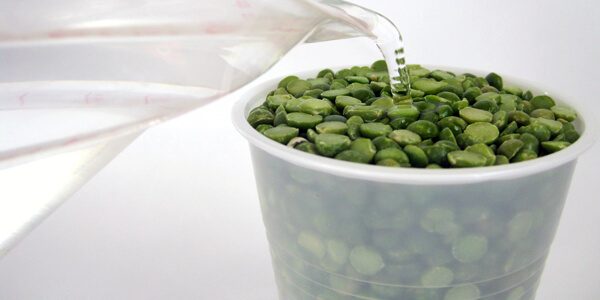
Image Source/Tutorial: Science Buddies
Materials Required:
Plastic cup, dry beans, water, jug
Procedure:
Fill a cup with beans and slowly pour water into it. Observe how water fills spaces and eventually overflows.
DIY Ruler Catapult for Kids
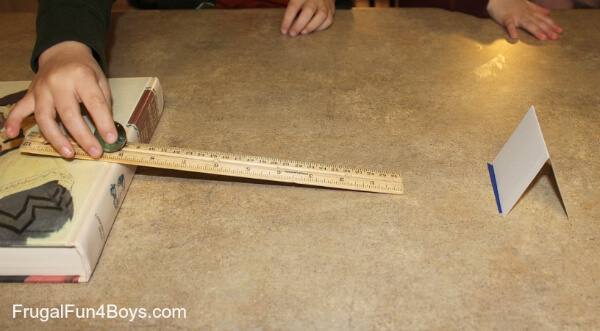
Image Source/Tutorial: Frugal Fun 4 Boys
Materials Required:
Ruler, books, small object (eraser/ball), flat surface
Procedure:
Place a ruler over stacked books and press one end down. Release it to launch a small object and observe motion.
Sink or Float Egg Experiment with Salt Water
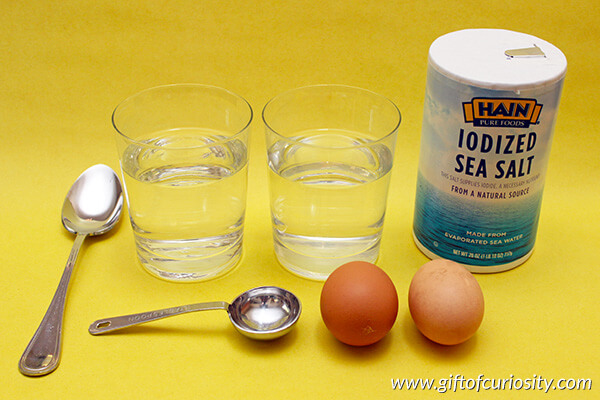
Image Source/Tutorial: Gift Of Curiosity
Materials Required:
Eggs, water, salt, glasses, spoon
Procedure:
Place one egg in plain water and another in saltwater. Notice how salt increases density and helps the egg float.
Colorful Coffee Filter Butterfly Craft
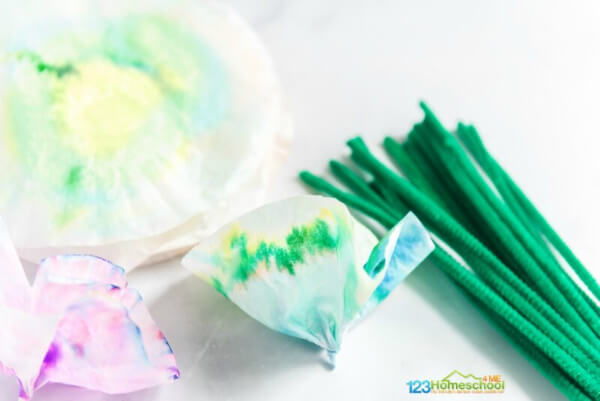
Image Source/Tutorial: 123 Homeschool 4 Me
Materials Required:
Coffee filters, markers, water spray, pipe cleaners
Procedure:
Color the filter and spray lightly with water to blend colors. Pinch the center and attach a pipe cleaner to form a butterfly.
Dancing Gummy Candy Science Experiment
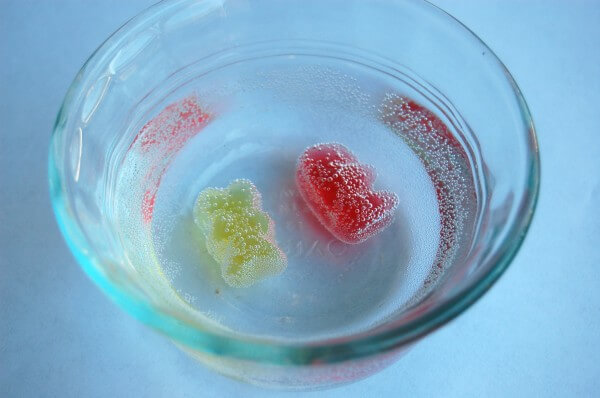
Image Source/Tutorial: Growing Gummies
Materials Required:
Gummy candies, soda, or baking soda + vinegar, glass
Procedure:
Drop gummies into a fizzy drink or mixture. Watch them rise and fall due to bubbles attaching and releasing.
Food Coloring Diffusion in Water
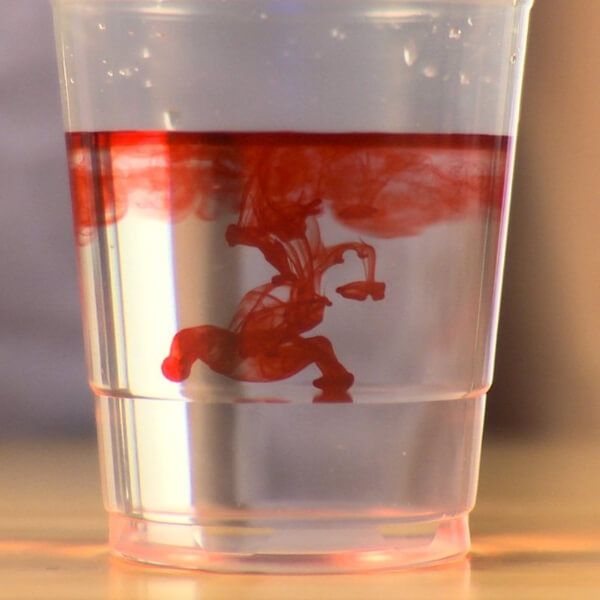
Image Source/Tutorial: The Power of Bleach
Materials Required:
Clear glass, water, food coloring
Procedure:
Add a few drops of food coloring to still water. Observe how the color slowly spreads and mixes naturally.
Step-by-Step Science Projects Tutorial for School
Learn step by step how to create school science projects with this clear tutorial guide. Perfect for students and beginners, this video walks you through easy ideas, project steps, materials, and simple explanations that make science fun and doable. Follow our school science projects tutorial for top results and great grades.
Benefits of Science Projects for First Grade Students
Easy science projects help young learners build important academic and life skills while making learning exciting.
Key Benefits Include:
- Encourages curiosity and exploration
- Develops observation and problem-solving skills
- Builds early STEM learning foundations
- Improves creativity and critical thinking
- Strengthens communication and teamwork
- Makes classroom learning more interactive
- Helps children understand real-world science concepts
Hands-on science learning also helps first graders become more confident learners because they can see science happening in real life.
Easy Materials for 1st Grade Science Projects
Most first-grade science experiments can be done using simple and affordable household items.
Common Materials Used:
- Baking soda
- Vinegar
- Balloons
- Plastic bottles
- Paper cups
- Water
- Food coloring
- Magnets
- Ice cubes
- Paper towels
- Seeds and soil
- Cardboard and craft supplies
Using everyday materials makes STEM learning easy for parents and teachers to organize at home or school.
Tips for Parents and Teachers
Young children learn best when science activities are simple, safe, and interactive. Encourage kids to ask questions and make predictions before starting experiments.
Helpful Tips:
- Use step-by-step instructions
- Allow children to explore independently
- Ask open-ended questions
- Celebrate effort and creativity
- Keep experiments short and engaging
- Use colorful visuals and demonstrations
- Always supervise activities safely
Positive encouragement helps children enjoy science and develop a lifelong love for learning.
Popular 1st Grade Science Project Ideas
Some science projects are especially popular with first graders because they are easy to understand and visually exciting.
Fun Science Activities for Kids
- Baking soda volcano
- Floating egg experiment
- Rainbow walking water
- Balloon rocket activity
- Plant growth experiment
- Water cycle in a bag
- Lemon battery project
- Paper bridge challenge
- Ice melting investigation
- Magnet science activities
Why 1st Grade Science Projects Are Important
Science projects for 1st graders help children explore the world through observation, creativity, and hands-on learning. At this age, kids are naturally curious and enjoy asking questions about how things work. Simple STEM activities encourage children to experiment, predict outcomes, and discover scientific concepts in a fun and engaging way.
FAQs
Q1. What are the best science projects for 1st graders?
Answer: Simple and hands-on projects like volcano experiments, plant growth activities, balloon rockets, and floating egg experiments are great for first graders.
Q2. Why are science projects important for kids?
Answer: Science projects help children develop curiosity, observation skills, creativity, problem-solving abilities, and early STEM knowledge.
Q3. Can 1st graders do science experiments at home?
Answer: Yes, many first-grade science projects use safe household materials and can easily be done at home with adult supervision.
Q4. What do children learn from science activities?
Answer: Children learn scientific thinking, prediction skills, observation, teamwork, and how cause-and-effect work through experiments.
Q5. How can teachers make science fun for first graders?
Answer: Teachers can make science fun by using colorful experiments, interactive activities, simple explanations, and hands-on learning experiences.
1st-grade science projects are a fun and exciting way to introduce young learners to STEM education through hands-on discovery and creativity. These simple experiments help children build curiosity, confidence, and critical thinking skills while making learning enjoyable both at home and in the classroom. With easy materials and engaging activities, science becomes an adventure that inspires kids to explore the world around them.
Helping kids learn, create, and explore through fun activities every day! Stay with us on Telegram, YouTube, &Facebook.
Reviewed By Rachit Gupta
More Articles from Kids’ Art & Craft
- Scientific Crafts for Toddlers Using Straws – Cool Science Projects
- SpaceCraft Ideas for Kids
- Decorate Your School for Spring
- DIY Foam Sheet Flowers Craft Ideas for Spring
- Fruit & Vegetable Costumes for Kids – Homemade Fancy Dresses