Cardboard Craft
Safe Electricity Experiments for Kids

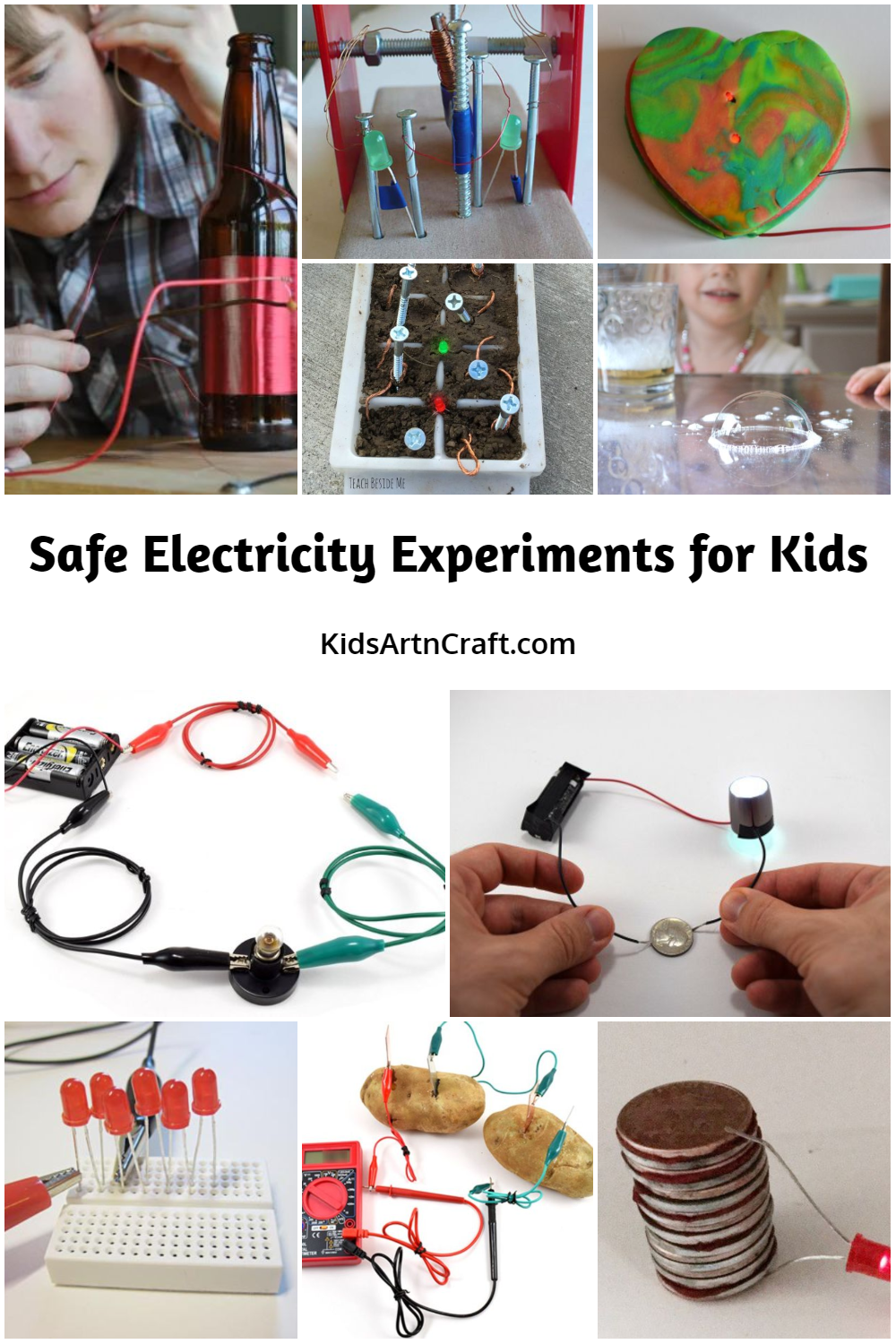
If you’re searching for cafe electricity experiments for kids, you’re in the right place! Keep your learning spirit alive with our curated list of safe electricity experiments like electronics projects, static electricity, radio bottle, science lemon, play-dough, dirt, rainbow salt circuit, balloon experiment, field detector, materials conduct, light bulb resistors, coin battery, potato battery, powered energy, and electrical motor.
Safe Electricity Experiments For Kids

Read More: 10 Simple Science Experiments for 3-5 Year Olds
This tutorial brings to you a range of physics experiments concerning the topic of electricity. We use electricity in our daily lives, and it has become a basic necessity for everybody. Therefore, it becomes important to understand the dynamics related to its working. And this tutorial will exactly teach you all the important know-how that you need to have about the topic. So, without wasting any further time, let’s start with the tutorials.
Simple Electronics Project Experiment For Kids

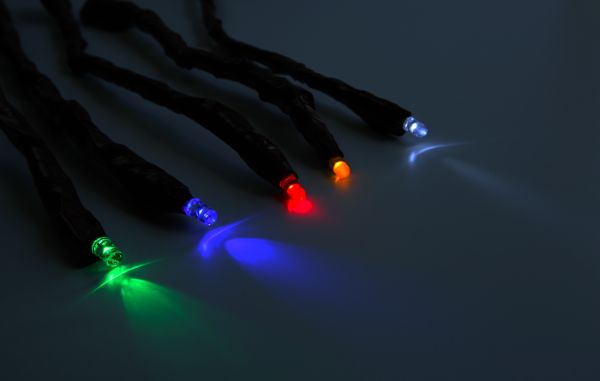
Image Source/Tutorial: Babble Dabble Do
The first experiment among the entire set will teach you to make magic wands using LED lights. It technically mixes craft with science. You just need some coin cells, wires, sticks, and electric tape to make this craft. Be careful while dealing with the materials mentioned above, and try to involve an adult in the experiment. It will teach you to produce electricity through a coin cell. The experiment can be great for kids in the age group of 8-10 years old. To learn more about the experiment, follow the activity below. You can also use these lights as home decor.
Fun static electricity activity For Kids

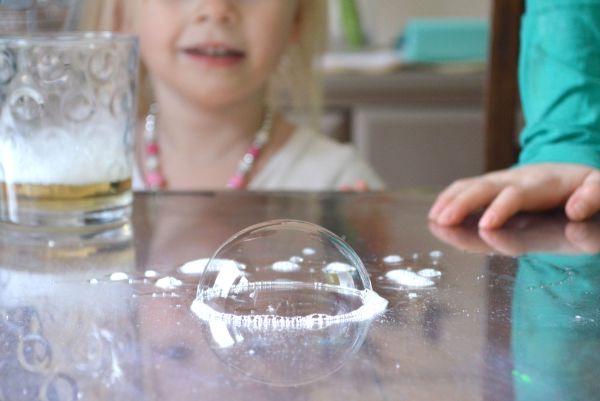
Image Source/Tutorial: Create Play Travel
This tutorial will teach you basic rules of physics through a simple experiment. You just need some soapy water to do this experiment. The experiment is very simple and easy to do, which makes it appropriate for all age groups, even 4-6-year-old kids. It is a practical example that will teach you about static electricity. Click the link below to learn more about the experiment.
Radio Bottle Electricity Project For Students

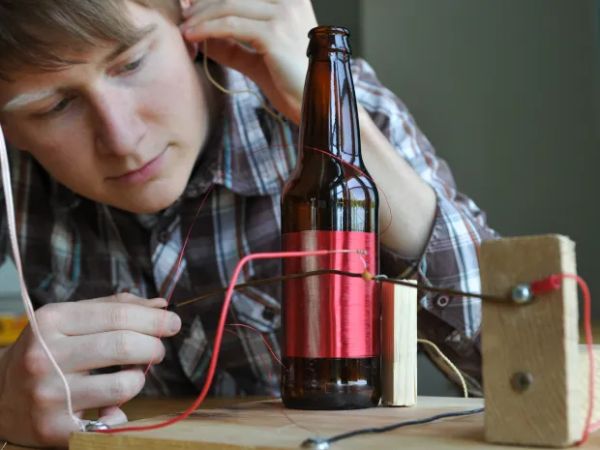
This tutorial will introduce you to crystal radio technology, which will help you catch signals from radios. You just need a glass bottle, metallic wires, an entire receiver made out of wood, and screws. This seemingly complicated experiment is explained in quite simplified terms in the tutorial below. It will teach you some great laws of science while teaching you to make a fun gadget. The tutorial must be appropriate for 9-11-year-old kids. See the tutorial below to learn more about it. Use this radio bottle to catch the signals from your nearest radio station as a fun activity with your friends.
Modern Art Steady Hand Game Activity For Kids

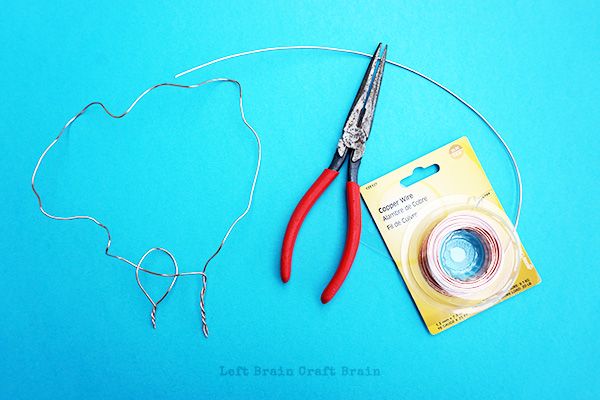
Image Source/Tutorial: Left Brain Craft Brain
This tutorial will test the steadiness and dexterity of your hands. The craft in the tutorial is inspired by modern art, thus teaching you a very professional and unique art form. You just need metallic wire and pliers to make this craft. The ease of the craft makes it apt for small kids in the 5-7 age group to do this activity. Have a look at the tutorial below to learn more. Don’t forget to hang the art on the walls of your room.
Homopolar Motor STEM Project

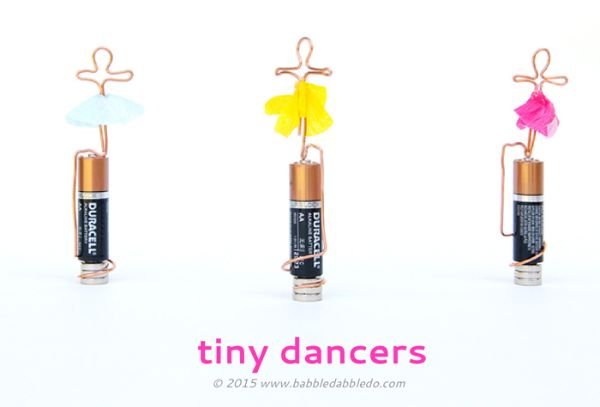
Image Source/Tutorial: Babble Dabble Do
This tutorial will teach you to make wire sculptures, and not just any sculptures, but dancing ones. You just need a battery cell and a metallic wire to make it. The electric field created by the cell will allow the wires to move, making it look like they are dancing. This fun craft can be done by kids in the age group 7-9 years old. Click the link below to learn more about the tutorial. Be careful while dealing with the cell. It would be better to experiment under adult supervision. You can place these dancing sculptures on your study table as decoration.
Simple Science Lemon Battery Activity

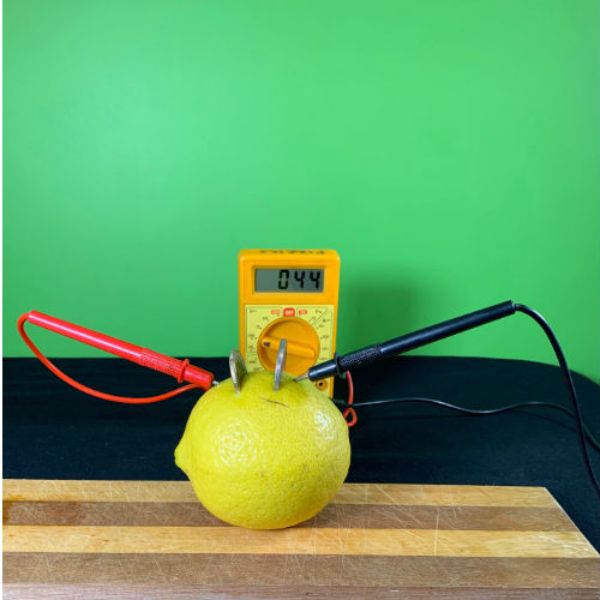
Image Source/Tutorial: Fizzics Education
This tutorial will teach you the flow of electricity and how it actually travels. You need a multimeter, a lemon, and coins of two different metals to do this experiment. The experiment is very basic and safe, therefore making it approachable for kids aged between 5 and 7 years. The multimeter connected to the lemon will measure the electricity passing through the lemon with the help of the coins. Follow the tutorial below to know more.
Easy Play-Doh Circuits Experiment
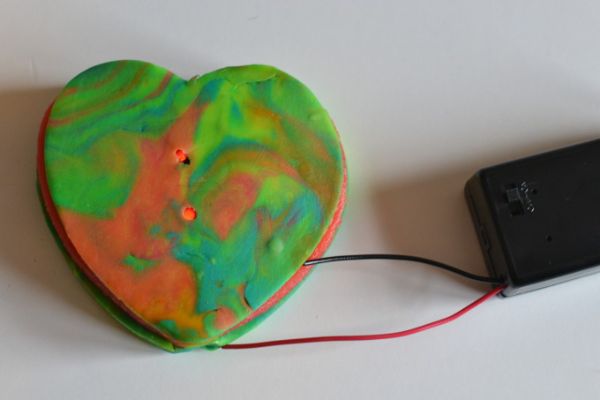
This tutorial will teach you to make a simple and easy circuit that can be made anywhere. You just need clay dough and a multimeter to make this craft. You can shape the circuit as you desire and select the color of your own choice as well. You can see that the circuit created in the picture below is a heart-shaped one containing blended shades of red and green. It can be appropriate for the age group of 8-10-year-old kids. Have a look at the tutorial below to learn more about the experiment.
Dirt Battery Experiment Project For Kids

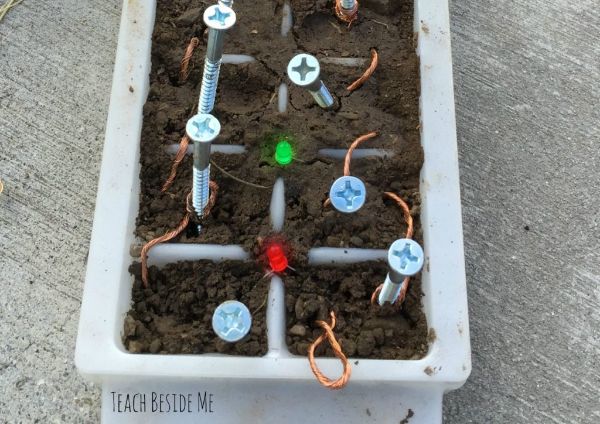
Image Source/Tutorial: Teach Beside Me
This tutorial will teach you to make a very important electrical object: a battery. This battery is simple to make and requires a few materials to complete. You just need an ice tray, screws, wires, and dirt or mud to make it. This experiment will acquaint you with the very important object that acts as the storage house for electricity. The suitability of the experiment in terms of age can be placed in the age group of 9-11-year-old kids. Learn more about the tutorial by following the link below. Please conduct the entire experiment under adult supervision. You can also use this battery to generate electricity on a small level.
Easy Rainbow Salt Circuit Experiment
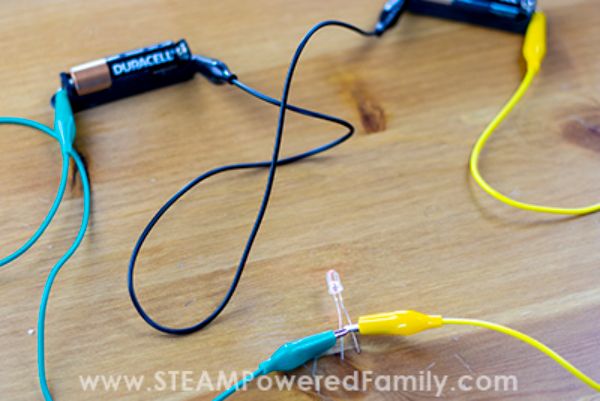
Image Source/Tutorial: Steam-Powered Family
This crafty and fun tutorial will teach you to make a circuit with lights. You just need battery cells, LEDs, salt, and food coloring to make this circuit. The lights in this circuit will be rainbow lights, making the experiment more of an art and craft thing. You will be using salt in this experiment to make the circuit work. You can place this circuit in your room as an aesthetic light.
Balloon Experiment Activity For Kids


Image Source/Tutorial: Science Buddies
This experiment will teach you some basic rules and the practicality of electrostatic force using just one object. You just need an inflated balloon to do this experiment. Place the balloon above your head and feel your hair sticking up to the balloon. You can do this experiment with your friends and classmates as a fun activity. Its simplicity and basic nature make it suitable for the age group of 4-6-year-old kids. Have a look at the tutorial below to learn more about the phenomenon.
Electric Field Detector Science Project

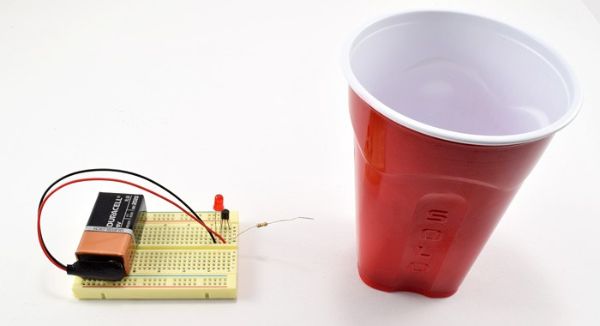
Image Source/Tutorial: Science Buddies
This project will help you understand the electric field, another important concept in electricity. You just need a breadboard, a battery, an LED, and a plastic cup to do this experiment. The experiment and the concept related to it are very pivotal for the understanding of electricity. It needs to be done under adult supervisio n; therefore, it is appropriate for the age group of 10-11-year-old kids. You can submit it as a science project in your school. Click the link below to know more about the experiment.
Materials Conduct Electricity Experiment for Adults
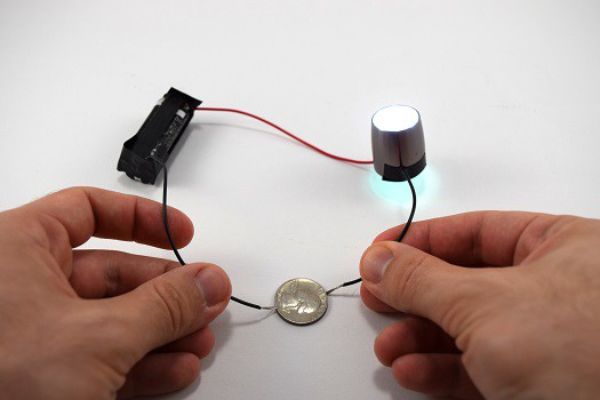
Image Source/Tutorial: Science Buddies
This tutorial will teach you about electricity-conducting materials. You just need a flashlight, a battery, and different metallic materials found at home to do this experiment. The materials will allow you to learn about their electric conductivity. It will also teach you about different types of circuits. Due to its nature, the experiment is only suitable for grown-ups and adults. Follow the tutorial below to learn more about the experiment.
Light Bulb Resistors Science Project

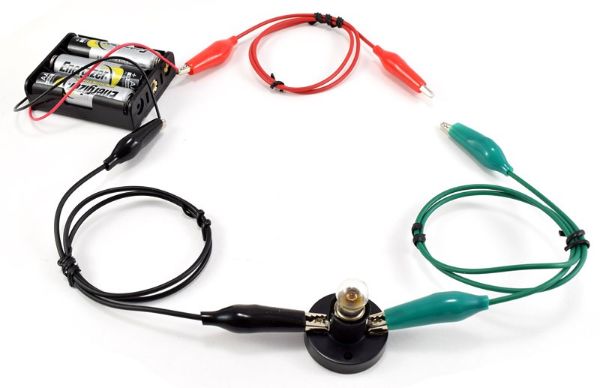
Image Source/Tutorial: Science Buddies
This tutorial will teach you to make a circuit including a bulb. You just need a small light bulb, alligator clip leads, batteries, and a pencil. Yes! You will learn to create a circuit using a pencil. The materials used inthe experiment qualifys it to be useful for the age group of 9-11-year-old kids. Adult supervision is a no-brainer for such experiments. You can do this experiment with your friends as a group project for school. Take a look at the tutorial below to make this science project.
Fun Electric Paint Art Project

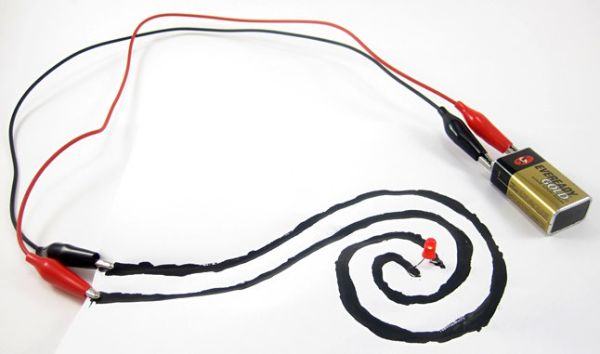
Image Source/Tutorial: Science Buddies
This experiment combines science and craft. It actually uses electricity to create a craft. You just need some batteries, leads, and some paint to do this experiment. The leads will make a painting on their own with the help of the charge generated by the battery cells. After completion, you can hang the painting on the walls of your room. You can also submit it in school as both a science and an art project. The basic nature of the experiment makes it appropriate for the age group of 5-7-year-old kids. Follow the tutorial below to learn more about the activity.
How To Make a Coin Battery

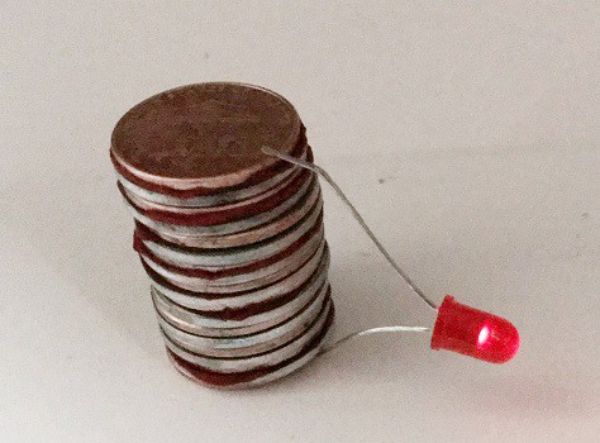
Image Source/Tutorial: Science Buddies
This simple tutorial will teach you to make a battery and an electric current using just coins. You will need some coins and an LED to make this coin battery. It will teach you about the conductivity of metals. Its simple nature makes it suitable for kids aged 6-8 years. But it is still advised to experiment under adult supervision. Have a look at the tutorial below to know more about the activity. You can use this light in your room at night while you sleep, as it won’t disturb you at all.
Electrical Potato Battery Science Project

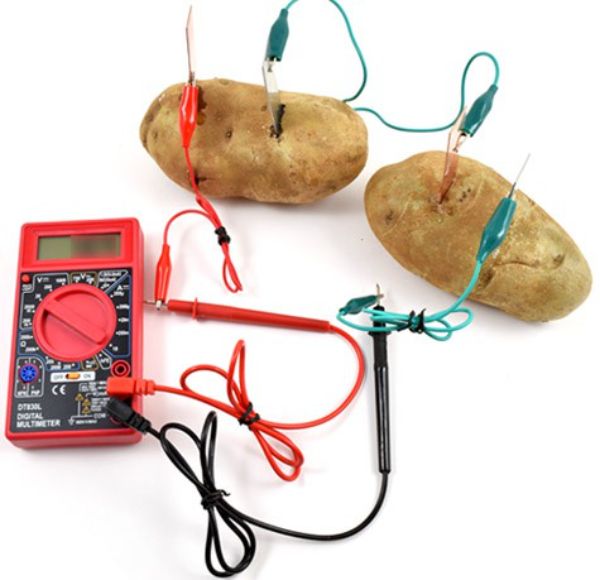
Image Source/Tutorial: Science Buddies
This tutorial will teach you how to make a battery out of a potato. You just need some alligator clip leads, a multimeter, potatoes, and zinc electrodes to make this battery. Apart from learning about batteries, you will also learn about circuits in this tutorial. Its suitability ranges from the age group of 8-10-year-old kids. It should necessarily be done under the supervision of adults. Follow the experiment below to learn more about this science project. You can submit it to school as a science project.
Human-Powered Energy Experiment

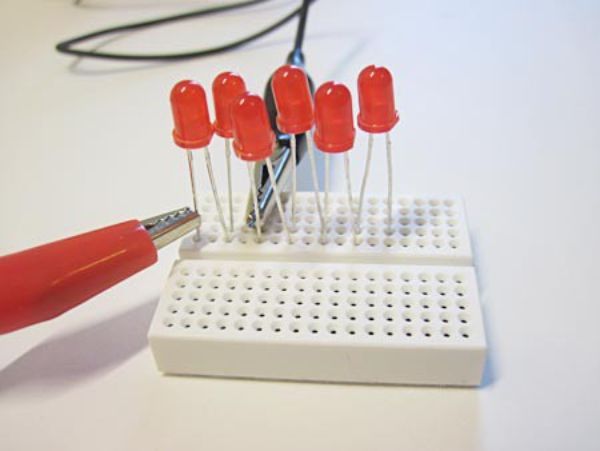
Image Source/Tutorial: Science Buddies
This experiment will teach you to make a circuit using magnets. You just need a solderless breadboard, LEDs, alligator clip leads, and magnets to make this circuit. The circuit and the energy produced will be entirely human-powered. Apart from that, you will also get to learn about magnets in this tutorial. It’s appropriate for the age group of 7-9-year-old kids. You don’t need adult supervision to do this experiment, but still be careful while doing it. Follow the tutorial below to learn more about the experiment. You can use these LEDs for your room as cool fairy lights.
Simple Electrical Motor Science Project Idea

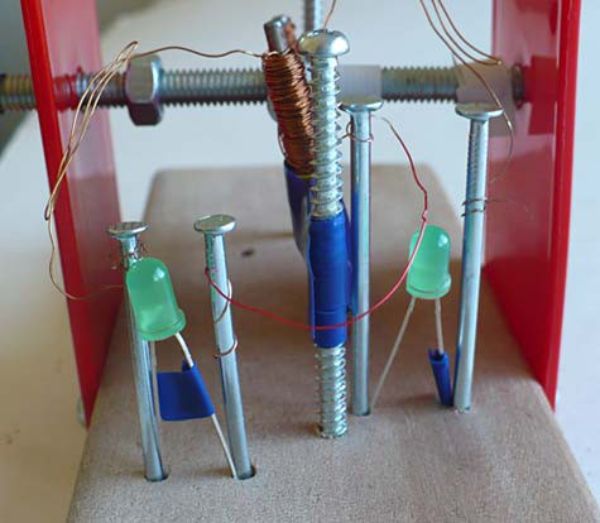
Image Source/Tutorial: Science Buddies
This tutorial will teach you to make an electrical motor using some basic materials. You need several objects to make this motor, like magnetic wires, screws, nails, cardboard boxes, small plastic sheets, LED lights, etc. The complicated nature of the experiment makes it suitable for the age group of 13-14-year-old kids. You can put this motor to multiple uses in your daily life or submit it as a science project in school. Follow the link below to know how to make this interesting motor science project.
This brings an end to all the experiments mentioned in this tutorial, and you can now say that you have a great practical understanding of electricity. It had to offer something for each age group, even adults. They varied from simple to intermediate to complex in terms of understanding. Some experiments involved a single basic material, like a balloon, and some required a number of objects, like the motor experiment. Follow all the tutorials mentioned above to learn about electricity and the laws related to it.
Keep following the tutorials to learn more about such fun educational content. See you in the next tutorial. Till then, good luck and goodbye.
Easy Science Project Step-by-Step Tutorial

Learn fun and safe electricity experiments for kids in this step-by-step tutorial. Discover simple science activities using basic materials to explore circuits, static electricity, and energy. Perfect STEM learning project for students, parents, and teachers to understand electricity concepts in an easy, safe, and engaging way at home or school.
Why Safe Electricity Experiments Are Great for Kids
Safe electricity experiments help children explore the fascinating world of science through hands-on learning. These activities introduce basic concepts such as circuits, static electricity, conductors, insulators, and energy transfer in an engaging and age-appropriate way. When performed with proper supervision, electricity experiments can spark curiosity and encourage children to develop a deeper understanding of how everyday electrical devices work.
From lemon batteries and static electricity activities to simple circuits and conductivity tests, these experiments combine science, technology, engineering, and math (STEM) learning with fun. Children gain practical experience while building critical thinking, observation, and problem-solving skills.
Educational Benefits of Electricity Experiments
- Introduces basic STEM and physics concepts.
- Develops problem-solving and critical-thinking skills.
- Encourages scientific observation and experimentation.
- Strengthens creativity and curiosity about how things work.
- Provides hands-on learning experiences.
- Builds confidence through successful experiments.
- Helps children understand real-world applications of electricity.
Important Safety Tips for Electricity Experiments
- Always perform experiments under adult supervision.
- Use only low-voltage batteries designed for educational activities.
- Never use household electrical outlets for children’s experiments.
- Keep liquids away from electrical components unless specifically required for the activity.
- Inspect wires and materials for damage before use.
- Follow experiment instructions carefully.
- Wash hands after completing science activities.
Materials Commonly Used in Electricity Experiments
- Batteries
- LED lights
- Copper wire
- Paper clips
- Aluminum foil
- Lemons or potatoes
- Balloons
- Salt water
- Play dough
- Small switches and connectors
FAQs
Q1. What age is suitable for electricity experiments?
Answer: Many simple electricity experiments are suitable for children ages 5 and older when supervised by an adult. More advanced circuit projects are often recommended for older children.
Q2. Are electricity experiments safe for kids?
Answer: Yes, experiments using low-voltage batteries and age-appropriate materials are generally safe when conducted with adult supervision and proper safety precautions.
Q3. What can children learn from electricity experiments?
Answer: Children learn about circuits, static electricity, conductivity, energy transfer, scientific investigation, and basic engineering concepts.
Q4. What is the easiest electricity experiment for beginners?
Answer: Static electricity activities using balloons and simple battery-powered circuits are among the easiest experiments for beginners to understand and complete.
Q5. Why are STEM activities important for children?
Answer: STEM activities encourage curiosity, creativity, problem-solving, and critical thinking while helping children build skills that support future learning in science and technology.
Safe electricity experiments provide an exciting way for children to explore science through hands-on discovery. These engaging STEM activities help kids understand electrical concepts, develop problem-solving skills, and build curiosity about the world around them while learning in a safe and enjoyable environment. Stay connected on Telegram, YouTube & Facebook for fresh craft tutorials, printable activities, and learning resources every day.
Reviewed by Yash Sharma
More Articles from Kids’ Art & Craft
- Crab Crafts & Activities for Kids
- Scientific Crafts for Toddlers Using Straws – Cool Science Projects
- Science Projects for Grade 5 Students
- Ice Science Experiments For Kids
- Easy Science Experiments for Kids