
Kids Activities
Easy Science Experiments for Kids


Science Experiments are magic tricks with logic; they are cool and fun at the same time! With science experiments, learning becomes easy and interesting!
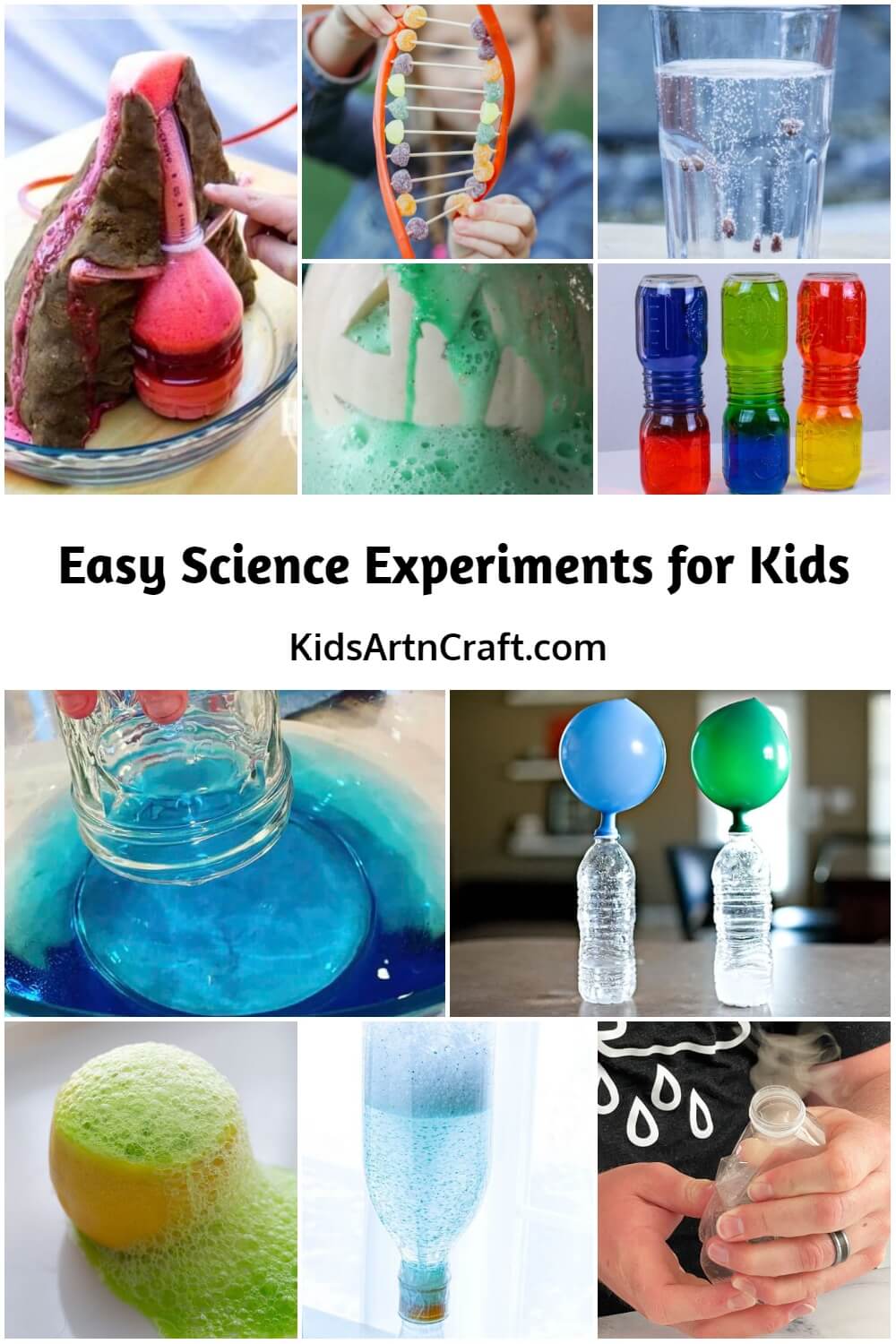
Science plays an important role in every child’s life, as it helps them develop an interest in studies and learn to become more logical. Learn science’s logic with these cool and fun experiments with these easy science experiments for kids of all ages. These ideas are perfect for preschool kids and toddlers as well, since the materials used in these experiments are easily available at home, such as the Dancing Raisin Experiments and the Lemon Volcano Science Experiment.
Easy Science Experiments for Kids
Read More: 10 Simple Science Experiments for 3-5 Year Olds
Walking Water Color Experiment
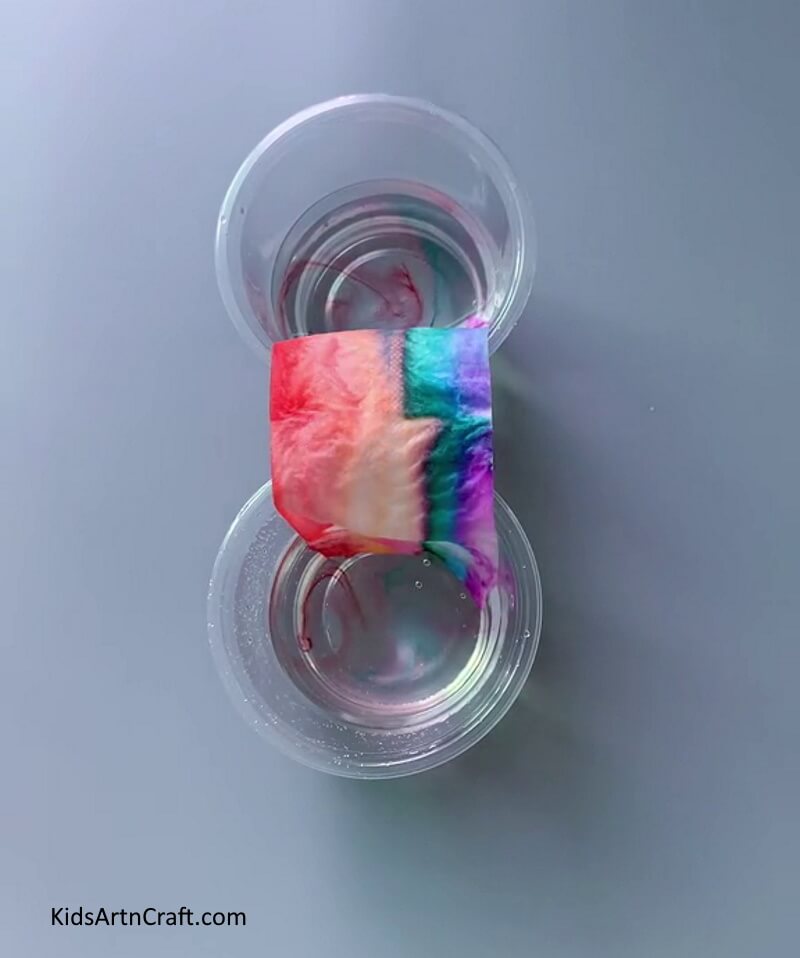
Image Source/Tutorial: KidsArt&Craft
Materials Required:
Clear cups, water, food colors, paper towel/tissue
Procedure:
Fill cups with colored water and place a tissue between them. Watch colors travel and mix through the tissue, creating a rainbow effect.
Balloon-Powered Car
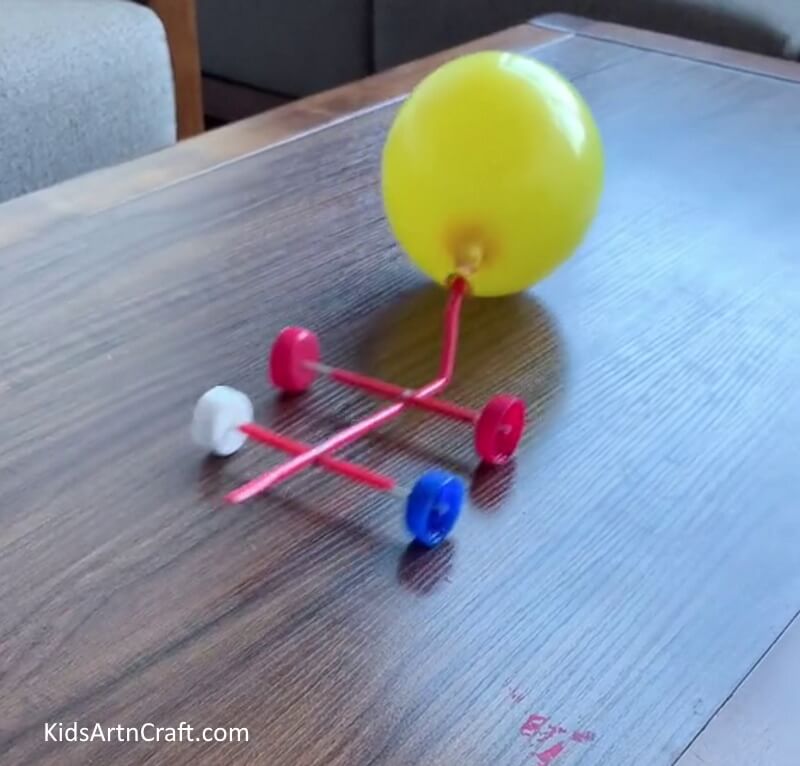
Image Source/Tutorial: Kids Art & Craft
Materials Required:
Balloon, straws, bottle caps, skewers, tape
Procedure:
Build a small car using straws and caps as wheels. Attach a balloon and release air to make the car move forward.
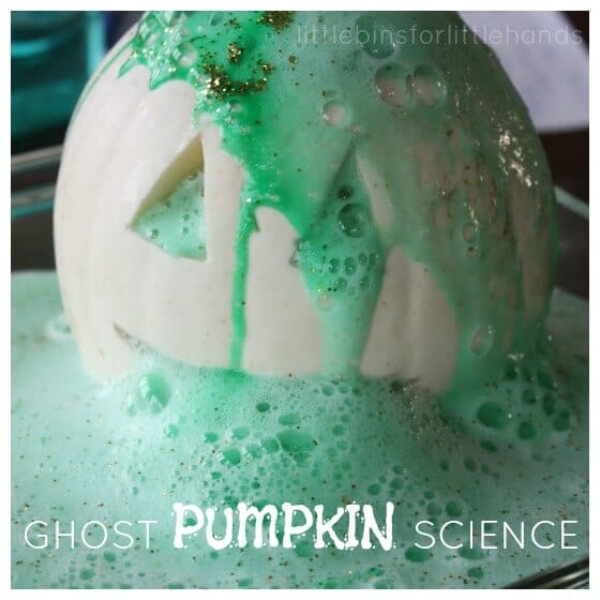
Ghost Pumpkin Science Experiment
Materials Required:
Small pumpkin, baking soda, vinegar, food color, soap
Procedure:
Add baking soda and soap inside the pumpkin. Pour vinegar to create a fizzy, foamy eruption like a volcano.
Lemon Volcano Experiment
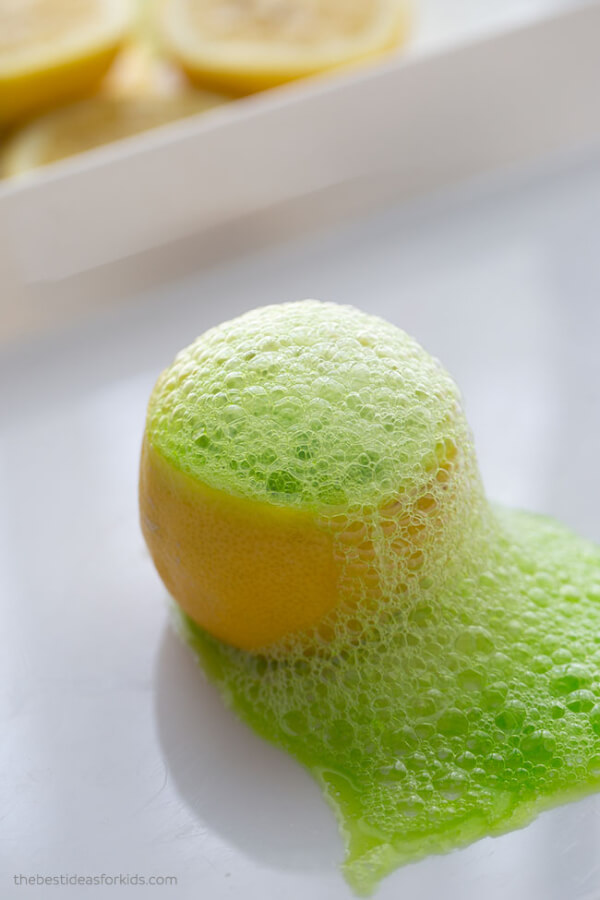
Image Source/ Tutorial: The Best Ideas For Kids
Materials Required:
Lemon, baking soda, food color, dish soap
Procedure:
Cut a lemon slightly and add baking soda and color. Squeeze lemon to trigger a bubbly chemical reaction.
Watermelon Volcano Experiment

Image Source/ Tutorial: Pre School Play And Learn
Materials Required:
Watermelon, baking soda, vinegar, dish soap
Procedure:
Scoop a hole in the watermelon and add ingredients. Pour vinegar to create a fun erupting fruit volcano.
Magic Milk Color Experiment
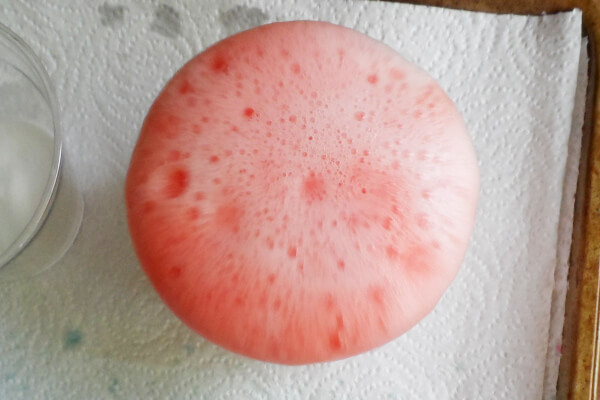
Image Source/ Tutorial: Crafts By Amanda
Materials Required:
Milk, food colors, dish soap, cotton swab
Procedure:
Add drops of color to the milk surface. Touch with a soap-dipped swab to see colors burst and move.
Rainbow Food Experiment
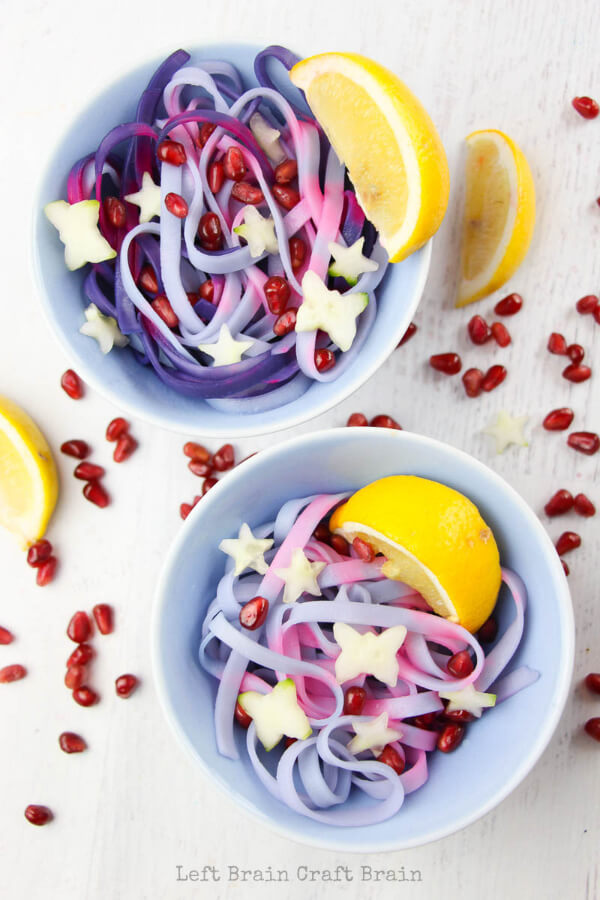
Materials Required:
Cooked noodles, food coloring, and lemon juice
Procedure:
Color noodles using food dyes and arrange in bowls. Add lemon juice for a fun sensory and visual food experiment.
Read More: 15 Fun Balloon Science Experiments for Kids
Dancing Raisins Experiment
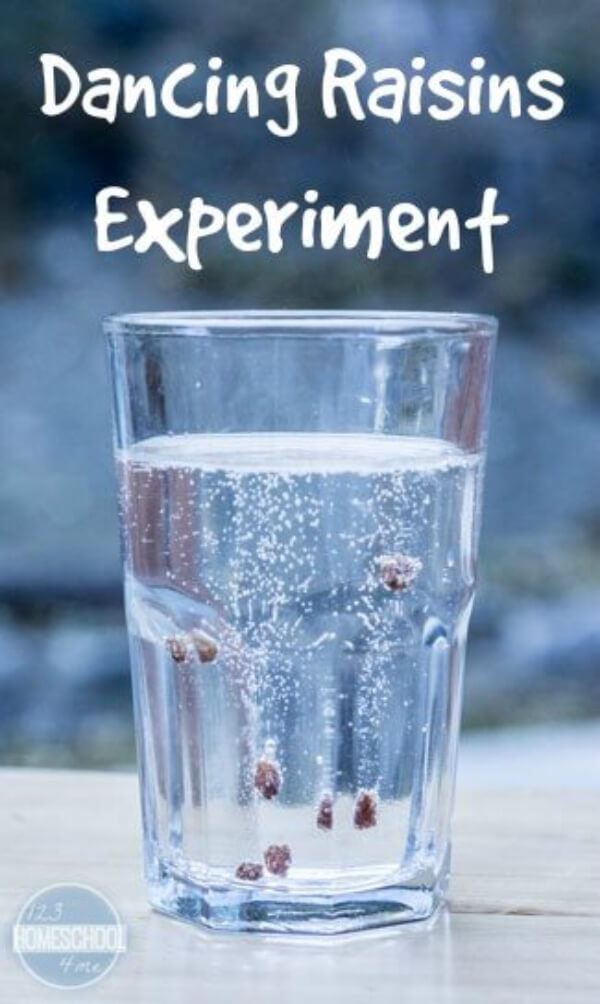
Image Source/ Tutorial: 123 Homeschool 4 Me
Materials Required:
Raisins, clear glass, soda water
Procedure:
Drop raisins into fizzy soda water. Watch them rise and fall as bubbles stick and release.
Egg in a Bottle Experiment
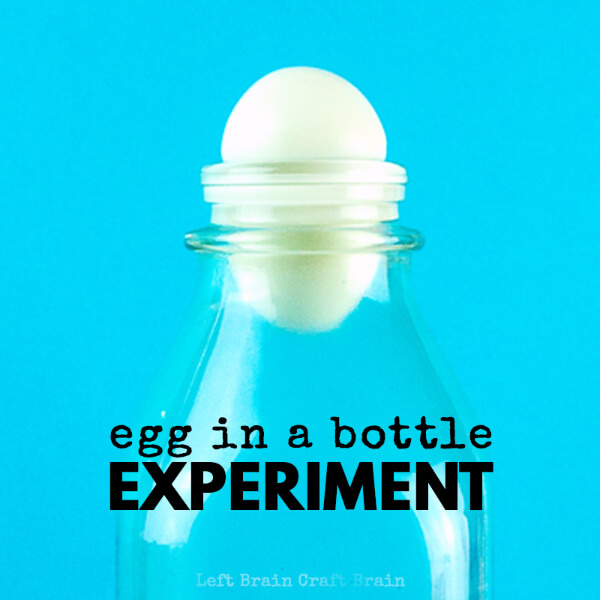
Image Source/ Tutorial: Left Brain Craft Brain
Materials Required:
Boiled egg, glass bottle, paper, match
Procedure:
Light paper and drop it inside the bottle. Place the egg on top and watch it get pulled inside.
Static Electricity Paper Trick
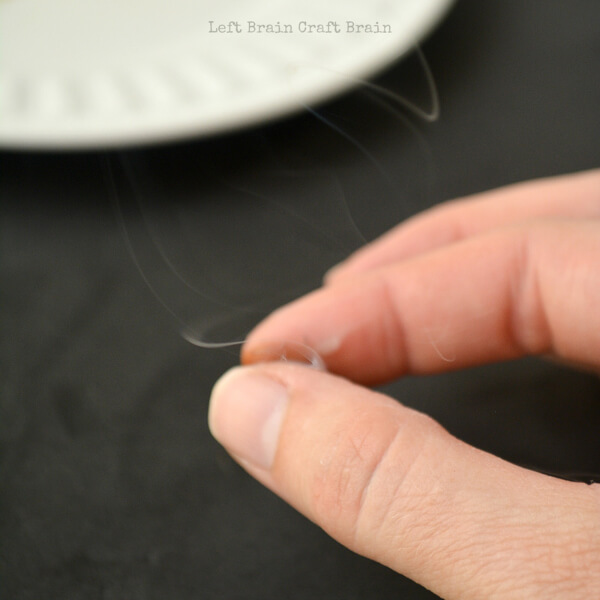
Image Source/ Tutorial: Left Brain Craft Brain
Materials Required:
Paper bits, plastic object/balloon
Procedure:
Rub a balloon or a plastic to create a static charge. Bring near paper pieces and watch them stick or move.
Balloon Inflation Bottle Experiment
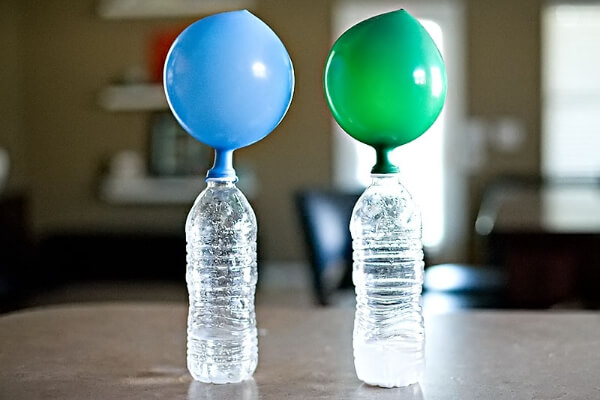
Image Source/ Tutorial: All For The Boys
Materials Required:
Plastic bottles, balloons, baking soda, vinegar, funnel
Procedure:
Add vinegar to the bottle and baking soda to the balloon. Attach the balloon and watch it inflate as gas forms.
Exploding Sidewalk Chalk Fun Science Experiment
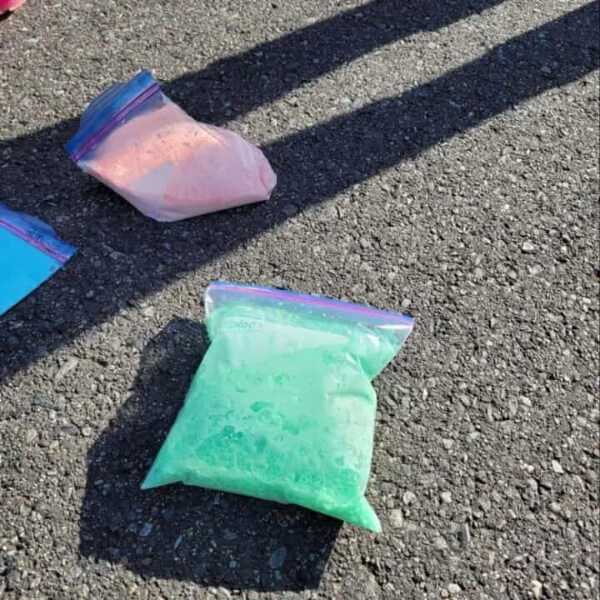
Image Source/ Tutorial: Hessun Academy
Materials Required:
Ziplock bags, baking soda, vinegar, and food coloring
Procedure:
Put baking soda in a tissue and place it inside the bag with vinegar. Seal quickly and watch the bag expand and burst.
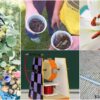
Inside Volcano Model Experiment
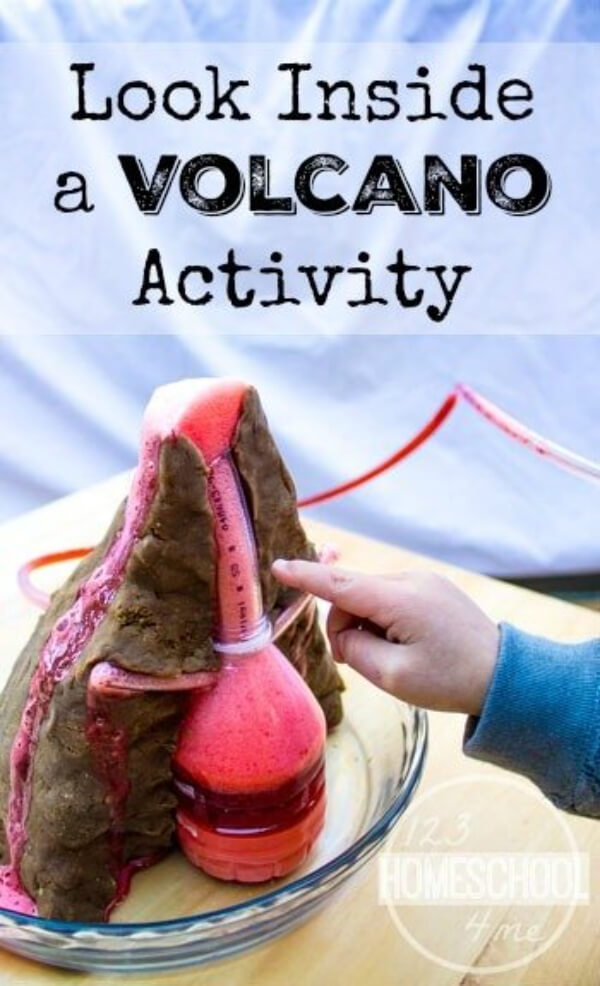
Image Source/ Tutorial: 123 Homeschool 4 Me
Materials Required:
Clay, bottle, baking soda, vinegar, food color
Procedure:
Build a volcano around the bottle and add ingredients inside. Pour vinegar to create an erupting lava effect.
Read More: Ice Science Experiments For Kids
Crystal Flower Growing Activity
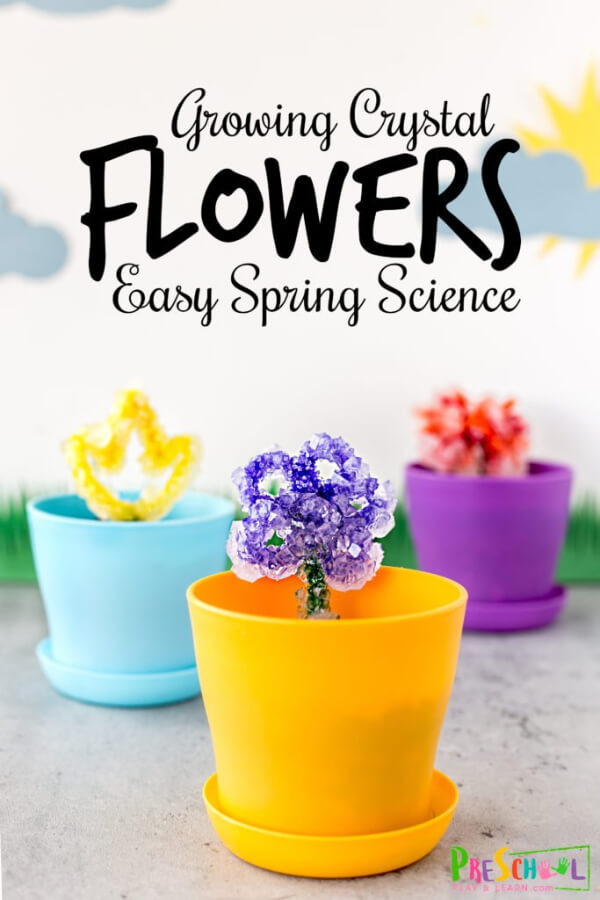
Image Source/ Tutorial: Preschool Play And Learn
Materials Required:
Borax, water, pipe cleaners, jars, and food coloring
Procedure:
Shape pipe cleaners into flowers and place them in the solution. Leave overnight to grow crystals on shapes.
Water Cycle in a Bag
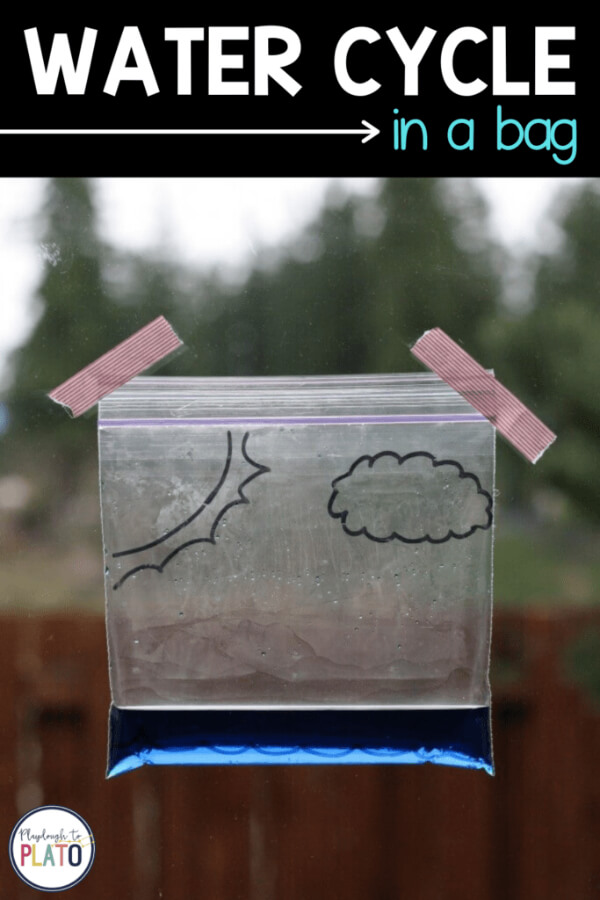
Image Source/ Tutorial: Play-Doh to Plato
Materials Required:
Ziplock bag, water, blue color, tape, marker
Procedure:
Fill the bag with colored water and seal it. Tape to the window and observe evaporation and condensation.
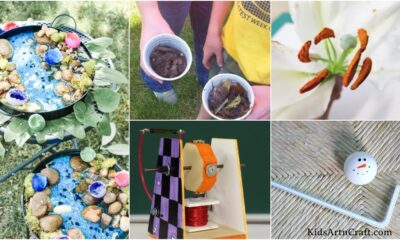
Bottle Fog Cloud Experiment
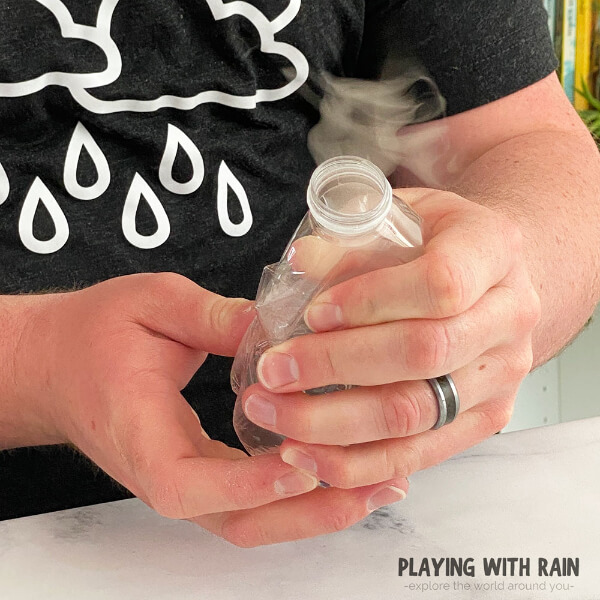
Image Source/ Tutorial: Playing With Rain
Materials Required:
Plastic bottle, warm water, match or aerosol spray
Procedure:
Add warm water and introduce smoke or spray. Squeeze the bottle to see the cloud form inside.
Tornado in a Bottle Experiment
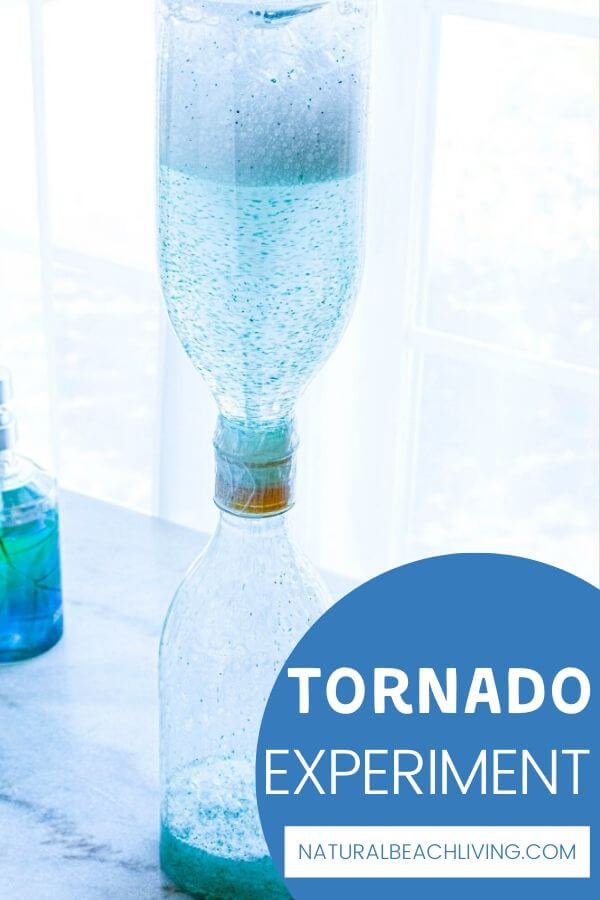
Image Source/ Tutorial: Natural Beach Living
Materials Required:
Two bottles, a connector, water, glitter, dish soap
Procedure:
Join bottles and fill one with water and glitter. Flip and swirl to form a spinning tornado.
Edible Sedimentary Rock Activity
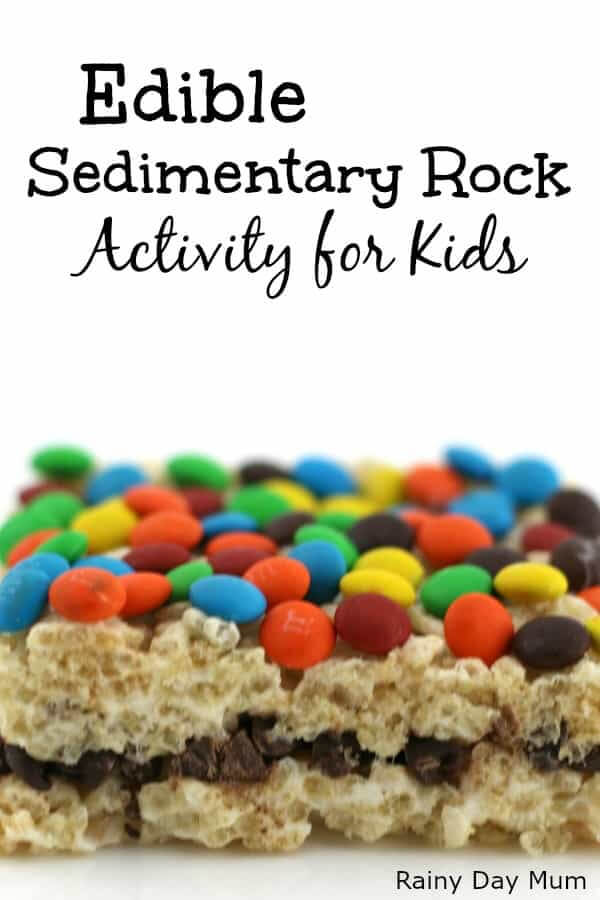
Image Source/ Tutorial: Rainy Day Mum
Materials Required:
Biscuits, chocolate, candies, syrup
Procedure:
Layer biscuits, chocolate, and candies like rock layers. Press gently and observe layers before eating.
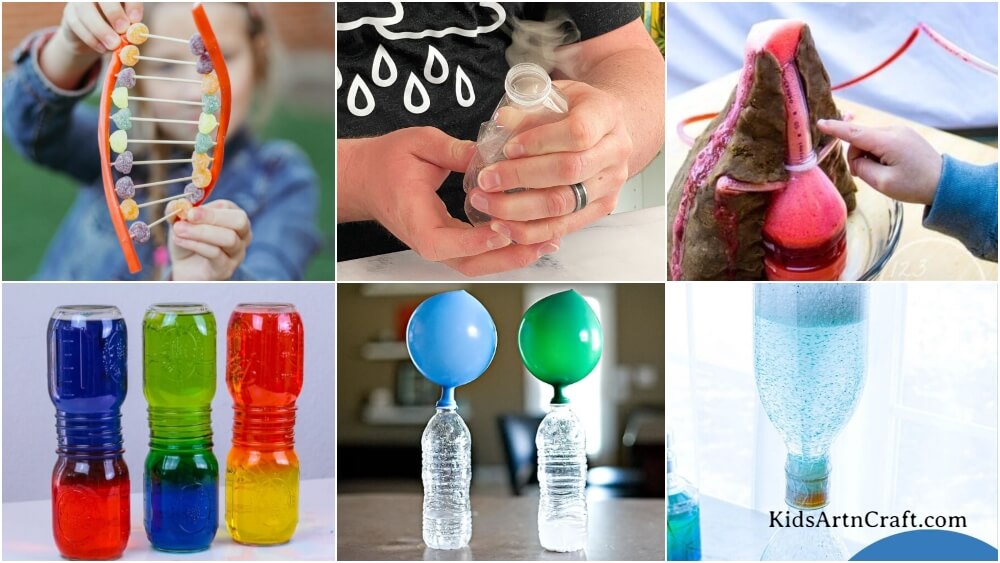
Candy DNA Model Activity
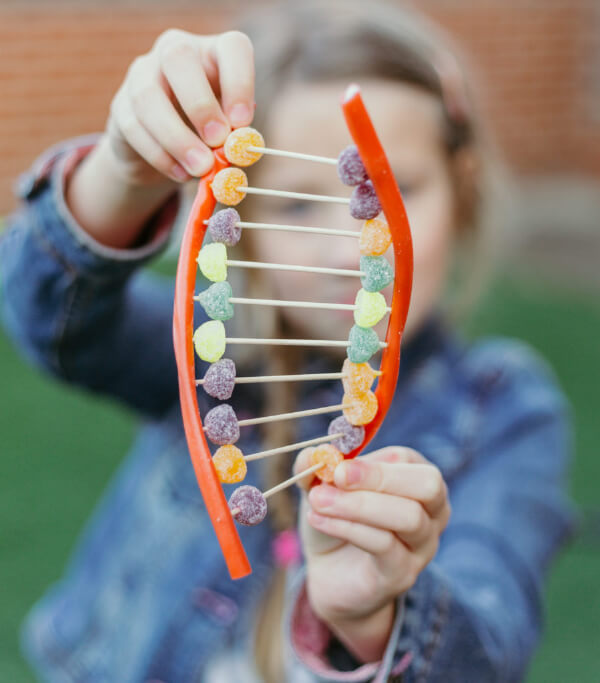
Image Source/ Tutorial: Science-Sparks
Materials Required:
Candy, toothpicks, licorice, or sticks
Procedure:
Connect candies using toothpicks to form a ladder shape. Twist slightly to resemble DNA structure.
Read More: Scientific Crafts for Toddlers Using Straws – Cool Science Projects
Sugar Glass Science Experiment
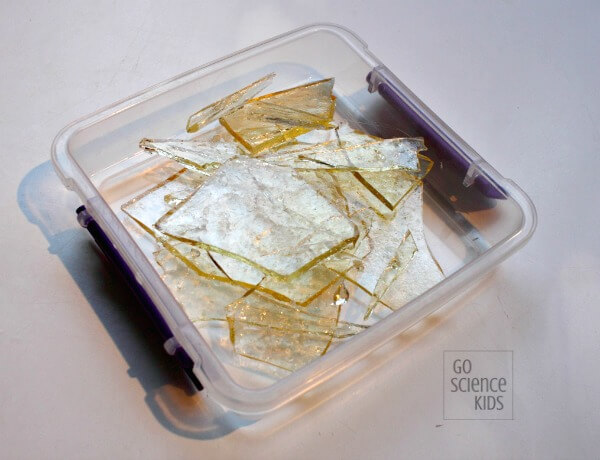
Image Source/ Tutorial: Go, Science Kids
Materials Required:
Sugar, water, pan, food color
Procedure:
Heat sugar and water until dissolved and thickened. Pour on the tray and let cool to form glass-like sheets.
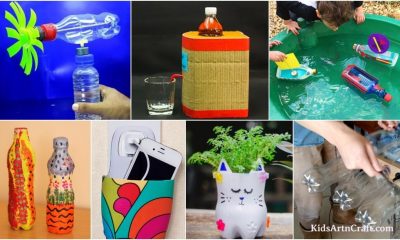
Color Mixing Density Tower Experiment
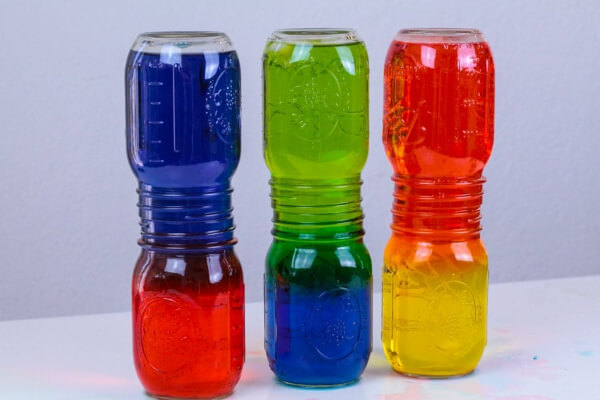
Image Source/ Tutorial: STEAMsational
Materials Required:
Plastic bottles, water, oil, food colors, sugar, or syrup
Procedure:
Fill bottles with liquids of different densities and add colors. Stack or pour carefully to create visible layered color effects.
Magic Glass Water Trick
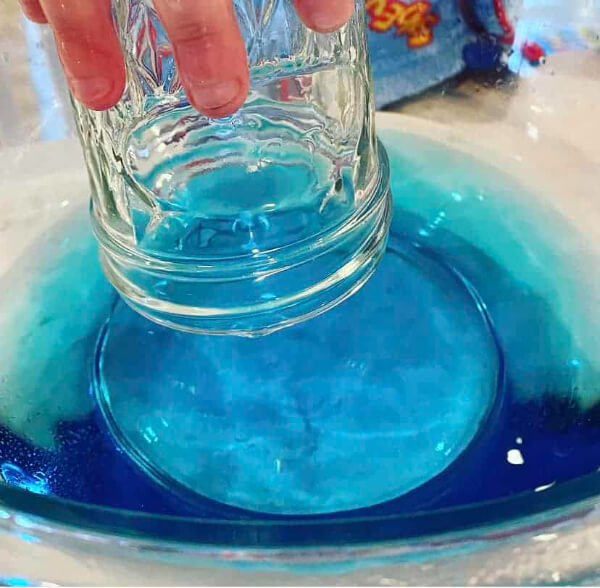
Image Source/ Tutorial: A Mother Ship Down
Materials Required:
Glass, water, food color, card/paper
Procedure:
Fill the glass with colored water and cover with a card. Flip upside down and remove the hand to see water stay inside.
Step‑by‑Step Easy Science Experiments for Kids
Watch this step‑by‑step tutorial for easy science experiments for kids that preschoolers and kindergarteners can do at home using simple everyday items. This fun kids’ science tutorial teaches safe, hands‑on activities with clear instructions to spark curiosity in science, perfect for learning and play.
Safety Tips for Doing Science Experiments at Home
Before starting any science activity, it is important to create a safe learning environment for children. Adult supervision helps ensure that experiments remain fun, educational, and safe.
Basic Science Safety Guidelines
- Always supervise young children during experiments
- Use child-safe and non-toxic materials
- Avoid experiments involving fire or harmful chemicals
- Wear old clothes or aprons during messy activities
- Wash your hands after experiments
- Keep small materials away from toddlers
- Read instructions carefully before beginning
Simple precautions help children enjoy science activities safely while building confidence in learning through experimentation.
Best Materials for Easy Science Experiments
Many fun science experiments can be done using everyday household supplies. Parents and teachers do not need expensive equipment to create meaningful STEM learning experiences.
Common materials include:
- Baking soda
- Vinegar
- Food coloring
- Water
- Balloons
- Paper towels
- Milk
- Salt and sugar
- Plastic cups
- Ice cubes
- Magnets
- Dish soap
Using familiar materials makes science approachable and encourages kids to continue experimenting independently.
How Science Experiments Support STEM Learning
Science experiments are a great introduction to STEM education, which combines Science, Technology, Engineering, and Mathematics. STEM activities encourage children to think creatively, test ideas, and solve challenges through exploration.
Easy STEM experiments can help kids:
- Understand scientific concepts visually
- Explore engineering and design thinking
- Learn measurement and math skills
- Develop logical reasoning
- Build patience and persistence
Early exposure to STEM learning can also inspire future interests in science, engineering, robotics, and innovation.
Tips for Parents and Teachers
Parents and teachers can make science activities even more meaningful by encouraging children to ask questions and discuss their observations.
Try asking:
- What do you think will happen next?
- Why did the reaction change?
- What happens if we use more water?
- Can we try a different material?
Open-ended questions help children practice scientific thinking and improve communication skills while making learning interactive.
Why Science Experiments Are Important for Kids
Simple science experiments allow children to explore real-world concepts in a fun and engaging way. Instead of only reading about science, kids can actively see reactions, test ideas, and understand cause-and-effect relationships through practical activities.
Hands-on science learning helps children:
- Build curiosity and observation skills
- Improve critical thinking and problem-solving
- Strengthen STEM learning foundations
- Develop creativity and confidence
- Practice teamwork and communication
- Learn through play and experimentation
Science activities also encourage children to ask questions and think like young scientists. Even easy experiments using household materials can make learning exciting and memorable.
FAQs
Q1. What are the easiest science experiments for kids?
Answer: Some of the easiest science experiments include baking soda volcanoes, rainbow walking water, magic milk experiments, floating egg activities, and balloon inflation experiments.
Q2. Are science experiments good for preschoolers?
Answer: Yes, simple and safe science activities are excellent for preschoolers because they encourage curiosity, sensory exploration, observation, and early STEM learning.
Q3. What do children learn from science experiments?
Answer: Children learn problem-solving, observation, creativity, critical thinking, teamwork, and cause-and-effect relationships through hands-on experiments.
Q4.Can science experiments be done using household items?
Answer: Absolutely! Many easy science experiments use common materials like vinegar, baking soda, water, food coloring, paper towels, and plastic bottles.
Q5. Why is STEM learning important for kids?
Answer: STEM learning helps children develop analytical thinking, creativity, innovation, and real-world problem-solving skills that are valuable for future education and careers.
Easy science experiments are a wonderful way to make learning fun, interactive, and memorable for kids. These hands-on STEM activities help children explore scientific concepts, build curiosity, and develop important problem-solving skills using simple everyday materials. Whether at home or in the classroom, science experiments encourage creativity, discovery, and a lifelong love for learning.
Every day is a new adventure filled with learning, creativity, and fun for kids! Connect with us on Telegram, YouTube & Facebook
Reviewed By Rachit Gupta
Read More:
- 15+ Lovely and Easy Boat Crafts for Kids
- How to Make Bubble Wrap Dinosaur – Step-by-Step Instructions
- DIY Pencil Holder Crafts to Make at Home
- DIY Photo Frame Craft Ideas for Kids