Games
Fun Sight Word Games For Kindergarteners

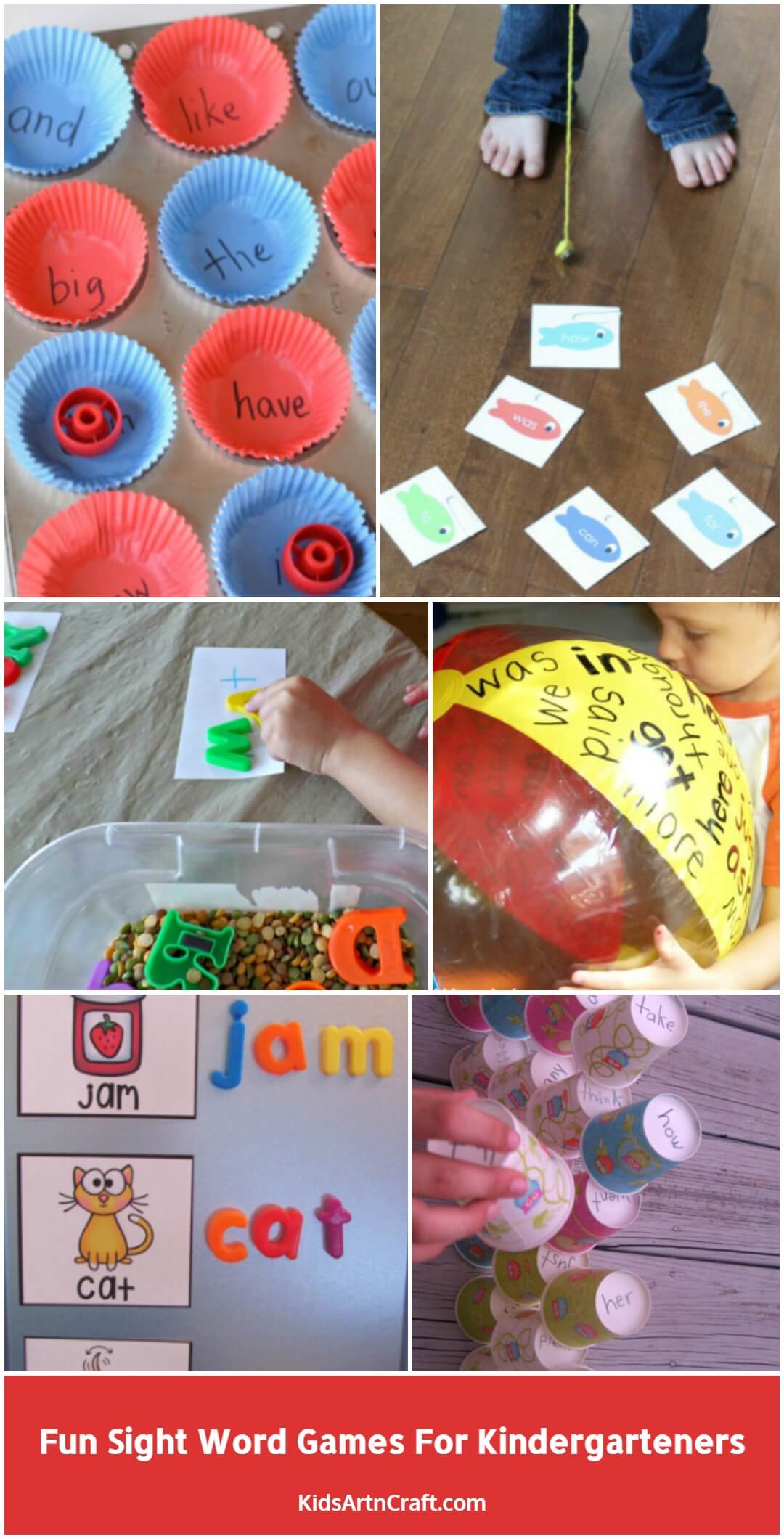
Kindergarten fun activities are really necessary for the development of kids. Fun sight Word games are one of the best activities that help children to attain the reading habit at a very young age. If your child loves playing, crafting, and being active most of the time, then this sight word game will help you to utilize their energy productively. It is a perfect game for kids to practice sight words and build a good reading habit for life.
Fun sight word games also improve kids’ reading speed and fluency by increasing familiarity and memorization. Sight words are commonly used words. This activity not only helps your kids to retain the sight words but also helps to develop so many skills like creativity, innovation, communication, critical thinking, and many more. These sight games are easy to play and are the best way to engage your child in learning in the form of games. It aims to develop phonics skills in small kids at a very young age, as it is the foundation for early reading. These fun activities promote kinesthetic and visual learning in small kids.
Here are some of the very cool and amazing fun sight word activities that are best for kindergarten students to kick start their reading journey in a joyful manner.
Fun Sight Word Games For Kindergarteners

Read More: Changing Seasons Art Crafts Activities for Montessori Toddler
LEGO Sight Words Learning Activity for Kids

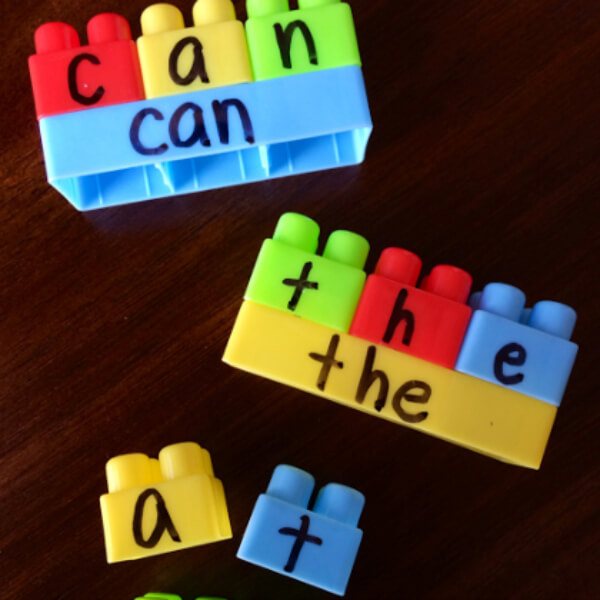
Image Source/Tutorial: The Printable Princess
Use letter blocks, a marker, and paper. Write sight words on blocks, arrange to form words, and practice reading. Fun phonics activity improving vocabulary, spelling, and early literacy skills.
Interactive Hanging Sight Words Game for Kids
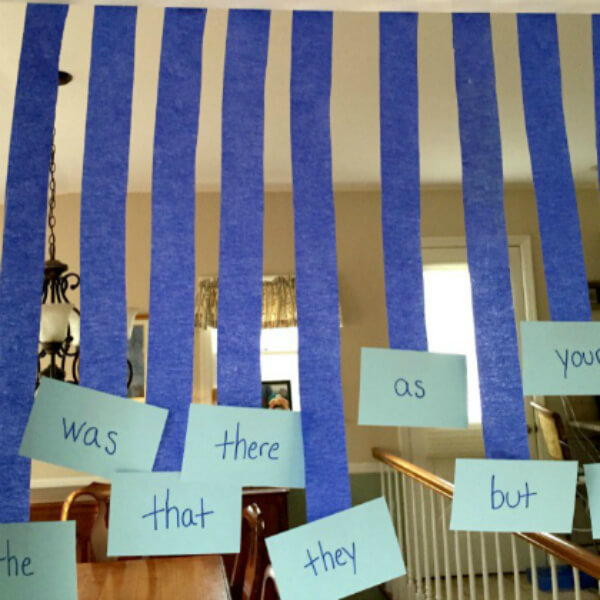
Image Source/Tutorial: The Pleasantest Thing
Use paper strips, tape, and word cards. Hang streamers and attach sight words. Kids read or grab words while moving, boosting reading fluency, recognition, and active learning engagement.
Muffin Tin Sight Word Sorting Game
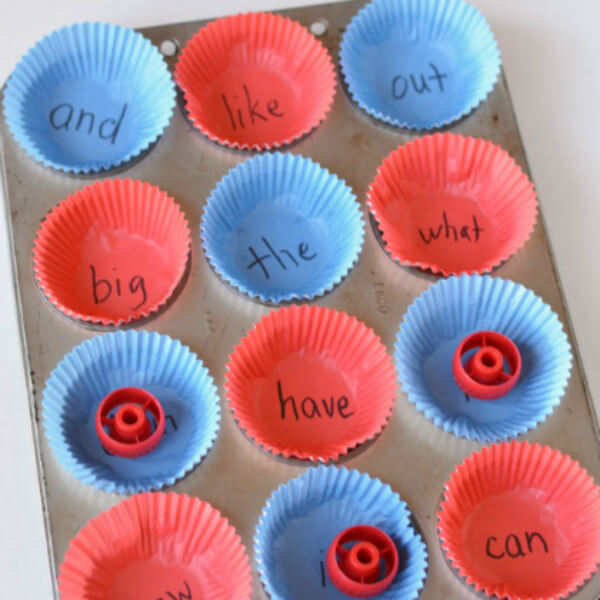
Use a muffin tray, liners, and a marker. Write words in lines, sort or pick randomly. Great hands-on literacy game improving word recognition, sorting skills, and early reading confidence.
Pick-a-Straw Sight Word Reading Game
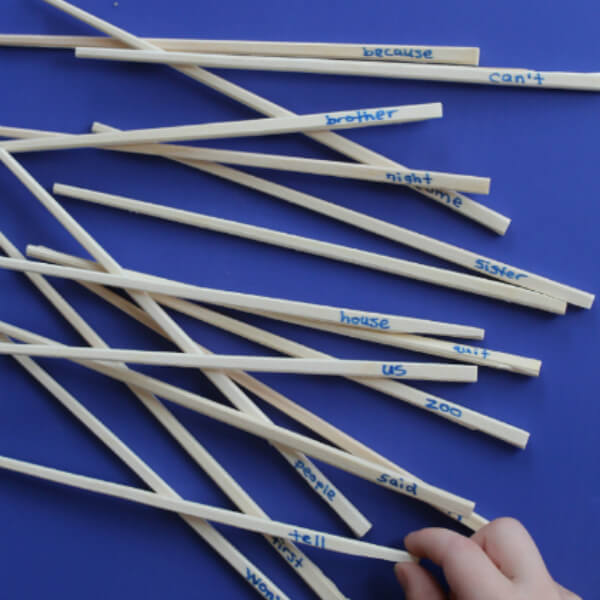
Image Source/Tutorial: J Daniel 4’s Mom
Use straws, marker, and container. Write words on straws, pick and read aloud. Engaging classroom game improving reading fluency, vocabulary building, and word recognition skills.
Sensory Bin Sight Word Activity for Kids
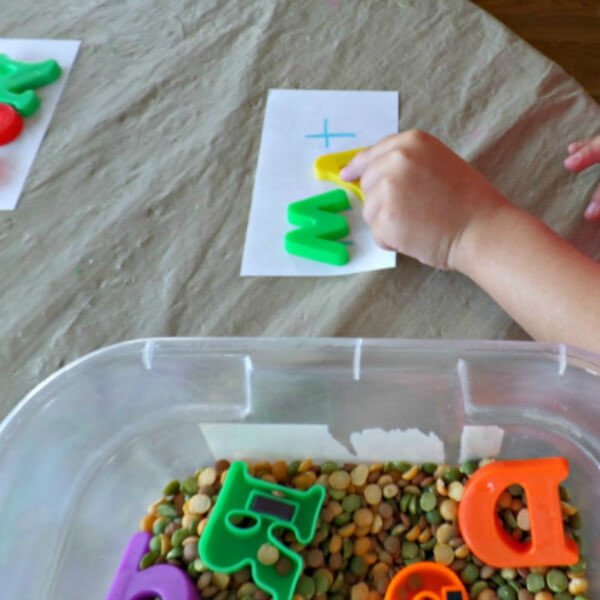
Image Source/Tutorial: Mess For Less
Use sensory bin, letters, and cards. Hide letters in grains, pick and match to form words. Encourages tactile learning, spelling practice, and improves early literacy skills.
Read More: Bee Crafts for School Projects
Shark-Themed Sight Word Phonics Game
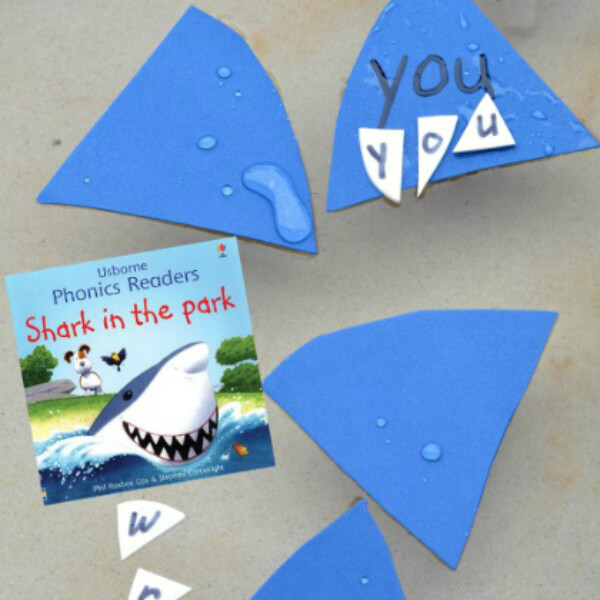
Image Source/Tutorial: Growing Book By Book
Use paper, scissors, and markers. Create shark shapes and word pieces, match to form words. Fun phonics activity enhancing word recognition, blending, and reading skills.
Roll and Build Sight Word Alien Game
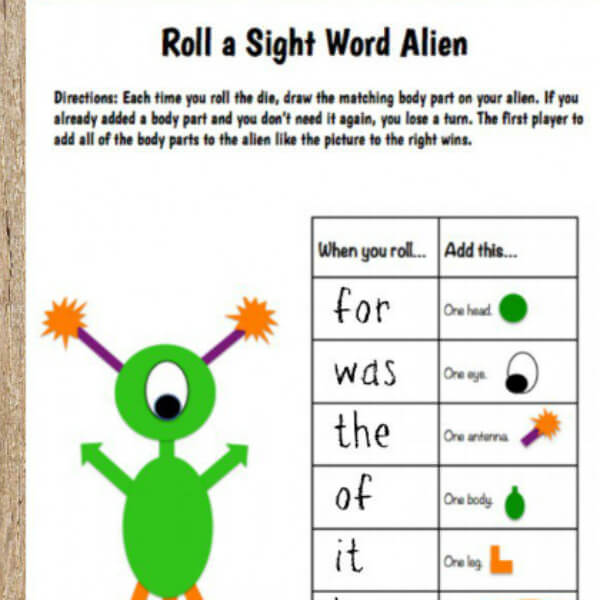
Use printable sheet, dice, and crayons. Roll dice, read word, and draw alien parts. Interactive literacy game boosting word recognition, reading practice, and classroom engagement.
Sight Word Beach Ball Toss Game
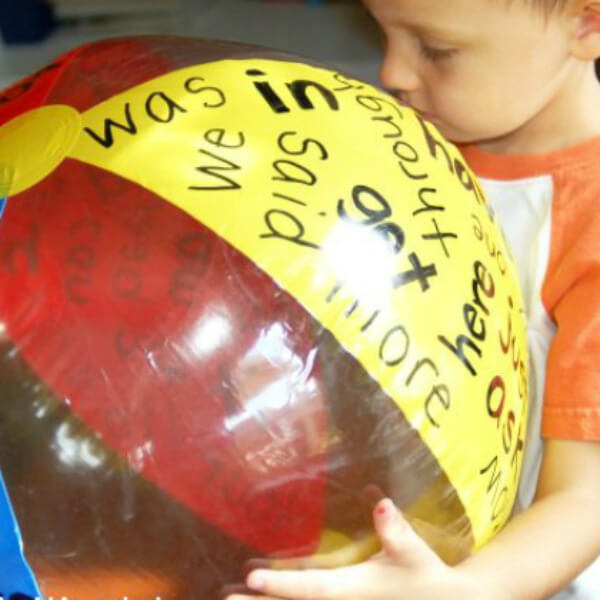
Image Source/Tutorial: Kids Activities Blog
Use beach ball and marker. Write words on ball, toss and read word under thumb. Fun group activity improving reading fluency, word recall, and interactive learning.
Sight Word Blackout Bingo Printable Game
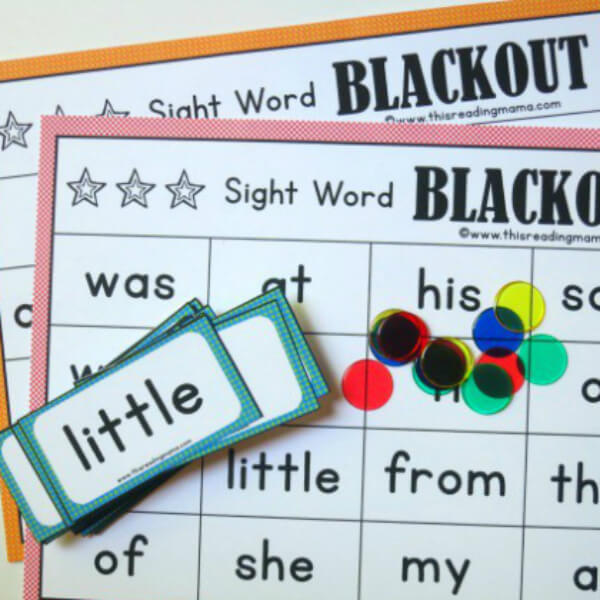
Image Source/Tutorial: This Reading Mama
Use printable cards, markers, and tokens. Call out words, cover matching ones. Bingo-style game enhancing word recognition, listening skills, and classroom participation.
Sight Word Building Blocks Worksheet Activity
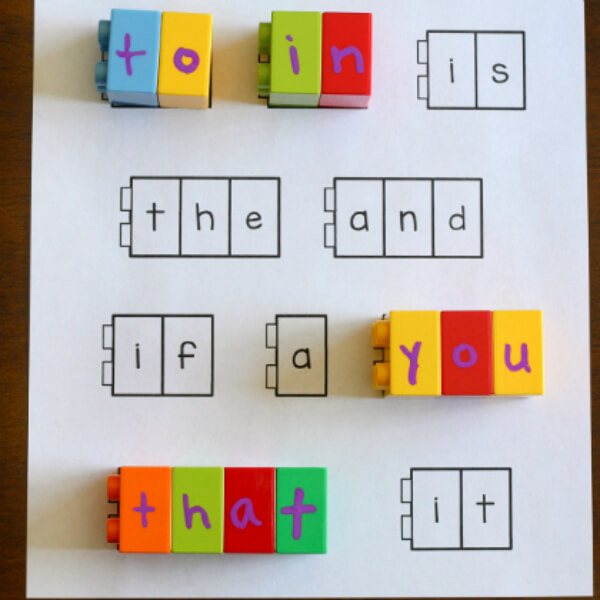
Image Source/Tutorial: Mom Inspired Life
Use printable worksheet, blocks, and markers. Build and match words using blocks. Hands-on literacy activity improving spelling, phonics understanding, and early reading development.
Read More: Alphabet Drawings for Kids – Step by Step Image Tutorials
Sight Word Flashcard Path Reading Activity
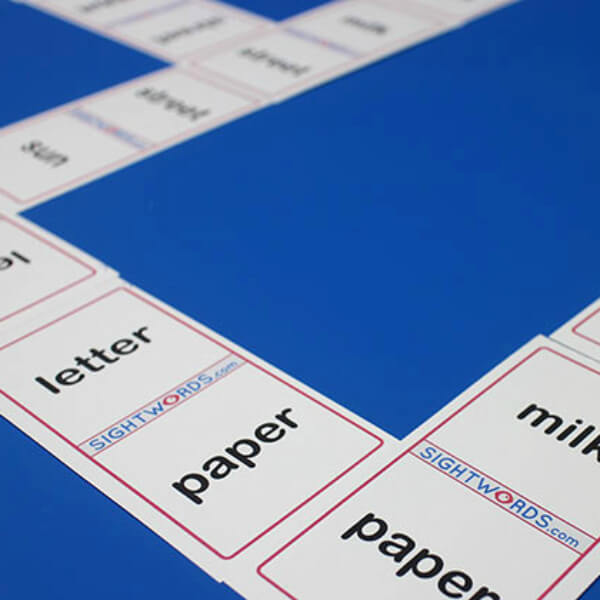
Image Source/Tutorial: Sight Words
Use flashcards, paper, and marker. Arrange words in a path, children read while moving along. Engaging literacy activity improving sight word recognition, reading fluency, and early learning skills.
Fun Fishing Sight Word Game for Kids
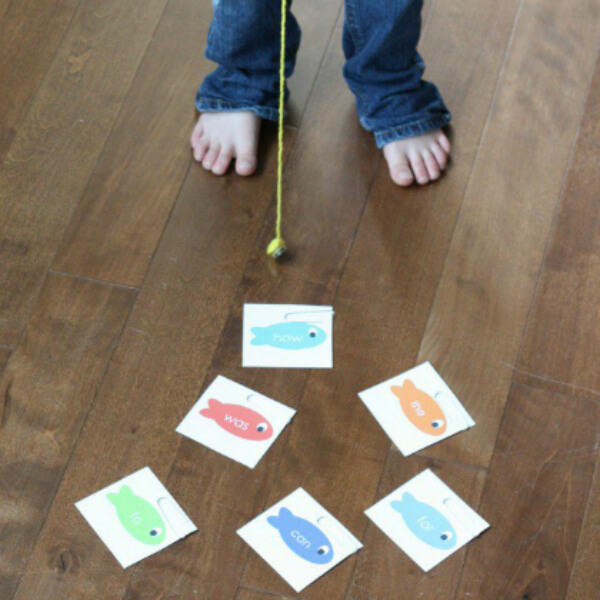
Image Source/Tutorial: Play-Doh to Plato
Use string, magnet, and word cards. Create fishing rod, pick cards and read words. Interactive phonics game enhancing vocabulary, reading confidence, and motor skills.
Sensory Sight Word Activity with Shaving Cream
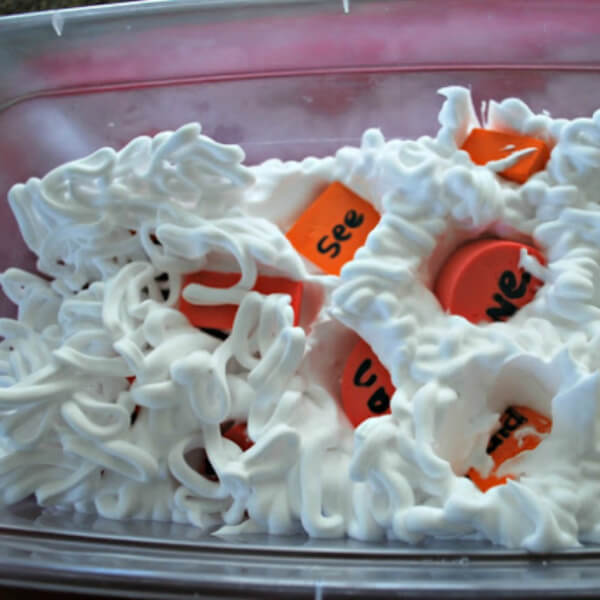
Image Source/Tutorial: Mess For Less
Use shaving cream, tray, and word cards. Hide words and let kids find and read them. Messy sensory play boosting word recognition, tactile learning, and fun literacy practice.
Magnetic Letter Sight Word Building Activity
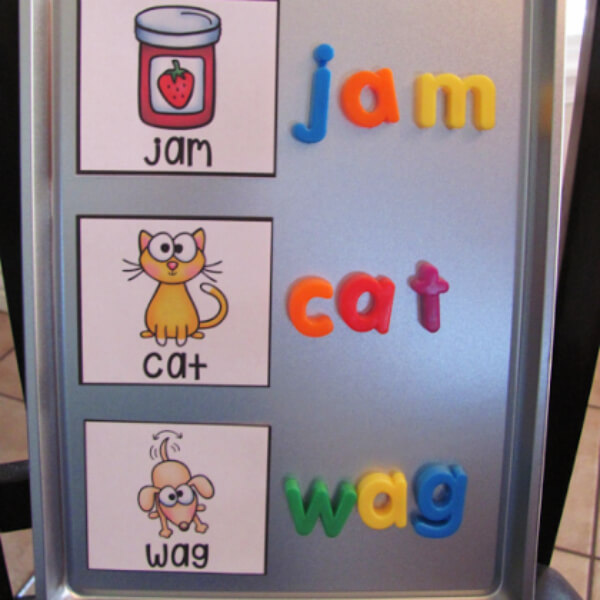
Image Source/Tutorial: Miss Giraffe’s Mom
Use magnetic letters, board, and picture cards. Build words matching images. Hands-on phonics activity improving spelling, letter recognition, and early reading skills.
Colorful Popsicle Stick Sight Word Practice
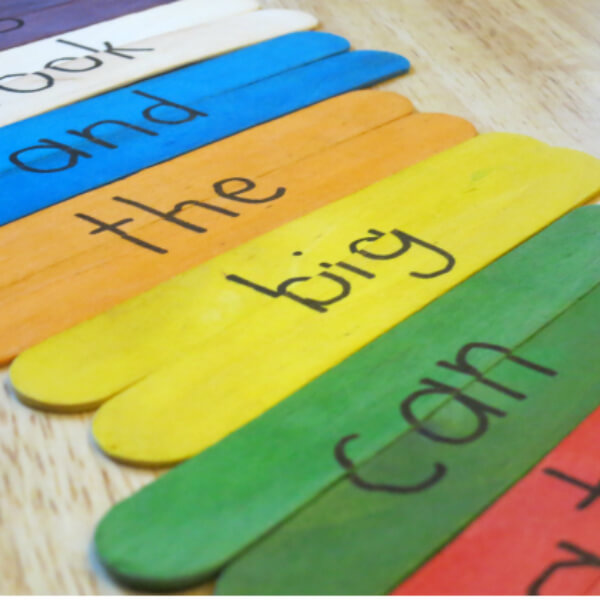
Image Source/Tutorial: This Reading Mama
Use popsicle sticks, paint, and marker. Write words on sticks, mix and read. Simple DIY literacy activity improving word recognition, reading fluency, and classroom engagement.
Read More: 30+ Step-by-Step Paper Crafts Ideas for Kids
Sight Word Jar Reading Practice Game
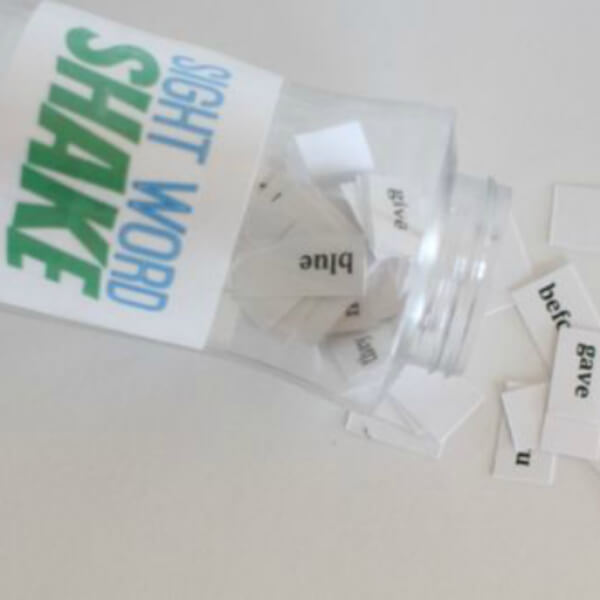
Image Source/Tutorial: I Can Teach My Child
Use jar, paper slips, and marker. Write words, pick randomly and read aloud. Easy home activity boosting vocabulary, reading confidence, and word recognition skills.
Stack and Read Sight Word Stick Game
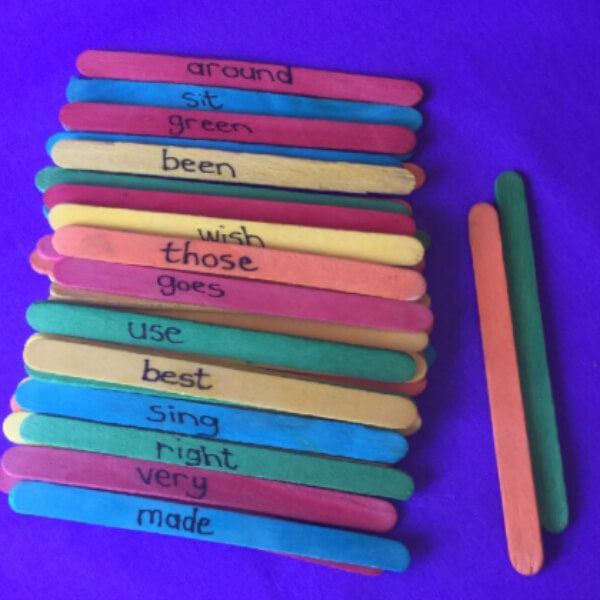
Image Source/Tutorial: Teach Me, Mommy
Use colored sticks and marker. Write words, stack and read before placing. Fun balancing game improving reading fluency, focus, and sight word practice.
Printable Sight Word Board Game Activity
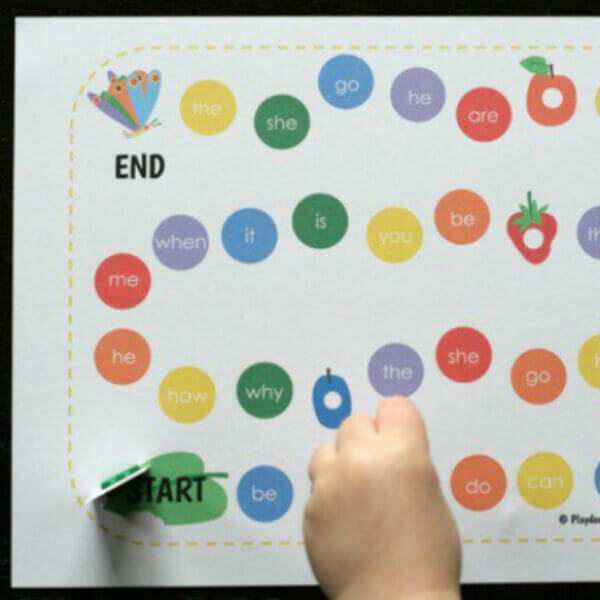
Image Source/Tutorial: Play-Doh to Plato
Use printable board, dice, and tokens. Move across spaces reading words. Interactive literacy game improving vocabulary, reading skills, and classroom participation.
Stack the Cup Sight Word Learning Game
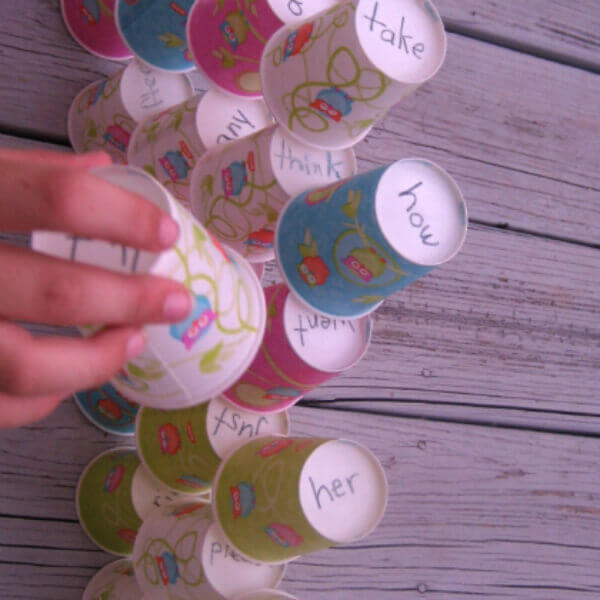
Image Source/Tutorial: J Daniel 4’s Mom
Use paper cups and marker. Write words, stack or knock while reading them. Fun hands-on activity boosting word recognition, coordination, and early literacy skills.
Step-by-Step Fun Sight Word Games for Kindergarteners

Watch this step-by-step sight word games tutorial for kindergarteners! Discover fun, engaging sight word activities and teaching tips to help kids learn high‑frequency sight words with games, flashcards, and fun classroom ideas. Perfect video tutorial to boost early reading skills and make learning sight words simple and exciting for kids.
Why Sight Word Games Are Important for Kindergarteners
Sight words are some of the most frequently used words in children’s books and early reading materials. Because many of these words cannot always be sounded out using simple phonics rules, children benefit from recognizing them instantly. When kindergarteners learn sight words through games, they build reading confidence, improve fluency, and develop stronger comprehension skills. Research shows that automatic recognition of common words allows young readers to focus more on understanding the text rather than decoding every word.
Interactive sight word games also support:
- Early reading fluency
- Vocabulary development
- Word recognition skills
- Memory retention
- Listening and speaking abilities
- Confidence in independent reading
- Fine motor and problem-solving skills
Tips for Teaching Sight Words Effectively
Teaching sight words becomes more successful when children are actively involved in the learning process. Here are some helpful strategies for parents and teachers:
1. Introduce a Few Words at a Time
Start with 3–5 new sight words each week. Too many words at once can overwhelm young learners.
2. Use Multi-Sensory Activities
Allow children to see, hear, say, trace, build, and write words. Hands-on learning activities improve retention and engagement.
3. Practice Daily
Short daily practice sessions of 5–10 minutes are often more effective than longer weekly sessions.
4. Connect Words to Books
Point out sight words while reading storybooks together. This helps children understand how the words are used in context.
5. Celebrate Small Successes
Praise children whenever they recognize or read a new sight word correctly. Positive reinforcement encourages continued learning.
How to Make Sight Word Practice More Fun
Keeping learning playful is the key to maintaining a kindergartener’s interest. Try these ideas:
- Create a sight word treasure hunt around the room.
- Use playdough to form sight words.
- Write words on sticky notes and play matching games.
- Toss a bean bag onto sight words and read them aloud.
- Build words using letter tiles or magnetic letters.
- Use sensory bins for word-finding activities.
- Turn sight word review into a movement game with jumping, hopping, or racing.
Skills Developed Through Sight Word Games
Beyond reading, sight word activities help children develop several important early-learning skills:
- Reading fluency
- Visual discrimination
- Memory and concentration
- Language development
- Hand-eye coordination
- Listening skills
- Fine motor control
- Confidence and independence
FAQs
Q1. What are sight words for kindergarteners?
Answer: Sight words are common words that children learn to recognize instantly without sounding them out. Examples include words like the, and, is, can, and see. Learning these words helps young readers improve reading speed and confidence.
Q2. Why are sight word games important for kindergarten students?
Answer: Sight word games make learning fun and interactive. They help children develop word recognition, reading fluency, memory skills, and confidence while keeping them engaged through play-based learning.
Q3. How often should kindergarteners practice sight words?
Answer: Kindergarteners benefit from practicing sight words for about 5–10 minutes each day. Short, consistent practice sessions are more effective than occasional long study periods.
Q4. What are some easy sight word games for kindergarteners?
Answer: Popular sight word games include Sight Word Bingo, Word Hunt, Memory Match, Hop and Read, Flashcard Races, Sight Word Fishing, and Magnetic Letter Word Building.
Q5. How many sight words should a kindergartener learn?
Answer: Most kindergarteners begin learning around 25–50 basic sight words during the school year, depending on their reading level and curriculum.
Q6. Can sight word games be used at home?
Answer: Yes! Parents can easily use sight word games at home with flashcards, sticky notes, letter magnets, printable worksheets, or simple household objects to create fun learning activities.
Q7. Do sight word games help with reading fluency?
Answer: Absolutely. When children recognize sight words instantly, they spend less time decoding individual words and can focus more on reading smoothly and understanding the text.
Q8. What materials are needed for sight word games?
Answer: Many sight word games require simple materials such as flashcards, paper, markers, dice, letter tiles, magnetic letters, printable worksheets, or everyday classroom supplies.
Q9. Are sight word games suitable for struggling readers?
Answer: Yes. Sight word games provide a low-pressure and engaging way for struggling readers to practice important words repeatedly, helping them build confidence and reading skills.
10. What skills do children develop through sight word games?
Answer: In addition to reading skills, sight word games help develop vocabulary, memory, concentration, listening skills, fine motor coordination, problem-solving abilities, and language development.
Sight word games provide a fun and engaging way for kindergarteners to develop essential early reading skills. Through hands-on activities, movement-based games, and interactive learning experiences, children can quickly recognize common words, improve reading fluency, and build confidence as emerging readers. Regular practice combined with playful learning helps create a strong literacy foundation that supports long-term academic success. Your daily source of crafts, creativity, and fun activities awaits on Telegram, YouTube & Facebook.
Reviewed by Yash Sharma
More Articles from Kids’ Art & Craft
- 30 Disposable Cup Crafts for Kids
- 30+ Easy & Creative Rangoli Designs for Kids
- 30+ Easy Christmas Wreath Ideas for Kids to Make with Parents
- 30+ Easy Frog Crafts for Preschoolers to Make – Green Projects
- 30+ Smart Backyard Fun and Game Activities Ideas for Kids