

DIY and Crafts
4 Ways to Introduce Your Child to the Arts


Early childhood is the perfect time for children to nurture their natural curiosity and creativity, and discovering the arts is a great way to do so. Exposure to art doesn’t just teach kids to be creative; more broadly, familiarity with the arts also helps develop children’s communication skills, their sense of empathy, critical thinking, and problem-solving abilities, and much more.
Whether they go on to pursue art more seriously in the future or otherwise, there’s undisputed value in introducing your child to the arts from an early age. The best part is that you don’t have to be an artist yourself to do so. You can start by simply trying these 4 tips:
Take Them to Shows, Museums, and Galleries
Museums, galleries, theaters, and similar spaces are ideal places to introduce kids of all ages to different forms of art. And by the time their children are old enough to enter preschool, Singapore parents will discover a wealth of child-friendly art and creativity spaces to visit in their very own home city. Whether you and your child love looking at visual art, watching theatrical shows, listening to live music, or something else, there’s sure to be a place out there that can give you the experiences you crave.
Patience is key when visiting museums and art exhibits with young children, as dragging your child through every exhibit will only overwhelm them. Instead, take your time and allow them to explore at their own pace. Let them linger in front of pieces they find especially interesting and engage them in conversation about those pieces. If the gallery or museum has a gift shop, you may even want to get your child a small souvenir to commemorate your visit, like a postcard of their favorite piece.
Keep Art Supplies in the House
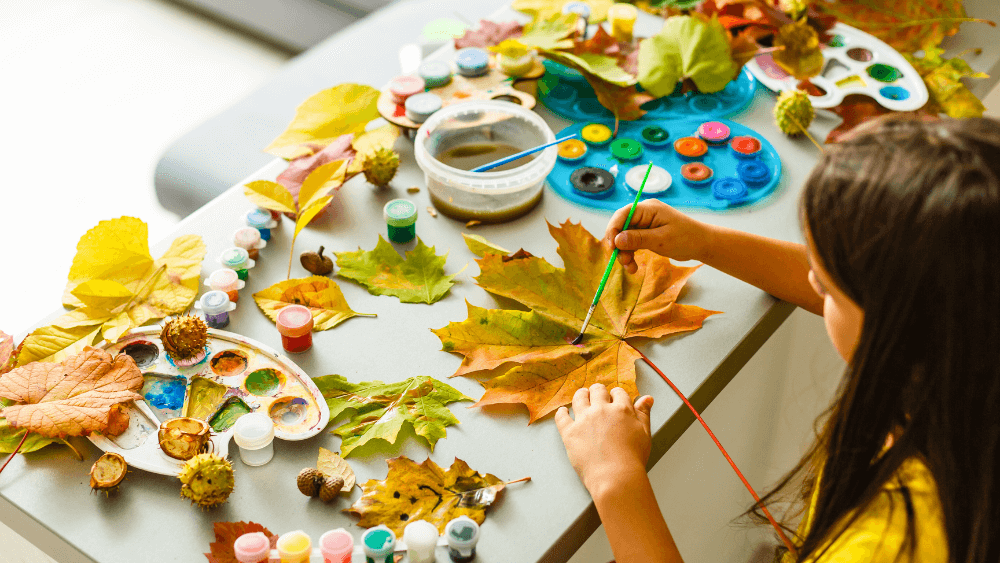
Children are creative and imaginative enough to repurpose empty boxes, paper bags, cardboard toilet rolls, and other seemingly ordinary objects into works of art. You can help them along by keeping your house well-stocked with basic art supplies like paper, glue, safety scissors, crayons, and colored markers. When you’re out shopping for these supplies, keep an eye out for rare or hard-to-find materials, such as paints in unusual colors or interestingly shaped paintbrushes. You may also want to bulk-buy materials you anticipate will see a lot of use.
Let Them Play and Explore
As you and your child discover the arts together, you may find yourself wanting to make sure that they do things “correctly” in their own creative practice. It might therefore be tempting to spend a lot of time explaining how a project “should” be done or what the “right” way to use a particular material is. Do remember, however, that art is much more about discovery for younger kids than it is about technique or methodology. It will often be more than enough to give them a basic idea of what they can do, set them up with some materials, and let them take the lead from there.
The useful applications of this advice extend beyond visual art to encompass other art forms, like dance, music, and even creative writing. At this early age, getting caught up in teaching your children “proper technique” will likely only dampen the joy of the experience for them. Just letting them engage their imaginations and move their bodies in the ways that appeal to them will often be more than enough.
Do Art with Them
Making art with your child, instead of instructing them, is both a good bonding activity and a constructive way to nurture their appreciation for the arts in general. This is especially true if you’re introducing them to an art form that you yourself love. Not only will you get to share this special part of yourself with your child, but you’ll also get to watch them discover the art form and develop their own relationship with it as well. Painting, making crafts, singing and dancing around the house, or coming up with stories are just some of the many wonderful ways you can do art together.
Working together will also give your child opportunities to try their hand at more complicated art projects they probably wouldn’t have been able to handle on their own. If they’d love to build a sculpture or diorama that’s a little more complex than usual, for instance, they can leave the harder parts of the assembly process to you. This gives them the freedom to focus on the more enjoyable steps, like decorating. Once your shared project is completed, make sure to tell them all the ways their unique contributions make it even better.
4 Ways to Introduce Your Child to the Arts | Easy Creative Activities for Kids
Discover 4 fun and easy ways to introduce your child to the arts through drawing, painting, music, crafts, and creative learning activities. Perfect for preschoolers, toddlers, and young kids to improve imagination, creativity, and artistic skills. Enjoy engaging educational art activities that support early childhood development and hands-on learning at home.
Ways to Introduce Your Child to the Arts
Helping children discover the arts from an early age encourages creativity, curiosity, and self-expression. Exploring activities like drawing, painting, music, dance, crafts, and drama allows kids to build confidence while developing valuable learning and social skills enjoyably.
Explore Different Forms of Art
Introducing a variety of creative experiences helps children discover their interests and express themselves in unique ways.
- Drawing and sketching
- Painting projects
- Music and singing
- Dance and movement
- Craft activities
- Theater and storytelling
Make Creativity Part of Everyday Life
Simple daily activities can inspire children to create, imagine, and experiment without feeling pressured to produce perfect results.
- Keep art supplies easily accessible.
- Set aside regular creative time.
- Display children’s artwork at home.
- Encourage imaginative play.
- Celebrate every creative effort.
Learn Through Artistic Activities
Creative experiences support children’s overall development while making learning more engaging and memorable.
- Strengthens fine motor skills
- Builds problem-solving abilities
- Encourages creative thinking
- Improves communication skills
- Boosts self-confidence
Visit Inspiring Places
Exploring creative spaces allows children to experience different art forms and discover new ideas beyond the classroom.
- Art museums
- Local galleries
- Community exhibitions
- Music performances
- Cultural festivals
Enjoy Art Together as a Family
Parents can inspire creativity by joining children in simple artistic activities. Creating together strengthens family bonds while making learning fun.
- Paint pictures together.
- Create handmade greeting cards.
- Read and illustrate stories.
- Listen to different styles of music.
- Make seasonal craft projects.
Encourage Creative Independence
Allow children to make their own artistic choices by selecting colors, materials, and ideas. This freedom helps build confidence, originality, and a lifelong appreciation for creativity.
FAQs
Q1. Why is art important for children?
Answer: Art helps children develop creativity, imagination, confidence, communication skills, and problem-solving abilities while encouraging self-expression.
Q2. What age should children start exploring art?
Answer: Children can begin exploring simple art activities during their preschool years, with projects adapted to their age and abilities.
Q3. How can parents encourage creativity at home?
Answer: Parents can provide art materials, participate in creative activities, encourage experimentation, and appreciate their child’s unique ideas and artwork.
Introducing your child to the arts creates opportunities for creative growth, joyful learning, and self-expression while helping build skills that support lifelong confidence and curiosity. Fuel creativity with fun crafts, inspiring ideas, and exciting learning activities. Join us on YouTube, Telegram, & Facebook.
Reviewed By Jatin
Read More :
- Kids Activities: Parenting Hacks That Will Make Your Life Easier With Your Kids
- Engineering Project Ideas for 4th Grade
- Math: How to Help Your Kids With Word Math Problems
- Kids Activities: Creative Ways to Teach About States of Matter