



Kids Activities
Scientific Learning About Weather For Kids


This article is designed to teach children about different aspects of weather, from temperature and humidity to wind and precipitation. It covers topics such as measuring temperature and other weather conditions, understanding how different weather systems work, and learning about meteorological phenomena. With fun and engaging activities, kids can explore the world of weather and better understand how it impacts their lives.
Welcome to the world of weather! Learning about the weather is an exciting and important part of science for kids. This article will provide an overview of the basics of weather and how it affects our lives. We will discuss the different types of weather, the climate, and how to interpret weather maps. We will also cover safety tips to help kids understand what to do in severe weather conditions. By the end of this article, kids will have a better understanding and appreciation of the weather and its impact on our lives.
Scientific Weather Learning Activities For Kids
Read More: Easy Sidewalk Chalk Ideas For Your Kids
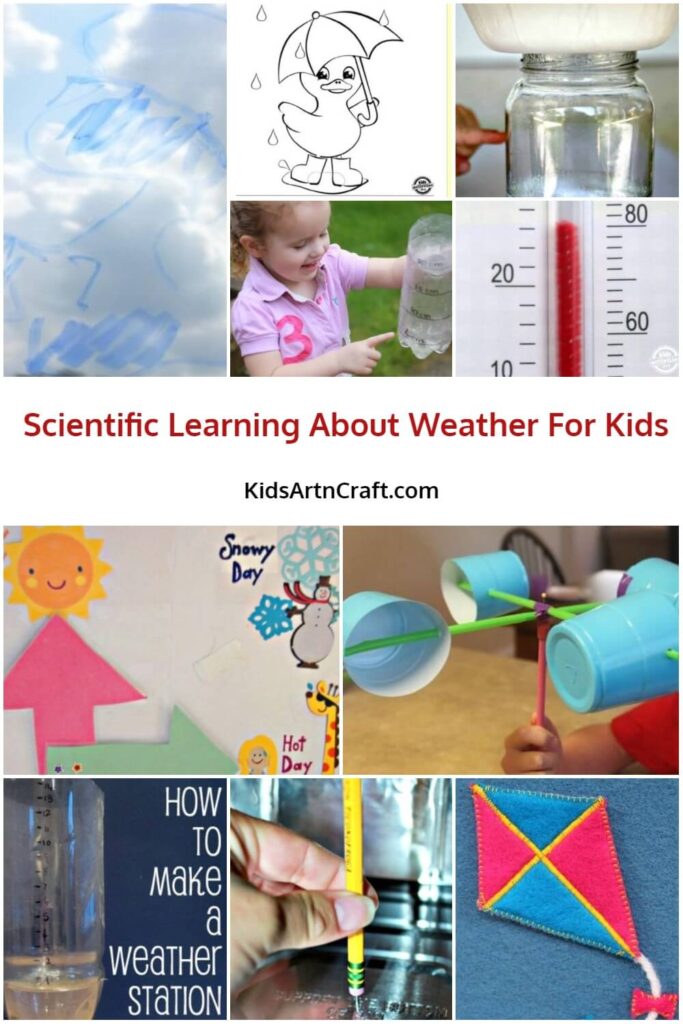
Thermometer Craft Template With Red Pipe Cleaners & Construction Paper
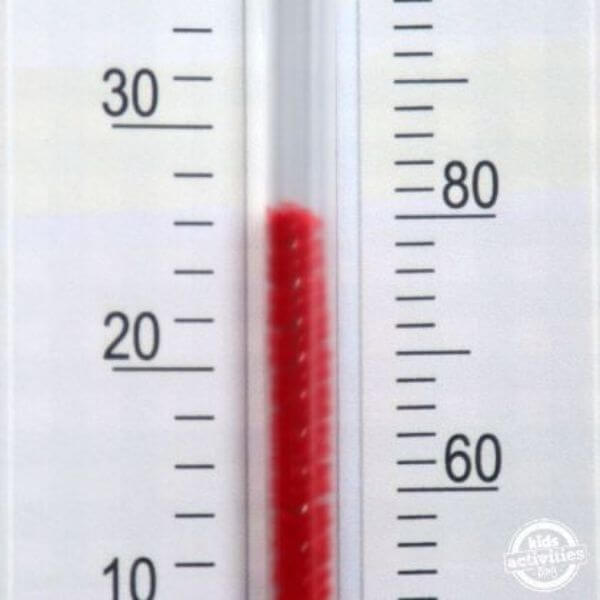
Image Source/Tutorial: Kids Activities Blog
Create a fun thermometer craft using red pipe cleaners and construction paper. This simple DIY project is perfect for kids to learn about temperature. Easy-to-follow templates make it ideal for classrooms or home activities. Boost creativity while teaching weather concepts with this engaging, hands-on science craft.
Hands-on Weather Board Learning Activity For Kids
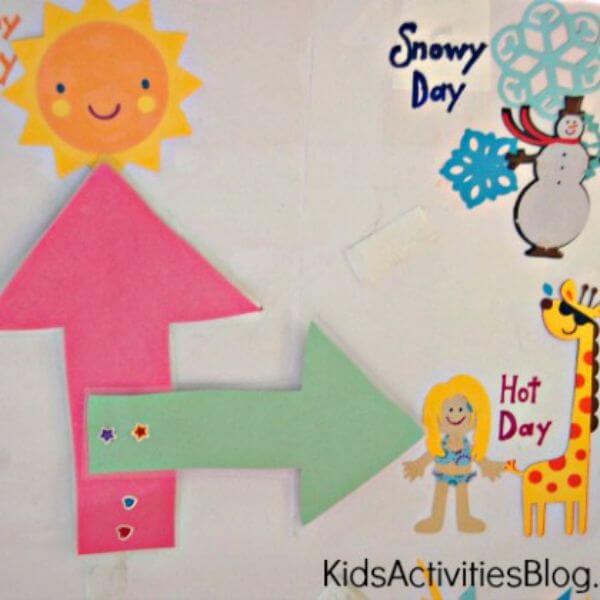
Image Source/Tutorial: Kids Activities Blog
Engage kids with a hands-on weather board activity! Teach them to track daily weather changes using interactive tools. Perfect for homeschooling or classroom lessons, this learning activity combines fun and education. Encourage curiosity about meteorology while developing observation skills in young learners through creative, tactile experiences.
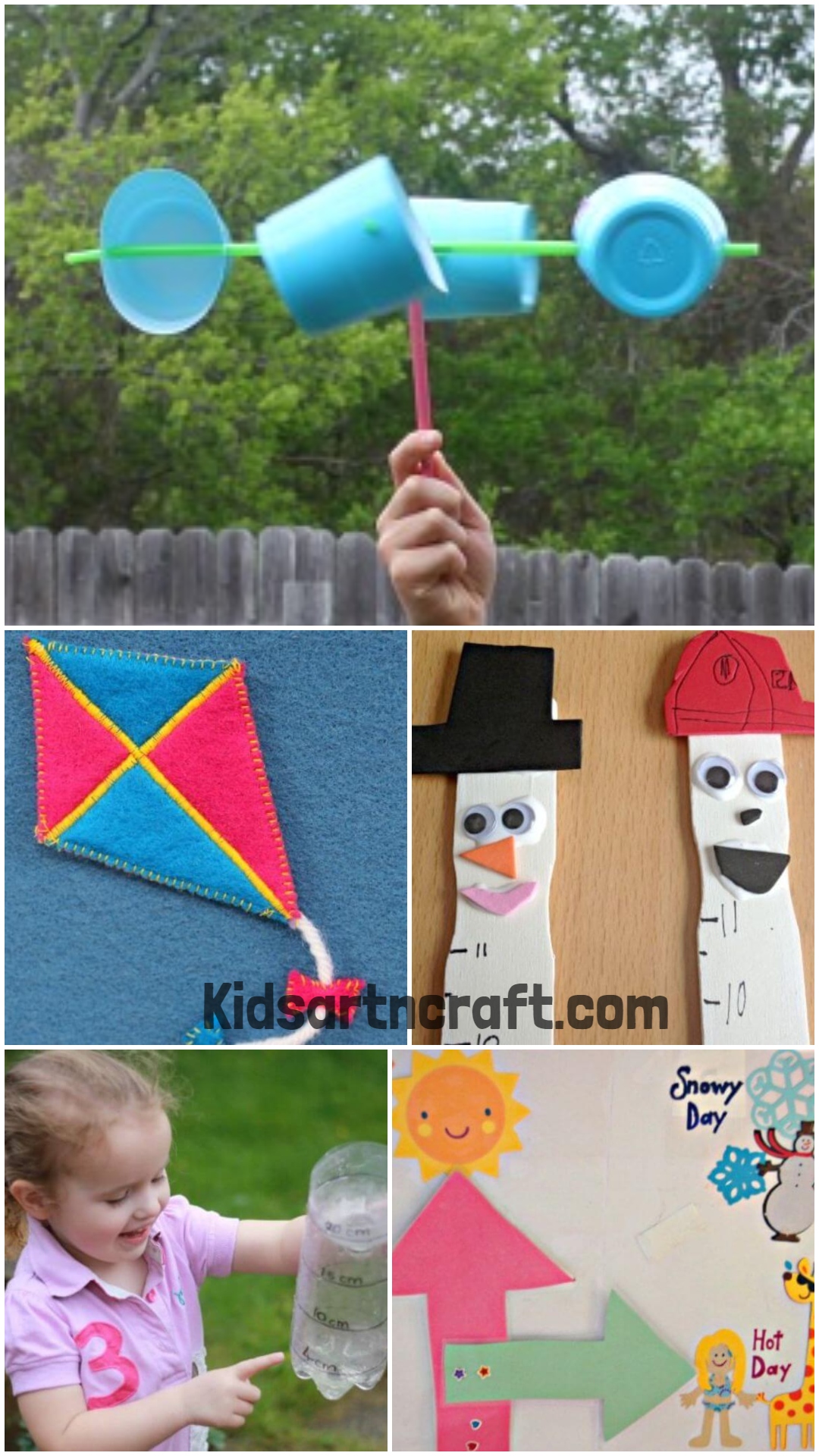
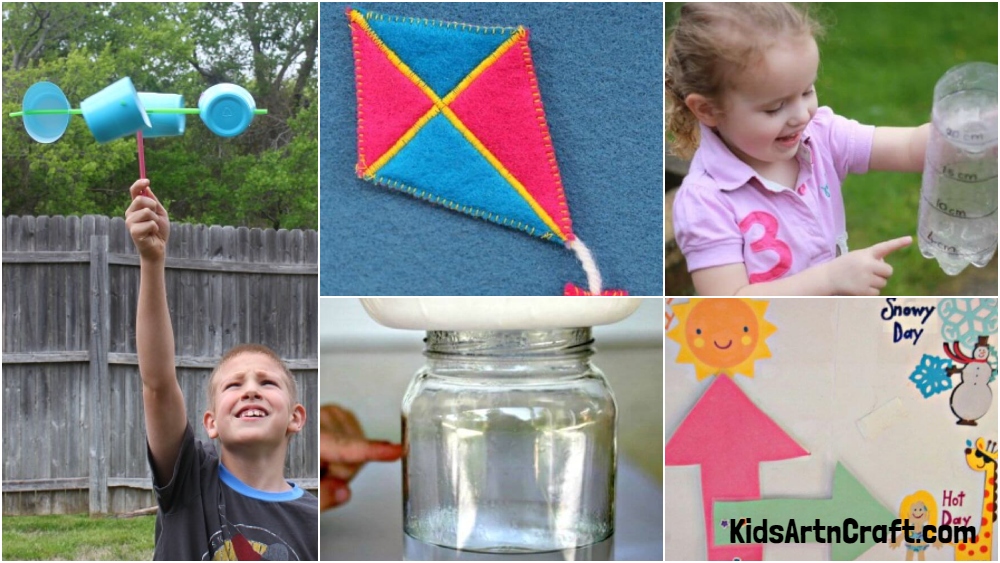
Easy-to-Make Anemometer Craft Project Using a Paper Cup & a Plastic Straw
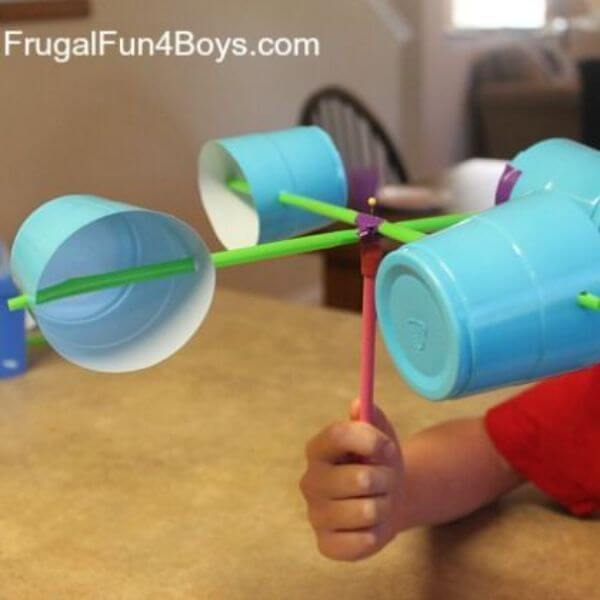
Build an easy anemometer craft with paper cups and plastic straws. This fun STEM project teaches kids how wind speed is measured. Simple materials make it budget-friendly and educational. Great for science fairs or at-home experiments, this hands-on activity sparks interest in weather science while promoting creativity.
DIY Weather Science Craft Activity For Kids Using a Pencil
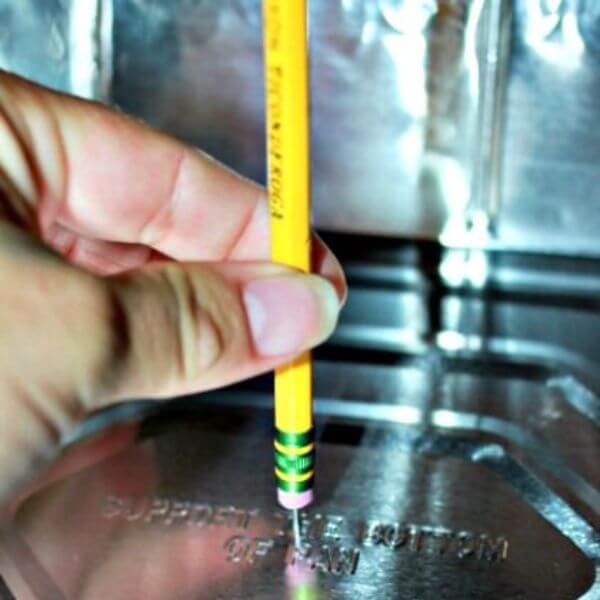
Image Source/Tutorial: Learn Play Imagine
Try this DIY weather science craft using pencils! A simple yet engaging way for kids to explore meteorology basics. Perfect for school projects or home learning, this pencil-based experiment fosters curiosity. Teach children about weather patterns while enhancing their problem-solving skills through creative, hands-on activities.
Cloud Watching & Observing Air Movement Science Activity At Home

Image Source/Tutorial: Inspiration Laboratory
Enjoy cloud watching as a family-friendly science activity at home. Observe air movement and discuss cloud types with your kids. This outdoor exploration promotes curiosity about weather phenomena. Pair it with worksheets for added learning. An easy, screen-free way to connect nature with scientific discovery for all ages.
Read More: 1st Grade Science Projects for School
How To Make Rain Experiment In A Jar
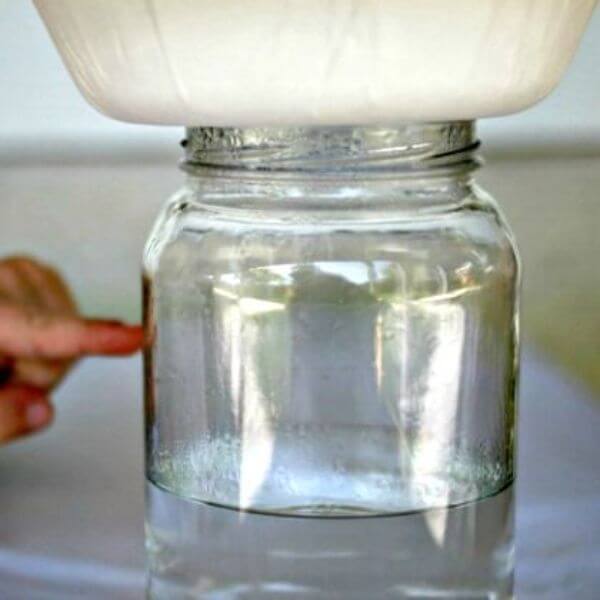
Image Source/Tutorial: Learn Play Imagine
Learn how to make a rain experiment in a jar—an exciting weather activity for kids! Using water, shaving cream, and food coloring, simulate rainfall indoors. This simple science project explains the water cycle visually. Ideal for classrooms or home learning, it’s both educational and entertaining for young explorers.
Homemade Rain Gauge Weather Learning Activity Using Recycled Materials
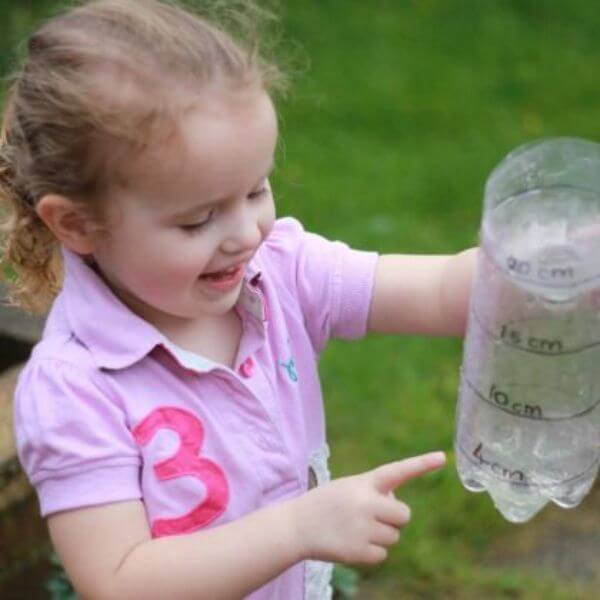
Make a homemade rain gauge using recycled materials like bottles or jars. Teach kids to measure rainfall while promoting sustainability. This weather learning activity is perfect for outdoor exploration. Simple yet impactful, it encourages environmental awareness and helps children understand precipitation through hands-on STEM education.
Creative Snowman Snow Measure Made With Craft Stick & Foam Sheets
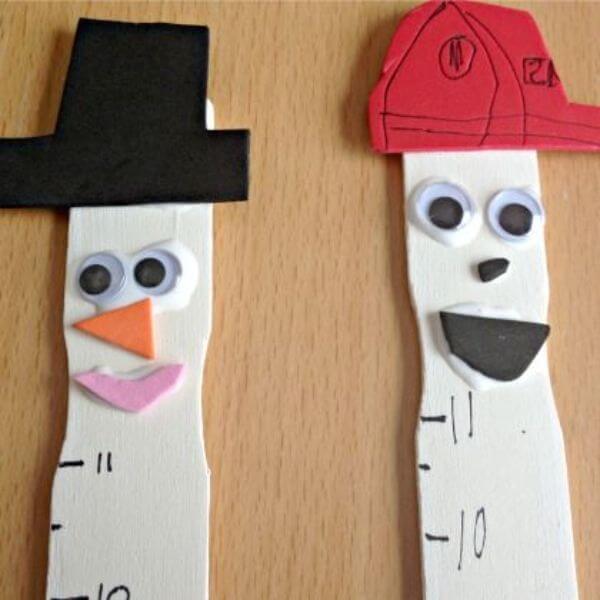
Image Source/Tutorial: Playdrhutch
Craft a snowman snow measure using craft sticks and foam sheets. A creative winter-themed activity that doubles as a measuring tool. Kids will love tracking snowfall while personalizing their snowmen. Ideal for snowy days, this project blends art, math, and science into one fun, educational experience for all ages.
Felt Windy Weather Craft Project For Students
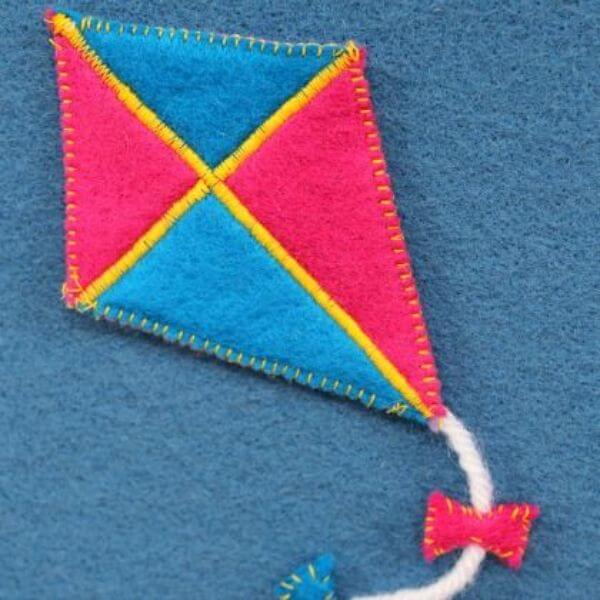
Image Source/Tutorial: Two Daloo
Explore windy weather with a felt craft project designed for students. Create colorful wind-themed art using felt pieces and basic supplies. Perfect for classrooms, this tactile activity enhances creativity and understanding of wind concepts. Engaging and easy, it’s a great way to combine art and science in one lesson.
Thunderstorm Science Experiment With Ice Cubes & Red Food Coloring

Image Source/Tutorial: kids by Learn Play Imagine
Conduct a thunderstorm science experiment using ice cubes and red food coloring. Simulate storm effects to teach kids about weather systems. This visual, hands-on activity makes learning fun and memorable. Ideal for science classes or curious minds at home, it simplifies complex meteorology topics into an exciting demonstration.
Read More: Balloon Science Experiments for Kids
Cute & Simple Weather Activity For Kids
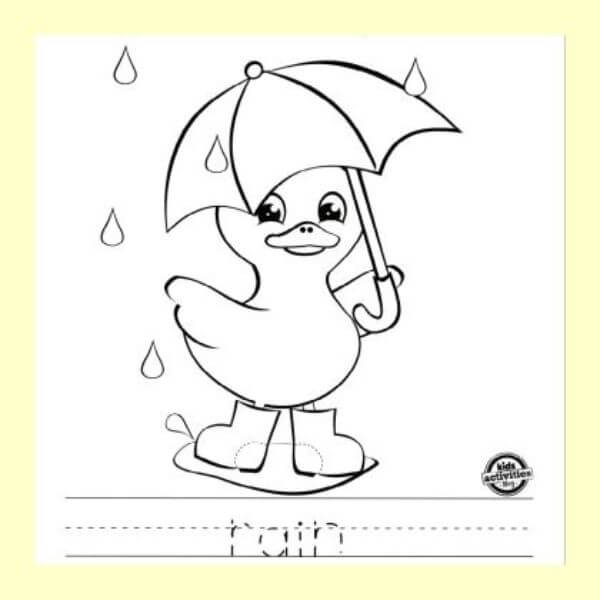
Image Source/Tutorial: Kids Activities Blog
Discover cute and simple weather activities for kids that are both fun and educational. Use everyday items to teach meteorology basics. Perfect for preschoolers or kindergarteners, these crafts spark curiosity about the weather. Easy instructions ensure success, making it a delightful way to blend playtime with learning.
Fun To Make Weather Station Craft Activity With Plastic Bottle
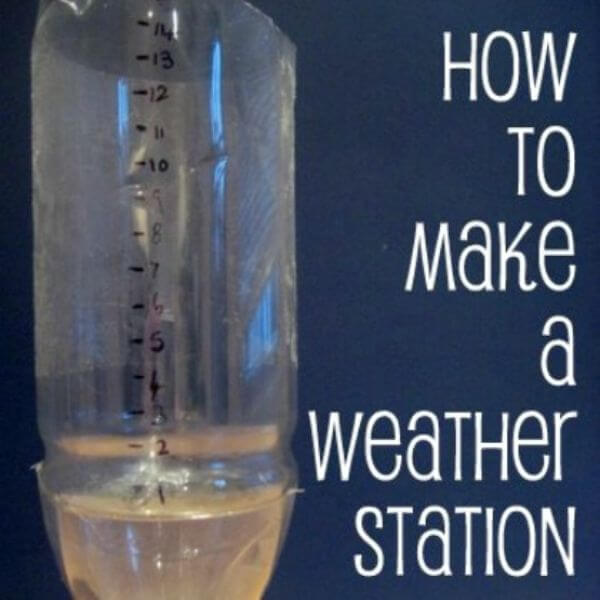
Image Source/Tutorial: Nurture Store
Create a weather station craft using a plastic bottle—fun and functional! Kids can build tools like barometers or wind vanes. This eco-friendly activity teaches weather tracking while encouraging creativity. Ideal for homeschooling or classrooms, it turns recycling into an exciting STEM project for young scientists and artists alike.
Easy Jelly Bean Tree Craft Project For Kids

Image Source/Tutorial: Your Modern Family
Craft a jelly bean tree with kids using simple supplies—perfect for spring or Easter themes. This sweet project enhances fine motor skills and creativity. Easy to assemble, it’s great for preschoolers or elementary students. Combine art and counting practice while celebrating seasonal changes through this colorful, edible craft.
#
#
#
Scientific Learning About Weather for Kids | Fun Weather Science Activities
Learn scientific facts about weather for kids with fun and easy educational activities. Discover clouds, rain, storms, seasons, and weather experiments through interactive science learning. Perfect for preschool, kindergarten, classroom projects, homeschooling, and creative STEM activities that make weather science simple, exciting, and engaging for children at home or school.
Scientific Learning About Weather
Weather gives children many opportunities to explore science through everyday observations. By studying clouds, sunlight, rain, wind, and temperature, young learners can discover how changes in the atmosphere affect the world around them.
Discover What Makes Weather
Weather is influenced by several conditions in Earth’s atmosphere. Children can learn about each element separately before connecting them.
- Temperature: Tells us how warm or cold the air is.
- Wind: Moving air that can change the conditions around us.
- Clouds: Collections of tiny water droplets or ice crystals in the atmosphere.
- Precipitation: Water that falls from clouds in different forms.
- Sunlight: Provides energy that influences Earth’s surface and atmosphere.
A Simple Water Cycle Investigation
Weather and the water cycle are closely connected. Water continuously moves between Earth’s surface and the atmosphere through processes such as evaporation, condensation, and precipitation.
- Evaporation: Heat causes liquid water to change into water vapor.
- Condensation: Cooling water vapor changes into tiny liquid droplets.
- Precipitation: Water eventually falls from clouds as precipitation.
- Collection: Water gathers in bodies of water and can begin the cycle again.
Weather Science Questions
- Why do clouds appear in the sky?
- What makes leaves move on a windy day?
- Where does rain come from?
- Why can wet surfaces become dry?
- How does sunlight warm the Earth’s surface?
- Why can weather conditions change?
Weather and Our Daily Choices
Weather affects many everyday decisions. Children can discuss how different conditions influence clothing, outdoor play, travel, gardening, and other activities.
- Choosing suitable clothing
- Planning outdoor activities
- Protecting plants from extreme conditions
- Carrying suitable weather protection
- Making safe travel decisions
Skills Developed Through Weather Learning
Weather activities encourage children to look closely at their surroundings and use evidence to describe changes. Recording observations also introduces basic scientific organization and comparison.
- Observation
- Classification
- Comparison
- Recording data
- Pattern recognition
- Scientific questioning
Safe Weather Exploration
Weather should always be observed safely. Children should remain indoors during thunderstorms, severe storms, extreme weather, or other dangerous conditions and follow guidance from responsible adults and local authorities.
FAQs
Q1. Why is weather a good science topic for children?
Answer: Weather is easy to observe in everyday life, allowing children to connect scientific ideas with things they can see and experience.
Q2. What are the main elements of weather?
Answer: Temperature, wind, clouds, humidity, and precipitation are important elements used to describe weather conditions.
Q3. How can children study clouds?
Answer: They can safely observe clouds, describe their appearance and movement, draw what they see, and compare observations on different days.
Q4. How does weather connect to the water cycle?
Answer: Processes such as evaporation, condensation, and precipitation move water between Earth’s surface and the atmosphere and contribute to weather.
Learning about weather through observation, simple investigations, and recording activities makes science practical and engaging. Children can explore atmospheric changes while developing curiosity, careful observation, and early scientific thinking. Discover creative ways to play, make, and learn with our collection of exciting crafts and kid-friendly activities. Join us on Facebook, YouTube, & Telegram.
Reviewed By Yash Beniwal
More Articles from Kids’ Art & Craft
- Engineering Projects for Grade 1
- Phonics Games & Activities For Kids
- Fun Science Activities for Grade 3
- Telling Time Activities for Kids
- Easy Washi Tape & Popsicle Stick Crafts For Kids