Kids Activities
Fun Graphing Activities For Kids

Small kids usually find maths a bit difficult compared to other subjects due to the calculations. Graphs help to organize data in an understandable way, which helps children answer questions about the data effortlessly. Graphing activities are really necessary for a child’s development, as these activities help to develop analytical thinking in students.
It also develops concentration skills in a child, as graphs involve sorting items into groups. They can sort things according to their shape, size, color, weight, and other descriptors. This sorting of objects helps them to develop maths skills that will benefit them throughout their life.
Through graphing activities, children can get a lot of insight into how probability works in our daily lives. By performing such playful yet knowledgeable activities, students get a keen knowledge of probability, and it also helps to improve their mathematics. Kindergarten school students usually perform graphing activities, which encourage young children to learn and make graphs with the collective information.
Circle graph activities and first-grade graph activities are some graphing activities that can be easily performed by elementary school kids. Compiling and representing the information through graphs is often introduced to small kids at a very young age, so that they can easily adapt to the probability.
Here are some of the fun graphing activities for kids that help you to teach small children in a very playful manner.
Fun Graphing Activities For Kids
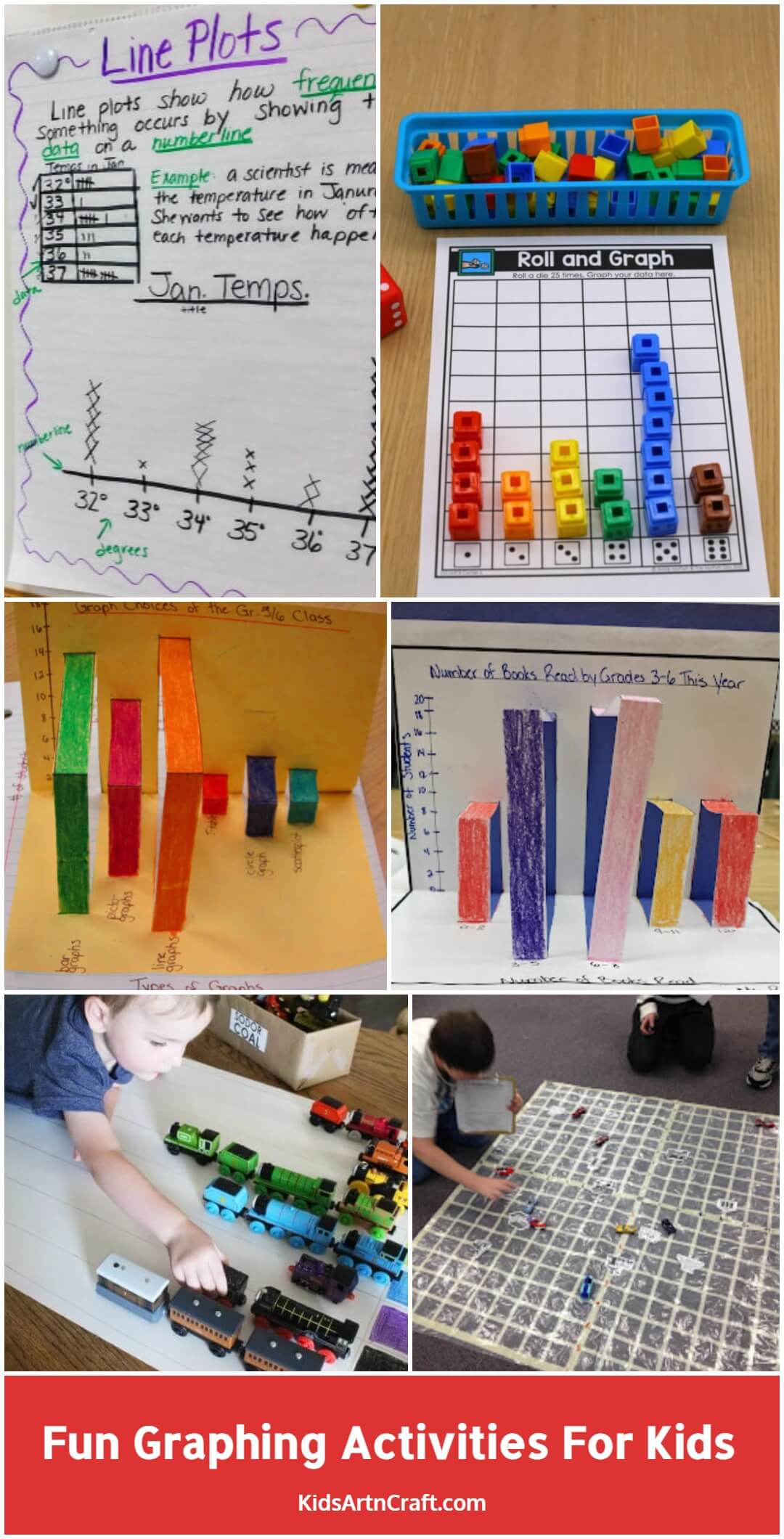

Read More: DIY Math Crafts and Activities for Kids
Favorite Zoo Animal Graph Activity

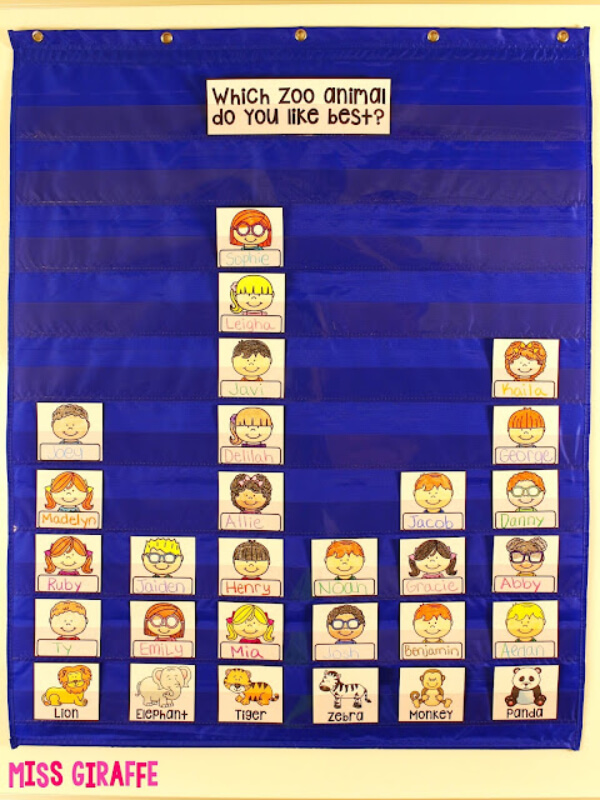
Image Source/Tutorial: Miss Giraffes Class
Materials Required:
Pocket chart, name cards, animal cards
Procedure:
Place animal options at the bottom of the chart. Students add their name card above their favorite animal to create a graph.
Cereal Color Graphing Worksheet

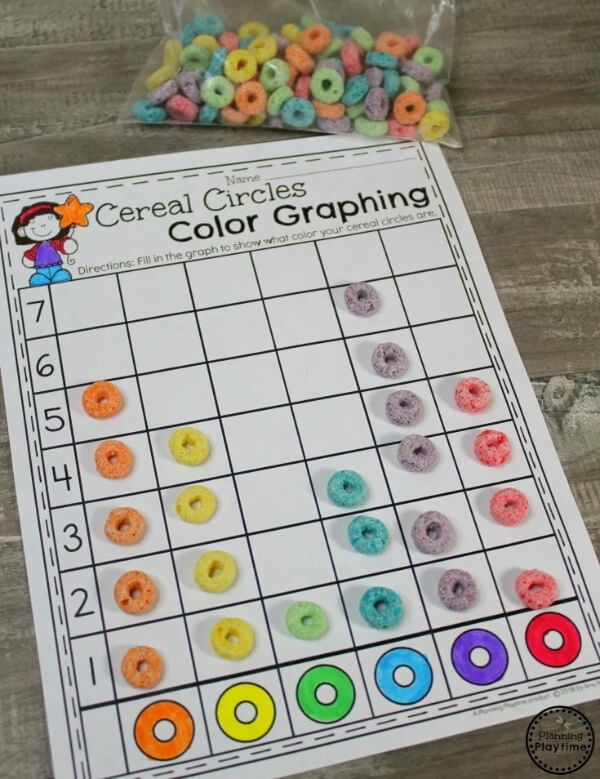
Image Source/Tutorial: Planning Play Time
Materials Required:
Printable graph sheet, colored cereal, pencil
Procedure:
Sort the cereal by color and place it on the graph. Count and record totals for each color.
Toy Train Color Sorting Activity

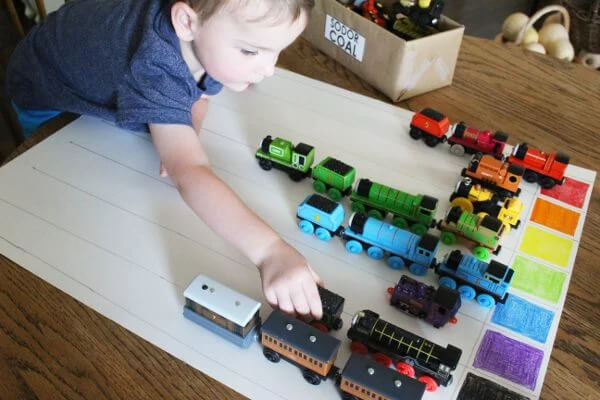
Materials Required:
Toy trains, a color chart, or paper
Procedure:
Sort trains by color into groups. Arrange them on the chart to compare quantities.
Bowling Score Graph Activity

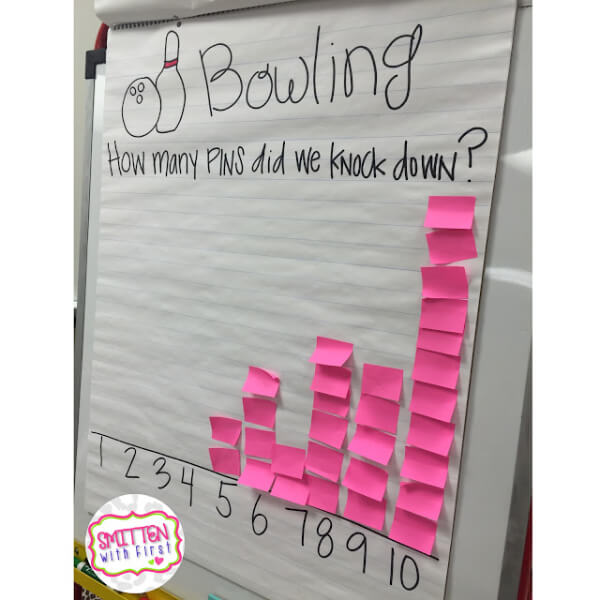
Image Source/Tutorial: Smitten With First Blog
Materials Required:
Chart paper, sticky notes, marker
Procedure:
Write numbers on chart paper and label axes. Add sticky notes to represent scores after each turn.
Read More: Math Game Ideas For 3rd Grade
3D Bar Graph School Project

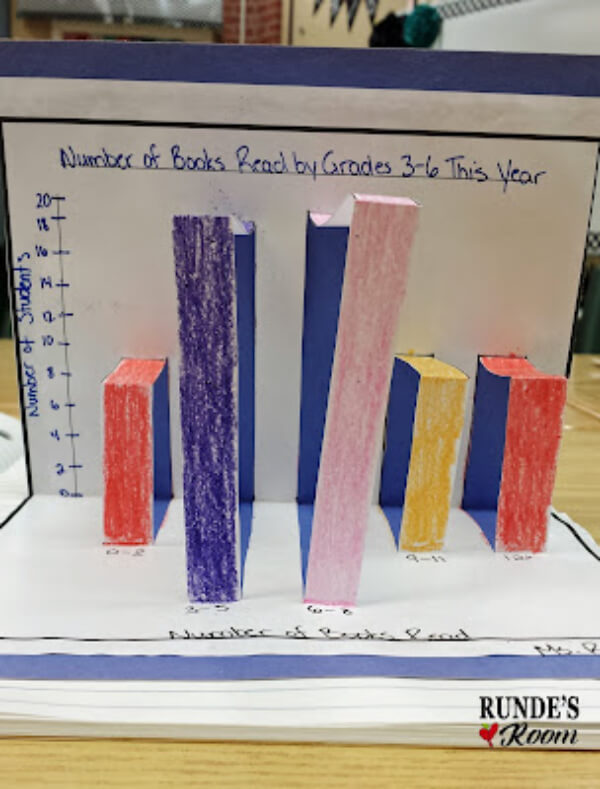
Image Source/Tutorial: Runde’s Room
Materials Required:
Cardboard, paper, colors, glue
Procedure:
Draw a base graph and create bars using folded paper. Attach bars to represent data values.
Line Plot Teaching Chart

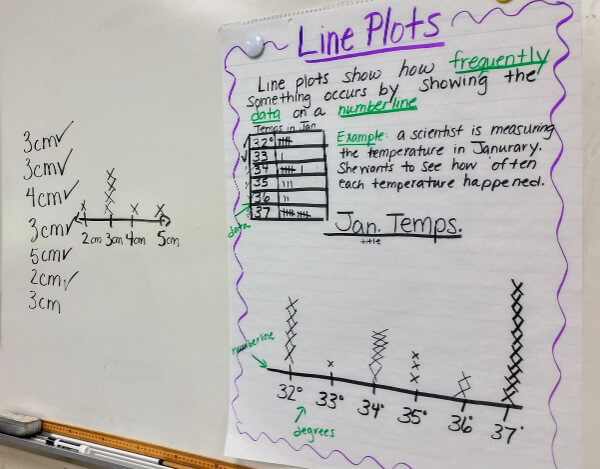
Image Source/Tutorial: The Applicious Teacher
Materials Required:
Chart paper or board, marker
Procedure:
Draw a number line and plot data using X marks. Discuss frequency and patterns with students.
Coordinate Grid Activity Sheets

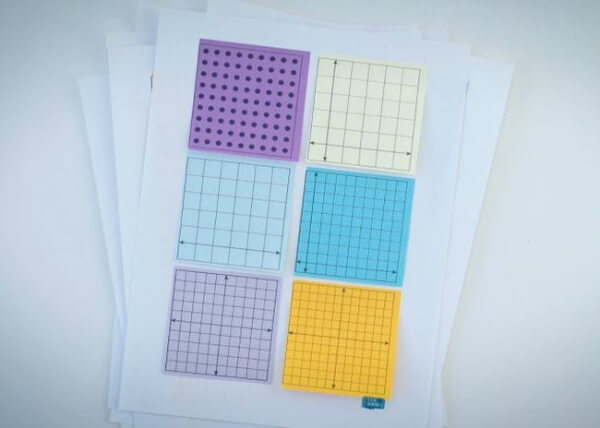
Materials Required:
Printed grid sheets, pencil, ruler
Procedure:
Provide coordinates for students to plot. Let them mark and connect points on the grid.
M&M Scatter Plot Graph

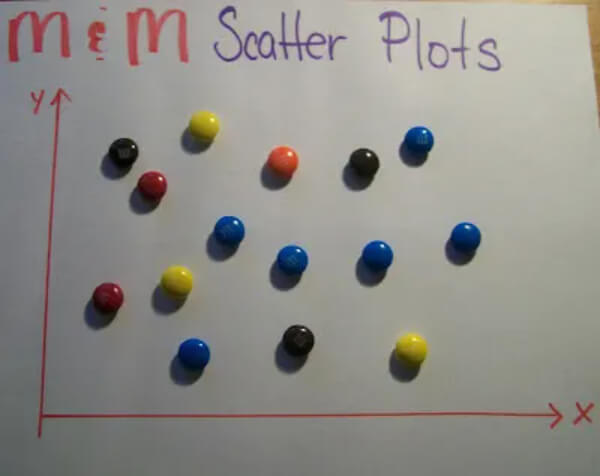
Image Source/Tutorial: Math Equal Slope
Materials Required:
M&Ms or candies, chart paper, and marker
Procedure:
Draw X and Y axes on paper. Place candies to represent data points and observe patterns.
Read More: Math Games And Activities For Kids
Life-Size Grid Mapping Game

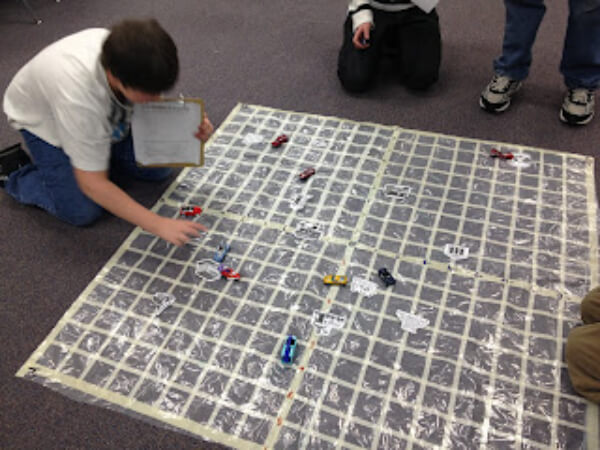
Image Source/Tutorial: For Such A Time As This
Materials Required:
Tape, floor space, toy cars, cards
Procedure:
Create a large grid on the floor using tape. Call out coordinates and move objects to the correct positions.
Roll and Graph Math Game

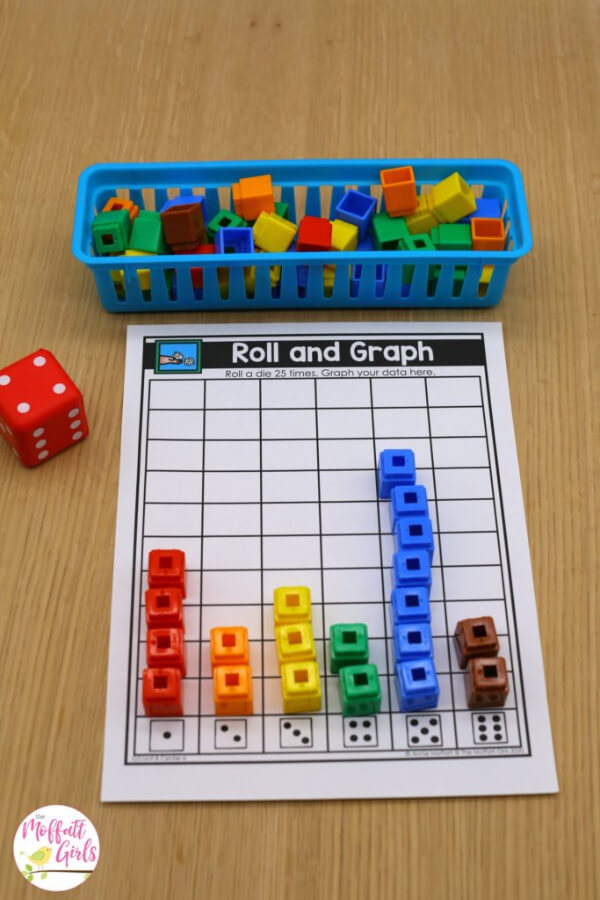
Image Source/Tutorial: The Moffatt Girls
Materials Required:
Dice, cubes/blocks, graph sheet
Procedure:
Roll the dice and place a block on the matching column. Repeat and observe which number appears most.
Types of Graphs 3D Paper Model

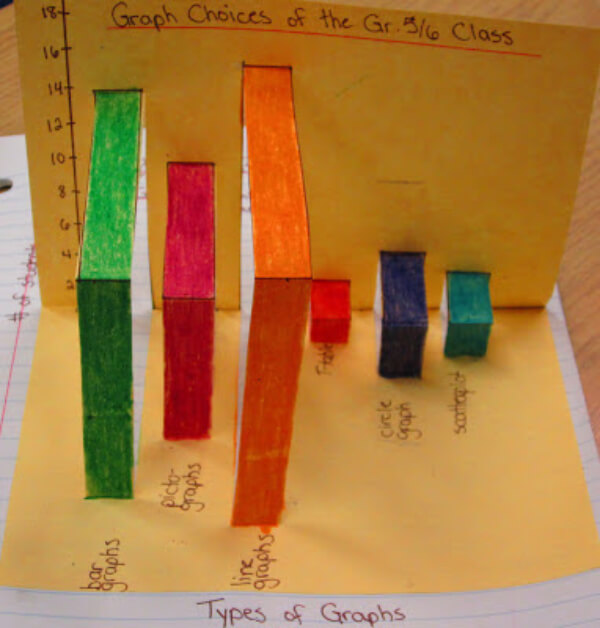
Image Source/Tutorial: Rundes Room
Materials Required:
Chart paper, colored paper, markers, glue, scissors
Procedure:
Draw and label different graph types on a base chart. Create raised bars using folded colored paper and paste them to represent each graph type.
Step-by-Step Math Graph Tutorial
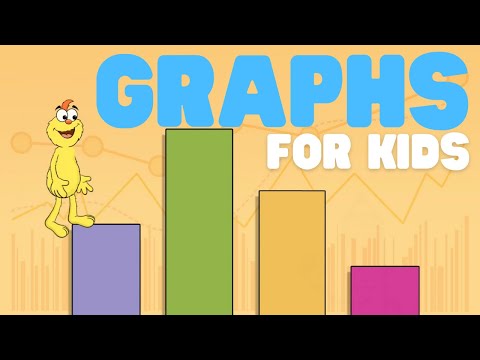
Learn fun graphing activities for kids in this easy step-by-step tutorial. This beginner-friendly math lesson shows how children can create simple graphs, collect data, and understand bar graphs, pictographs, and charts through engaging activities. Perfect for preschool, kindergarten, and elementary students learning basic math and data visualization skills.
Why Graphing Activities Are Important for Kids
Graphing activities help children develop essential math and critical thinking skills through hands-on learning. By collecting, organizing, and interpreting data, kids learn how to compare information, identify patterns, and make simple predictions. These activities strengthen counting, sorting, measuring, and problem-solving abilities while making mathematics more engaging and meaningful. Graphing also helps children understand real-world data and improves their ability to analyze information visually.
Educational Benefits of Graphing Activities
- Improves data collection and organization skills.
- Develops counting, sorting, and classification abilities.
- Encourages logical and analytical thinking.
- Helps children understand comparisons such as more, less, and equal.
- Builds confidence in interpreting charts, graphs, and visual information.
- Strengthens STEM and mathematical reasoning skills.
- Promotes observation and prediction skills through real-world data analysis.
Tips for Teaching Graphing to Children
- Start with simple pictographs using favorite toys, snacks, or classroom objects.
- Encourage children to collect their own data through surveys and observations.
- Use colorful materials such as stickers, blocks, or candies to make graphs visually appealing.
- Ask open-ended questions about the graph to develop reasoning skills.
- Connect graphing activities to everyday situations like weather tracking, favorite fruits, or sports scores.
- Gradually introduce different graph types such as bar graphs, line graphs, and pie charts as children grow.
Safety Tips for Graphing Activities
- Supervise young children when using small objects such as beads, candies, or buttons.
- Use child-safe scissors and craft materials when creating graph projects.
- Ensure workspaces are clean and organized to prevent spills or accidents.
- Choose age-appropriate materials that are easy to handle and count.
FAQs
Q1. What age is suitable for graphing activities?
Answer: Simple graphing activities can be introduced to children as young as 4–5 years old. Preschoolers can start with sorting and pictographs, while older children can explore bar graphs, line graphs, and scatter plots.
Q2. What skills do graphing activities develop?
Answer: Graphing activities improve counting, sorting, measuring, comparing, data analysis, problem-solving, and critical thinking skills.
Q3. How can I make graphing fun for kids?
Answer: Use real-life objects such as toys, snacks, classroom supplies, or nature items. Interactive games, surveys, and hands-on projects make graphing more enjoyable.
Q4. What types of graphs should children learn first?
Answer: Pictographs and simple bar graphs are the easiest for beginners. As children gain confidence, they can progress to line graphs, pie charts, and scatter plots.
Graphing activities make learning math fun and meaningful for kids. Through hands-on data collection and visual representation, children develop counting, problem-solving, and analytical skills while building confidence in everyday mathematics. Whether at home or in the classroom, name crafts help children learn creatively while making activities personal and engaging. Discover more fun crafts, learning activities, and creative ideas by following us on Telegram, YouTube & Facebook.
Reviewed by Yash Sharma
Read More:
- Fine Motor Activities for Kids
- Fish Crafts & Activities for Kids
- 20+ Learning Activities for Kids To Do At Home
- 25 Creative DIY Sandbox Activities for Kids
- Math and Measurements Worksheets For Kids