Kids Activities
Science Experiments for Science Fairs

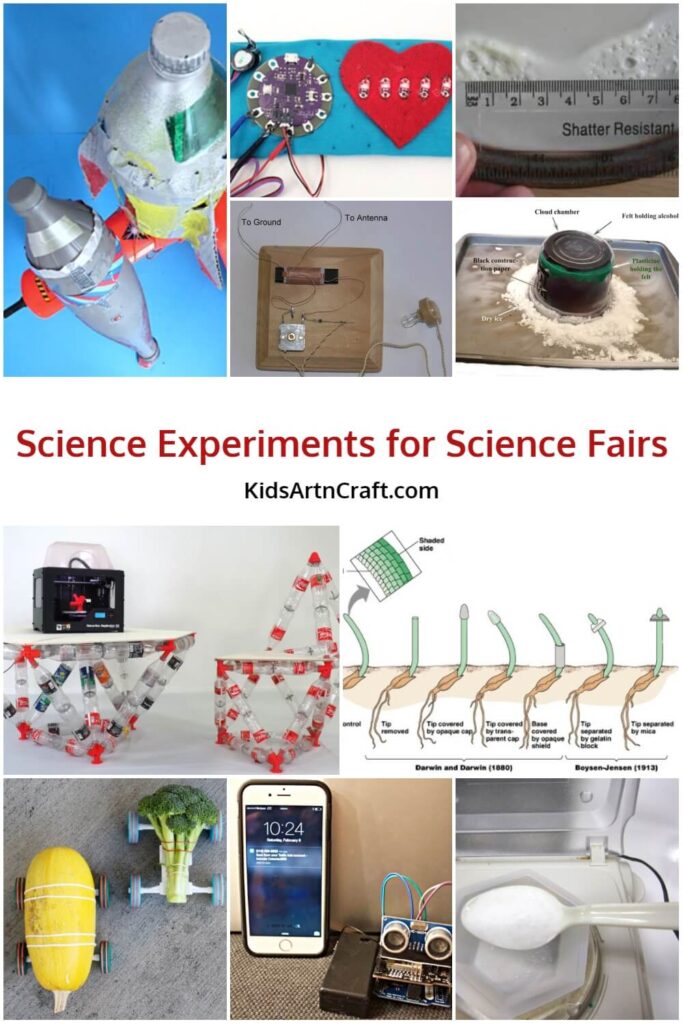
If you’re searching for science experiments for science fairs, you’re in the right place! Keep your learning spirit alive with our curated list of science experiments for science fairs, like strawberry DNA extraction, phototropism project, bacterial, gray matter, stained glass, paper speaker, microwave oven, Lichtenberg figures, nuclear particles, heart rate monitor, stem racers, rocket science, building a radio, intruder alarm, and connect pet bottles.
Science Experiments for Science Fairs

Read More: 10 Simple Science Experiments for 3-5 Year Olds
DIY Frozen Berry Mash Sensory Craft for Kids

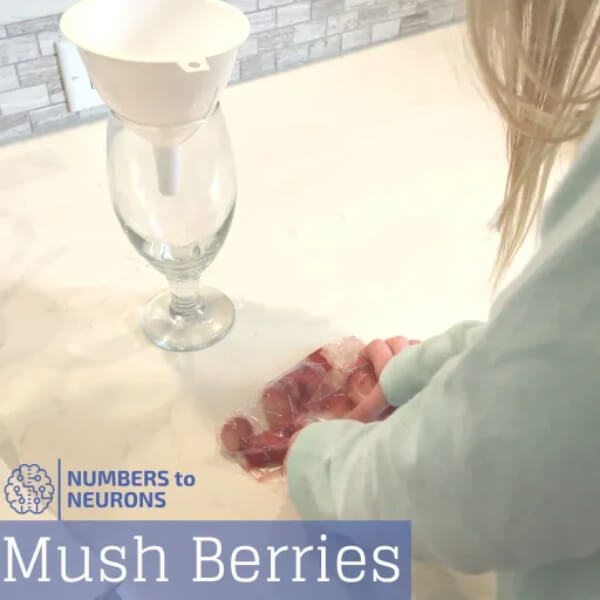
Image Source/Tutorial: Number Stoneurons
Make a fun berry mash sensory craft by placing frozen berries in a ziplock bag, crushing them by hand, and pouring into containers, creating colorful textures and engaging hands-on learning experience.
DIY Plant Growth Phototropism Craft Model

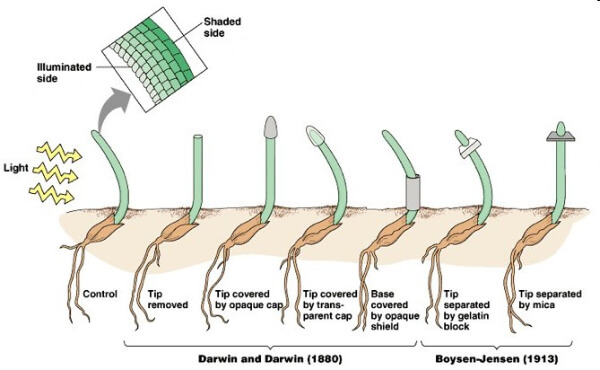
Image Source/Tutorial: Science Buddies
Create a plant phototropism craft by positioning seedlings toward light, covering parts with foil, and observing bending, helping kids understand plant growth direction through an interactive science-based craft-making activity.
DIY Bacteria Growth Observation Craft

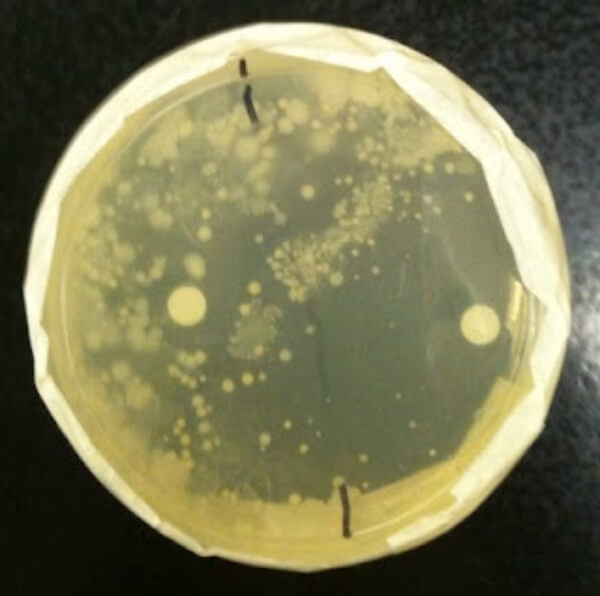
Make a germ growth craft by swabbing surfaces, streaking agar plates, sealing dishes, and observing colonies form, turning science exploration into an engaging hands-on craft activity for kids learning.
DIY Rust Texture Metal Art Craft

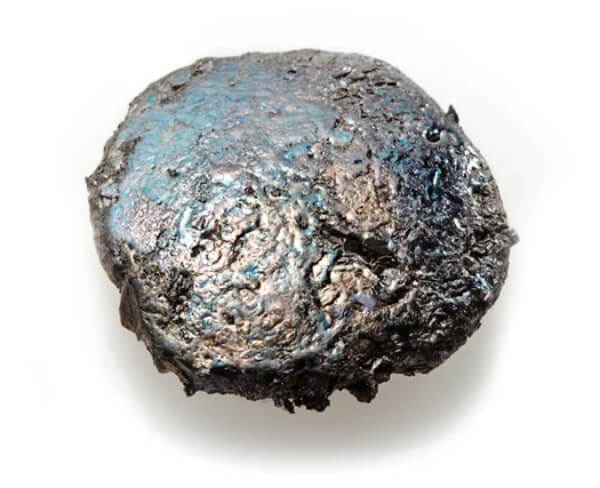
Image Source/Tutorial: Po Psci
Create rust texture art by spraying water and salt on metal, letting oxidation form patterns, producing unique earthy designs while combining science and creativity in an engaging DIY craft project.
DIY Melted Sugar Crystal Craft Experiment

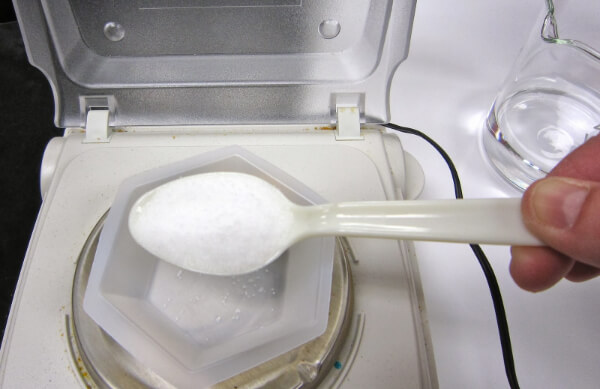
Image Source/Tutorial: A My Brown Science
Make a sugar crystal craft by heating sugar until it melts and hardens into textured forms, demonstrating material changes while creating simple, shiny designs in a fun chemistry-inspired craft activity.
Read More: 15 Fun Balloon Science Experiments for Kids
DIY Electromagnet Coil STEM Craft Project

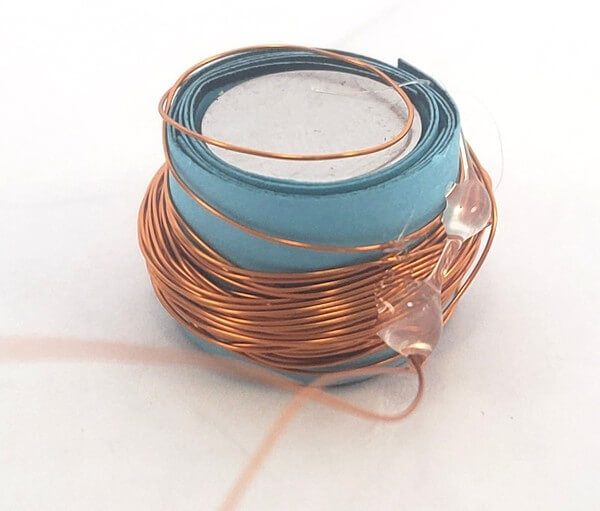
Image Source/Tutorial: Science Buddies
Create an electromagnet craft by wrapping copper wire around an iron core, connecting to a battery, and testing magnetic strength, combining physics concepts with a hands-on STEM craft building activity.
DIY Water Droplet Surface Tension Craft

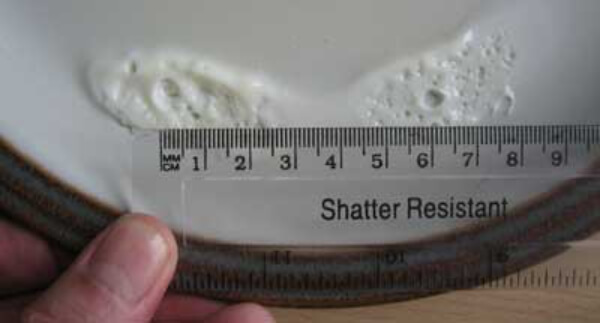
Make a surface tension craft by dropping water onto a flat surface, measuring droplet size, and observing shape formation, turning simple physics into an engaging and educational hands-on craft activity.
DIY Lichtenberg Lightning Pattern Craft

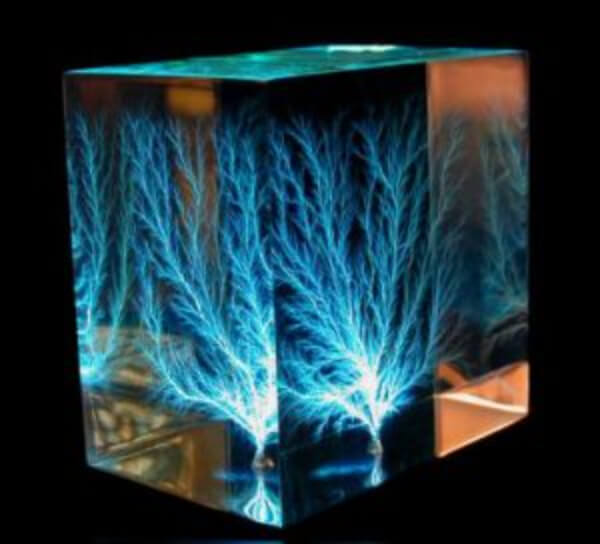
Image Source/Tutorial: Science Notes
Create a lightning pattern craft by forming branching designs in acrylic using electrical discharge techniques, producing striking visual effects and combining science inspiration with creative art-making experience for learners.
DIY Cloud Chamber Science Craft Project

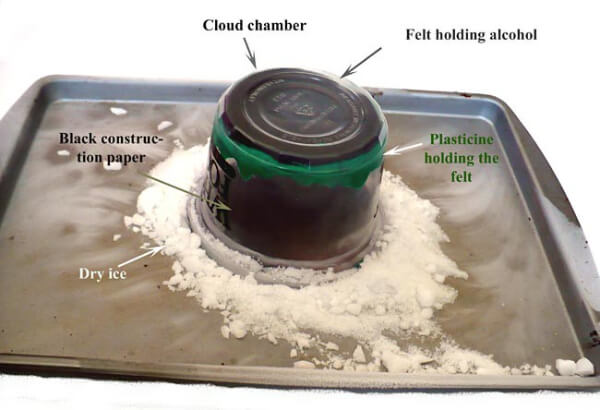
Image Source/Tutorial: Science Buddies
Make a cloud chamber craft by cooling a container with dry ice, adding alcohol vapor, and observing particle trails, transforming advanced science into a fascinating and interactive DIY craft activity.
DIY LED Heart Wearable Electronics Craft

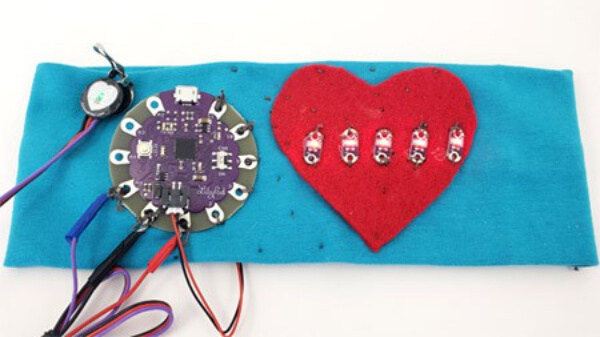
Image Source/Tutorial: Science Buddies
Create a wearable LED heart craft by sewing conductive thread, attaching LEDs and a battery, and lighting the design, combining creativity with basic electronics in an engaging STEM-based DIY project.
Read More: 1st Grade Science Projects for School
DIY Vegetable Car STEM Craft for Kids

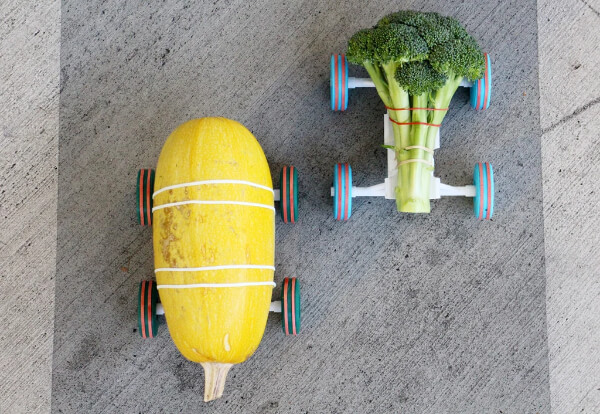
Image Source/Tutorial: Instruc Tables
Make a vegetable car craft by attaching wheels with skewers and rubber bands to broccoli and squash, creating an eco-friendly STEM activity that teaches motion, creativity, and hands-on engineering skills.
DIY Plastic Bottle Rocket Craft for Kids

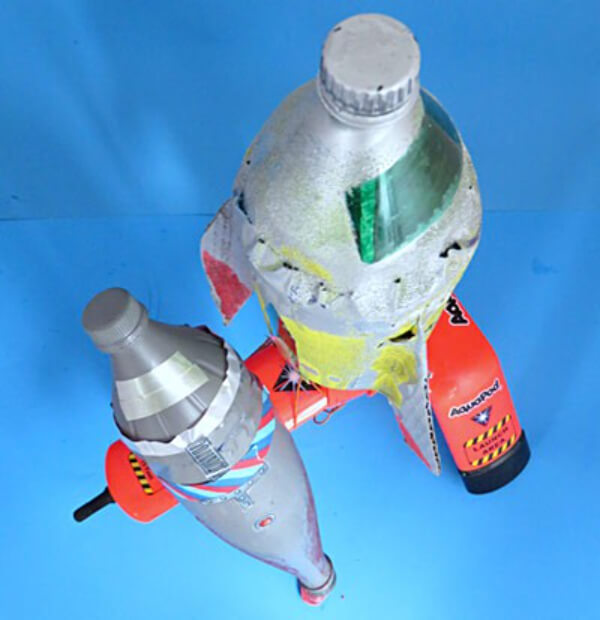
Image Source/Tutorial: Science Buddies
Create a bottle rocket craft using recycled plastic bottles, cardboard fins, paint, and glue, designing colorful space models while promoting recycling, creativity, and hands-on STEM learning activities for kids.
DIY Simple Crystal Radio Electronics Craft

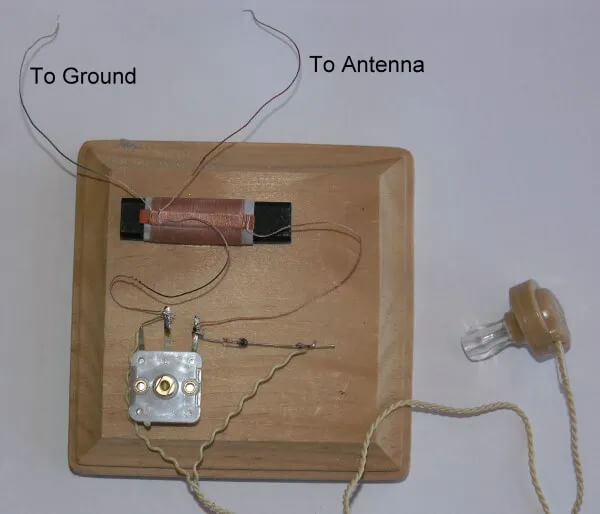
Image Source/Tutorial: Scitoys
Make a crystal radio craft by connecting coil wire, diode, antenna, and earphone on a base, creating a simple electronics project that demonstrates radio signals and basic communication technology concepts.
DIY Ultrasonic Sensor Alarm STEM Project

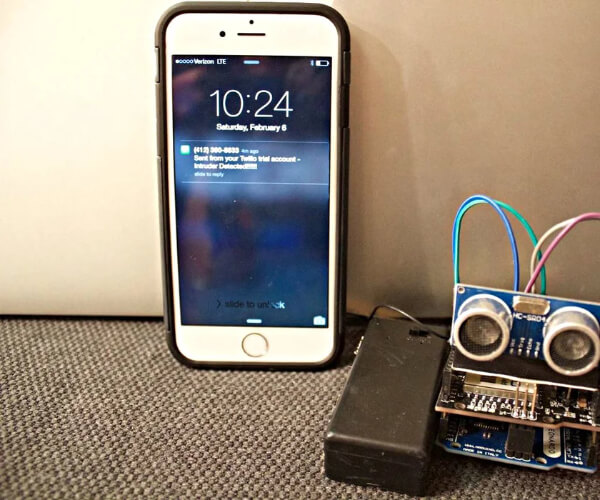
Image Source/Tutorial: Instructables
Create an ultrasonic sensor alarm craft by wiring the sensor, microcontroller, and battery, programming detection alerts, and connecting to a phone, building a smart security STEM project using electronics and coding skills.
DIY Recycled Plastic Bottle Furniture Craft

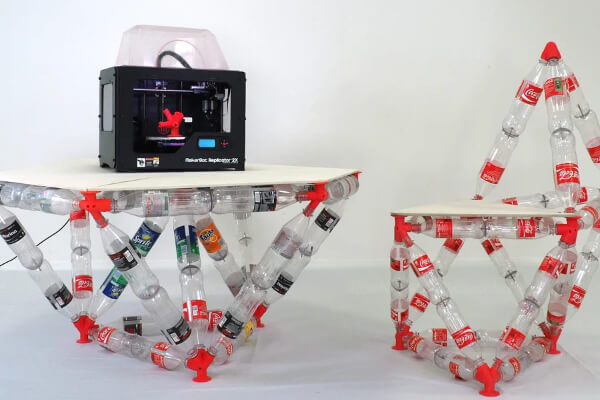
Image Source/Tutorial: Instructables
Make a recycled furniture craft by connecting plastic bottles with joints and boards, forming sturdy tables and chairs, promoting sustainability, recycling awareness, and creative, eco-friendly DIY building projects for students.
Step‑by‑Step Science Fair Tutorial: 10 Winning Experiments
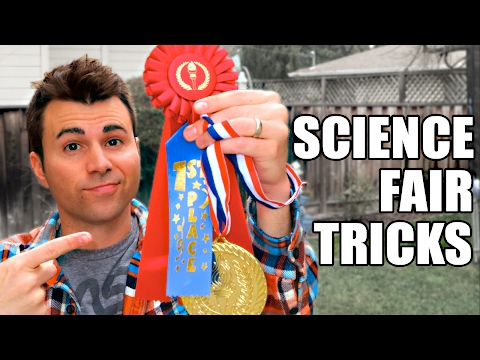
Learn how to create standout science fair projects with a complete step‑by‑step tutorial! This video covers 10 winning science experiments, fun hands‑on ideas, and expert tips to help students succeed. Perfect for beginners and classroom projects. Follow this guide to plan, build, and showcase your experiment like a pro!
Why Science Fair Experiments Are Important for Students
Science fair experiments help students develop critical thinking, problem-solving, and observation skills. Through hands-on investigations, children learn how to ask questions, make predictions, test ideas, collect data, and draw conclusions. These projects encourage curiosity and help students understand real-world scientific concepts practically.
Participating in science fairs also improves communication skills because students must explain their findings clearly through presentations, charts, and demonstrations. Science fairs provide valuable opportunities for students to explore STEM (Science, Technology, Engineering, and Mathematics) subjects while building confidence and creativity.
How to Choose the Best Science Fair Project
- Select a topic that genuinely interests you.
- Choose an experiment appropriate for your grade level.
- Use materials that are safe and easy to obtain.
- Make sure the project can be completed within the available time.
- Focus on testing one clear scientific question.
- Keep detailed notes and observations throughout the experiment.
- Pick a project that allows measurable results.
Steps of the Scientific Method for Science Fair Projects
- Ask a scientific question.
- Research the topic.
- Form a hypothesis.
- Experiment.
- Record observations and data.
- Analyze the results.
- Conclude.
- Present findings on a science fair display board.
Science Fair Safety Tips for Kids
- Always work under adult supervision.
- Wear safety goggles when required.
- Handle hot liquids and sharp tools carefully.
- Read all instructions before starting.
- Wash hands after completing experiments.
- Keep the work area clean and organized.
- Avoid tasting or smelling unknown substances.
- Use only child-friendly materials whenever possible.
Educational Benefits of Science Fair Projects
Science fair projects help children develop essential academic and life skills. By conducting experiments, students learn how to observe, analyze results, and think critically about scientific concepts. These activities also encourage creativity, teamwork, communication, and perseverance. Science fairs provide a valuable opportunity for students to apply classroom knowledge to real-world situations while building confidence in their ability to solve problems independently.
Tips for Creating an Award-Winning Science Fair Display Board
- Create a clear and catchy project title.
- Organize information into easy-to-read sections.
- Include photographs of the experiment process.
- Use charts and graphs to display data.
- Highlight the hypothesis, procedure, and results.
- Proofread all text for spelling and grammar.
- Practice explaining the project before presentation day.
FAQs
Q1. What is the easiest science fair project for beginners?
Answer: Simple experiments such as baking soda volcanoes, plant growth investigations, floating egg experiments, and balloon inflation activities are excellent beginner-friendly projects.
Q2. How long does a science fair project take to complete?
Answer: Most elementary science fair projects can be completed within a few days, while projects involving plant growth or long-term observations may take several weeks.
Q3. What makes a science fair project successful?
Answer: A successful project includes a clear question, accurate data collection, organized presentation, and a well-supported conclusion.
Q4. Can science fair projects be done at home?
Answer: Yes. Many science fair experiments use everyday household materials and can be safely completed at home with adult supervision.
Q5. Why should students participate in science fairs?
Answer: Science fairs encourage curiosity, scientific thinking, creativity, and problem-solving skills while helping students gain confidence in presenting their ideas.
Science fair experiments provide an exciting opportunity for children to explore scientific concepts through hands-on learning. Whether investigating chemistry, biology, physics, or environmental science, these projects help students build valuable STEM skills while having fun. Encourage young scientists to ask questions, test ideas, and discover the wonders of science through engaging science fair activities and experiments. Stay inspired with fresh crafts and activities every day. Follow us on Telegram, YouTube & Facebook.
Reviewed by Yash Sharma
More Articles from Kids’ Art & Craft
- Balloon Science Experiments for Kids
- Explosion Experiments For Kids
- Ice Experiments For Summer Days
- Ice Science Experiments For Kids
- Edible Science Experiments for Kids