
Kids Activities
Edible Science Experiments for Kids


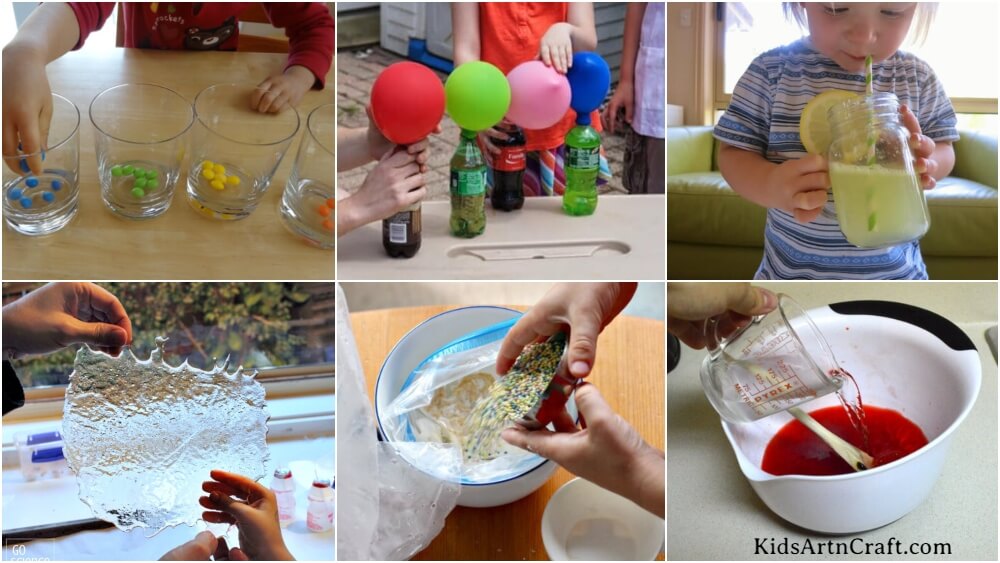
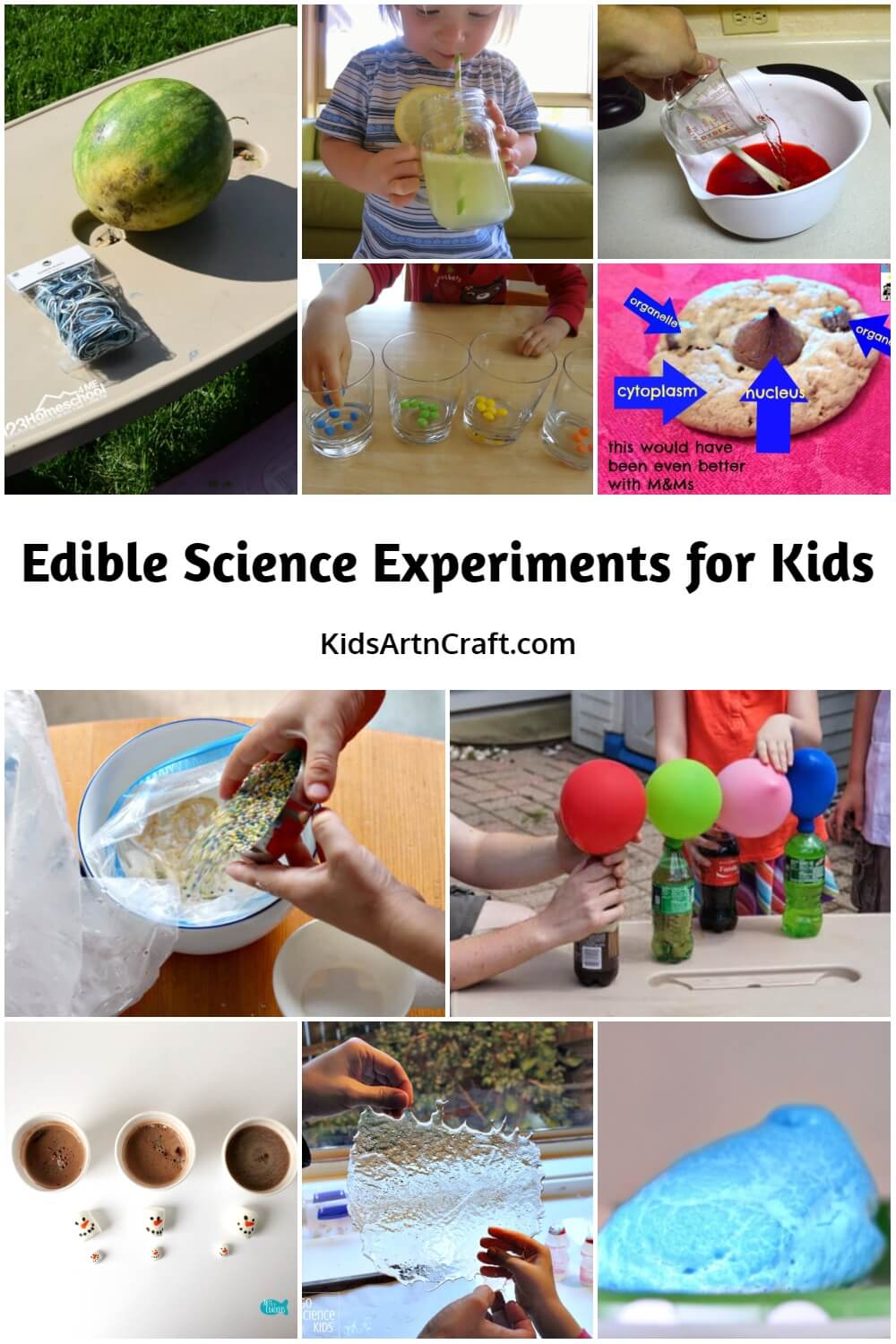
Today, we will discuss the scientific temperament of your kids with edible science experiments. So, friends, get ready for learning with amazing science experiments. Here, most of the ideas are about diverse edible food experiments, such as making ice cream, pop rocks balloons, drinkable science experiments, watermelon experiments, etc.
It will help your kids in developing scientific thinking & making a scientific hypothesis on different issues. Make science fun for all ages with the given edible food experiments.
Edible Science Experiments for Kids
Read More: 10 Simple Science Experiments for 3-5 Year Olds
Rainbow Rice Sensory Activity
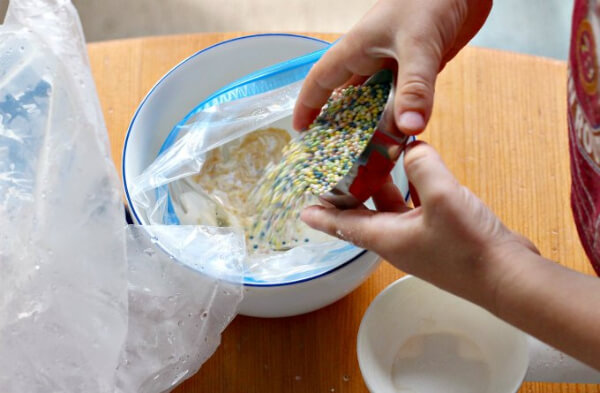
Image Source/Tutorial: What Do We Do All Day
Materials Required:
Rice, food coloring/sprinkles, ziplock bag, bowl
Procedure:
Mix rice with colors or sprinkles in a bag. Shake well and let dry before using for sensory play.
Balloon and Bottle Science Experiment
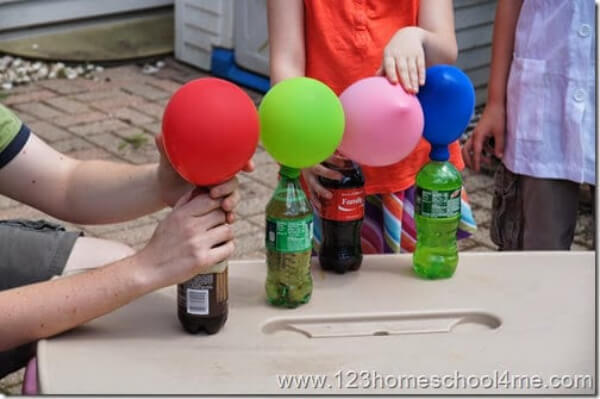
Image Source/Tutorial: 123 Homeschool 4 Me
Materials Required:
Plastic bottles, balloons, baking soda, vinegar
Procedure:
Add baking soda to the balloon and vinegar to the bottle. Fix the balloon and watch it inflate from the reaction.
DIY Slime Making Activity
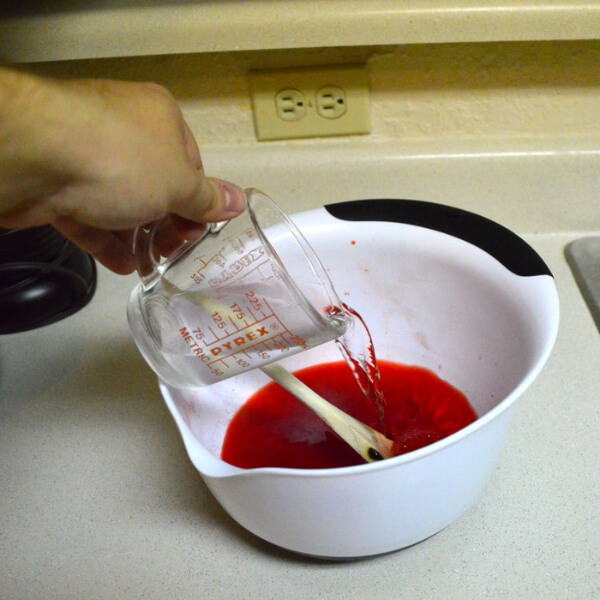
Materials Required:
Glue, food coloring, baking soda, contact lens solution
Procedure:
Mix glue and color, add baking soda and solution. Stir until slime forms and knead well.
Lemonade Making for Kids
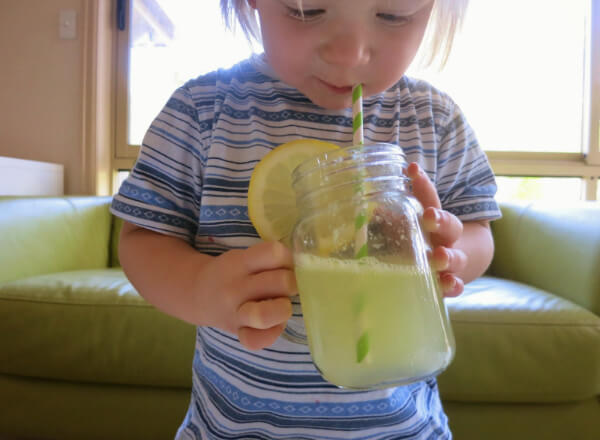
Image Source/Tutorial: Learn with Play at Home
Materials Required:
Lemon, sugar, water, jar, straw
Procedure:
Mix lemon juice, sugar, and water. Stir well and serve chilled for a refreshing drink.
Edible Cell Model Activity
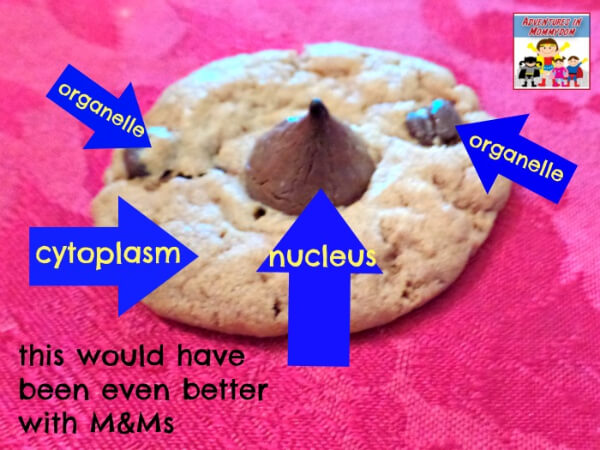
Image Source/Tutorial: Adventures in MommyDOM
Materials Required:
Cookie, chocolate candy, icing
Procedure:
Place the chocolate as the nucleus in the cookie. Add icing or toppings to represent cell parts and label them.
Read More: Scientific Crafts for Toddlers Using Straws – Cool Science Projects
Color Sorting Activity for Kids
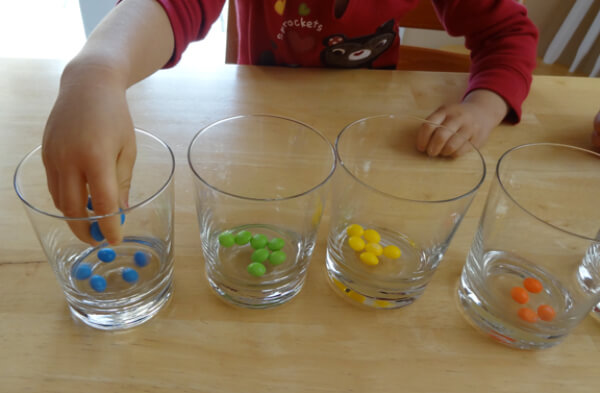
Image Source/Tutorial: Gifts of Curiosity
Materials Required:
Colored candies, bowls
Procedure:
Place candies in a pile. Ask kids to sort them into bowls based on colors.
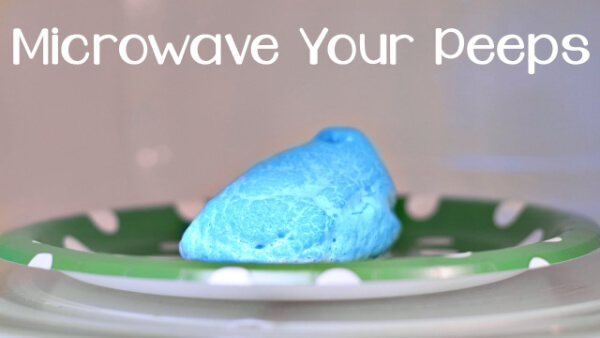
Microwave Peeps Science Experiment
Materials Required:
Marshmallow peeps, microwave-safe plate
Procedure:
Place the peep in the microwave and heat briefly. Observe how it expands due to trapped air.
Rubber Band Watermelon Experiment
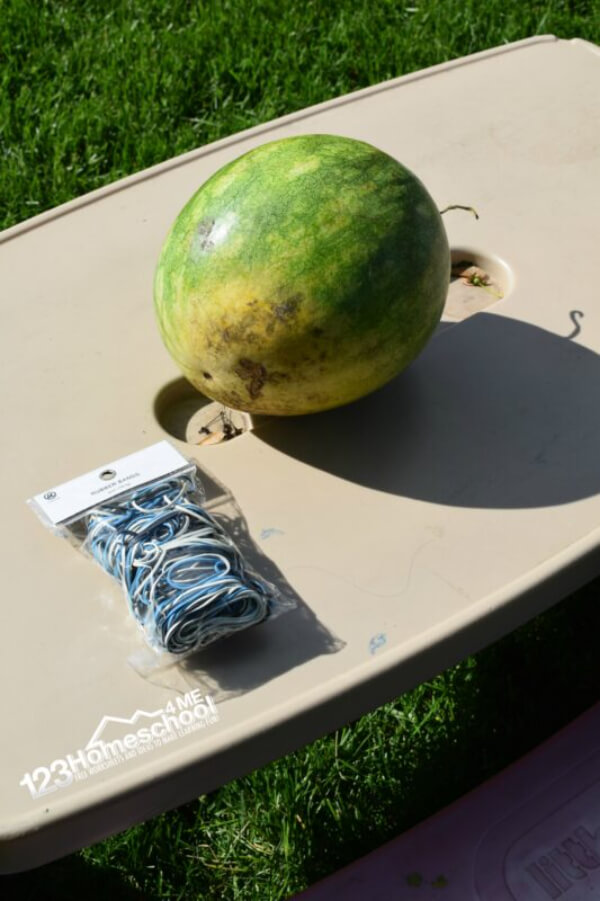
Image Source/Tutorial: 123 Homeschool 4 Me
Materials Required:
Watermelon, rubber bands
Procedure:
Wrap rubber bands tightly around watermelon. Continue adding until pressure causes it to split.
Read More: 15 Fun Balloon Science Experiments for Kids
Will It Melt? Science Worksheet Activity
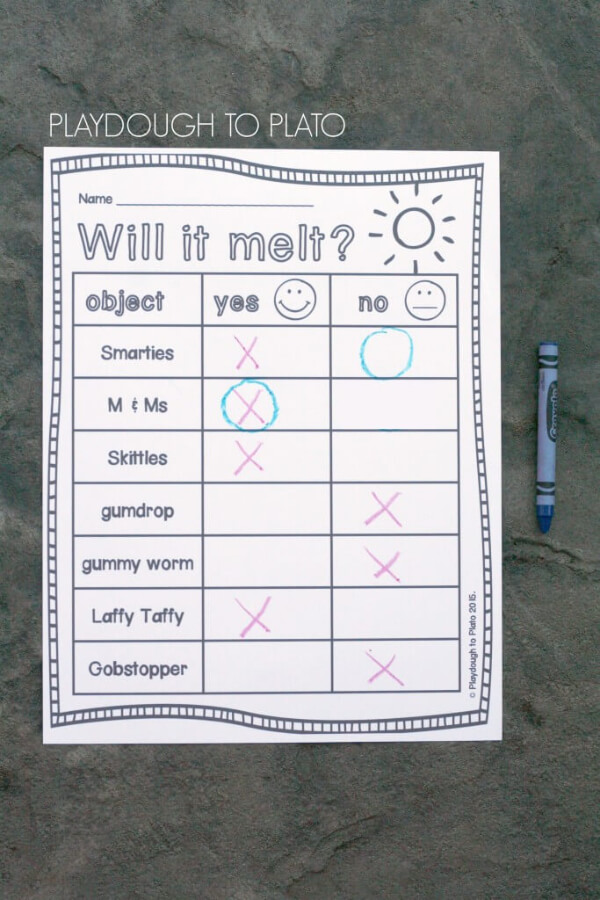
Image Source/Tutorial: Playdough to Plato
Materials Required:
Worksheet, crayons, candies
Procedure:
Place candies in the sunlight or heat. Observe melting and mark results on the worksheet.
Melting Snowman Hot Chocolate Experiment
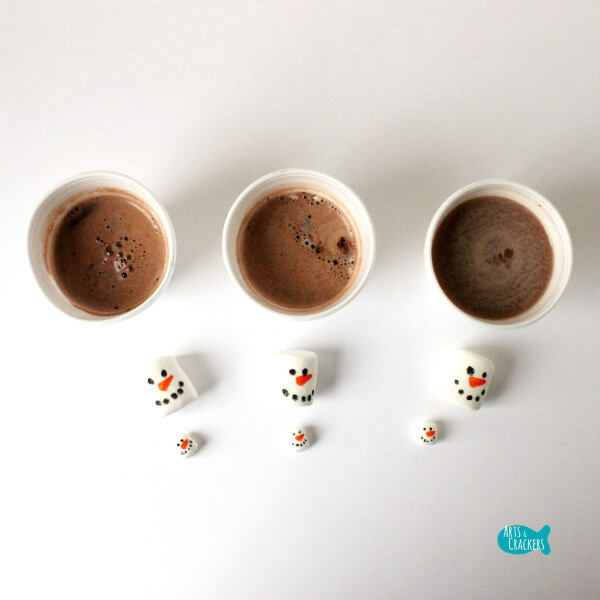
Image Source/Tutorial: Arts and Crackers
Materials Required:
Hot chocolate, marshmallows, cups
Procedure:
Pour hot chocolate into cups. Add marshmallow snowmen and observe how they melt due to heat.
DIY Ice Sheet Science Experiment
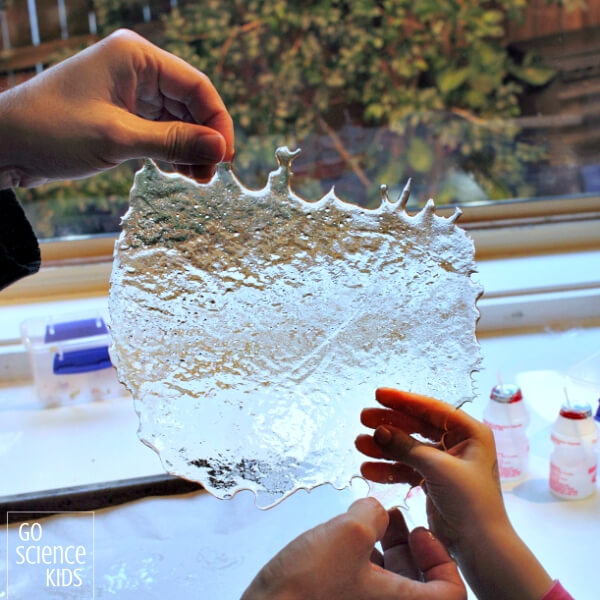
Image Source/Tutorial: Go, Science Kids
Materials Required:
Water, tray, freezer
Procedure:
Pour water into a flat tray and freeze. Carefully removethe thin ice sheet and explore its texture.
Solar System Clay Model Craft
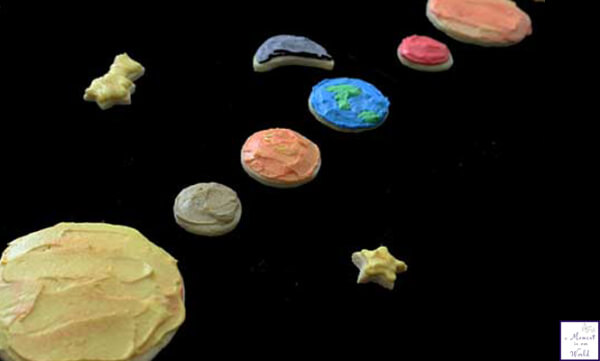
Image Source/Tutorial: Simply Living Creative Learning
Materials Required:
Clay/playdough, paints
Procedure:
Shape clay into planets and paint them. Arrange to represent the solar system.
Simple Appealing Paper Greeting Card Craft
Learn how to create a simple and appealing DIY paper greeting card with this easy step-by-step tutorial. Perfect for beginners, kids, and craft lovers. Follow this creative paper craft idea to make beautiful handmade greeting cards for birthdays, holidays, or special occasions using simple materials at home.
Educational Benefits of Edible Science Activities
Food science experiments help children develop important academic and life skills while having fun in the kitchen. These activities encourage:
- Observation and problem-solving skills
- Critical thinking and scientific reasoning
- Measuring and math practice
- Fine motor development
- Creativity and curiosity
- STEM learning through hands-on experiences
- Healthy food exploration and sensory learning
Kitchen science experiments also help children learn how ingredients react with each other, introducing scientific ideas such as chemical reactions, density, freezing points, states of matter, and plant growth.
Popular Edible Science Experiments for Kids
There are many simple and exciting edible science projects children can try at home or in classrooms, including:
- Ice cream in a bag experiments
- Edible slime activities
- Candy crystal growing
- Fizzy sherbet science
- Butter-making experiments
- Baking soda and vinegar volcano cakes
- Rainbow density drinks
- Marshmallow science experiments
- Plant-growing food scrap activities
These edible STEM activities turn the kitchen into a fun science laboratory while helping kids connect science with everyday life.
Why Kitchen Science Helps Children Learn Better
Hands-on kitchen experiments encourage children to actively participate in learning instead of simply reading instructions or watching videos. Kids learn best when they can explore concepts through play, movement, and sensory experiences.
Cooking and edible science projects also strengthen family bonding because parents and children work together while discussing observations, predictions, and results. These activities create memorable learning experiences that help children develop confidence and curiosity about science.
Best Supplies for Edible Science Experiments
Most edible science activities can be done using simple kitchen ingredients and affordable household materials such as:
- Baking soda
- Vinegar
- Milk and cream
- Food coloring
- Marshmallows
- Gelatin or jelly
- Sugar and salt
- Fruits and vegetables
- Plastic zip bags
- Measuring cups and spoons
Using common kitchen supplies makes edible science experiments easy, affordable, and accessible for families and teachers.
Tips for Safe and Fun Food Science Activities
To make edible science experiments more enjoyable and safe for kids, follow these simple tips:
- Always supervise younger children during experiments
- Wash your hands before handling food ingredients
- Use child-safe kitchen tools
- Explain the science concept before starting
- Encourage kids to ask questions and make predictions
- Let children record observations like real scientists
- Focus on both learning and creativity during the activity
Why Edible Science Experiments Are Great for Kids
Edible science experiments are a fun and exciting way to combine learning with delicious hands-on activities. These food-based science projects help children explore chemistry, physics, biology, and STEM concepts while creating tasty treats they can safely enjoy. Because kids can touch, smell, mix, observe, and taste the results, edible science activities provide a powerful multi-sensory learning experience that keeps children engaged and curious.
Parents and teachers often use edible science experiments to make difficult scientific concepts easier to understand through interactive kitchen activities. These experiments are perfect for preschoolers, elementary students, homeschool lessons, science fairs, and rainy-day educational fun.
Frequently Asked Questions About Edible Science Experiments
Q1. What age group are edible science experiments suitable for?
Answer: Edible science activities are suitable for preschoolers, kindergarten kids, and elementary-age children. Younger children should always have adult supervision.
Q2. Are edible science experiments educational?
Answer: Yes! These activities teach science concepts like chemical reactions, density, freezing points, biology, and states of matter through hands-on learning.
Q3. Can edible science projects be used for school activities?
Answer: Absolutely! Teachers often use food science experiments for STEM lessons, classroom projects, science fairs, and homeschool learning activities.
Q4. What are the easiest edible science experiments for beginners?
Answer: Ice cream in a bag, fizzy drinks, butter-making, candy crystal growing, and edible slime are easy beginner-friendly experiments for kids.
Edible science experiments for kids are a perfect combination of fun, creativity, and educational learning. These hands-on STEM activities help children explore scientific concepts through exciting kitchen experiments they can safely taste and enjoy. From fizzy reactions and homemade ice cream to edible slime and candy science, food-based experiments encourage curiosity, problem-solving, and imagination memorably. Whether used at home, in classrooms, or during science fairs, edible science projects make learning exciting, interactive, and delicious for children of all ages.
I hope you like our list of Edible Science Experiments for toddlers and will surely try to make them. If you like our ideas and want to read more craft ideas, then read more posts on our website, and please let us know in the comment section which Edible Science Experiment you like the most.
Making childhood more creative, colorful, and fun with daily learning activities! Connect with us on Telegram, YouTube & Facebook.
Reviewed By Rachit Gupta
More Articles from Kids’ Art & Crafts
- Clay Footprint DIY Baby Keepsake
- 15 Fun Balloon Science Experiments for Kids
- 25+ Easy and Creative Plastic Spoon Projects
- Ice Science Experiments For Kids
- 24 Easy Day of the Dead DIY Crafts Project for Kids