
Teaching
Anchor Charts for Grade 3


Third grade is one of the most vital times for the growth of a student, as they come into the stage of being in an upper primary class. To help them learn efficiently, what better way than Anchor charts to make a visual display of information so that they can remember it throughout the year? Anchor charts support many academic subjects and social skills. Anchor charts can be easily customized according to the subject, like maths anchor charts and English anchor charts, which include verbs, nouns, and so much more.
3rd-grade anchor charts help to support literary skills, as through anchor charts, students can easily learn about the perspective of the story or the topic they are learning about. 3rd-grade anchor charts work as visual reminders for the students and assist them with their problem-solving skills and memory. Through picture representation, it is much easier for the student to learn about the subject.3rd-grade anchor charts are easy to make. Students can easily make beautiful anchor charts with their teachers, which will help them to memorize the topic for a very long time. To make a beautiful anchor chart, all you need is some chart paper, colorful pens and markers, and some sticky notes, and you are ready to make a beautiful anchor chart. Here are some of the very cool 3rd-grade anchor chart ideas that will help you to create 3rd-grade anchor charts for your little ones.
3rd Grade Anchor Charts
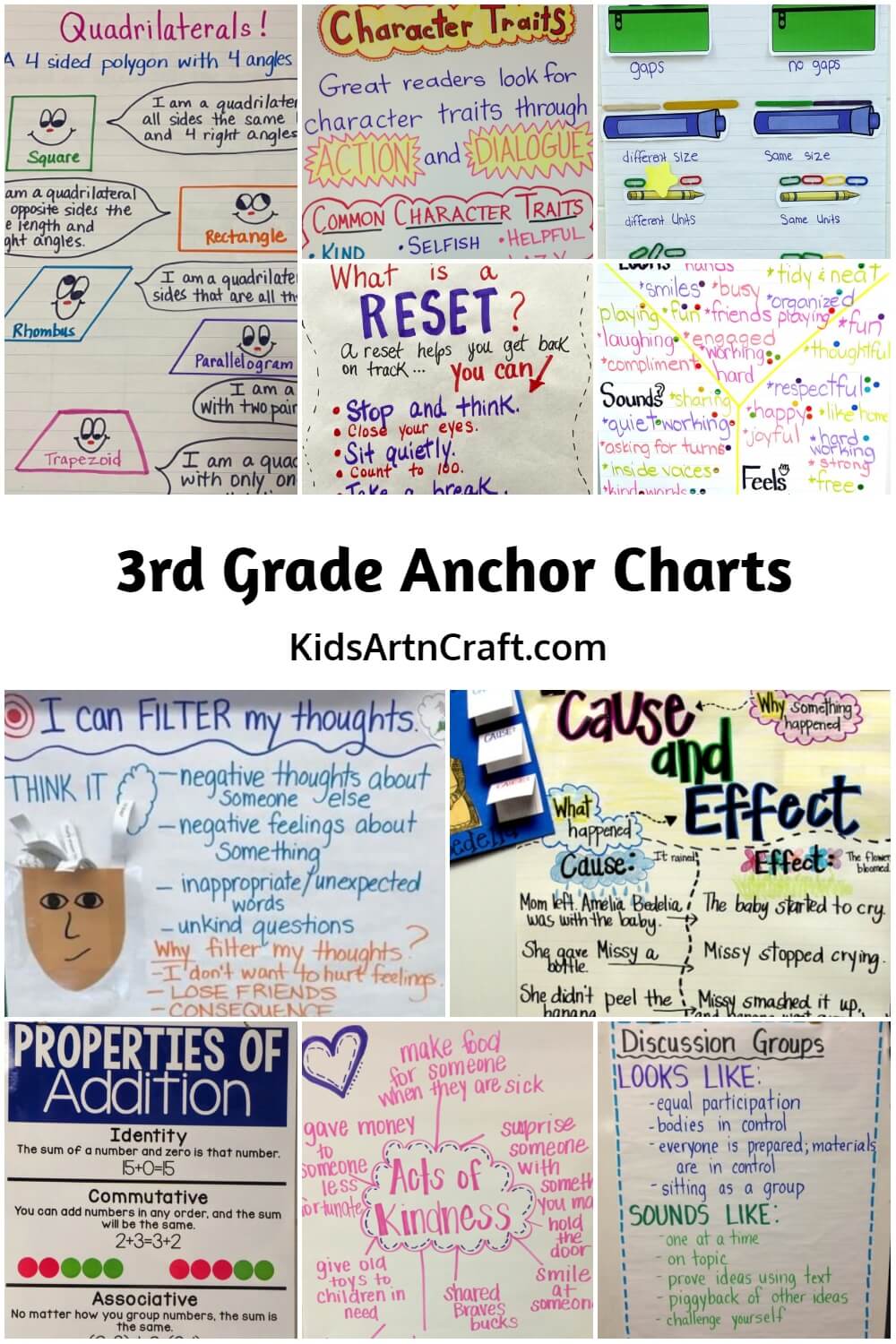
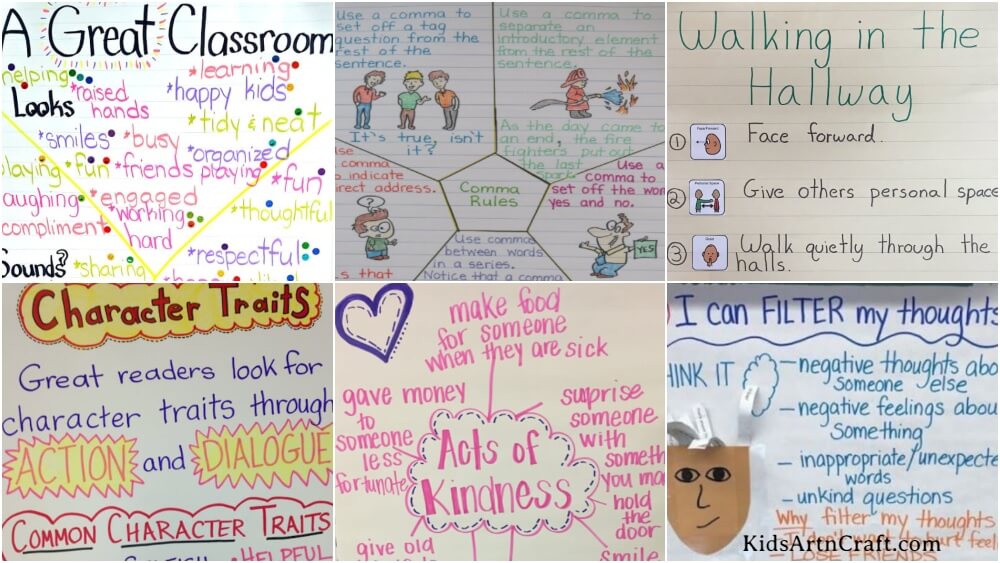
We are here with Anchor Charts for Grade 3, like English Anchor Chart, Math Anchor, Measurement Anchor, Cause and Effect Anchor, Science Anchor, Character Traits ELA Anchor, Classroom Inspiration Anchor, Social Emotions Anchor, Kindness Anchor, Walk a Line Anchor, Discussion Group Anchor, and Blurting Chart.
Read More: Teach Your Kids With Some Creativity – Learning with Crafts
Comma Rule English Anchor Chart For Kids
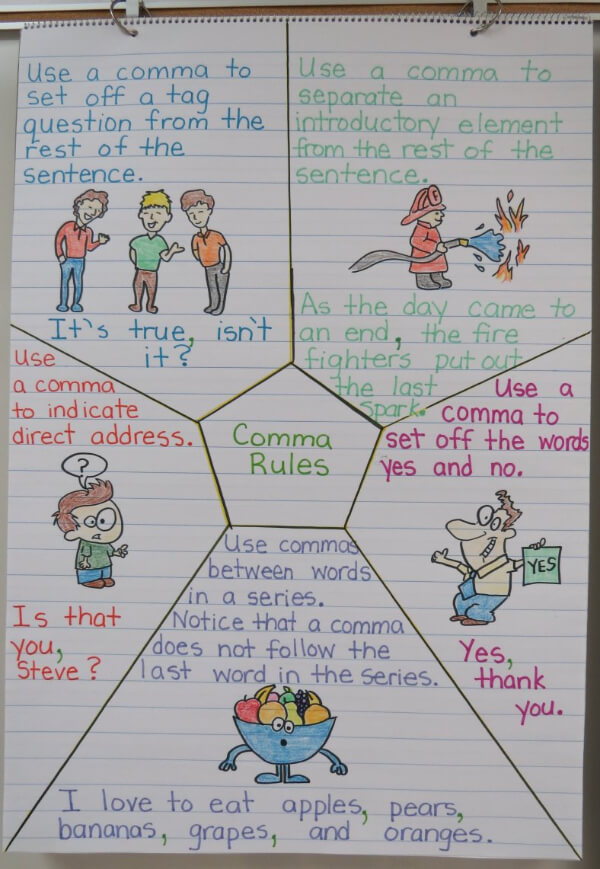
Image Source/ Tutorial: Book Units Teacher
Young kids mostly get confused about where to use commas in the English language. This Comma Rules Anchor Chart is a handy reference guide to help you use commas correctly in your writing. It explains the different uses of commas and provides clear examples of each. With clear visuals and concise explanations, this anchor chart is a great tool for students to refer to when learning the rules of comma usage. By providing this chart in the classroom, students can easily refer to it when needed to help them write clearer and more concise sentences.
Quadrilaterals: Math Anchor Charts For Kids
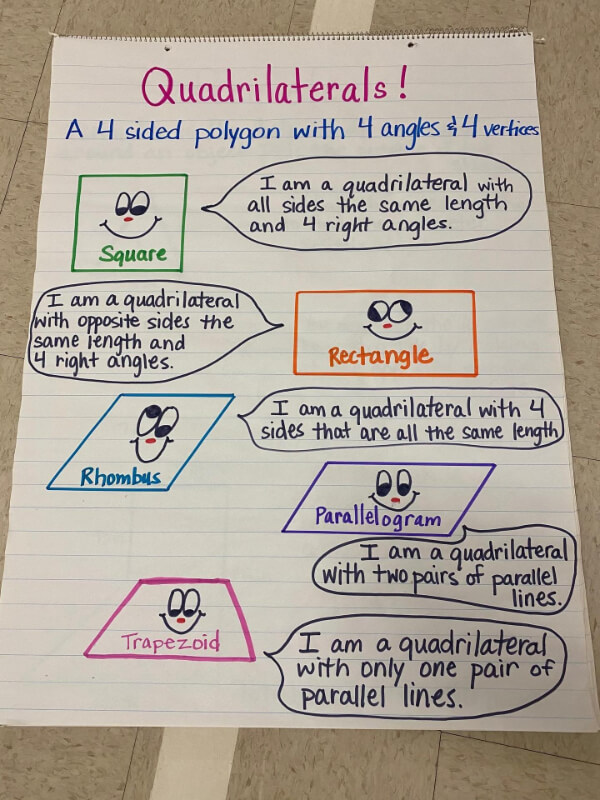
Image Source/ Tutorial: Wilkes County Schools
Quadrilaterals are fundamental math concepts for children to learn. These Quadrilateral Anchor Charts make it easy for kids to understand the different types of quadrilaterals and how to identify them. With vivid visuals and simple explanations, kids will be able to understand the fundamentals of shapes and angles. Students can become more confident and knowledgeable about quadrilaterals with the help of this anchor chart. Make students interested in Math with this engaging anchor chart!
Math Anchor Charts For Grade-3
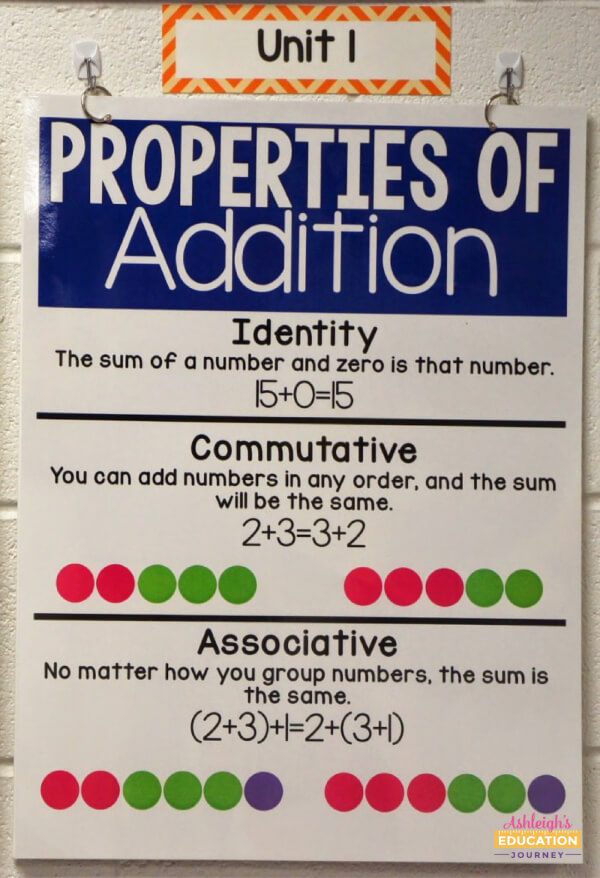
In 3rd grade, kids have learned how to add, but they get confused about the properties of addition. The Properties of Addition is a visual aid that provides students with visual reminders and summaries of key concepts of addition. It helps students to remember the three basic addition properties: commutative, associative, and identity. They are a great way to introduce a lesson, review a concept, or provide support for students learning the properties. Master the basic Math!
Simple Measurement Anchor Chart Idea For Kids
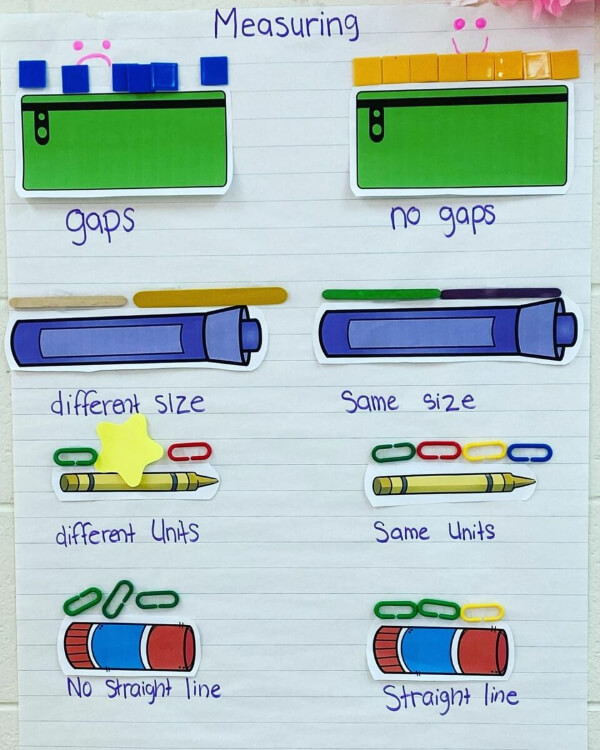
Image Source/ Tutorial: Teach Starter
Visual representation can be so beneficial for learning measurement or comparing size for kids. This measurement anchor chart is an excellent tool for teaching children the basics of measurement. It provides them with a visual representation of the different units of measurement, which can help them better understand and apply this concept. It helps them to compare sizes, build an understanding of sizes, and use them in daily life.
Easy Cause And Effect Anchor Chart
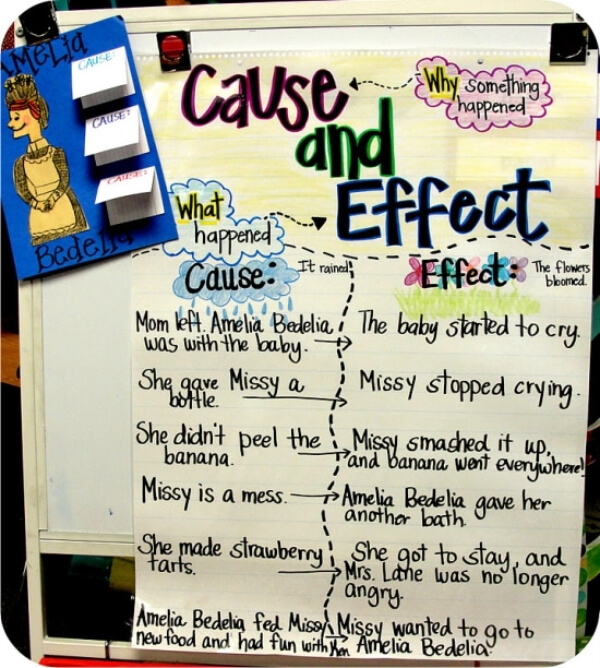
Image Source/ Tutorial: Teach Junkie
If an event happens, what would be its results? This could be answered with this anchor chart. It is an effective visual tool to help students recognize and understand the relationship between two events or ideas. It can be used to reinforce lessons, analyze cause-and-effect relationships, and help students become better problem solvers and critical thinkers. By using this tool, students can easily identify the different causes and effects of a given situation, allowing them to gain a better understanding of the complexity of the world. Think, Think, and Think!
Read More: Scientific Crafts for Toddlers Using Straws – Cool Science Projects
Science Anchor Chart Idea For Kids
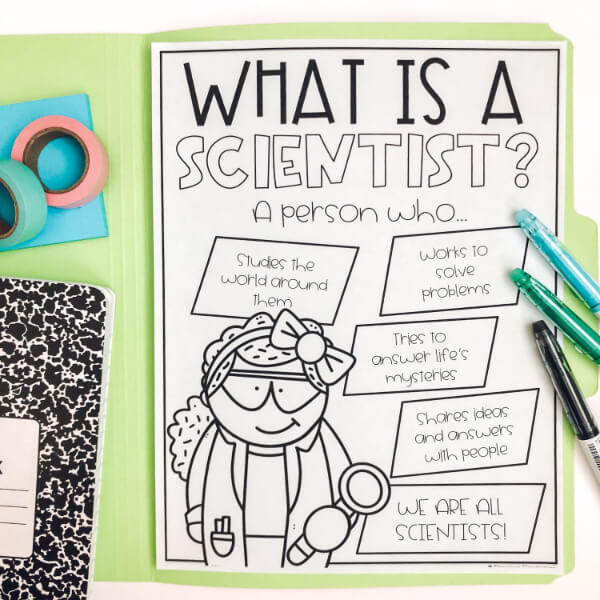
Image Source/ Tutorial: Priceless Ponderings
A scientist is someone who investigates the natural world, formulates theories, and tests them by collecting data. This Science anchor chart provides a helpful overview of the qualities of a scientist and what they do. Their work is essential for advancing knowledge and finding solutions to problems. This anchor chart is for kids who are new to science and want to get into the world of science. It can also be used to stimulate discussion among scientists. Refer to this anchor chart to know more about science and scientists!
Character Traits ELA Anchor Chart For 3rd Grade
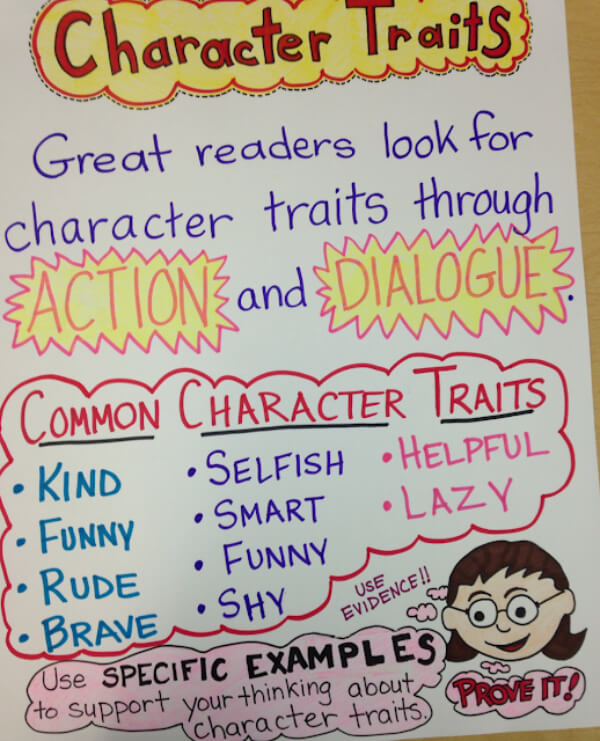
Character traits are the qualities or attributes that make up an individual’s personality. This tool is a great tool to help kids learn about character traits so that they can describe a character or a person. It outlines and explains different traits along with vivid examples that students can easily understand. It’s a fantastic tool to use to help students identify and understand character traits in literature. It provides a visual representation of the different character traits and will help students become more confident in their ability to analyze characters in stories.
Classroom Inspiration Anchor Charts For Growth Mindset
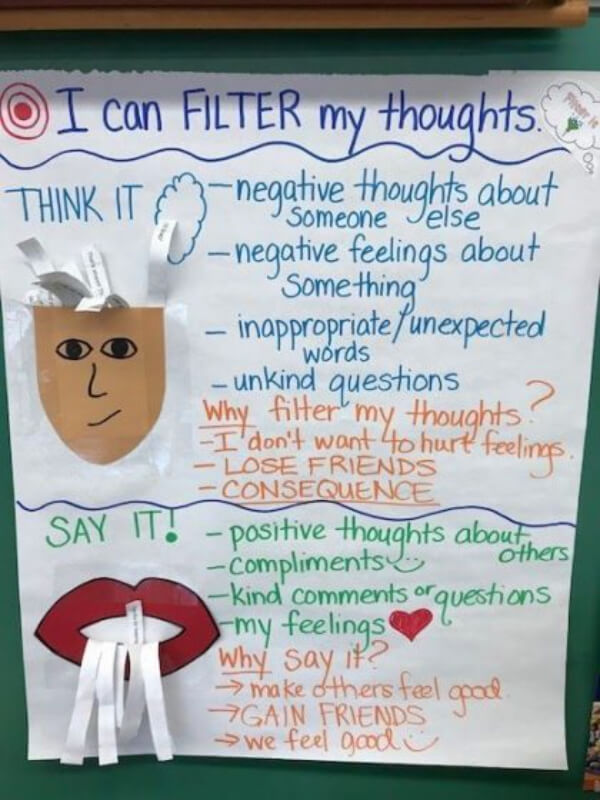
Image Source/ Tutorial: School Specialty
Inspire the students to have a growth mindset through this visual representation tool. They help students to develop positive attitudes toward learning and challenge themselves to achieve their goals. They also provide visual reinforcement and help to encourage a growth mindset. It can help them stay motivated and focused, and can be used as a visual reminder to stay positive and keep growing. Why not encourage deep learning and understanding in the classroom with this chart?
Science Expectations Anchor Charts For Classrooms
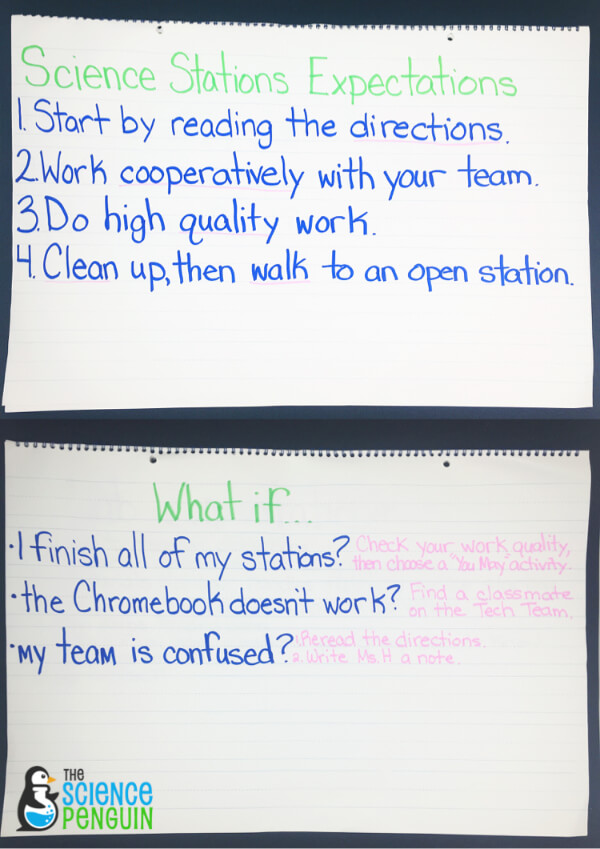
Image Source/ Tutorial: The Science Penguin
Guide your students through their science learning experience by providing them with tasks in class and having them focus on them. This science expectations anchor chart offers structure and helps them to stay on track with their scientific exploration. It can assist teachers in ensuring that their students are prepared to take part in productive scientific conversations and activities. Furthermore, it serves as a visual reminder for students to keep their attention on the right topics while also adhering to the expected behavior. Give it a try and monitor your students’ progress!
A Great Classroom Anchor Chart For Classroom Contract
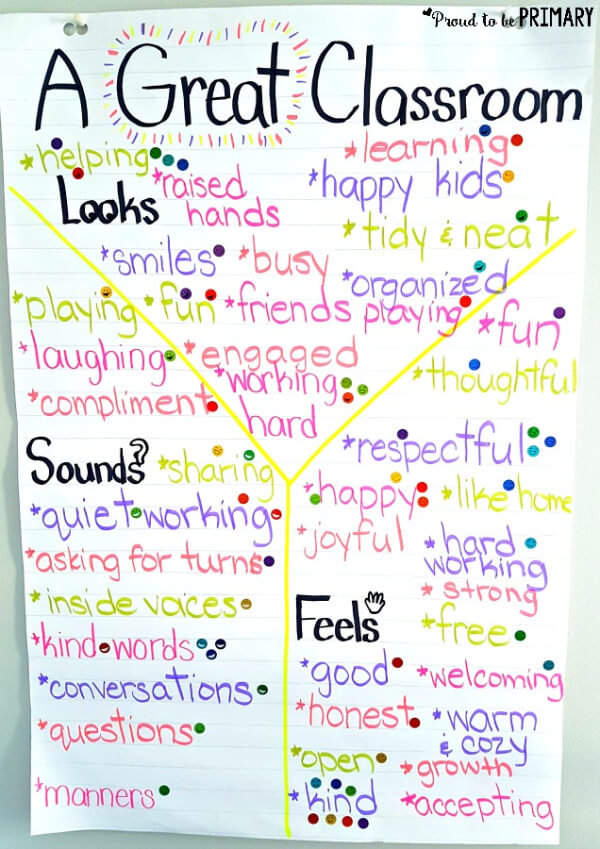
Image Source/ Tutorial: Proud To Be Primary
What does a great classroom look like? This question can be answered by this anchor chart that introduces kids to class expectations. This classroom contract anchor chart is a great way to remind students of their responsibilities and expectations, creating an environment of respect and collaboration. The colorful and crafty anchor chart will make kids look at it throughout the day. A great classroom expectation is based on how kids look, sound, and feel in the classroom environment. Create a positive and productive environment!
Read More: Classroom Decor Paper Craft Ideas for Kids
Social Emotions Anchor Chart For Kids
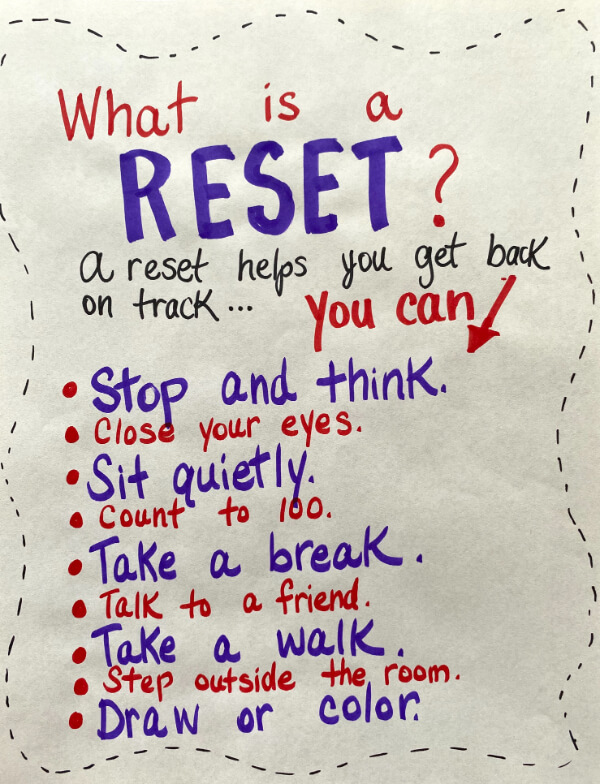
Image Source/ Tutorial: Elementary Elephant
Let students express their feelings and manage them with this social emotion anchor chart! This anchor chart encourages students to talk about what they are feeling. Also, this chart tells them that it’s okay to have a reset to get back on track. Sometimes, you need a break to be more productive and energetic. With this anchor chart. Children can express their emotions in a healthy way, which helps them build healthy relationships with those around them.
Ideas for an Act Of Kindness Anchor Chart
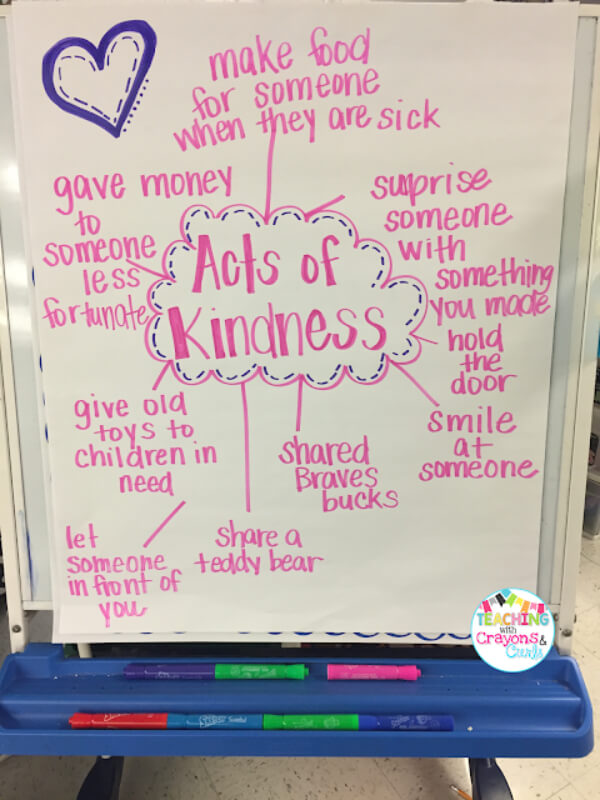
Image Source/ Tutorial: The Primary Peach
Making acts of kindness a part of our everyday lives helps to make the world a better place for all of us. To promote kindness and generosity among school students, make this Act of Kindness Anchor Chart. Ideas for an act of kindness anchor chart could include things like smiling at someone, sharing a teddy bear, holding the door, or preparing food for someone. It is a great tool to encourage children to think of and carry out kind acts in their daily lives. Spread Happiness and Kindness!
How To Walk In a Line Anchor Chart For Schools
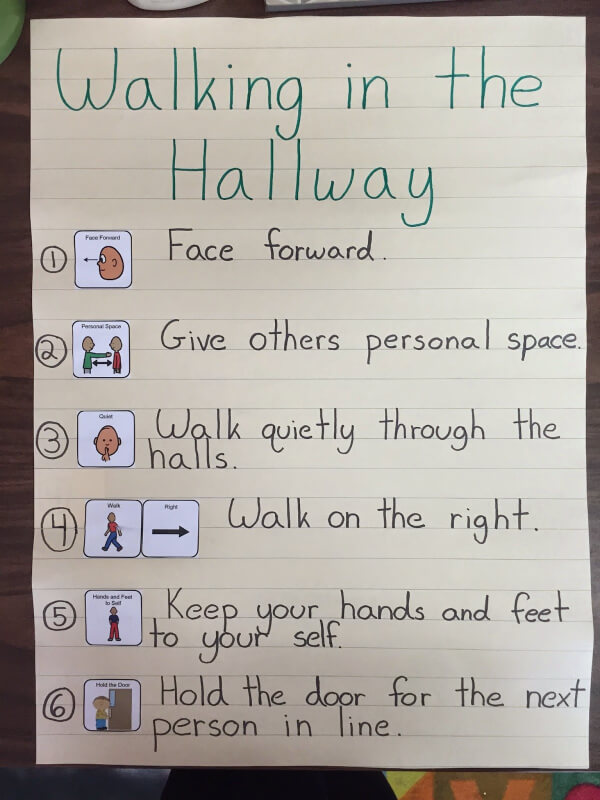
Image Source/ Tutorial: Students In The No
One of the toughest tasks for teachers is to maintain decorum in the hallway while kids are walking around. Teach them about rules and regulations or behavior while walking in a hallway through this anchor chart. It is an attractive chart that makes kids noticeits every time they pass through the hallway. This comprehensive guide is an effective way to maintain courtesy while walking. Not only will this chart maintain order, but it will also build discipline in them. Place the anchor chart in the hallway of the school to keep it in order.
Discussion Group Anchor Chart For Class-3 Kids
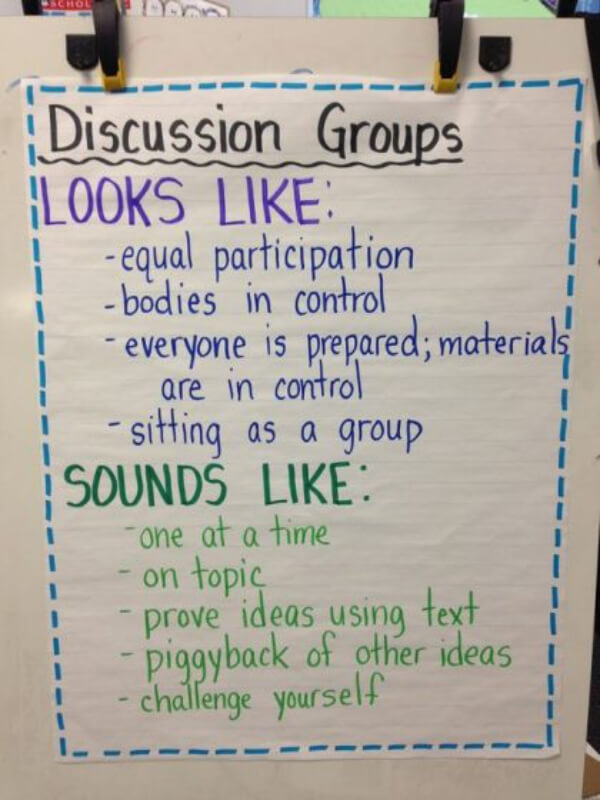
Image Source/ Tutorial: School Specialty
What does a real group discussion sound like? Make students learn about what the actual group discussion is and what it looks and sounds like. It provides a visual guide to help kids understand the purpose of a discussion group, the roles within the group, and the rules that should be followed when participating in a discussion. With this anchor chart, kids can gain a better understanding of the importance of discussion groups and how they can be used to enhance the learning experience.
Anchor Chart About Blurting Out In The Classrooms
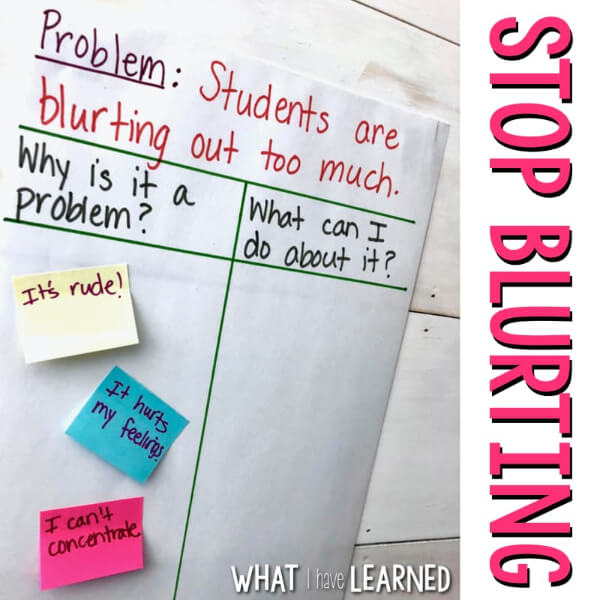
Image Source/ Tutorial: What I Have Learned Teaching
Blurting out in a classroom can be disruptive for both the student and the other students. It’s important to take a moment to pause and think before speaking to maintain a positive learning environment for everyone. With this final anchor chart, you can remind students of the importance of not interrupting others and why it is important to listen to the teacher and other students. This includes the cause of blurting out and what can be done next time. It helps to create a safe, positive, and productive learning environment and can be used as a tool to discuss the importance of self-control and respect in the classroom.
Step-by-Step Tutorial for Teachers & Kids Learning
Learn how to create effective anchor charts with this step-by-step tutorial. Perfect for teachers, parents, and educators, this guide shows simple ways to design colorful classroom anchor charts that help kids remember key concepts, routines, and lessons using visual learning strategies and easy classroom teaching techniques.
Why Anchor Charts Are Important for Grade 3 Students
Anchor charts are valuable classroom tools that help third-grade students understand, remember, and apply important concepts across different subjects. These visual learning aids present information in a clear and organized way, making lessons more engaging and easier to understand. Grade 3 students benefit from anchor charts because they support independent learning, reinforce key skills, and provide quick references throughout the school year. Anchor charts can be used for math, reading, writing, science, social studies, and classroom routines.
Educational Benefits of Grade 3 Anchor Charts
Supports Visual Learning
Anchor charts combine words, illustrations, diagrams, and examples to help students understand and retain information more effectively.
Improves Memory Retention
Students can refer back to anchor charts whenever needed, helping them remember important concepts and strategies.
Encourages Independent Learning
Children learn to use anchor charts as reference tools, allowing them to solve problems and answer questions on their own.
Strengthens Academic Skills
Anchor charts support learning in reading, writing, mathematics, science, grammar, and other subject areas.
Promotes Classroom Engagement
Creating anchor charts together encourages discussion, participation, and collaborative learning.
Skills Students Develop Through Anchor Charts
- Reading comprehension
- Writing skills
- Mathematical reasoning
- Critical thinking
- Problem-solving abilities
- Observation skills
- Memory retention
- Communication skills
- Organization skills
- Independent learning habits
Tips for Creating Effective Grade 3 Anchor Charts
- Use large, clear lettering that students can easily read.
- Include colorful illustrations and visual examples.
- Keep information simple and age-appropriate.
- Create charts together with students whenever possible.
- Display charts where students can easily see and reference them.
- Update charts as new concepts are introduced throughout the year.
FAQs
Q1. What are anchor charts for Grade 3?
Answer: Anchor charts are visual classroom displays that help third-grade students learn and remember important concepts, skills, and strategies.
Q2. Why are anchor charts useful for third graders?
Answer: They support visual learning, improve memory retention, encourage independent learning, and reinforce classroom lessons.
Q3. What subjects can use anchor charts?
Answer: Anchor charts can be used for math, reading, writing, grammar, science, social studies, and classroom management.
Q4. Can students help create anchor charts?
Answer: Yes, involving students in creating anchor charts increases engagement, understanding, and ownership of learning.
Q5. How do anchor charts support classroom learning?
Answer: They provide visual references that help students review information, solve problems, and apply skills independently.
Q6. What materials are needed to make anchor charts?
Answer: Common materials include chart paper, markers, sticky notes, colored pencils, rulers, and printed visuals.
Q7. Can anchor charts be used at home?
Answer: Yes, parents can create simple anchor charts to support homework, reading practice, and skill development.
Q8. How often should teachers update anchor charts?
Answer: Teachers should update anchor charts whenever new topics, concepts, or learning strategies are introduced.
Grade 3 anchor charts make learning more engaging, organized, and effective. By providing visual reminders of important concepts and skills, these classroom resources help students build confidence, improve understanding, and become more independent learners. They are valuable tools for supporting success across all subject areas.
Helping little learners create, explore, and discover every day! Stay connected on Telegram, YouTube & Facebook.
Reviewed By Rachit Gupta
More Articles From Kids’ Art & Craft
- 20+ Learning Activities for Kids To Do At Home
- Teach Your Kids With Some Creativity – Learning with Crafts
- Learning Activities for Preschoolers
- Number of Learning Activities For Kids
- Interesting Letter Learning Activities For Preschoolers