Kids Activities
Easy Science Experiments With Balloons For Kids

If you’re searching for Easy Science Experiments With Balloons For Kids to do at home, you’re in the right place! Keep your learning spirit alive with our curated list of balloons, melting ice, hot & cold air, how to make rockets, and science experiments with vinegar & baking soda.
Easy Science Experiments With Balloons For Kids
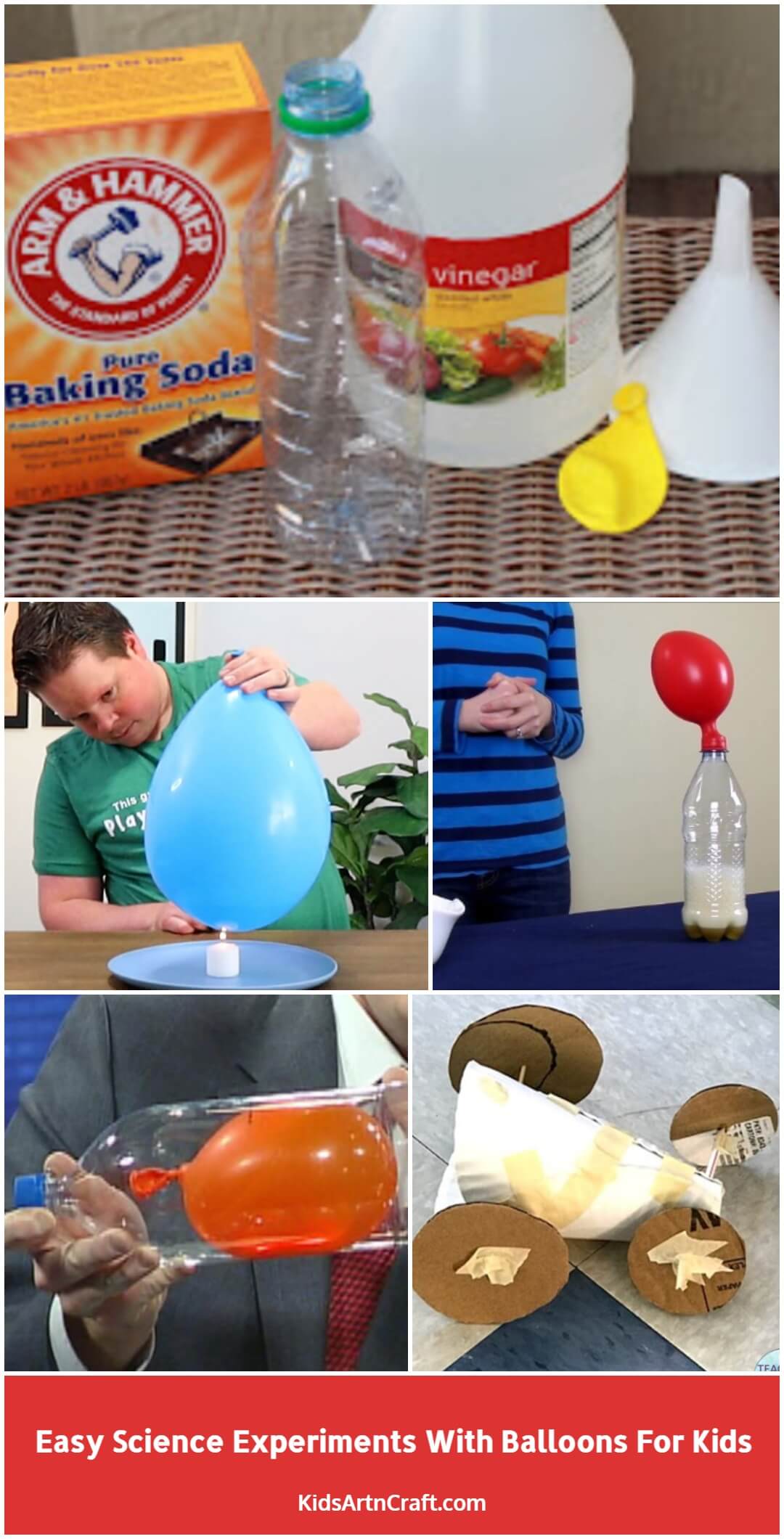

Read More: 15 Fun Balloon Science Experiments for Kids
Rainbow Walking Water Science Experiment for Kids

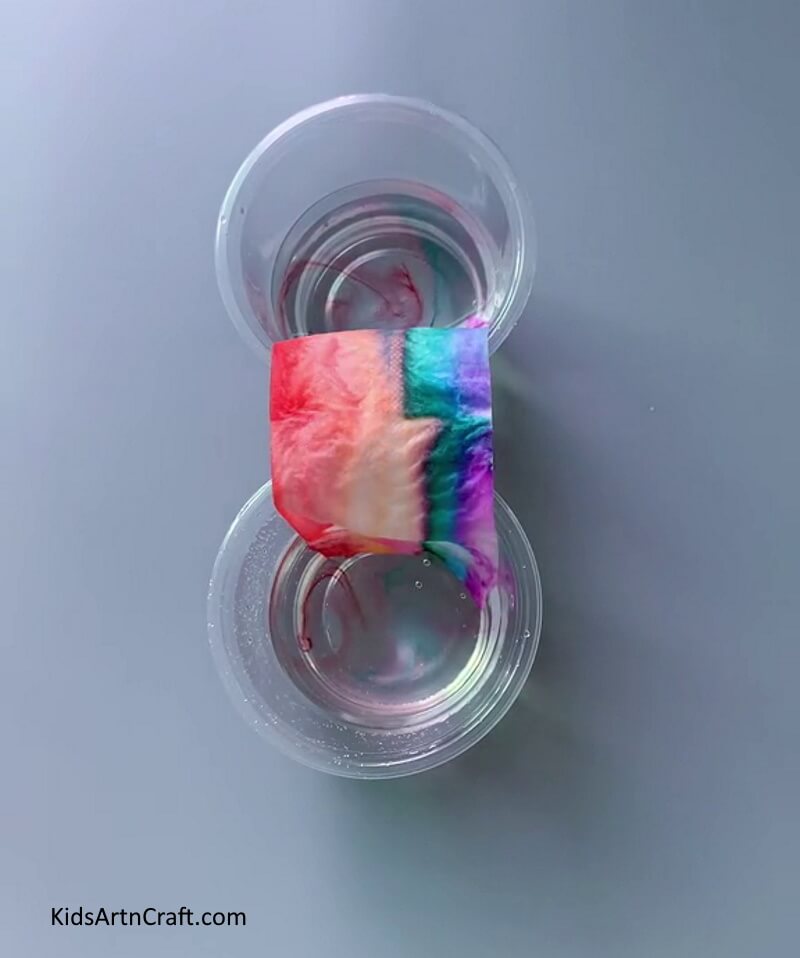
Image Source/Tutorial: Kids Art& Craft
Materials Required:
- 2 plastic cups
- Water
- Food coloring
- Paper towel
Procedure:
Fill two cups with colored water and place an empty cup between them. Fold a paper towel and place it between the cups so the colored water slowly travels and mixes.
DIY Balloon-Powered Car STEM Activity for Kids

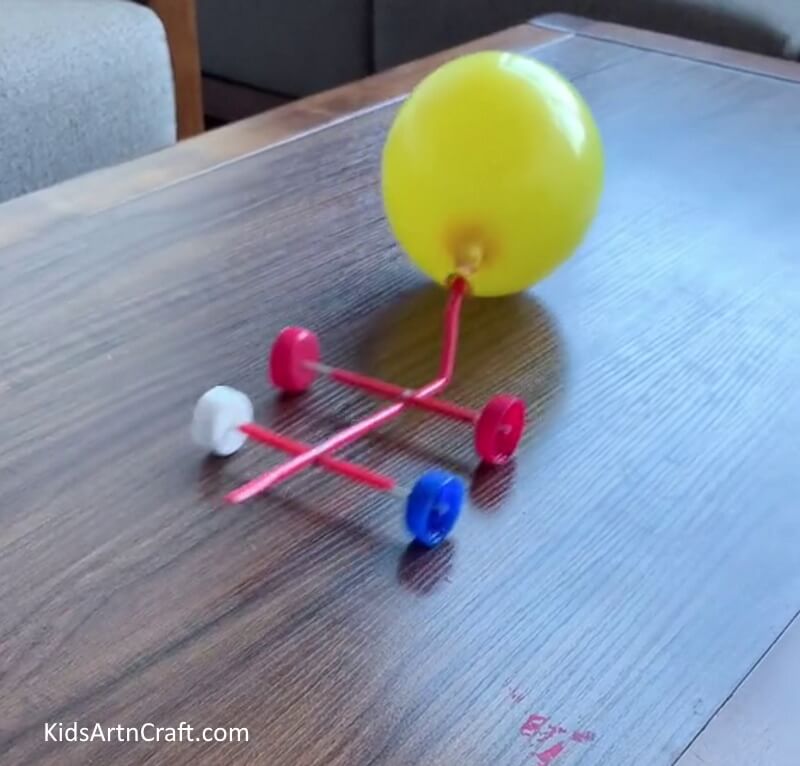
Image Source/Tutorial: Kids Art & Craft
Materials Required:
- Balloon
- Drinking straws
- Bottle caps
- Tape
- Cardboard base
Procedure:
Attach wheels made from bottle caps and straws to a cardboard base. Fix a balloon on the straw, inflate it, and release the air to move the car.
Balloon in Bottle Air Pressure Science Experiment

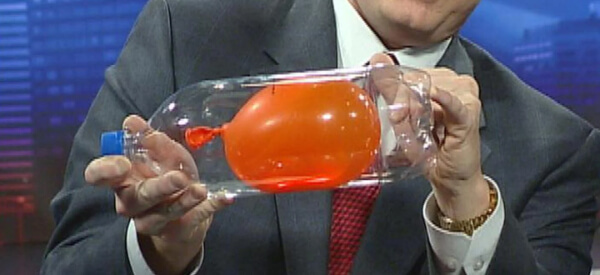
Materials Required:
- Plastic bottle
- Balloon
- Scissors or a pin
Procedure:
Place a balloon inside the bottle and stretch the opening over the bottle mouth. Blow air into the balloon and observe how the air pressure inside the balloon affects it.
Frozen Balloon Ice Science Activity for Kids

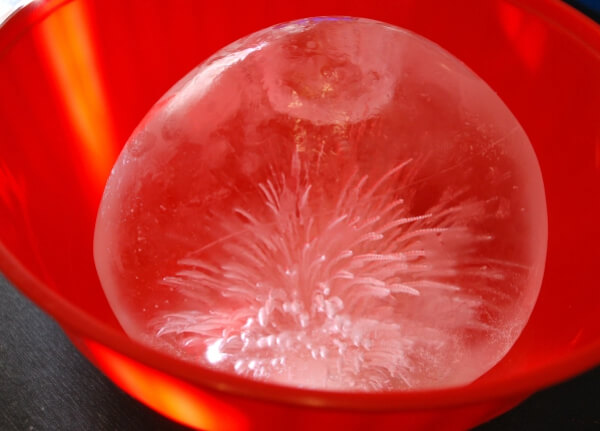
Image Source/Tutorial: Dandelion Bouquets Dot Com
Materials Required:
- Balloon
- Water
- Freezer
- Bowl
Procedure:
Fill a balloon with water and place it in the freezer overnight. Cut the balloon open to reveal the ice sphere.
Balloon Car STEM Project Materials Setup

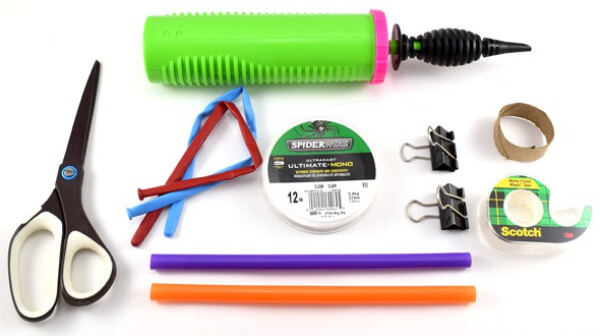
Image Source/Tutorial: Science Buddies
Materials Required:
- Balloon pump
- Straws
- Tape
- Scissors
- Binder clips
- Fishing line
Procedure:
Gather all the materials needed for building the balloon car. Use the supplies to assemble the frame, wheels, and balloon air system.
Balloon Parachute Drop Experiment for Kids

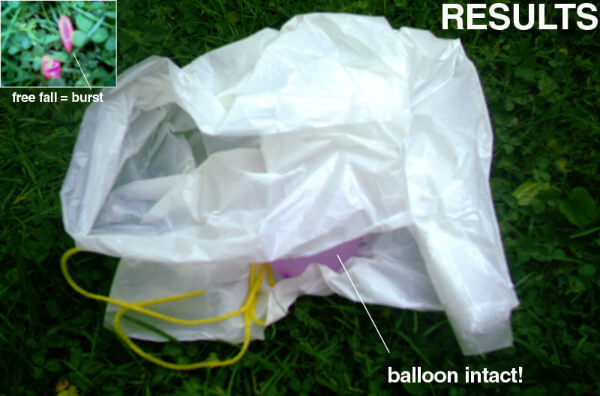
Image Source/Tutorial: E Is For Explore
Materials Required:
- Plastic bag
- Balloon
- String
- Tape
Procedure:
Attach strings from the balloon to the corners of a plastic bag. Drop it from a height and watch how the parachute slows the fall.
Hot and Cold Air Balloon Bottle Experiment

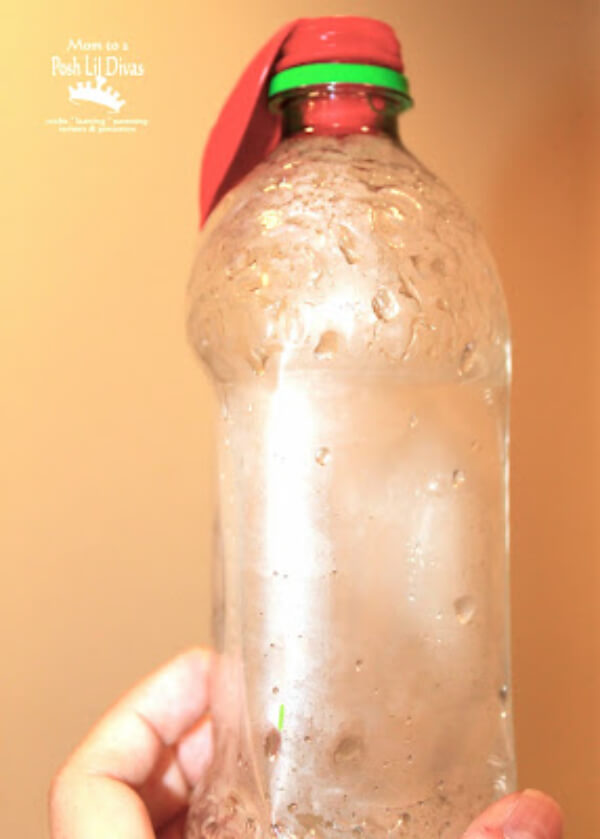
Materials Required:
- Plastic bottle
- Balloon
- Hot water
- Cold water
Procedure:
Place a balloon over the mouth of a bottle. Put the bottle in hot water and watch the balloon inflate as the air expands.
Read More: Balloon Science Experiments for Kids
Unpoppable Balloon Science Trick for Kids

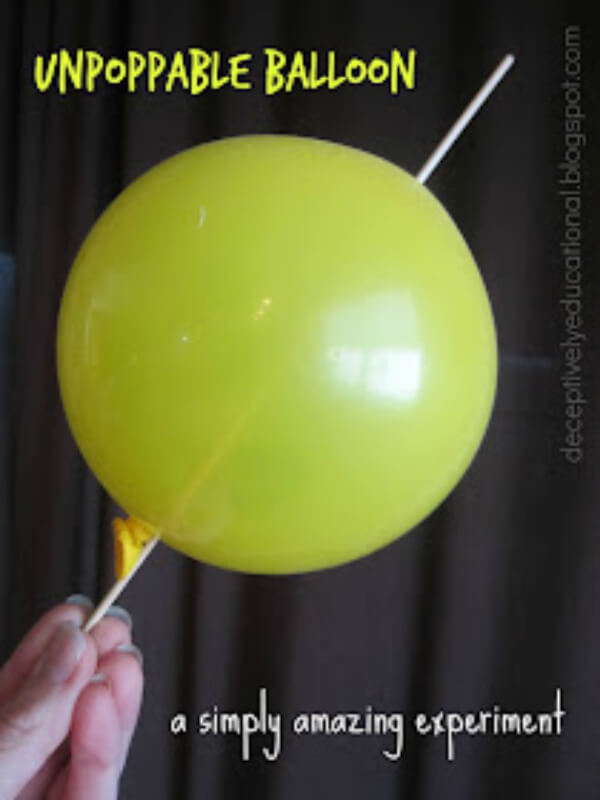
Image Source/Tutorial: Deceptively Educational
Materials Required:
- Balloon
- Wooden skewer
- Tape
Procedure:
Inflate the balloon and place tape on two opposite sides. Carefully push the skewer through the taped spots without popping the balloon.
Cardboard Balloon Car STEM Classroom Project

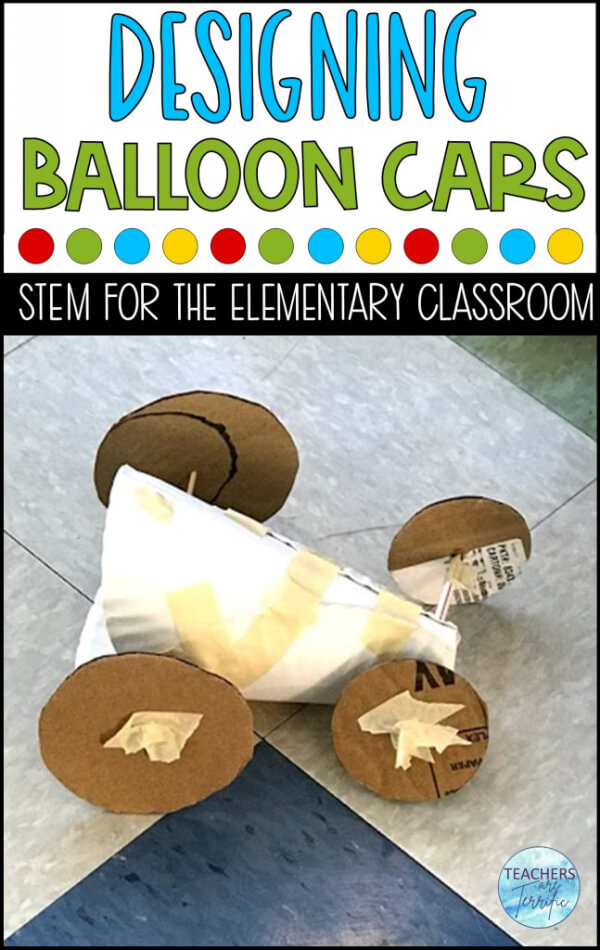
Image Source/Tutorial: Teachers Are Terrific
Materials Required:
- Cardboard
- Straws
- Balloon
- Tape
- Wooden sticks
Procedure:
Create a car body from cardboard and attach straw axles with wheels. Inflate the balloon and release the air to make the car move.
Balloon Inflation with Yeast Science Experiment

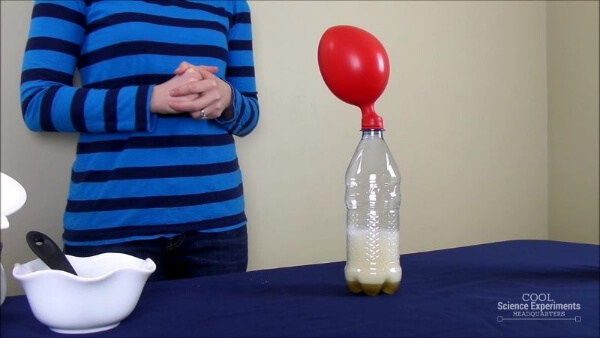
Image Source/Tutorial: Cool Science Experiments Hq
Materials Required:
- Plastic bottle
- Balloon
- Yeast
- Sugar
- Warm water
Procedure:
Add warm water, sugar, and yeast into the bottle. Place a balloon over the bottle opening and watch it inflate as gas forms.
Balloon and Candle Air Pressure Science Experiment for Kids

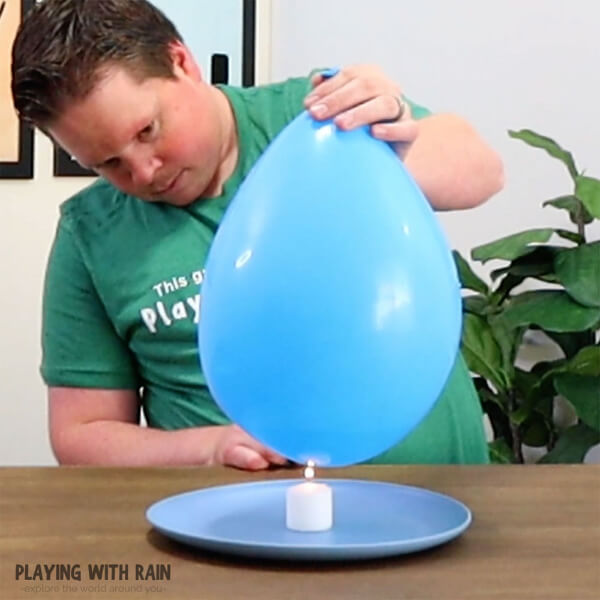
Image Source/Tutorial: Playing With Rain
Materials Required:
- Balloon
- Small candle
- Plate or tray
- Matchstick or lighter
- Water (optional for safety)
Procedure:
Light the candle and place it safely on a plate. Carefully hold the balloon above the flame and observe how heat affects the air inside the balloon.
Baking Soda and Vinegar Balloon Experiment Setup

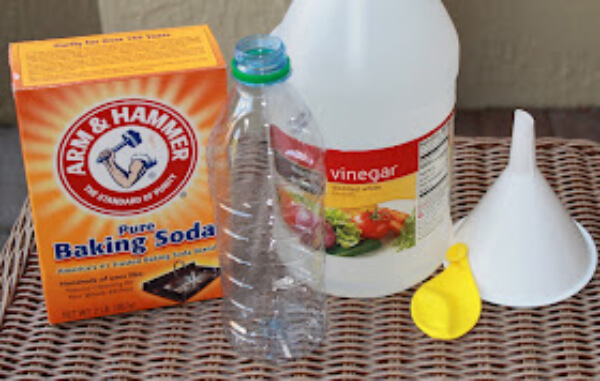
Image Source/Tutorial: Mom To 2 Posh Lil Divas
Materials Required:
- Baking soda
- Vinegar
- Plastic bottle
- Balloon
- Funnel
Procedure:
Pour vinegar into the bottle and add baking soda inside the balloon using a funnel. Attach the balloon to the bottle and lift it so the baking soda falls in, causing the balloon to inflate.
Step-by-Step DIY Science Tutorial

Learn fun and easy balloon science experiments for kids in this step-by-step tutorial. Discover simple STEM activities using balloons, air pressure, and chemical reactions with everyday materials. Perfect for home or classroom learning, this DIY science experiment helps children explore basic science concepts through exciting, hands-on activities.
Benefits of Balloon Science Experiments for Kids
Balloon science experiments are a fun and engaging way to introduce children to scientific concepts. These hands-on activities encourage curiosity and help kids understand how science works in everyday life.
- Develop critical thinking and problem-solving skills
- Encourage observation and prediction abilities
- Introduce basic physics and chemistry concepts
- Promote STEM learning through play
- Improve fine motor and coordination skills
- Build confidence through hands-on discoveries
Science Concepts Children Learn Through Balloon Experiments
Many balloon activities demonstrate important scientific principles using simple household materials. Children can explore:
- Air pressure and how it affects objects
- Chemical reactions that produce gases
- Newton’s Laws of Motion through balloon rockets and cars
- Hot and cold air expansion
- Static electricity and attraction
- Force, motion, and energy transfer
These concepts help children understand real-world science excitingly and memorably.
Safety Tips for Balloon Experiments
While balloon experiments are generally safe, adult supervision is recommended, especially when using heat sources or small materials.
- Always supervise young children during experiments.
- Keep uninflated and broken balloon pieces away from toddlers.
- Use safety glasses when performing chemical reaction experiments.
- Avoid placing balloons near sharp objects.
- Handle candles and hot water activities with adult assistance.
- Clean up experiment materials immediately after use.
Learning Outcomes
After completing these balloon science activities, children will be able to:
- Understand that air occupies space.
- Observe how gases can inflate balloons.
- Explain simple cause-and-effect relationships.
- Recognize basic principles of force and motion.
- Practice making predictions and observations.
- Develop curiosity about scientific exploration.
FAQ
Q1. Why are balloons useful for science experiments?
Answer: Balloons are inexpensive, easy to use, and help demonstrate concepts such as air pressure, force, motion, and chemical reactions.
Q2. What age group can do balloon science experiments?
Answer: Most balloon science activities are suitable for children ages 4–12 with appropriate adult supervision.
Q3. Which balloon experiment is best for beginners?
Answer: The vinegar and baking soda balloon experiment is one of the easiest and most popular activities for introducing children to chemical reactions.
Q4. What STEM skills do balloon experiments teach?
Answer: These activities teach observation, prediction, problem-solving, engineering design, and scientific reasoning skills.
Q5. Can balloon experiments be used in classrooms?
Answer: Yes. Balloon experiments are excellent classroom STEM activities because they are affordable, engaging, and easy to set up.
Q6. What scientific principle does a balloon rocket demonstrate?
Answer: A balloon rocket demonstrates Newton’s Third Law of Motion, showing that every action has an equal and opposite reaction.
Balloon science experiments provide an exciting and hands-on way for children to explore important scientific concepts. From learning about air pressure and chemical reactions to understanding force and motion, these simple activities make science both fun and educational. With easy-to-find materials and plenty of opportunities for discovery, balloon experiments can inspire curiosity, creativity, and a lifelong love of learning.
Inspiring kids through creative crafts, fun activities, and hands-on learning adventures. Follow us on Telegram, YouTube & Facebook for fresh ideas every day.
Follow us on YouTube for art and craft tutorials and much more.
Reviewed By Rachit Gupta
More Articles from Kids’ Art & Craft
- Funny Balloon Faces Craft for kids
- Easy Science Experiments for Kids
- Easy Science Experiments for Kids To Do At Home
- Edible Science Experiments for Kids
- Ice Science Experiments For Kids