Halloween
Halloween Science Experiments for Kids

If you’re searching for Halloween science experiments for kids, you’re in the right place! Keep your learning spirit alive with our curated list of Halloween science experiments like bubbling slime, haunted hand melt, chemistry science experiment, candy potions, pumpkin decomposition, sprouting Indian corn, skittles science, Halloween candy, edible solar system, mentos diet coke, gummy bear, dissolving peeps, oil test, shadow puppets stem activity, glow-in-the-dark water, Halloween costumes, colored shadow, how to make slime, and electronic play dough.
Halloween Science Experiments For Kids
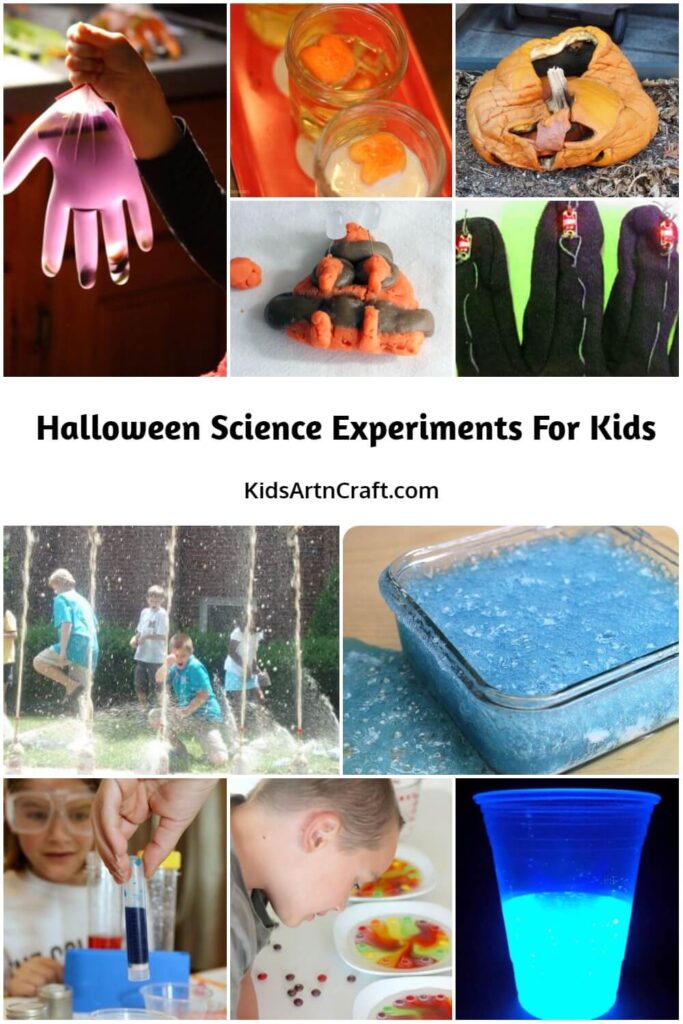

Read More: 70+ Halloween Craft Ideas for Kids
Easy Homemade Blue Slime for Kids

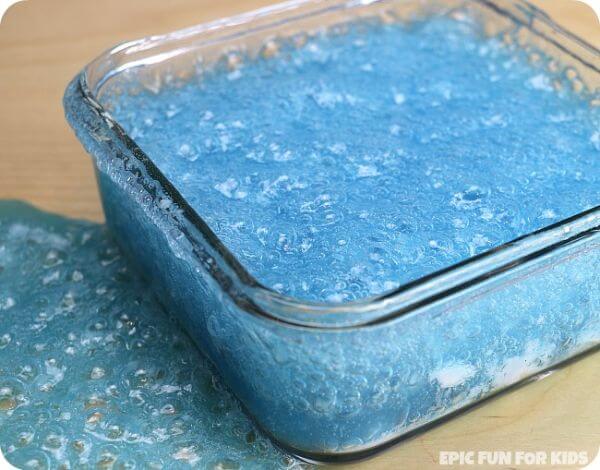
Image Source/Tutorial: Epic Fun For Kids
Materials Required:
Glue, baking soda, contact lens solution, food color, bowl
Procedure:
Mix glue with baking soda and add food coloring. Add contact solution slowly and knead until slime forms.
Cool Ice Hand Science Activity

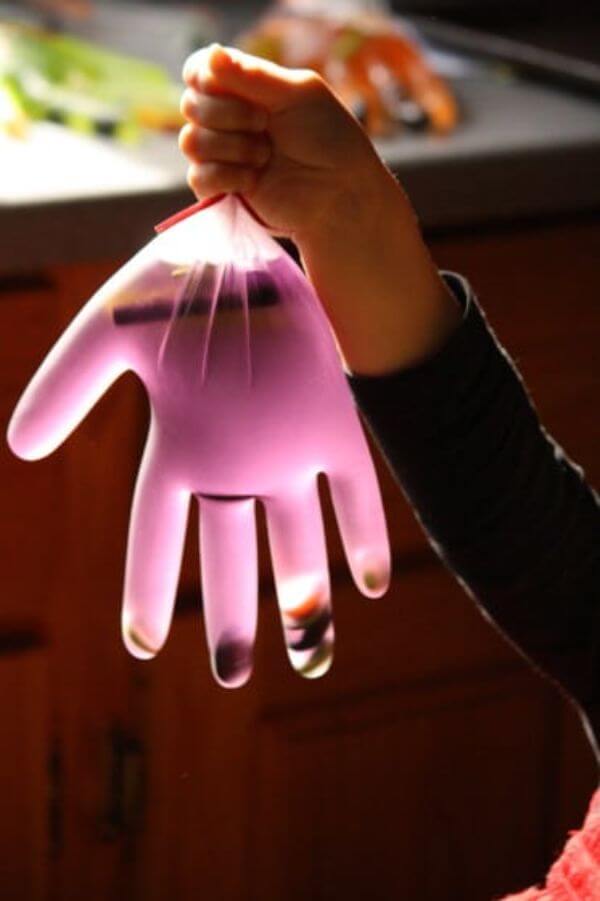
Image Source/Tutorial: Happy Hooligans
Materials Required:
Rubber glove, water, food coloring, freezer
Procedure:
Fill glove with colored water and tie it securely. Freeze overnight and peel off the glove to reveal an ice hand.
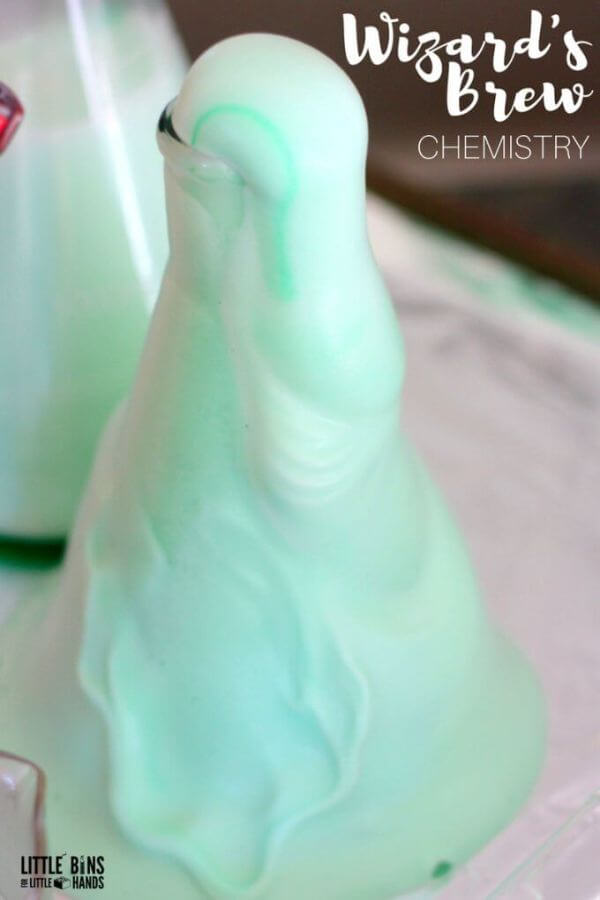
Magical Wizard’s Brew Foam Science
Materials Required:
Hydrogen peroxide, yeast, dish soap, food color, bottle
Procedure:
Add soap and color to the peroxide in a bottle. Mix yeast with warm water and pour into the bottle to create a foamy eruption.
Colorful Liquid Density Tower Experiment
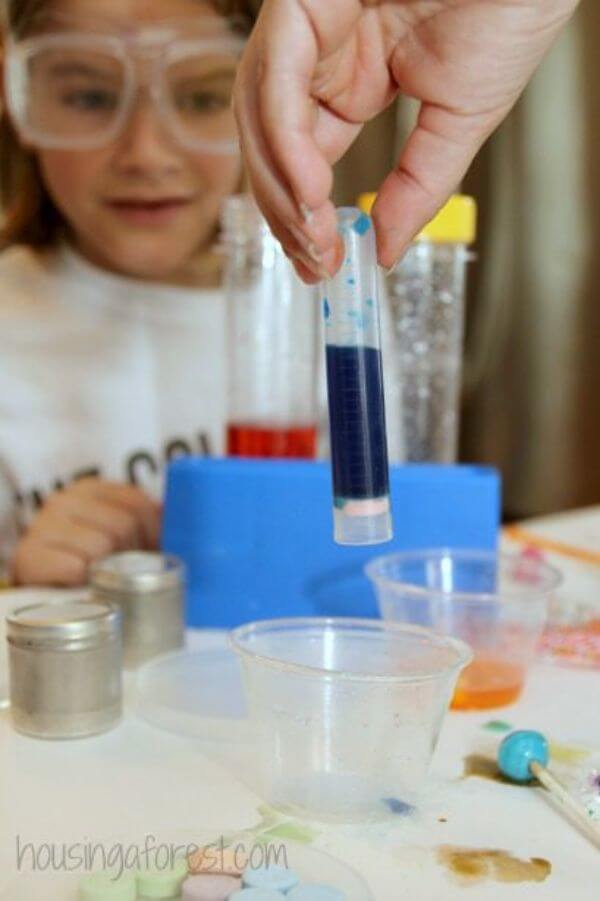
Image Source/Tutorial: Housing A Forest
Materials Required:
Honey, dish soap, water, oil, food color, test tubes
Procedure:
Pour liquids slowly in order of density. Watch them form colorful layers without mixing.
Pumpkin Rotting Science Activity

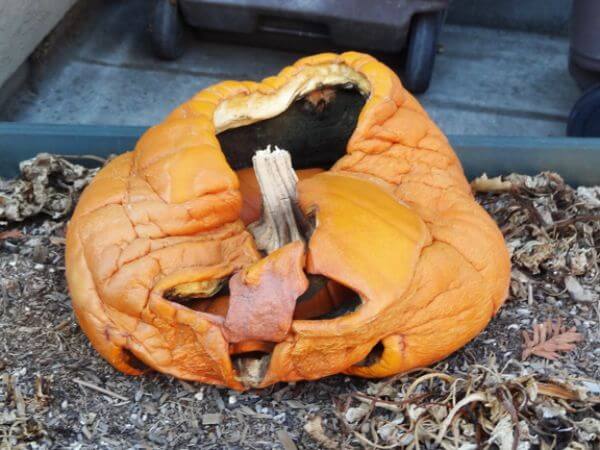
Image Source/Tutorial: Gift Of Curiosity
Materials Required:
Pumpkin, outdoor space, observation sheet
Procedure:
Leave the pumpkin outside and observe daily changes. Record texture, smell, and appearance over time.
Read More: Halloween Crafts for Kids
Sprouting Beans Caterpillar Craft & Science

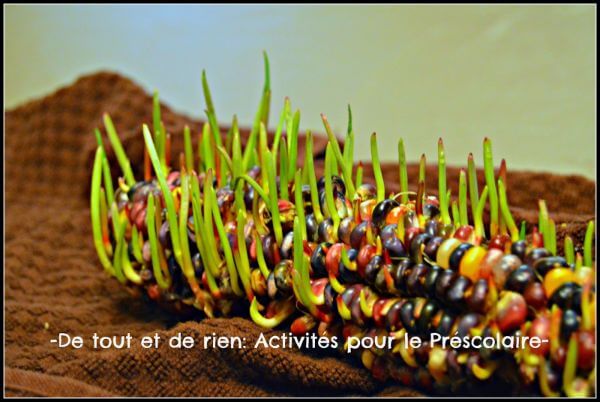
Image Source/Tutorial: De-Tout-Et-De-Rien-Caroline
Materials Required:
Beans, cotton, water, tray
Procedure:
Soak beans and place on wet cotton in shape. Keep them moist and watch sprouts grow like a caterpillar.
Colorful Skittles Rainbow Experiment
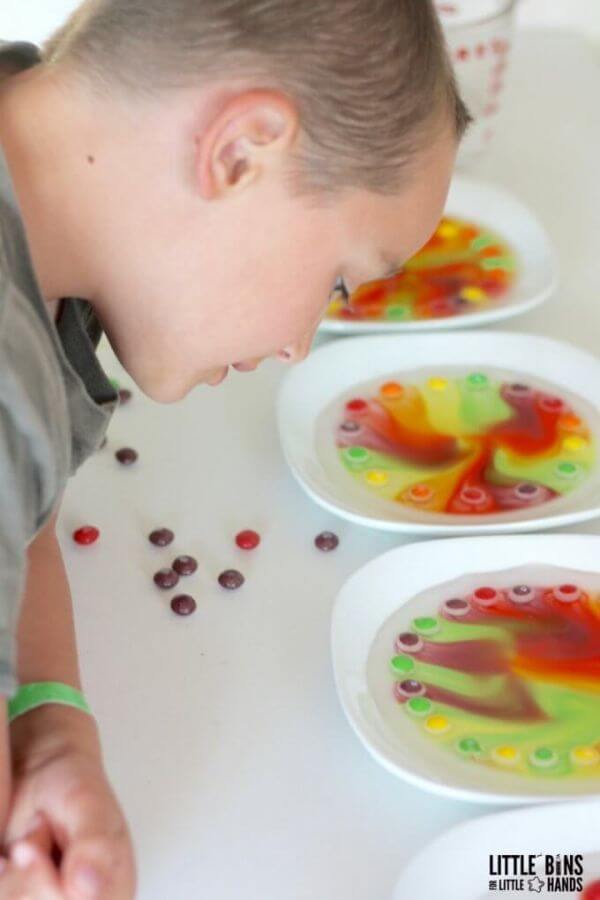
Materials Required:
Skittles, plate, warm water
Procedure:
Arrange candies in a circle and pour warm water. Watch colors dissolve and form a rainbow pattern.
Fizzy Skittles Science Reaction
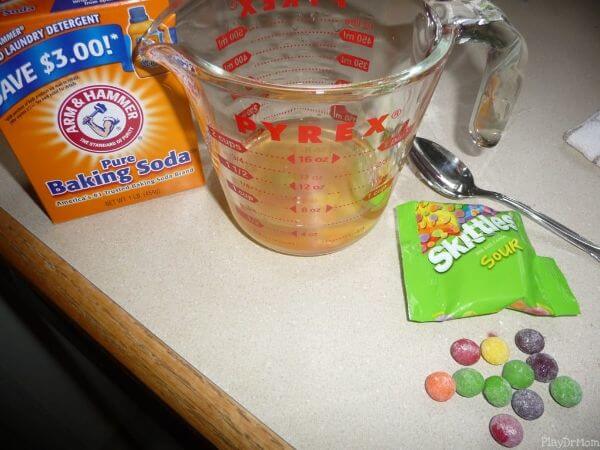
Image Source/Tutorial: Play Dr. Hutch
Materials Required:
Skittles, baking soda, vinegar, a cup
Procedure:
Add baking soda to a cup and drop Skittles in. Pour vinegar to create a bubbling chemical reaction.
DIY Water Bottle Rocket STEM Activity

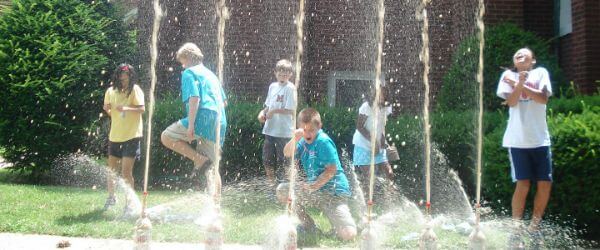
Image Source/Tutorial: Steve Spangler Science
Materials Required:
Plastic bottle, water, baking soda, vinegar, cork
Procedure:
Fill the bottle partially with water and add a baking soda-vinegar mix. Seal and place upside down to launch.
Gummy Bear Osmosis Science Activity

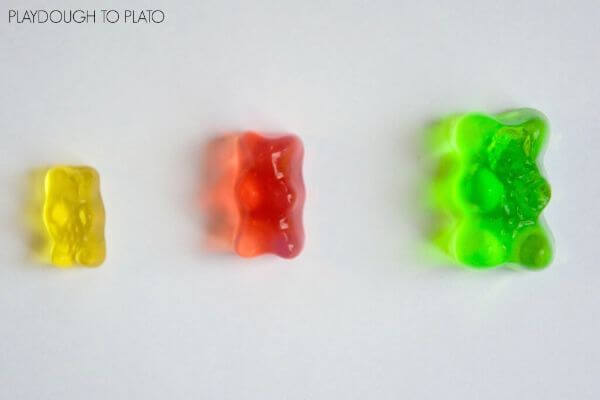
Image Source/Tutorial: Play-Doh to Plato
Materials Required:
Gummy bears, water, salt water, cups
Procedure:
Place gummy bears in different liquids. Observe size changes over time due to osmosis.
Read More: Twisting Emoji Bogeyman Crafts | Easy DIY for Halloween crafts with kids
Floating Egg Science Experiment

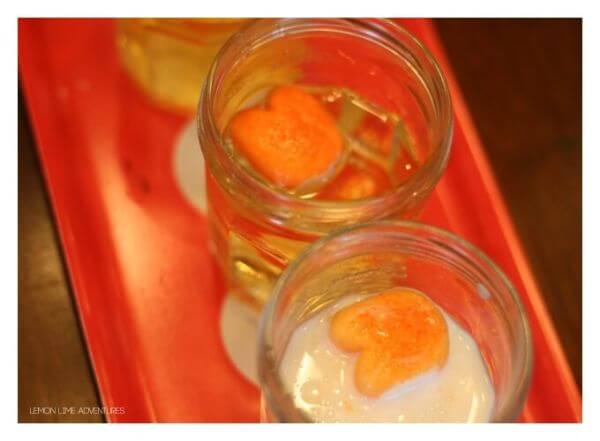
Image Source/Tutorial: Lemon Lime Adventures
Materials Required:
Eggs, water, salt, glass jars
Procedure:
Fill jars with plain water and saltwater. Place eggs inside and observe which float or sink.
Easy DIY Red Slime for Kids

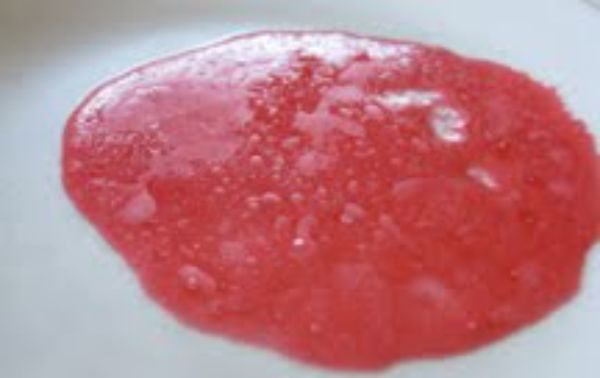
Image Source/Tutorial: Candy Experiments
Materials Required:
Glue, food color, baking soda, contact solution
Procedure:
Mix glue with color and baking soda. Add solution slowly and knead into stretchy slime.
Fun Shadow Puppet Light Experiment

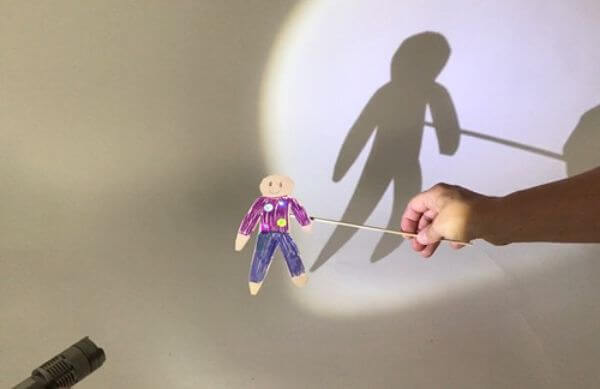
Image Source/Tutorial: Science Buddies
Materials Required:
Paper cutout, stick, flashlight, wall
Procedure:
Attach cutout to stick and shine light behind it. Move it to create different shadow shapes.
Glow-in-the-Dark Water Science

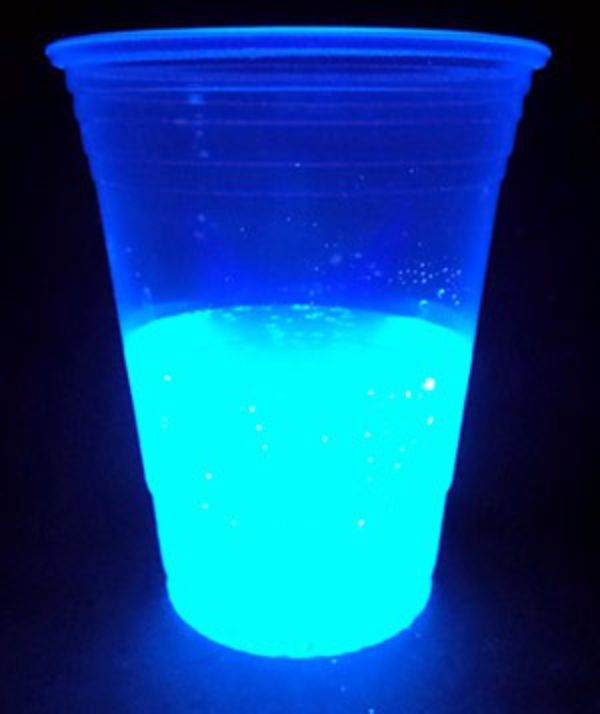
Image Source/Tutorial: Science Buddies
Materials Required:
Tonic water, UV light, clear cup
Procedure:
Pour tonic water into the cup. Shine UV light to see it glow brightly.
DIY LED Light-Up Gloves

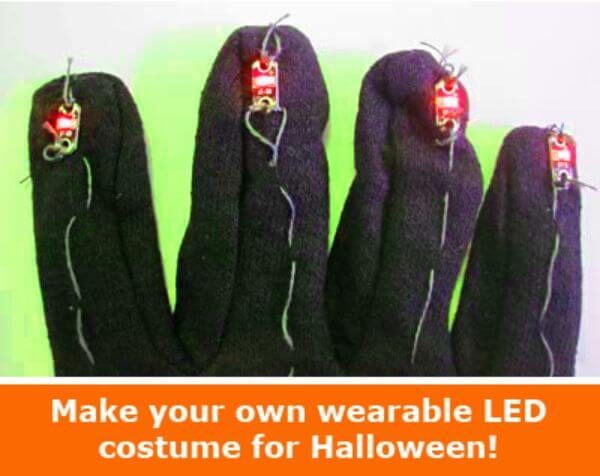
Image Source/Tutorial: Young Scientist Lab
Materials Required:
Gloves, LED lights, coin battery, wires, tape
Procedure:
Connect LED lights to the battery with wires. Attach securely to glove fingertips.
Read More: Easy Pumpkin Crafts for Kids
RGB Color Mixing Science Activity

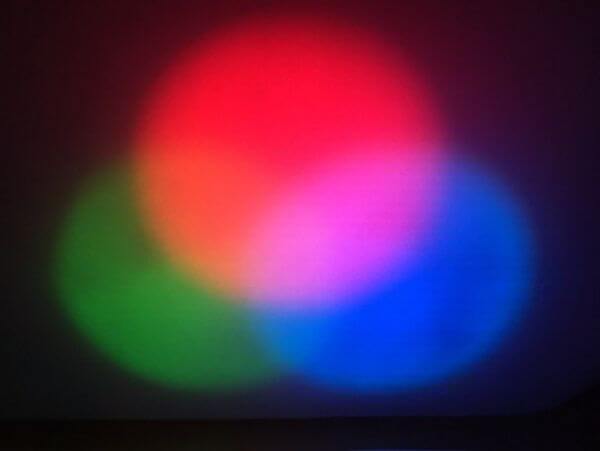
Image Source/Tutorial: Science Buddies
Materials Required:
Colored lights (red, blue, green), dark room
Procedure:
Shine lights together on a surface. Observe how colors mix to form new shades.
Super Stretchy Green Slime DIY

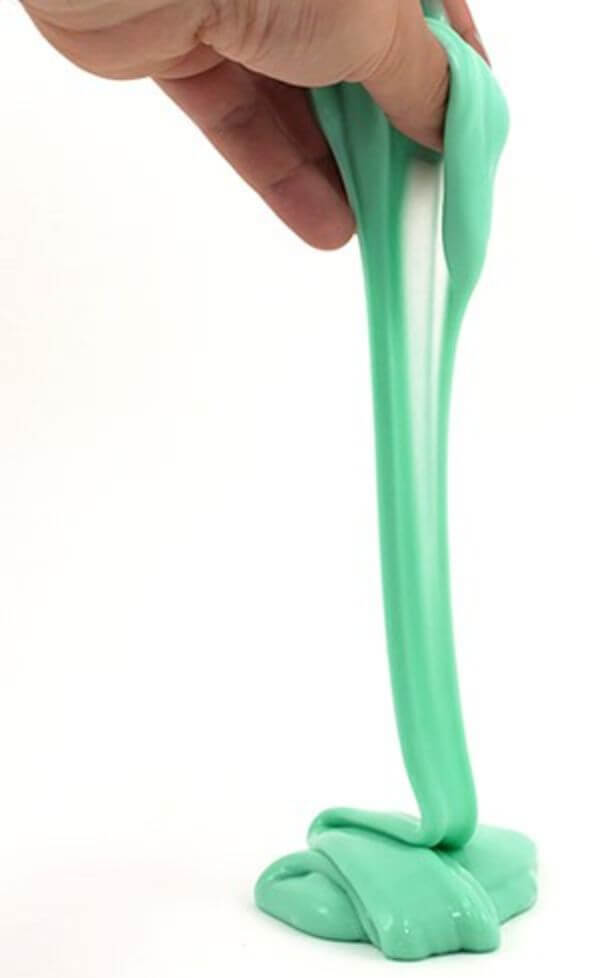
Image Source/Tutorial: Science Buddies
Materials Required:
Glue, food color, activator solution
Procedure:
Mix the glue with green color. Add activator gradually and stretch to the desired consistency.
Creative Playdough Mini Model

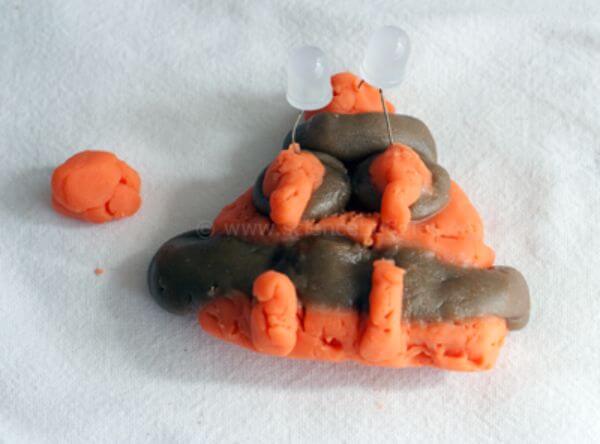
Image Source/Tutorial: Science Buddies
Materials Required:
Playdough, small decorative items
Procedure:
Shape playdough into the desired structure. Add details using small accessories.
Step-by-Step Halloween Science Experiments Tutorial for Kids

Learn fun and easy Halloween science experiments for kids with this step-by-step tutorial! Watch simple spooky DIY activities that teach science concepts while engaging children with hands‑on learning. Perfect for parents, teachers, and kids aged 5–12 looking for creative, safe, and educational Halloween experiments this season.
Why Halloween Science Experiments Are Great for Kids
Halloween science experiments combine spooky fun with hands-on learning, making science exciting and memorable for children. These engaging activities encourage kids to explore scientific concepts through observation, prediction, experimentation, and discovery. Whether creating bubbling potions, glowing slime, or erupting pumpkins, children learn valuable STEM skills while enjoying the Halloween season.
Halloween-themed experiments help students develop curiosity, critical thinking, and problem-solving abilities. They also provide an excellent opportunity for parents and teachers to make science lessons more interactive and enjoyable.
Benefits of Halloween Science Experiments
- Encourage curiosity and scientific exploration.
- Develop critical-thinking and problem-solving skills.
- Introduce STEM concepts through hands-on activities.
- Improve observation and data-recording skills.
- Promote creativity and imagination.
- Make learning fun and engaging during Halloween celebrations.
- Build confidence through experimentation and discovery.
- Support teamwork and collaboration in group activities.
Science Concepts Children Learn
Halloween science experiments help children explore a variety of scientific principles, including:
- Chemical Reactions: Observing fizzing, bubbling, and color-changing experiments.
- States of Matter: Learning about solids, liquids, and gases.
- Density: Exploring how different substances interact.
- Light and Glow: Investigating fluorescent and glowing materials.
- Engineering: Designing and building Halloween-themed creations.
- Scientific Method: Making predictions, testing ideas, and drawing conclusions.
Popular Halloween Science Experiment Themes
- Fizzy pumpkin volcanoes.
- Glowing slime experiments.
- Dancing ghost activities.
- Monster-themed chemical reactions.
- Floating eyeball science investigations.
- Halloween lava lamps.
- Witch’s brew potion experiments.
- Candy science challenges.
Safety Tips for Halloween Science Activities
- Always supervise children during experiments.
- Use child-safe and non-toxic materials.
- Follow instructions carefully.
- Wear safety goggles when necessary.
- Keep workspaces clean and organized.
- Wash hands after completing activities.
FAQs
Q1. What age group are Halloween science experiments suitable for?
Answer: Most Halloween science experiments can be adapted for preschoolers, elementary students, and middle school children depending on the complexity of the activity.
Q2. What skills do children develop through Halloween science activities?
Answer: Children develop observation, problem-solving, critical thinking, creativity, and scientific reasoning skills.
Q3. Can Halloween science experiments be done at home?
Answer: Yes. Many experiments use simple household materials and can be completed safely with adult supervision.
Q4. Are Halloween science activities educational?
Answer: Absolutely. They teach important scientific concepts while making learning fun and engaging.
Q5. Do Halloween science experiments support classroom learning?
Answer: Yes. Teachers often use them to reinforce STEM concepts, encourage inquiry-based learning, and increase student engagement.
Halloween science experiments provide the perfect combination of fun, creativity, and education. These hands-on activities help children explore scientific concepts while celebrating the excitement of Halloween. Whether at home or in the classroom, spooky science experiments inspire curiosity, critical thinking, and a lifelong love of learning. Spark imagination and learning with daily crafts and hands-on activities—follow us on Telegram, YouTube & Facebook.
Reviewed by Yash Sharma
More Articles From Kids’ Art & Craft
- Halloween Makeup Ideas for Kids
- Halloween Craft Ideas For Kids
- 10 Simple Science Experiments for 3-5-Year-Olds
- Edible Science Experiments for Kids
- Ice Science Experiments For Kids