DIY and Crafts
Kindergarten Math Games to Play at Home


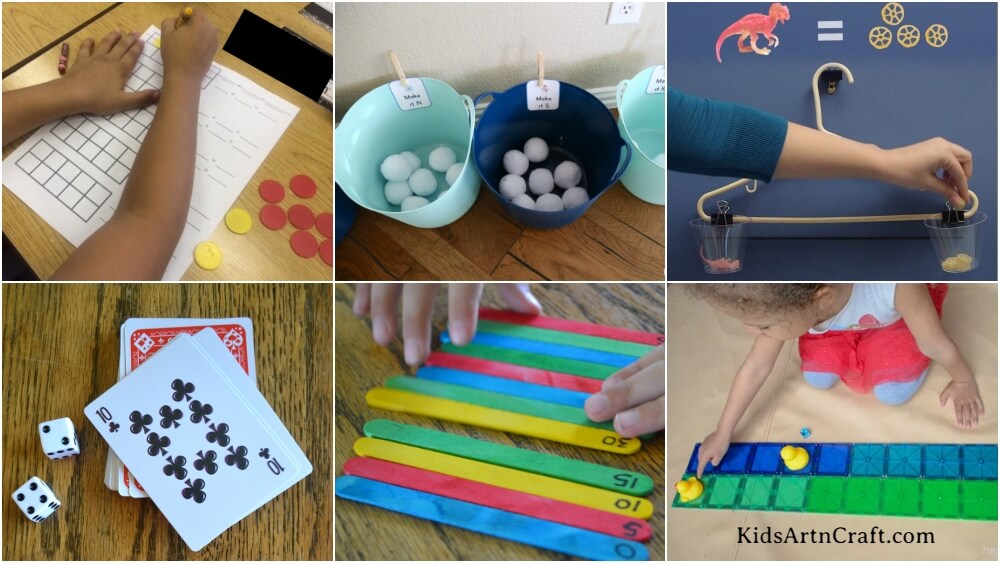
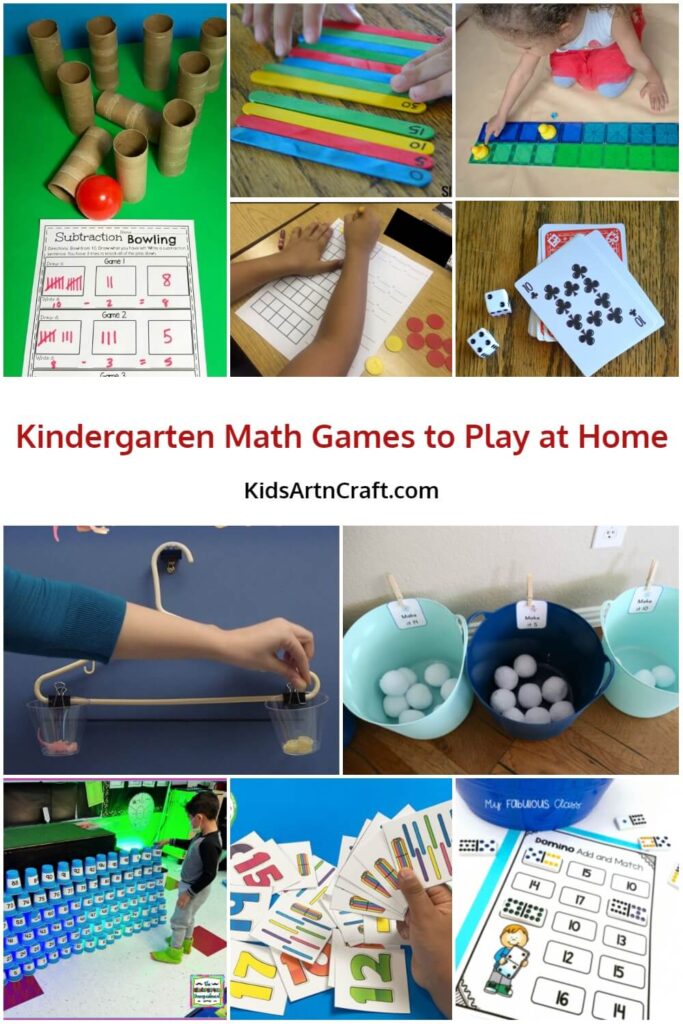
If you’re searching for kindergarten math games to play at home, you’re in the right place! Keep your learning spirit alive with our curated list of kindergarten math games to play at home, like the domino math center, dice, rubber duck math race game, counting math card, number matching, teaching nonstandard weights, scavenger hunt shape activity, DIY, snowball addition and subtraction, counting, stem challenge, subtraction worksheets, and penguin number dominoes.
Kindergarten Math Games to Play at Home
Read More: DIY Math Crafts and Activities for Kids
Domino Addition Match Worksheet
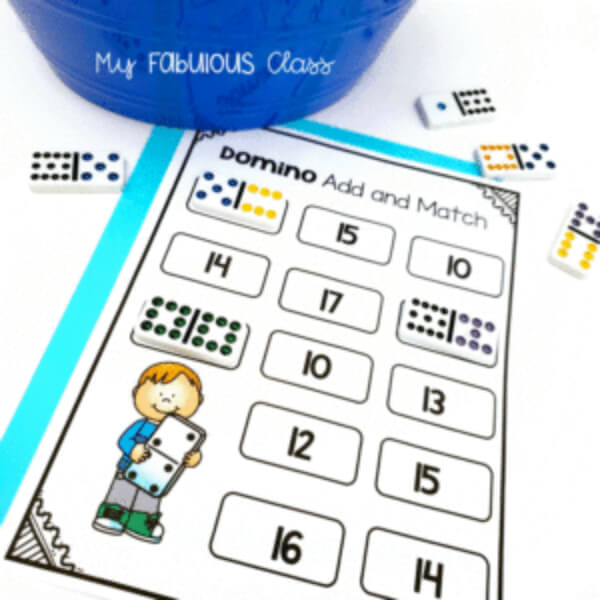
Image Source/Tutorial: My Fabulous Class
Materials Required:
Printable worksheet, dominoes, pencil, crayons
Procedure:
Match the domino dot totals with the correct numbers on the worksheet. Children count the dots, solve the addition, and circle the matching answer.
Giant Number Line Counting Activity
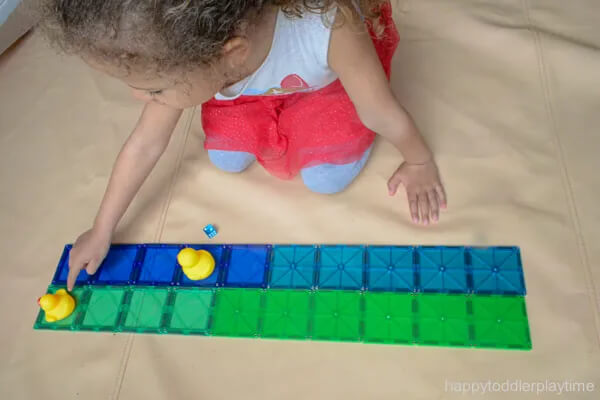
Image Source/Tutorial: Happy Toddler Play Time
Materials Required:
Floor tiles, toy ducks, dice, number cards
Procedure:
Create a large floor number line using colorful tiles. Roll the dice, move toy ducks along the spaces, and count numbers aloud together.
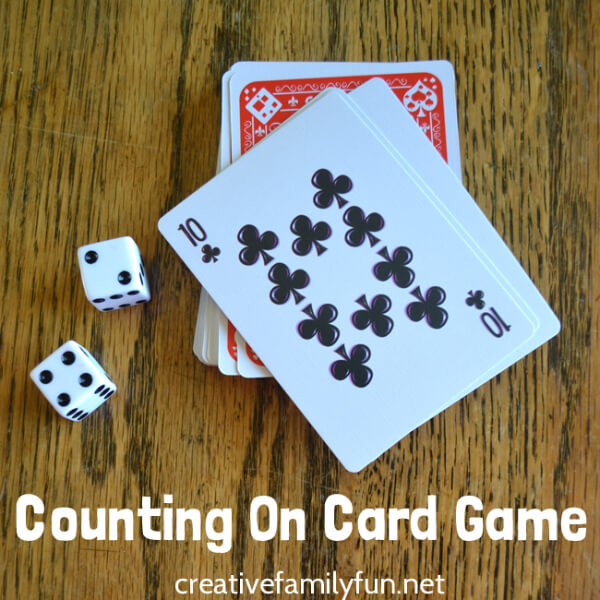
Counting On Card Dice Game
Materials Required:
Playing cards, dice, table space
Procedure:
Draw a card and roll the dice to practice counting on from the card number. Add the totals together and say the answers aloud.
Number Match Counting Cards Activity
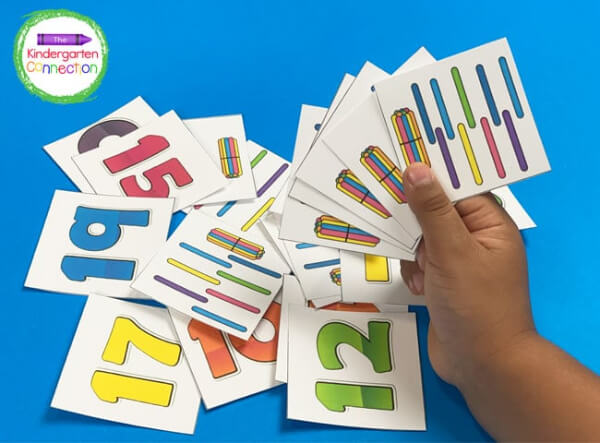
Image Source/Tutorial: The Kindergarten Connection
Materials Required:
Printable number cards, scissors, laminator optional
Procedure:
Match the illustrated counting cards with the correct number cards. Children count objects carefully and pair them with the right numeral.
Dinosaur Balance Scale Math Activity
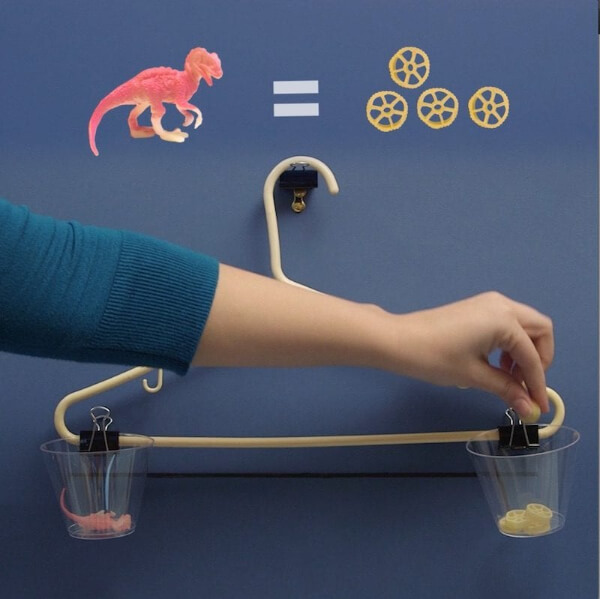
Image Source/Tutorial: We Are Teachers
Materials Required:
Hangers, cups, toy dinosaurs, counters, and clips
Procedure:
Attach cups to a hanger to create a balance scale. Add dinosaurs and counters to compare weights and practice counting skills.
Read More: Math Game Ideas For 3rd Grade
Shape Sorting Learning Activity
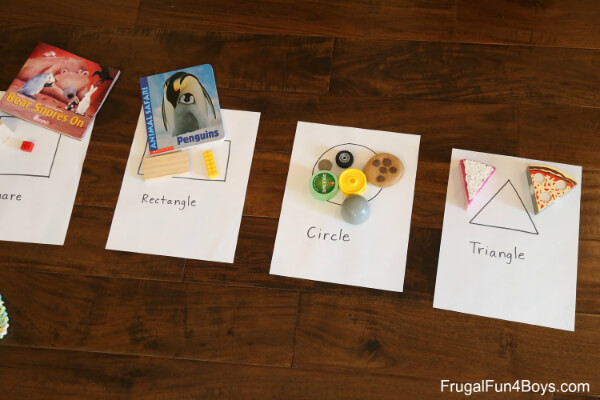
Image Source/Tutorial: Frugal Fun 4 Boys
Materials Required:
Shape mats, toy objects, cards, and small manipulatives
Procedure:
Place different objects onto the matching shape mats. Encourage children to identify and sort shapes by observation and discussion.
Ten Frame Counting Worksheet
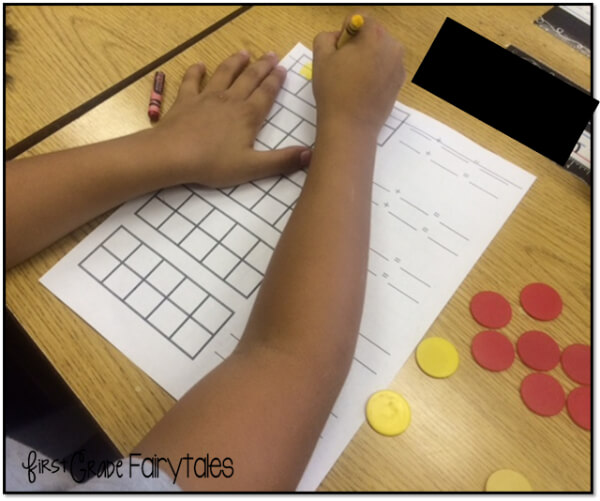
Materials Required:
Ten-frame worksheet, counters, crayons, pencil
Procedure:
Place counters into ten frames and count totals carefully. Write matching numbers and solve simple counting problems on the worksheet.
Snowball Number Buckets Game
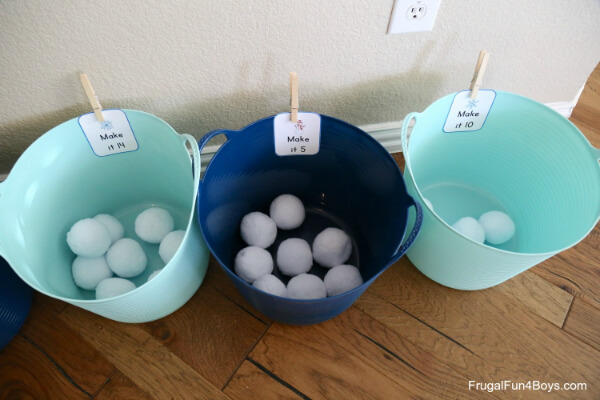
Image Source/Tutorial: Frugal Fun4 Boys
Materials Required:
Buckets, cotton balls, number labels, clothespins
Procedure:
Label buckets with target numbers and toss cotton ball snowballs inside. Count totals and match the correct quantities to each bucket.
Popsicle Stick Number Order Activity
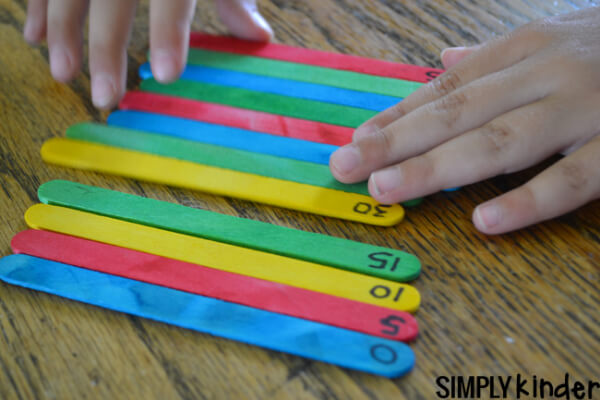
Image Source/Tutorial: Simply Kinde
Materials Required:
Colored popsicle sticks, a marker, and table space
Procedure:
Write numbers on popsicle sticks and mix them up. Children arrange sticks in the correct number order from smallest to largest.
Number Cup Stack Challenge
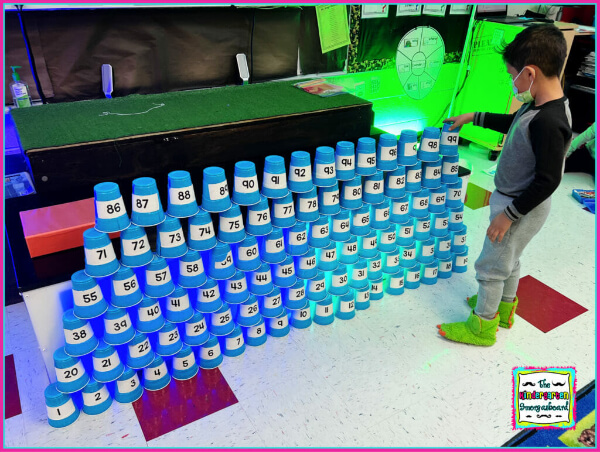
Image Source/Tutorial: The Kindergartens More Gas Board
Materials Required:
Plastic cups, number labels, and floor space
Procedure:
Label cups with numbers and stack them in sequence. Children arrange and build the numbered tower while practicing counting skills.
DIY Subtraction Bowling Math Game
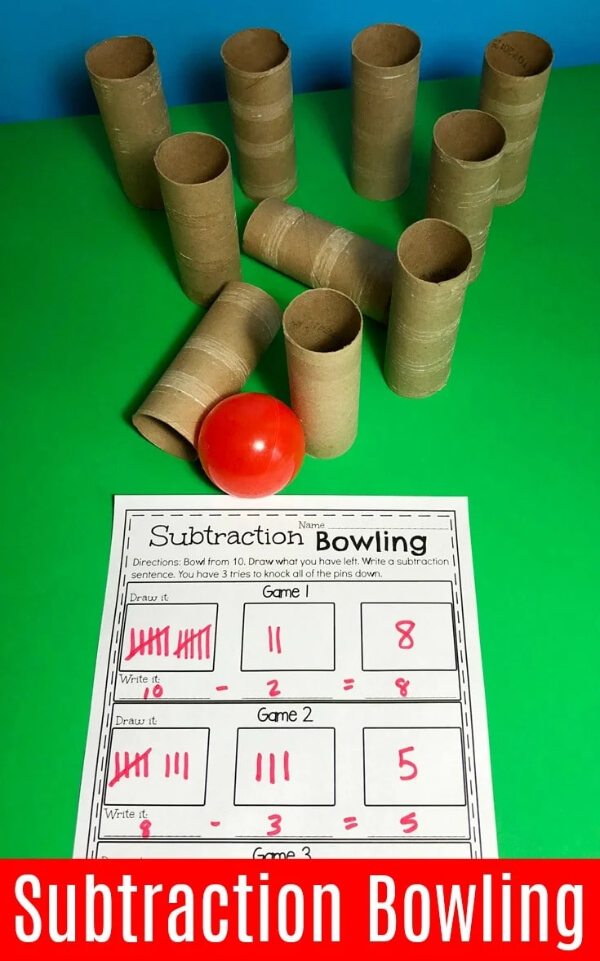
Image Source/Tutorial: Planning Play Time
Materials Required:
Cardboard tubes, small ball, subtraction worksheet, marker
Procedure:
Arrange cardboard tubes like bowling pins and roll the ball to knock them down. Count remaining pins and complete the subtraction worksheet activity.
Printable Number Puzzle Matching Game
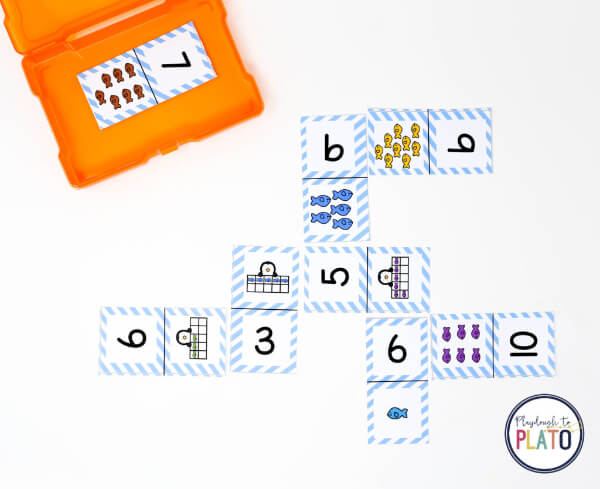
Image Source/Tutorial: Play-Doh to Plato
Materials Required:
Printable puzzle cards, scissors, storage box, and laminator, optional
Procedure:
Cut out the puzzle cards and mix the pieces. Children match numbers with corresponding picture quantities to complete the educational puzzles.
Step‑by‑Step Kindergarten Math Games Tutorial
Step‑by‑step video tutorial for fun kindergarten math games you can play at home! Learn engaging math activities, simple counting, patterns, addition & subtraction tips for early learners. Perfect for parents and teachers looking for easy, educational games and guided instruction to boost number skills while having fun.
Why Home Math Games Are Valuable for Kindergarteners
Kindergarten math games turn everyday moments into exciting learning opportunities. Through playful activities, children develop number sense, recognize patterns, compare quantities, and solve simple problems without feeling pressured. These games make math enjoyable while building confidence and preparing young learners for future classroom success.
- Builds strong number recognition skills.
- Improves counting and basic arithmetic.
- Develops logical and critical thinking.
- Strengthens memory through interactive play.
- Encourages parent-child learning at home.
- Makes early math fun and engaging.
Easy Materials for Math Games
Many kindergarten math games can be played using common household items, making learning affordable, practical, and enjoyable every day.
- Dice
- Playing cards
- Building blocks
- Buttons or coins
- Paper and pencils
- Number flashcards
- Measuring cups
- Toy animals or small objects for counting
Tips for Parents
- Keep game sessions short and enjoyable.
- Celebrate effort instead of perfect answers.
- Use everyday situations to practice math.
- Gradually increase the difficulty level.
- Encourage children to explain their thinking.
- Rotate games to maintain excitement.
FAQs
Q1. Why are math games important for kindergarten children?
Answer: Math games help children understand basic concepts through enjoyable activities, making learning easier and building confidence in early mathematics.
Q2. How often should children play math games?
Answer: Playing for 15–20 minutes a few times each week provides regular practice without overwhelming young learners.
Q3. Can parents teach math without special materials?
Answer: Yes. Everyday objects like toys, snacks, blocks, dice, and household items can become effective math learning tools.
Q4. Which math skills do these games improve?
Answer: Children develop counting, number recognition, sorting, sequencing, comparing, simple addition, pattern recognition, and logical reasoning skills.
Kindergarten math games make learning enjoyable through playful, hands-on experiences. These simple home activities strengthen essential math skills, boost confidence, and create a positive foundation that encourages children to enjoy mathematics every day. Have fun learning with finger puppets! Follow us on Telegram, YouTube & Facebook for daily crafts, activities, and creative ideas.
Reviewed By Rachit Gupta
More Articles from Kids’ Art & Craft
- Games To Create For Kids with PVC Pipes
- Outdoor Games For Summer
- Sidewalk Chalk Games Activities for Kids
- Sight Word Games & Activities For Kids
- 1-10 Writing numbers worksheets for preschool and kindergarten