


DIY and Crafts
Guided Reading Anchor Charts for Kids


We all agree that reading is such an important activity to make part of our daily routine. So, we are here with Anchor Charts to develop reading habits in kids.
Importance Of Developing a Reading Habit
1. Helps To Improve Literacy Skills
Reading can help your children improve their literacy skills. While reading a book, children can find new words and phrases and will understand their meaning either by asking their parents or by their teachers, which automatically helps them to understand language acquisition properly. Reading improves their literature in a very fun and interesting manner.
2. Helps To Improve Concentration Power
Reading helps to increase the concentration power of a kid. While reading a book, kids will tend to relate to the character and try to understand the words with more concentration. This process will automatically improve their focus and concentration. This concentration of power will help them in their schooling and improve their academic performance.
3. Improves Vocabulary
By reading aloud the new words and phrases, small kids will learn about the existence of new words, which will help to improve their vocabulary at a much higher level. Daily reading can help them to learn something new every day.
4. Improves Creativity And Imagination Level
Reading a picture book or storybook will help to improve the creativity and imagination level of a student. Reading helps them to visualize things. Imagining the next part of the story and this procedure will help them to develop artistic skills and to think outside the box.
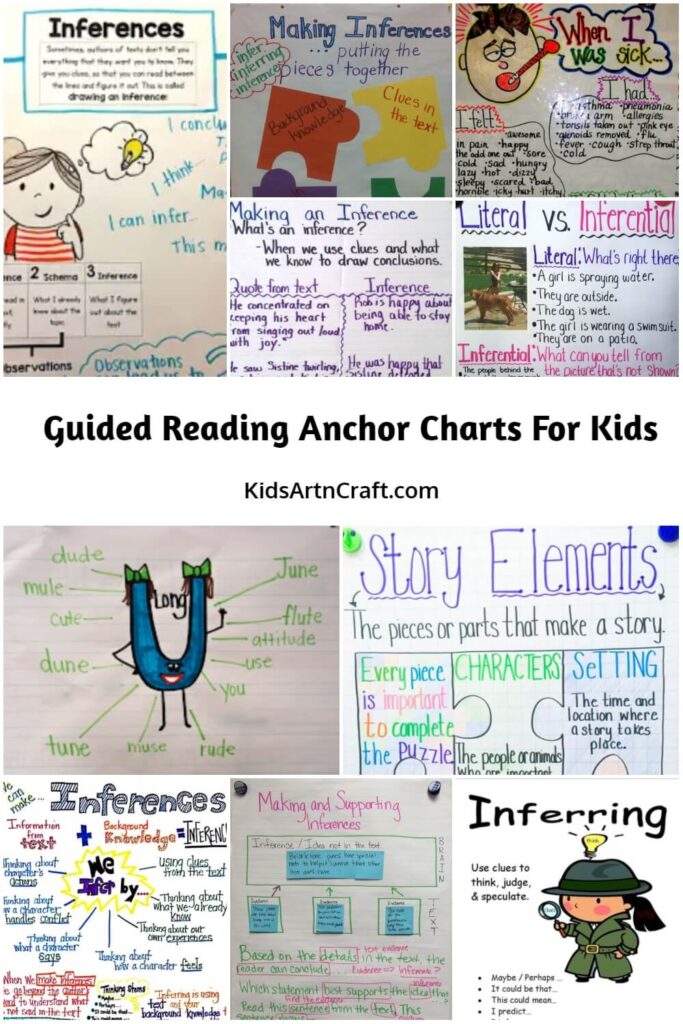
Guided Reading Anchor Charts For Kids
Read More: Classroom Ideas for Grade 2 – Activities & Crafts
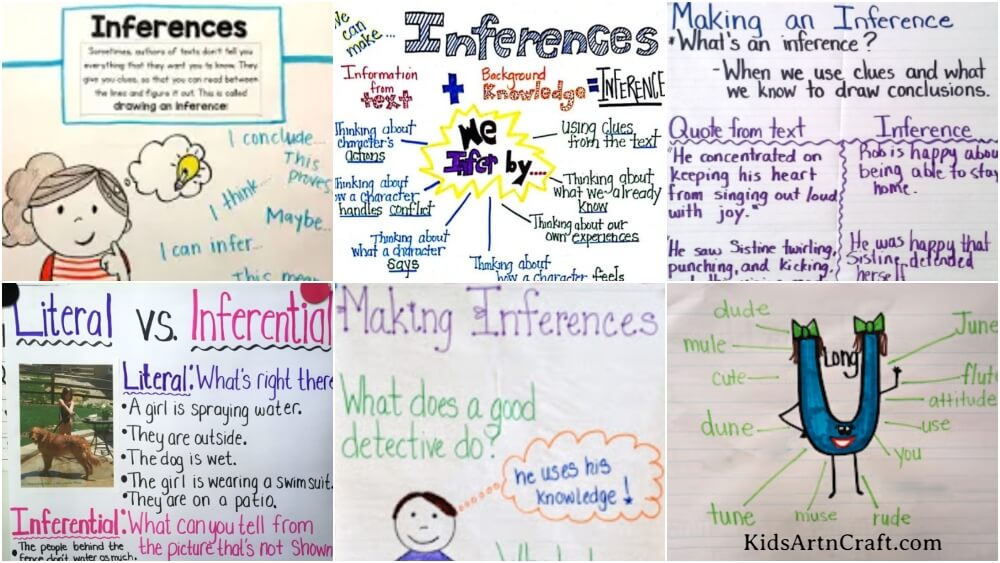
Long U Word Family Anchor Chart Activity
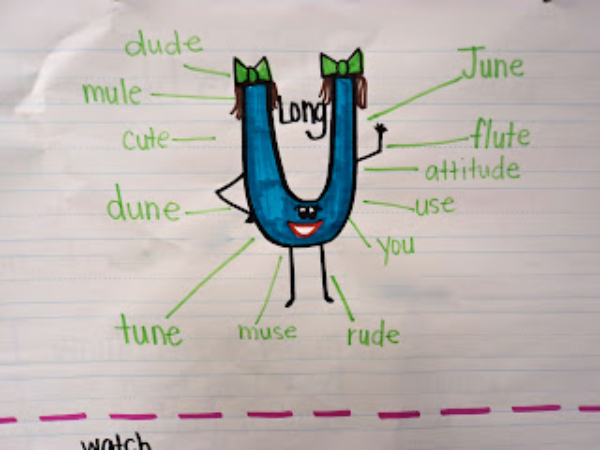
Image Source/Tutorial: First Grade Fresh
Help children master the long U sound using this engaging anchor chart. Students discover word families, improve phonics, vocabulary, pronunciation, reading fluency, spelling confidence, and early literacy skills effectively.
Making an Inference Reading Anchor Chart
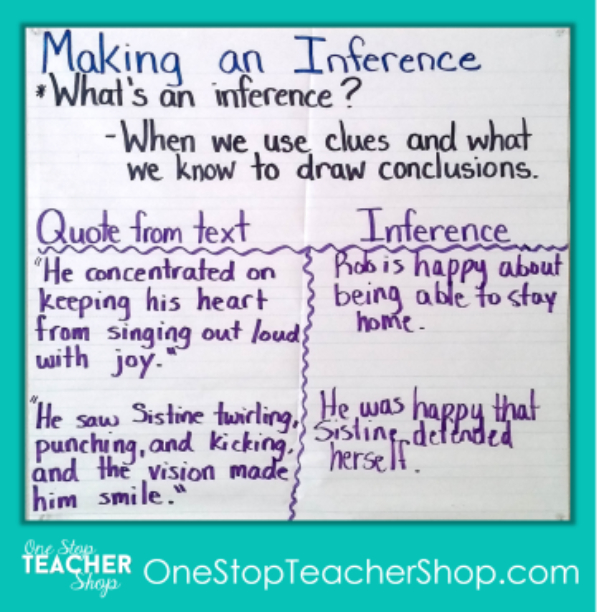
Image Source/Tutorial: One Stop Teacher Shop
Teach students how to make inferences using text clues and prior knowledge. This anchor chart strengthens reading comprehension, critical thinking, evidence-based reasoning, discussion skills, confidence, and understanding.
Inferring with Text Evidence Classroom Activity
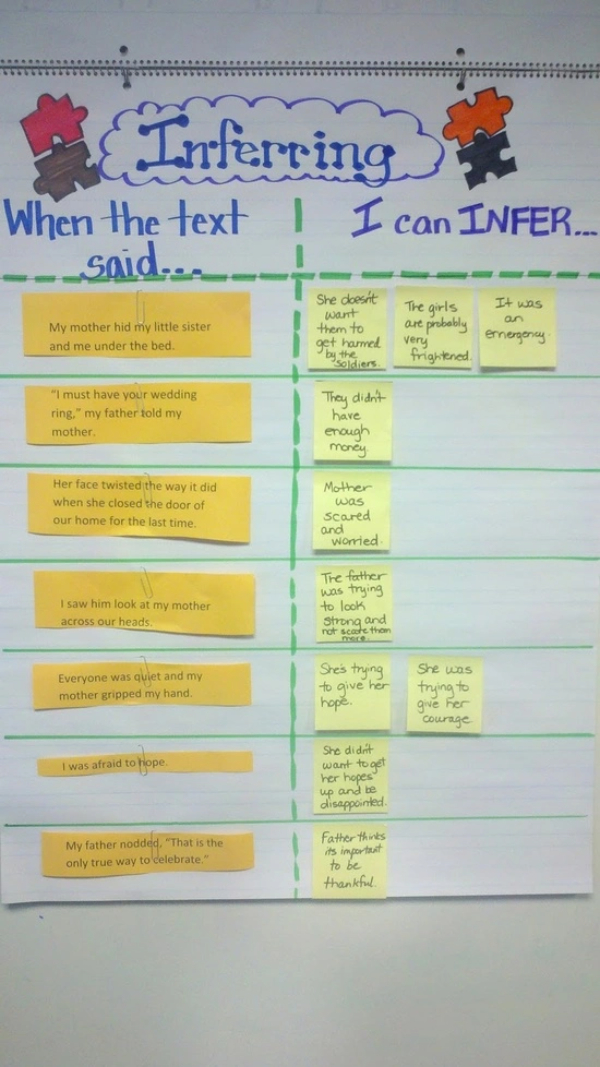
Guide learners to connect text evidence with logical inferences through interactive examples. This activity improves comprehension, analytical thinking, reasoning, collaboration, discussion, reading accuracy, and confidence in literacy lessons.
Making and Supporting Inferences Anchor Chart
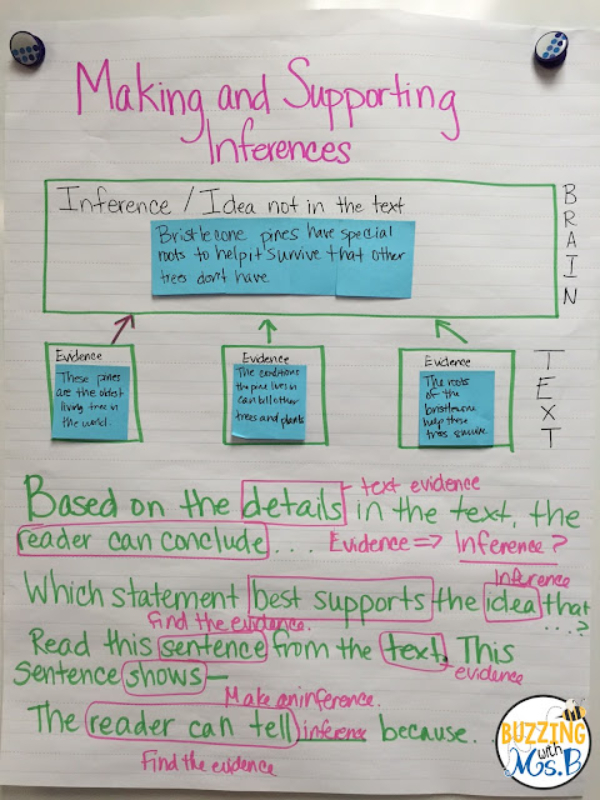
Image Source/Tutorial: Buzzing With Ms. B
Encourage students to support their inferences with text evidence using this classroom poster. Perfect for building comprehension, reasoning, critical thinking, reading confidence, analytical skills, and meaningful classroom discussions.
Detective-Themed Making Inferences Chart
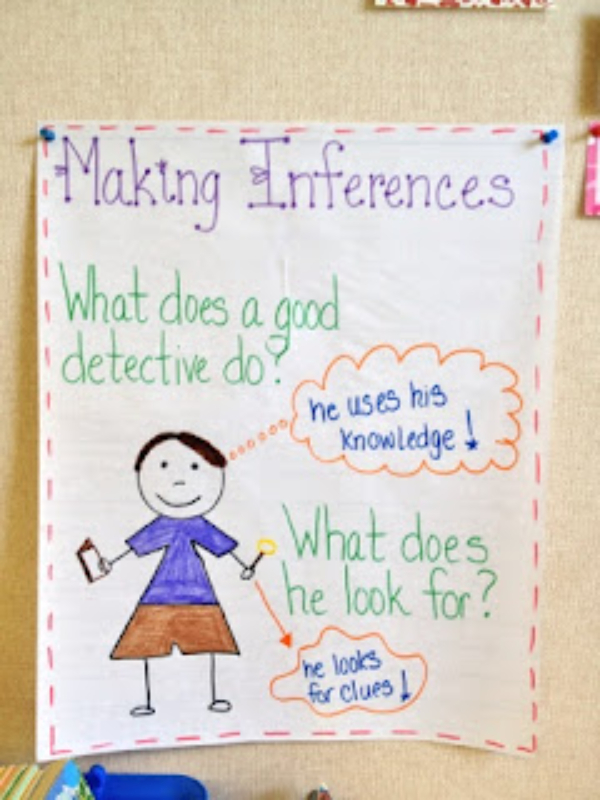
Image Source/Tutorial: Miss Rainbows Class
Make inference lessons exciting with this detective-themed anchor chart. Students learn to combine clues and background knowledge, strengthening comprehension, observation, reasoning, discussion, critical thinking, and reading success.
Read More: DIY Recycled Plastic bottle flowers with Popsicle sticks decoration (Tutorial)
Making Inferences Formula Classroom Poster
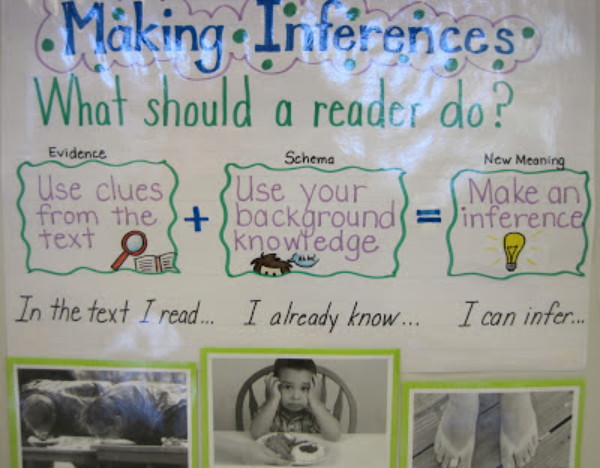
Image Source/Tutorial: Read With Me ABC
Show students how evidence and background knowledge create meaningful inferences. This visual resource supports reading comprehension, logical thinking, classroom participation, discussion, literacy development, and problem-solving skills with confidence.
Using Questions to Make Inferences Activity
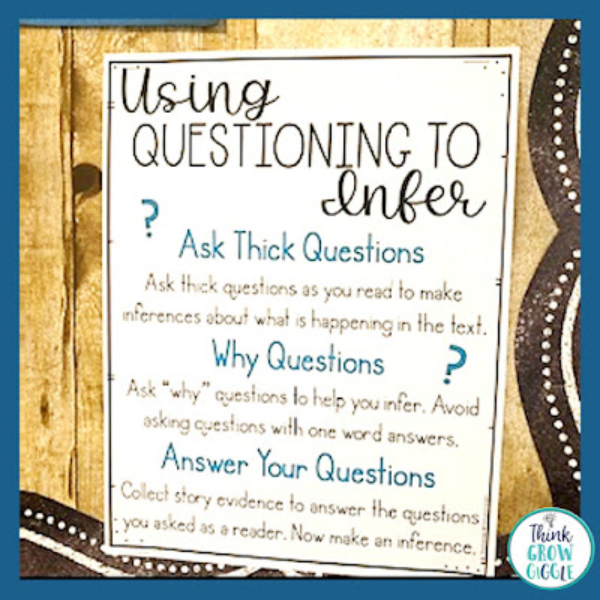
Teach students to ask thoughtful questions before making inferences. This strategy improves reading comprehension, curiosity, reasoning, evidence gathering, discussion, analytical thinking, and active participation during literacy instruction and practice.
Traffic Light Inference Strategy Poster
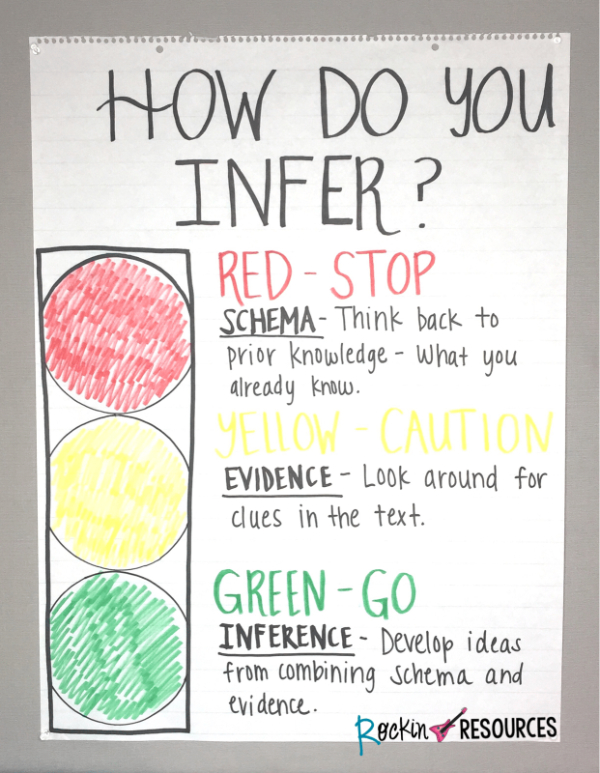
Image Source/Tutorial: Rockin Resources
Introduce inference skills with an easy traffic light strategy. Students connect prior knowledge with text evidence to develop logical conclusions, improving comprehension, reasoning, confidence, and critical thinking during reading activities.
Puzzle Piece Making Inferences Activity
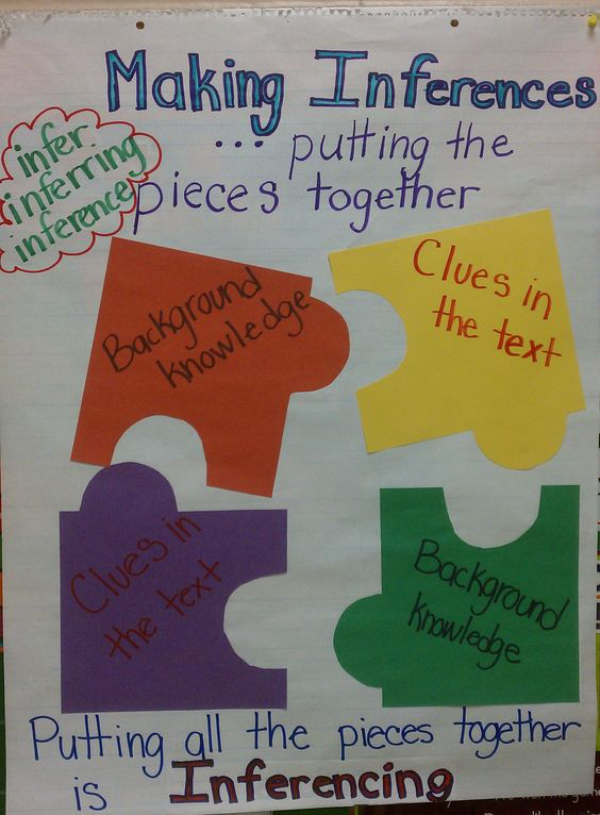
Image Source/Tutorial: Classroom Nook
Demonstrate how clues and background knowledge fit together like puzzle pieces. This engaging activity develops inference skills, comprehension, reasoning, collaboration, critical thinking, and reading confidence in elementary classrooms.
Literal vs Inferential Thinking Anchor Chart
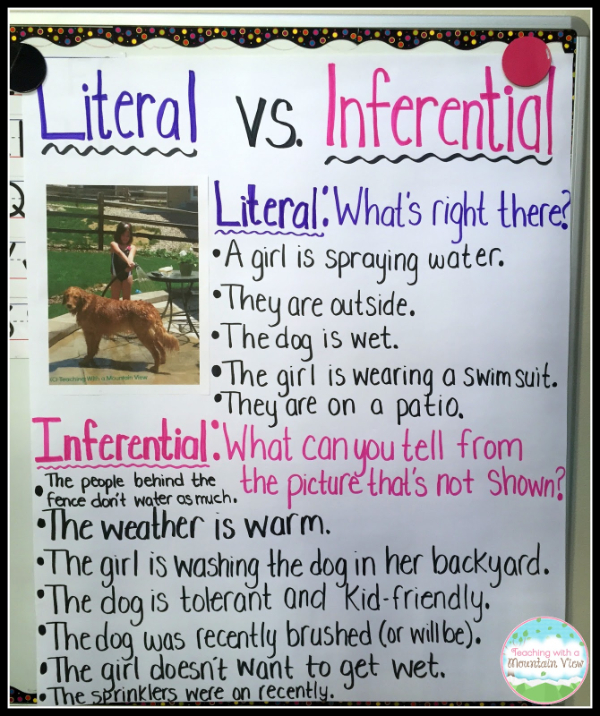
Image Source/Tutorial: Teaching With a Mountain View
Help students distinguish between literal and inferential thinking using real examples. This classroom chart strengthens reading comprehension, observation, evidence-based reasoning, critical thinking, discussion, and overall literacy development.
Read More: Easy Pasta Crafts for Kids to Make at Home
Story Elements Anchor Chart for Reading Comprehension
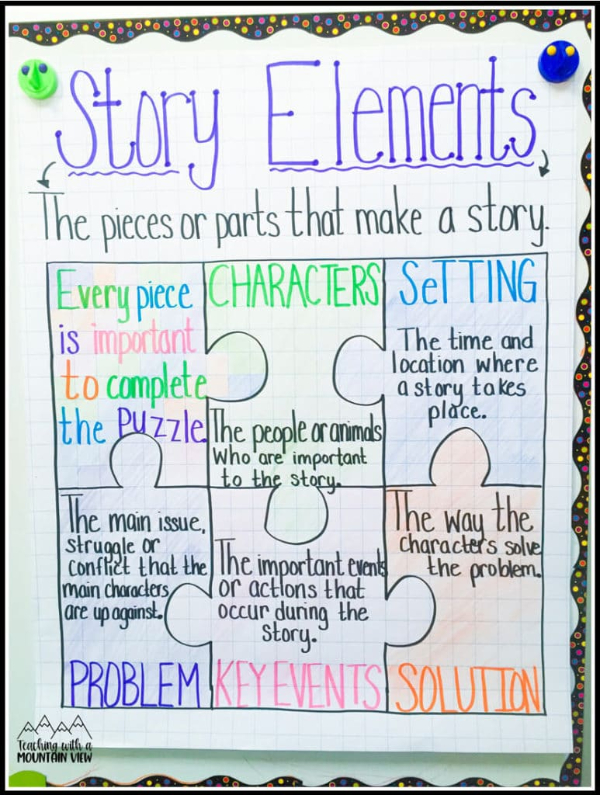
Image Source/Tutorial: Teaching With a Mountain View
Teach essential story elements with this colorful anchor chart. Students identify characters, setting, problem, key events, and solution while strengthening reading comprehension, sequencing, critical thinking, and storytelling skills effectively.
Summary Sentences Reading Strategy Anchor Chart
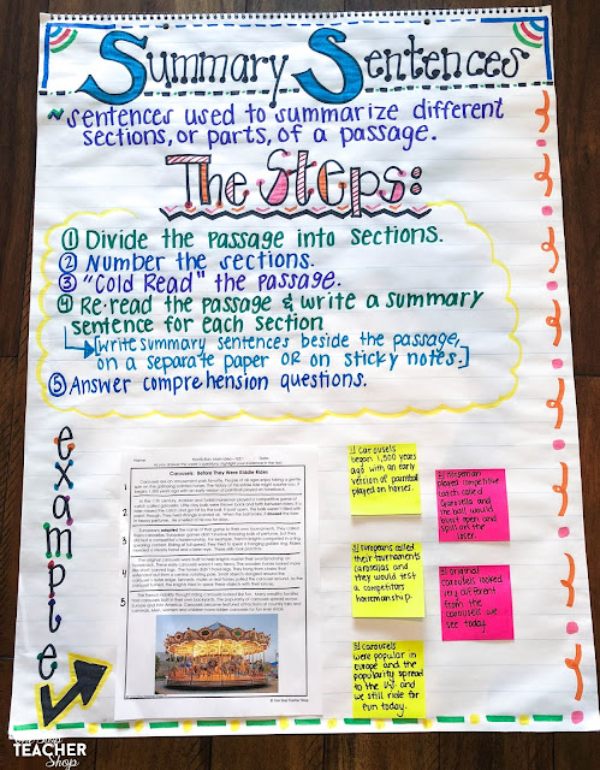
Image Source/Tutorial: Upper Elementary Snapshots
Help students write clear summary sentences using step-by-step guidance. This anchor chart improves reading comprehension, identifying key ideas, organizing information, note-taking, writing skills, and overall literacy confidence successfully.
When I Was Sick Writing Prompt Chart
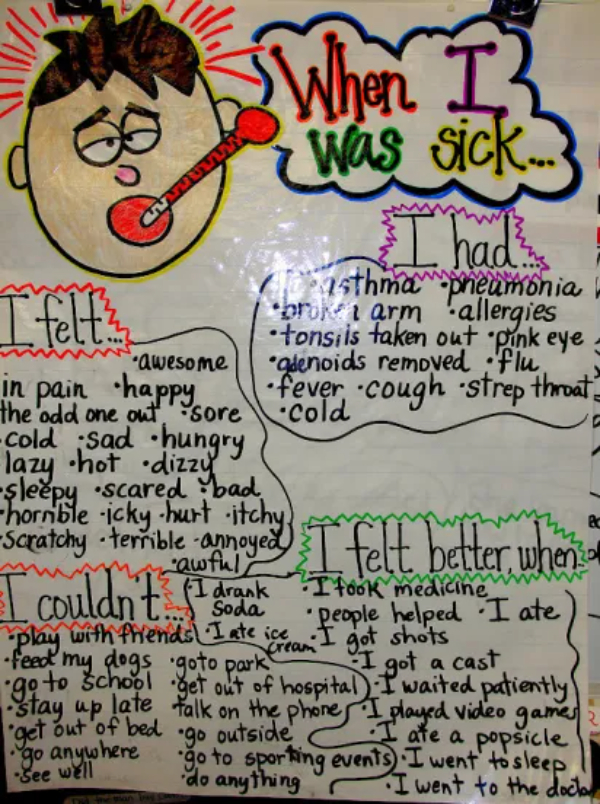
Image Source/Tutorial: Amy Lemons
Encourage personal narrative writing with this engaging classroom chart. Students describe feelings, illnesses, actions, and recovery while expanding vocabulary, sentence writing, creativity, communication, and storytelling skills through practice.
Making Inferences Reading Comprehension Chart
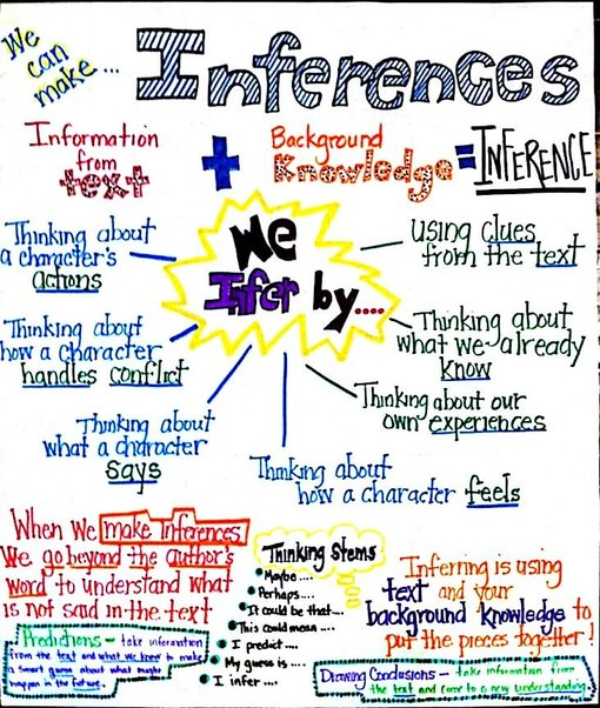
Image Source/Tutorial: Lcdelach
Support inference skills by combining text evidence with background knowledge. This classroom resource develops reading comprehension, reasoning, critical thinking, discussion, observation, analytical skills, and confident independent readers every day.
Inferring Detective Reading Strategy Poster
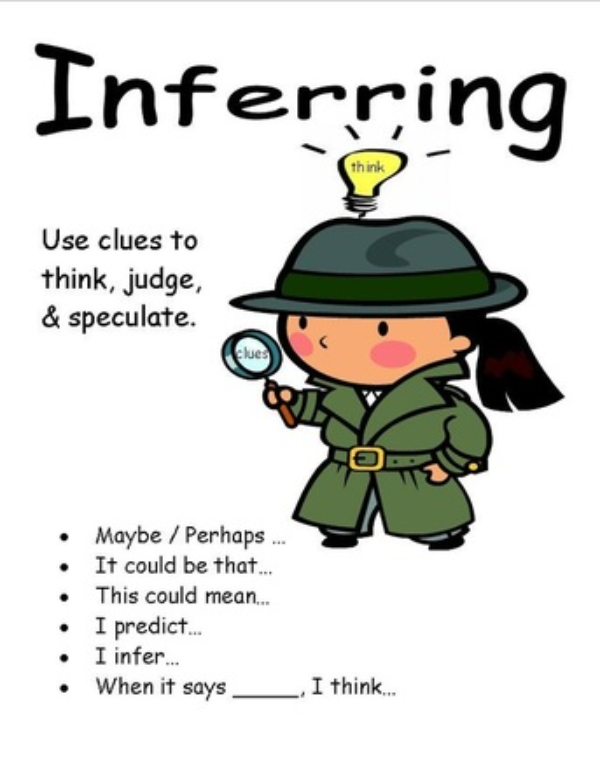
Image Source/Tutorial: Comprehension Strategies
Make inference practice exciting with this detective-themed poster. Students learn to use clues, predictions, and logical thinking, strengthening comprehension, reasoning, vocabulary, discussion, and reading confidence in engaging literacy lessons.
Read More: How to make a newspaper wall hanging with a flower vase (Tutorial)
Text Evidence and Inference Anchor Chart
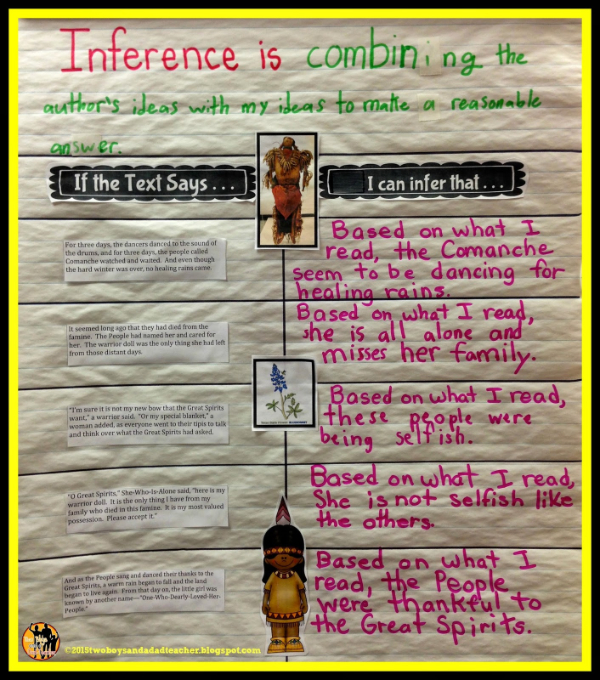
Image Source/Tutorial: Minds in Bloom
Show students how authors’ ideas and personal thinking create meaningful inferences. This visual activity strengthens comprehension, evidence-based reasoning, critical thinking, discussion, analytical skills, and reading confidence in classrooms.
Inference Thinking Stems Classroom Chart
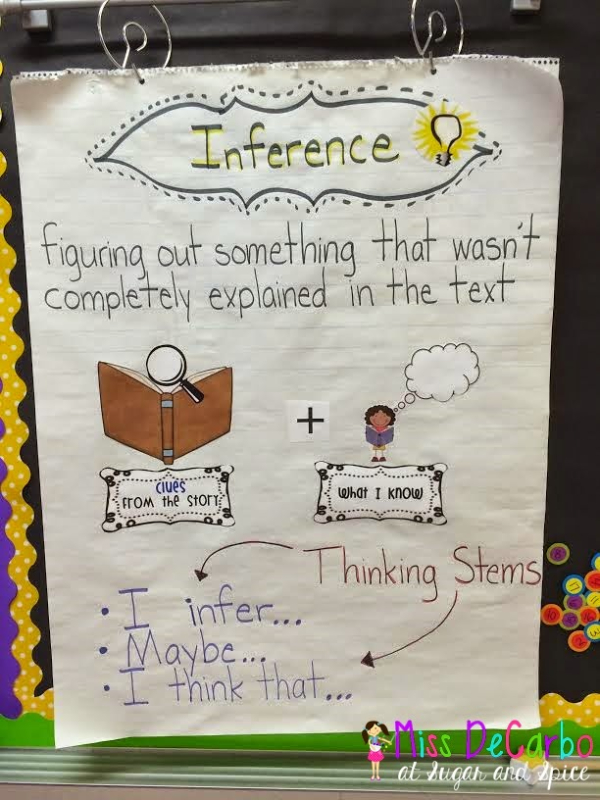
Image Source/Tutorial: Miss Decarbo
Teach students to infer using text clues and prior knowledge with helpful thinking stems. This engaging poster improves comprehension, reasoning, observation, vocabulary, discussion, and independent reading skills effectively.
Inferences Reading Anchor Chart for Students
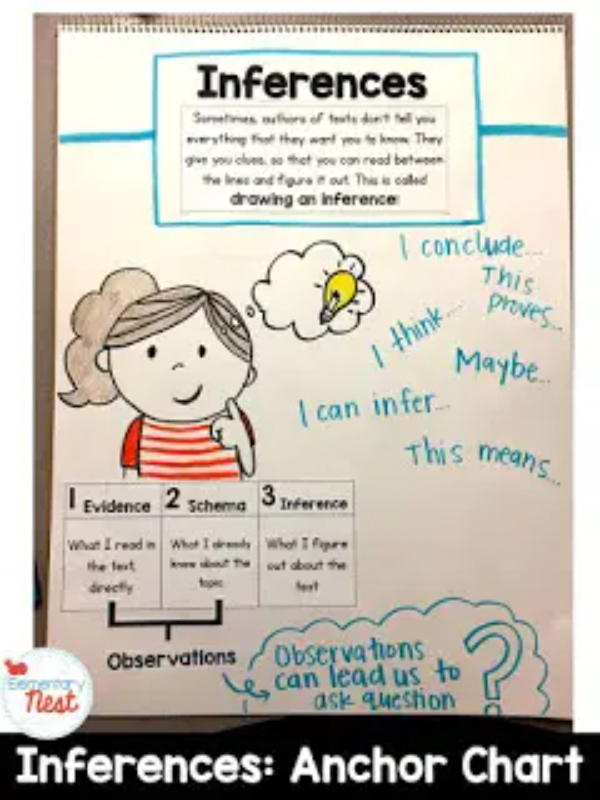
Image Source/Tutorial: Elementary Nest
Introduce inference strategies through easy visuals and examples. Students combine evidence and background knowledge to draw conclusions, strengthening reading comprehension, reasoning, observation, analytical thinking, and literacy success.
Step‑by‑Step Tutorial: Guided Reading Anchor Charts for Kids – Classroom Strategies & Tips
Learn how to create and use Guided Reading Anchor Charts step‑by‑step to boost kids’ reading comprehension, key strategies, story elements, and literacy skills. This tutorial breaks down easy visual tools for educators and parents to make reading fun, effective, and classroom‑ready with practical examples and tips.
Why Guided Reading Anchor Charts Are Important
Guided reading anchor charts are valuable classroom tools that help children understand reading strategies, vocabulary, comprehension skills, and story elements. These visual references provide students with reminders that support independent reading and help them apply important literacy concepts while reading books and passages.
Teachers often create anchor charts together with students to make learning more interactive and memorable. Displaying these charts in classrooms allows children to revisit key reading skills whenever they need extra support.
Educational Benefits of Guided Reading Anchor Charts
Improves Reading Comprehension
Anchor charts help students understand story elements, make predictions, identify main ideas, and draw conclusions from texts.
Strengthens Vocabulary Development
Children learn new words, meanings, and language patterns through reading-focused anchor charts.
Encourages Independent Learning
Students can refer to anchor charts independently when they need help remembering reading strategies and classroom lessons.
Supports Critical Thinking Skills
Inference charts, prediction charts, and comprehension guides encourage students to analyze information and think deeply about what they read.
Boosts Confidence in Reading
Visual reminders help children feel more confident when tackling new books, stories, and reading assignments.
Tips for Creating Effective Reading Anchor Charts
- Use large, easy-to-read handwriting.
- Include colorful illustrations and visual cues.
- Focus on one reading skill per chart.
- Create charts with student participation whenever possible.
- Display charts where students can easily see them.
- Update charts regularly to match current reading lessons.
Skills That Guided Reading Anchor Charts Support
- Reading comprehension
- Vocabulary building
- Making inferences
- Story element identification
- Summarizing texts
- Predicting outcomes
- Critical thinking
- Fluency development
- Independent reading strategies
FAQs
Q1. What are guided reading anchor charts?
Answer: Guided reading anchor charts are visual teaching tools that help students understand reading concepts, strategies, vocabulary, and comprehension skills.
Q2. Why are anchor charts useful in reading lessons?
Answer: They provide visual reminders that help students remember important reading strategies and apply them independently.
Q3. How often should teachers update anchor charts
Answer: Teachers should update anchor charts whenever new reading concepts or literacy skills are introduced in the classroom.
Q4. What materials are commonly used to create anchor charts?
Answer: Teachers often use chart paper, markers, sticky notes, illustrations, and printable visuals to create engaging anchor charts.
Q5. Do anchor charts improve student engagement?
Answer: Yes, colorful and interactive anchor charts help capture students’ attention and encourage active participation in reading lessons.
Guided reading anchor charts are powerful learning tools that make reading concepts easier to understand and remember. By supporting comprehension, vocabulary growth, critical thinking, and independent learning, these visual aids help children become more confident, engaged, and successful readers both inside and outside the classroom.
Follow us on YouTube for art and craft tutorials and much more.
Reviewed by Yash Sharma
More Articles from Kids’ Art & Craft
- Halloween Makeup Ideas for Kids
- Hand Turkey Crafts For Thanksgiving
- Homemade Costume Ideas for Kids
- 24 Easy Day of the Dead DIY Crafts Project for Kids
- 24 Simple Origami Ideas for Older Kids