
Games
Activities for Your Kids to Practice Colors


Kids usually seek answers regarding colours during their preschool years. The ability to recognise colours is seen as a marker and accomplishment in a kid’s mental development and is oftentimes basic for early learning for future learning. Seeing the colours and recognising them is a huge part of a kid’s unforeseen development.
Early learning and recognizing skill helps with making the mental association between visual clues and words. Along with books, various crafts use colours to make it easier for the kids to learn them easily, and here are a few such craft ideas to make it even easier for your kids to learn while having fun! Take a look!
Fun Colour Learning Activities for Kids
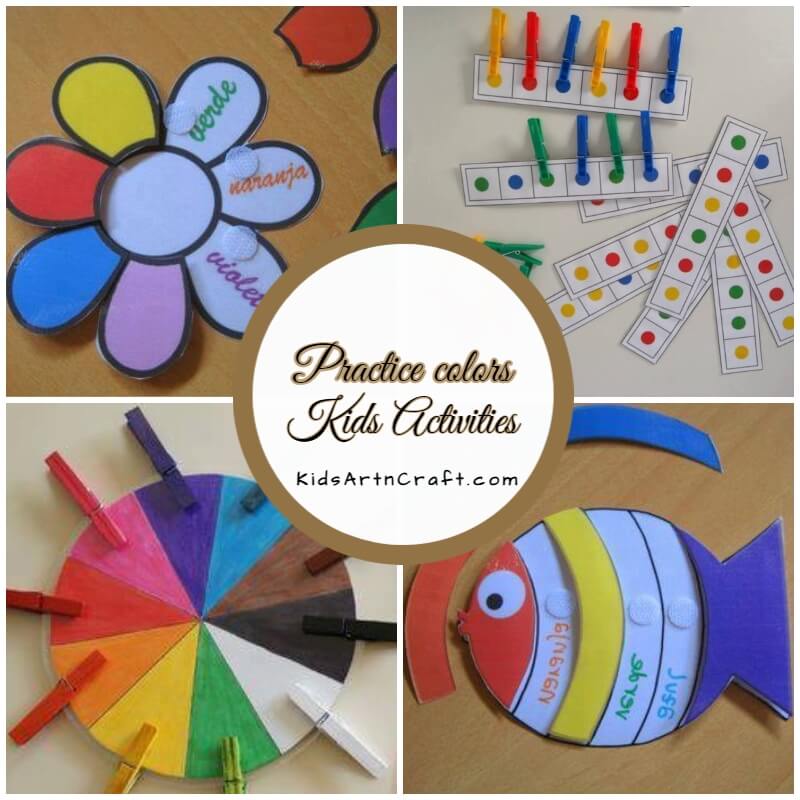
Helping children learn colours is one of the most important early childhood milestones. Colour recognition not only improves visual perception but also strengthens memory, language development, and cognitive skills in toddlers and preschoolers. According to early learning principles, children grasp concepts faster when they engage in hands-on and creative activities rather than passive learning.
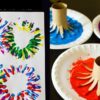
The Tree Print
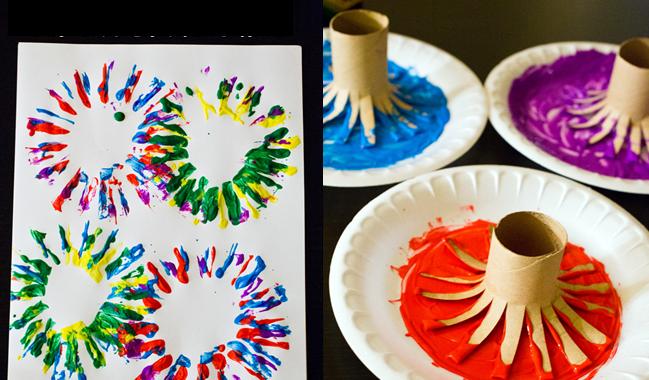
Everyone loves to reuse something to pull out whatever could be useful in art and craft, be it a house decor or something for kids to play. We have come up with one such craft for you to get innovative! More like a meaningful, smudgy, stunning, colourful mess! They work better with more hand control because your kids might stain everything.
You’ll need:
- A thin cardboard sheet
- Poster colours
- Thermocol plates
- White sheets
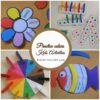
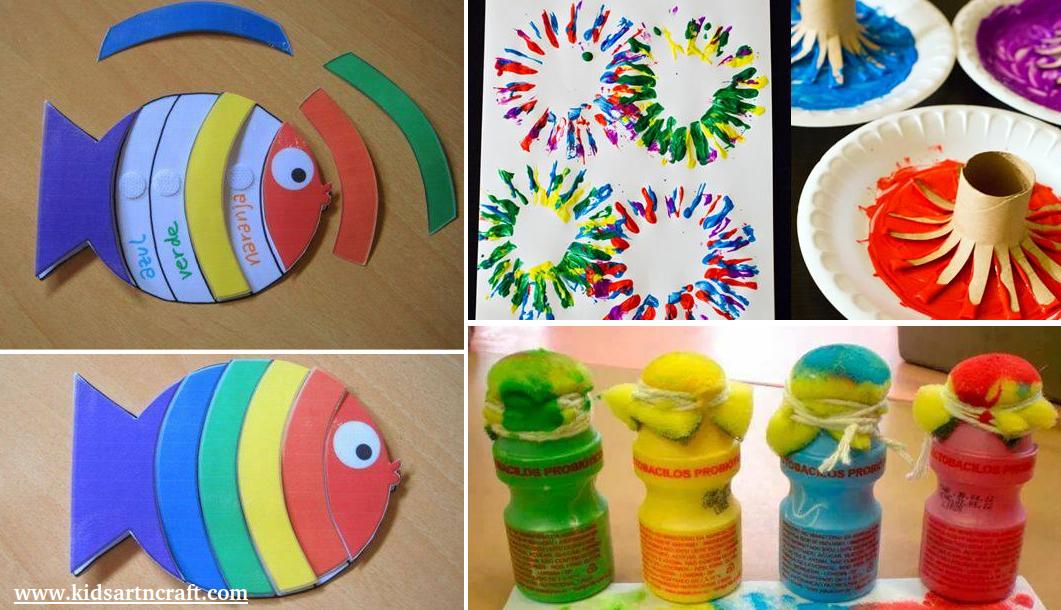
Start by trimming the cardboard tubes just like shown in the picture above. Use these cardboard tubes and place them in a shallow, plastic paint tray with a few squirts of paint. You can print directly onto sheets, using the different-sized colours and shapes. Put colours on these tubes and print them on the sheets. Let it dry for a while, and your art piece is ready!
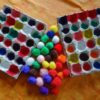
Colourful Egg Tray
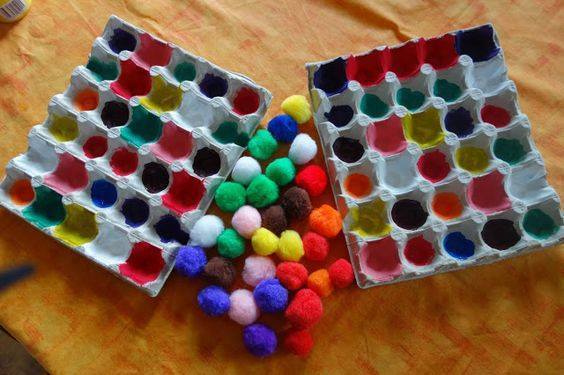
Colour theory won’t be boring with this egg tray craft!
Do whatever it takes not to throw out your additional egg trays! Your kids can transform them into specially designed decorations, games, and that is just a glimpse of something larger if you’re ready to experiment. They’ll learn significant activities about reusing, practice their imagination, and expand fine motor skills.
You’ll need:
- 2 egg cartons
- Scissor
- Poster colours
- Cotton pom poms
Squirt some paint onto a paper plate or paint palette. Use any colours you’d like and paint the flower. Want to make this craft a little prettier? Simply glue one of these Poms to the centre of the painted egg carton flower.
You just made your beautiful egg carton!
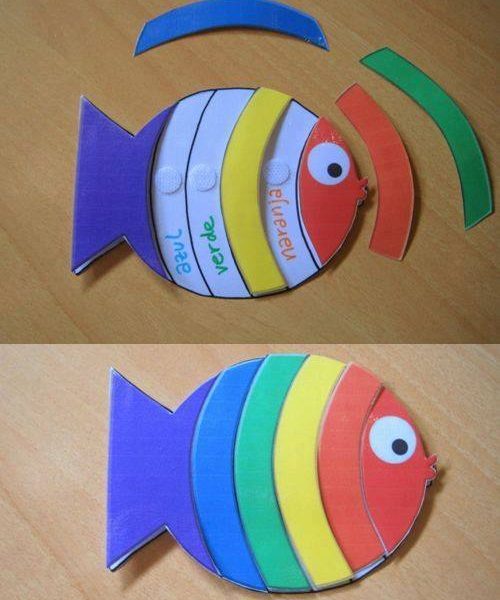
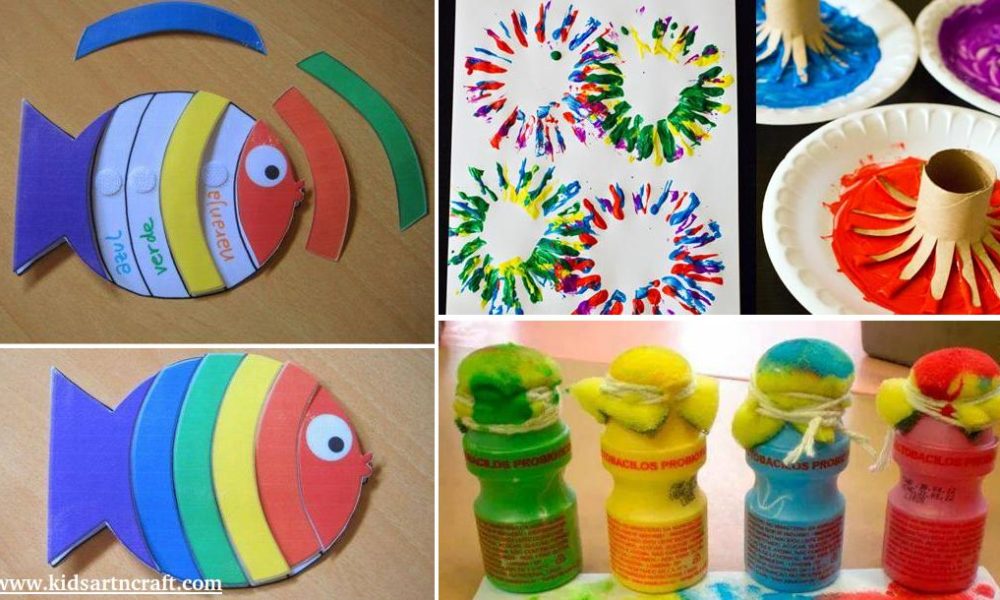
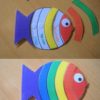
The Three-Stripe Fish
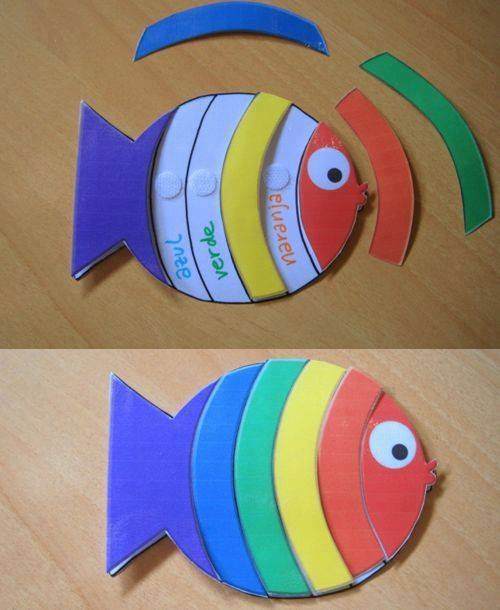
Are you looking to create a simple and easy set of fish puzzles?
This is a wonderful way to incorporate pet fish games for kids. This particular one that we tried worked on colour matching. You can also maybe try a fish counting activity or a matching shape activity. Try laying out the fish on the floor and hop on the different coloured fish.
You’ll need:
- A cardboard
- Coloured sheets
- Scissor
- Gluestick
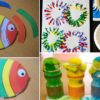
First, take the cardboard, and you have to cut it into a fish shape. Write the colour names on the fish and make proper margins. Now you have to take the sheets and cut them one by one according to the margins. Put paper pins on the papers one by one and attach them to the fish. This way, the kid can pick and pin the right colour according to its name.
Easy peasy, lemon squeezy!
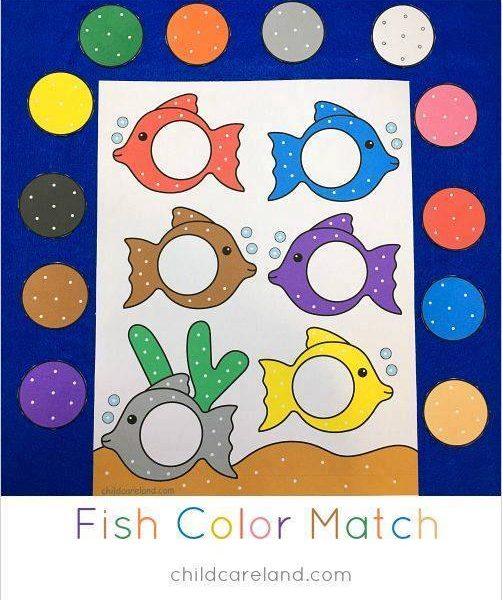
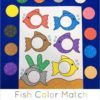
Match My Colour

No matter if you are under the sea or watching Finding Nemo, fish are a big part of the ocean. This super fun fish activity solely involves fish and colours. This will help kids to get involved in the activity and learn while having fun!
You’ll need:
- White sheet
- Pencil
- Colours
- Scissors
- Gluestick
On a white sheet of paper, draw six fish of the same size and leave a circle in the middle. Colour the fish one by one and cut out 6 circles of equal size for these fish. Now all you have to do is ask your kid to pick the right circle according to the fish and paste it with the help of a glue stick on the respective fish.
And that’s it!
Shapes And Colours
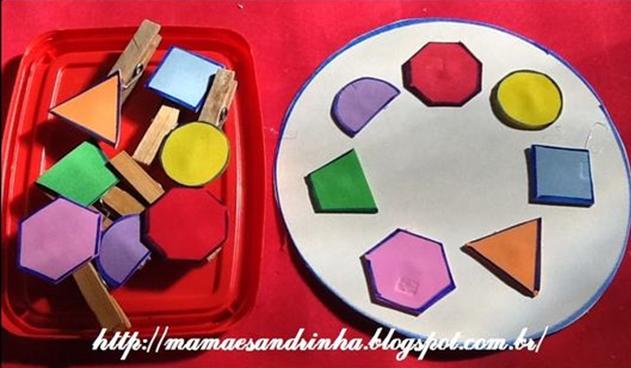
At a very early age, a kid begins to recognise shapes, though he or she doesn’t know what they are yet. When your kid starts discovering shapes, he makes use of one of the most basic educational processes: the observation of the same and different. This allows him to observe, compare, and discuss everything around. This activity will help your kid to identify shapes and colours easily.
You’ll need:
- Coloured paper
- Clips
- White paper
- Gluestick
Cut a simple shape from a sheet of paper. To make another layer, take a piece of paper of a different colour and trace around the cut shape. Now, cut a smaller shape within the traced outline. Cut the shape by using a different colour of paper and the previous one as a guide. Arrange the layers in order from largest to smallest, and glue them in place.
Color-o-Spinner
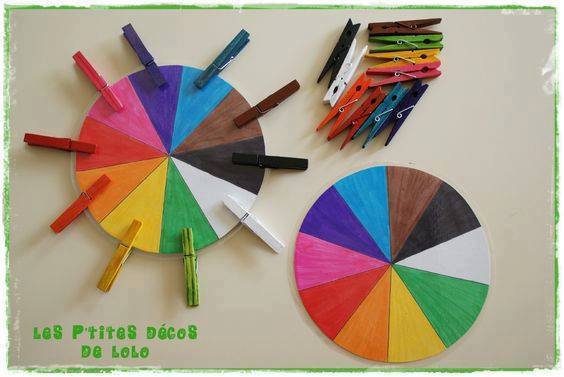
This is something you will have fun playing with, and you won’t be bored for sure. This paper spinner will entertain you all day long. It is a paper spinner, and you won’t need many supplies to make it. This is the easiest way to teach your kid about the colour palette
You’ll need:
- Colour pencils
- Scissors
- A cardboard
- Glue
- Colourful clips
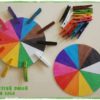
Draw two equal circles and cut them out. Colour the spinners with colour pencils or sketch pens. Cut a circle shape out of the cardboard. Apply some glue on both sides of the board and glue the circles. Make a circle centre using a toothpick to punch the arrow. Now get the spin going!
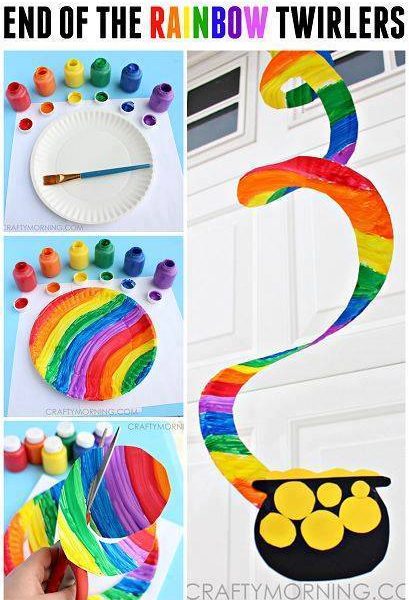
Colourful Twirlers
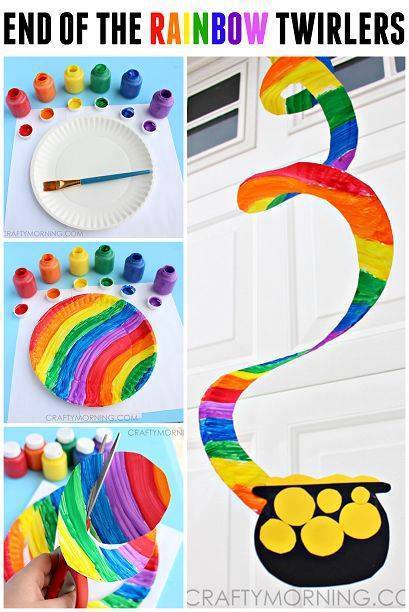
You’ve probably made spiral paper twirlers before, either as a kid or with your kids. We combined the simple paper cut activity with the super-saturated colours of watercolours and a fun colour learning activity! This technique makes paper twirlers extra fun and extra beautiful!
You’ll need:
- Paper sheets
- Scissor
- Watercolours
- Thread or yarn
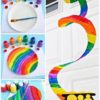
Cut your circles out of your poster board. Draw your spiral. Now decorate your spiral with different colours or add-ons. Turn the circle over and paint the reverse, too, as you’ll see both sides. Cut along the spiral line. Punch a hole in the centre and tie a string there for hanging. Now you can hang your new colour paper twirlers! You can hang these in a window or near a fan in your room.
Pin My Tail
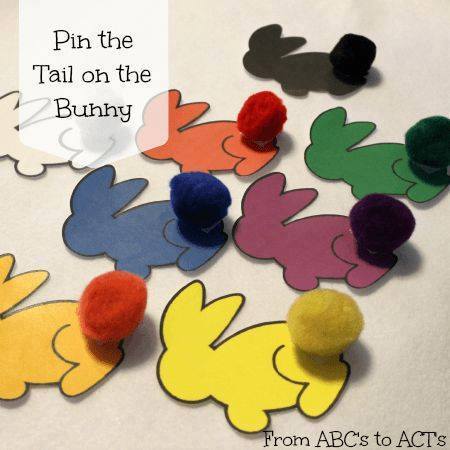
What’s Soft, white, and fluffy? It’s a Rabbit! We have the perfect easy craft that makes a great learning activity for your kids to learn and to play with all day. You can either make these in different colours or keep them plain. These little bunnies can also make a decoration on your table.
You’ll need:
- Colourful papers
- Pencil
- Colourful pom poms
- Glue
- Black marker
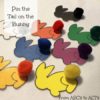
The first step is to draw these rabbits on the sheets with the help of a pencil. Cut each of them carefully. Now outline the rabbits with the help of a black marker. You can add googly eyes and draw facial details if you want to.
Now all you have to do is ask your kids to pick a pom pom and attach the right coloured tail to it.
Hop, hop! Your bunnies are ready!
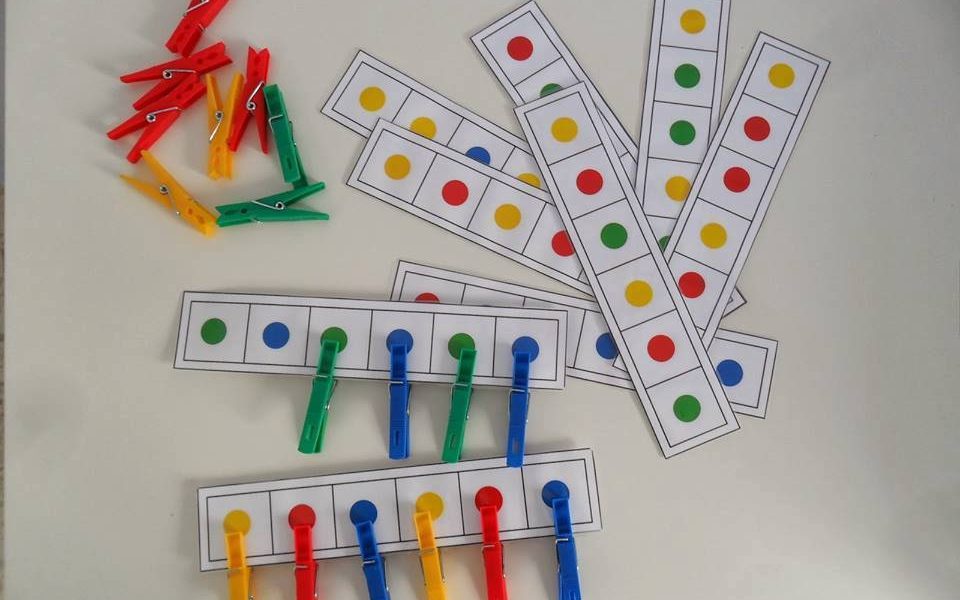
Learn With Clips
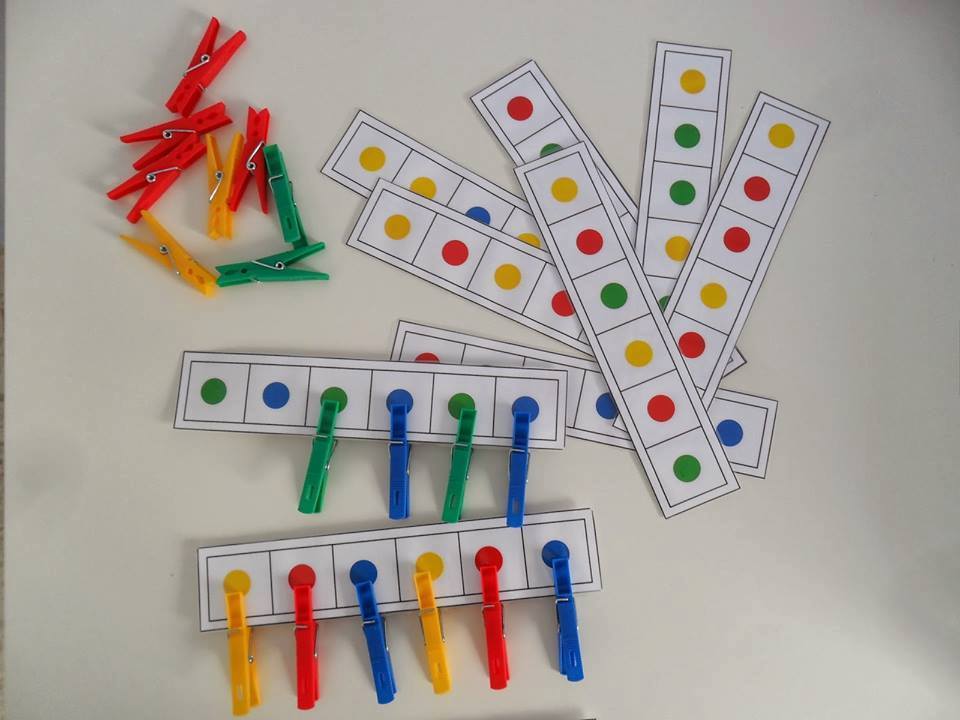
Having strong information about different colours ends up being helpful overall, so that kids will get introduced to them. Learning these colours licenses them to see basic visual colour differences, for instance, red as a code for danger and the significance behind traffic lights. It is important outside of the instructional program to know the difference between a colour and its shade. This activity will surely make your kid learn the same.
You’ll need:
- Paper sheets
- Paper clips
- Scissor
- Colourful markers
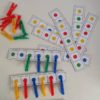
Start by making 10 paper strips of the same size. Now divide them into 6 equal boxes and mark the boxes with 6 different colours to be matched with the paper clips by your kid. Once you are done with the dots, ask your kid to now match the right paper clip with the right colour on each paper strip!
And that’s it!
Colours Through Fishes
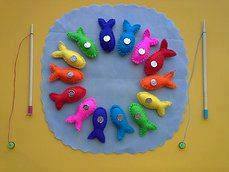
Fishes are common in numerous areas. Kids may see them at a local lake, an aquarium, or a zoo. They may even notice them in a pet store at whatever point they get an opportunity to visit with you or their friends. This consistently makes kids love them even more.
Kids love to see fish. If you head to a nearby pet store, kids can get astoundingly close and get some answers involving these fish. Moreover, colourful fish can be the answer to every question that surrounds your child regarding colours.
You’ll need:
- Mat
- Artificial fishes with magnets
- Fish catcher (with the magnet)
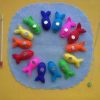
Start by placing the mat wherever you want to. Now start putting the colourful fish one by one on the mat. Make sure to place the magnetic side facing upwards. Once you are done, all you have to do is ask your little one to get ready with his fishing rod and tell him the colour of the fish that you want him to pick. This way, the colour learning activity would stay engaging!
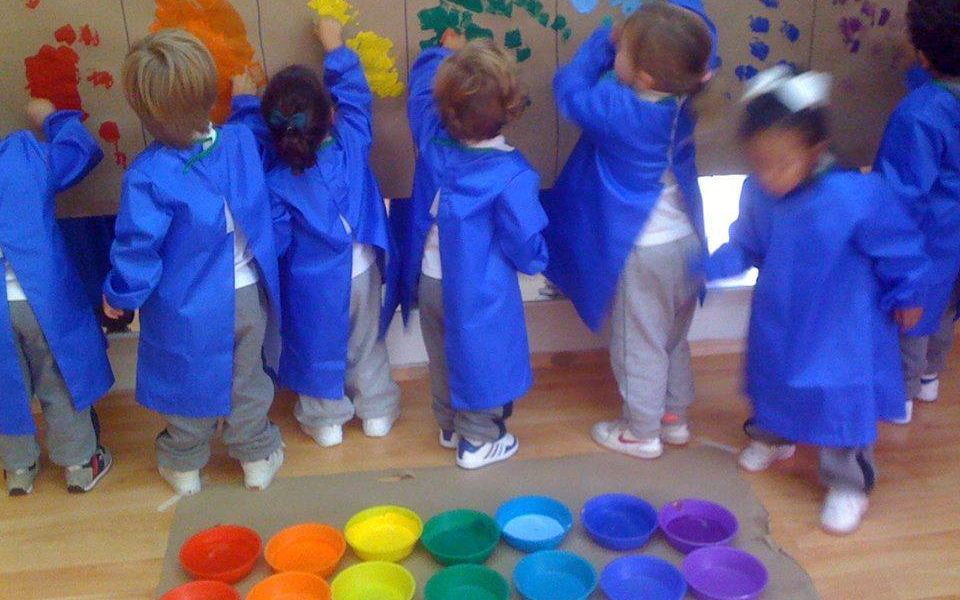
Wall Painting Activity
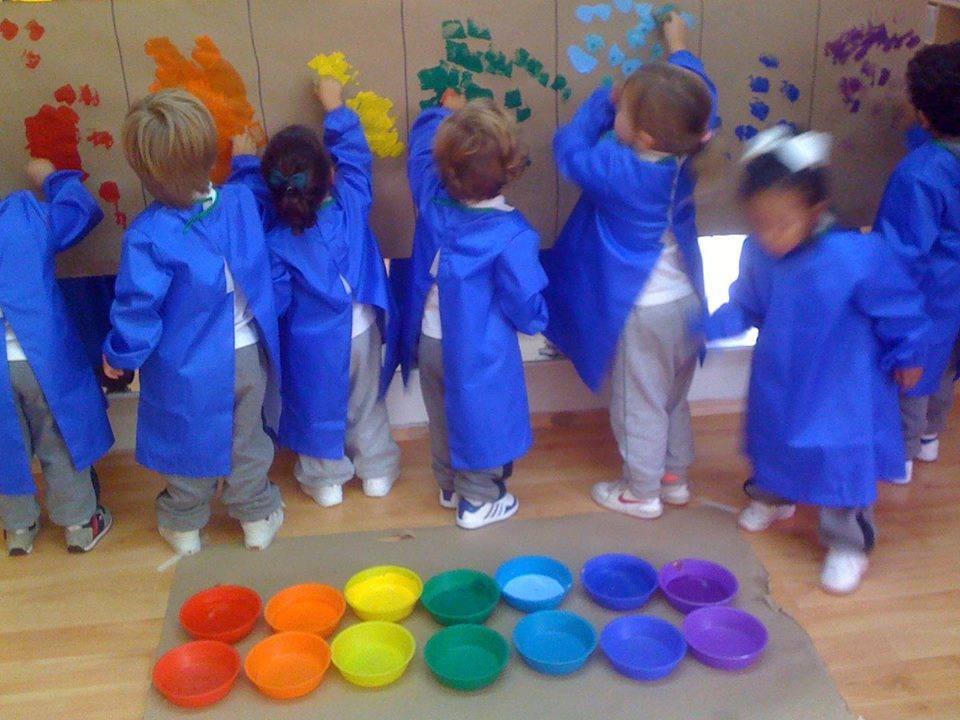
Is it accurate to say that you are done with gazing at your dull, dim walls? Is it true that you are not a major devotee of the backgrounds? There is a speedy and straightforward approach to add the show to these walls or boards. Sponge painting is very intuitive. It is very easy to achieve good results. But it is also very easy to get carried away with kids and spend countless hours. There are no set rules on what and how many colours you should use when sponge painting a wall.
You’ll need:
- Plastic trays
- Poster colours
- Water to dilute
- Sponges
Don’t ask the kids to soak the sponges in paint – just dab them in paint, making sure they don’t absorb too much paint to avoid leaking. Have fun with it! Don’t get stressed out if you think you’ve messed up; just carry on adding more paint. And that’s it. Painting walls with a sponge is a really fun and easy way of adding interest to any wall in any room. So try it!
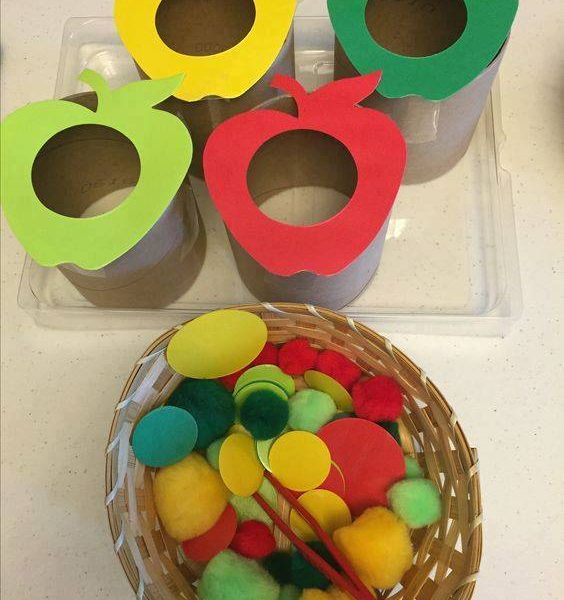
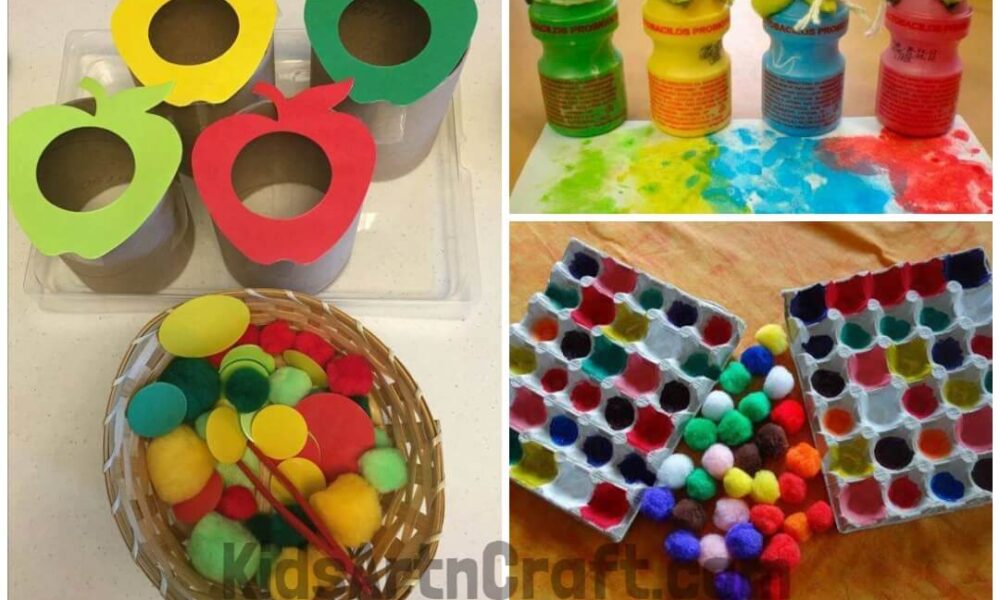
Fill Thy Apples
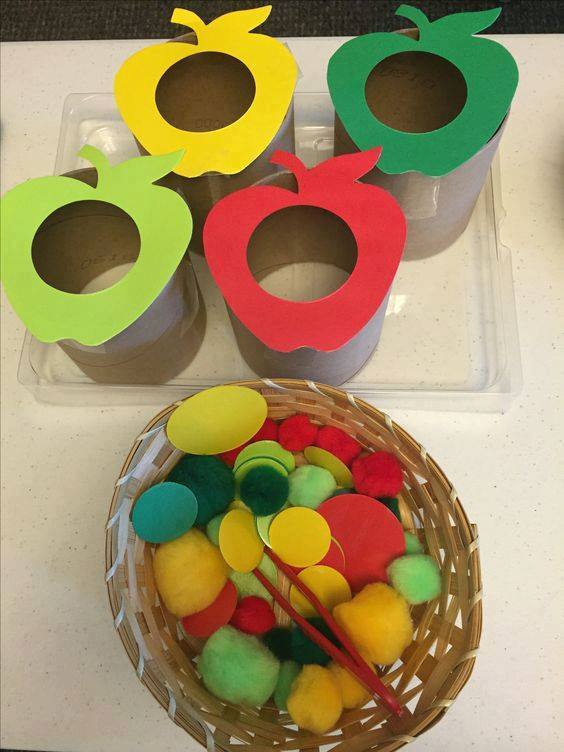
Apples are an organic product, and almost everybody adores this delicious, red organic product, particularly kids. Apples are full of minerals and nutrients, settling on the is a nutritious choice. They contain negligible calories and are likewise known for their healthy properties. Kids love apples because they are red and healthy! So this activity involves their favourite fruit, let’s do it!
You’ll need:
- Colourful papers
- Scissor
- A basket
- Pencil
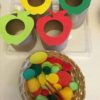
Start by drawing the shape of an apple on the colourful sheets, make sure to keep them of an equal size. Now cut them out one by one. The second step is to draw a mini circle in the centre of these apples and cut them as well. Keep the circles aside because you’ll need them later. Now keep the colourful apples on a cup or something tall and empty. Collect all the small circles and keep them together in a basket. The last step is to ask your kid to pick a small circle and drop it in the apple that matches its colour.
And you’re done!
The Colour Meter
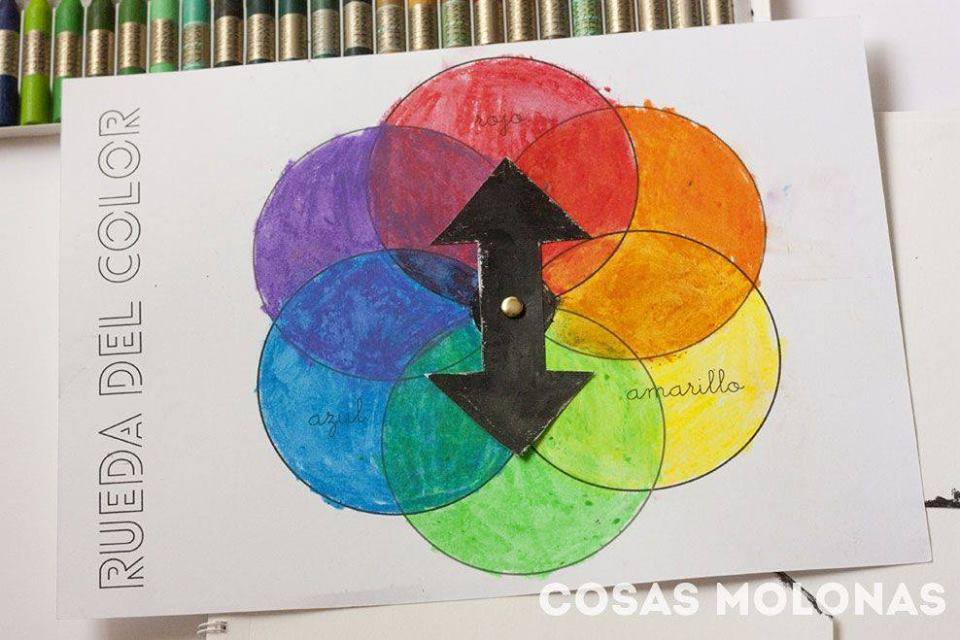
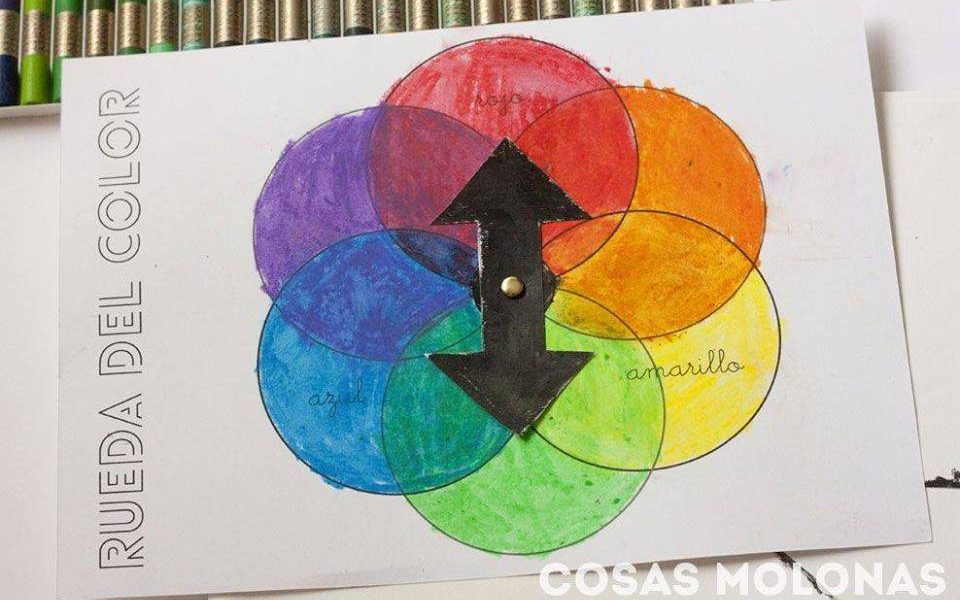
Most of us have seen the colour wheel but don’t know how to comprehend it or how it is useful to us.
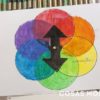
The colour wheel is fundamentally the best way to learn the scope of colours wrapped by a circle, and it is an important instrument that explains what happens when we mix our paints. The colouring wheel itself isn’t huge. What is more critical is the speculation behind the colouring wheel. At the point when you get this and the central relations between colours, then the colour wheel itself ends up being one of the best ways for your colour mixing and learning activity.
You‘ll need:
- White sheet
- Black marker
- Paper pin
- Crayons
Draw six circles on the white sheet. Now colour these circles with different colours. The third step is to pick a board pin and a black sheet. Draw an arrow with the help of a pencil and cut it out. Paste the black paper on the arrow. The last part is to pin the arrow in the middle of this circle, and you’re done!
Spin the colour wheel!
Sponge And Colours
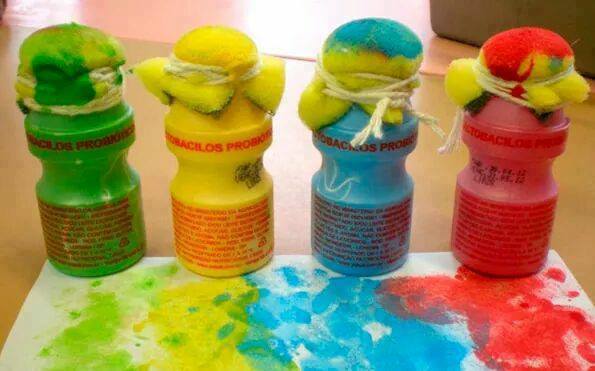
Adolescents take in their overall environmental factors through their eyes, and amazing tones are one of the essential pieces of sight that help them with perceiving shape and request objects. These shadings appeal to little children, as they are more straightforward for them to see. At around 5-months old, adolescents can see tones with their eyes, making a dream, notwithstanding, perceiving splendid colours comes more easily to them.
You’ll need:
- Sponge pieces
- Small empty bottles
- Plain white sheets
- Poster colours
- Thread/yarn pieces
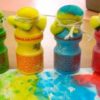
Your first step is to take the sponge pieces and keep them on top of these empty bottles. Cut the extra sponge part and keep the rest aside. Now fill these bottles with poster colours and keep the sponge on the top. Take the yarn and tighten the sponge on the bottle. Make sure to check it’s not lost. The last step is to ask your kid to choose a colour and start painting! Make sure to use all the colours equally, which will help him to learn about new colours.
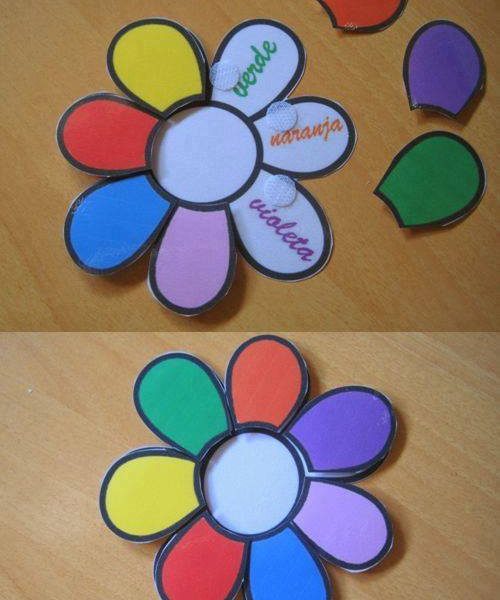
Pick The Petals
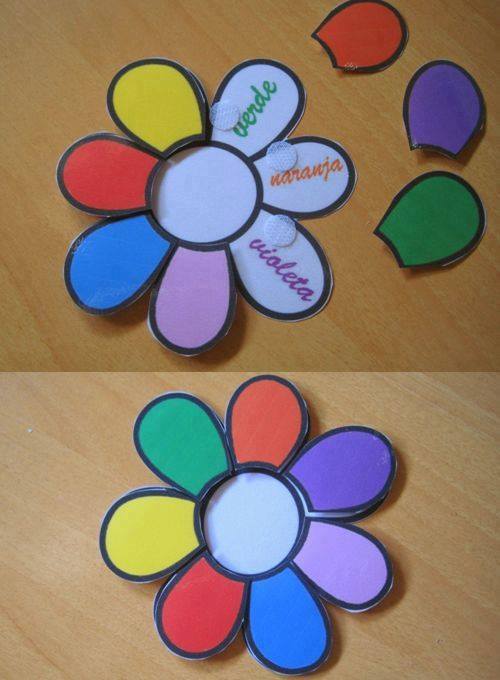
In all plants, a flower is ordinarily its most splendid part. There is a wide scope of kinds of flowers in different regions of the planet. Flowers have, for a long while, been valued and used by individuals. Most by far envision that flowers are flawless. Various people moreover love flowers for their smells (scents). People value seeing flowers filling in nurseries. Here is one such activity that involves both flowers and colours.
You’ll need:
- Colourful paper
- Scissor
- Gluestick
- Sketch pens
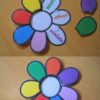
Start by drawing flower petals on colourful paper and a circle on the white sheet. Make sure to draw the petals equally. Now cut them out and start pasting the petals one by one on the circle. The motive is to ask your kid to pick a colour, write it on the petal, and then attach it to the circle. This way, the learning activity would remain interesting!
Match the Block
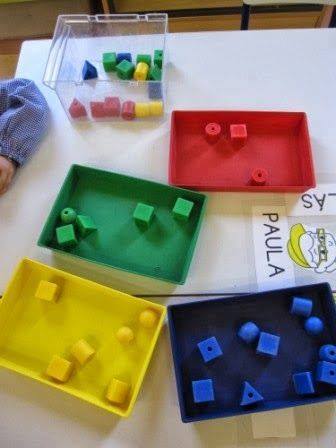
It’s exciting to observe your little one pointing out the colour of the cloud, telling the shape of an object, or holding a piece of the puzzle and guessing the shape. But learning colours and shapes isn’t always engaging or fun. Sometimes it’s about mathematical ideas like shape, size, space, and position. Let’s see how this activity can help!
You’ll need:
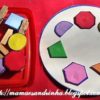
- Coloured blocks and shapes
- Coloured boxes
- One separate box
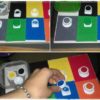
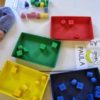
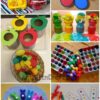
Begin by mixing all the coloured shapes or blocks. Place each coloured box at a distance from the other. Now take the separate box and place it nearby. Ask your little one to take one block/shape at a time and drop it in the box that matches its colour. The aim is to drop the shapes into the right box, and that’s it! This way, the learning would become fun.
What’s My Colour?
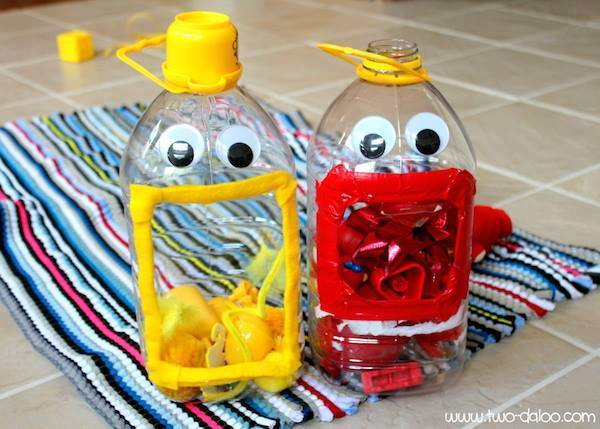
When your little one plays with objects and shapes like squares and puzzles, that becomes her first calculation exercises. These and other shape exercises teach her about mathematical ideas, including shape, size, space, and position. This learning prepares your little one for school, where she’ll be dealing with progressively more modern mathematical assignments and more such shapes and objects. Let’s see how this activity can be fun and engaging for kids!
You’ll need:
- Two plastic bottles
- Scissors
- Black Marker
- Googley eyes
- Different shapes
- 2 different coloured tapes
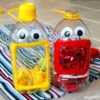
First, take the two bottles and mark a square using the black marker. Now use the scissors to cut that part out. Using the coloured tapes, make a boundary around the part that has been removed. Now paste the eyes on these bottles. The last part is to ask your little one to pick a shape and drop it into the mouth of the bottle that matches the colour. The mouth-like part of the bottle would engage your kid to learn while having fun!
Colour Matching
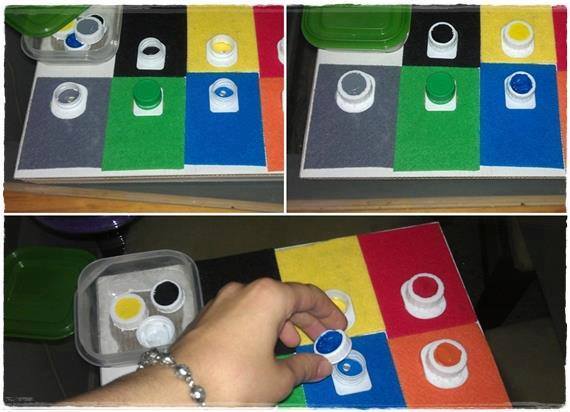
When a child can successfully match colours, the next stage and skill is recognising colours by their names. For example, when a kid is playing with different coloured objects, and you expect to check whether he can remember the colour, you would be shocked to see if he shows you a particular object by its colour. This fun-filled activity is one such way to teach your little one all about colours and recognise objects!
You’ll need:
- Plastic caps
- A cardboard piece
- Coloured paper
- A plastic box
- Cutter
Start with the coloured papers and cut equal parts from each one of them. Take a cardboard piece and paste these cut-outs equally on the board. Now keep all the coloured caps together in a plastic box. Ask your kid to pick a cap and place it on the right colour match, whichever he thinks matches the cap’s colour. This way, the activity would not be boring.
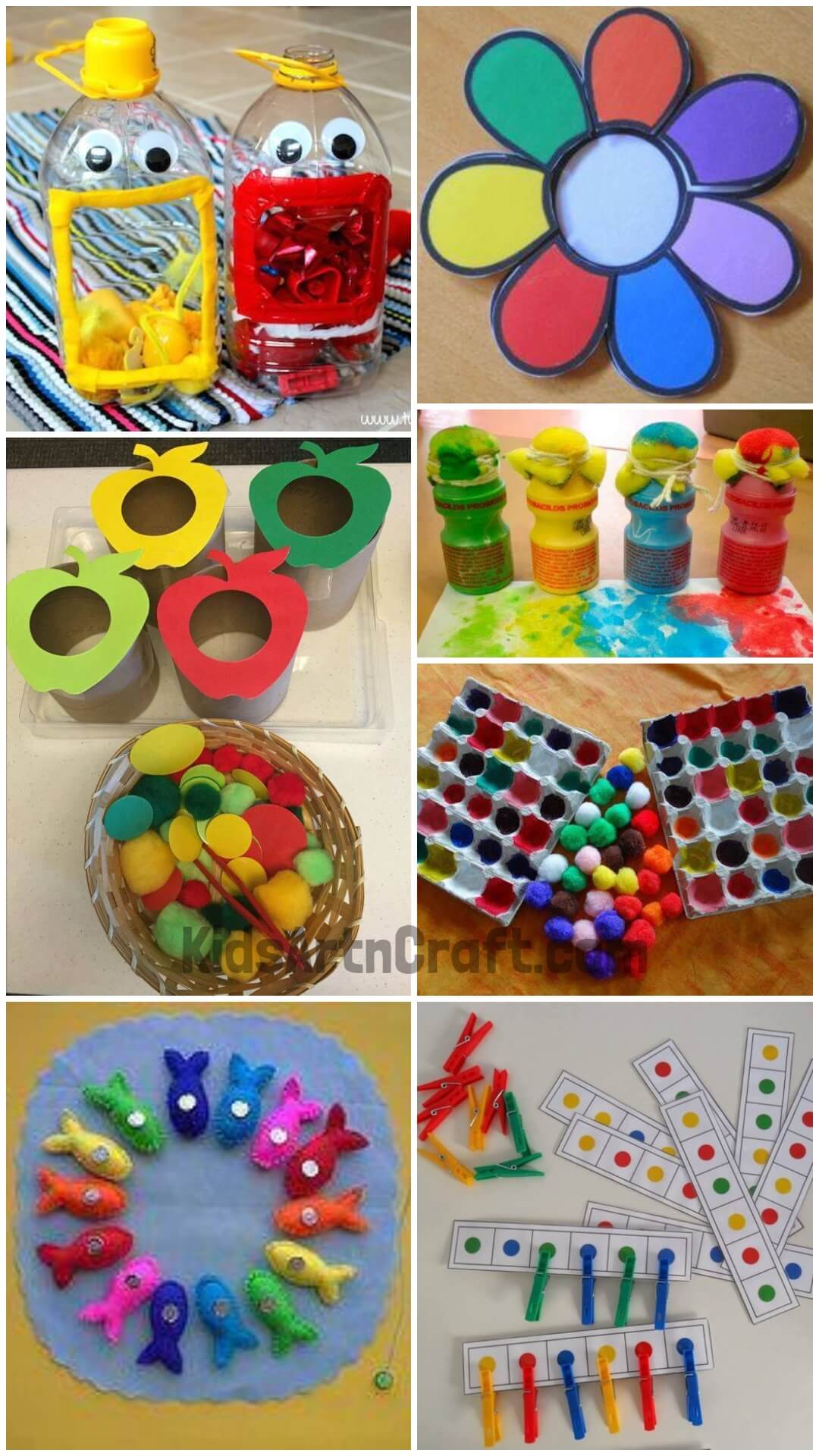
We believe that these activities will bring a smile to your kid’s face. You can take a look at other articles on our website. Feel free to express your experience and views to us in the comments section below. We would love to hear from you!
Step-by-Step Colour Learning Activities for Kids
Learn how to help kids practice and recognise colours with this step-by-step tutorial. This fun learning activity video shows simple ways for toddlers and preschoolers to identify colours through playful exercises and everyday objects. Perfect for parents, teachers, and homeschoolers who want engaging colour learning activities for young children.
Benefits of Learning Colours for Kids
- Improves cognitive skills: Helps children categorise and organise visual information
- Enhances language development: Kids learn to describe objects using colour words
- Boosts creativity: Encourages artistic expression through drawing and painting
- Strengthens observation skills: Children begin to notice details in their surroundings
- Supports early school readiness: Colour recognition is a foundational preschool skill
Age-Wise Colour Learning Activities
👶 Toddlers (2–3 years)
- Simple colouring with crayons
- Sorting objects by colour (toys, blocks)
- Finger painting with safe colors
🧒 Preschoolers (3–5 years)
- Colour matching games
- Printable colouring pages
- Basic craft activities like tree prints
👦 Kindergarten Kids (5–6 years)
- Mixing colours to create new shades
- Themed colouring (kitchen, animals, nature)
- Drawing and colouring within outlines
Tips to Teach Colours Effectively
- Start with primary colours (red, blue, yellow) before introducing others
- Use real-life objects (fruits, clothes, toys) for better association
- Encourage repetition through play instead of memorisation
- Combine visual + verbal learning (say the colour aloud while showing it)
- Appreciate the effort to build confidence and interest
Explore More Fun Activities for Kids
- Colouring pages to improve creativity and focus
- Shape and object-based colouring activities
- Learning games that combine colours with numbers and the alphabet
Relatable Crafts and Activities
- colour learning activities for kids
- fun colour games for toddlers
- Teaching colours to kids at home
- easy art activities for kids
FAQs
Q1. At what age should kids start learning colours?
Answer: Children typically begin recognising colours between 18 months and 2 years, but mastery develops gradually through preschool years.
Q2. What is the easiest way to teach colours?
Answer: Using hands-on activities like colouring, painting, and sorting objects is the most effective way to teach colours.
Q3. How do I make colour learning fun?
Answer: Turn learning into play by using games, crafts, and real-world examples instead of worksheets alone.
Q4. Why is colour recognition important?
Answer: It helps improve cognitive development, language skills, and visual discrimination, which are essential for early education.
Teaching colours to kids doesn’t have to be complicated—it can be fun, creative, and full of playful learning experiences. By incorporating simple activities like colouring, sorting, painting, and crafting, children can naturally develop colour recognition skills while also improving their creativity and cognitive abilities.
You can check our website to bring more artistry to your kids. We will keep bringing such captivating ideas for you. Up to that point, keep smiling. Get daily updates—join our Telegram group now! Follow us on YouTube & Facebook for unique art and craft ideas.
Reviewed by Jatin
Read More
- Straw Activities for Preschool & Kindergarten
- Water Activity Colouring Pages for Kids
- Indoor Activities Colouring Pages for Kids
- School Activities Colouring Pages for Kids
- Sponge Crafts and Activities For Kids: Spunky