
Kids Activities
Busy Bag Ideas for Kids


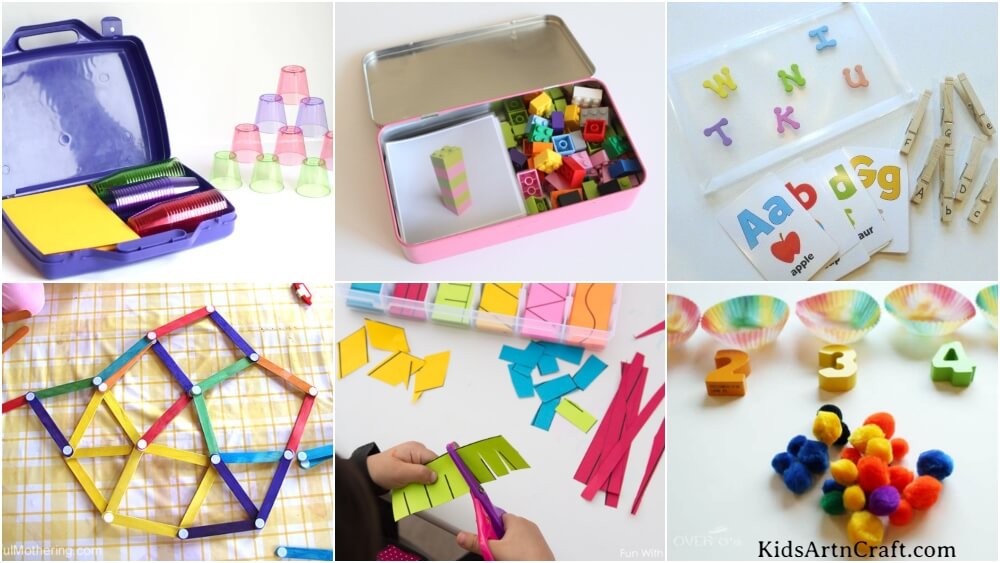
Looking for busy bag ideas for 3-8-year-olds? Get some exciting busy bag activities like Cup Stacking Engineering Activity, Bottle Cap Spelling, Rainbow Counting Activity, shoe tying, etc., to improve fine motor skills in kids. We hope you’ll like them.
Busy Bag Ideas for Kids
Read More: Teach Your Kids With Some Creativity – Learning with Crafts
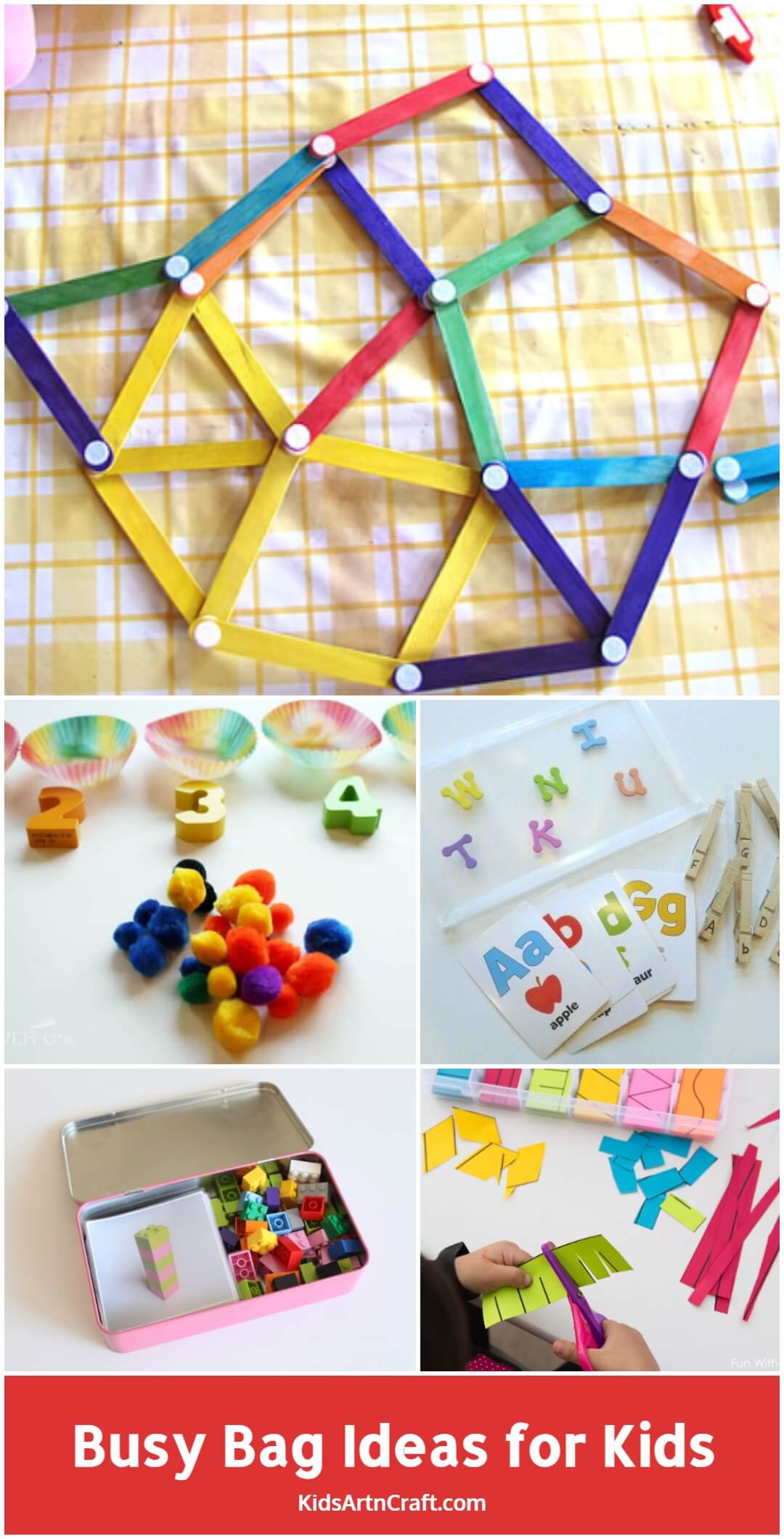
Alphabet Clip Matching Game
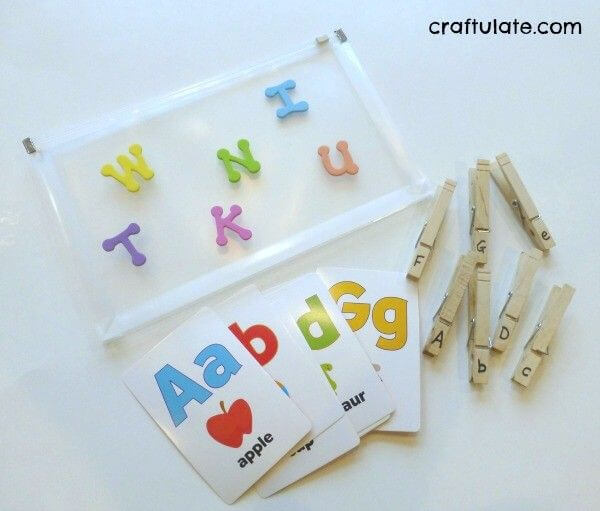
Image Source/Tutorial: Craftulate
Materials Required:
Alphabet cards, wooden clothespins, zip pouch
Procedure:
Clip the correct letter onto each matching alphabet card. Encourage children to say the letter sound while clipping.
Strawberry Counting Numbers
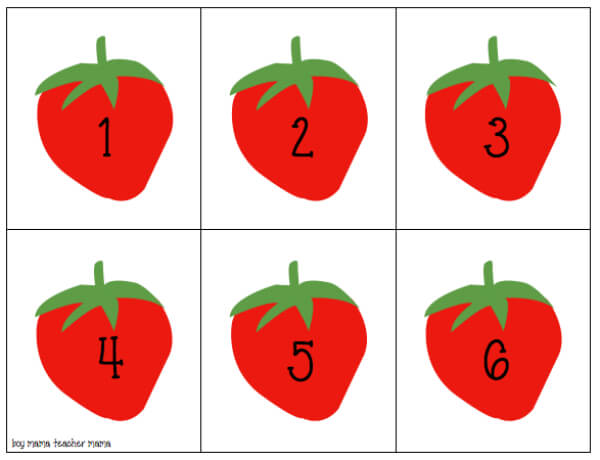
Image Source/Tutorial: Boy Mama Teacher Mama
Materials Required:
Printed strawberry cards, marker, or numbers
Procedure:
Count aloud and match the number shown on each strawberry. Ask children to arrange cards in number order.
Popsicle Stick Geometry Shapes
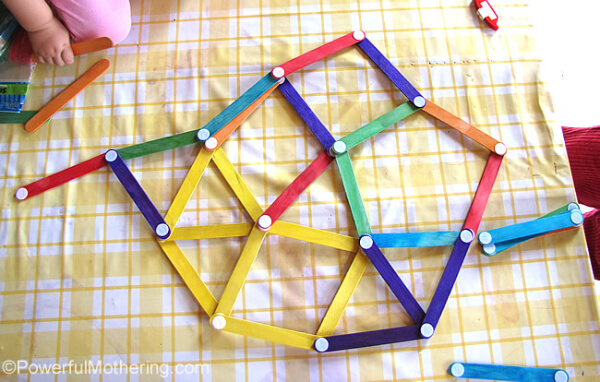
Materials Required:
Colored popsicle sticks, glue (optional)
Procedure:
Arrange sticks to form different shapes like triangles or hexagons. Fix them with glue or explore freely.
Shoe Lacing Fine Motor Activity
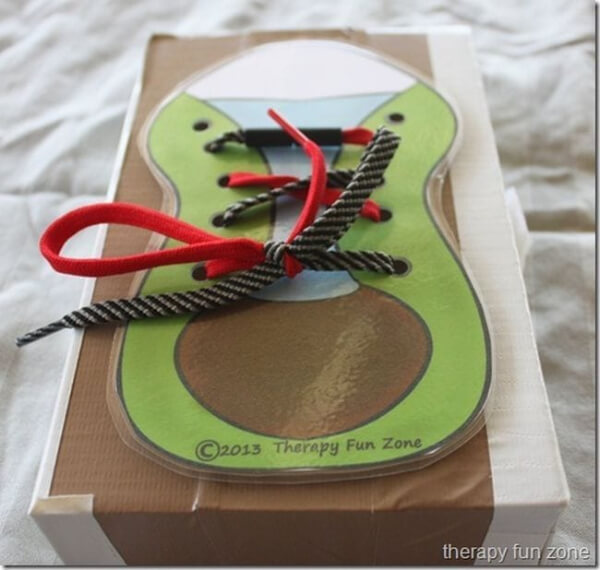
Image Source/Tutorial: Therapy Fun Zone
Materials Required:
Cardboard shoe cutout, shoelaces, and a hole punch
Procedure:
Thread the lace through the holes like a real shoe. Practice tying knots and bows.
Sight Word Bottle Cap Builder
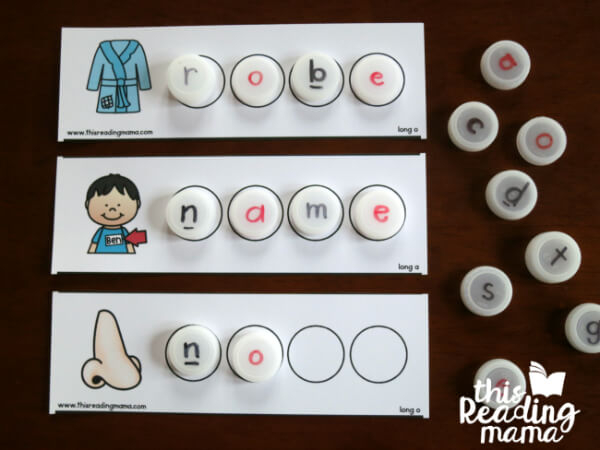
Image Source/Tutorial: This Reading Mama
Materials Required:
Bottle caps, marker, word strips
Procedure:
Arrange the caps to spell the given word. Read the word aloud once completed.
Read More: Recycled Craft Ideas for Christmas!
Rectangle Shape Craft Frame
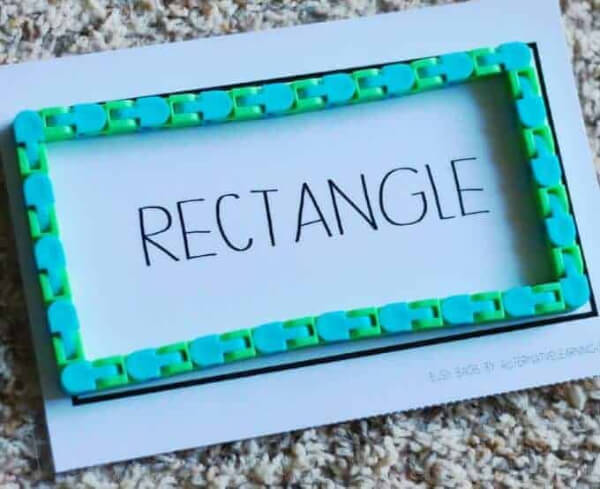
Image Source/Tutorial: Kara Carrero
Materials Required:
Paper, plastic links or blocks, glue
Procedure:
Outline the rectangle shape using links. Label the shape and display it.
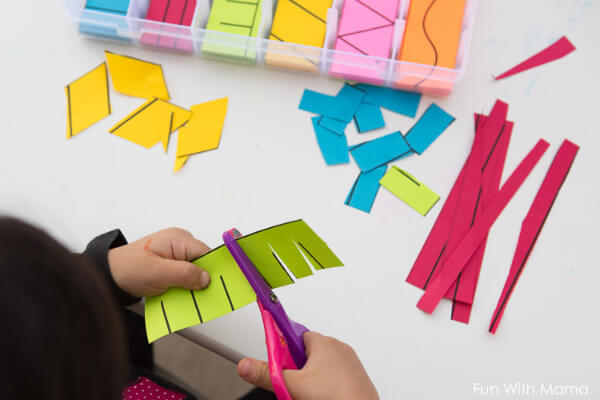
Scissor Skills Paper Cutting
Materials Required:
Colored paper, child-safe scissors
Procedure:
Cut along straight lines on paper strips. Collect pieces to create a collage.
Number Threading Math Game
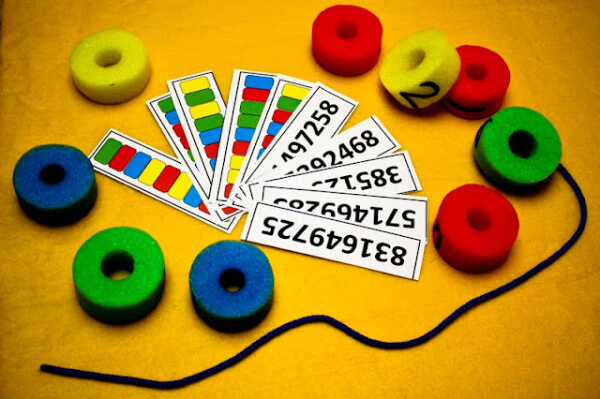
Image Source/Tutorial: Planet Of The Apels
Materials Required:
Foam beads, string, number cards
Procedure:
Thread beads according to the number shown. Count aloud while threading.
Alphabet Road Tracing Cards
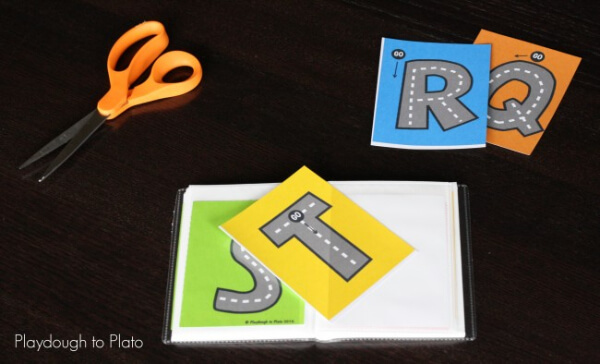
Image Source/Tutorial: Play-Doh to Plato
Materials Required:
Alphabet road cards, toy car, or finger
Procedure:
Trace the letter path using a finger or toy car. Say the letter sound while tracing.
LEGO Pattern Matching Activity
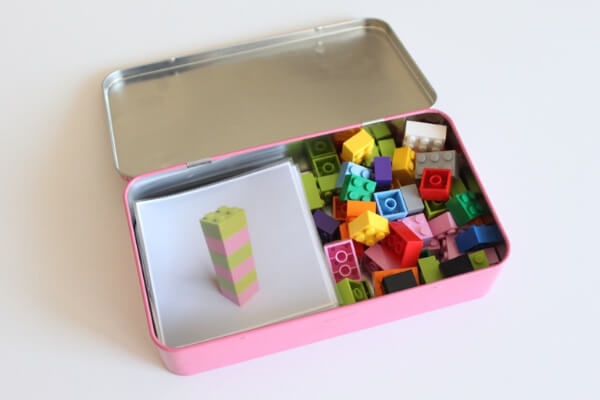
Image Source/Tutorial: Mama Papa Bubba
Materials Required:
LEGO blocks, small storage box, pattern cards, or printed images
Procedure:
Place a pattern card inside the box for reference. Ask the child to build the same structure using LEGO blocks.
Pom-Pom Number Counting Game
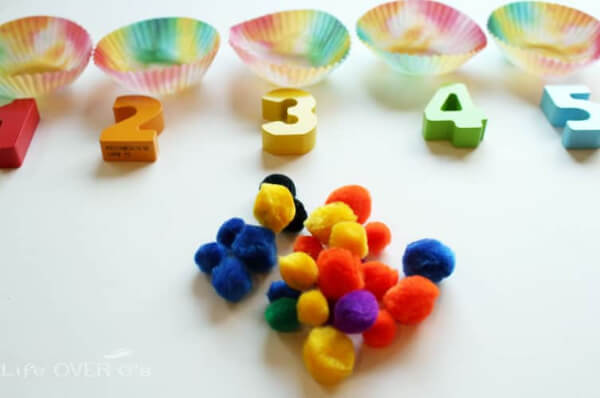
Image Source/Tutorial: Life Over Cs
Materials Required:
Number blocks, pom-poms, cupcake liners, or bowls
Procedure:
Place one number in front of each bowl or liner. Let the child add the same number of pom-poms to match it.
Story Circles Picture Game
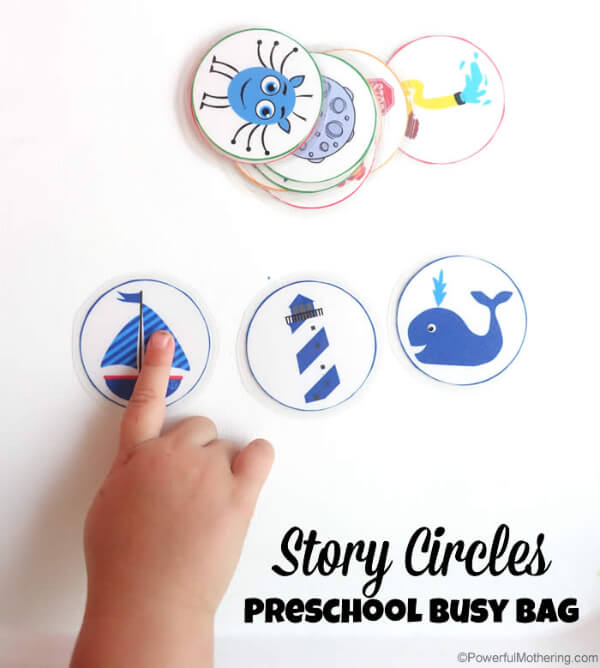
Image Source/Tutorial: Powerful Mothering
Materials Required:
Printed picture circles, scissors, laminator (optional), storage pouch
Procedure:
Spread the picture circles on a flat surface. Ask the child to pick cards and create a story aloud.
Color Cup Stacking Game
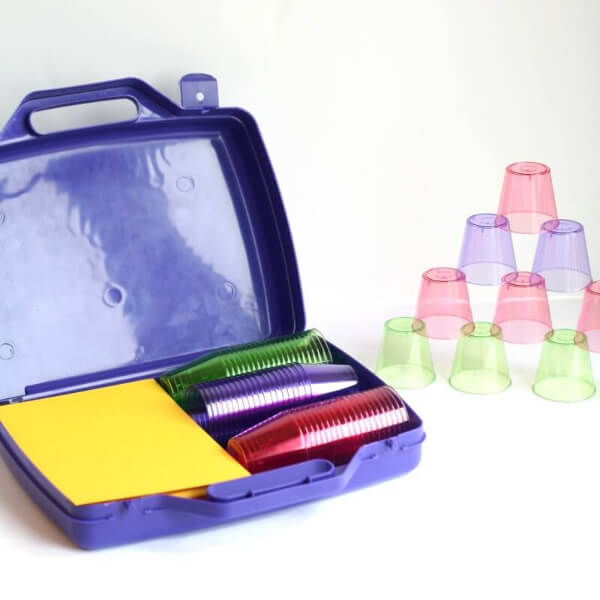
Image Source/Tutorial: Lemon Lime Adventures
Materials Required:
Plastic cups, flat surface, activity box (optional)
Procedure:
Give the child a set of cups to stack. Encourage building different shapes or color patterns.
Busy Bag Ideas for Kids Step-by-Step Tutorial | Easy DIY Quiet Bags for Travel & Learning
Learn creative busy bag ideas for kids in this step-by-step tutorial. Discover fun, easy DIY quiet bags using simple materials to keep children entertained at home or on the go. These engaging activities help develop fine motor skills, creativity, and independent play while making learning fun anywhere, anytime.
What Are Busy Bags for Kids?
Busy bags are portable activity kits that keep children engaged in fun, hands-on learning. These simple activity bags often contain educational games, matching activities, puzzles, counting tasks, and sensory materials that children can use independently. Busy bags are ideal for travel, quiet time, classrooms, waiting rooms, and screen-free play.
Educational Benefits of Busy Bags for Kids
1. Develops Fine Motor Skills
Activities such as clipping, threading, sorting, and lacing help strengthen hand muscles and improve hand-eye coordination.
2. Encourages Independent Learning
Children can complete many busy bag activities on their own, helping build confidence, responsibility, and self-reliance.
3. Supports Early Math and Literacy Skills
Busy bags often include counting games, letter matching, alphabet recognition, pattern activities, and simple word-building exercises.
4. Improves Focus and Concentration
Completing a task from start to finish helps children develop patience, attention span, and problem-solving abilities.
5. Provides Screen-Free Entertainment
Busy bags offer meaningful alternatives to electronic devices while keeping children entertained and actively engaged.
When Can Kids Use Busy Bags?
- During car rides and travel
- At restaurants and waiting rooms
- For quiet time at home
- In preschool and kindergarten classrooms
- During homeschool activities
- As independent learning centers
- On rainy days indoors
Tips for Creating Busy Bags
- Choose age-appropriate activities.
- Use durable and reusable materials.
- Label bags clearly for easy organization.
- Rotate activities regularly to maintain interest.
- Include a variety of math, literacy, sensory, and creative tasks.
Why Parents and Teachers Love Busy Bags
Busy bags combine learning and play in a simple, portable format. They are affordable, reusable, easy to organize, and suitable for a wide range of ages. Whether used at home or in the classroom, busy bags help children practice important developmental skills while having fun.
FAQs
Q1. What age are busy bags suitable for?
Answer: Busy bags can be adapted for toddlers, preschoolers, kindergarteners, and elementary-aged children.
Q2. Are busy bags good for travel?
Answer: Yes, busy bags are excellent travel activities because they are compact, portable, and mess-free.
Q3. What skills do busy bags help develop?
Answer: Busy bags help develop fine motor skills, early literacy, math readiness, problem-solving abilities, and concentration.
Q4. Can busy bags be used in classrooms?
Answer: Yes, teachers often use busy bags for learning centers, early finishers, and independent practice activities.
Q5. How often should busy bags be rotated?
Answer: Rotating activities every one or two weeks helps keep children engaged and excited about learning.
Busy bags are a wonderful way to keep children learning, creating, and having fun wherever they go. These simple activity kits encourage independent play while helping kids develop important skills such as fine motor control, problem-solving, concentration, and early academic abilities. Whether used at home, in the classroom, or during travel, busy bags provide meaningful screen-free learning experiences that children can enjoy again and again.
Creative crafts + joyful learning = happy kids every day! Join our family on Telegram, YouTube & Facebook.
Reviewed by Yash Sharma
More Articles from Kids’ Art & Craft
- Plastic Spoon Craft Ideas for Kids To Play
- Play With Dirt Ideas For Kids
- Playful Paint Combination Ideas for Kids
- Pokémon Party and Craft Ideas Will Rule The Weekend!
- Rabbit Craft Ideas for Kids