DIY and Crafts
Figurative Language Anchor Charts for Kids


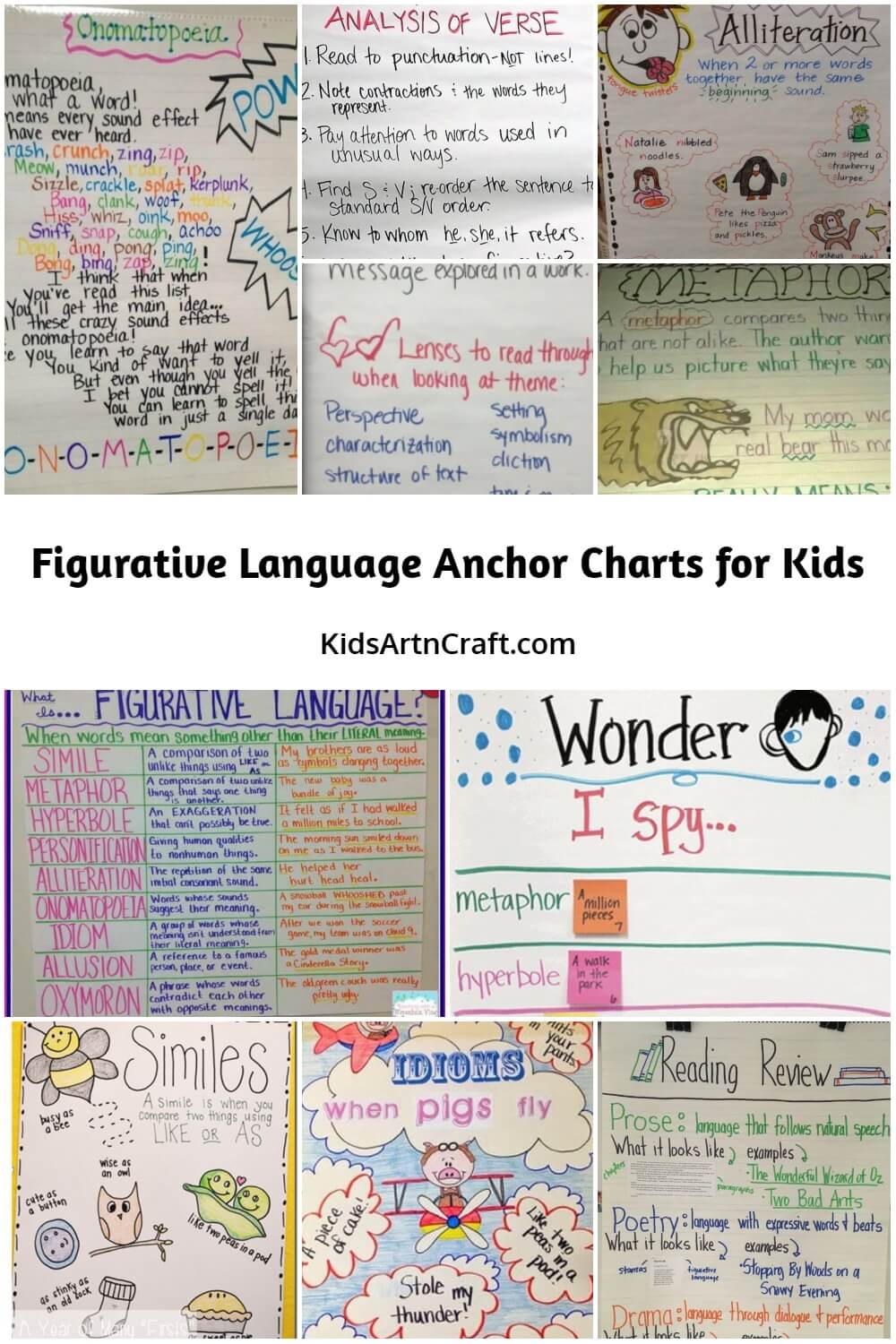
If you’re searching for figurative language anchor charts for kids, you’re in the right place! Keep your learning spirit alive with our curated list of figurative language anchor charts for kids, like what figurative language anchor charts are, simple teaching figurative language techniques, and metaphor anchor chart ideas for figurative language.
Figurative Language Anchor Charts for Kids
Read More: Scrap Ribbon Christmas Tree Craft Tutorial
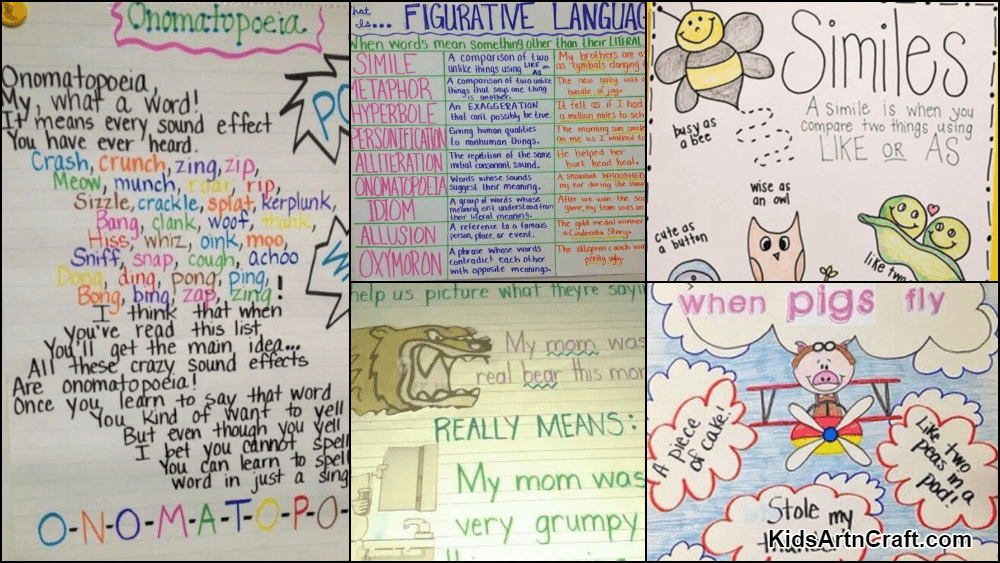
Creative Figurative Language Anchor Chart for Classroom Learning
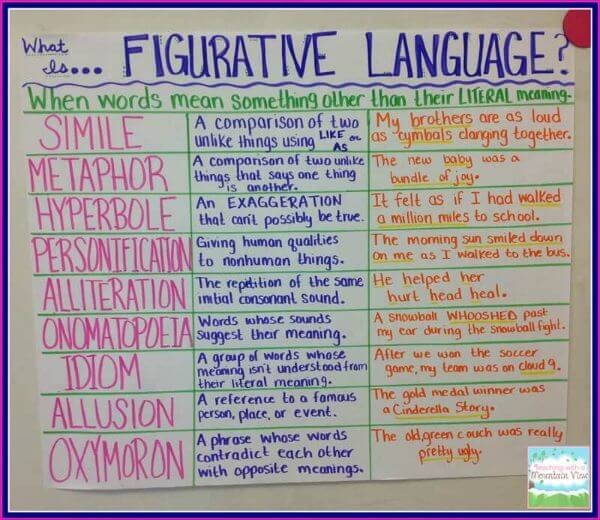
Image Source/Tutorial: Teaching With A Mountain View
Teach similes, metaphors, hyperbole, idioms, and personification using this engaging figurative language anchor chart activity for upper elementary and middle school students with colorful examples and interactive literacy classroom decor.
Wonder Book Figurative Language Sorting Activity for Students
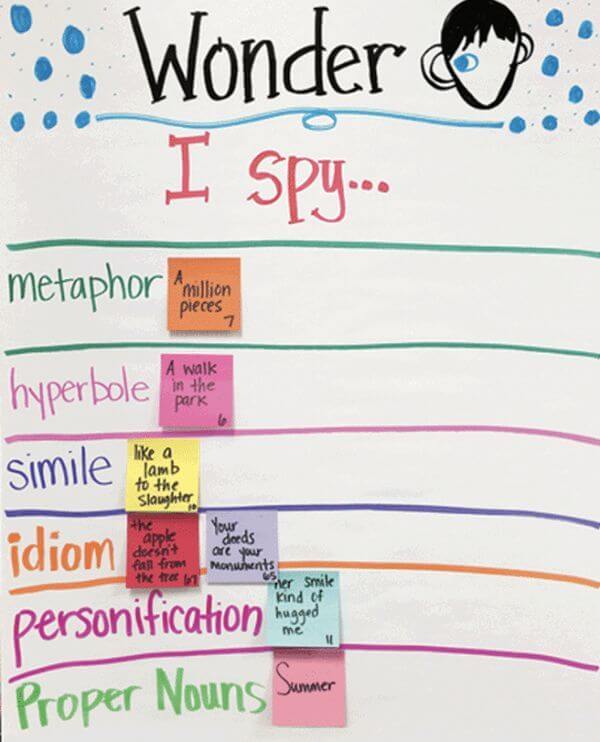
Image Source/Tutorial: Top Teaching Tasks
Boost reading comprehension skills with this Wonder figurative language sorting activity featuring metaphors, similes, idioms, and personification examples perfect for interactive ELA lessons, literacy centers, and classroom anchor charts.
Fun Similes Poster Activity for Kids
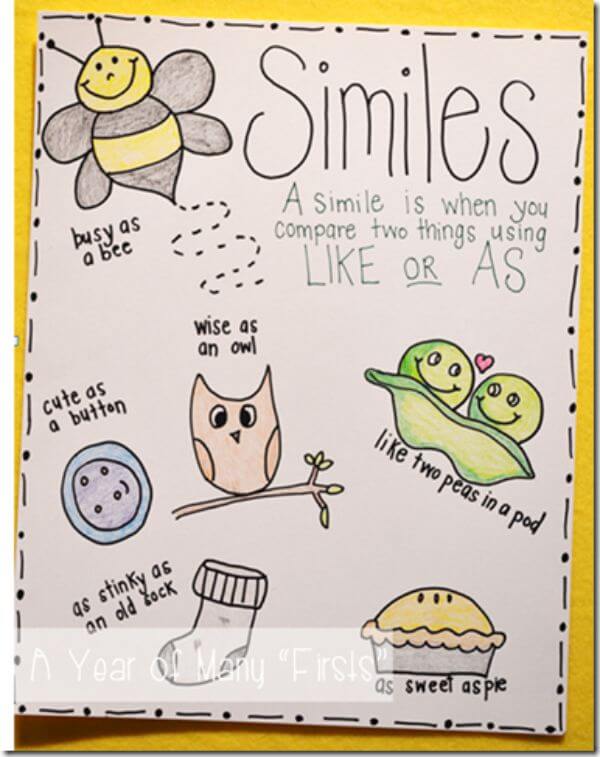
Help students understand similes through colorful illustrations and easy examples using “like” and “as” in this engaging figurative language poster activity for elementary language arts classrooms and homeschool learning.
Metaphor Anchor Chart and Writing Activity
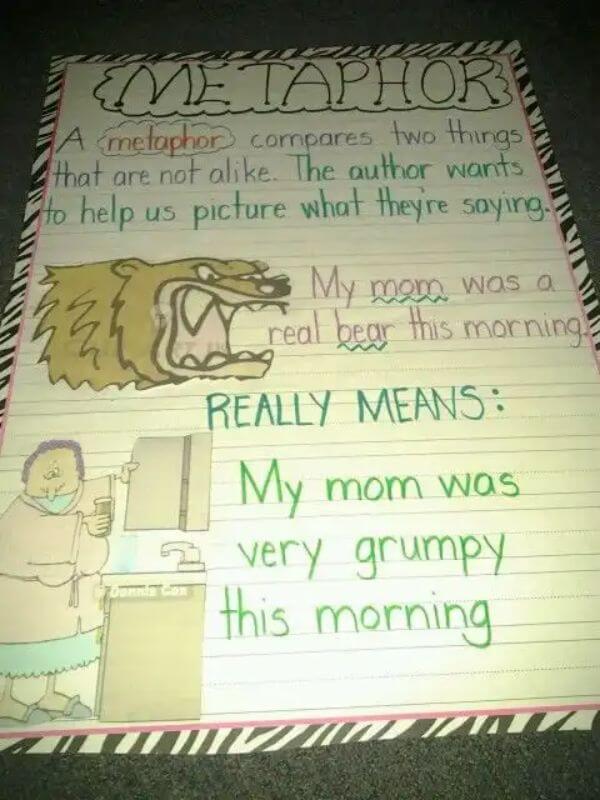
Image Source/Tutorial: Comprehension Connection
Teach metaphor concepts clearly with this creative anchor chart activity featuring definitions, examples, and visual explanations ideal for reading workshops, literacy instruction, and interactive English language arts lessons.
Colorful Onomatopoeia Anchor Chart for Language Arts
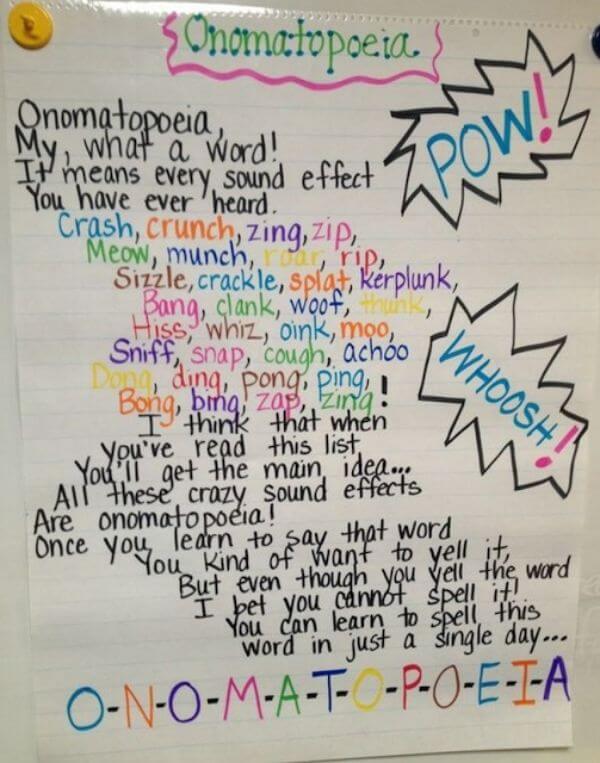
Image Source/Tutorial: Krzmarzickm
Make figurative language exciting with this colorful onomatopoeia anchor chart showcasing sound effect vocabulary words for elementary literacy centers, writing lessons, reading activities, and interactive classroom bulletin boards.
Read More: Wall Hanging Christmas Tree Ideas with Lighting
Alliteration Examples Anchor Chart for Kids
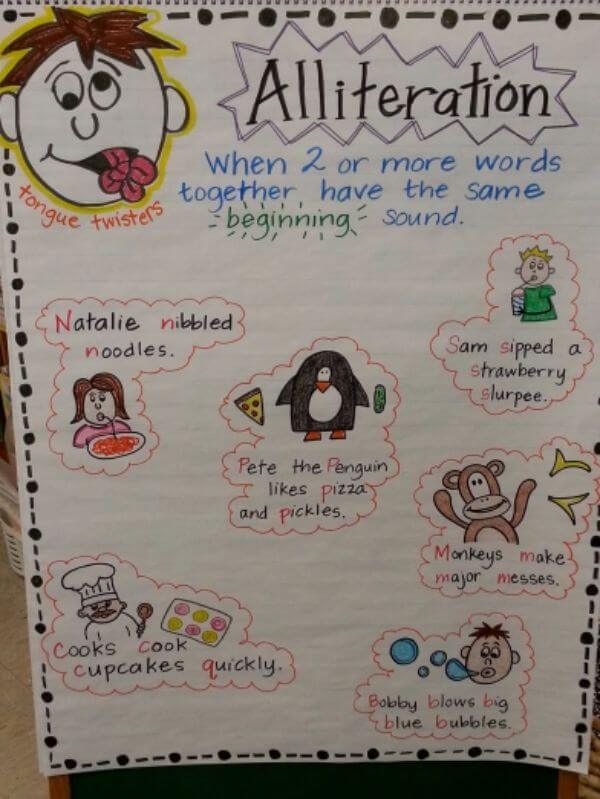
Image Source/Tutorial: It’s My Blogy All
Introduce alliteration with fun tongue twisters and illustrated examples in this engaging language arts anchor chart perfect for phonics practice, creative writing lessons, and elementary classroom literacy activities.
Idioms Anchor Chart and Figurative Language Activity
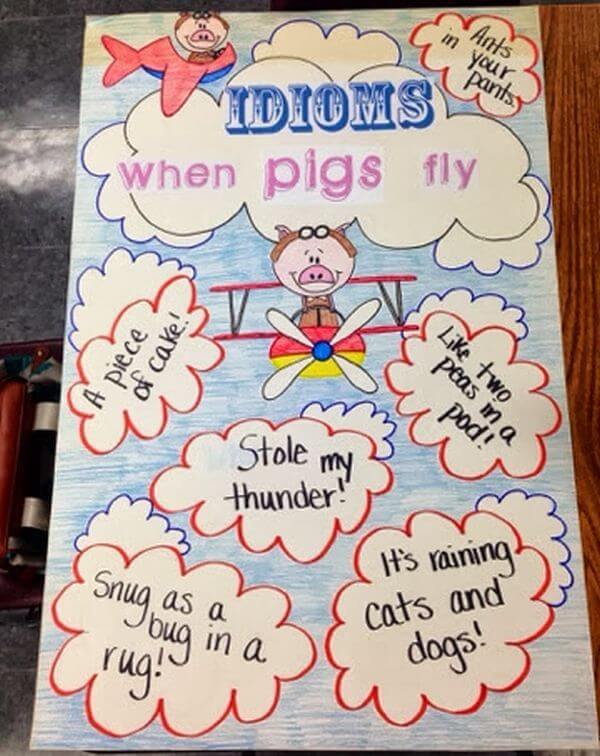
Explore common idioms with this interactive figurative language anchor chart featuring humorous expressions and meanings ideal for vocabulary building, reading comprehension, and engaging English classroom activities for kids.
Poetry Analysis and Figurative Language Classroom Poster
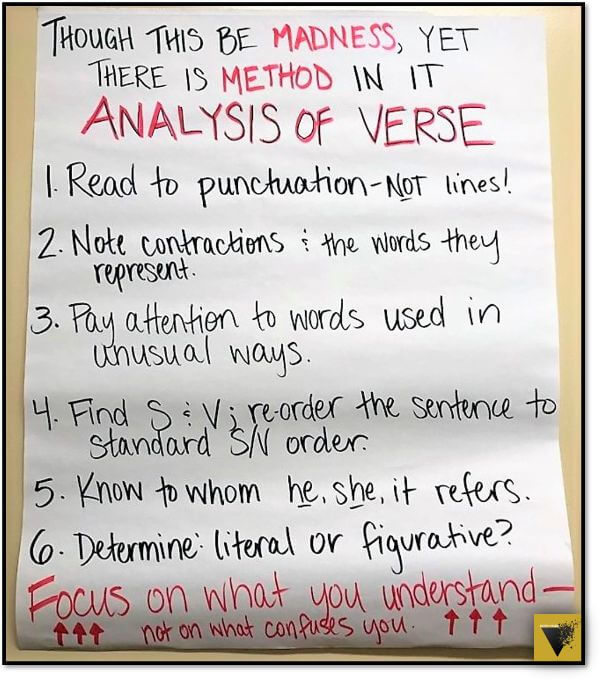
Image Source/Tutorial: Rhetor’s Toolbox
Strengthen poetry comprehension skills using this analysis of verse anchor chart featuring figurative language strategies, literary analysis tips, and reading response techniques for middle school and upper elementary students.
Reading Review Anchor Chart for Prose Poetry and Drama
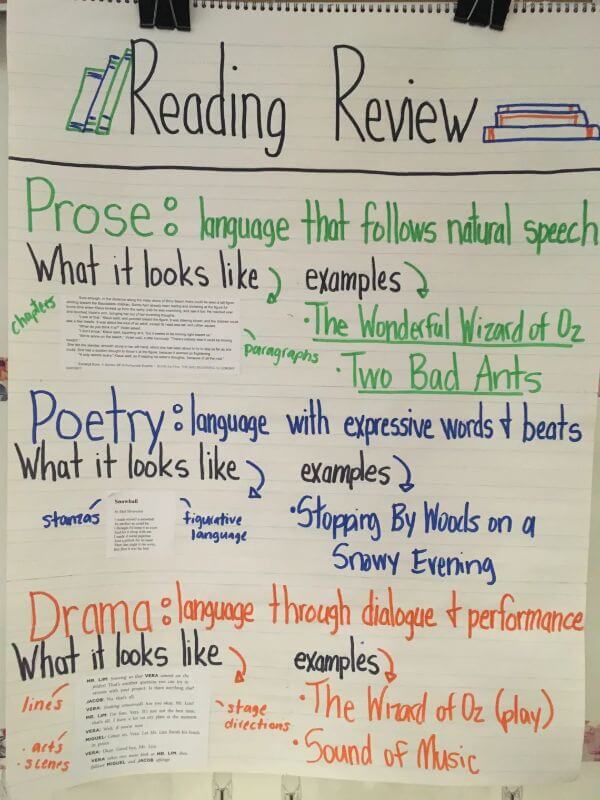
Image Source/Tutorial: Inspire Teach Grow
Compare prose, poetry, and drama using this engaging reading review anchor chart designed for literature lessons, reading comprehension practice, genre study units, and interactive English language arts instruction.
Theme Analysis Anchor Chart for Reading Comprehension
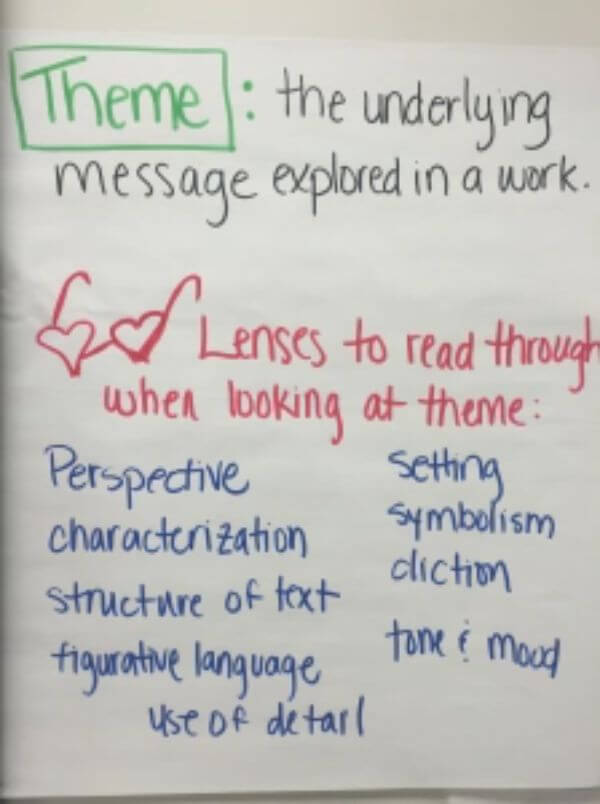
Image Source/Tutorial: Reflection Wall WordPress
Teach literary theme analysis with this educational anchor chart featuring characterization, symbolism, figurative language, and tone concepts perfect for reading workshops, literature circles, and ELA classroom discussions.
Figurative Language Anchor Charts for Kids
Learn how to create colorful Figurative Language Anchor Charts for kids in this easy step-by-step tutorial. Perfect for classrooms and homeschooling, this video shows simple ways to teach similes, metaphors, idioms, and personification using creative charts that help students understand figurative language concepts clearly and improve reading and writing skills.
Why Figurative Language Anchor Charts Are Effective Learning Tools
Figurative language anchor charts make abstract language concepts easier to understand through colorful visuals and simple examples. They provide students with a quick classroom reference while reading and writing, helping them recognize literary devices such as similes, metaphors, idioms, personification, and hyperbole with greater confidence.
How Anchor Charts Support Language Learning
- Helps students remember key figurative language terms.
- Strengthens reading comprehension through visual examples.
- Improves writing by encouraging descriptive language.
- Makes difficult literary concepts easier to understand.
- Builds vocabulary with memorable comparisons and expressions.
- Encourages classroom discussions and collaborative learning.
- Provides a quick reference during independent work.
- Supports visual learners with colorful examples.
Ways to Use Figurative Language Anchor Charts
- Display them on classroom walls for daily reference.
- Use them during reading comprehension lessons.
- Create interactive charts with student examples.
- Add new examples as students discover figurative language in books.
- Use them for writing prompts and creative storytelling.
- Review charts before quizzes and language arts assessments.
Popular Types of Figurative Language to Teach
- Similes that compare using “like” or “as”.
- Metaphors that describe one thing as another.
- Personification that gives human qualities to objects.
- Hyperbole that uses exaggeration for emphasis.
- Idioms with meanings different from their literal words.
- Onomatopoeia using words that imitate sounds.
FAQs
Q1. What is a figurative language anchor chart?
Answer: A figurative language anchor chart is a visual teaching aid that explains different figures of speech using simple definitions, examples, and illustrations.
Q2. Which grades can use figurative language anchor charts?
Answer: These charts are suitable for elementary and middle school students, especially Grades 2–6, depending on the concepts being taught.
Q3. Why are anchor charts helpful in the classroom?
Answer: They provide visual reminders that improve understanding, reinforce lessons, and help students recall important concepts while reading and writing.
Q4. Can students create their own anchor charts?
Answer: Yes. Making anchor charts allows students to organize information creatively and improves long-term understanding of figurative language.
Q5. Which figurative language concepts should children learn first?
Answer: Teachers often begin with similes, metaphors, personification, and idioms before introducing more advanced literary devices.
Figurative language anchor charts make language arts lessons more engaging by simplifying complex literary devices. They help students build stronger reading, writing, and vocabulary skills through colorful visual learning aids. Transform everyday learning into a creative adventure with these pomegranate crafts. Follow our Facebook, Telegram, and YouTube for regular creative updates.
Reviewed By Rachit Gupta
More Articles from Kids’ Art & Craft
- How To Make a Paper Clown Craft
- How to Make a Santa Claus Picture Craft
- How to Make Easy Paper Snowflakes – Step-by-Step Tutorials
- How to Make Paper Reindeer – Step-by-Step Instructions
- Recycled Craft Ideas for Christmas!