DIY and Crafts
Engineering Projects for 5th Grade

If you’re searching for engineering projects for 5th grade, you’re in the right place! Keep your learning spirit alive with our curated list of engineering projects like DIY popsicle stick catapult craft, paper roller coaster stem projects, paper airplane launcher craft, hockey science experiment, cool experiments with friction, popsicle stick chain reaction, lego water wheel project, renewable energy science, soil erosion science experiments, magic sand stem activities, soda pop cans science experiments Archimedes screw project, water clock stem activity, hydraulic school science, acids and bases science experiments, crystal snowflake ornament, ice bubble science, popsicle stick craft, melting ice science experiment and tooth decay science.
Engineering Projects for 5th Grade

Read More: 10 Simple Science Experiments for 3-5 Year Olds
DIY Popsicle Stick Spinner Science Toy

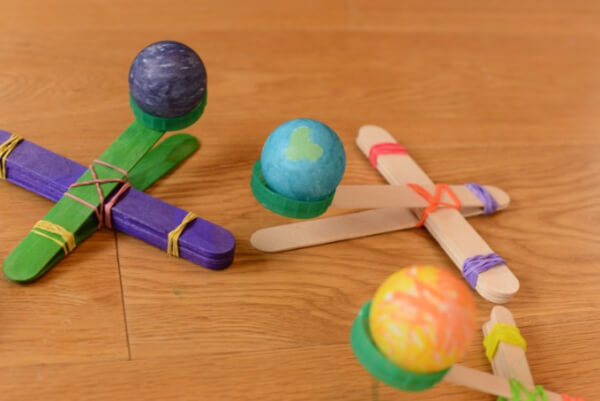
Image Source/Tutorial: Science Sparks
Materials Required:
Popsicle sticks, rubber bands, foam balls, skewers or sticks, and glue.
Procedure:
Attach popsicle sticks and fix a stick vertically with a foam ball on top. Twist and release to make the spinner rotate.
DIY Paper Roller Coaster STEM Project

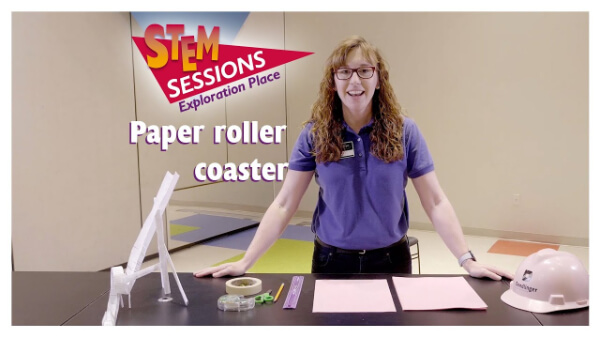
Image Source/Tutorial: Exploration Place
Materials Required:
Paper strips, tape, a cardboard base, scissors, a ruler, and a small marble.
Procedure:
Create tracks using folded paper strips and secure them with tape. Test by rolling a marble and adjusting slopes for speed.
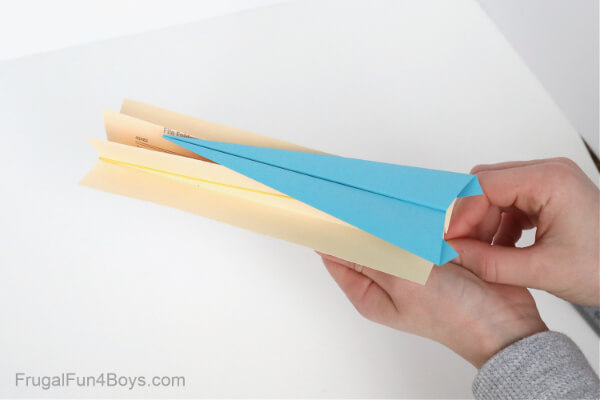
Easy Paper Airplane Folding Craft

Materials Required:
Colored paper, flat surface.
Procedure:
Fold the paper step-by-step into an airplane shape. Throw gently and observe how it flies.
Friction Testing STEM Activity
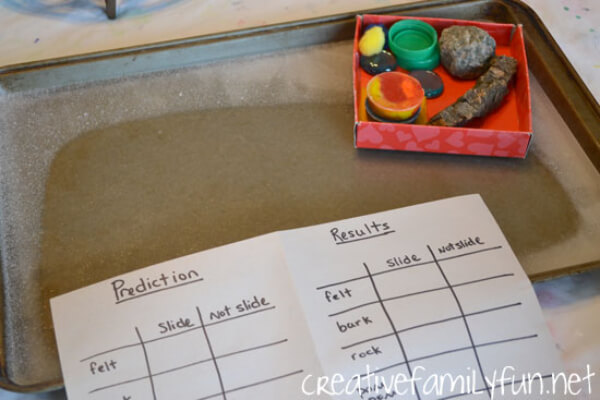
Image Source/Tutorial: Creative Family Fun
Materials Required:
Tray or board, paper, different materials (felt, rock, fabric), worksheet.
Procedure:
Place materials on a slanted surface and slide objects down. Record which surfaces make objects move faster or slower.
DIY Cardboard Ramp Car Experiment

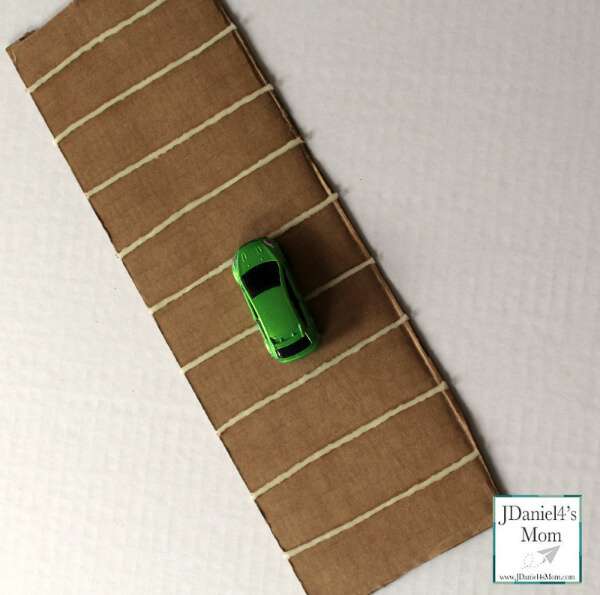
Image Source/Tutorial: JDaniel4s Mom
Materials Required:
Cardboard, toy car, markers, tape.
Procedure:
Create a ramp and mark distance lines on it. Release the car and observe how far it travels.
Read More: 15 Fun Balloon Science Experiments for Kids
Popsicle Stick Bridge STEM Challenge

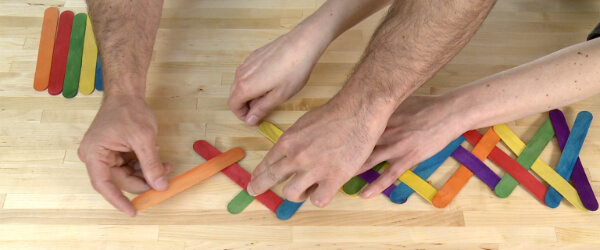
Image Source/Tutorial: Spangler Science
Materials Required:
Popsicle sticks, glue, and a flat surface.
Procedure:
Arrange sticks in patterns and glue them to form a bridge. Let it dry and test strength by placing small weights.
DIY LEGO Water Wheel Project For Kids
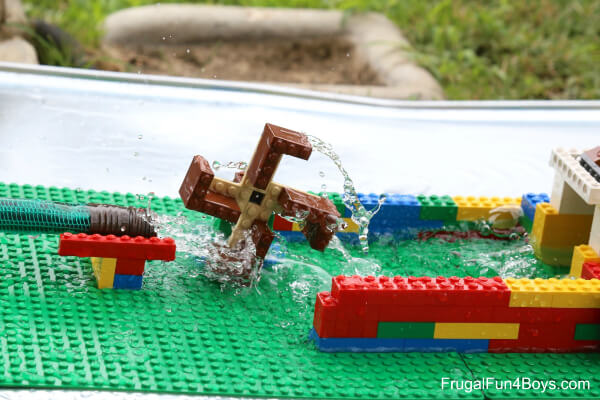
Materials Required:
LEGO blocks, small wheel parts, a water source, and a tray.
Procedure:
Build a wheel structure using LEGO pieces. Pour water over it to make the wheel spin.
Homemade Water Wheel Bottle STEM Project

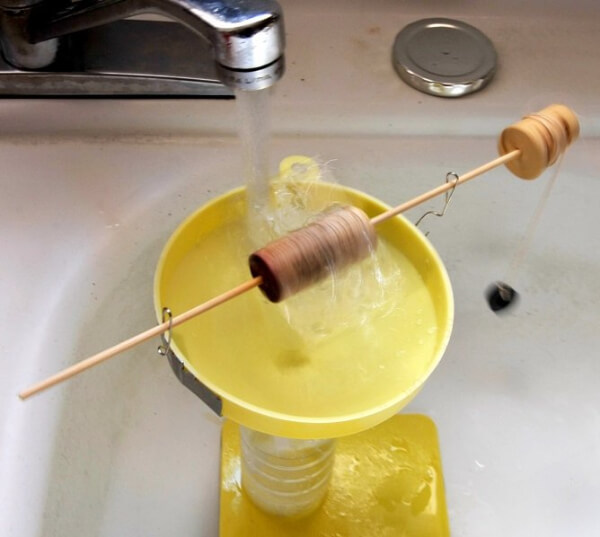
Image Source/Tutorial: Education
Materials Required:
Plastic bottle, wooden stick, spool, string, container, water.
Procedure:
Assemble the bottle and spool system on a stick support. Run water over it to observe the spinning motion.
Soil Erosion Science Experiments For Kids

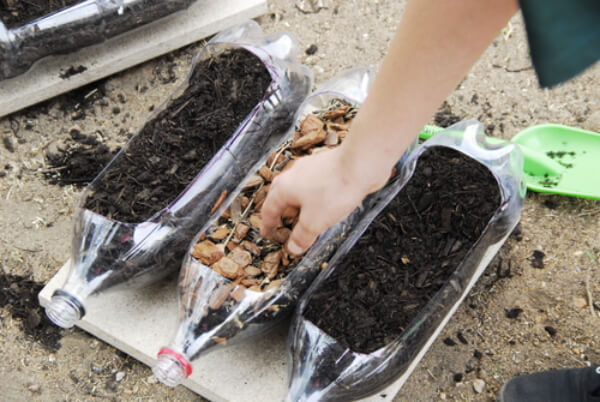
Image Source/Tutorial: Life is Garden
Materials Required:
Plastic bottles, soil, seeds, scissors, water.
Procedure:
Cut the bottles open and fill with soil. Plant seeds and water regularly to grow plants.
Underwater Magic Sand Stem Activities For Kids

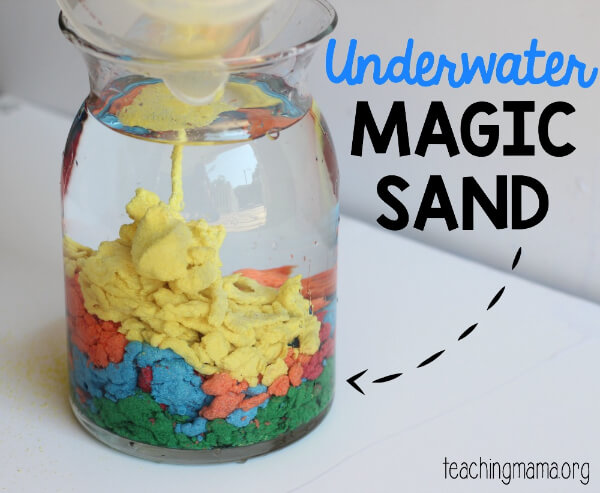
Image Source/Tutorial: Teaching Mama
Materials Required:
Magic sand, water, a clear jar, and a spoon.
Procedure:
Add water to a jar and drop in magic sand. Observe how it forms clumps and stays dry inside.
Read More: Bee Crafts for School Projects
Floating Soda Can Density Science Experiment
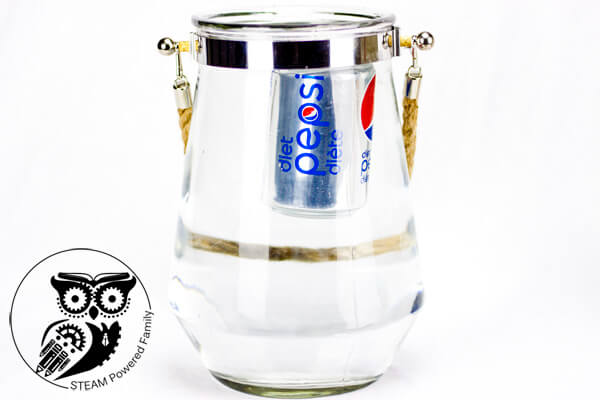
Image Source/Tutorial: Steam Powered Family
Materials Required:
Clear jar, water, and an unopened soda can.
Procedure:
Fill the jar with water and gently place the soda can inside. Observe how the can floats due to density differences.
Water Transfer STEM Experiment with Paper Towels

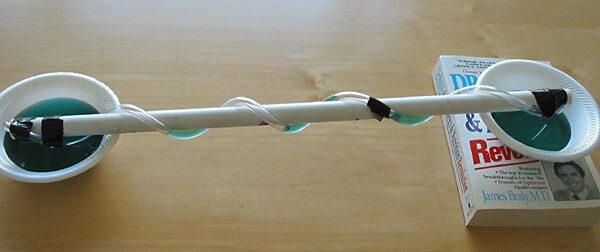
Image Source/Tutorial: Science Buddies
Materials Required:
Two cups of water, food coloring, and a paper towel.
Procedure:
Fill one cup with colored water and place an empty cup beside it. Connect both with a paper towel and observe water transfer.
Homemade Water Clock Science Project

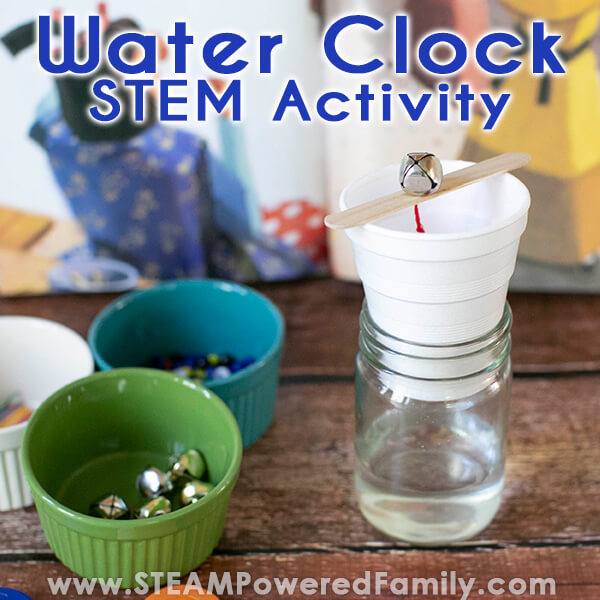
Image Source/Tutorial: Steam Powered Family
Materials Required:
Plastic cup, jar, water, pin (to make a hole), marker, stick.
Procedure:
Make a small hole in the cup and fill it with water. Observe how water drips into the jar and measure time intervals.
DIY Hydraulic Lift Science Model
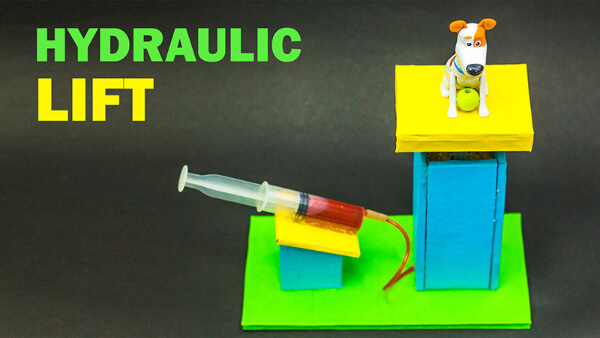
Image Source/Tutorial: School Science Experiment
Materials Required:
Syringes, plastic tubing, cardboard, water, and glue.
Procedure:
Connect syringes with tubing and fill with water. Press one syringe to lift the platform on the other side.
Acids and Bases pH Indicator Experiment

Image Source/Tutorial: Steam Powered Family
Materials Required:
Test tubes, red cabbage juice (indicator), household liquids (lemon, soap, etc.).
Procedure:
Add an indicator to the test tubes and mix with different liquids. Observe color changes to identify acidic or basic substances.
Read More: Duct Tape Projects Ideas For Kids
DIY Crystal Snowflake Science Craft

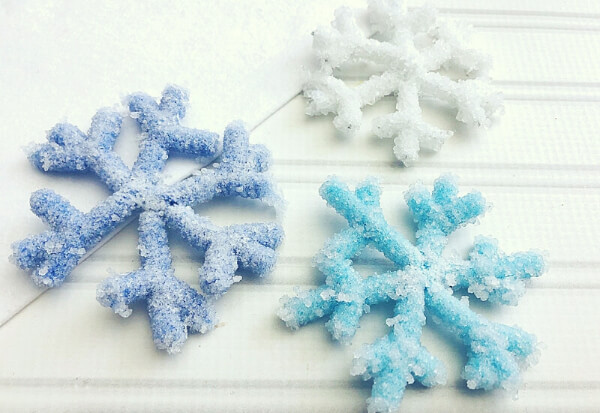
Image Source/Tutorial: Little Bins for Little Hands
Materials Required:
Pipe cleaners, borax, hot water, jar, string.
Procedure:
Shape pipe cleaners into snowflakes and place them in the borax solution. Leave overnight for crystals to form.
Bubbling Dry Ice Fog Science Activity

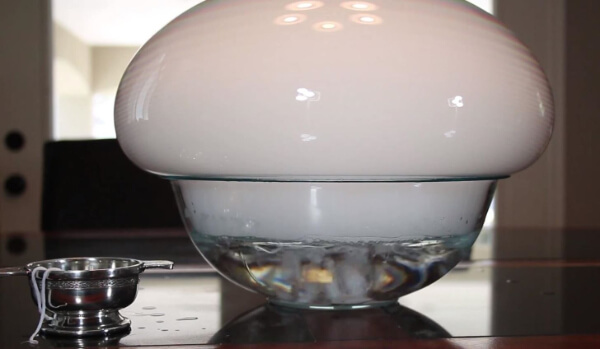
Image Source/Tutorial: Wonder How To
Materials Required:
Dry ice, bowl, warm water, tongs (for safety).
Procedure:
Add dry ice to warm water carefully. Watch as fog forms and spills over the container.
Popsicle Stick Bridge STEM Build

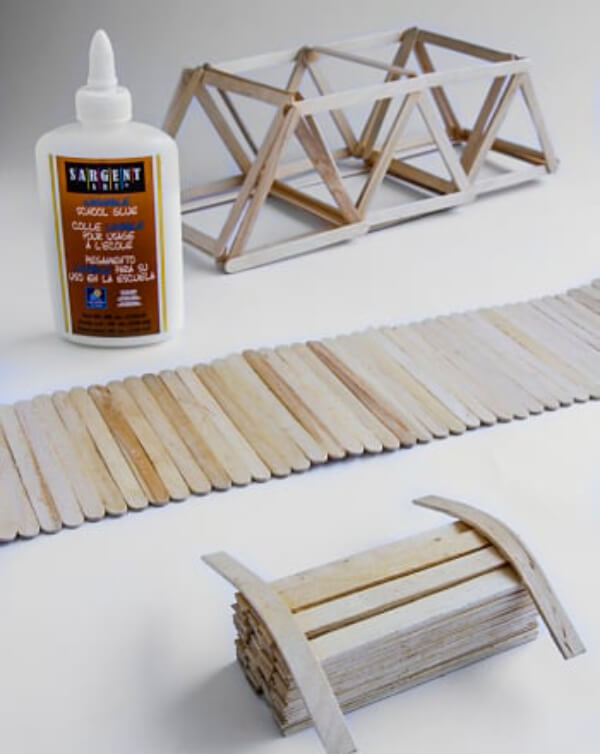
Image Source/Tutorial: Education
Materials Required:
Popsicle sticks, glue, and a flat surface.
Procedure:
Arrange sticks into triangular patterns and glue them together. Allow it to dry and test the bridge strength.
Ice Candle Making Science Craft

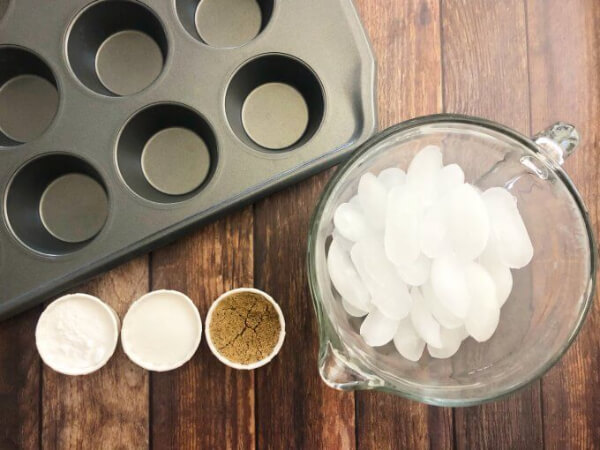
Image Source/Tutorial: Little Bins Little Hands
Materials Required:
Wax, ice cubes, wick, container, dye (optional).
Procedure:
Place ice cubes in a container and insert a wick. Pour melted wax over ice and let it set as the ice melts.
Floating Egg Science Experiment

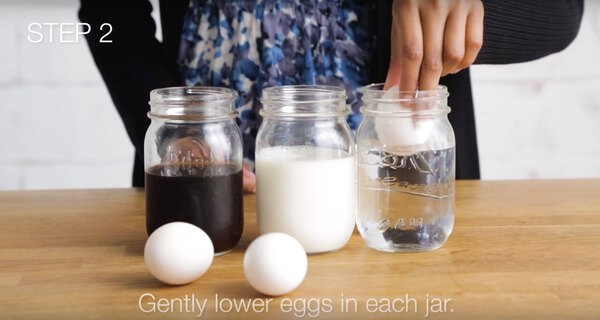
Image Source/Tutorial: Sciencing
Materials Required:
Eggs, water, salt, jars.
Procedure:
Place eggs in plain water and saltwater. Compare how the egg floats or sinks in each solution.
Easy STEM Ideas Step-by-Step Tutorial

Learn fun and creative engineering projects for 5th-grade kids in this step-by-step tutorial. This STEM activity video shows simple engineering experiments and DIY builds using everyday materials. Perfect for school projects, science fairs, and classroom learning while developing problem-solving, creativity, and basic engineering skills.
Benefits of Engineering Projects for 5th Graders
Engineering projects help fifth-grade students develop critical thinking, creativity, and problem-solving skills through hands-on learning. As children design, build, test, and improve their creations, they learn how real-world engineering works. Activities such as catapults, roller coasters, water wheels, and hydraulic systems encourage students to apply science, technology, engineering, and math (STEM) concepts in practical ways. These projects also promote teamwork, perseverance, and innovative thinking while making learning fun and engaging.
How Engineering Activities Support STEM Learning
STEM education encourages students to explore how science and mathematics are used to solve everyday problems. Engineering projects help children understand concepts such as force, motion, energy, gravity, friction, and structural design through hands-on experimentation. By building and testing models, students gain a deeper understanding of scientific principles while developing analytical and logical thinking skills that support future academic success.
Essential Materials for Engineering Projects
Many engineering challenges can be completed using inexpensive household and classroom supplies. Common materials include:
- Popsicle sticks
- Cardboard
- Paper and paper tubes
- Rubber bands
- Plastic bottles
- Marbles
- String and tape
- Craft sticks
- Glue and scissors
- LEGO bricks or building blocks
Using simple materials helps students focus on creativity and engineering design rather than expensive equipment.
Engineering Design Process for Kids
Introducing students to the engineering design process helps them think like engineers. Most projects follow these simple steps:
- Identify the problem or challenge.
- Brainstorm possible solutions.
- Create a design plan.
- Build a prototype.
- Test and evaluate the design.
- Improve and redesign if needed.
This process teaches persistence, experimentation, and continuous improvement—important skills for future learning.
Tips for Successful Engineering Projects
- Encourage creativity and multiple solutions.
- Allow students to learn from mistakes.
- Ask questions that promote critical thinking.
- Use safe, age-appropriate materials.
- Record observations and results.
- Celebrate effort and innovation rather than perfection.
These strategies help children build confidence while developing a growth mindset toward learning and problem-solving.
Frequently Asked Questions
Q1. Why Are Engineering Projects Important for 5th Graders?
Answer: Engineering projects help students develop problem-solving, creativity, critical thinking, teamwork, and STEM skills through hands-on learning experiences.
Q2. What Are Some Easy Engineering Projects for Elementary Students?
Answer: Popular projects include popsicle stick bridges, paper roller coasters, catapults, water wheels, simple machines, and marble runs.
Q3. How Do Engineering Activities Help Students Learn?
Answer: Engineering activities allow students to apply scientific concepts in real-world situations while improving analytical thinking and design skills.
Q4. What STEM Skills Do Children Learn Through Engineering Projects?
Answer: Students learn design thinking, problem-solving, measurement, observation, data collection, teamwork, and creative innovation.
Q5. Can Engineering Projects Be Completed at Home?
Answer: Yes, many engineering activities use inexpensive household materials and can be completed safely with adult supervision.
Engineering projects for 5th grade provide exciting opportunities for students to explore STEM concepts through hands-on learning. These creative challenges encourage problem-solving, innovation, and critical thinking while making science and engineering fun. By building, testing, and improving their designs, children gain valuable skills that support lifelong learning and curiosity. Follow us on Telegram, YouTube & Facebook for daily crafts, creative ideas, and fun-filled activities!
Reviewed by Yash Sharma
More Articles from Kids’ Art & Craft
- Ice Science Experiments For Kids
- Scientific Crafts for Toddlers Using Straws – Cool Science Projects
- Snow Science Activities For Kids
- Easy Winter Crafts for Kids – Art Projects
- Explosion Experiments For Kids