

Games
Quick Ways to Group & Partner Students


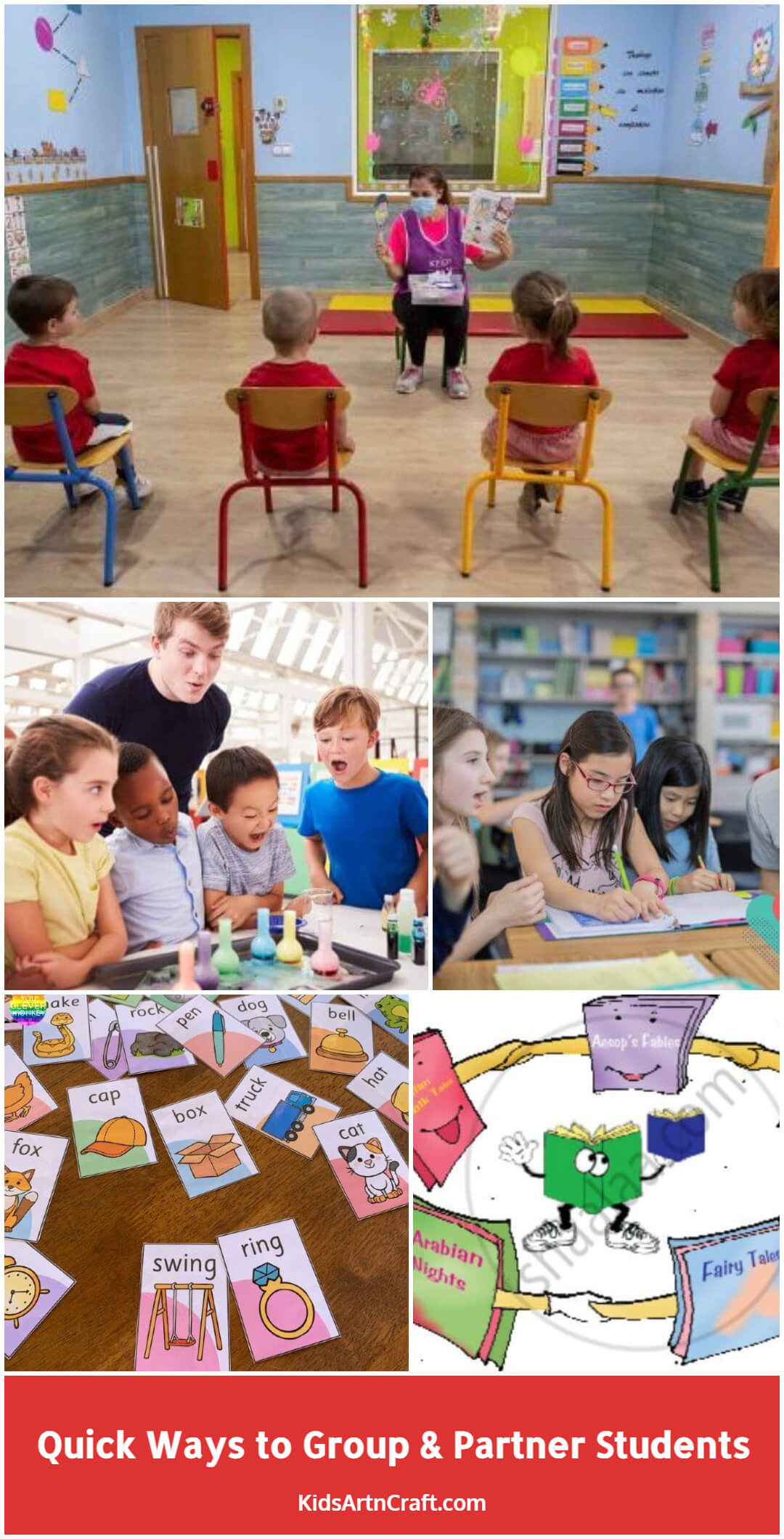
If you’re searching for quick ways to group & partner students, you’re in the right place! Keep your learning spirit alive with our curated list of paint swatches, number-based partner groups, learning multiplication numbers, bubble class setup, book chain groups, and learning alphabet letters & words.
Quick Ways to Group & Partner Students
Read More: DIY Bookmarks for Students
Color Shade Matching Mickey Card Activity
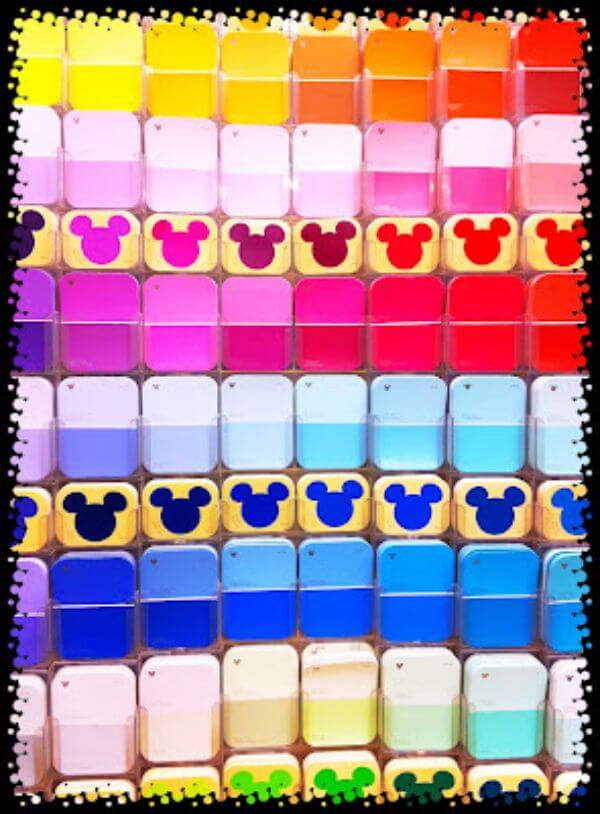
Image Source/Tutorial: Upcycled Education
Materials Required:
Colored shade cards, printed Mickey circle cards, laminator, scissors, storage tray
Procedure:
Arrange the shade cards in rows from light to dark and place the matching icon cards in between. Children pick and match the correct shades while practicing color recognition and sorting skills.
Pencil Stick Number Matching Craft
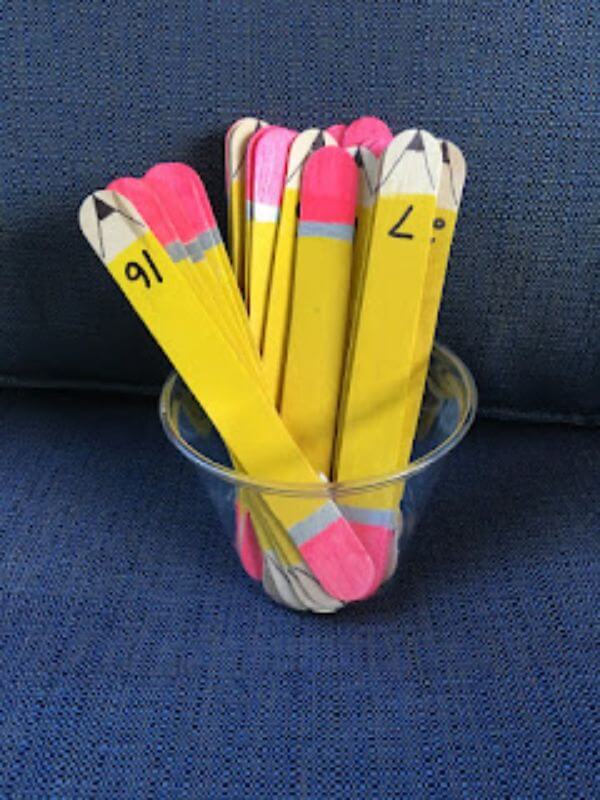
Image Source/Tutorial: I Teach, And I Love It
Materials Required:
Craft sticks, yellow paint, pink paint, black marker, gray paint, plastic cup
Procedure:
Paint the craft sticks to look like pencils and write numbers on each one after drying. Place them in a cup and let children pick, sort, or match the numbered pencil sticks.
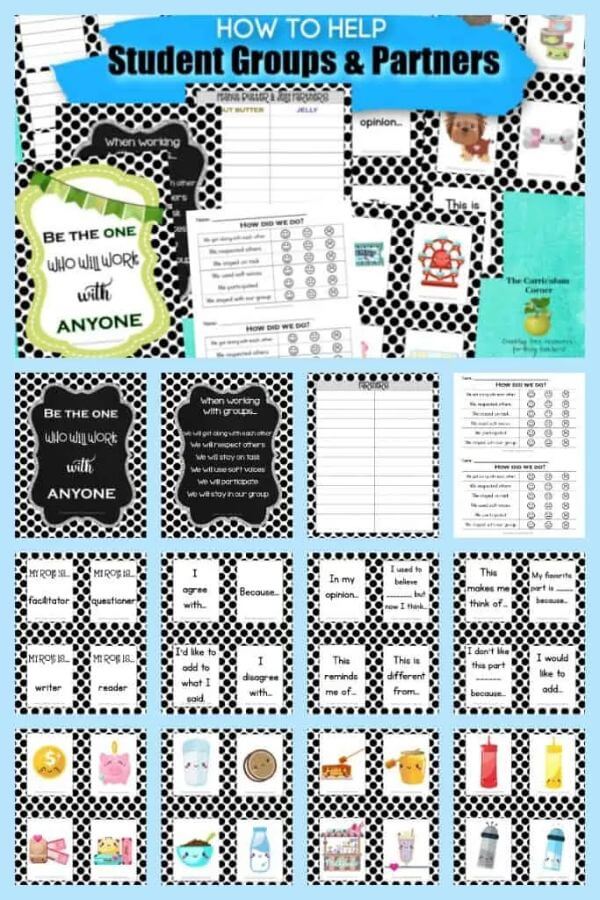
Student Groups and Partners Help Board
Materials Required:
Chart paper, printed role cards, discussion prompt cards, glue, scissors, border paper
Procedure:
Arrange the title, role cards, and discussion prompts neatly on a decorated bulletin board. Use the board during partner or group work to guide students in sharing ideas respectfully.
Multiplication Puzzle Math Craft
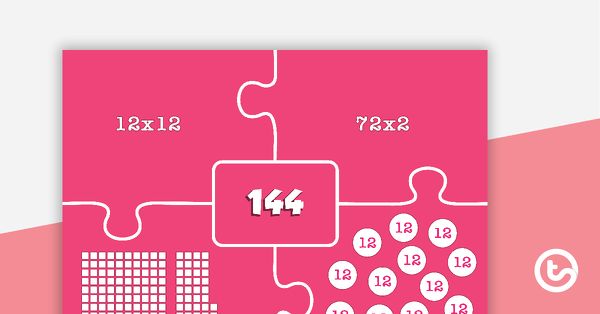
Image Source/Tutorial: Teach Starter
Materials Required:
Colored cardstock, marker, printed puzzle template, scissors, glue
Procedure:
Write the main product in the center and add matching multiplication facts or models on each puzzle piece. Cut and assemble the puzzle so children can connect the answer with its correct representations.
Farm Animal Vocabulary Flashcards
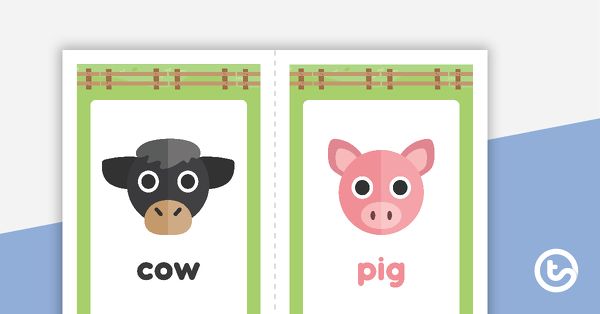
Image Source/Tutorial: Teach Starter
Materials Required:
Printed animal templates, cardstock, scissors, laminator, and corner rounder
Procedure:
Print and cut out the animal flashcards, then laminate them for durability if needed. Use the cards for vocabulary practice, matching games, and speaking activities with kids.
Read More: Handmade Gifts for Teachers from Students
Kids Group Science Experiment Activity
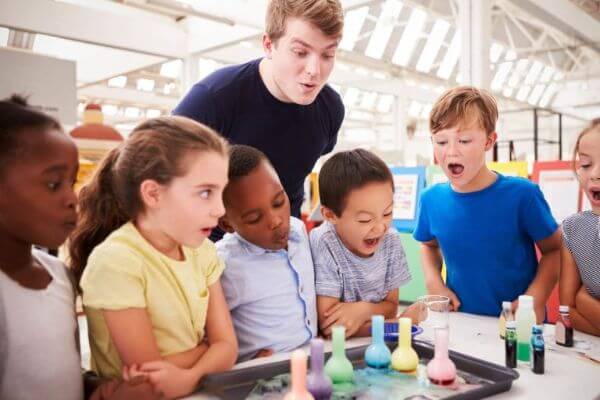
Image Source/Tutorial: Teach Hub
Materials Required:
Small bottles or flasks, colored liquids, a tray, science materials, and a table setup
Procedure:
Set up the colorful experiment materials safely on a tray in front of the children. Guide the kids step by step as they observe reactions, colors, and changes in the experiment.
Circle Time Learning Activity
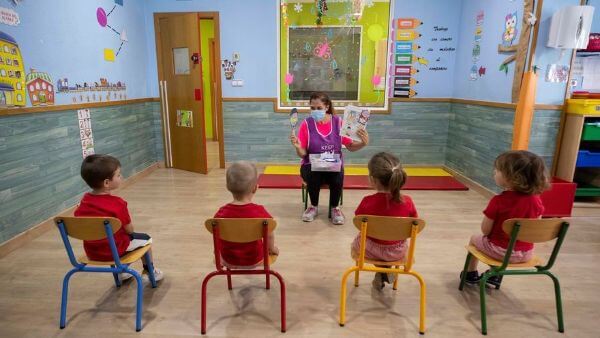
Image Source/Tutorial: Spain’s News
Materials Required:
Small chairs, flashcards or books, teaching props, and classroom space
Procedure:
Seat the children in a circle facing the teacher and prepare the learning materials. Lead a short interactive session with songs, questions, or story cards to keep children engaged.
Story Books Around the World Display Craft
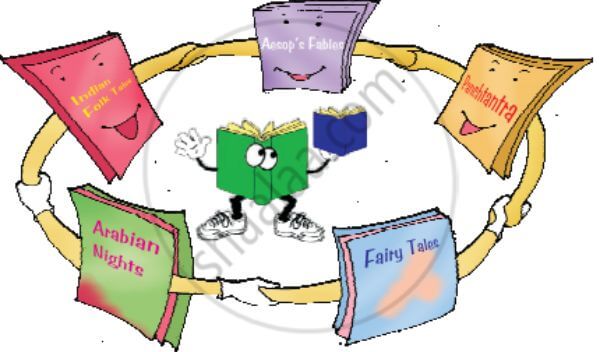
Image Source/Tutorial: Shaalaa
Materials Required:
Chart paper, printed book cutouts, crayons, scissors, and glue
Procedure:
Cut out colorful book shapes and label each one with a different story category or title. Arrange them in a circle around a central book image to create an attractive reading display.
Teacher-Guided Small-Group Learning Activity
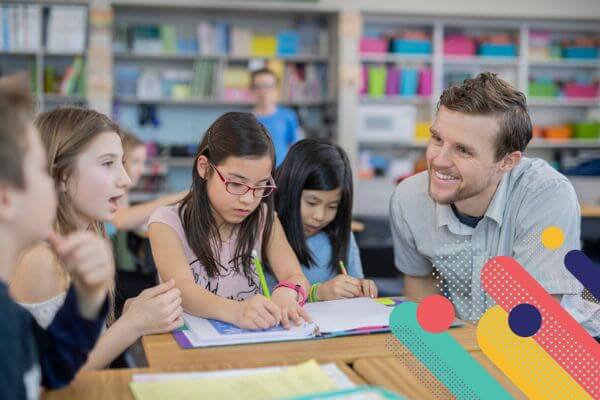
Image Source/Tutorial: Teacher Vision
Materials Required:
Worksheets, pencils, notebooks, a classroom table, and teaching aids
Procedure:
Gather students at a table with their notebooks and provide clear instructions for the task. Support them as they write, discuss, and complete the activity together in a focused group.
CVC Word Picture Matching Cards
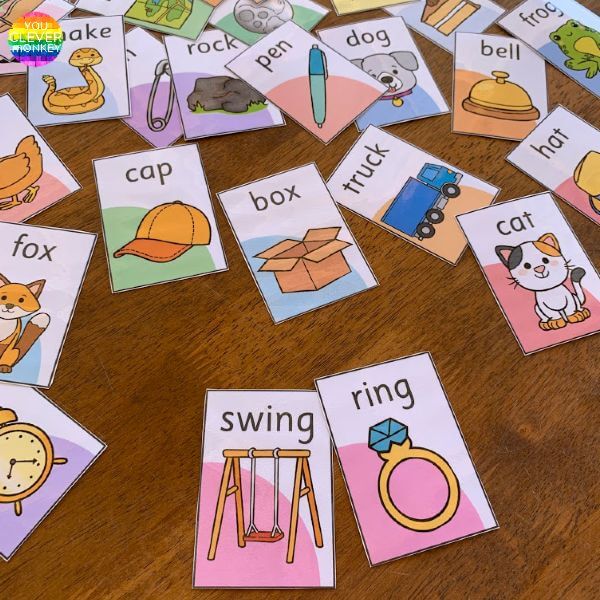
Image Source/Tutorial: You Clever Monkey
Materials Required:
Printed CVC word cards, cardstock, scissors, and a laminator
Procedure:
Print and cut the picture word cards neatly, then laminate them for repeated classroom use. Let children read the words and match them with pictures to build phonics and vocabulary skills.
Alphabet Letter and Picture Word Matching Cards
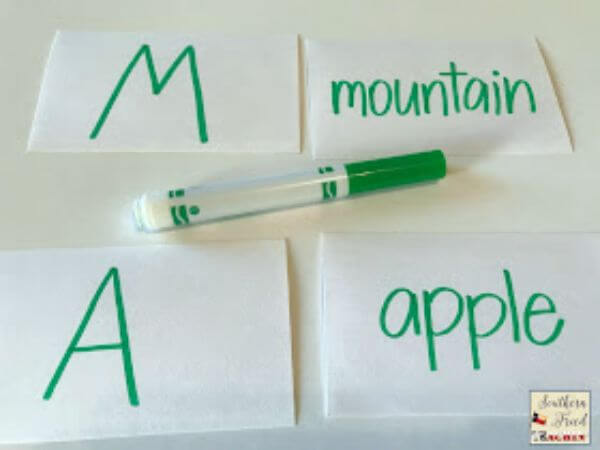
Image Source/Tutorial: Southern Fried Teaching
Materials Required:
White paper or cardstock, green marker, scissors, and a laminator (optional
Procedure:
Cut small rectangles from paper and write uppercase letters on one set and matching words on another set. Place the cards together and let children match each letter with the correct beginning sound word.
Step-by-Step Group & Partner Students Tutorial
Learn quick and creative ways to group and partner students in the classroom with this step-by-step tutorial. Perfect for teachers, this video shows simple classroom management strategies, fun grouping activities, and easy partner selection methods that save time, encourage teamwork, and keep students engaged during collaborative learning activities.
Why Grouping and Partner Activities Are Important for Students
Grouping and partnering students is an effective classroom strategy that encourages collaboration, communication, and active learning. When children work with different classmates, they develop social skills, learn to respect diverse perspectives, and build confidence in sharing ideas. Group activities also help students practice teamwork, problem-solving, and leadership skills that are valuable both inside and outside the classroom.
Teachers can use a variety of grouping methods to keep lessons engaging and ensure that all students have opportunities to interact with different peers. Whether through random selection, skill-based grouping, or fun matching activities, these strategies create a positive and inclusive classroom environment that supports academic success and personal growth.
Benefits of Partner and Group Learning
- Encourages teamwork and cooperation.
- Builds communication and listening skills.
- Promotes critical thinking and problem-solving.
- Helps students learn from one another.
- Increases classroom participation and engagement.
- Develops confidence and leadership abilities.
- Creates a supportive and inclusive learning environment.
Tips for Successful Student Grouping
- Rotate groups regularly to encourage new friendships.
- Mix students with different strengths and abilities.
- Clearly explain group expectations and responsibilities.
- Use fun and fair selection methods to keep students engaged.
- Monitor group interactions and provide guidance when needed.
- Celebrate teamwork and positive collaboration.
FAQs
Q1. Why is grouping students important in the classroom?
Answer: Grouping students promotes collaboration, communication, and peer learning while helping children develop important social and academic skills.
Q2. How often should teachers change student groups?
Answer: Groups can be changed weekly, biweekly, or based on classroom activities to ensure students interact with a variety of classmates.
Q3. What are some fun ways to assign partners?
Answer: Teachers can use color cards, matching puzzle pieces, number sticks, alphabet cards, or themed classroom games to assign partners engagingly.
Q4. What skills do students learn from partner activities?
Answer: Partner activities help children improve communication, teamwork, problem-solving, leadership, listening, and cooperation skills.
Quick grouping and partnering strategies make classroom learning more interactive, engaging, and collaborative. These simple techniques help students build friendships, strengthen communication skills, and develop teamwork while creating a positive learning environment for everyone. Join our Telegram, YouTube & Facebook communities for daily inspiration and educational activities.
Reviewed by Yash Sharma
More Articles from Kids’ Art & Craft
- Science Projects for Grade 5 Students
- 20+ DIY Ideas for Decorating Your Classroom
- Back-to-School Bulletin Boards for the Classroom
- Rainbow Bulletin Board Ideas for Classroom Decoration
- Science Bulletin Boards & Classroom Decor Ideas