DIY and Crafts
Science Experiment Ideas For Kids


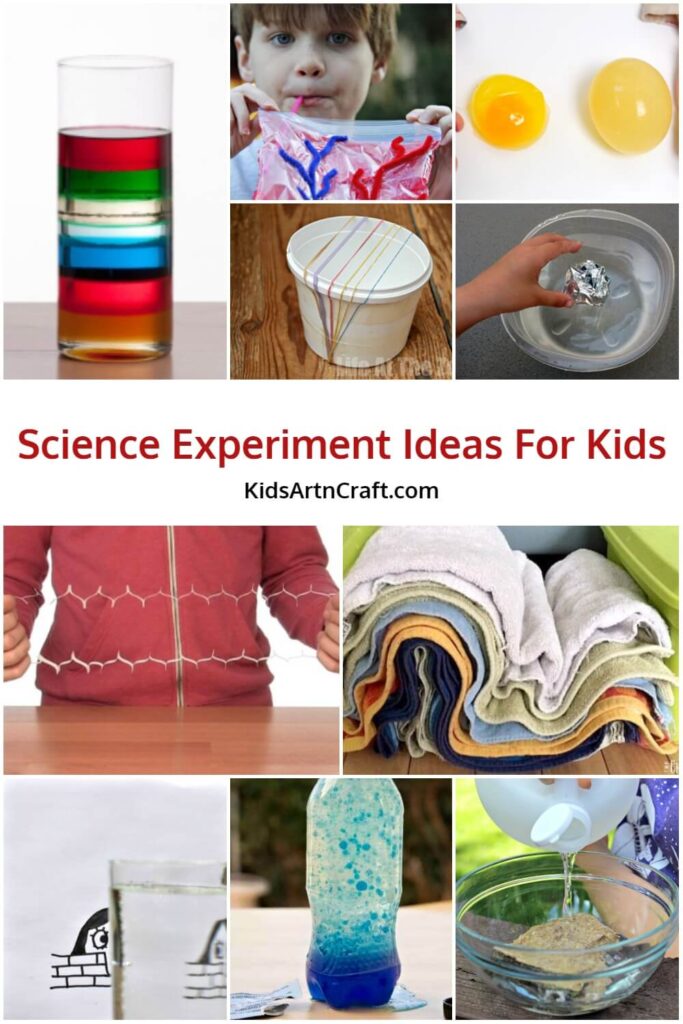
If you’re searching for Science Experiment Ideas for kids to do at home, you’re in the right place! Keep your learning spirit alive with our curated list of science experiment ideas like chemical reaction, surface tension, color changing milk, buoyancy, heart anatomy, baking soda, naked egg science project, giant soap bubble, capillary cool, egg drop project, straw roller coaster, seven-layer density column, pencil bridge, eggshell, lava lamp, CO2 fire extinguisher, aluminum boat sink, sticky ice, sound experiment, and refraction light glass.
Science Experiment Ideas For Kids
Read More: Ice Experiments For Summer Days
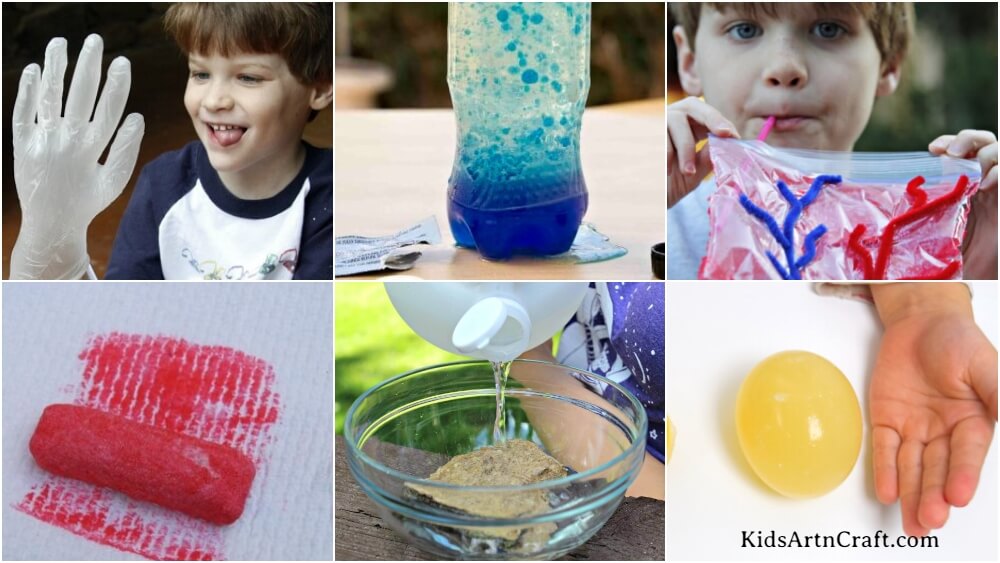
Inflating Glove Science Experiment For Kids
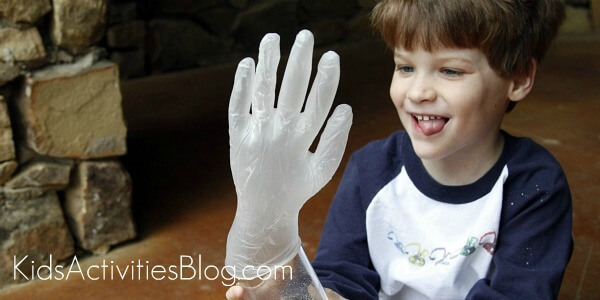
Image Source/Tutorial: Kids Activities
Material Required:
Plastic glove, plastic bottle, baking soda, vinegar, and funnel.
Procedure:
Pour vinegar into the bottle and place baking soda inside the glove fingers. Attach the glove to the bottle and let the baking soda drop in to watch the glove inflate.
Sink or Float Water Science Activity
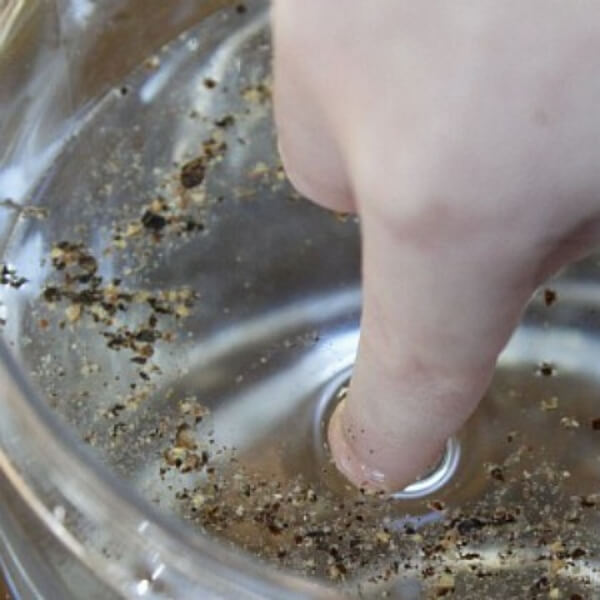
Image Source/Tutorial: Kids Activities Blog
Material Required:
Water bowl, small objects (stones, leaves, toys, coins).
Procedure:
Fill a bowl with water and gather different household objects. Drop each item into the water and observe whether it sinks or floats.
Color-Changing Milk Science Experiment
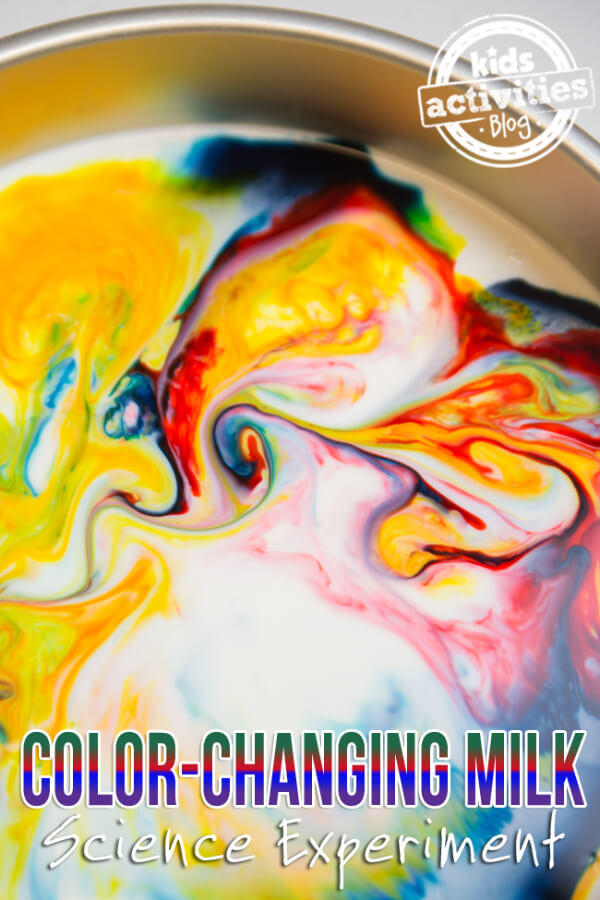
Material Required:
Milk, food coloring, dish soap, cotton swabs, tray.
Procedure:
Pour milk into a tray and add drops of food coloring.
Dip a cotton swab in soap and touch the milk to create colorful swirls.
Floating Chips Bag Air Experiment For Kids
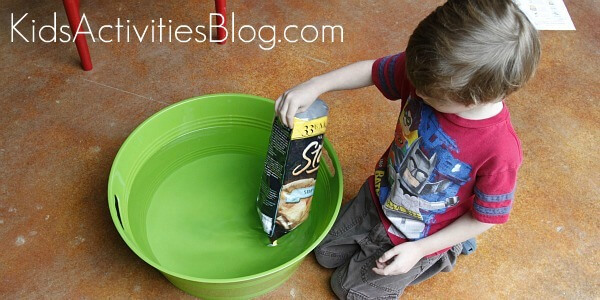
Image Source/Tutorial: Kids Activities
Material Required:
Water tub, sealed snack bag, water.
Procedure:
Fill a large tub with water and place a sealed chips bag inside. Observe how trapped air helps the bag float on water.
Lung Model Breathing Science Activity
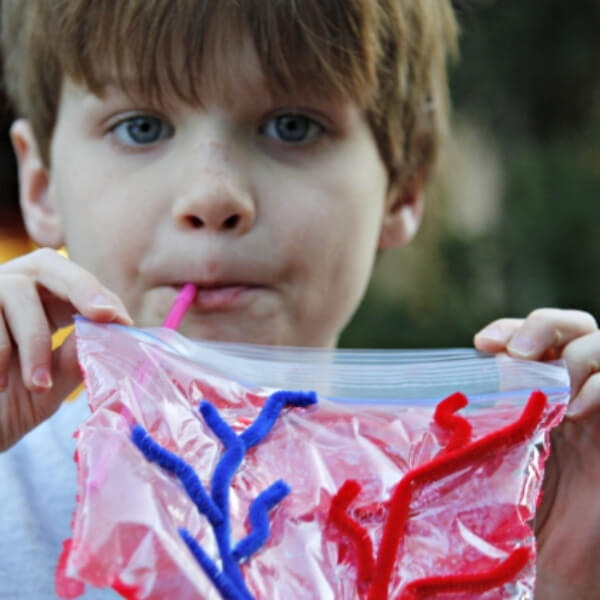
Image Source/Tutorial: Kids Activities
Material Required:
Ziplock bag, straw, pipe cleaners, tape.
Procedure:
Place pipe cleaners inside the bag and insert a straw opening. Blow through the straw to demonstrate breathing and airflow movement.
Read More: Easy Science Experiments for Kids
Fizzy Candy Reaction Experiment
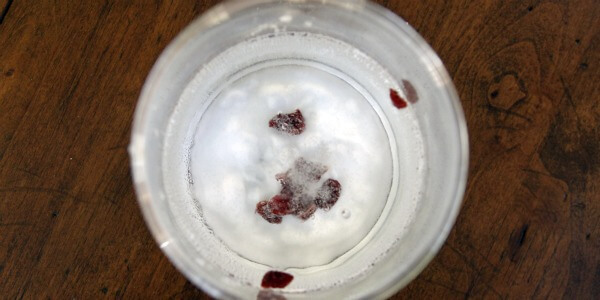
Image Source/Tutorial: Kids Activities
Material Required:
Clear cup, soda or water, and fizzy candy pieces.
Procedure:
Place candy pieces into a clear cup with liquid. Watch the bubbling reaction and observe gas formation.
Naked Egg Science Experiment
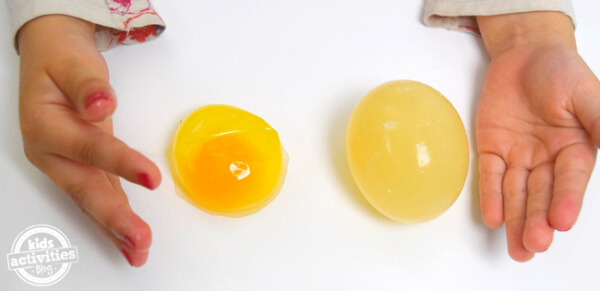
Material Required:
Raw egg, vinegar, jar.
Procedure:
Place a raw egg in a jar and pour vinegar over it. Leave overnight and observe how the shell dissolves completely.
Giant Bubble Making Activity At Home
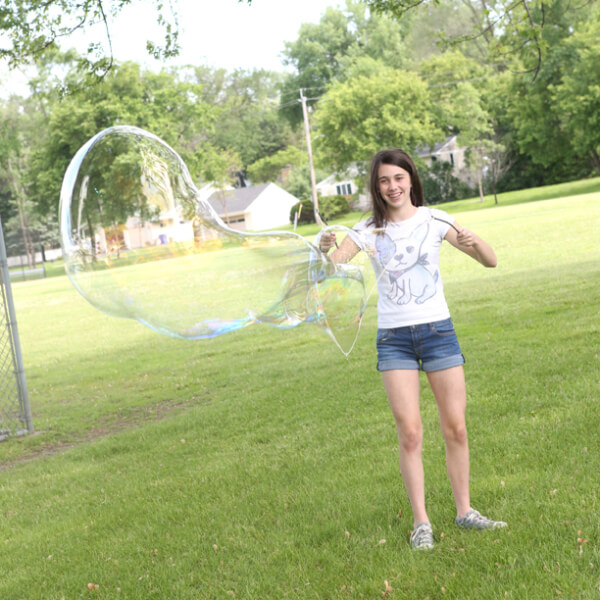
Image Source/Tutorial: Scholastic
Material Required:
Bubble solution, rope, sticks, water, soap.
Procedure:
Mix bubble solution and attach rope between two sticks. Dip the rope and slowly move it through the air to create giant bubbles.
Walking Water Rainbow Experiment
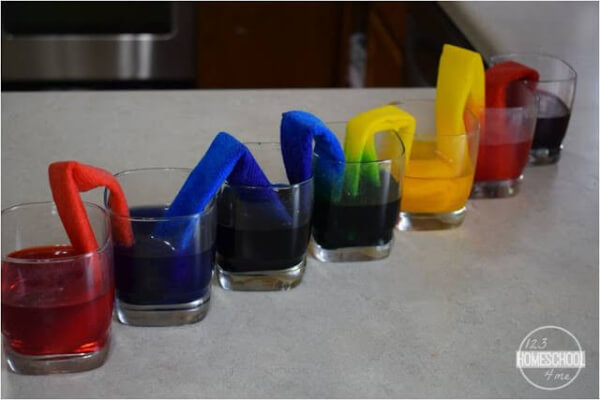
Image Source/Tutorial: 123Home School4 Me
Material Required:
Glasses, food coloring, water, and paper towels.
Procedure:
Fill cups with colored water and place paper towels between them. Watch water travel and mix colors through capillary action.
Egg Drop STEM Challenge

Image Source/Tutorial: Buggy And Buddy
Material Required:
Paper straws, tape, egg, scissors.
Procedure:
Build a support structure using paper straws and tape. Place the egg inside and test whether the design protects it.
Read More: Edible Science Experiments for Kids
Straw Marble Maze STEM Activity For Kids
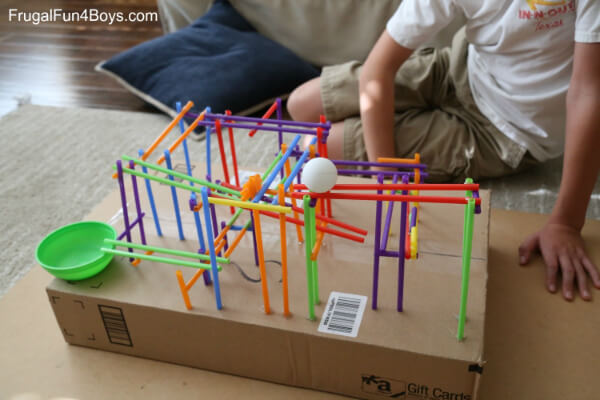
Image Source/Tutorial: Frugal Fun 4 Boys
Material Required:
Drinking straws, a cardboard box, glue, scissors, a ping pong ball, or a marble.
Procedure:
Cut and glue straws onto cardboard to create a maze path. Place a marble or ball at the start and tilt the board to guide it through.
Rainbow Density Tower Science Experiment

Image Source/Tutorial: Steve Spangler Science
Material Required:
Glass, water, honey, oil, dish soap, and food coloring.
Procedure:
Color different liquids and carefully pour them into a glass. Watch the layers stack according to density without mixing.
Da Vinci Pencil Bridge STEM Challenge
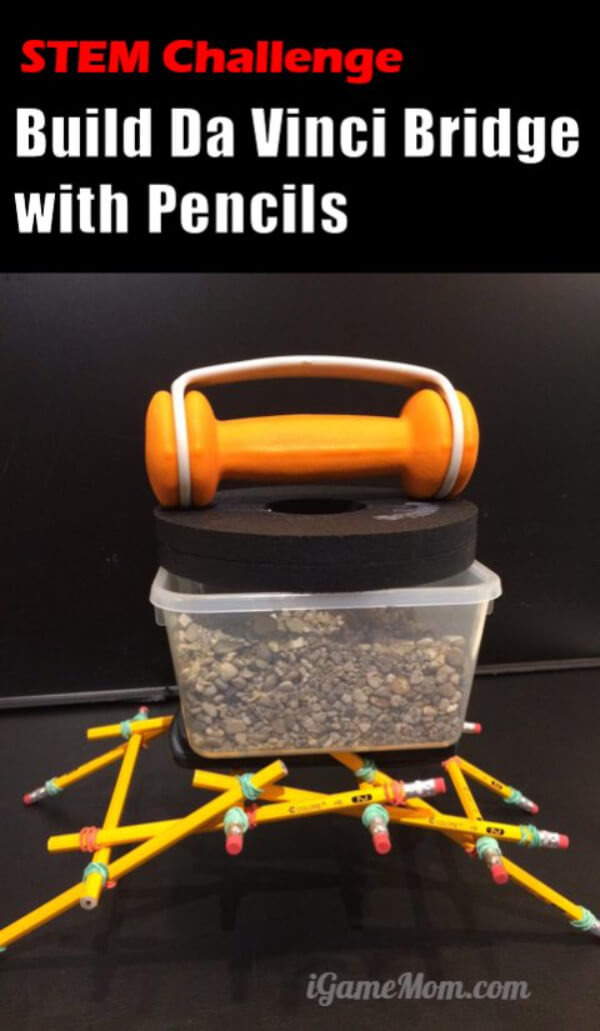
Image Source/Tutorial: I Game Mom
Material Required:
Pencils, rubber bands, small weights, or objects.
Procedure:
Interlock pencils carefully to create a bridge structure. Test the bridge by adding small weights and observing its strength.
Sponge Roller Painting Activity For Kids
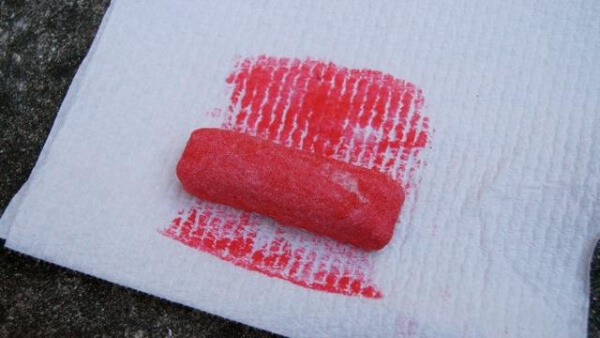
Image Source/Tutorial: Kid Spot
Material Required:
Sponge roller, paint, paper sheet, tray.
Procedure:
Pour paint into a tray and dip the sponge roller. Roll the paper across to create colorful textures and patterns.
Naked Egg Science Experiment
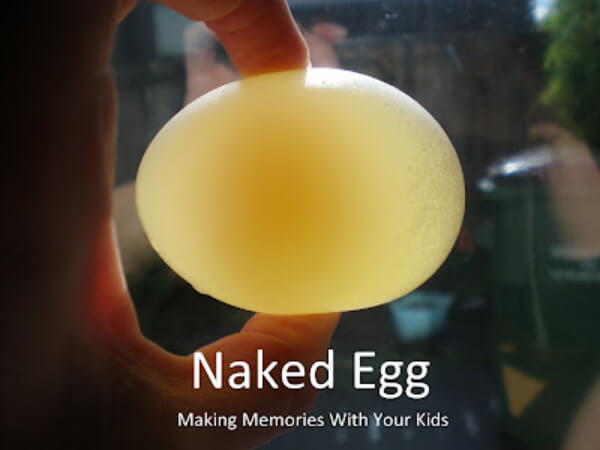
Image Source/Tutorial: Making Memories With Your Kids
Material Required:
Raw egg, vinegar, jar, or cup.
Procedure:
Place an egg inside a jar and cover it with vinegar. Leave it overnight and observe how the shell dissolves completely.
Read More: Explosion Experiments For Kids
Lava Bottle Science Experiment
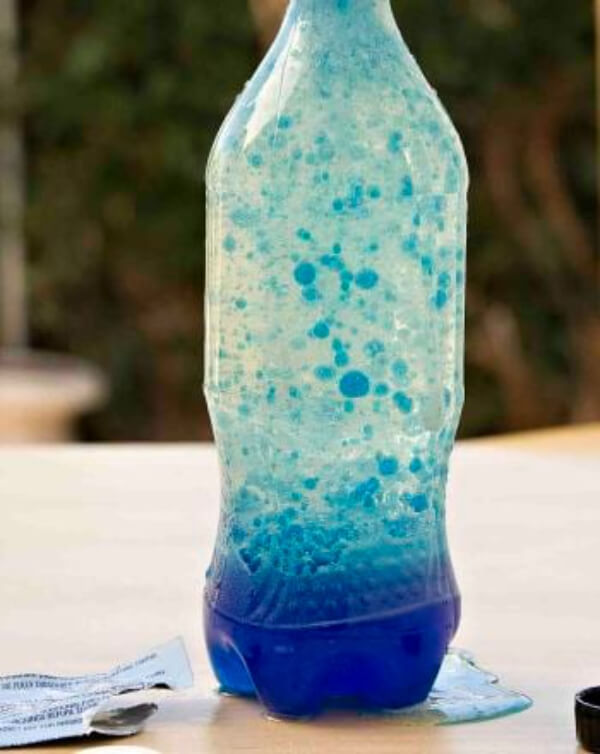
Image Source/Tutorial: Education
Material Required:
Plastic bottle, water, oil, food coloring, and fizz tablet.
Procedure:
Fill the bottle with oil, water, and food coloring. Drop in a fizz tablet and watch colorful bubbling lava effects.
Egg Color Absorption Experiment
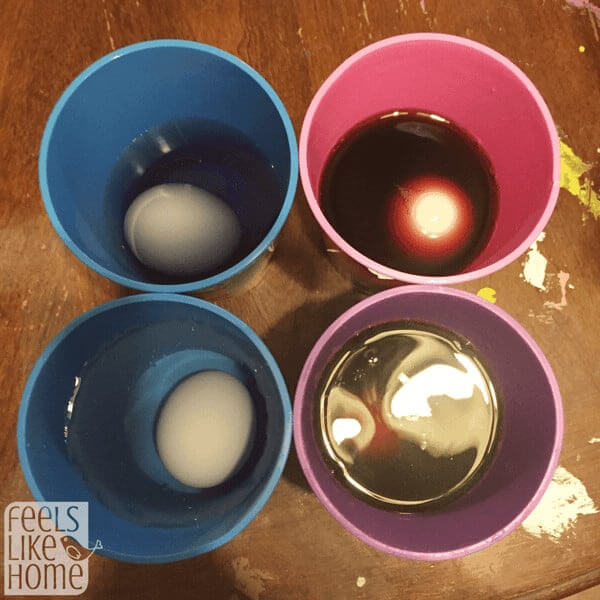
Image Source/Tutorial: We Are Teachers
Material Required:
Eggs, cups, food coloring, water, vinegar.
Procedure:
Fill cups with colored solutions and place eggs inside. Observe color changes and compare the results over time.
Candle Oxygen Science Experiment
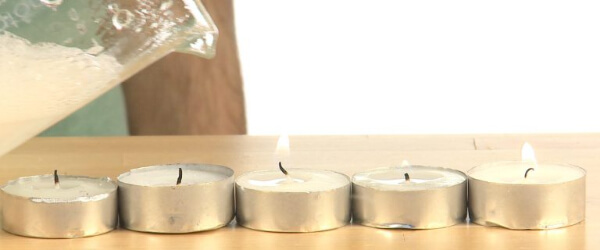
Image Source/Tutorial: Steve Spangler Science
Material Required:
Tea candles, tray, water, glass container.
Procedure:
Light candles and place a glass over one candle. Observe how the flame changes as oxygen becomes limited.
Floating Foil Boat STEM Challenge
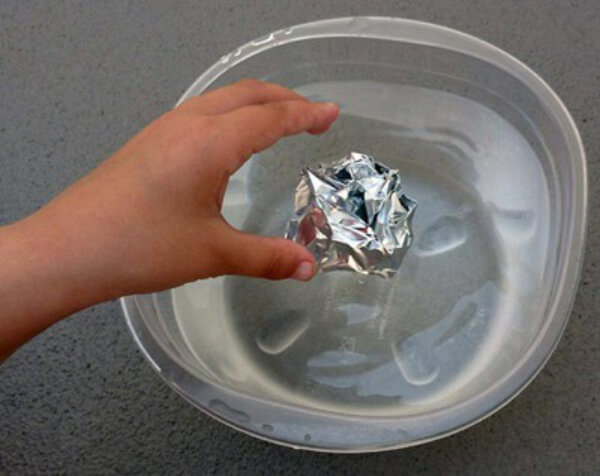
Image Source/Tutorial: Science Buddies
Material Required:
Aluminum foil, water tub, coins, or small objects.
Procedure:
Shape foil into a small boat and place it in the water. Add coins one by one and test how much weight it holds.
Static Electricity String Experiment
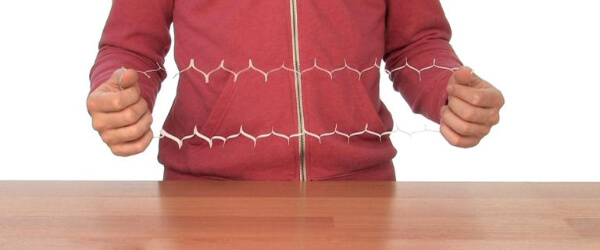
Image Source/Tutorial: Steve Spangler Science
Material Required:
String, balloon, wool cloth or fabric.
Procedure:
Rub the balloon against fabric to create static electricity. Move it near hanging strings and observe their movement.
Read More: 10 Simple Science Experiments for 3-5 Year Olds
Sticky Ice Science Experiment For Kids
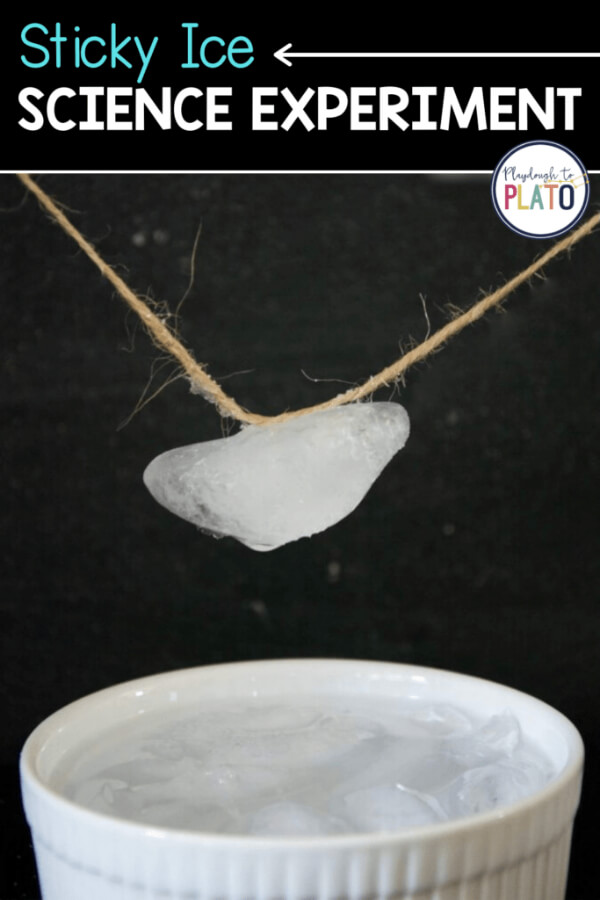
Image Source/Tutorial: Play-Doh to Plato
Material Required:
Ice cubes, bowl of water, string, salt.
Procedure:
Place a string across an ice cube resting in cold water. Sprinkle salt over the string, wait a few seconds, then lift the string carefully.
Magic Rock Absorption Experiment For Kids
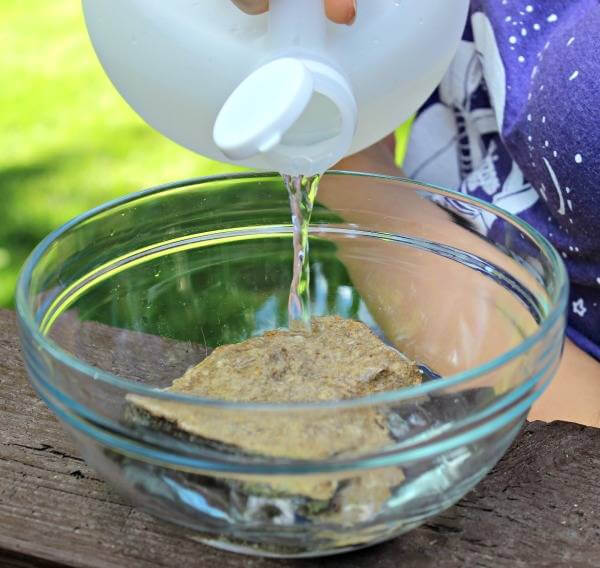
Image Source/Tutorial: KC Edventures
Material Required:
Rock, water, bowl, measuring cup.
Procedure:
Place a rock into a bowl and slowly pour water over it. Observe how water reacts with the rock surface and discuss absorption.
Rubber Band Sound Science Activity For Kids
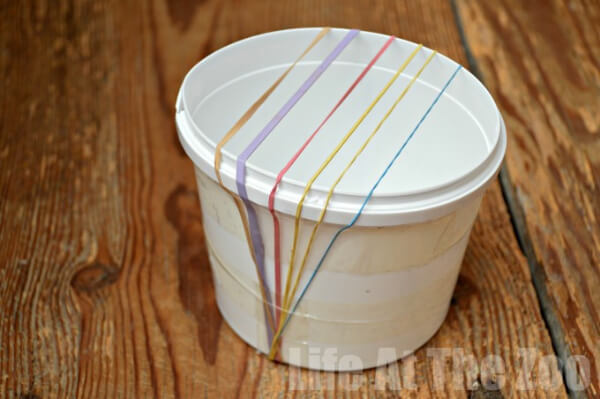
Image Source/Tutorial: Science Sparks
Material Required:
Plastic container, rubber bands, tape.
Procedure:
Stretch rubber bands of different sizes around the container opening. Pluck each band and compare the sounds and vibrations created.
Towel Roll Sensory STEM Activity For Kids
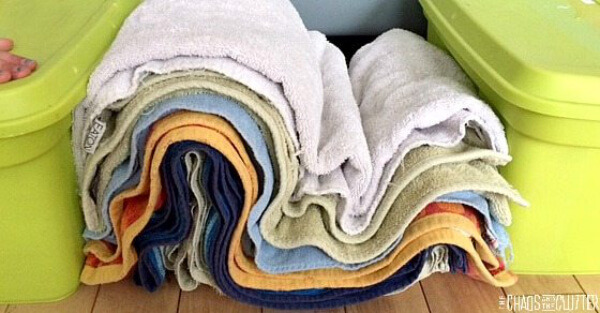
Image Source/ Tutorial: The Chaos And The Clutter
Material Required:
Towels, storage bins, and a soft floor mat.
Procedure:
Roll towels tightly and arrange them into a play pathway. Let children crawl, balance, or walk across for sensory exploration.
Refraction Water Science Experiment
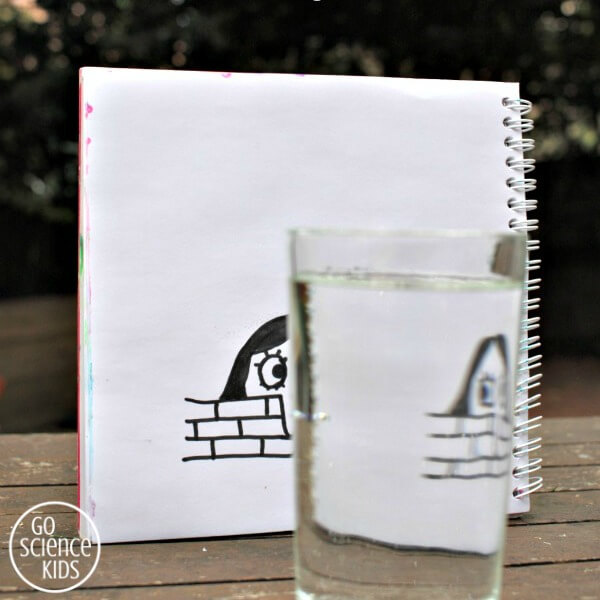
Image Source/ Tutorial: Go, Science Kids
Material Required:
Glass of water, notebook, and marker pen.
Procedure:
Draw a simple image or arrow on paper behind a glass. Fill the glass with water and observe how the image changes direction.
Step-by-Step Science Experiment Ideas for Kids Tutorial
Learn fun, safe, step‑by‑step science experiment ideas for kids in this easy kids science tutorial! Perfect for DIY home experiments, school projects, and creative learning. Watch simple science demos, explanations of concepts, and tutorials with everyday materials to spark curiosity, critical thinking, and STEM skills in children.
Why Science Experiments Are Important for Kids
Science experiments encourage children to ask questions, explore new ideas, and discover how the world works through hands-on learning. Simple experiments help kids understand scientific concepts while developing curiosity, creativity, and problem-solving skills. They also make STEM education enjoyable by turning everyday materials into exciting learning experiences.
Skills Children Develop Through Science Experiments
- Builds observation and investigation skills.
- Encourages critical thinking and logical reasoning.
- Introduces the scientific method through practical activities.
- Strengthens problem-solving by testing ideas and predictions.
- Improves measuring, recording, and comparing results.
- Boosts creativity through hands-on exploration.
- Develops confidence by completing successful experiments.
- Makes STEM learning engaging and memorable.
Easy Science Experiments to Try
- Create a baking soda and vinegar volcano.
- Grow colorful crystals using salt or sugar.
- Explore density with a rainbow water experiment.
- Build a balloon-powered rocket or car.
- Test which household objects float or sink.
- Make a homemade lava lamp using oil, water, and food coloring.
Tips for Successful Science Activities
- Choose age-appropriate experiments with simple instructions.
- Gather all materials before starting.
- Encourage children to make predictions first.
- Record observations in a science notebook.
- Discuss why the experiment worked after finishing.
- Always supervise activities that involve heat or chemical reactions.
FAQs
Q1. What are the best science experiments for kids?
Answer: Popular experiments include volcanoes, rainbow water, balloon rockets, floating and sinking tests, crystal growing, homemade lava lamps, and magnetic investigations.
Q2. How do science experiments help children learn?
Answer: They develop curiosity, critical thinking, observation, problem-solving, and STEM skills while making scientific concepts easier to understand through hands-on learning.
Q3. Can these science experiments be done at home?
Answer: Yes. Most experiments use common household materials and can be completed safely at home with adult supervision.
Q4. What materials are commonly used for simple science experiments?
Answer: Baking soda, vinegar, balloons, food coloring, paper cups, magnets, water, oil, salt, sugar, and recycled household items are commonly used.
Q5. Are science experiments suitable for classroom activities?
Answer: Absolutely. They are perfect for STEM lessons, science fairs, classroom demonstrations, homeschool learning, and group projects.
Science experiment ideas for kids make learning exciting through exploration, creativity, and discovery. These engaging activities build essential STEM skills while encouraging children to investigate, ask questions, and enjoy hands-on scientific learning. Add creativity to every learning moment with these pomegranate craft ideas for kids. Follow our Telegram, Facebook & YouTube for regular creative updates.
Reviewed By Rachit Gupta
More Articles From Kids’ Art & Craft
- 1st Grade Science Projects for School
- Scientific Crafts for Toddlers Using Straws – Cool Science Projects
- Spacecraft Ideas for Kids
- Snow Science Activities For Kids
- 15 Fun Balloon Science Experiments for Kids