

Kids Activities
Fun Balloon Science Experiments for Kids


Do your kids love Balloons? Have fun with balloons while creating balloon science experiments at the same time! Which one do you like? Tell us in the comment section.
Science is a heavy subject, which can often be too intense for young learners. In early school, at the ages of 5 and above, kids need to know about the workings of the world and the reasons behind it. This can be done in many ways, but trying various beginner-level scientific experiments to explain simple ideas can be great. Home experiments are brilliant because they are safe, easy to do, simple, fun, and not intimidating at all. Among the things which could be used at home to make experiments, balloons are great because children love playing with them, and they can serve so many interesting purposes. To know further, we can check out a few such examples below.
Balloon Science Experiments for Kids
The Science Behind Balloon Experiments
- Air Pressure: Air inside a balloon pushes outward, giving it shape. Changes in pressure can inflate or deflate it.
- Chemical Reactions: Mixing substances like baking soda and vinegar produces carbon dioxide gas, which inflates the balloon.
- Newton’s Third Law: When air rushes out of a balloon, it pushes the balloon forward (action–reaction principle).
- Static Electricity: Rubbing a balloon transfers electrons, allowing it to attract lightweight objects.
Throwing Balloons In Front Of A Fan
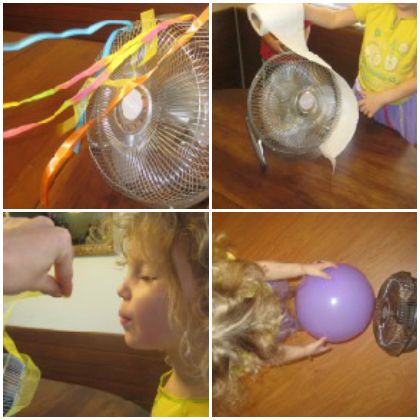
Doing experiments with a table fan at home is a fun and safe thing. As a strong gust of air blows from table fans, things that are light in weight can be placed. When the fan is switched on, it is fun to see the things being blown away by the speed of the air coming out of the fan.
Balloon Solar System To Know Our Planets
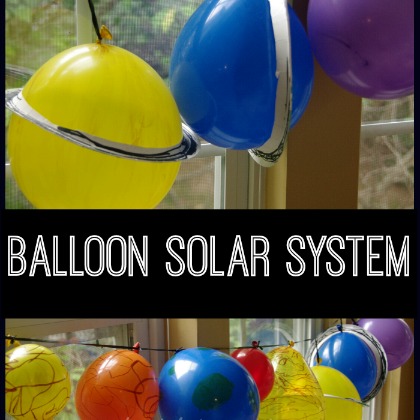
Many of us may have heard about the solar system, and its components, i.e., the sun and the eight planets, including our planet, Earth. Space nerds can be fascinated by this one, as the balloons representing all the planets can be hung in their order in a room.
Balloons To Lift Weights

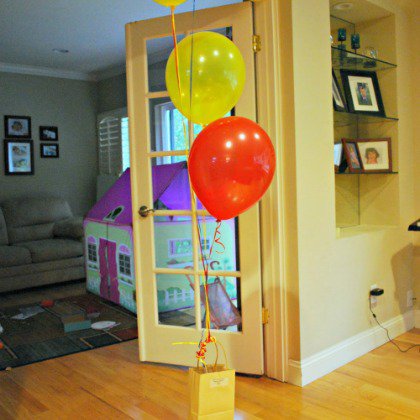
Balloons are super lightweight, which is why they are always floating and rising up in the air. Due to this property, when calculated properly, rising balloons in the air can also take up other things with them off the ground. Doing this at home is super fun!
Balloon Rocket in a Backyard
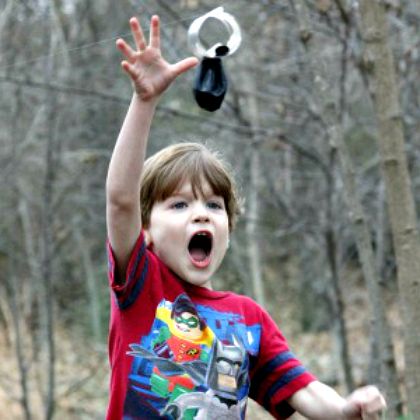
Here in the above photo, we see an enthusiastic kid with a balloon rocket whizzing through the string on which it is suspended. This makes use of Newton’s third law of equal and opposite reaction, and can be incredibly fun to practice.
How Sound Is Made
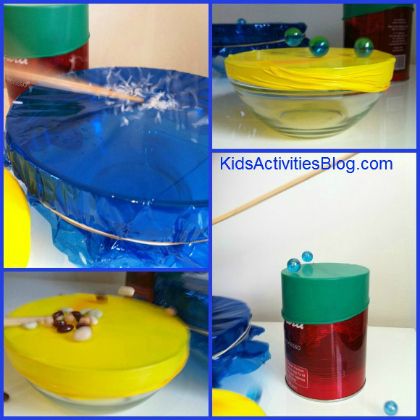
Balloons are stretched out over open surfaces of containers to provide a smooth canvas for this sound experiment. Objects of various types are kept on these surfaces, such as rice, marbles, etc. Then the surface of the balloons is hit by sticks, and various sounds are made as a result of the tension caused by stretching the balloons.
Simply Blowing A Few Balloons

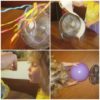
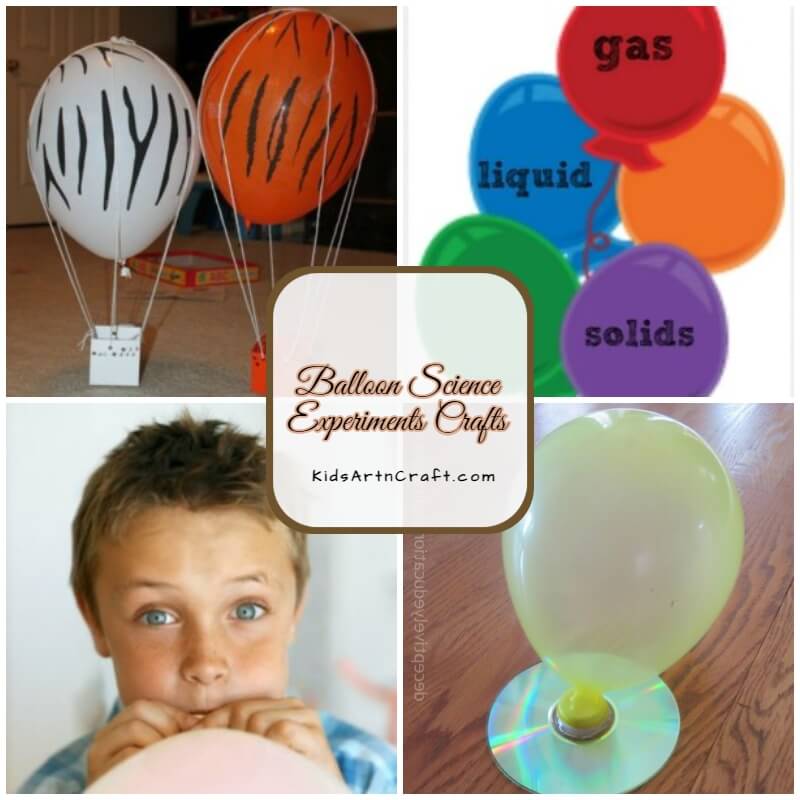
Rather than experiments, many kids would often simply blow up balloons to have fun. Blowing balloons may teach children the movement of air in and out of lungs, the air pressure that goes into the balloon to puff it up, and the mechanism of air flow in general.
Fitting A Balloon In Front Of A Car
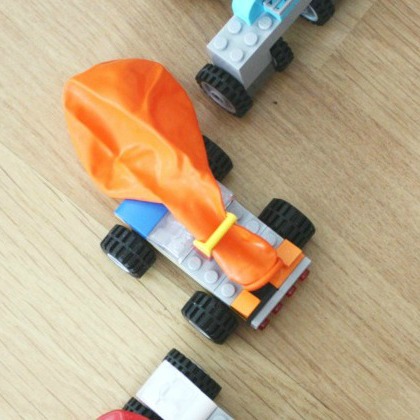
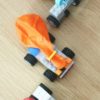
Another fun experiment with the speed of wind is fixing a deflated balloon at the front of a toy car. Then one can push the toy car fast to see how much of the air the toy car cuts through, which is defined by how much of the balloon is filled up.
The States Of Matter
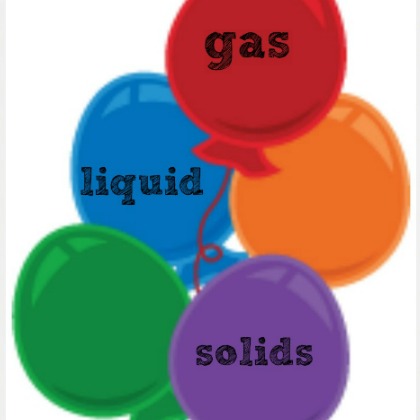
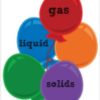
We know the primary states of matter are solids, liquids, and gases. Children can be taught this from an early age, say 7 years, to understand the nature of matter and how they work. Balloons can be filled with either of the three, but they’re filled with gases in most cases due to the convenience offered by them.
Learning How Muscles Work
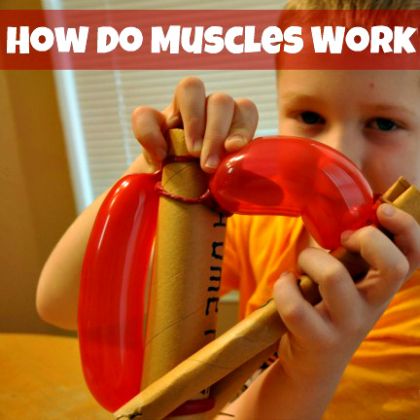
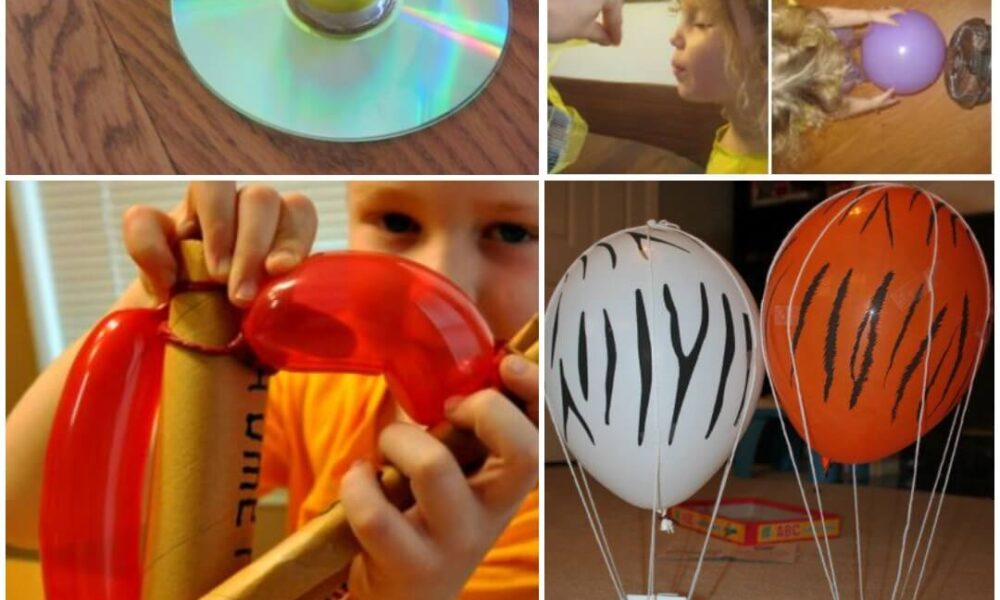
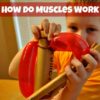
Here we see in the above post that two identical balloons are tied next to each other around a pipe, just like the lungs in our body are present. It is done in a way such that when air is blown into the pipe, the balloons would inflate, which simulates how our lungs expand when we take in air.
Miniature Hot Air Balloons
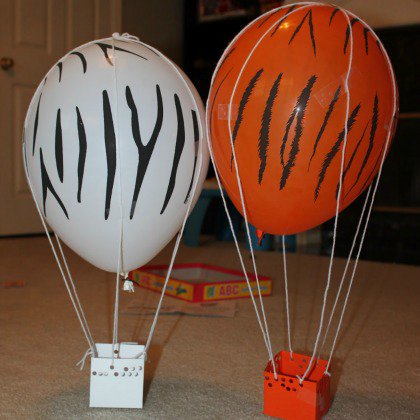
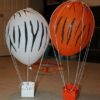
We know that hot air balloons are used to carry people and freight, as the hot air content in them makes them super light, thus they defy gravity and take things with them too. The same logic can be explained simply at home with these fun-to-make miniature hot air balloons.
Polar Bear Balloon Hand Gloves
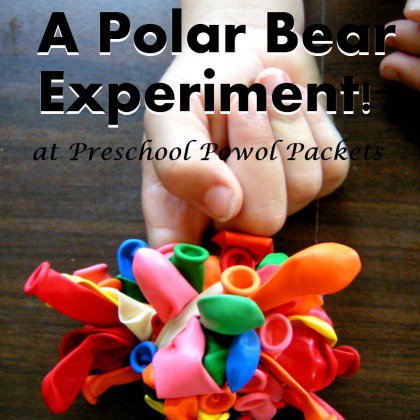
Do you know about polar bears? Learn about Polar Bear facts and use balloons to learn about polar bear insulation with this creative science experiment with ice water.
Hovercrafts: Air Fluidity
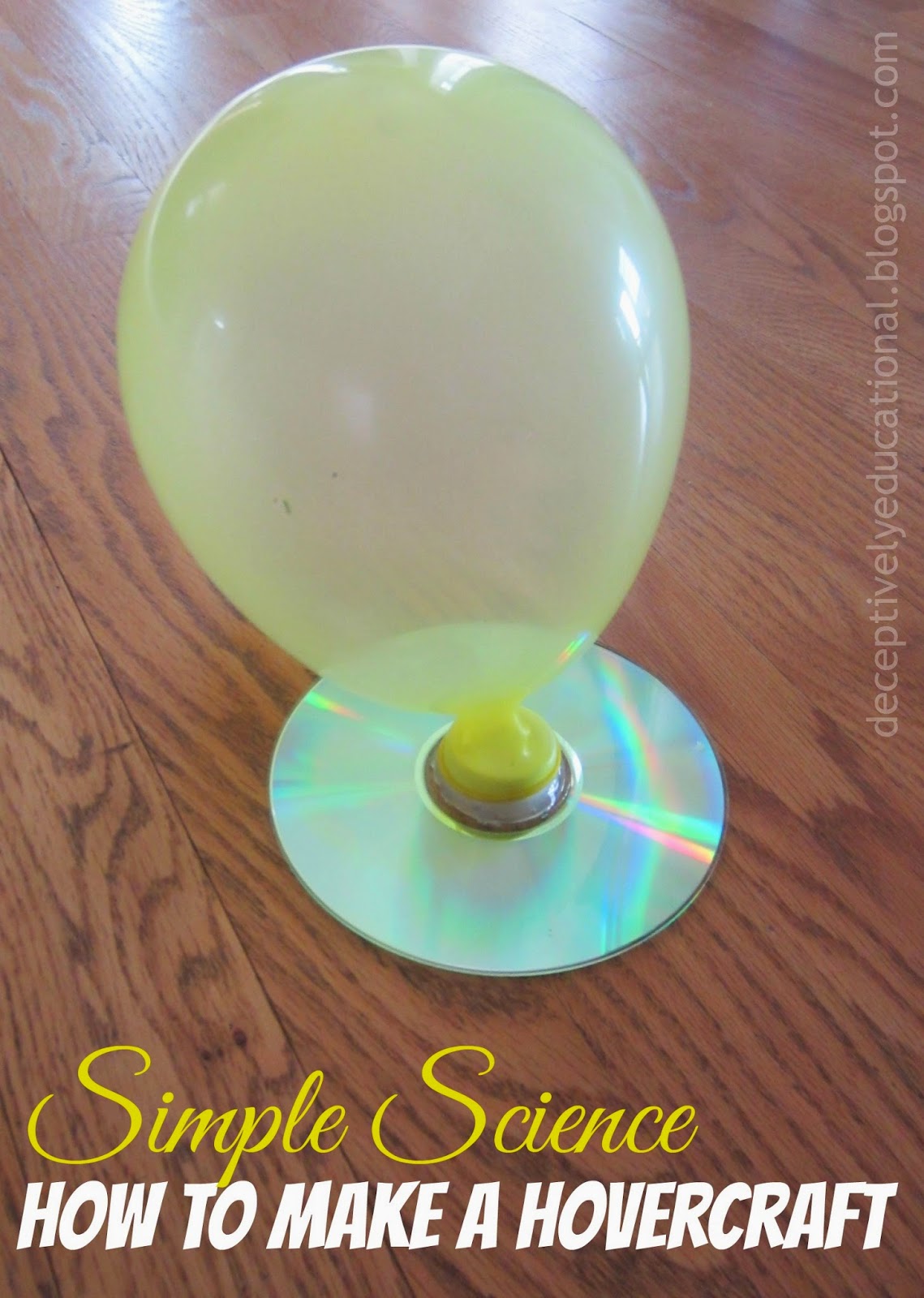
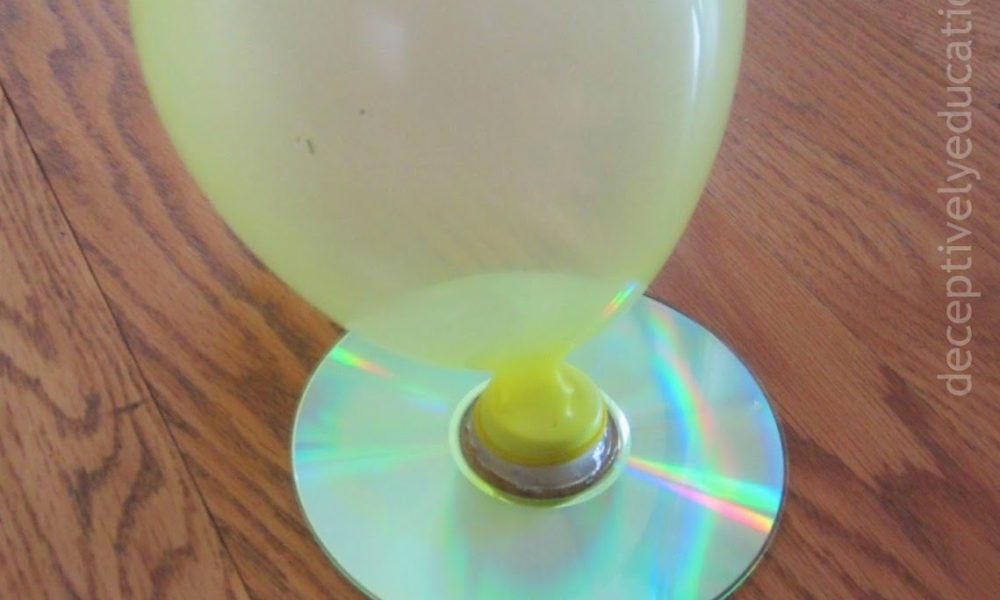
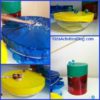
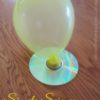
Sticking an inflated balloon over a perforated bottle cap to the base of a CD (for its smooth surface) makes for a hovercraft. This experiment is perfect for demonstrating the fluidity of air as the force of air that exits the balloon, as the balloon deflates, slowly goes out of the holes in the cap to make for a cushiony glide across the floor.
Balloon boats: An Air Power Experiment
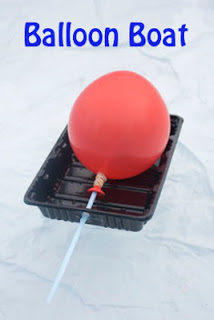
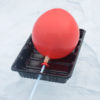
Balloon boats are often a great example to teach kids about the power of air movements. The power of air makes the balloon in the boat puff up while the boat skids over a slippery surface, such as ice or water. This experiment is incredibly fun and can be done to teach children about air power.
Spinning Penny In A Balloon
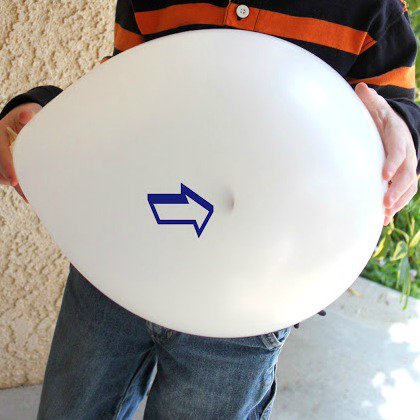
A penny can be inserted in a deflated balloon. Once air is blown into the balloon, the penny gets more space to move. Now, if we start spinning the balloon, the penny inside it starts spinning too. Due to the momentum being transferred to the penny. Even a few seconds after we stop spinning the balloon, the penny keeps spinning due to the inertia of motion.
Balloon Air Suction Experiments
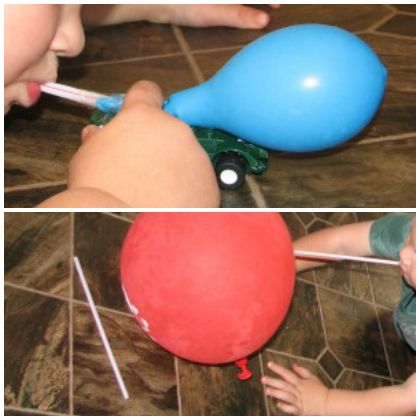
Here we see balloons being blown over a toy car, which again proves the capacity of air to move objects. As air is blown into the balloons, they become lighter, and the pressure of air that has been forced inside them drives the toy car forward.
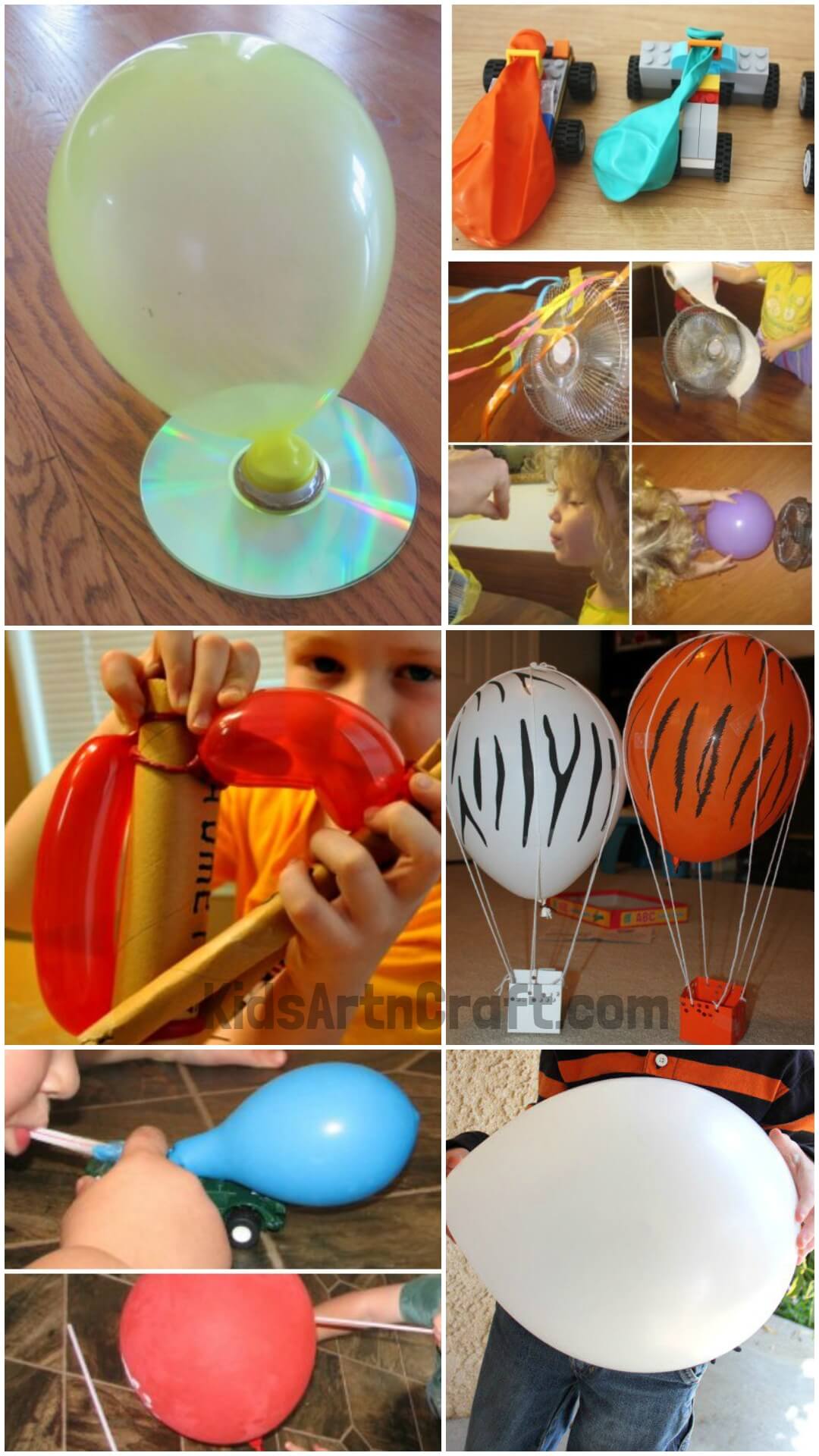
Here is this post with numerous examples, we saw so many ways air and its pressure can be used in daily life. Such fun experiments can be a great pastime and a learning experience when conducted properly under guidance.
Fun Balloon Science Experiments Step-by-Step Tutorial for Kids
Learn fun balloon science experiments with this step-by-step tutorial for kids! Discover easy science projects using balloons to teach air pressure, motion, and simple physics concepts. Perfect for school projects, STEM learning, and fun home experiments. A creative educational video that helps kids explore science in a simple and exciting way
Benefits of Balloon Science Experiments for Kids
- Encourage hands-on learning and curiosity
- Improve problem-solving and critical thinking skills
- Help kids understand abstract concepts visually
- Build interest in STEM (Science, Technology, Engineering, Math)
- Promote active learning instead of passive reading
Apply the Scientific Method with Balloon Experiments
- Ask a Question – What will happen if we mix vinegar and baking soda?
- Make a Hypothesis – The balloon will inflate.
- Experiment – Perform the activity.
- Observe – What changes do you see?
- Conclusion – Was your prediction correct?
Safety Tips for Balloon Experiments
- Always supervise young children
- Avoid over-inflating balloons (they may burst)
- Keep small balloon pieces away from toddlers
- Use safe household materials only
- Wear eye protection for experiments involving pressure or sharp objects
Relatable Craft and Activities
- Easy Science Experiments for Kids
- STEM Activities for Preschoolers
- DIY Learning Activities at Home
- Balloon Science Experiments for Kids
- Easy Science Experiments at Home
- STEM Activities for Kids
- Balloon Experiments with Explanation
- Fun Physics Experiments for Children
- Hands-On Science Activities
FAQs
Q1. What do balloon science experiments teach?
Answer: Balloon experiments teach concepts like air pressure, motion, chemical reactions, density, and static electricity in a fun and simple way.
Q2. Are balloon experiments safe for kids?
Answer: Yes, most balloon experiments are safe when supervised by adults. Avoid sharp objects and small balloon pieces for younger children.
Q3. Why does a balloon inflate with baking soda and vinegar?
Answer: Because the reaction produces carbon dioxide gas, which fills the balloon and makes it expand.
Q4. Which age group are balloon experiments best for?
Answer: They are ideal for preschool to elementary school kids (ages 3–12), with simpler or more advanced variations.
Q5. Can balloon experiments be used for school projects?
Answer: Absolutely! They are perfect for science fairs, classroom demonstrations, and STEM activities.
Balloon science experiments are an exciting way to introduce kids to the wonders of science.
From chemical reactions to physics principles, these activities turn everyday materials into powerful learning tools. Whether at home or in the classroom, these experiments help children develop curiosity, creativity, and a lifelong love for learning. Explore Endless Art & Craft Ideas—Join Our Telegram group Now! Follow Us on YouTube & Facebook.
Thank you a lot for reading this post. Kindly leave your thoughts in the comments below. Please make sure to visit other posts on this website again. Cheers!
Reviewed by Yash Beniwal
Read More:
- Fun Balloon Games For Kids To Play
- Funny Balloon Faces Craft for kids
- Amazing Hot-air Balloon Clay Craft Step-by-Step Tutorial For Kids
- Balloon Stamping Art Ideas for Kids
- DIY Crafts Using a Balloon For Kids