

Kids Activities
Science Projects for 4th Grade Students


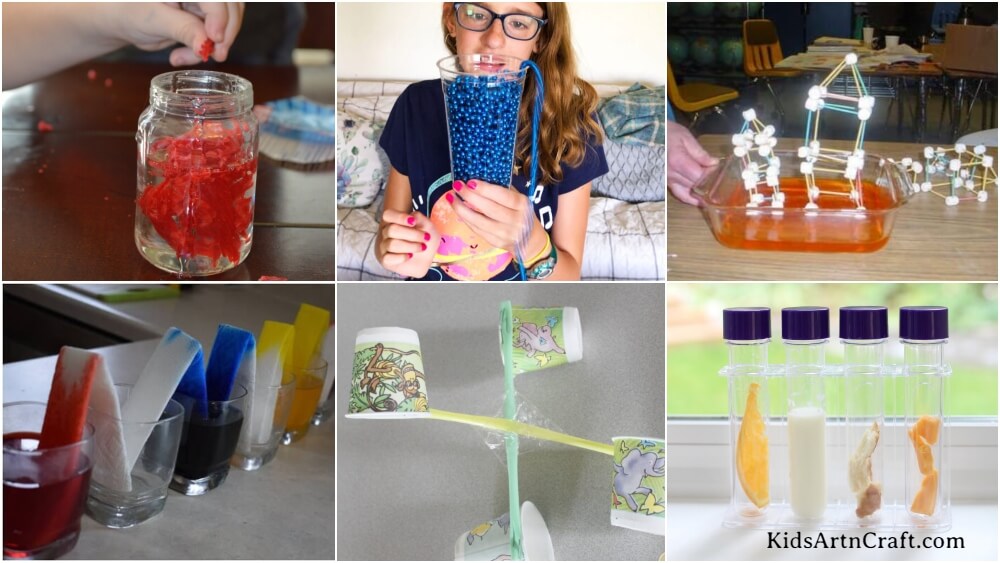
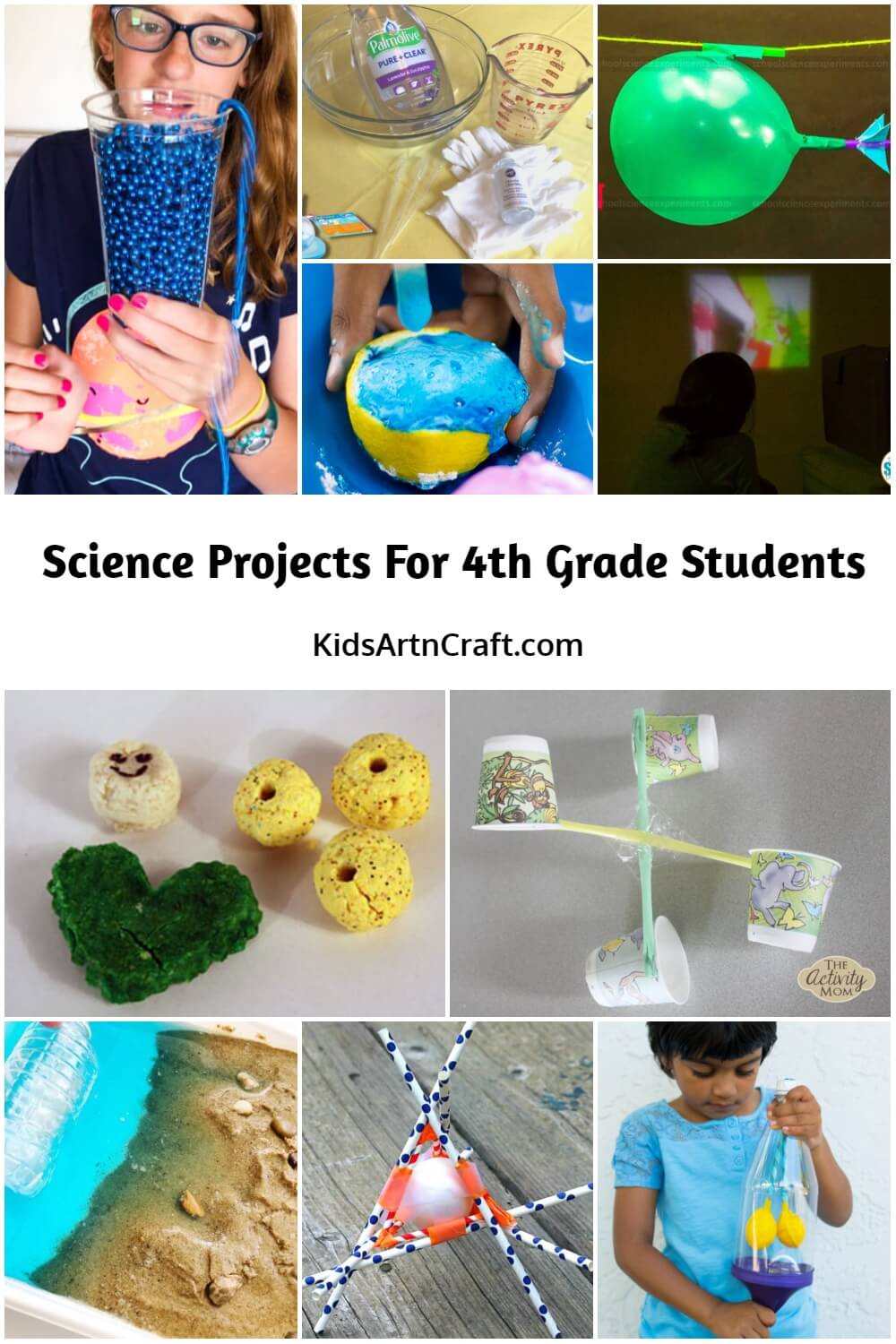
If you’re searching for science projects for 4th-grade students, you’re in the right place! Keep your learning spirit alive with our curated list of science projects like lemon volcano fun science experiment, earthquake experiment, DIY hovercraft, chameleons colors science project, newton’s law of motion experiment, egg drop project, electricity experiments, demonstration science fair project, milk into plastic experiment, diy unpoppable bubbles, blood experiment, anemometer science experiment, recycled paper experiment, non-renewable resources activity, balloon rocket experiment, blow up a balloon, DIY smartphone projector, bacteria in a petri-dishes science project, capillary science project, lungs model science project and science experiment kitchen.
Science Projects for 4th Grade Students
Read More: 15 Fun Balloon Science Experiments for Kids
DIY Glowing Orange Peel Night Light Craft
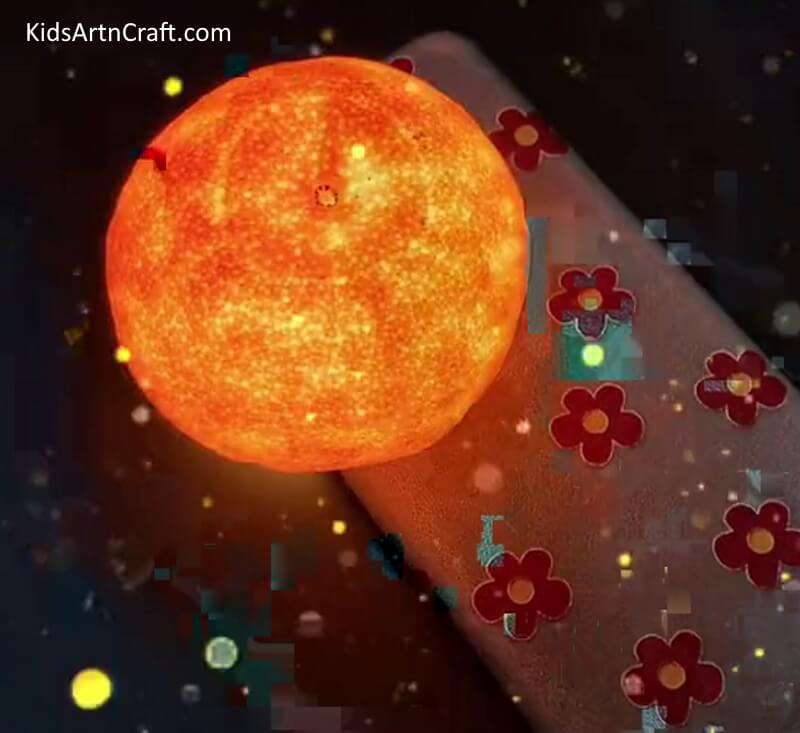
Image Source/Tutorial: Kids Art & Craft
Materials Required:
Balloon, glue, orange tissue paper, LED light, brush
Procedure:
Cover a balloon with glue and tissue paper layers and let it dry. Pop the balloon and insert an LED light inside to glow.
Lemon Volcano Science Experiment for Kids
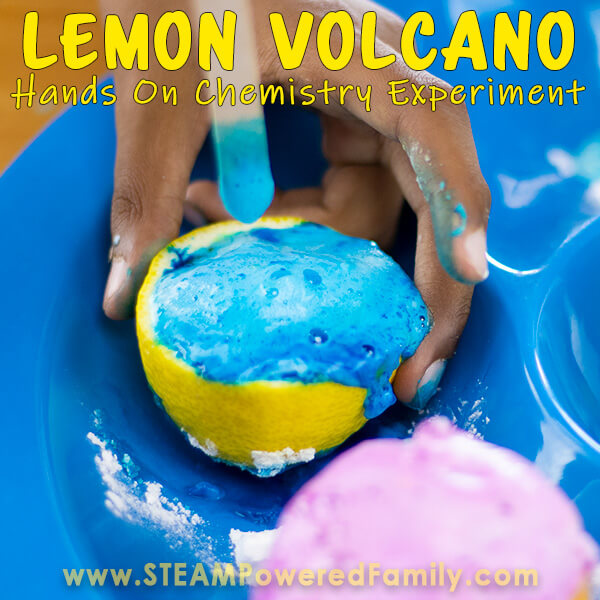
Image Source/Tutorial: Steam Powered Family
Materials Required:
Lemon, baking soda, food color, dish soap, spoon
Procedure:
Cut the lemon and add baking soda and food coloring inside. Press and mix to create a fizzy eruption.
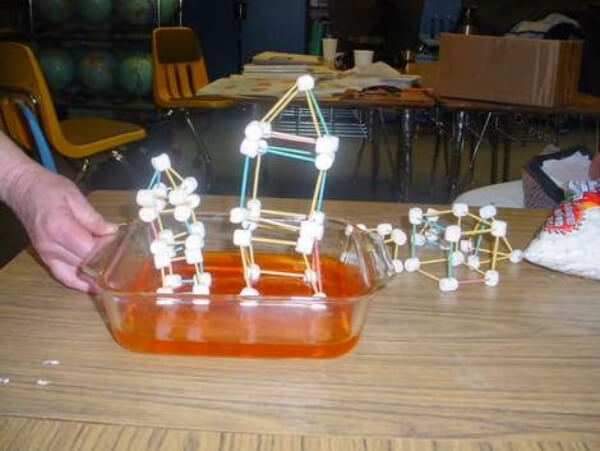
Marshmallow Building STEM Activity for Kids
Materials Required:
Marshmallows, toothpicks
Procedure:
Connect marshmallows using toothpicks to build structures. Test stability and create different shapes.
DIY Balloon Hovercraft Science Project
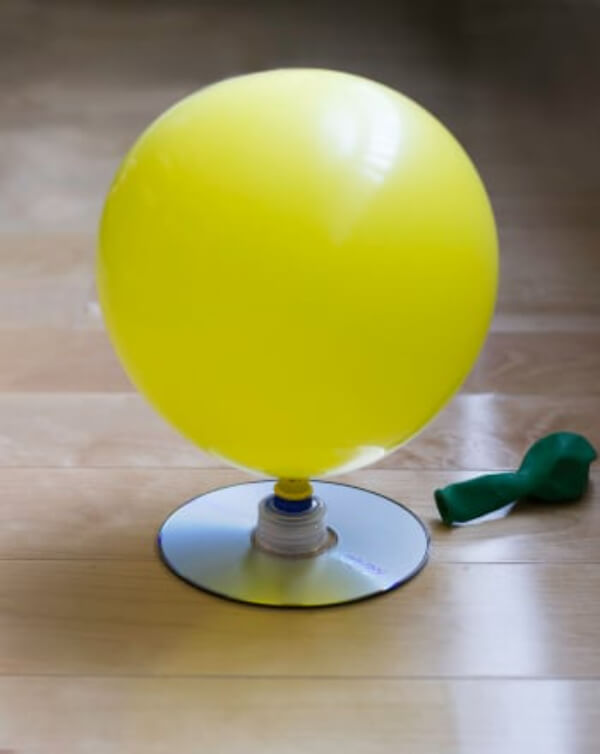
Image Source/Tutorial: Education
Materials Required:
CD, balloon, bottle cap, glue
Procedure:
Fix the bottle cap to the CD center and attach the balloon. Inflate the balloon and release it to make it glide.
Chameleon Color Changing Science Project
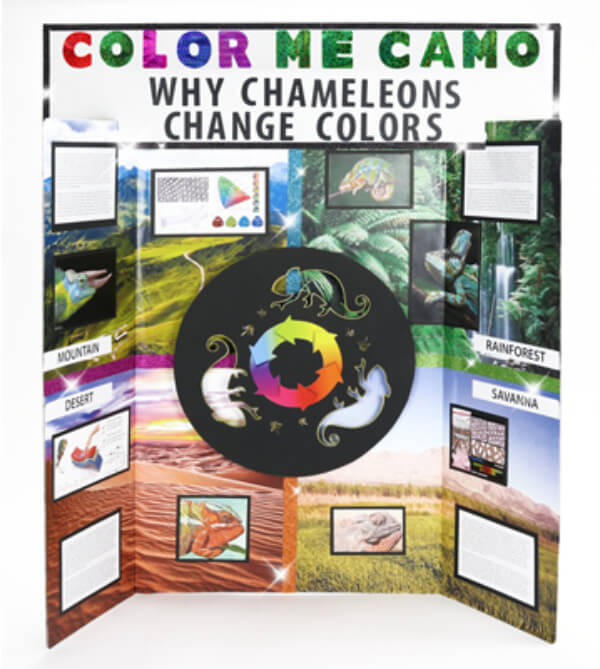
Image Source/Tutorial: Art Skills
Materials Required:
Chart paper, printouts, markers, glue
Procedure:
Create sections explaining habitats and color changes. Add images and diagrams for the presentation.
Water Beads Science Experiment for Kids
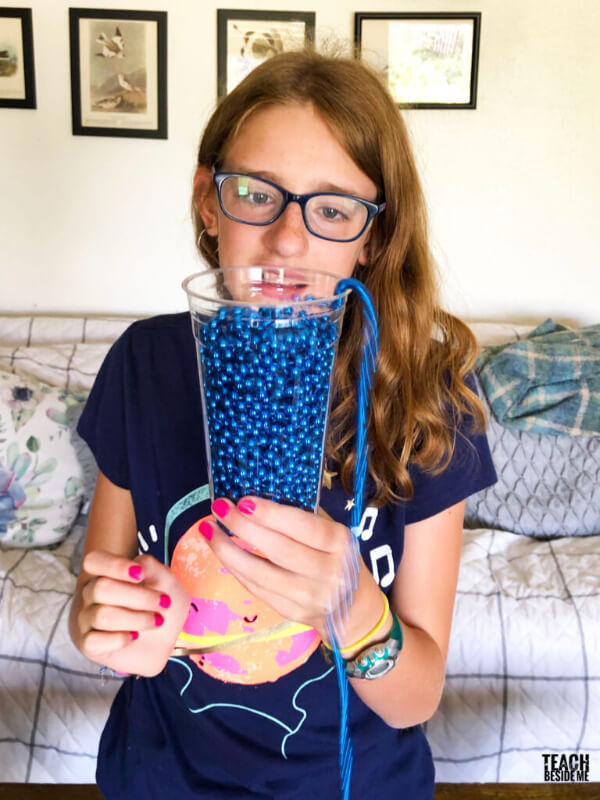
Image Source/Tutorial: Teach Beside Me
Materials Required:
Water beads, water, container
Procedure:
Soak beads in water and observe expansion. Study texture and volume changes.
Read More: 10 Simple Science Experiments for 3-5 Year Olds
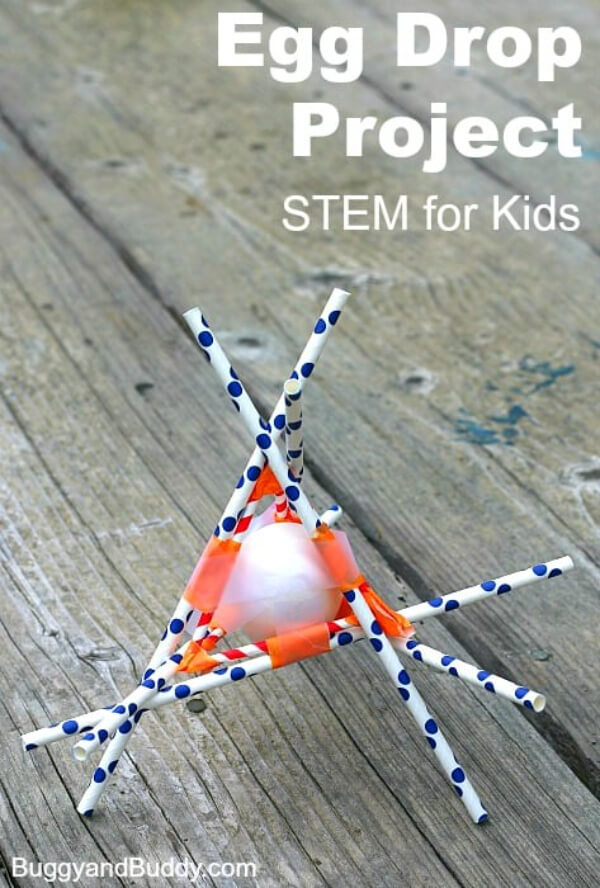
Egg Drop STEM Project for Kids
Materials Required:
Straws, tape, paper, raw egg
Procedure:
Build a protective structure using straws around the egg. Drop from height and test if the egg survives.
Static Electricity Balloon Science Activity
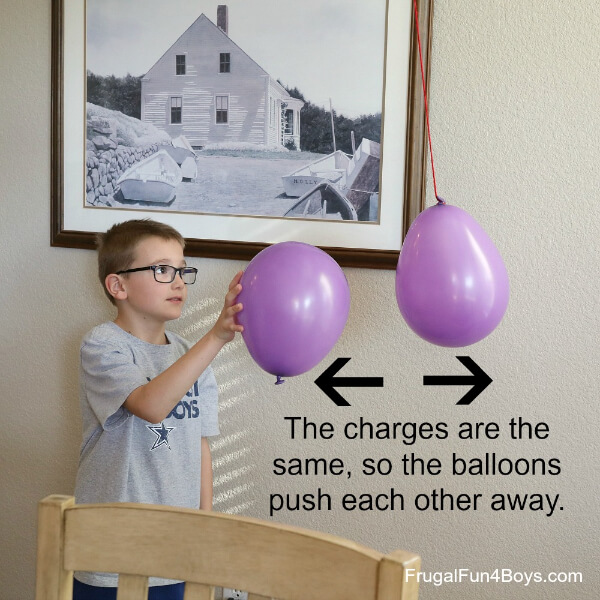
Image Source/Tutorial: Frugal Fun4 Boys
Materials Required:
Balloons, wool cloth/hair
Procedure:
Rub balloons on hair to create a static charge. Bring them close to see the repelling effect.
Water Erosion Science Experiment for Kids
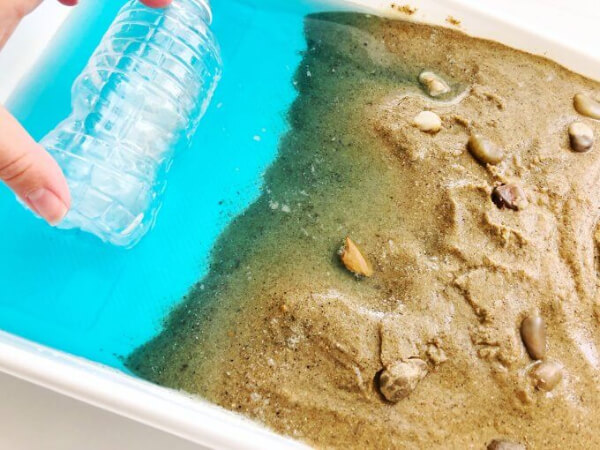
Image Source/Tutorial: Little Bins For Little Hands
Materials Required:
Sand, water, tray, bottle
Procedure:
Create a sand landscape in a tray and pour water. Observe how water moves sand and creates patterns.
DIY Bath Bombs Craft for Kids
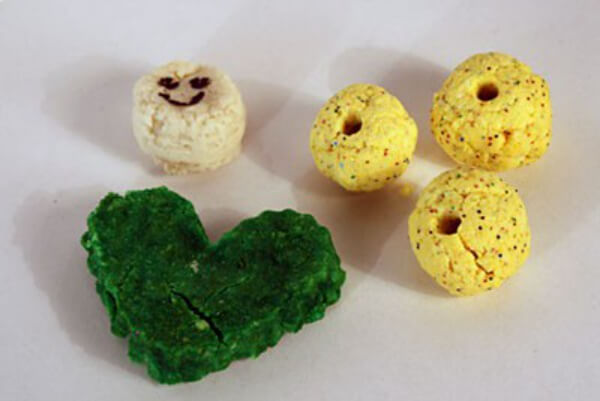
Image Source/Tutorial: Science Buddies
Materials Required:
Baking soda, citric acid, food color, essential oil, molds
Procedure:
Mix dry and wet ingredients and shape into molds. Let it dry and use it in water for a fizz effect.
Kids Water Lab Science Activity Setup
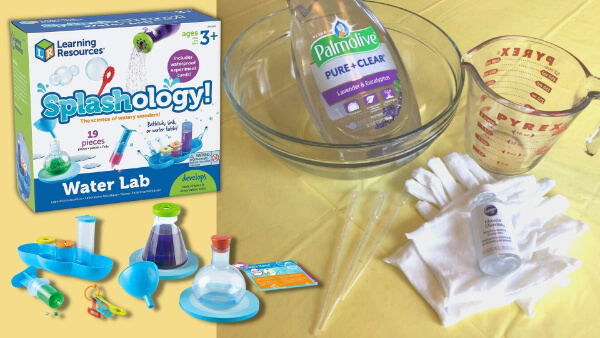
Image Source/Tutorial: Learning Resources
Materials Required:
Bowls, measuring cups, funnels, soap, water, droppers
Procedure:
Fill containers with water and use tools to mix and pour. Let kids explore measuring, pouring, and simple reactions.
Read More: Ice Science Experiments For Kids
Wax Resist Water Science Experiment
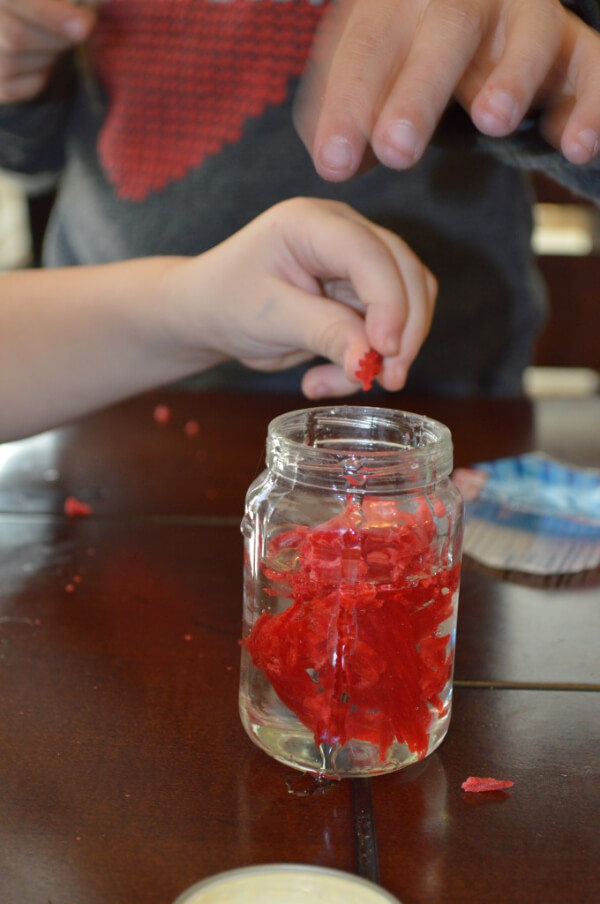
Image Source/Tutorial: Almost Super Mom
Materials Required:
Crayons, warm water, glass jar
Procedure:
Drop crayon pieces into warm water and observe melting behavior. Notice how wax floats and separates from water.
DIY Balance Scale STEM Craft for Kids
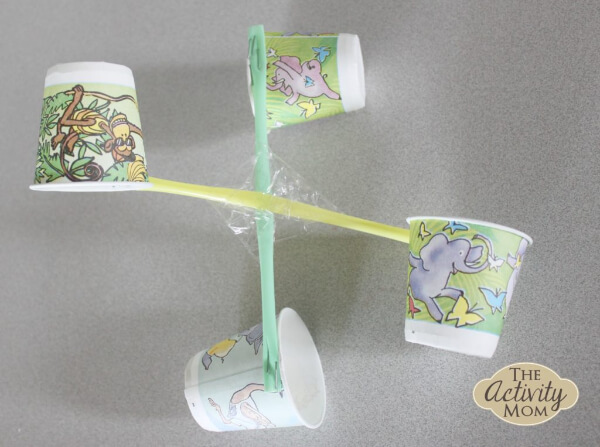
Image Source/Tutorial: Activity Mom
Materials Required:
Paper cups, straws, tape, string
Procedure:
Attach cups on both sides of a straw and suspend it. Add items to compare weight and observe balance.
Sensory Ice Play Science Activity for Kids
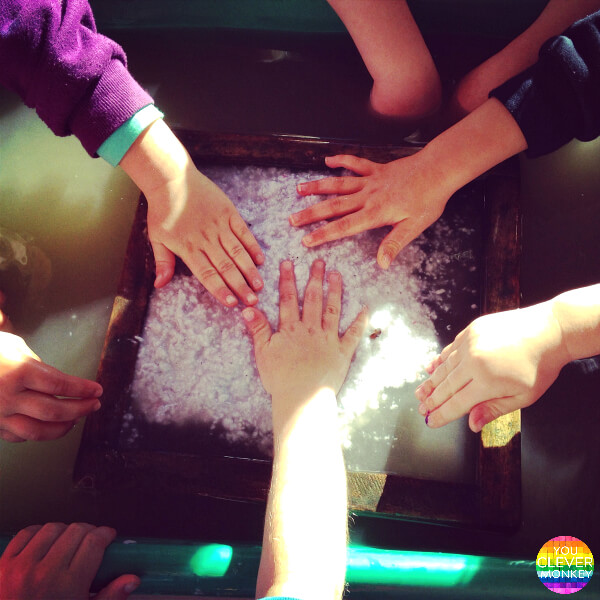
Image Source/Tutorial: You Clever Monkey
Materials Required:
Ice, tray, salt (optional), small toys
Procedure:
Place ice in a tray and let kids explore the texture and melting. Add salt to observe faster melting.
Pasta Sorting Learning Activity for Kids
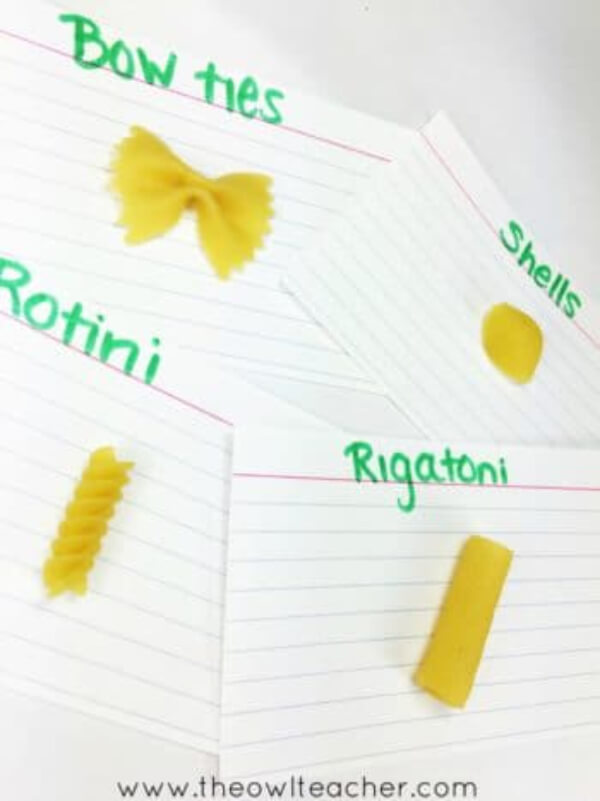
Image Source/Tutorial: The Owl Teacher
Materials Required:
Different pasta shapes, cards, marker
Procedure:
Label cards with pasta names and match shapes. Encourage sorting and identification skills.
Balloon Rocket STEM Activity for Kids
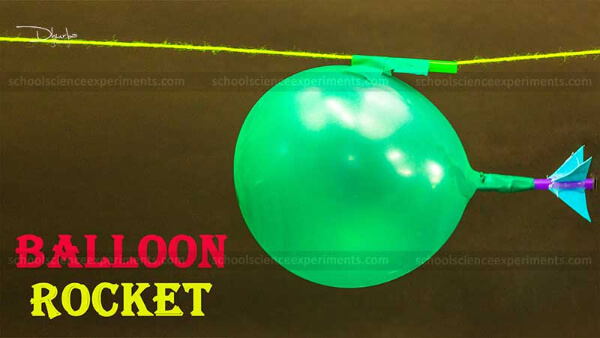
Image Source/Tutorial: School Science
Materials Required:
Balloon, string, straw, tape
Procedure:
Thread string through the straw and tape the balloon to it. Inflate and release to watch it zoom across.
Colorful Balloon Sensory Play for Kids
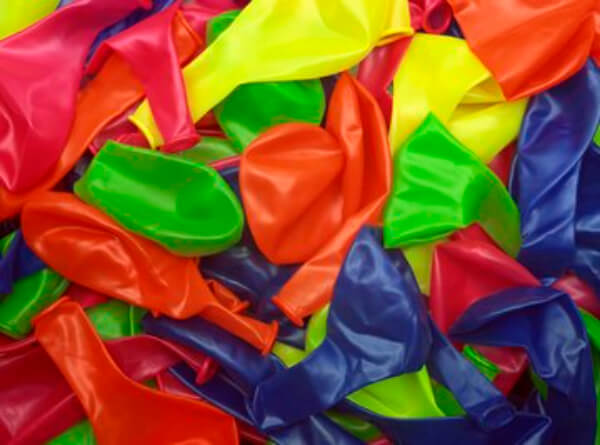
Image Source/Tutorial: Sciencing
Materials Required:
Balloons
Procedure:
Inflate balloons and let kids explore texture and movement. Use for games or sensory activities.
Read More: Scientific Crafts for Toddlers Using Straws – Cool Science Projects
Homemade Projector STEM Experiment for Kids
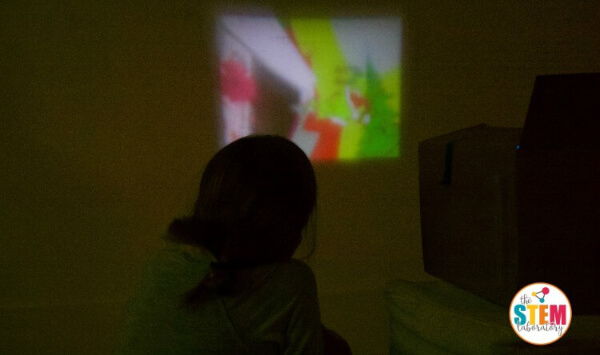
Image Source/Tutorial: The Stem Laboratory
Materials Required:
Cardboard box, phone/light source, lens, tape
Procedure:
Cut an opening in the box and place the lens in front. Insert phone/light to project an image on the wall.
Bacteria Growth Science Experiment for Kids
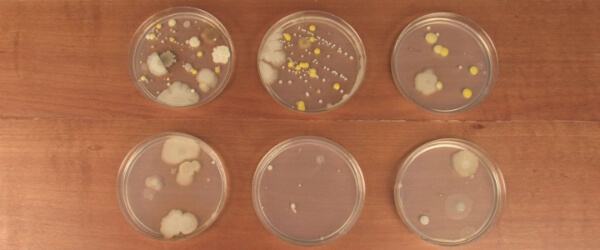
Image Source/Tutorial: Steve’s Pangle Science
Materials Required:
Petri dishes, agar, cotton swab
Procedure:
Collect samples using a swab and place on agar. Observe growth over days (with supervision).
Walking Water Science Experiment for Kids
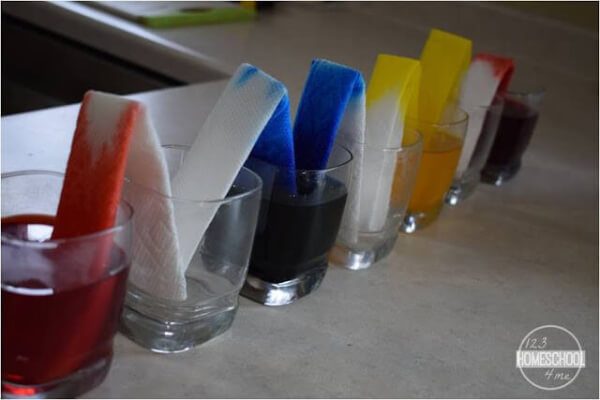
Image Source/Tutorial: 123 Home School 4 Me
Materials Required:
Cups, water, food coloring, paper towels
Procedure:
Fill cups with colored water and connect using paper towels. Watch water “walk” and mix colors.
DIY Lung Model Science Experiment for Kids
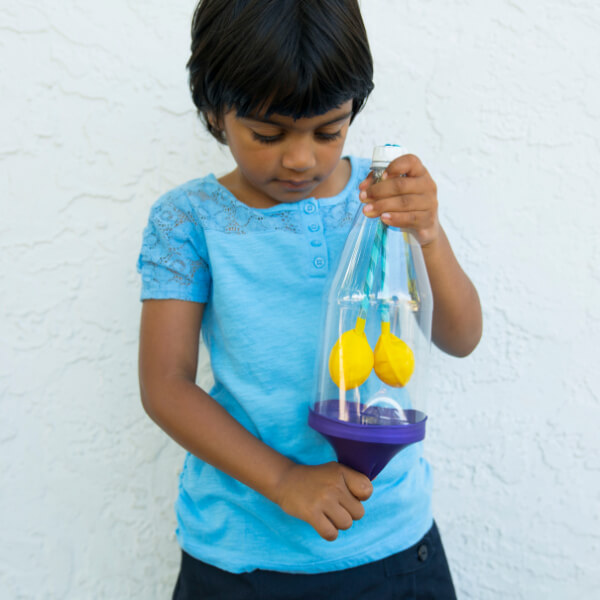
Image Source/Tutorial: Kiwico
Materials Required:
Plastic bottle, balloons, straw, tape, rubber sheet/balloon, cutter
Procedure:
Insert balloons inside the bottle attached to straws as lungs. Pull the bottom rubber sheet to demonstrate inhaling and exhaling.
Which Food Rots First? Kitchen Science Experiment
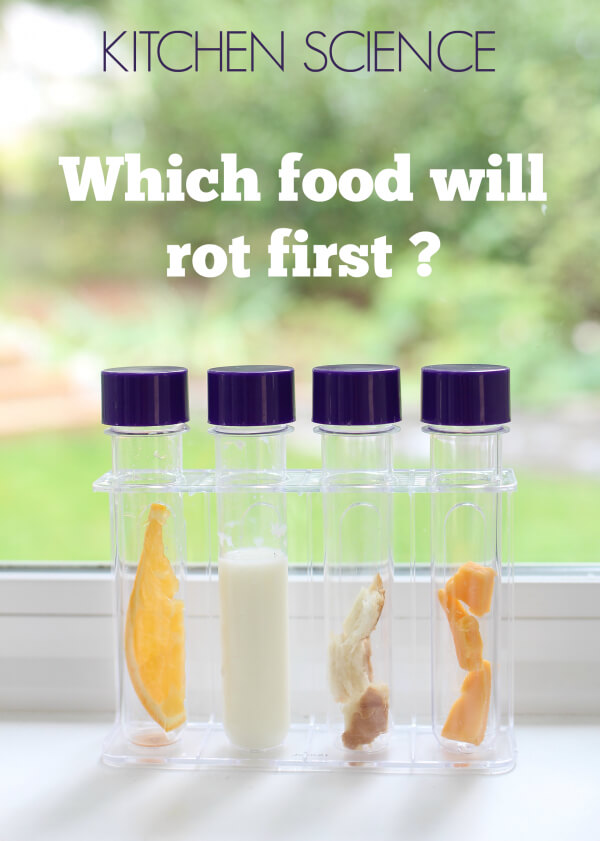
Image Source/Tutorial: No Time For Flash Cards
Materials Required:
Small food samples (fruit, bread, milk, etc.), test tubes/jars, labels
Procedure:
Place different foods in separate containers and seal them. Observe daily changes to compare which food spoils fastest.
4th Grade Projects & Mentos Soda Fountain Experiment
Learn step by step how to do this fun 4th-grade science project! This easy tutorial shows you how to build an exciting soda fountain using Mentos and diet soda with clear instructions perfect for students, classrooms, and science fair projects. Boost learning with this engaging, kid‑friendly experiment!
Why Science Projects Are Important for 4th Grade Students
Science projects provide 4th-grade students with exciting opportunities to explore scientific concepts through hands-on learning. By conducting experiments, making observations, and analyzing results, children develop critical thinking, problem-solving, and research skills. These projects help students understand how science works in everyday life while encouraging curiosity and a love of discovery.
Participating in science projects also teaches students how to ask questions, test ideas, record data, and conclude. These valuable skills support academic success and help build confidence in learning.
Benefits of Science Projects for 4th Graders
- Develops critical-thinking and problem-solving skills.
- Encourages curiosity and scientific exploration.
- Strengthens observation and data collection abilities.
- Improves research and analytical skills.
- Promotes creativity and innovation.
- Builds confidence through hands-on learning experiences.
- Enhances communication and presentation skills.
- Makes science concepts easier to understand and remember.
Science Skills Children Learn Through Projects
Science projects help students practice important scientific skills, including:
- Observation: Carefully examining and recording information.
- Prediction: Making educated guesses about outcomes.
- Experimentation: Testing ideas using the scientific method.
- Data Collection: Gathering and organizing information.
- Analysis: Interpreting results and identifying patterns.
- Communication: Sharing findings through reports and presentations.
Popular Science Topics for 4th Grade Projects
- Plant growth and life cycles.
- Weather and climate studies.
- Simple machines and engineering.
- States of matter experiments.
- Electricity and magnetism activities.
- Water cycle demonstrations.
- Animal habitats and adaptations.
- Environmental science investigations.
Tips for a Successful Science Project
- Choose a topic that interests the student.
- Follow the scientific method step by step.
- Keep accurate notes and observations.
- Use safe and age-appropriate materials.
- Create clear charts, graphs, or visual displays.
- Practice explaining the project and results.
FAQs
Q1. What are science projects for 4th graders?
Answer: Science projects are hands-on investigations and experiments that help students explore scientific concepts and develop critical-thinking skills.
Q2. Why are science projects important for elementary students?
Answer: They encourage curiosity, improve problem-solving abilities, and help students understand scientific concepts through practical experiences.
Q3. Can science projects be completed at home?
Answer: Yes. Many science projects use simple household materials and can be safely completed with adult supervision.
Q4. What skills do students gain from science projects?
Answer: Students develop observation, research, experimentation, data analysis, and communication skills.
Q5. Are science projects useful for classroom learning?
Answer: Absolutely. They provide engaging, hands-on experiences that reinforce science lessons and encourage active participation.
Science projects for 4th-grade students make learning exciting by combining exploration, experimentation, and discovery. These hands-on activities help children build scientific knowledge, strengthen critical-thinking skills, and develop a deeper understanding of the world around them. Whether completed at home or in the classroom, science projects inspire young learners to become curious and confident investigators. Never miss a creative moment—discover fresh crafts and engaging activities daily on Telegram, YouTube & Facebook.
Reviewed by Yash Sharma
More Articles from Kids’ Art & Craft
- How to Make a Paper Dog
- How to Make a Paper Earthworm Craft
- Flower Gift Card – Mother’s Day DIY for Kids
- How to Make a Butterfly Gift Card
- How to Make a DIY Paper Camel