DIY toys for kids are a fun and affordable way to encourage creativity, imagination, and hands-on learning. From simple paper toys and cardboard creations to wooden vehicles, stuffed animals, puppets, and interactive fidget toys, homemade toys offer endless opportunities for children to explore, build, and play. Using everyday materials such as recycled bottles, popsicle sticks, fabric, and paper, parents and teachers can create engaging toys for children of different ages.
Whether you are looking for easy DIY toys to make at home, educational toys for toddlers, or exciting craft projects for school activities, there are plenty of ideas to explore. Discover these DIY toys for kids, explore creative homemade toys for kids, and find inspiring homemade toy ideas for kids for your next creative project.
From simple crafts to imaginative playthings, these cool DIY toys to make for kids can turn ordinary household materials into something special. You can also try these easy-to-make DIY toys for kids to play with for enjoyable activities at home, during holidays, or in the classroom.
Easy DIY Toys to Make at Home
Making toys at home gives children an opportunity to participate in the creative process, from choosing materials to decorating and assembling their finished projects. Homemade toys can encourage problem-solving, independent thinking, and imaginative play while providing an affordable alternative to store-bought toys.
Start with simple projects that match your child’s age and interests. Paper crafts are suitable for experimenting with shapes and colours, while cardboard construction projects can introduce basic building concepts. More involved projects may include sewing soft toys, creating toy vehicles, or assembling moving paper mechanisms.
DIY Toys by Material
One of the easiest ways to choose a homemade toy project is to start with the materials you already have. Paper, cardboard, recycled plastic containers, popsicle sticks, fabric, and wood can all be used to make different types of toys. Reusing suitable materials also introduces children to creative reuse and waste reduction.
1. Cardboard Toys
Cardboard is a versatile material for making homemade toys because it is easy to cut, fold, decorate, and assemble with age-appropriate assistance. Children can turn cardboard boxes and sheets into pretend-play props, miniature structures, simple vehicles, and stacking toys. These projects encourage creativity, spatial awareness, and basic construction skills.
Explore these cardboard toy crafts for ideas that transform everyday packaging into creative playthings.
2. Paper Toys
Paper toys are inexpensive, accessible, and suitable for a wide range of creative activities. Children can fold, cut, colour, and assemble paper into characters, simple moving toys, spinners, and decorative play props. These activities can support fine motor development, visual coordination, and an understanding of shapes and patterns.
Discover more projects in the paper-based DIY toys collection for creative ideas using ordinary sheets of paper.
3. Recycled Plastic, Bottles, and Household Items
Everyday household materials can become the starting point for imaginative toy-making projects. Clean plastic bottles and other suitable containers can be repurposed into pretend-play toys, simple sound makers, boats, and creative models. Involving children in these projects can also encourage resourcefulness and introduce the idea of reusing materials.
Find inspiration in these recycled DIY toys made from plastic, bottles, and household materials. Always check that reused containers are clean and free from sharp edges, detachable small parts, and other hazards.
4. Popsicle Stick Toys
Popsicle sticks are useful for creating lightweight toy models, decorative projects, and simple mechanisms. Children can arrange and join the sticks to explore shapes, balance, and construction while decorating their finished creations with colours and patterns. Adult assistance may be needed when cutting, gluing, or assembling moving parts.
- Popsicle stick toy craft tutorial
- Popsicle sticks archery toy tutorial
- Pinwheel popsicle sticks craft tutorial
- Pinwheel popsicle sticks tutorial
5. Fabric, Felt, and Sewing Toys
Fabric and felt are excellent materials for making soft toys, finger puppets, stuffed characters, and other imaginative playthings. Different fabrics provide opportunities to explore colours, patterns, and textures. Simple sewing projects can also introduce children to basic construction techniques when an adult handles needles and other sharp tools.
6. Wooden and Metal Toy Crafts
Wood and metal can be used for more structured toy-making projects that introduce children to shapes, components, and mechanical construction. Wooden toys may include simple vehicles, building pieces, and miniature models, while metal crafts can inspire creative model-making. These projects should use child-safe materials and tools, with cutting, drilling, and other hazardous tasks performed by adults.
DIY Vehicle Toys for Kids
Homemade vehicle toys allow children to explore cars, boats, and other forms of transport through creative construction and imaginative play. Depending on the design, children can experiment with wheels, movement, floating, and simple mechanical principles. Building and decorating vehicles can also encourage problem-solving and hand-eye coordination.
Explore the DIY vehicle toys collection for projects inspired by transportation and moving objects.
DIY Spinners, Fidget Toys, and Interactive Paper Mechanics
Interactive paper toys and homemade fidget toys encourage children to explore movement, repetition, and simple mechanisms. Paper spinners, folding toys, and other moving creations can provide opportunities to practise finger control, visual tracking, and coordination. Children can also investigate how different folds, shapes, and designs affect the way a toy moves.
Find more ideas in the spinners, fidget toys, and interactive paper mechanics collection. Choose designs that are appropriate for the child’s age and avoid small detachable parts for young children.
DIY Puppets and Theatre Play
Homemade puppets turn simple craft materials into characters for storytelling, role-play, and pretend performances. Children can make puppets from paper bags, felt, fabric, or other suitable materials, then use them to create stories and act out everyday situations. Puppet play can encourage communication, imagination, emotional expression, and social interaction.
Explore these DIY puppets and theatre play ideas to create characters for storytelling activities at home or in the classroom.
DIY Dolls, Figurines, and Play Characters
Dolls and homemade figurines can inspire imaginative storytelling and creative role-play. Children can design characters, decorate their outfits, and build small scenes using paper, fabric, cardboard, or other craft materials. These activities provide opportunities to explore colours, shapes, character design, and pretend-play situations.
Discover the DIY dolls, figurines, and play characters collection for creative projects that encourage children to invent their own characters and stories.
DIY Animal and Insect Toys
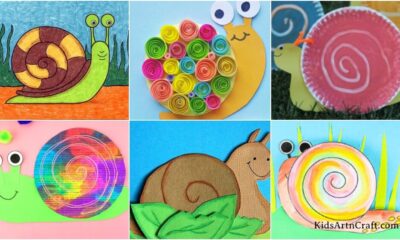
Animal and insect toys help children combine craft-making with imaginative play and nature-inspired learning. Paper animals, cardboard creatures, and simple insect models can introduce different animal shapes, colours, and features. Children can also use their creations to tell stories or explore basic facts about the natural world.
Browse these DIY animal and insect toys for projects inspired by familiar animals and fascinating little creatures.
Sun-Inspired Paper Toy Crafts
Sun-themed paper toys are cheerful projects that connect creative play with weather, seasons, and nature. Children can make a round sun, add colourful rays, draw a smiling face, and experiment with decorative patterns. These crafts can also become props for storytelling or weather-themed classroom displays.
How to Make a Paper Sun Toy
A paper sun toy is a simple activity for children who enjoy colourful designs and character-making. They can create a round sun with rays, decorate it with yellow and orange shades, and add facial features to give it personality. The finished creation can be used in imaginative play or as part of a weather-themed project.
Follow these step-by-step instructions for making a paper sun toy to create a bright and playful paper character.
Paper Sun Toy Craft
A paper sun craft provides another way to explore character design and simple paper construction. Children can experiment with different ray shapes, facial expressions, and decorative patterns to create a unique design. Pair the finished sun with paper clouds, rainbows, or raindrops for a broader weather-themed activity.
Try this paper sun toy craft tutorial for another cheerful homemade toy idea.
DIY Robots, Balloon Toys, and Miniature Houses
Robots, balloon-inspired toys, and miniature furniture projects offer different ways to combine craft-making with imaginative play. Children can design robot characters, explore simple shapes and moving parts, create playful balloon-themed crafts, or furnish a miniature dollhouse. These projects can be adapted to different ages by adjusting the materials and construction steps.
- Robot paper craft tutorial for making a creative paper robot character.
- Paper robot craft step-by-step tutorial for a guided robot-making activity.
- Preschool robot crafts and activities for age-appropriate robot-themed creative play.
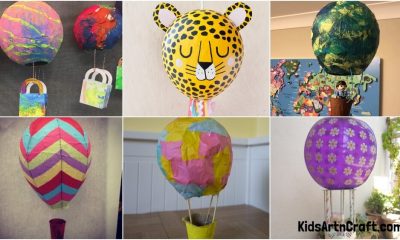
- DIY paper balloon toys crafts tutorial for playful paper-based projects.
- Balloon toy Halloween tutorial for a seasonal craft idea.
- Dollhouse furniture origami craft tutorial for making miniature furniture from folded paper.
Developmental, Toddler, and Educational Toys
DIY educational toys can make everyday play more engaging by giving children opportunities to practise practical skills while exploring new concepts. Simple activities involving stacking, sorting, grasping, and matching can support fine motor development, hand-eye coordination, and early problem-solving. Vocabulary cards and other learning toys can also introduce new words through visual recognition and interactive play.
Fine Motor Toys for Toddlers
Fine motor toys encourage toddlers to practise controlled movements using their hands and fingers. Activities such as placing objects, sorting shapes, pressing pieces together, and manipulating safe toy components can help develop finger control and hand-eye coordination. Select toys according to the child’s developmental stage and avoid small parts that present a choking risk.
Explore these DIY fine motor toys for toddlers for ideas that combine hands-on play with early skill development.
Stacking Toy Activities for Toddlers
Stacking toys introduce toddlers to balance, size, shape, and spatial relationships. Children can practise picking up, positioning, and arranging pieces while experimenting with different structures. These activities can also encourage concentration, hand-eye coordination, and early problem-solving.
Find inspiration in these stacking toy activities for toddlers for simple play sessions at home or in an early learning environment.
Toy Flashcards to Build Vocabulary
Educational flashcards featuring familiar toys can help children connect pictures with words and practise naming everyday objects. Parents and teachers can use the cards for matching games, memory activities, and simple conversations. Repeated, playful exposure to familiar vocabulary can support language development and visual recognition.
Try these toy flashcards to build vocabulary for kids for an easy learning activity that combines play with language practice.
DIY Toy Storage and Organization
Once children have made a collection of homemade toys, keeping the play area organized can make activities easier to manage. Simple storage solutions help children locate their favourite creations, sort toys by type, and learn to put materials away after playing. Cardboard boxes, labelled containers, and suitable shelves can provide practical storage options for homemade toys and craft supplies.
Explore these DIY toy storage and organization ideas to create a tidy space for creative play and keep toys accessible between activities.
Tips for Making Safe DIY Toys for Kids
- Choose age-appropriate materials: Select materials and construction methods that suit the child’s age and abilities.
- Supervise tool use: Adults should handle sharp scissors, needles, drills, hot glue, and other potentially hazardous tools.
- Check small components: Keep beads, buttons, magnets, detachable pieces, and other choking hazards away from young children.
- Inspect finished toys: Check for sharp edges, loose parts, exposed wires, and unstable structures before play.
- Use suitable paints and adhesives: Choose child-appropriate products and follow their safety instructions.
- Encourage creative participation: Let children choose colours, decorate designs, and contribute age-appropriate ideas while adults manage risky construction steps.
Frequently Asked Questions About DIY Toys for Kids
What are the easiest DIY toys to make at home?
Paper toys, cardboard creations, simple popsicle stick projects, and basic fabric characters are popular starting points. Choose a project that matches your child’s age and the materials available at home.
What materials can be used to make homemade toys?
Suitable materials include paper, cardboard, fabric, felt, popsicle sticks, and clean recycled household containers. The best materials depend on the toy’s design, the child’s age, and the level of adult supervision required.
How do DIY toys help children’s development?
Making and playing with homemade toys can encourage creativity, problem-solving, fine motor practice, hand-eye coordination, and imaginative play. The benefits depend on the activity and how children interact with the toy.
Can toddlers play with homemade toys?
Yes, but homemade toys for toddlers should be designed specifically for their developmental stage. Avoid small detachable parts, long cords, sharp edges, unsafe materials, and components that could break during play. Adult supervision is essential.
How can I make educational toys at home?
You can create simple sorting games, stacking toys, picture flashcards, shape-matching activities, and construction projects using suitable household materials. Choose activities that encourage children to explore, practise skills, and learn through play.