

Math
Data Collection Activities for Classroom


If you’re searching for data collection activities and games for the classroom, then you’re in the right place! Keep your learning spirit alive with our curated list of data collection activities like Data Binder, Fake Prop Cake Craft Idea, Speech & Language Therapy, Thursday Data Folder, and Color Coding.
Data Collection Activities for the Classroom
Read More: Math Games And Activities for Kids
Student Data Binder Organizer
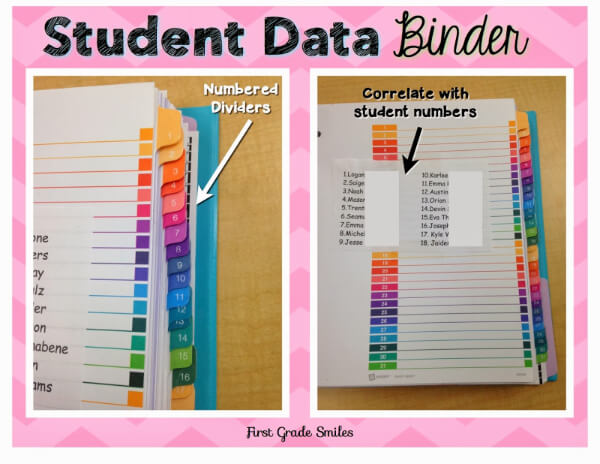
Image Source/Tutorial: First-Grade-Smiles
Materials Required:
Binder, numbered dividers, printed data sheets, labels, pen
Procedure:
Arrange subject-wise data sheets inside the binder using numbered dividers. Label each section clearly for quick tracking and updates.
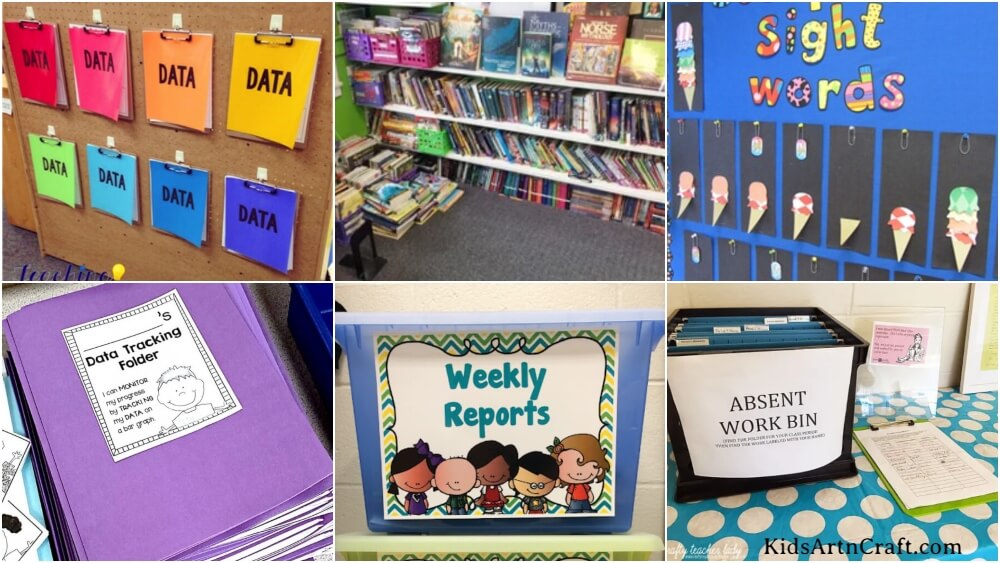
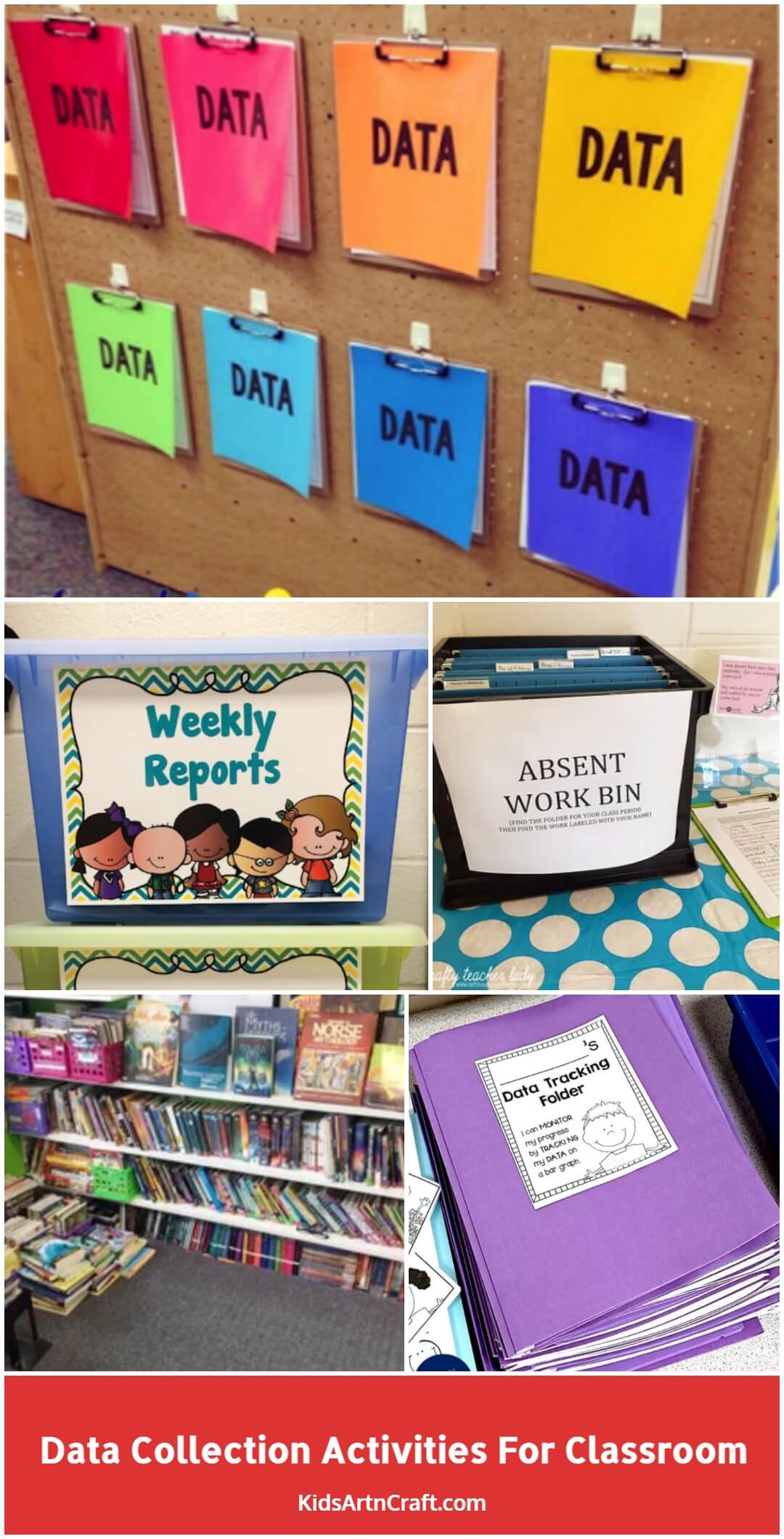
Classroom Data Clipboards Wall
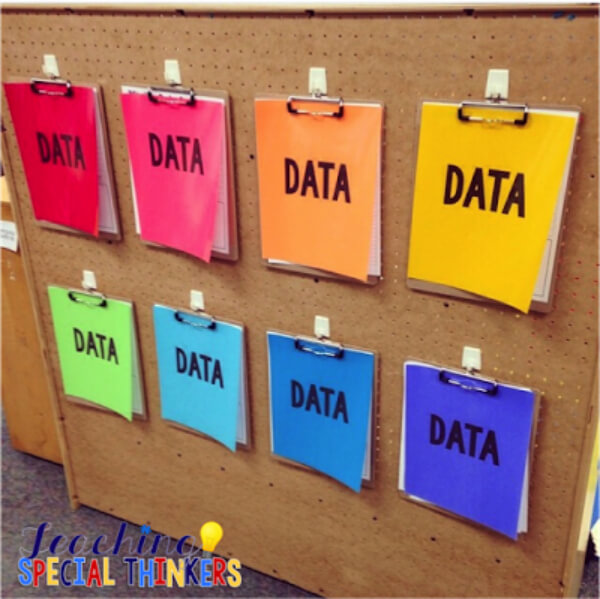
Image Source/Tutorial: Teaching Special Thinkers
Materials Required:
Clipboards, colored paper, wall hooks, and markers
Procedure:
Attach labeled data sheets to clipboards. Hang them on hooks for easy classroom access.
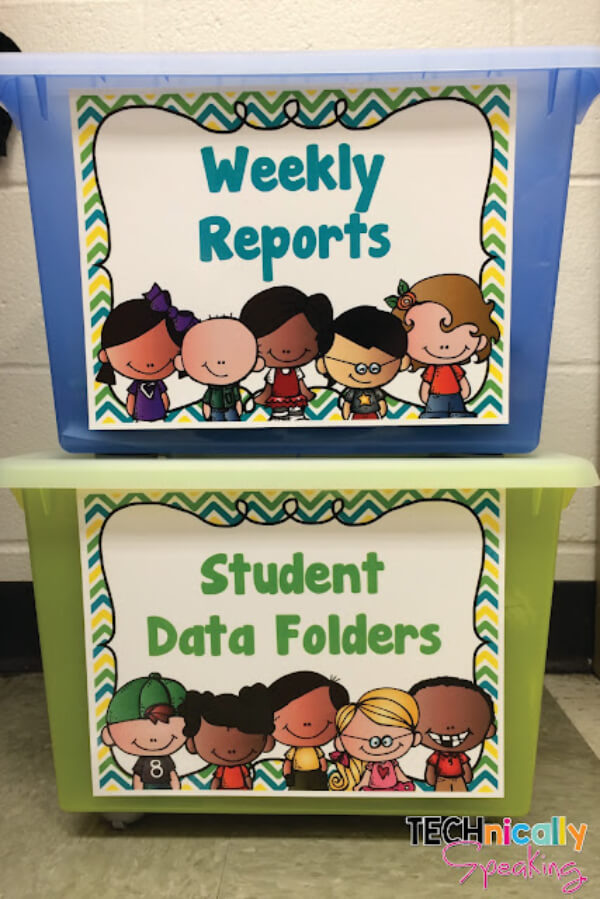
Weekly Reports and Student Data Bins
Materials Required:
Plastic storage bins, printed labels, and markers
Procedure:
Label each bin according to its purpose. Sort and store student reports weekly.
Student Data Folder Printables
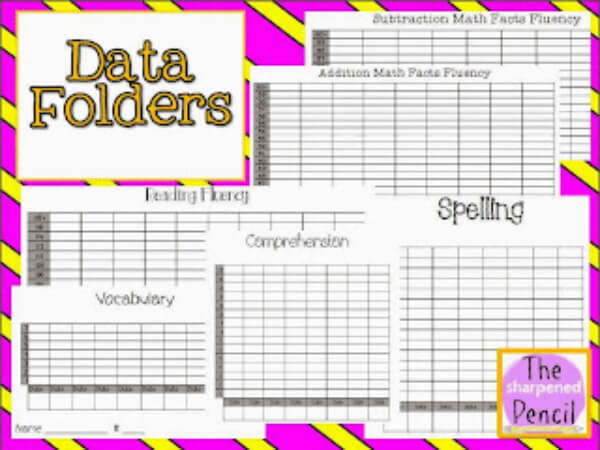
Image Source/Tutorial: The Sharpened Pencil
Materials Required:
Printed data sheets, folder, pencil
Procedure:
Print and place sheets inside student folders. Update data regularly after assessments.
Student Progress Checklist Sheet
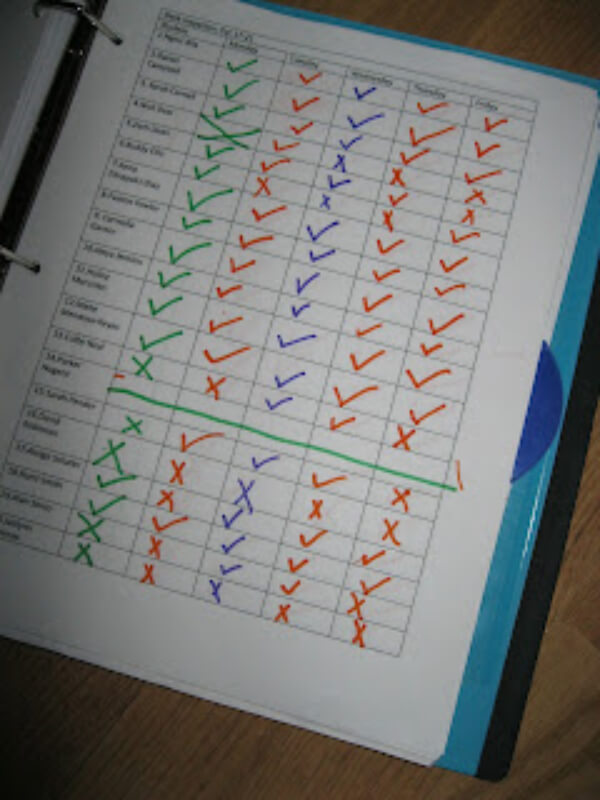
Image Source/Tutorial: One Teacher’s Take
Materials Required:
Printed checklist, colored pens
Procedure:
Mark progress using checkmarks or crosses. Review patterns to identify learning needs.
Read More: Number Learning Activities For Kids
Sight Words Progress Chart
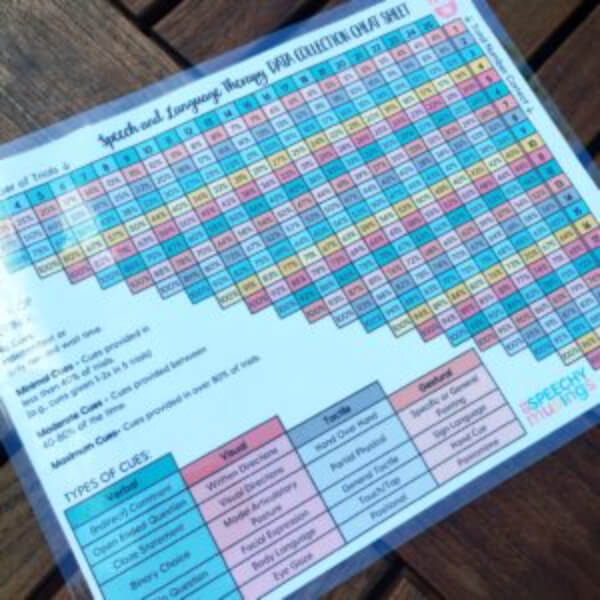
Image Source/Tutorial: Speechy Musings
Materials Required:
Printed chart, highlighters, pen
Procedure:
Highlight words as students master them. Update the chart during regular assessments.
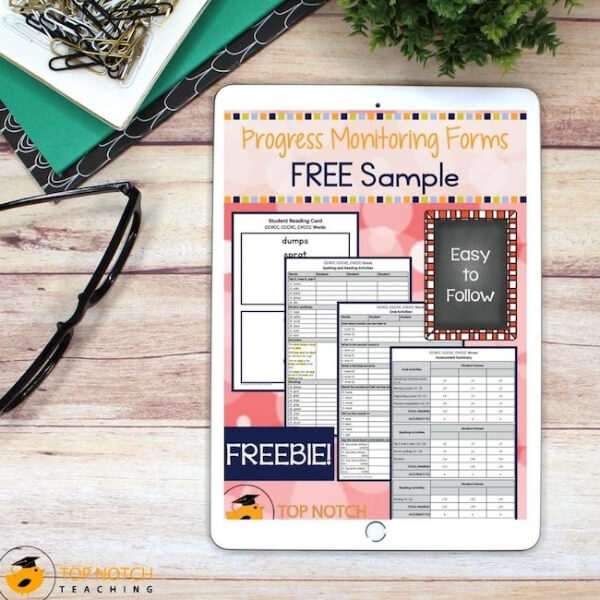
Digital Student Progress Monitoring
Materials Required:
Tablet or computer, digital forms
Procedure:
Open progress forms on the device. Enter and save student data after evaluations.
Quarter 2 Math Assessment Sheet
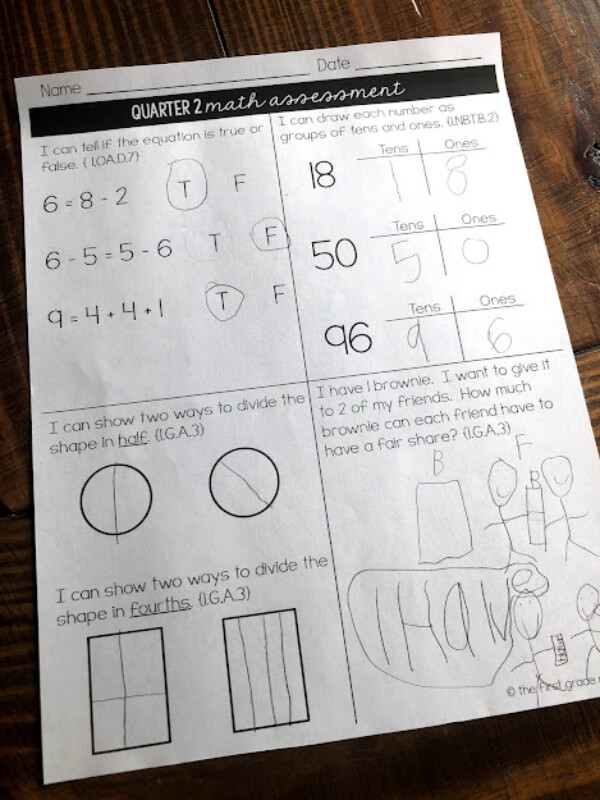
Image Source/Tutorial: The First Grade Roundup
Materials Required:
Printed worksheet, Pencil & Eraser
Procedure:
Write your name and solve each math question carefully. Draw shapes or circles to show your answers where required.
Read More: Puzzle Activities For Kids
Student Data Tracking Folder
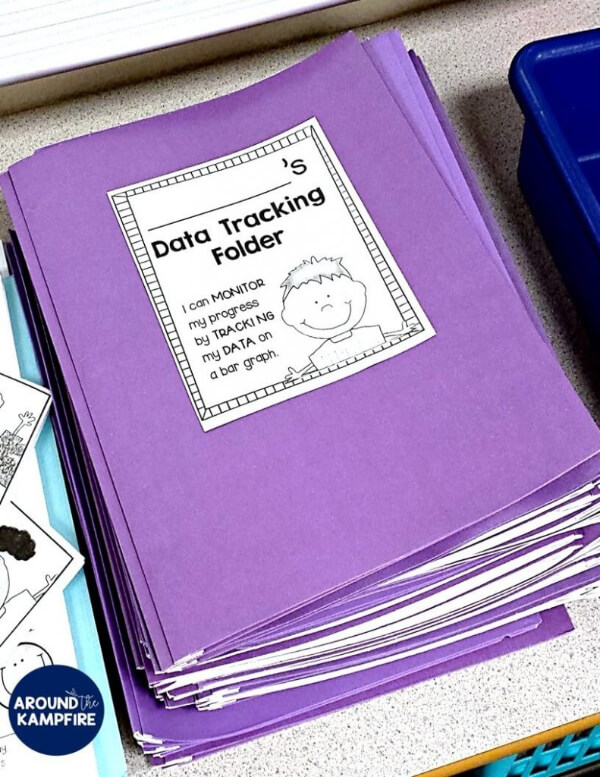
Image Source/Tutorial: Around The Kamp Fire
Materials Required:
Colored file folder, Printed label, Glue or tape, Worksheets
Procedure:
Paste the label on the front of the folder neatly. Store progress sheets and assessments inside for tracking growth.
Scooping Sight Words Classroom Board
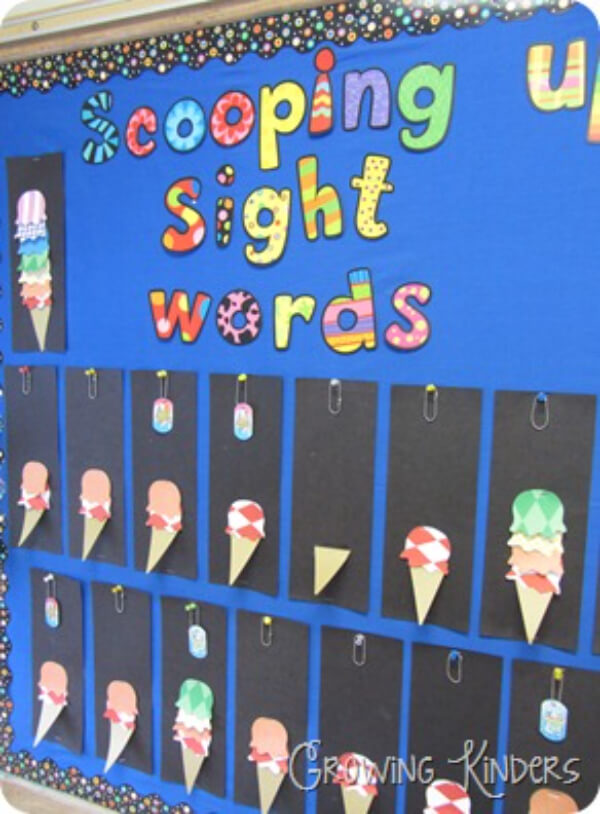
Image Source/Tutorial: Growing Kinders
Materials Required:
Chart paper or bulletin board, Paper cut-outs, Clips or pins, Marker
Procedure:
Write sight words on ice-cream scoop cutouts. Move scoops as students learn new words.
Classroom Reading Corner Library
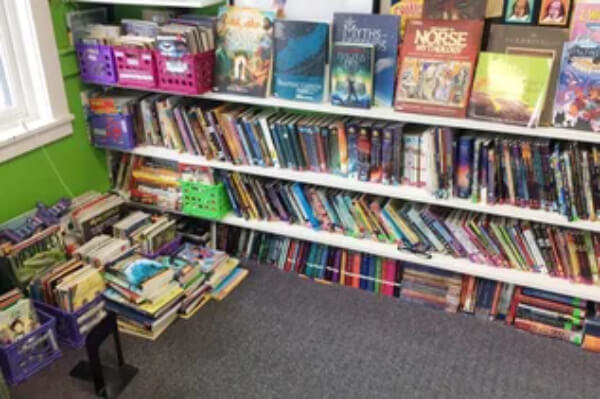
Image Source/Tutorial: Instructables
Materials Required:
Bookshelves, Children’s books, Storage baskets
Procedure:
Arrange books by size or reading level. Allow students to choose books during reading time.
Absent Work Classroom Bin
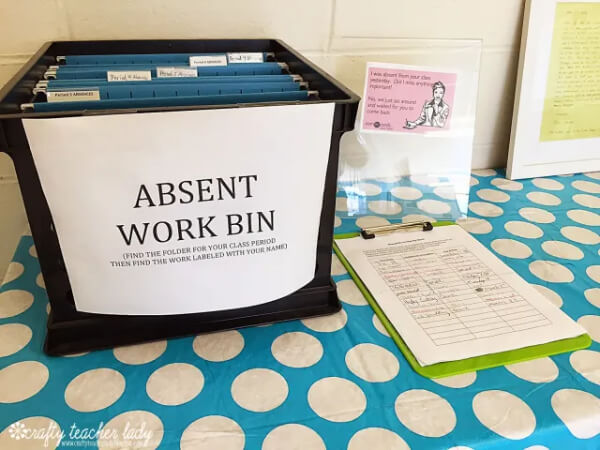
Image Source/Tutorial: Crafty Teacher Lady
Materials Required:
Plastic bin hanging folders, printed label, Paper sheets
Procedure:
Place completed work into folders labeled by student name. Students collect their missed work after returning to class.
Data Collection Activities for Classroom | Fun Student Survey & Observation Learning
Explore engaging data collection activities for classroom learning using surveys, observations, and hands-on experiments. This tutorial helps students record, organize, and analyze data in fun ways. Ideal for teachers and kids to build critical thinking, scientific skills, and early math concepts through interactive classroom activities and real-life examples.
Why Data Collection Activities Are Important for Students
Data collection activities help students develop essential mathematical, analytical, and critical thinking skills. By gathering, organizing, and interpreting information, children learn how data is used to make decisions in everyday life. These hands-on activities transform abstract concepts into meaningful learning experiences, making statistics and graphing easier to understand.
Educational research suggests that active participation in collecting and analyzing data improves student engagement, problem-solving abilities, and understanding of mathematical concepts. When students create surveys, tally results, and display information through charts or graphs, they become more confident in interpreting real-world information.
Educational Benefits of Data Collection Activities
1. Develops Critical Thinking Skills
Students learn how to ask questions, gather information, identify patterns, and draw conclusions from collected data.
2. Strengthens Mathematical Understanding
Data collection introduces important math concepts such as counting, tally marks, sorting, categorizing, graphing, and statistics.
3. Improves Observation Skills
Children become more attentive as they observe, record, and compare information from their surroundings.
4. Encourages Problem-Solving
Students learn to analyze information and make evidence-based decisions using collected data.
5. Builds Communication Skills
Many data collection activities involve surveys, interviews, and group discussions that improve speaking and listening skills.
6. Promotes Real-World Learning
Students discover how data is used in science, business, sports, weather forecasting, healthcare, and everyday decision-making.
Tips for Conducting Successful Data Collection Activities
- Use topics that relate to students’ interests and daily experiences.
- Keep survey questions simple and age-appropriate.
- Encourage students to record information accurately.
- Use visual tools such as tally charts, pictographs, bar graphs, and pie charts.
- Allow students to discuss patterns and findings after collecting data.
- Incorporate group projects to promote teamwork and collaboration.
- Connect data collection activities with real-life situations whenever possible.
Skills Students Learn Through Data Collection
Through regular data collection activities, students develop:
- Data literacy skills
- Mathematical reasoning
- Graph interpretation
- Logical thinking
- Communication skills
- Teamwork and collaboration
- Observation and recording skills
- Decision-making abilities
- Analytical thinking
- Presentation skills
These transferable skills support success across multiple academic subjects and prepare students for future learning experiences.
FAQs
Q1. What are data collection activities for students?
Answer: Data collection activities are hands-on learning tasks where students gather, organize, and analyze information using surveys, observations, tally charts, graphs, and other recording methods.
Q2. Why are data collection activities important in the classroom?
Answer: These activities help students develop critical thinking, mathematical reasoning, problem-solving, observation, and communication skills while learning how data is used in real life.
Q3. What are some examples of data collection activities?
Answer: Students can conduct class surveys, weather tracking projects, favorite food polls, plant growth observations, attendance charts, and sports statistics investigations.
Q4. How do data collection activities support math learning?
Answer: They teach important mathematical concepts such as counting, tally marks, sorting, graphing, measuring, comparing data, and interpreting statistics.
Q5. Which age groups can participate in data collection activities?
Answer: Data collection activities can be adapted for preschoolers, elementary students, middle school learners, and even high school students based on complexity.
Q6. What materials are needed for data collection activities?
Answer: Common materials include worksheets, tally charts, notebooks, pencils, clipboards, measuring tools, graph paper, and digital spreadsheets.
Data collection activities make learning interactive, meaningful, and engaging for students of all ages. By collecting, organizing, analyzing, and presenting information, children develop important math, critical thinking, and problem-solving skills. These hands-on classroom activities help students understand how data influences everyday decisions while building confidence in interpreting information and communicating their findings effectively.
Creative crafts + joyful learning = happy kids every day! Join our family on Telegram, YouTube & Facebook.
Reviewed by Yash Sharma
More Articles from Kids’ Art & Craft
- Snow Science Activities For Kids
- Summer Activities For Kids
- 20+ Learning Activities for Kids To Do At Home
- Art Activities For 2-Year-Olds
- Creative Drawing & Coloring Activities for Kids