
Games
Fun Ways to Teach Letter Recognition


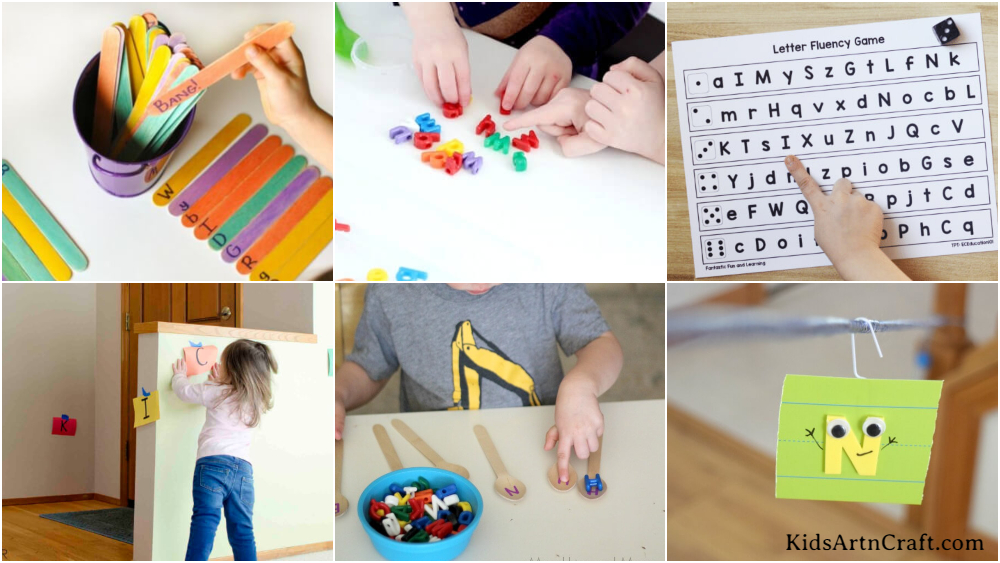
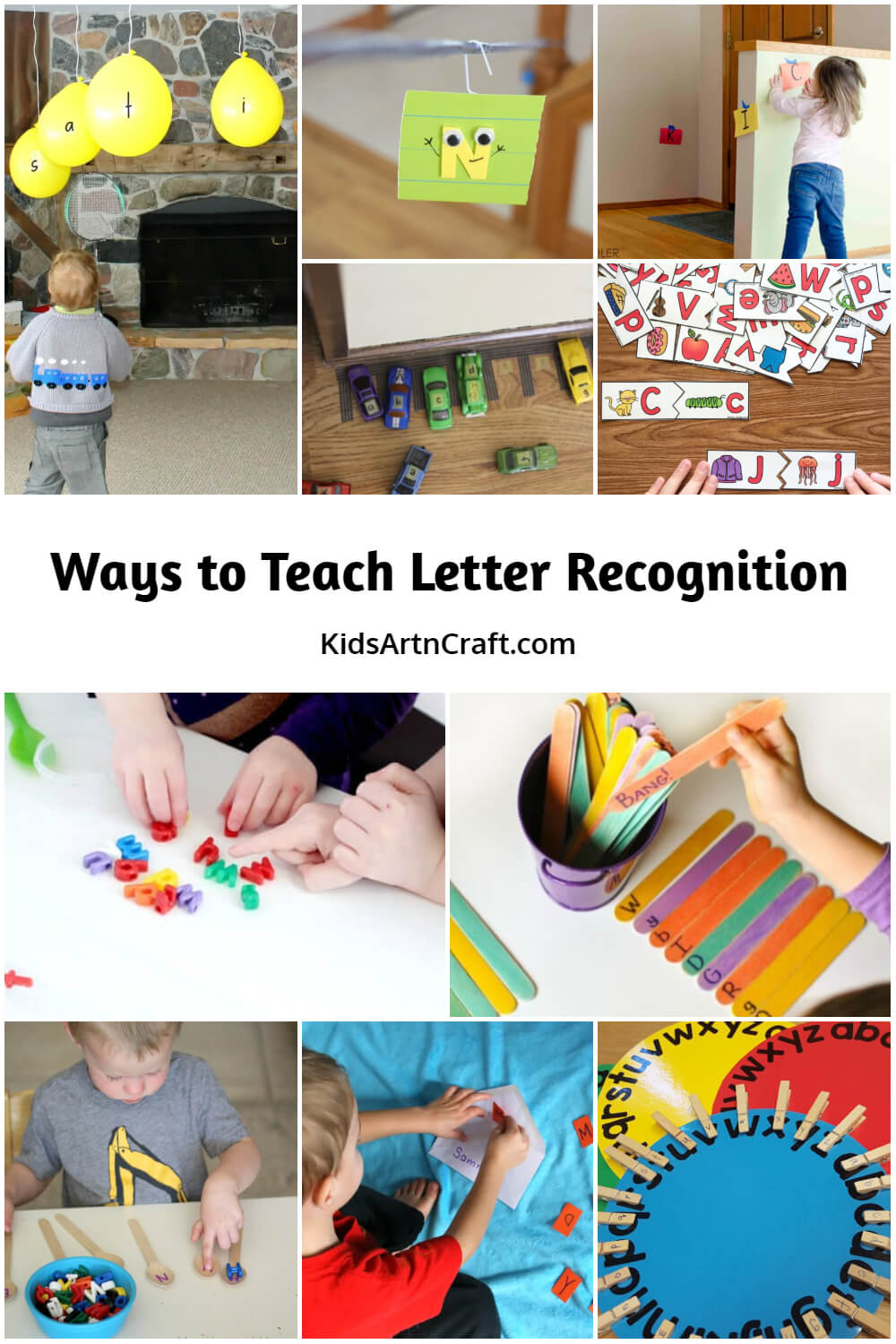
We hope you’re aware of the importance of letter recognition in early childhood. Do you know how to teach a 5-year-old to recognize letters? We are here with fun ways to teach letter recognition, like mail play, letter strip, fluency game, clip activity, recognition, car parking, name search, swat the letter, recognition soup, searching, zip line, swat the balloons, alphabet match, stamps and water sensory, puzzle.
Ways to Teach Letter Recognition
Read More: Toddler Pre-K Letter/Word Matching Printable Game
Name Letter Matching Activity for Toddlers
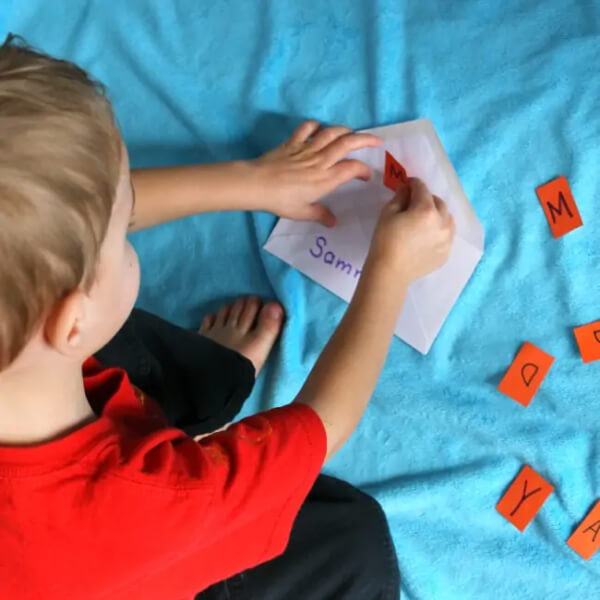
Image Source/Tutorial: How Wee Learn
Materials Required:
- Paper with the child’s name written
- Alphabet letter cards
- Marker
- Tape (optional)
Procedure:
Write the child’s name on paper and prepare separate letter cards. Let the child find and place the correct letters to match their name.
Letter Strip Reading Practice for Kids
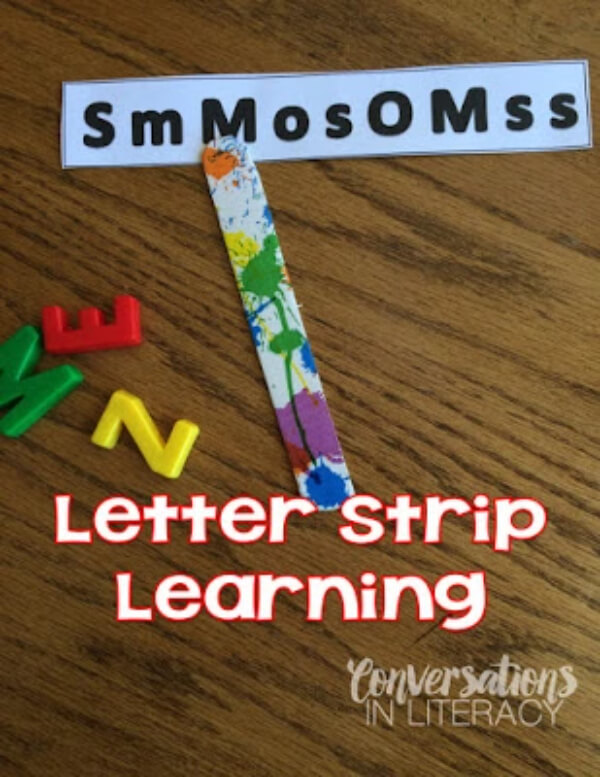
Image Source/Tutorial: Conversations In Literacy
Materials Required:
- Printed letter strip
- Popsicle stick pointer
- Alphabet magnets or letters
Procedure:
Place the letter strip on a table and give the child a pointer stick. Ask them to point to and say each letter from the strip.
Letter Fluency Alphabet Game with Dice
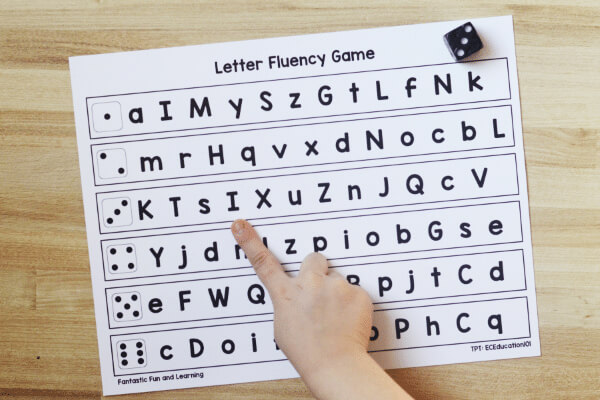
Materials Required:
- Alphabet fluency worksheet
- Dice
- Pencil or finger pointer
Procedure:
Roll the dice and find the row that matches the number. Point to the letters in that row and say them aloud.
Alphabet Matching Wheel with Clothespins
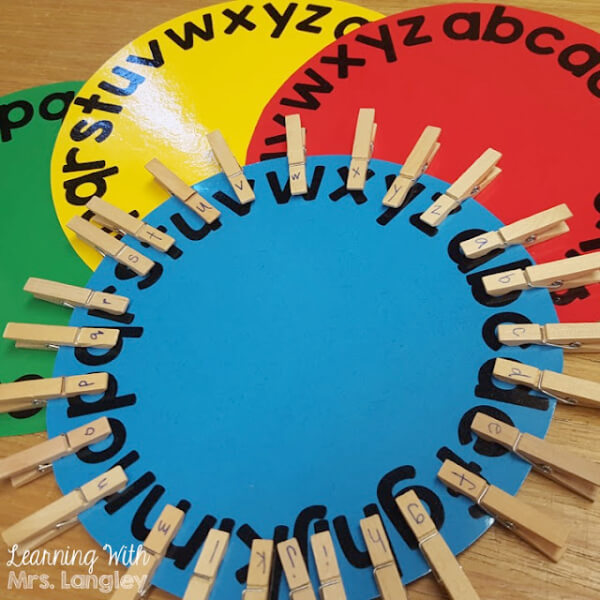
Image Source/Tutorial: Learning With Mrs. Langley
Materials Required:
- Colored cardboard circles
- Marker
- Clothespins
- Glue
Procedure:
Write alphabet letters around a cardboard circle. Kids clip clothespins with matching letters onto the correct spots.
Popsicle Stick Word Building Literacy Activity
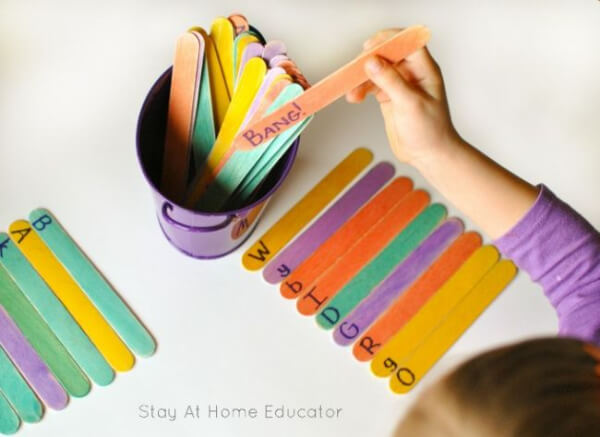
Image Source/Tutorial: Stay at Home Educator
Materials Required:
- Colored popsicle sticks
- Marker
- Cup or container
Procedure:
Write letters on popsicle sticks and place them in a cup. Kids pick sticks and arrange them to form simple words.
Alphabet Parking Lot Game for Kids
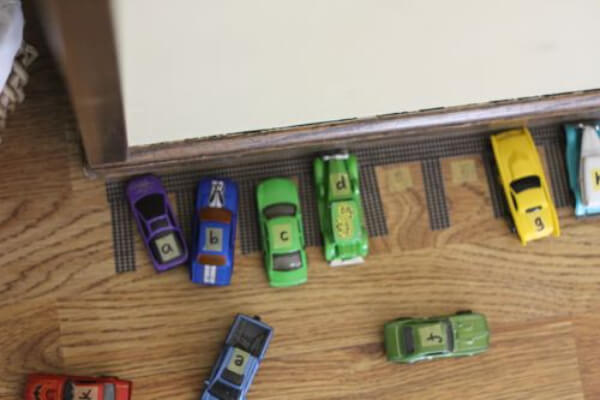
Image Source/Tutorial: I Can Teach My Child
Materials Required:
- Toy cars
- Paper letters
- Tape
- Floor space
Procedure:
Write letters on parking spaces using paper or tape. Kids park each toy car on the matching letter spot.
Read More: Interesting Letter Learning Activities For Preschoolers
Alphabet Sensory Bin Letter Search
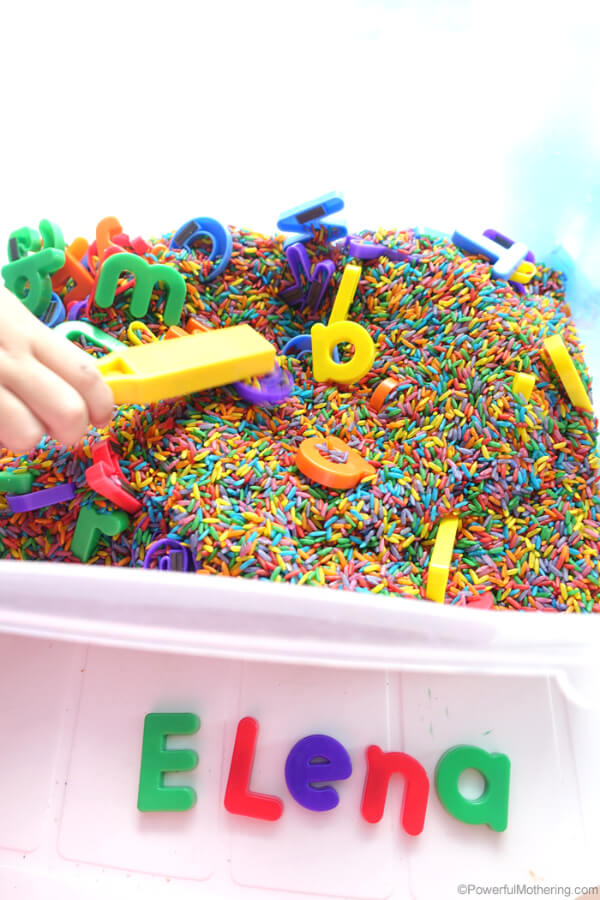
Materials Required:
- Plastic container
- Colored rice or sensory filler
- Plastic alphabet letters
- Scoop or spoon
Procedure:
Fill a bin with colored rice and hide alphabet letters inside. Kids dig through the bin and find the hidden letters.
Alphabet Swat Learning Game for Kids
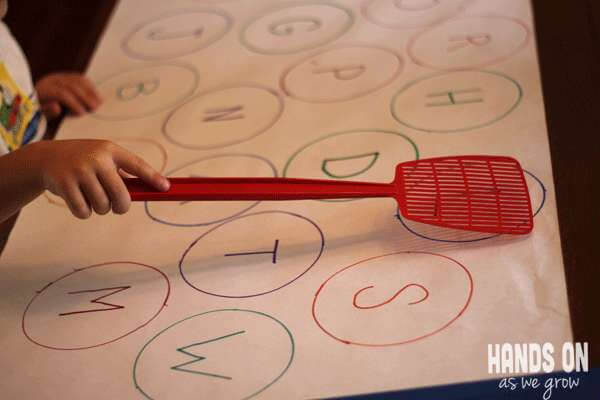
Image Source/Tutorial: Hands On As We Grow
Materials Required:
- Large paper
- Marker
- Fly swatter
Procedure:
Write large alphabet letters inside circles on paper. Call out a letter and let the child swat the correct one.
Alphabet Spoon Matching Game for Toddlers
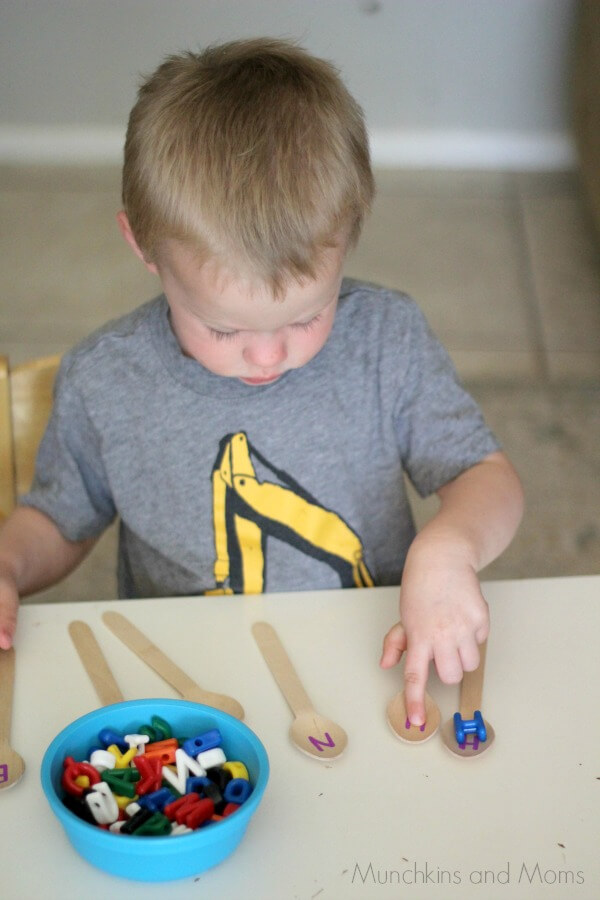
Image Source/Tutorial: Play, Teach, Repeat
Materials Required:
- Wooden spoons
- Alphabet beads or letters
- Bowl
Procedure:
Write letters on the end of each wooden spoon. Kids pick the matching alphabet bead and place it on the correct spoon.
Sticky Wall Alphabet Learning Activity
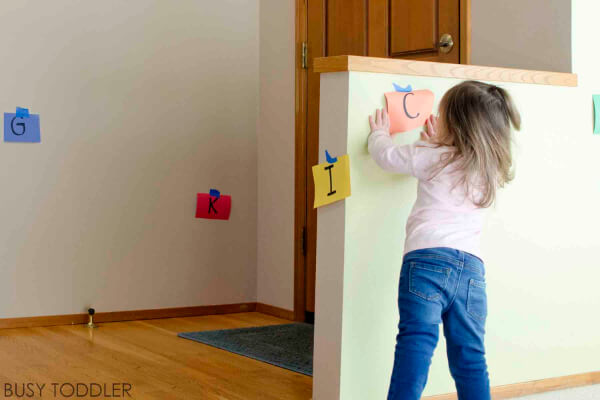
Image Source/Tutorial: Busy Toddler
Materials Required:
- Alphabet cards
- Painter’s tape
- Wall or board
Procedure:
Tape alphabet cards on the wall around the room. Ask the child to find and stick the correct letter on the board.
Hanging Alphabet Letter Craft for Kids
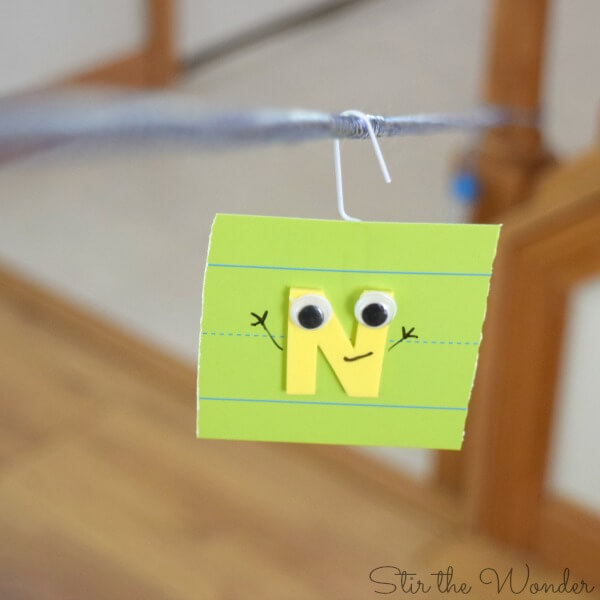
Image Source/Tutorial: Stir the Wonder
Materials Required:
- Colored paper
- Alphabet cutouts
- Googly eyes
- String or thread
- Glue and marker
Procedure:
Cut out alphabet letters and decorate them with eyes and drawings. Attach the letter to a card and hang it on a string for display.
Read More: Learn To Draw Easy Drawings From Words
Balloon Letter Pop Alphabet Game for Kids
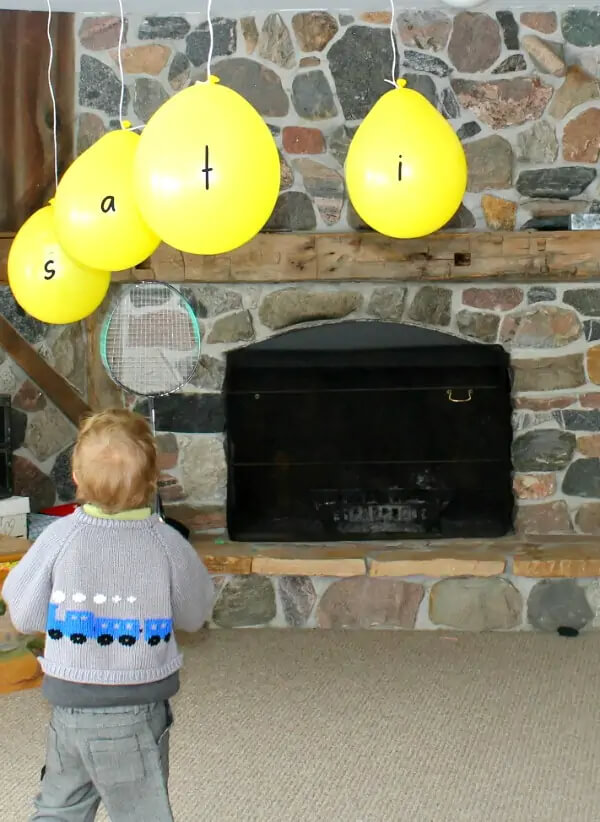
Image Source/Tutorial: How Wee Learn
Materials Required:
- Balloons
- Marker
- String
- Small racket or stick
Procedure:
Write alphabet letters on balloons and hang them with a string. Call out a letter and let the child pop the matching balloon.
Uppercase and Lowercase Letter Matching Game
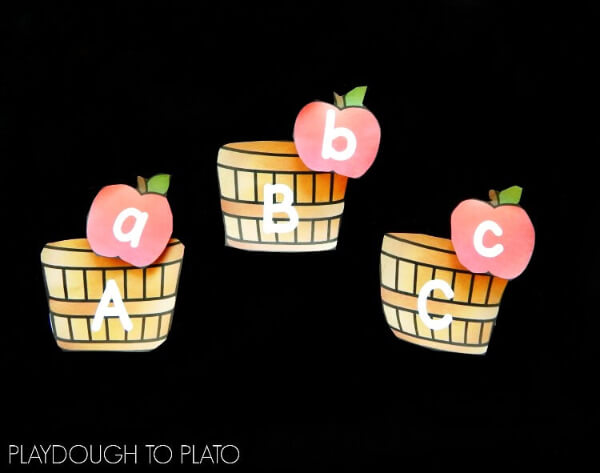
Image Source/Tutorial: Playdough to Plato
Materials Required:
- Printed alphabet cards
- Scissors
- Small basket or container
Procedure:
Cut out the alphabet cards showing uppercase and lowercase letters. Ask kids to match the uppercase letter with the correct lowercase one.
Playdough Alphabet Letter Stamping Activity
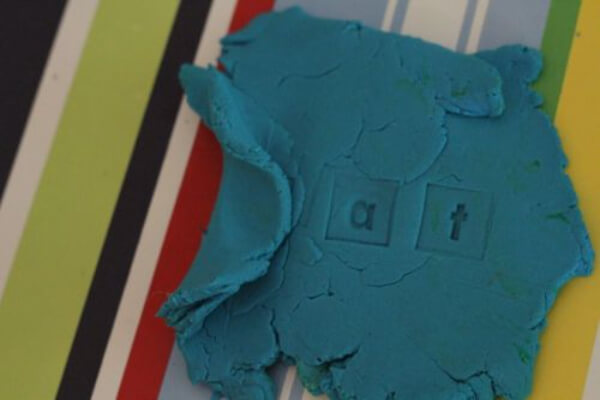
Image Source/Tutorial: I Can Teach My Child
Materials Required:
- Playdough
- Alphabet stamps or letter blocks
- Tray or mat
Procedure:
Spread playdough on a flat surface. Press alphabet stamps into the dough to create letter impressions.
Alphabet Sorting Activity with Letter Cubes
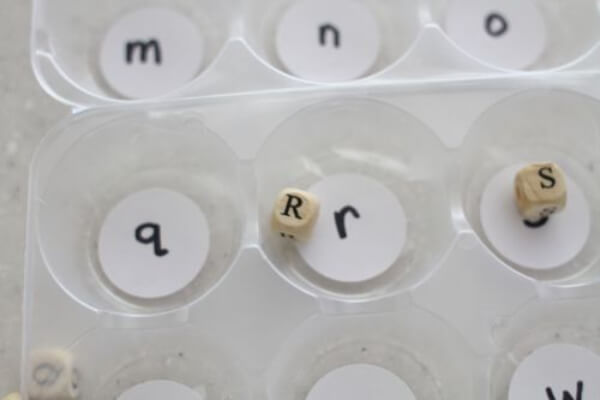
Image Source/Tutorial: I Can Teach My Child
Materials Required:
- Ice cube tray
- Printed alphabet circles
- Letter cubes or beads
Procedure:
Place alphabet letters inside each tray compartment. Kids sort and place the matching letter cube into the correct space.
Alphabet Bead Learning Activity for Toddlers
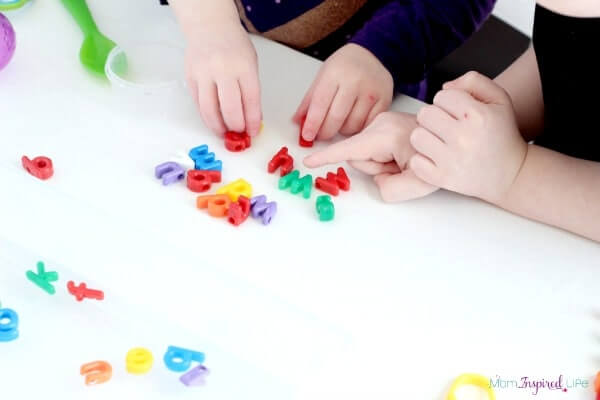
Image Source/Tutorial: Fun Learning for Kids
Materials Required:
- Alphabet beads
- Small container
- Table or tray
Procedure:
Spread alphabet beads on the table. Ask children to pick and identify each letter.
Alphabet Picture Puzzle Matching Game
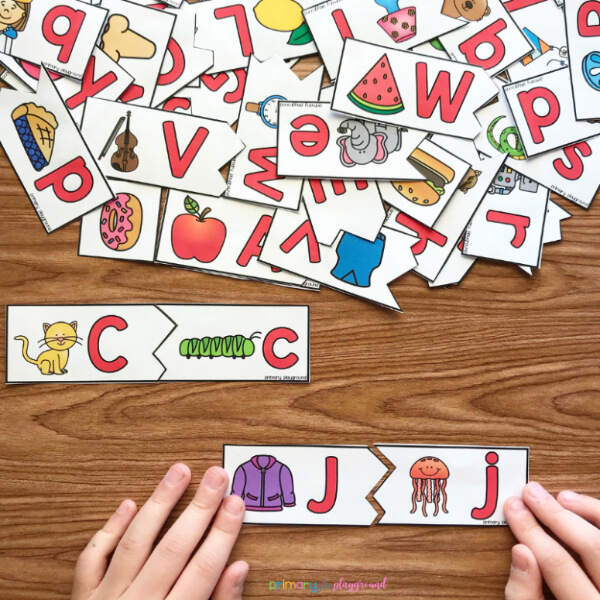
Image Source/Tutorial: PrimaryPlaygroundd
Materials Required:
- Alphabet puzzle cards
- Scissors
- Table or play mat
Procedure:
Cut the puzzle cards that show letters and pictures. Kids match the correct letter piece with its picture.
Fun Ways to Teach Letter Recognition: Step-by-Step Tutorial
Learn fun ways to teach letter recognition with this step-by-step tutorial for kids. Discover simple alphabet learning activities, engaging games, and creative teaching ideas that help preschool and kindergarten children recognize letters easily. Perfect for parents, teachers, and homeschoolers looking for effective early literacy activities.
Why Letter Recognition Is Important for Early Literacy
Letter recognition is one of the most important early literacy skills children develop before learning to read. When children can identify and name letters, they begin to understand that letters represent sounds and combine to form words. This knowledge helps build phonemic awareness, vocabulary, reading fluency, and writing skills.
Strong letter recognition skills can help children:
- Recognize uppercase and lowercase letters
- Connect letters with their sounds
- Build confidence in reading readiness
- Improve spelling and writing abilities
- Develop stronger language and communication skills
Children who enter kindergarten with a solid understanding of letters are often better prepared for future reading success.
Signs Your Child Is Learning Letter Recognition
Every child learns at their own pace, but several signs indicate progress in letter recognition:
- Identifies letters in books, signs, and labels
- Recognizes the letters in their own name
- Matches uppercase and lowercase letters
- Points out familiar letters during daily activities
- Begins connecting letters with sounds
- Attempts to write or trace alphabet letters
Celebrating these small achievements can encourage children to stay motivated and engaged.
Tips for Teaching Letter Recognition at Home
Parents play an important role in supporting early literacy. Here are some simple ways to encourage letter learning throughout the day:
Read Alphabet Books Together
Choose colorful alphabet books that feature letters, pictures, and simple words. Ask your child to point to specific letters while reading.
Use Everyday Print
Help children identify letters on cereal boxes, street signs, food packaging, clothing labels, and store names.
Focus on Your Child’s Name
Children are often most interested in the letters of their own name. Start by teaching those letters first before introducing the rest of the alphabet.
Practice Little and Often
Short daily activities are usually more effective than long lessons. Spending 10–15 minutes each day on letter games can lead to steady progress.
Common Letter Recognition Challenges
Some letters can be difficult for young learners because they look similar. Children may confuse:
- b and d
- p and q
- M and W
- n and h
To reduce confusion, introduce these letters separately and provide plenty of hands-on practice through tracing, matching, and sorting activities.
Learning Outcomes
After participating in letter recognition activities, children can:
- Identify and name alphabet letters
- Match uppercase and lowercase letters
- Associate letters with beginning sounds
- Improve visual discrimination skills
- Strengthen fine motor development
- Build confidence in early reading and writing
FAQs
Q1. At what age should children learn letter recognition?
Answer: Most children begin recognizing letters between ages 3 and 5, although every child develops at their own pace.
Q2. Should children learn uppercase or lowercase letters first?
Answer: Many educators introduce uppercase letters first because they are visually easier to distinguish.
Q3. How long does it take to learn letter recognition?
Answer: The timeline varies for each child. Consistent exposure through books, songs, games, and activities helps children learn more effectively.
Q4. What is the difference between letter recognition and phonics?
Answer: Letter recognition involves identifying and naming letters, while phonics focuses on the sounds letters make in words.
Q5. Can letter recognition activities improve reading skills?
Answer: Yes. Letter recognition is a foundational skill that supports reading, spelling, and writing development.
Letter recognition is a fundamental skill that lays the foundation for reading, writing, and effective communication. Through fun games, hands-on activities, books, and everyday learning opportunities, children can develop strong alphabet knowledge while enjoying the learning process. By providing consistent practice and encouragement, parents and teachers can help children build confidence and prepare for future academic success.
Where creativity meets learning! Discover exciting crafts, activities, and fun ideas for kids. Follow us on Telegram, YouTube & Facebook for daily updates.
Reviewed By Rachit Gupta
More Articles from Kids’ Art & Craft
- Learn to Make Animal Drawings
- Learn to Make Cute Animals in Simple Steps
- Math Game Ideas For 3rd Grade
- Number Learning Activities For Kids
- Pencil Drawings for Kids – A Walk Through The World Of Dazzling Arts