

Kids Activities
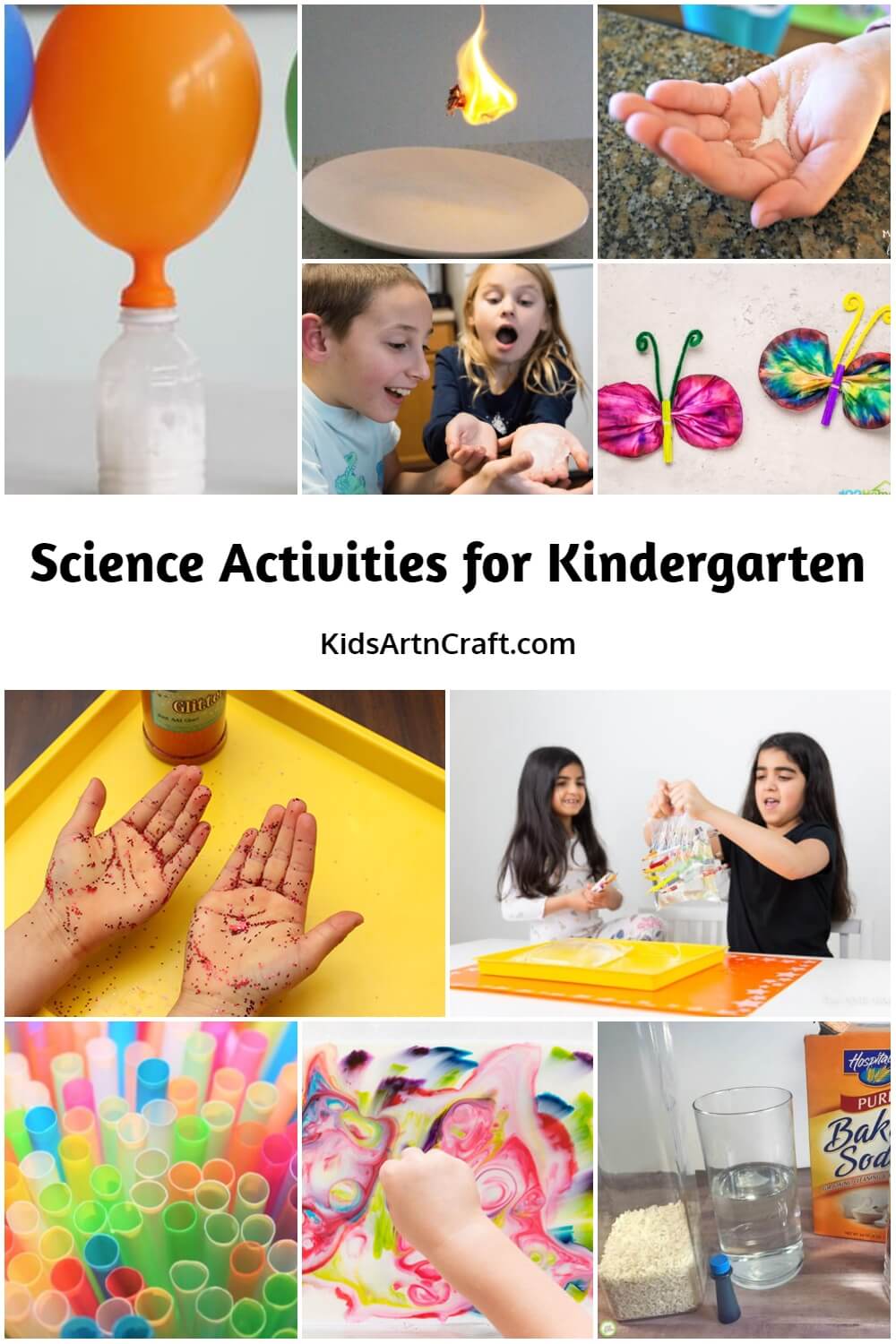
Science Activities for Kindergarten


Science is one of the most important subjects, and the thing that makes it interesting is science experiments. Science experiments help students to explore the working of objects they use in their day-to-day lives. According to research, doing science experiments at a young age improves problem-solving and observation skills.
Making your child excited about scientific facts, science experiments, and activities can help you a lot. It is a bit difficult to create interest in kindergarten kids in science. But through science experiments, you can take advantage of their boundless curiosity.
Through science experiments, you can easily teach typical concepts of physics, biology, and chemistry to small kids, as it is fun to learn with working objects rather than books. Science experiments help them to develop a scientific bent in their mind. These activities are really simple yet interesting and can be easily performed at home under the guidance of parents.
These kindergarten activities don’t require any expensive materials. You can easily arrange the materials with the daily household items you use in your day-to-day life, like baking powder, balloons, paint, bottles, jars, etc. Here is a list of some very easy yet amazing science experiments for kids of all age groups that they can enjoy during their summer vacations. So grab your lab coats and goggles and explore the fun and interesting facts of science. Happy learning!!
Science Activities for Kindergarten
Read More: Snow Science Activities For Kids
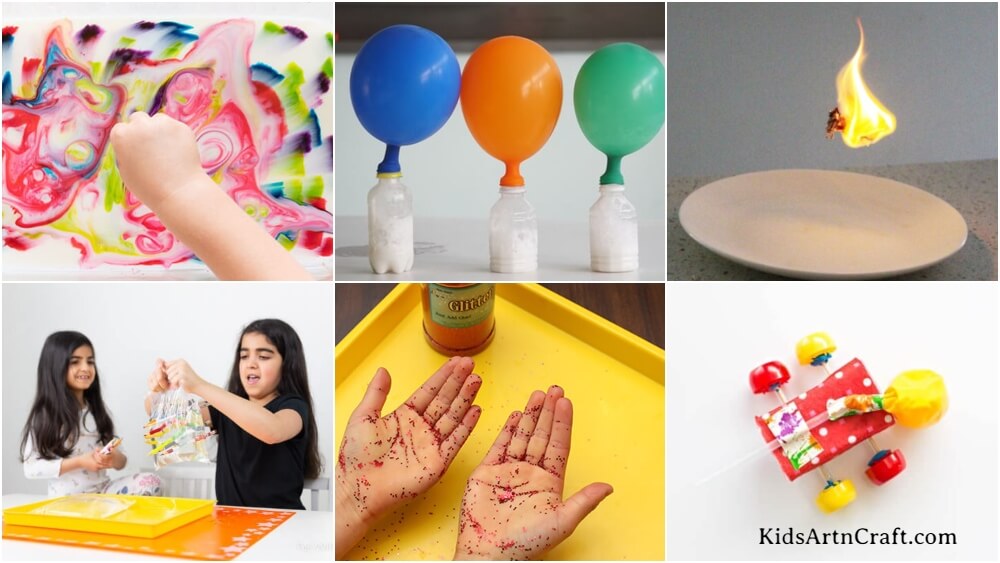
Glitter Germ Spread Demonstration
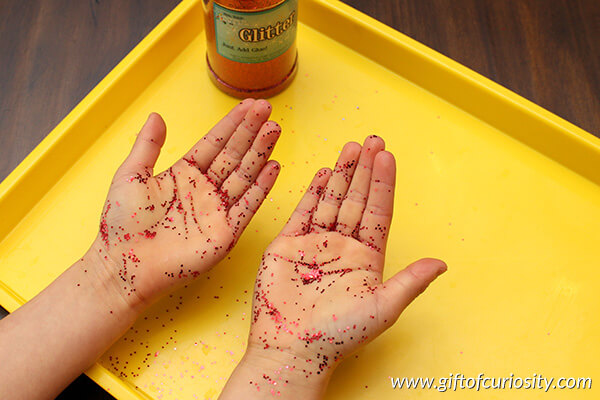
A visual way to teach how germs spread and why washing hands is important. Image Source/Tutorial: Gift of Curiosity
Materials Required:
Glitter, lotion or oil, soap + water for cleanup
Procedure:
Rub lotion and glitter on hands to represent germs. Touch objects to show transfer, then wash to observe how hard germs are to remove.
Ice Cube Painting with Spray Bottle – Fun Outdoor Art
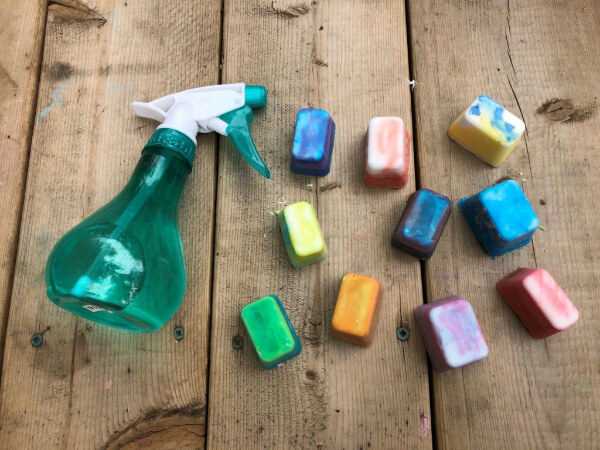
A messy outdoor painting fun using frozen paint cubes and spray mist. Image Source/Tutorial: The Play-Based Mom
Materials Required:
Water + paint/food color, ice tray, spray bottle, paper
Procedure:
Freeze colored water into cubes and set paper outside. Spray water over the cubes and watch colors melt into beautiful art.
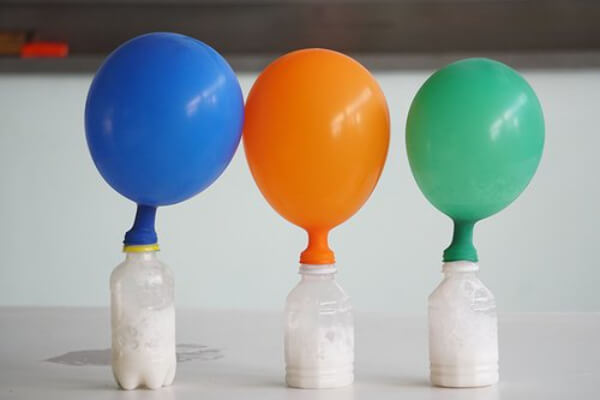
Self-Inflating Balloon Science Experiment
Materials Required:
Balloon, small bottle, baking soda, vinegar, funnel
Procedure:
Fill a bottle with vinegar and a balloon with baking soda. Attach the balloon to the bottle’s mouth, lift to drop powder, and watch it inflate!
Dancing Rice Baking Soda & Vinegar Experiment
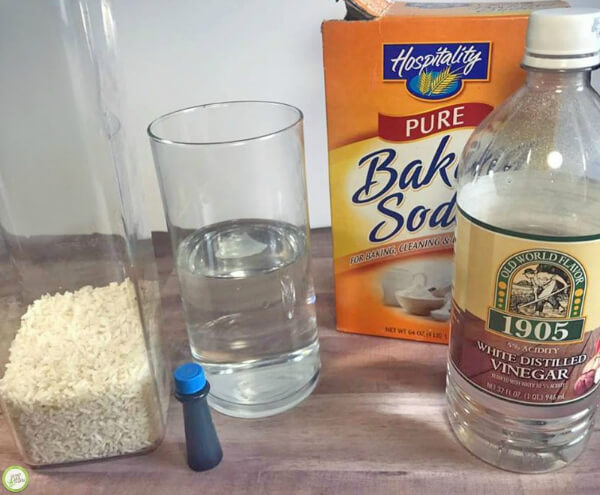
A fizzy kid-friendly experiment that makes rice dance like magic. Image Source/Tutorial: Green Kid Crafts
Materials Required:
Rice, baking soda, vinegar, glass, water, and food coloring
Procedure:
Mix baking soda, water, and rice in a cup. Add vinegar and watch the bubbles lift the rice up and down like dancing.
Colorful Straw STEM Engineering Build
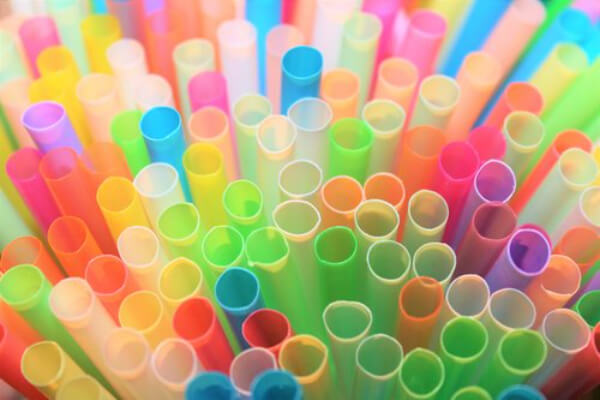
Build bridges, towers, and creative designs using simple straws. Image Source/Tutorial: Education
Materials Required:
Straws, tape, or pipe cleaners, scissors
Procedure:
Cut and connect straws to form shapes. Strengthen joints with tape and build bigger structures.
Read More: Scientific Crafts for Toddlers Using Straws – Cool Science Projects
Coffee Filter Tie-Dye Butterfly Craft
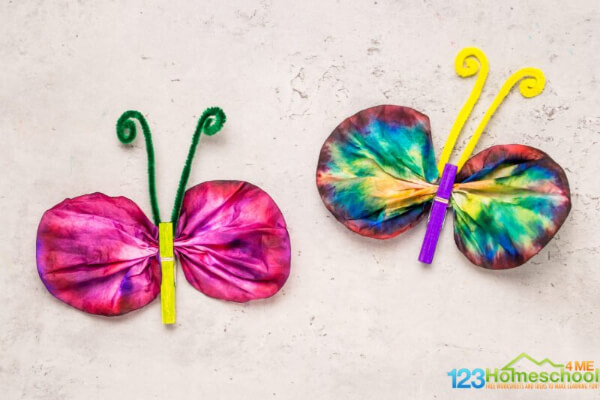
Beautiful coffee-filter butterflies with vivid tie-dye wings. Image Source/Tutorial: 123Homeschool4me
Materials Required:
Coffee filters, markers/watercolors, spray bottle, clothespins, pipe cleaners
Procedure:
Color coffee filters, spray lightly, and let colors spread. Pinch the center with a clothespin, add pipe cleaner antennae, and open wings.
Homemade Balloon-Powered Car STEM Activity
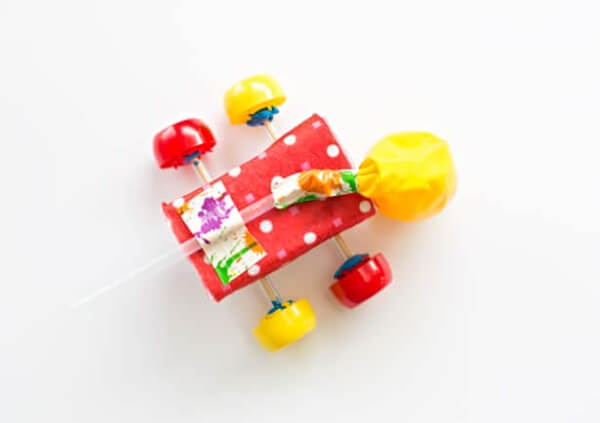
A playful STEM car that moves using the power of air released from a balloon. Image Source/Tutorial: Hello Wonderful
Materials Required:
Balloon, straw, wheels (bottle caps/LEGO), cardboard, tape
Procedure:
Attach wheels to a cardboard base and tape a straw with a balloon at the back. Blow the balloon, place the car down, release, and watch it zoom forward.
Color Changing Cabbage Leaf Science Experiment
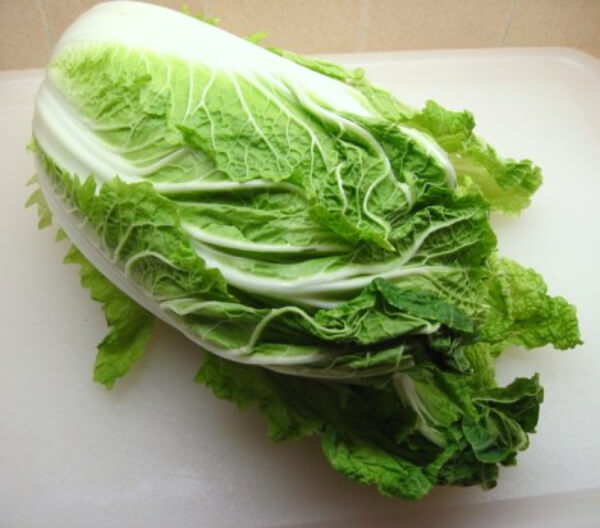
Explore how plants drink water using cabbage leaves and colored water. Image Source/Tutorial: Itsy Sparks
Materials Required:
Cabbage, food coloring, clear cups, water
Procedure:
Place cabbage leaves in colored water. Observe over time as the leaves slowly change color through absorption.
Fire Floating Trick – Heat Expansion Demonstration
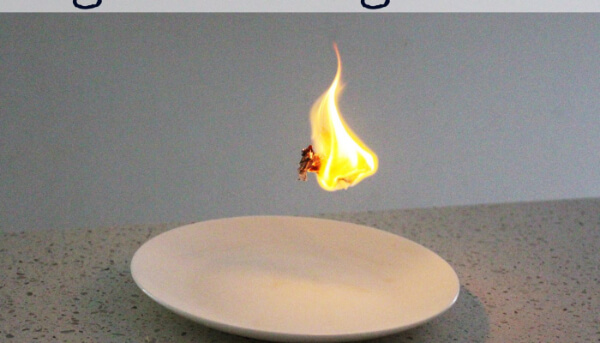
A heat-lift fire trick showing how hot air rises — strictly supervised science only. Image Source/Tutorial: Paging Fun Mums
Materials Required:
Paper bits, lighter/match, fireproof plate (adult only)
Procedure:
Light a tiny twisted paper piece and place it on a plate. As hot air rises, the burning ash lifts briefly — perform only with an adult present.
Crayon Melting Mold Art Activity
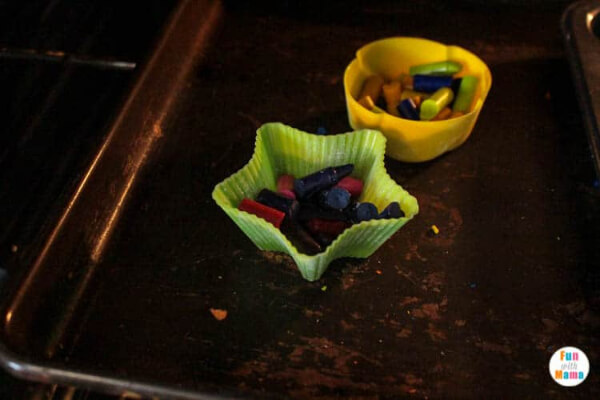
Recycle broken crayons by melting them into colorful new art pieces. Image Source/Tutorial: Fun with Mama
Materials Required:
Old crayons, silicone mold, oven, tray
Procedure:
Place crayon pieces inside molds and heat gently in the oven. Cool completely and pop out your brand-new crayon shapes.
Read More: Ice Science Experiments For Kids
Mystery Smell Sensory Cards Activity
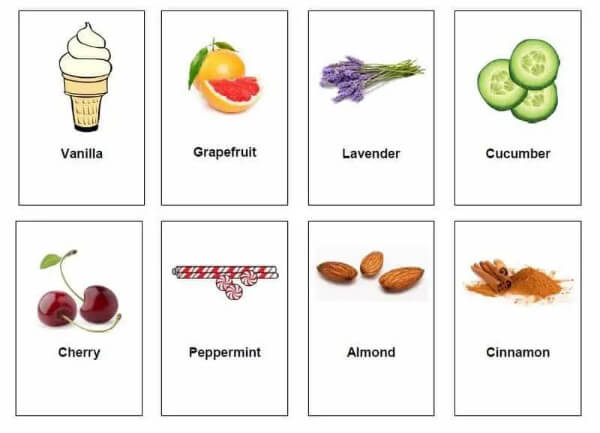
A fun scent recognition game using smell-matching picture cards. Image Source/Tutorial: Things to Share and Remember
Materials Required:
Smell cards, cotton pads, extracts/essential scents
Procedure:
Add matching scents to cotton pads and let children smell & match. Encourage them to describe scents — sweet, sharp, fruity, or herbal.
Static Electricity Salt & Pepper Separator
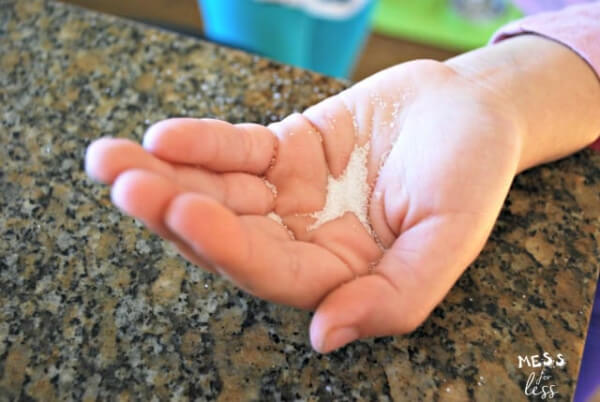
Create static electricity and watch tiny particles cling and move. Image Source/Tutorial: Mess for Less
Materials Required:
Salt/pepper mix, balloon or cloth, plate
Procedure:
Rub a balloon on fabric to create static, then hover over salt/pepper. Watch particles leap upward and separate toward charged surfaces.
Salt and Ice Melting Sensory Experiment
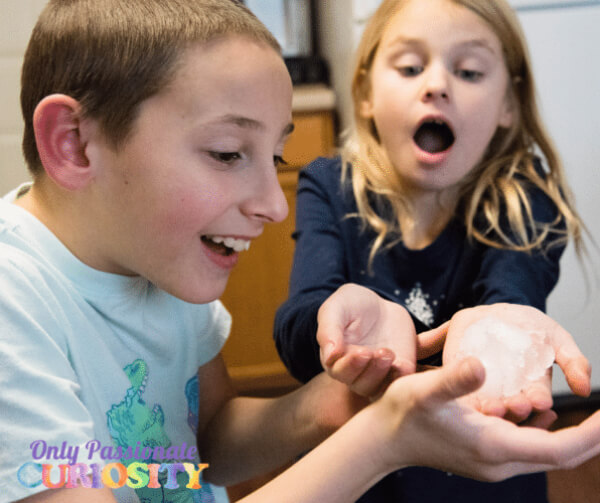
Explore how salt speeds up melting and changes ice texture. Image Source/Tutorial: Only Passionate Curiosity
Materials Required:
Ice block, salt, tray, optional food color
Procedure:
Sprinkle salt over the ice and observe melting channels form quickly. Add color to highlight patterns for extra visual fun.
Magnet-Controlled Painting Activity
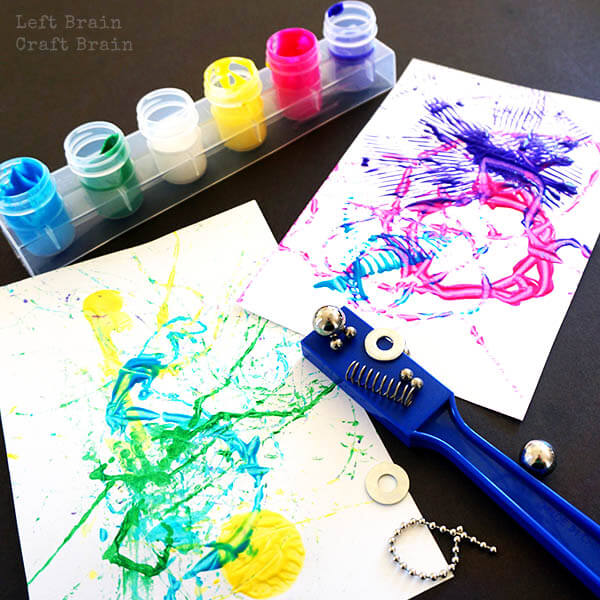
Use magnets to drag steel balls through paint and form unique artwork. Image Source/Tutorial: Left Brain Craft Brain
Materials Required:
Paint, paper, metal ball bearings, magnets, tray
Procedure:
Place paint blobs on paper, add metal balls, and move them using a magnet underneath. Watch as lines and splatters form with every magnetic pull.
Arrow Direction Water Refraction Experiment
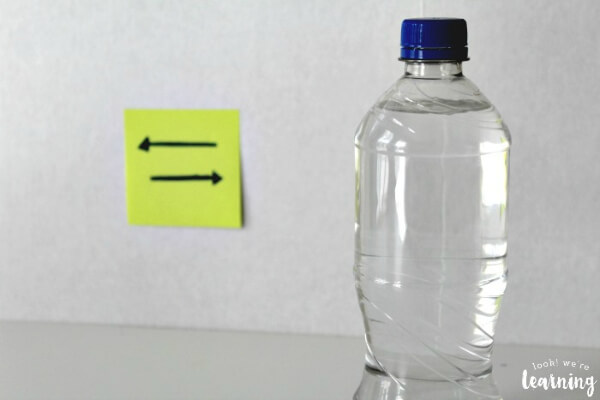
A simple bottle and water trick that makes arrows appear reversed. Image Source/Tutorial: Look We’re Learning
Materials Required:
Water bottle, white paper, marker, water
Procedure:
Draw arrows on paper and place a full water bottle in front. Look through the bottle — the arrow direction reverses due to refraction.
Leak-Proof Water Bag Pencil Science Trick
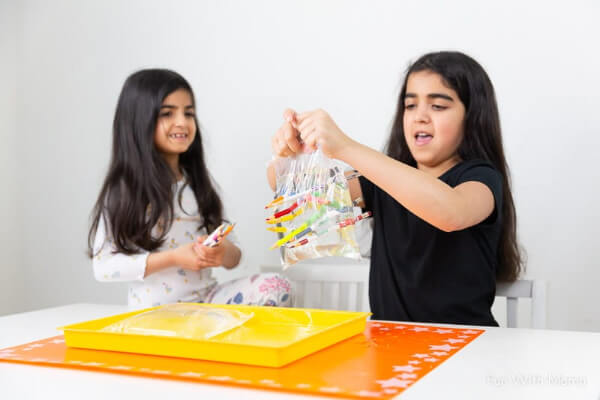
A mind-blowing experiment showing polymer sealing that stops leaks. Image Source/Tutorial: Fun with Mama
Materials Required:
Zip bag, water, sharp pencils
Procedure:
Fill the bag with water and carefully push pencils straight through. The bag seals around each pencil — watch kids’ amazement rise.
Floating Paperclips Magnetic Gravity Activity
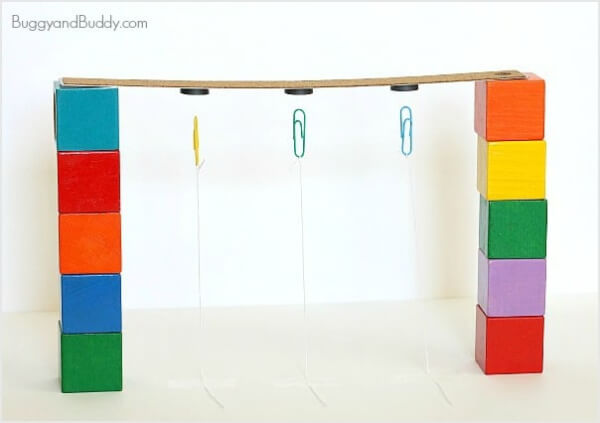
A hands-on gravity experiment exploring magnetic force and balance. Image Source/Tutorial: Buggy and Buddy
Materials Required:
Cardboard, magnets, paperclips, building blocks
Procedure:
Place magnets on top of the cardboard and hang paperclips below. Adjust height until the clips float mid-air under magnetic pull.
Magic Milk Color Swirl Science Experiment
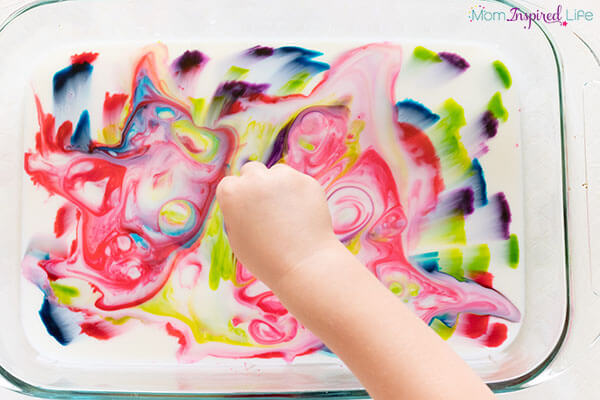
Watch colors dance and mix magically as soap breaks surface tension in milk. Image Source/Tutorial: Fun Learning for Kids
Materials Required:
Milk, food coloring, dish soap, tray/casserole dish, cotton swab
Procedure:
Add drops of food coloring to milk, then touch with dish soap. Colors instantly swirl and separate, demonstrating surface tension changes.
Science Activities for Kindergarten Step-by-Step Tutorial | Easy Fun DIY Experiments for Kids
Learn science activities for kindergarten with this step-by-step tutorial! Discover fun and easy DIY experiments using simple household materials. Perfect for young learners, these engaging activities boost curiosity, observation skills, and creativity while teaching basic science concepts through hands-on learning and exciting experiments at home or in the classroom.
Benefits of Science Activities for Kindergarten Students
Encourages Curiosity and Exploration
Science experiments inspire children to ask questions and explore their surroundings with excitement and confidence.
Builds Observation Skills
Kids learn to notice changes, compare results, and describe what they see during experiments.
Supports STEM Learning
Early science activities introduce children to science, technology, engineering, and math concepts in an age-appropriate way.
Improves Communication Skills
Discussing predictions and observations helps children build vocabulary and improve speaking skills.
Develops Fine Motor Skills
Pouring, mixing, cutting, and sorting materials strengthen hand coordination and motor control.
Easy Materials Needed for Kindergarten Science Activities
Most kindergarten science projects can be created using affordable household supplies and classroom materials.
- Baking soda and vinegar
- Water and food coloring
- Plastic cups and bowls
- Paper towels
- Balloons
- Cotton balls
- Magnets
- Ice cubes
- Leaves and flowers
- Measuring spoons
- Milk and dish soap
Using simple materials makes science activities accessible for both classrooms and home learning.
Popular Kindergarten Science Activity Ideas
Here are some fun and beginner-friendly science experiments kids love:
- Magic Milk Color Experiment
- Baking Soda Volcano
- Sink or Float Activity
- Rainbow Walking Water Experiment
- Balloon Inflation Experiment
- Growing Bean Plants
- Ice Melting Investigation
- Magnet Discovery Activity
- Dancing Raisins Experiment
- Nature Scavenger Hunt
These projects encourage hands-on learning while making science exciting and memorable for young children.
Safety Tips for Kindergarten Science Experiments
Always supervise children during science activities, especially when using small objects, liquids, or kitchen ingredients. Choose non-toxic and child-safe materials whenever possible. Prepare the workspace in advance and encourage children to wash their hands after completing experiments.
For younger learners, adults can pre-measure ingredients and assist with pouring or mixing to ensure safety and reduce mess.
Tips for Teaching Science to Kindergarten Kids
- Keep activities short and interactive
- Use colorful and visually exciting experiments
- Ask simple questions during the activity
- Encourage kids to predict outcomes
- Let children explore with their senses
- Celebrate curiosity and creativity
Why Science Activities Are Important for Kindergarten Kids
Science activities help kindergarten children explore the world through observation, experimentation, and play. Simple experiments encourage curiosity and introduce young learners to basic STEM concepts in a fun and engaging way. Activities like sink-or-float tests, color mixing, and growing plants allow children to ask questions, make predictions, and discover how things work.
FAQs
Q1. What are the best science activities for kindergarten?
Answer: Simple experiments like volcano eruptions, sink-or-float tests, rainbow water walks, and magnet activities are great for kindergarten children.
Q2. Why are science activities important for young kids?
Answer: Science activities help children develop observation skills, critical thinking, creativity, and problem-solving abilities.
Q3. Can kindergarten science activities be done at home?
Answer: Yes! Most kindergarten science experiments use basic household materials and are easy to do at home with adult supervision.
Q4. What skills do kindergarteners learn from science projects?
Answer: Children learn prediction, observation, communication, motor coordination, and early STEM concepts through science activities.
Science activities for kindergarten make learning exciting, interactive, and meaningful for young children. Through simple hands-on experiments, kids can explore colors, motion, nature, reactions, and other fascinating science concepts in a fun way. Whether at home or in the classroom, these activities help build curiosity, creativity, and a lifelong love for learning.
Thank you and have a nice day!
Daily fun crafts, playful learning, and creative adventures for curious little minds! Connect with us on Telegram, YouTube & Facebook
Reviewed by Yash Sharma
More Articles from Kids’ Art & Craft
- Edible Science Experiments for Kids
- 1st Grade Science Projects for School
- Learning Activities for Preschoolers
- Easy Watermelon Crafts & Activities for Kids
- Penguin Winter Crafts & Activities for Kids