Kids Activities
Balloon Science Experiments for Kids


In today’s time, it is very important to expose your child to science, and it’s working. It is not only important for upgrading their knowledge but also helps them to discover the wonders that are possible through it. Doing experiments generates curiosity among the kids to explore more and more. But doing experiments at home with your little ones is a much more fun activity to do.
Doing science experiments with balloons is one of the easiest things for a kid to do. Balloons are not only meant for decoration but also work as an experimental tool for the kids, how exciting isn’t it?
Most of the experiments don’t require any expensive tools, just some household items, and of course, some balloons.
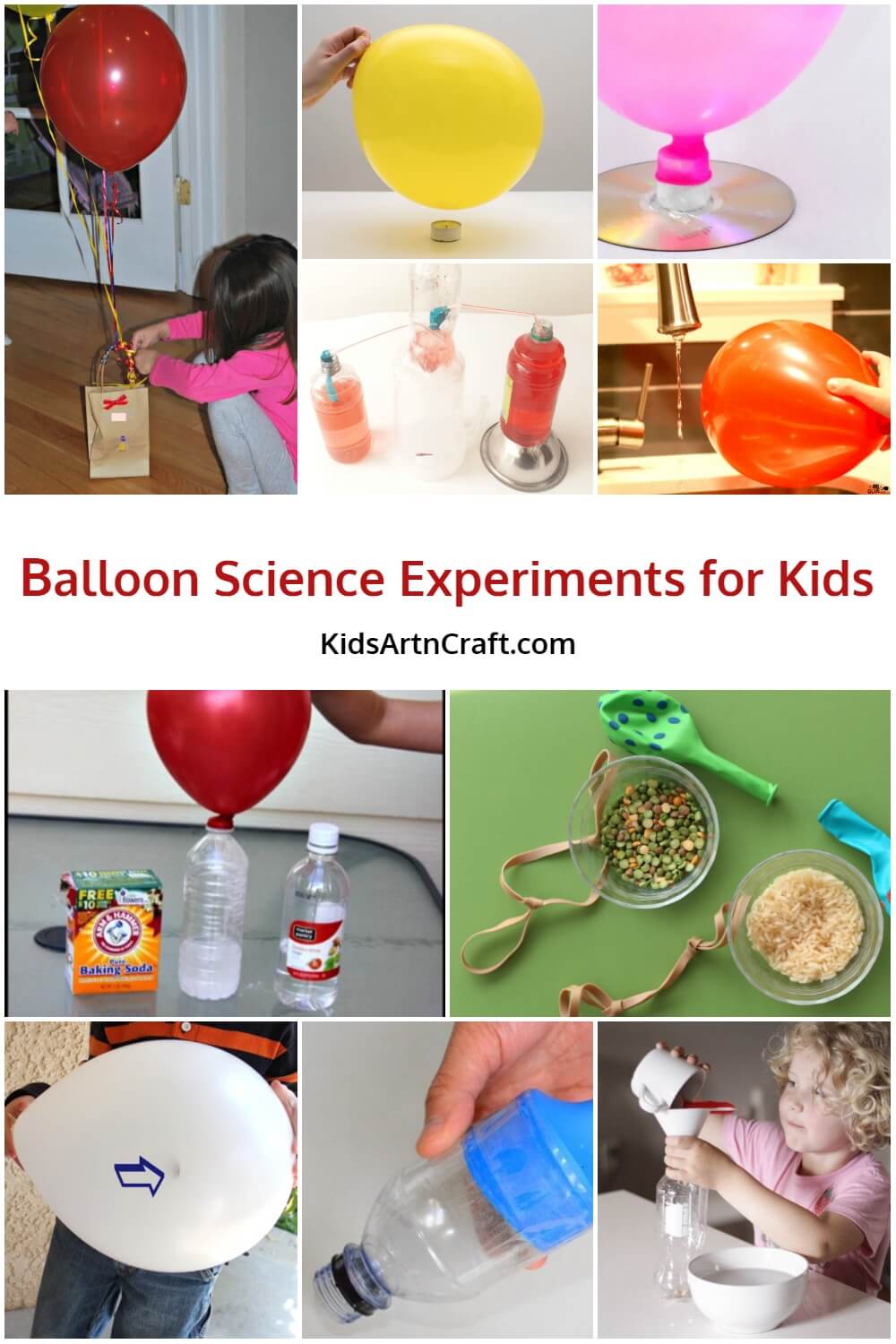
So let your child take the experience of being a scientist, and explore a different world of science at home. Here are some of the experiments that can be easily done at home with the help of balloons. Be ready to find the hidden scientist inside you.
Balloon Science Experiments for Kids
Read More: Funny Balloon Faces Craft for kids
DIY Balloon-Powered Car Science Experiment for Kids
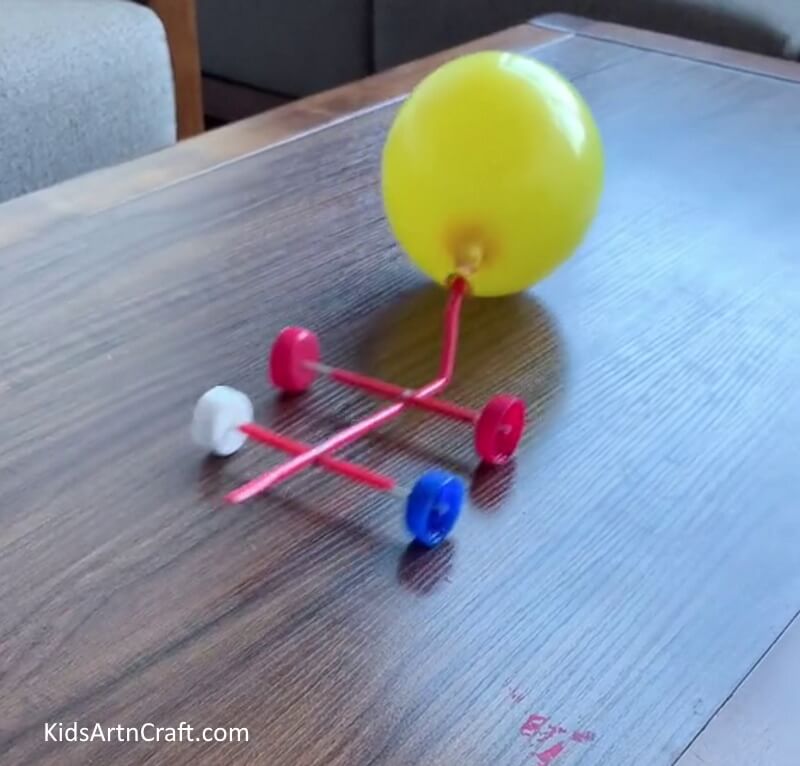
Image Source/Tutorial: Kids Art & Craft
Materials Required:
Balloon, straws, bottle caps, sticks/skewers, tape, cardboard base
Procedure:
Attach wheels using sticks and fix straws as the frame. Blow the balloon, release air, and watch the car move forward.
Balloon Science Activity Materials for Kids Experiment
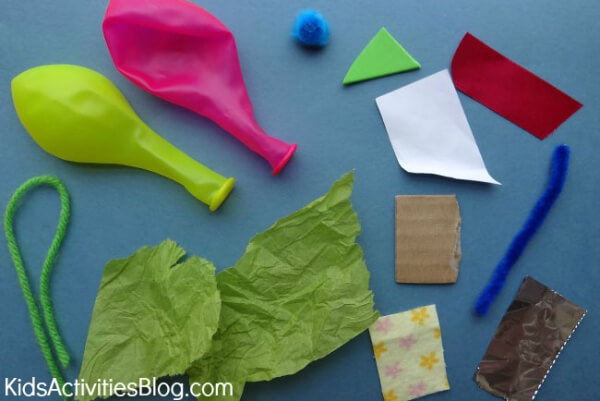
Image Source/ Tutorial: Kids activities blog
Materials Required:
Balloons, paper pieces, pipe cleaners, cardboard, tape, fabric scraps
Procedure:
Gather all colorful materials and balloons for the activity. Use them creatively to build balloon-powered or sensory crafts.
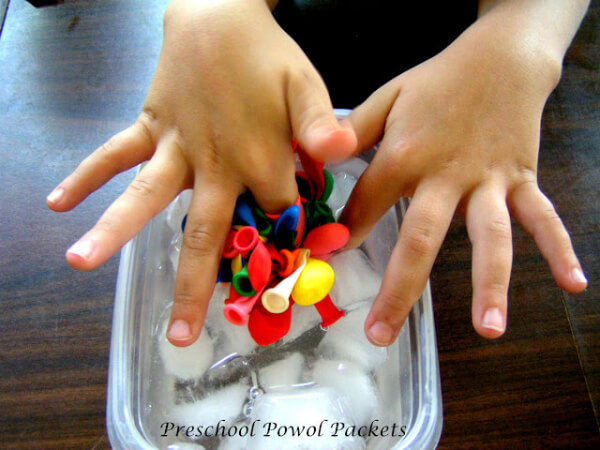
Frozen Balloon Sensory Play Activity for Preschoolers
Materials Required:
Balloons, water, freezer, container, small toys (optional)
Procedure:
Fill balloons with water and freeze them overnight. Let kids touch, squeeze, and explore the icy balloons.
Spinning Penny Balloon Science Experiment for Kids
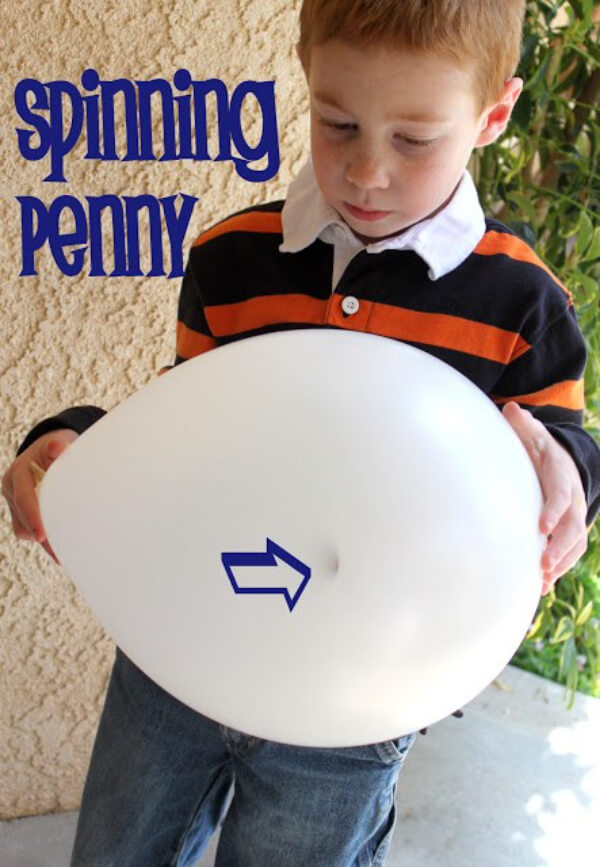
Image Source/ Tutorial: Jugglingwithkids
Materials Required:
Balloon, coin (penny), flat surface
Procedure:
Place a coin on a balloon surface and press slightly. Rotate or flick gently to make the coin spin.
Balloon Rocket Science Experiment for Kids: Outdoor Activity

Image Source/ Tutorial: Kids activities blog
Materials Required:
Balloon, string, straw, tape
Procedure:
Thread the string through a straw and attach a balloon to it. Release the balloon to watch it zoom along the string.
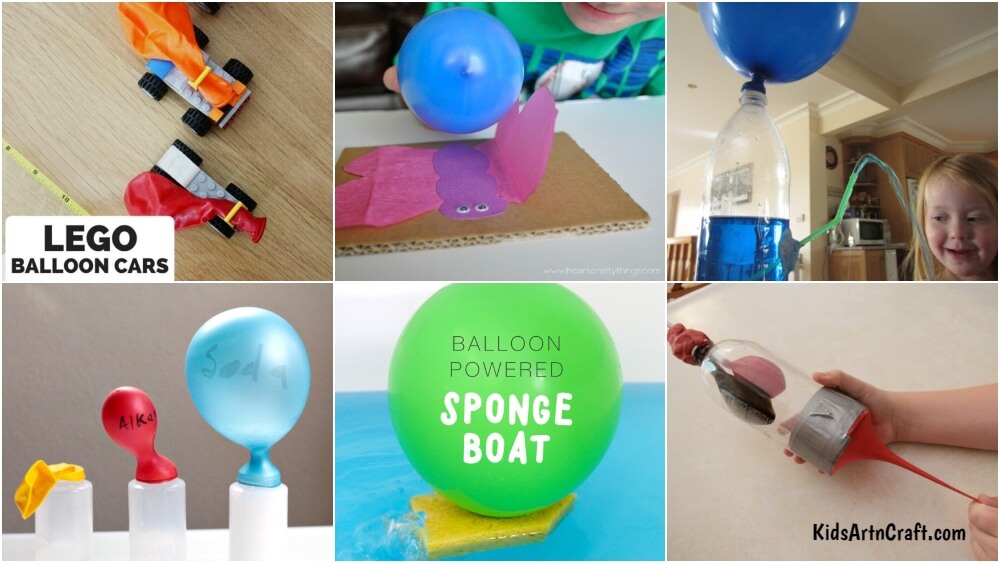
LEGO Balloon Car STEM Challenge for Kids
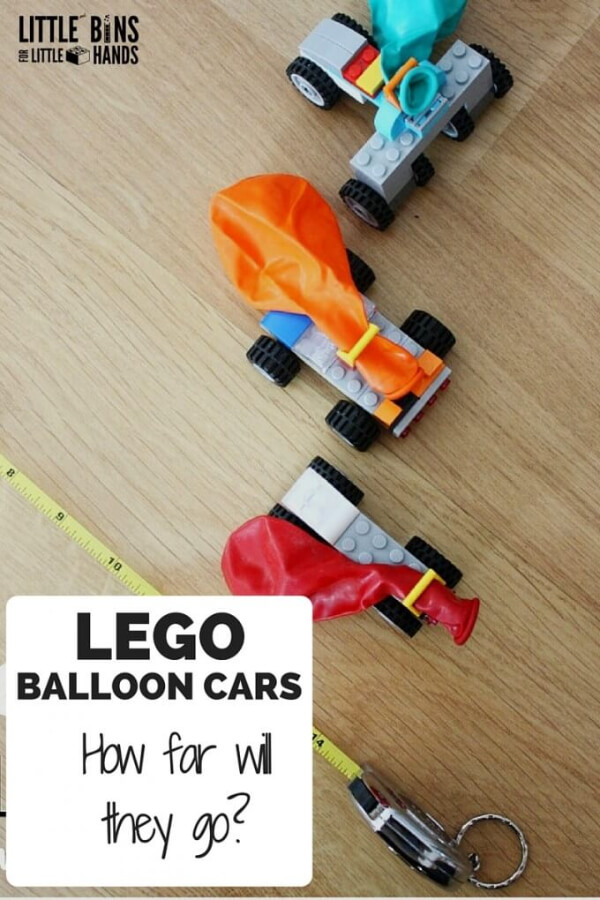
Image Source/ Tutorial: littlebinsforlittlehands
Materials Required:
LEGO blocks, wheels, balloon, straw, tape
Procedure:
Build a small LEGO car and attach a balloon with a straw. Inflate and release to test how far the car travels.
Read More: 15 Fun Balloon Science Experiments for Kids
States of Matter Balloon Science Activity for Kids
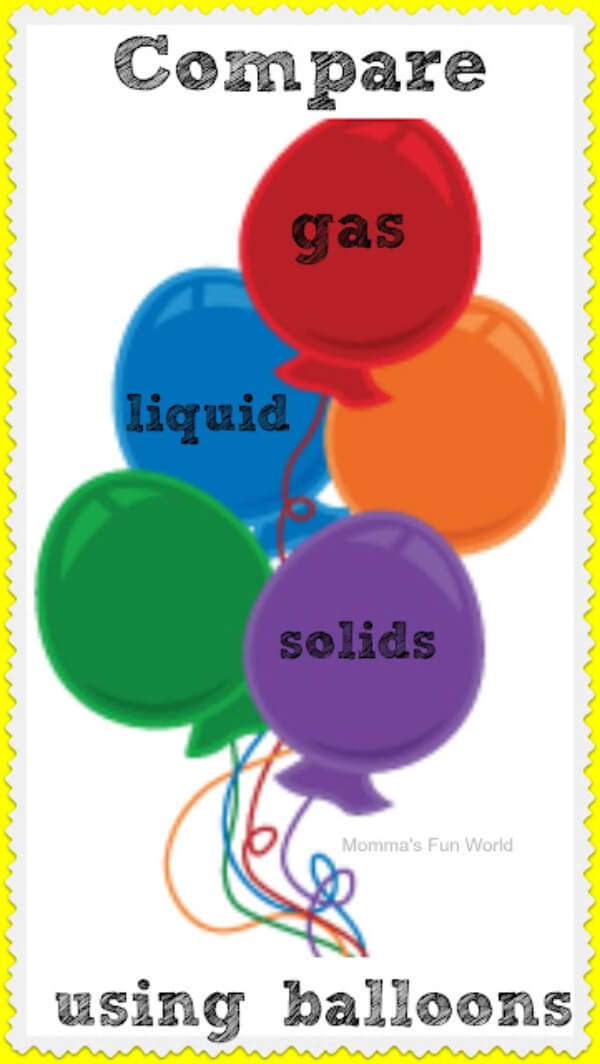
Materials Required:
Balloons, water, air, small objects, markers
Procedure:
Fill balloons with air, water, and solid items. Compare shapes and movement to understand matter states.
Balloon Lift Science Experiment for Kids at Home
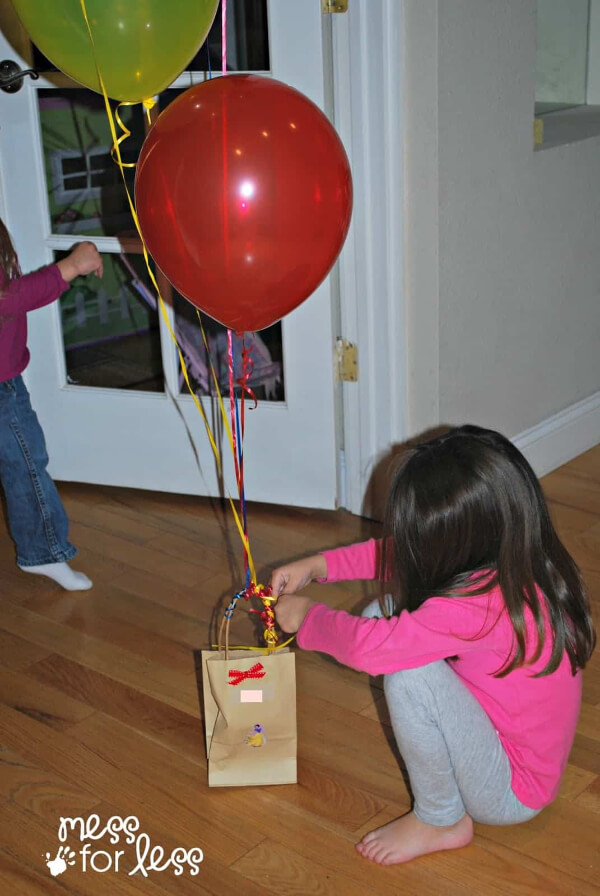
Image Source/ Tutorial: Messforless
Materials Required:
Balloons, string, a lightweight bag, and tape
Procedure:
Tie inflated balloons to a small bag or object. Observe how the balloons help lift or balance it.
Balloon Butterfly Craft Activity for Kids
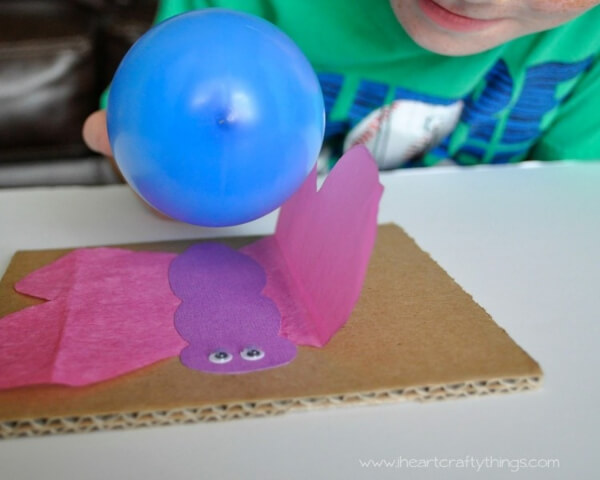
Image Source/ Tutorial: I Heart Crafty Things
Materials Required:
Balloon, paper, cardboard, glue, googly eyes
Procedure:
Create a butterfly shape on cardboard and attach a balloon. Inflate the balloon to make the wings lift or move.
Static Electricity Balloon Science Experiment for Kids
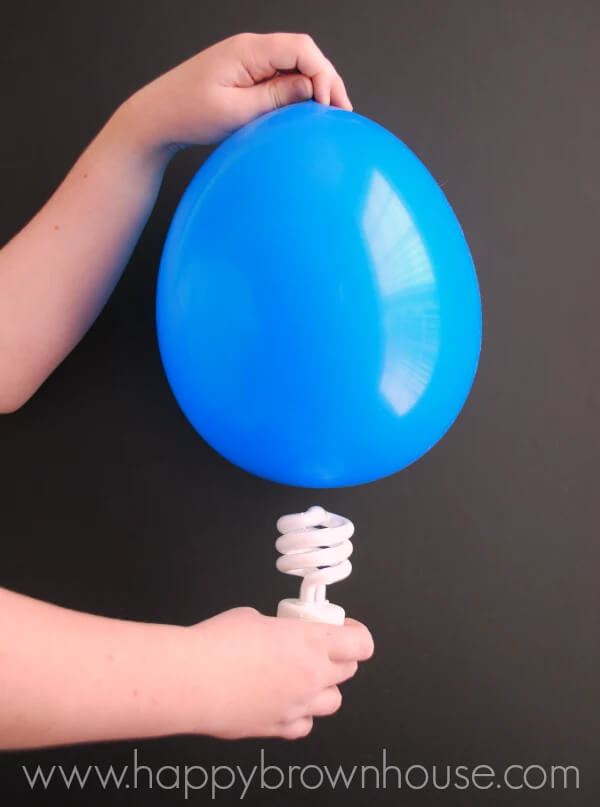
Image Source/ Tutorial: Happy Brown House
Materials Required:
Balloon, wool cloth, or hair, small paper bits
Procedure:
Rub the balloon on hair or cloth to create a static charge. Bring it near paper pieces and watch them stick.
DIY Balloon CD Hovercraft Science Experiment for Kids
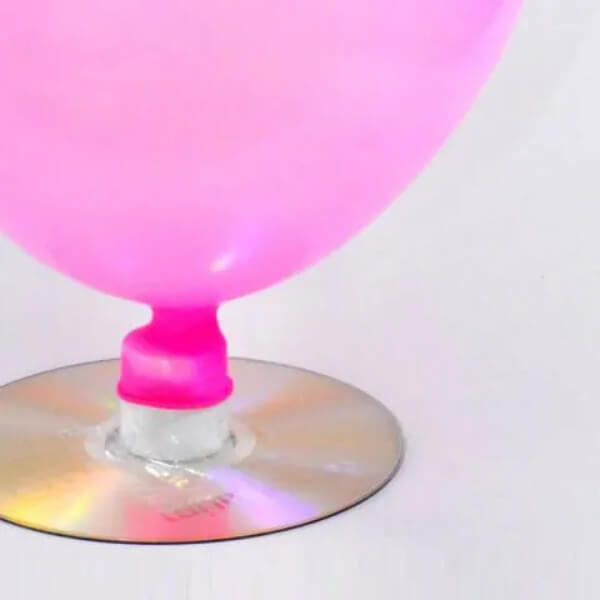
Image Source/ Tutorial: Rookie Parenting
Materials Required:
Balloon, old CD, bottle cap, glue
Procedure:
Fix a bottle cap at the center of the CD and attach the balloon. Inflate the balloon and release air to make the hovercraft glide.
Read More: 24 Beautiful Stained Glass Art Projects for Kids
Balloon-Powered Sponge Boat Fun Science Activity
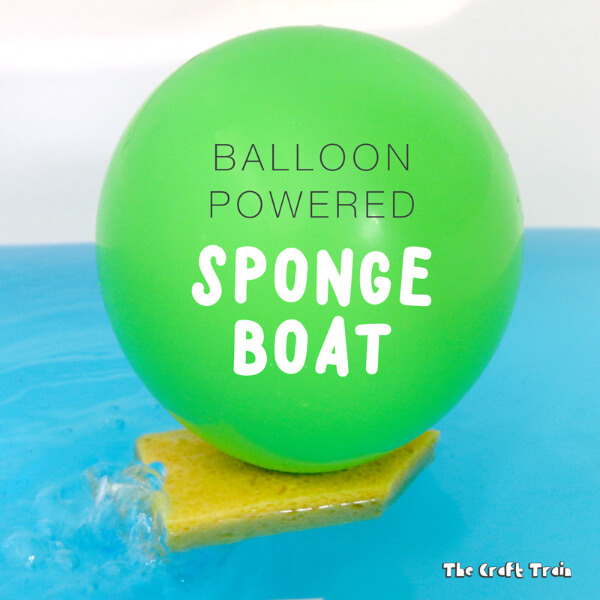
Image Source/ Tutorial: The Craft Train
Materials Required:
Sponge, balloon, straw, rubber band
Procedure:
Insert a straw into the balloon and attach it to the sponge. Inflate the balloon and release it to move the boat on the water.
Baking Soda and Vinegar Balloon Science Experiment
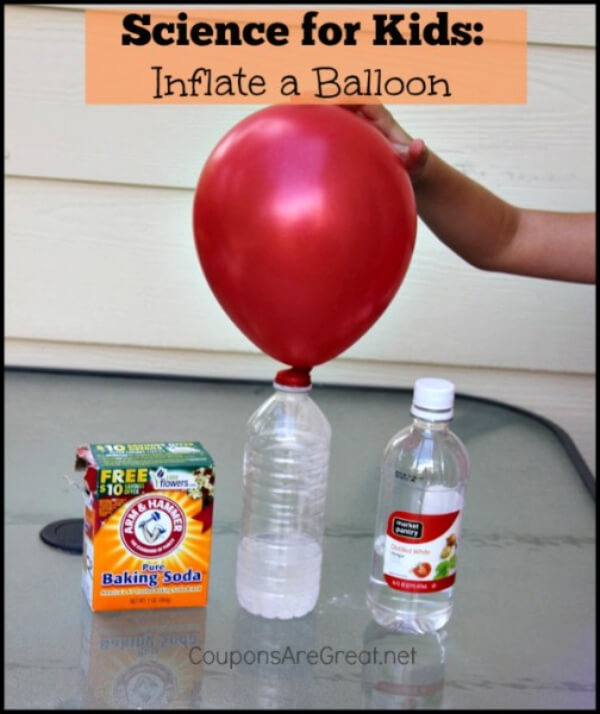
Image Source/ Tutorial: Coupons are Great
Materials Required:
Balloon, bottle, baking soda, vinegar, funnel
Procedure:
Add vinegar to the bottle and baking soda to the balloon. Attach the balloon and let the mixture react to inflate it.
Easy Balloon Inflation Science Activity for Kids
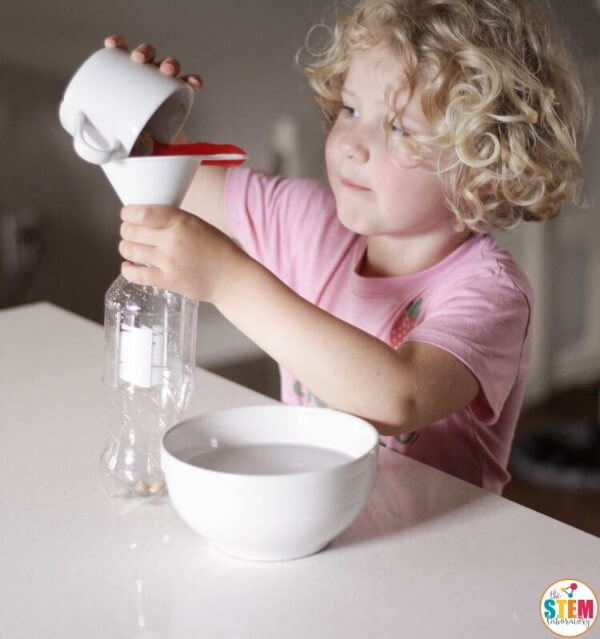
Image Source/ Tutorial: The STEM Laboratory
Materials Required:
Balloon, plastic bottle, baking soda, vinegar, funnel
Procedure:
Pour baking soda into the balloon and vinegar into the bottle. Fix the balloon and observe it inflate due to gas formation.
Balloon Skewer Science Trick for Kids
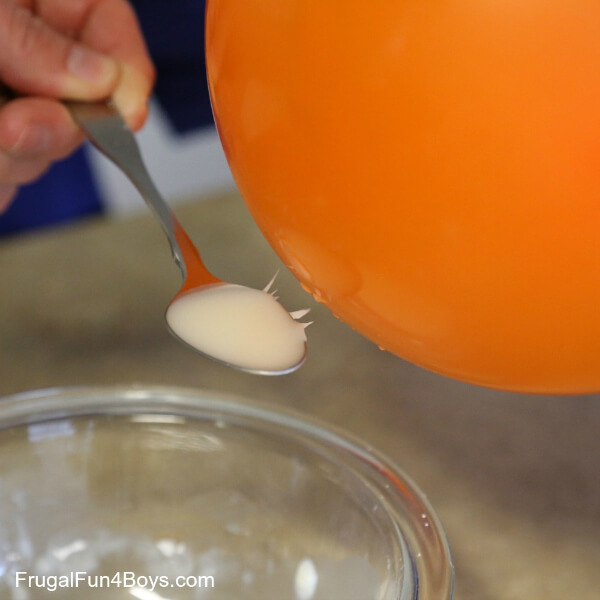
Image Source/ Tutorial: Frugal Fun 4 Boys
Materials Required:
Balloon, skewer, oil (optional)
Procedure:
Inflate the balloon and identify soft spots. Slowly push the skewer through without bursting the balloon.
Static Electricity Balloon Water Experiment for Kids
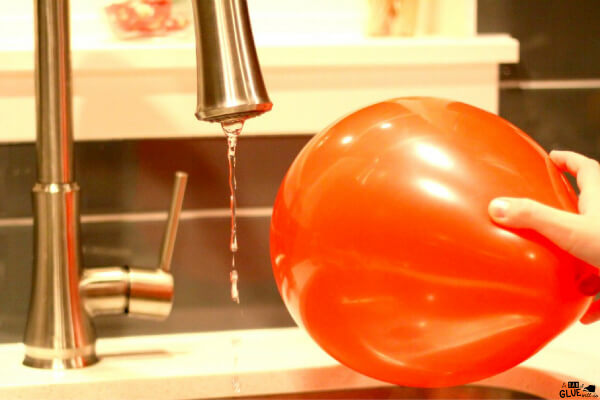
Image Source/ Tutorial: A Dab of Glue Will Do
Materials Required:
Balloon, running water, cloth/hair
Procedure:
Rub a balloon on hair to create a static charge. Bring a nearby water stream to see it bend.
Read More: Explosion Experiments For Kids
Floating Balloon Science Experiment for Kids
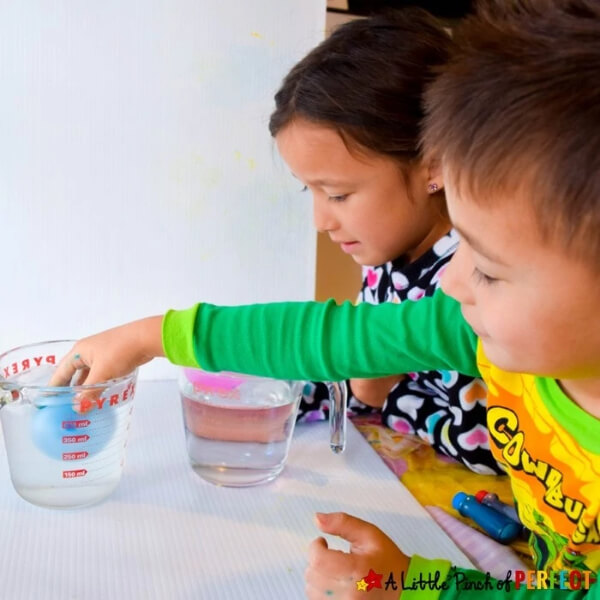
Image Source/ Tutorial: A Little Pinch of Perfect
Materials Required:
Balloons, water, containers, small objects
Procedure:
Fill balloons with different materials like air or water. Place in water to observe floating or sinking behavior.
Balloon Coin Pressure Science Experiment
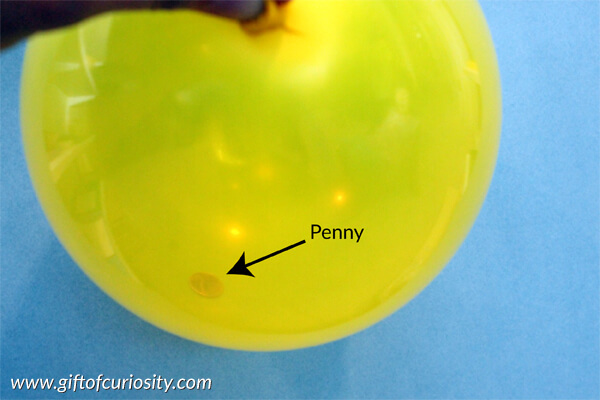
Image Source/ Tutorial: Gift of Curiosity
Materials Required:
Balloon, coin
Procedure:
Insert a coin into the balloon before inflating. Inflate and move the balloon to observe coin motion.
DIY Balloon Sensory Bags for Kids
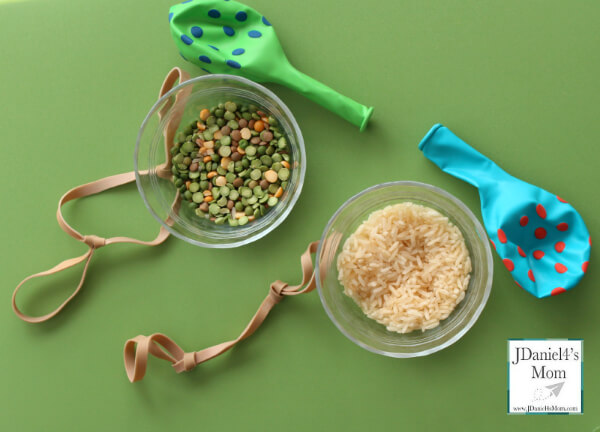
Image Source/ Tutorial: JDaniel4’s Mom
Materials Required:
Balloons, rice, lentils, rubber bands
Procedure:
Fill balloons with rice or lentils using a funnel. Tie securely and let kids squeeze and explore textures.
Balloon Over Candle Science Experiment for Kids
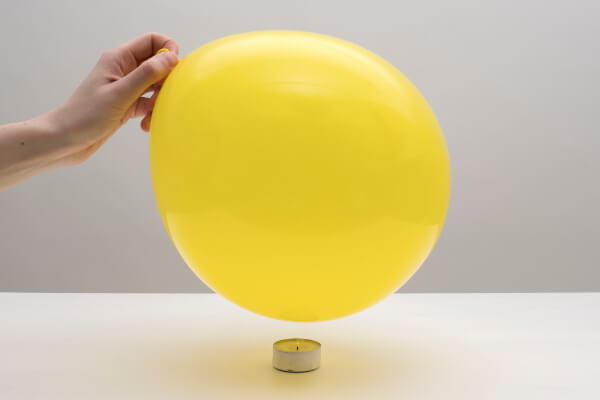
Image Source/ Tutorial: Kiwico
Materials Required:
Balloon, candle, lighter, water (optional)
Procedure:
Inflate the balloon and hold it above a lit candle carefully. Observe how heat impacts the balloon (with safety precautions).
Balloon Expansion Science Experiment with Ring
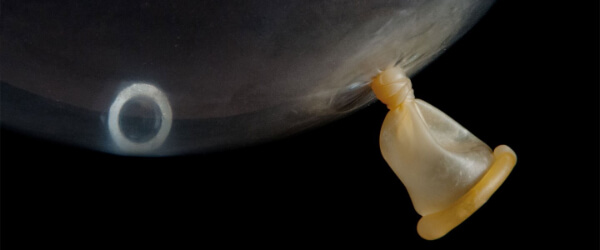
Image Source/ Tutorial: Steve Spangler Science
Materials Required:
Balloon, ring, or circular object
Procedure:
Place a ring inside or around the balloon opening. Inflate the balloon to observe how it expands around the ring.
Read More: Ice Experiments For Summer Days
Comparing Gas Reactions: Balloon Science Experiment
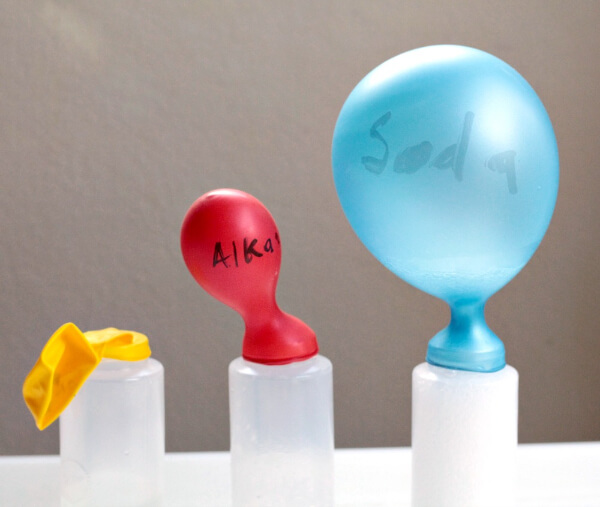
Image Source/ Tutorial: A Dab of Glue Will Do
Materials Required:
Balloons, bottles, baking soda, vinegar, Alka-Seltzer tablets
Procedure:
Add different ingredients into separate bottles and attach balloons. Observe which reaction inflates the balloon more.
Balloon and Candle Heat Resistance Experiment

Image Source/ Tutorial: Steve Spangler Science
Materials Required:
Balloon, candle, lighter, water (optional)
Procedure:
Inflate the balloon and hold it above a candle flame carefully. Observe how heat impacts the balloon surface.
Balloon Water Fountain Science Experiment for Kids
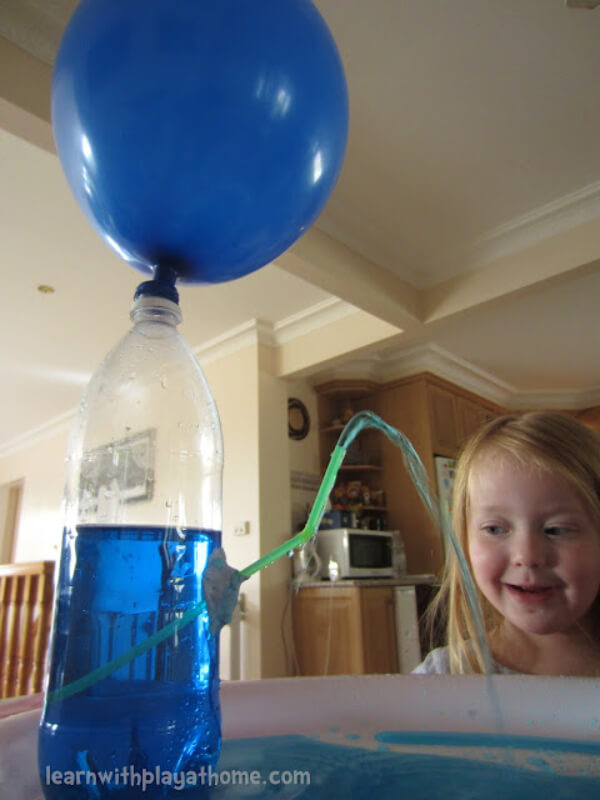
Image Source/ Tutorial: Learn With Play at Home
Materials Required:
Bottle, balloon, water, straw, clay
Procedure:
Fill the ottle with water and attach a balloon to the top. Insert the straw and squeeze the balloon to create a water fountain.
Balloon Stretch Bottle Science Experiment
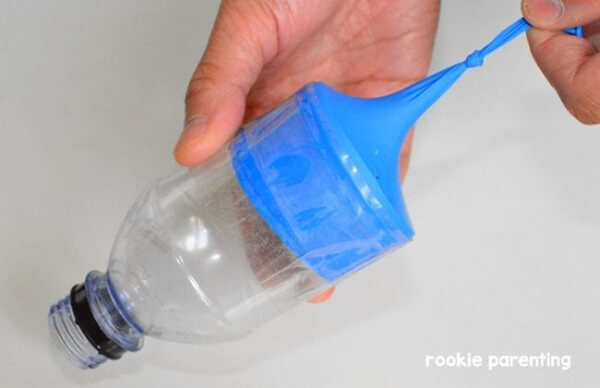
Image Source/ Tutorial: Rookie Parenting
Materials Required:
Plastic bottle, balloon
Procedure:
Stretch the balloon over the bottle opening tightly. Squeeze or release the bottle to observe the balloon movement.
Balloon Size and Air Pressure Comparison Activity
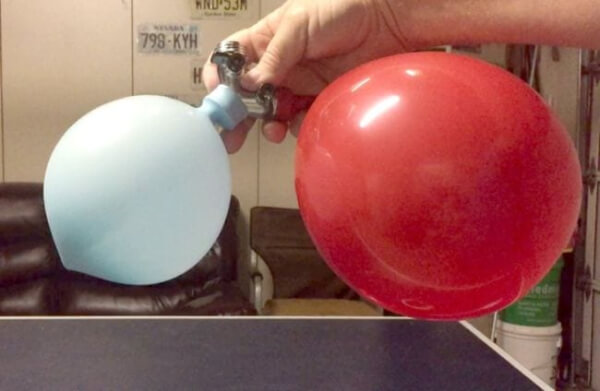
Image Source/ Tutorial: Kids Fun Science
Materials Required:
Balloons of different sizes, an air pump
Procedure:
Inflate balloons with different amounts of air. Compare sizes and discuss pressure differences.
Read More: Edible Science Experiments for Kids
Water Balloon States of Matter Learning Activity
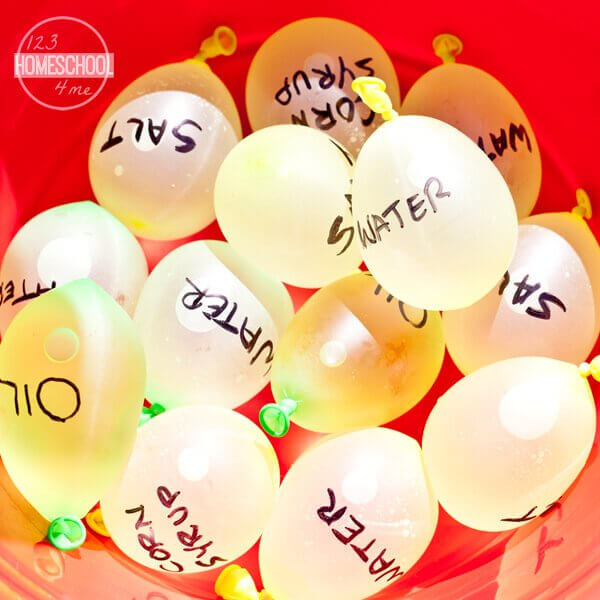
Image Source/ Tutorial: 123 Homeschool 4 Me
Materials Required:
Balloons, water, oil, syrup, markers
Procedure:
Fill balloons with different substances and label them. Compare how each feels and behaves.
Balloon Straw Rocket Launcher STEM Activity
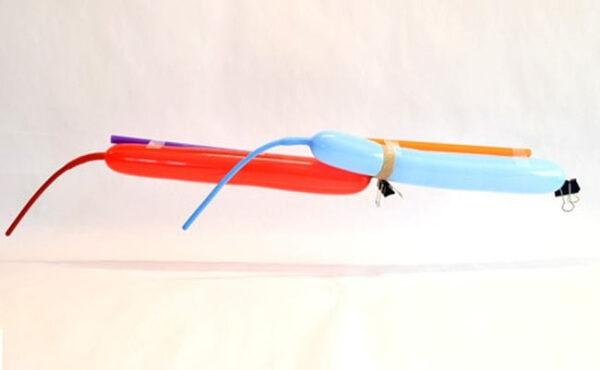
Image Source/ Tutorial: Science Buddies
Materials Required:
Balloon, straw, tape, string
Procedure:
Attach a balloon to a straw threaded on a string. Inflate and release to launch the rocket.
Balloon Bottle Popper Air Pressure Experiment
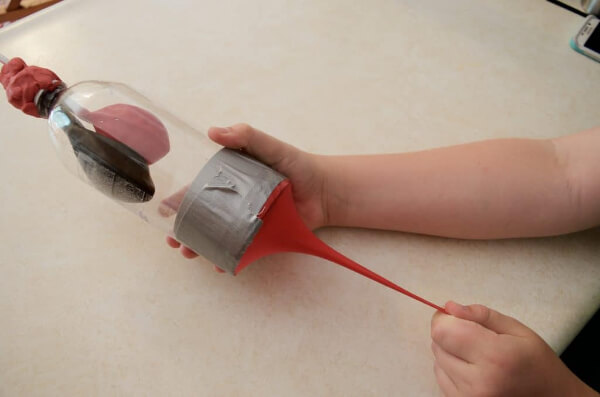
Image Source/ Tutorial: Surviving a Teacher’s Salary
Materials Required:
Bottle, balloon, tape, small object
Procedure:
Attach the balloon to the bottle and place the object inside. Pull and release the balloon to pop or launch the object.
Balloon Water Transfer Science Experiment for Kids
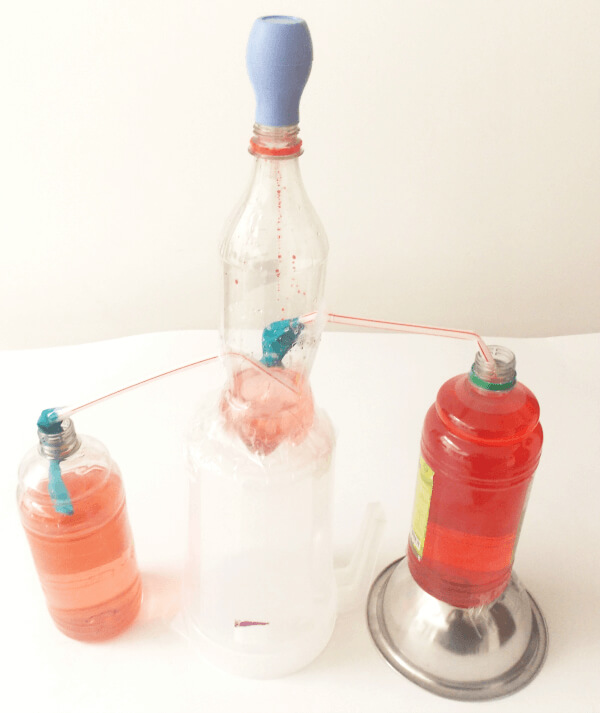
Image Source/ Tutorial: Tina’s Dynamic Homeschool Plus
Materials Required:
Two bottles, balloons, colored water, tubes
Procedure:
Connect bottles using tubes and attach a balloon on one side. Inflate the balloon to push water from one bottle to another.
DIY Balloon Fish Bottle Science Craft for Kids
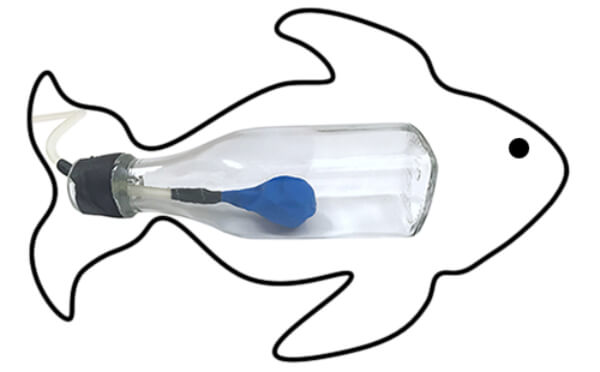
Image Source/ Tutorial: Science Buddies
Materials Required:
Plastic bottle, small balloon, straw or pipe, water, clay or glue, marker (for fish outline)
Procedure:
Fill the bottle with water and attach a small balloon inside using a straw, sealing the bottle tightly. Squeeze and release the bottle to control air pressure and make the “fish” move up and down.
I hope you like our list of Balloon Science Experiments for Kids and will surely try to make them.
Balloon Science Experiments for Kids
Learn fun balloon science experiments for kids with this easy step-by-step tutorial. This simple STEM activity shows how balloons demonstrate air pressure, motion, and reactions using household materials. Perfect for school projects, classroom learning, or home science activities that make learning exciting and hands-on.
Benefits of Balloon Science Activities for Children
Hands-on science experiments using balloons provide many educational and developmental benefits for kids:
- Encourage curiosity and scientific thinking
- Improve observation and problem-solving skills
- Introduce basic STEM concepts through play
- Support critical thinking and experimentation
- Improve creativity and hands-on learning
- Help children understand cause and effect
- Reduce screen time with educational activities
Research shows that interactive science experiments help children better understand scientific concepts because they can directly observe reactions and results themselves.
Easy Materials for Balloon Science Experiments
Most balloon experiments can be completed using affordable household supplies:
- Balloons
- Baking soda
- Vinegar
- Plastic bottles
- Funnels
- String
- Straws
- Tape
- Water
- Markers
- Rubber bands
- Dish soap
Using simple materials makes balloon science activities easy to perform at home or in classrooms.
Popular Balloon Science Experiments for Kids
Balloon Rocket Experiment
A balloon rocket experiment demonstrates Newton’s Third Law of Motion. When air rushes out of the balloon, the balloon moves forward in the opposite direction like a rocket.
Baking Soda Balloon Experiment
Mixing baking soda and vinegar creates carbon dioxide gas that inflates the balloon automatically. This experiment helps children learn about chemical reactions and gas formation.
Static Electricity Balloon Experiment
Rubbing a balloon on hair creates static electricity, allowing the balloon to attract paper pieces or stick to walls. This activity introduces children to electric charges and friction.
Balloon Hovercraft Experiment
Kids can create a simple hovercraft using a balloon and a CD to explore air pressure and motion concepts.
Hot Air Balloon Experiment
Simple hot air activities demonstrate how warm air expands and rises, helping children understand air movement and temperature effects.
Science Concepts Kids Learn with Balloon Experiments
Balloon science activities introduce many important STEM concepts easily and visually:
- Air pressure
- Static electricity
- Chemical reactions
- Gas expansion
- Newton’s laws of motion
- Friction and force
- States of matter
- Cause and effect
Hands-on balloon experiments make abstract scientific ideas easier for children to understand and remember.
Balloon Science Activities by Age Group
Preschool Balloon Experiments
Static balloons, balloon blowing races, color experiments, and sensory play activities.
Kindergarten Balloon Science
Balloon rockets, baking soda balloons, simple air pressure experiments, and floating balloon activities.
Elementary School Balloon Experiments
Hovercrafts, balloon-powered cars, static electricity investigations, and advanced STEM projects.
Choosing age-appropriate science activities helps children stay engaged and confident while learning.
Educational Value of Hands-On STEM Learning
STEM learning encourages children to ask questions, test ideas, make predictions, and observe outcomes through experimentation. Balloon science projects help children build:
- Scientific curiosity
- Problem-solving abilities
- Observation skills
- Creative thinking
- Analytical reasoning
- Confidence in learning science
Experts note that hands-on experiments improve understanding because children actively participate in the learning process instead of only reading about concepts.
Safety Tips for Balloon Experiments
To make balloon science activities safe and enjoyable:
- Always supervise younger children
- Use child-safe and non-toxic materials
- Avoid overinflating balloons
- Keep balloons away from very young children
- Wear eye protection for chemical reaction experiments
- Clean workspaces after experiments
Safe science activities help children learn responsibly while having fun.
Tips for Parents and Teachers
Here are some simple ways to make balloon science activities more educational and exciting:
- Ask children to predict experiment results
- Encourage kids to observe and describe changes
- Let children test different balloon sizes and materials
- Combine experiments with simple science discussions
- Use outdoor spaces for larger balloon activities
- Create a science journal to record observations
Interactive STEM activities help children develop confidence and excitement about science learning.
Frequently Asked Questions (FAQs)
Q1. What are easy balloon science experiments for kids?
Answer: Balloon rockets, baking soda balloon reactions, static electricity balloons, hovercrafts, and air pressure experiments are easy and fun for children.
Q2. What do kids learn from balloon experiments?
Answer: Children learn about air pressure, motion, chemical reactions, static electricity, gases, and basic physics concepts through balloon science activities.
Q3. Are balloon science experiments safe for kids?
Answer: Yes, most balloon experiments are safe when supervised by adults and completed using child-safe materials.
Q4. Why does vinegar and baking soda inflate a balloon?
Answer: The chemical reaction between baking soda and vinegar creates carbon dioxide gas, which expands and fills the balloon.
Q5. Why are STEM activities important for children?
Answer: STEM activities improve creativity, curiosity, problem-solving, and critical thinking skills while making learning fun and interactive.
Balloon science experiments for kids are a fun and educational way to explore physics, chemistry, air pressure, and motion through exciting hands-on activities. These simple STEM projects help children improve observation skills, creativity, problem-solving abilities, and scientific curiosity while having fun with balloons and everyday materials. Whether at home, in classrooms, or during science fairs, balloon experiments provide children with an engaging and memorable learning experience.
Fun crafts, exciting activities, and creative learning for kids every single day! Follow us on Telegram, YouTube & Facebook.
Reviewed By Rachit Gupta
More Articles from Kids’ Art & Craft
- CD Disk Animal Crafts for Kids
- Fairy Crafts & Activities for Kids
- Easy recycling crafts & game activities for kids
- Spring Holiday Recycled Crafts For Kids
- 10 Simple Science Experiments for 3-5 Year Olds